

Last Updated: June 17th, 2026 by Michael Schatz
The 1980s were the golden age of first base, when mustaches were mandatory, batting stances were works of art, and every stadium had that distinctive crack of ash on horsehide. These titans of first base made the decade unforgettable.
Don't lose this article. Enter your email below, and I'll send it to you right now. Plus, we'll send you other unbelievable stories from baseball's past.
Eddie Murray – The Switch-Hitting Iron Man
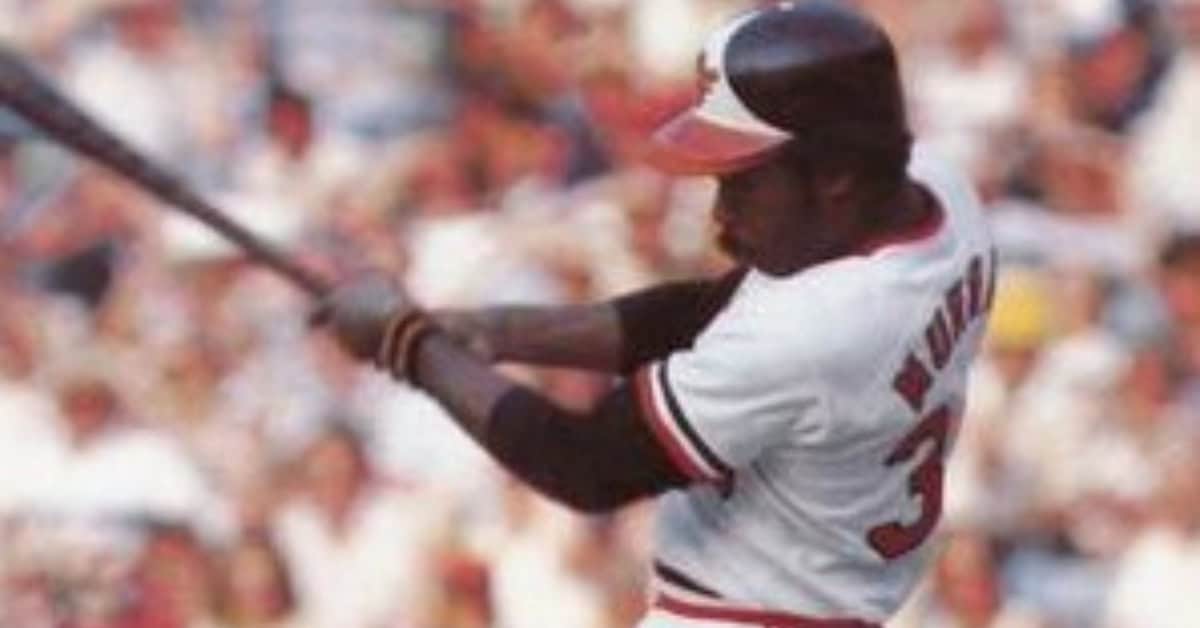
Eddie Murray was the ultimate professional, switching sides of the plate with the fluid grace of a dancer and the power of a linebacker. His stellar 1983 season, where he finished second in MVP voting, helped deliver Baltimore’s last World Series championship. His 504 career home runs made him one of only a few switch-hitters to reach that milestone. Murray’s stoic demeanor and clutch hitting defined reliability in an era when first basemen were expected to be both powerful and dependable, making him the gold standard at the position throughout the decade.
Don Mattingly – Donnie Baseball’s Golden Glove Magic
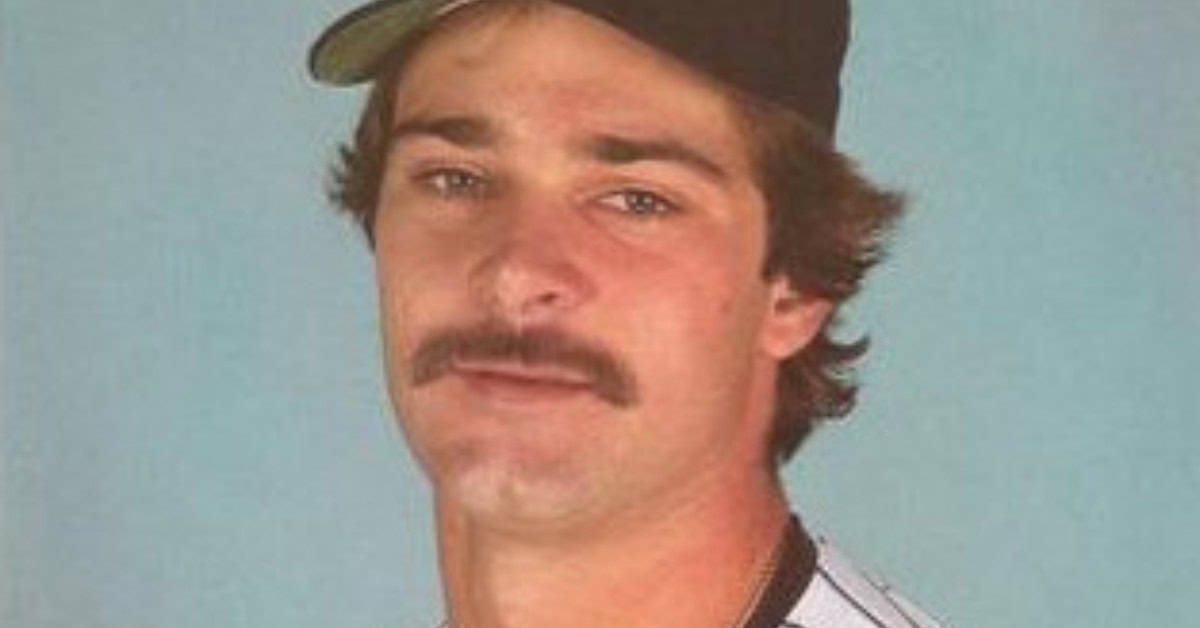
Don Mattingly turned first base into an art form, stretching like a ballet dancer and scooping throws from the dirt with impossible grace. His 1985 MVP season featured 145 RBIs and a .324 average, while his nine Gold Gloves redefined defensive excellence at first base. Mattingly’s sweet left-handed swing and mustache made him the face of 1980s Yankees baseball, even if the team couldn’t quite capture championship magic during his prime years in pinstripes.
Keith Hernandez – The Defensive Wizard with Mustache Swagger

Keith Hernandez revolutionized first base defense with his aggressive positioning and lightning-quick reflexes, turning routine grounders into highlight-reel plays. His 11 consecutive Gold Gloves and clutch hitting helped anchor the 1986 Mets championship team, while his charismatic personality and iconic mustache made him a New York legend. Hernandez could start double plays from first base better than most shortstops, and his baseball IQ was matched only by his ability to deliver in crucial moments throughout the decade.
Will Clark – The Natural’s Sweet Swing
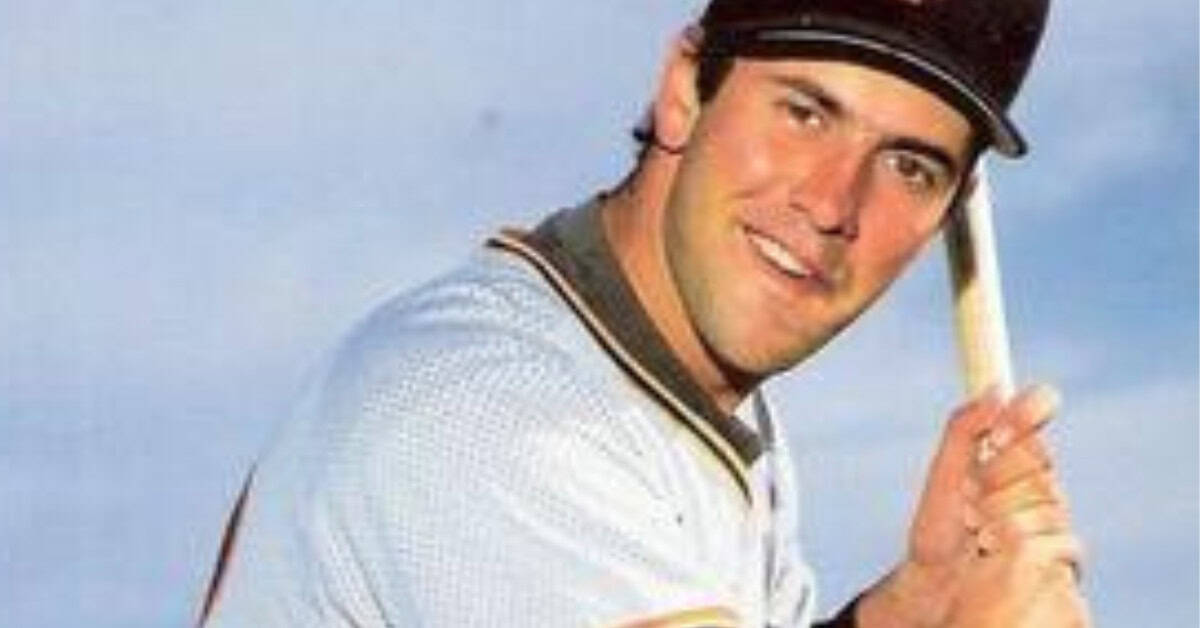
Will “The Thrill” Clark burst onto the scene in 1986 with a home run off Nolan Ryan in his first major league at-bat, announcing himself with the kind of swagger that defined late-80s baseball. His picture-perfect left-handed swing and fierce competitive spirit made him an instant fan favorite in San Francisco, while his .303 career average and clutch postseason performances showcased his natural talent. Clark’s intensity and skill at the plate, combined with solid defense, made him one of the most complete first basemen of the decade’s final years.
Steve Garvey – Mr. Clean’s Consecutive Games Streak
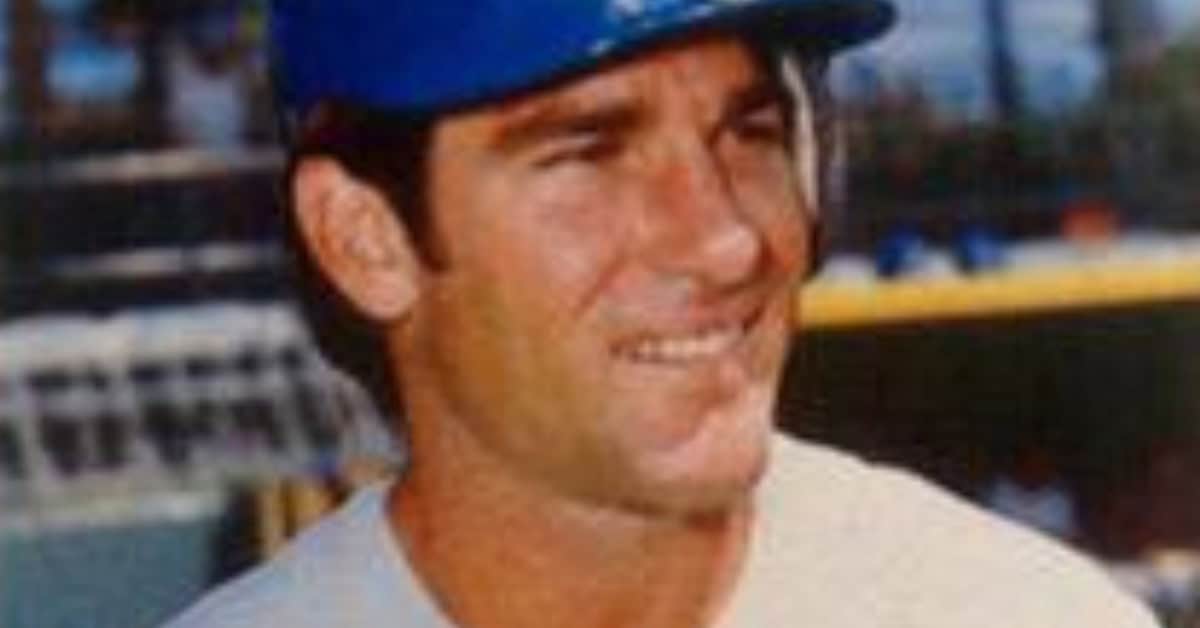
Steve Garvey’s 1,207 consecutive games streak epitomized the iron-man mentality of the era, playing through injuries that would sideline modern players for weeks. His clean-cut image and clutch hitting helped lead the Padres to their first World Series in 1984. Garvey’s reliability both at the plate and in the field, demonstrated through much of the 1980s after his streak ended in 1983, made him the steady presence every team craved, and his All-Star appearances proved that consistency was just as valuable as flashy statistics.
Cecil Fielder – Big Daddy’s Moonshot Power
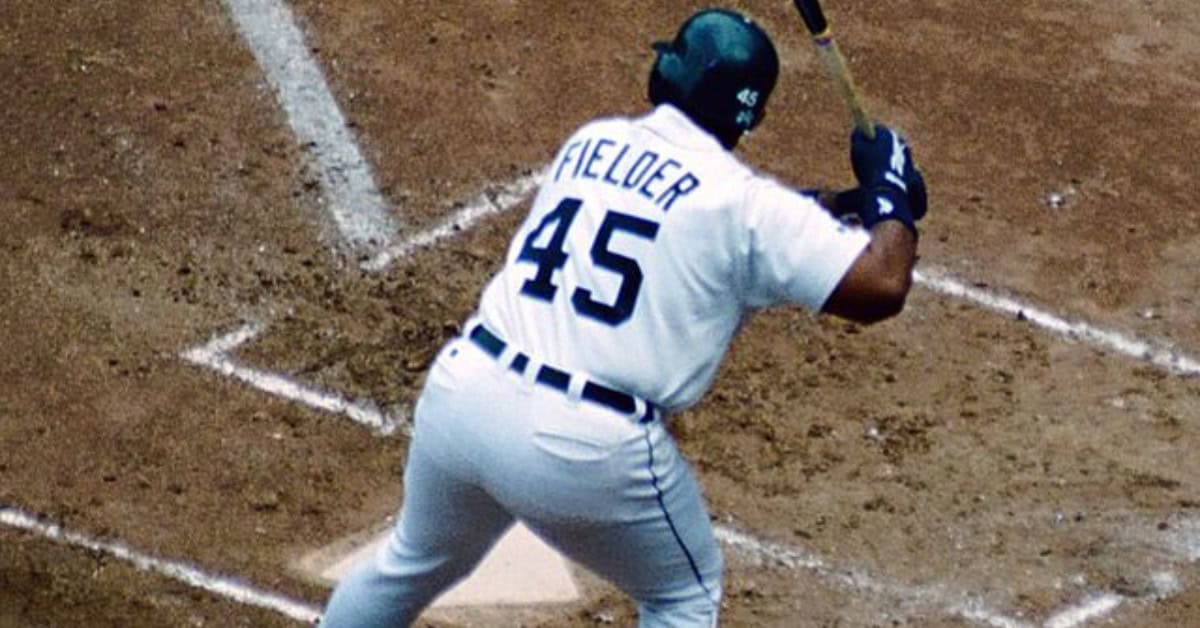
Cecil Fielder’s massive frame and even more massive home runs made him a late-80s sensation, though his peak would come in the following decade. His stint with the Blue Jays from 1985-1988 showcased the raw power that would later make him famous, launching baseballs into the upper decks with the kind of authority that made fans gasp. Fielder’s patient approach at the plate and ability to drive in runs foreshadowed the power revolution that would define 1990s baseball, making his late-80s appearances a preview of coming attractions.
Kent Hrbek – Minnesota’s Hometown Hero
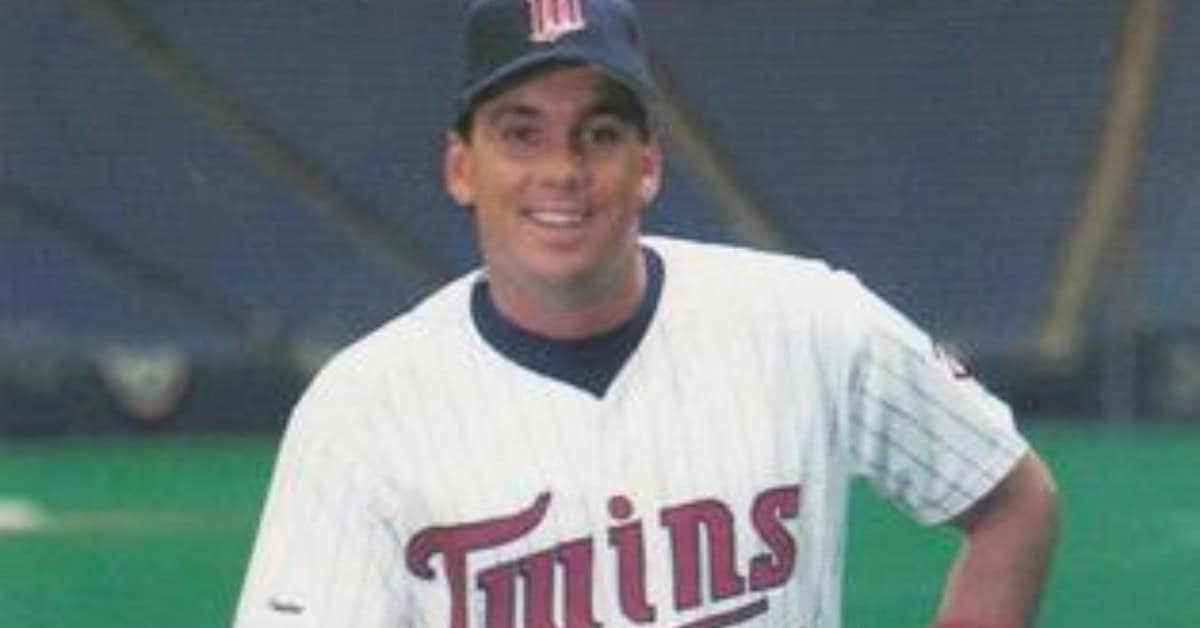
Kent Hrbek embodied Minnesota nice with a Louisville Slugger, using his 6’4″ frame to launch home runs over the Metrodome’s baggy and into the hearts of Twins fans. His clutch hitting in the 1987 World Series, including a grand slam in Game 6, helped deliver Minneapolis its first championship in decades. Hrbek’s blue-collar work ethic and genuine love for his hometown made him the perfect representative of 1980s Midwest baseball, where loyalty and hard work mattered more than flashy statistics or big-market contracts.
Mark McGwire – The Bash Brother’s Rookie Record
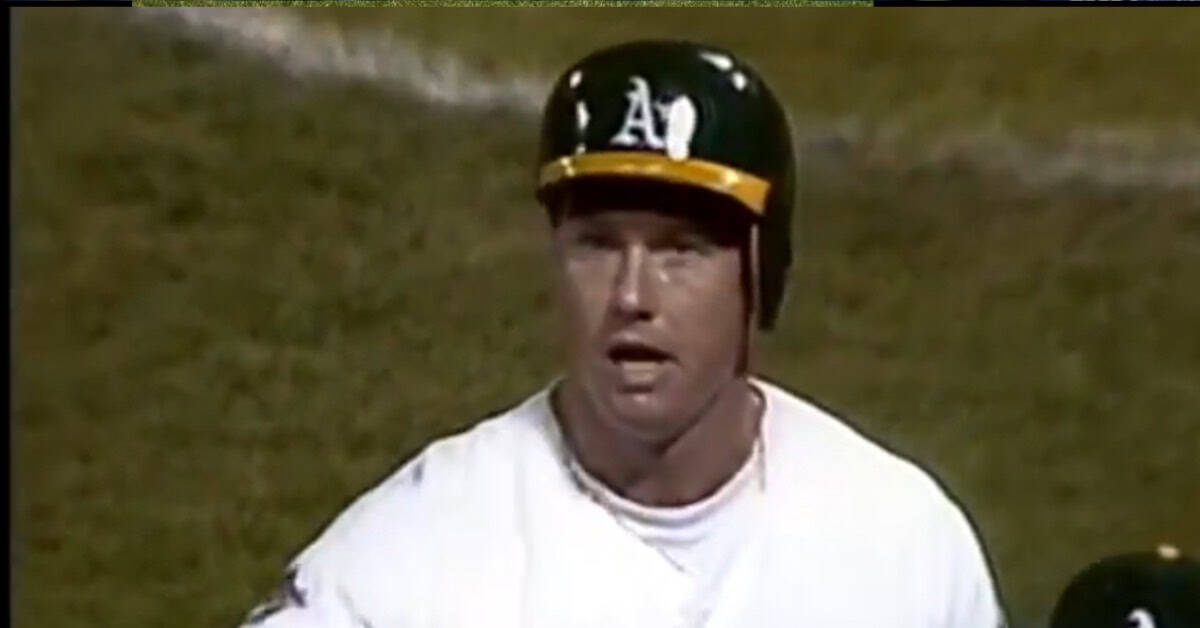
Mark McGwire’s 49 home runs in 1987 shattered the rookie record and announced the arrival of a new era in baseball power, though his best years would come later. His towering shots and thick forearms made him an instant sensation in Oakland, where the “Bash Brothers” phenomenon with Jose Canseco captured the imagination of late-80s fans. McGwire’s pure swing mechanics and ability to turn on any fastball foreshadowed the home run explosion of the 1990s, making his rookie season a watershed moment for power hitting at first base.
Pete Rose – Charlie Hustle’s Final Stand

Pete Rose’s transition to first base in the early 1980s allowed him to chase Ty Cobb’s hit record while maintaining his trademark hustle and intensity. His 4,192nd hit in 1985 broke baseball’s most sacred record, and his gritty style of play showed that age was just a number for the ultimate competitor. Rose’s headfirst slides into first base and relentless pursuit of excellence embodied the never-say-die attitude that defined 1980s baseball, even as controversy would later overshadow his remarkable achievements on the field.
Willie McCovey – Stretch’s Twilight Years
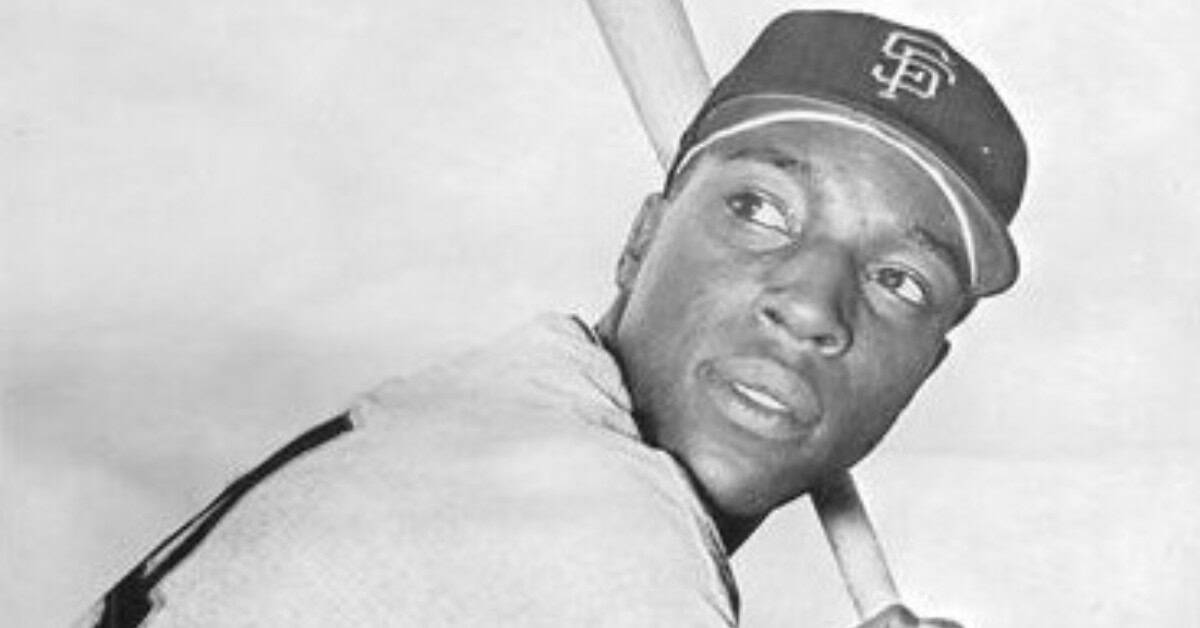
Willie McCovey’s return to San Francisco in 1977 extended into the early 1980s, giving fans one last look at the Hall of Fame slugger’s legendary left-handed swing. His 6’4″ frame and gentle demeanor earned him the nickname “Stretch,” while his ability to still turn on a fastball well into his 40s showcased the timeless nature of pure hitting ability. McCovey’s final seasons provided a bridge between baseball’s past and present, reminding younger fans why he was one of the most feared hitters of the 1960s and 70s.
Tony Perez – The Big Red Machine’s Clutch King

Tony Perez’s clutch hitting and veteran leadership helped the 1980 Phillies capture their first World Series championship, proving that experience and timing mattered more than raw statistics. His ability to deliver in pressure situations and mentor younger players made him invaluable throughout his 1980s journey with Philadelphia, Boston, and Cincinnati. Perez’s smooth swing and professional approach exemplified the fundamentally sound baseball that characterized the early part of the decade, when situational hitting was as prized as pure power.
Chris Chambliss – The Steady Veteran’s Consistency
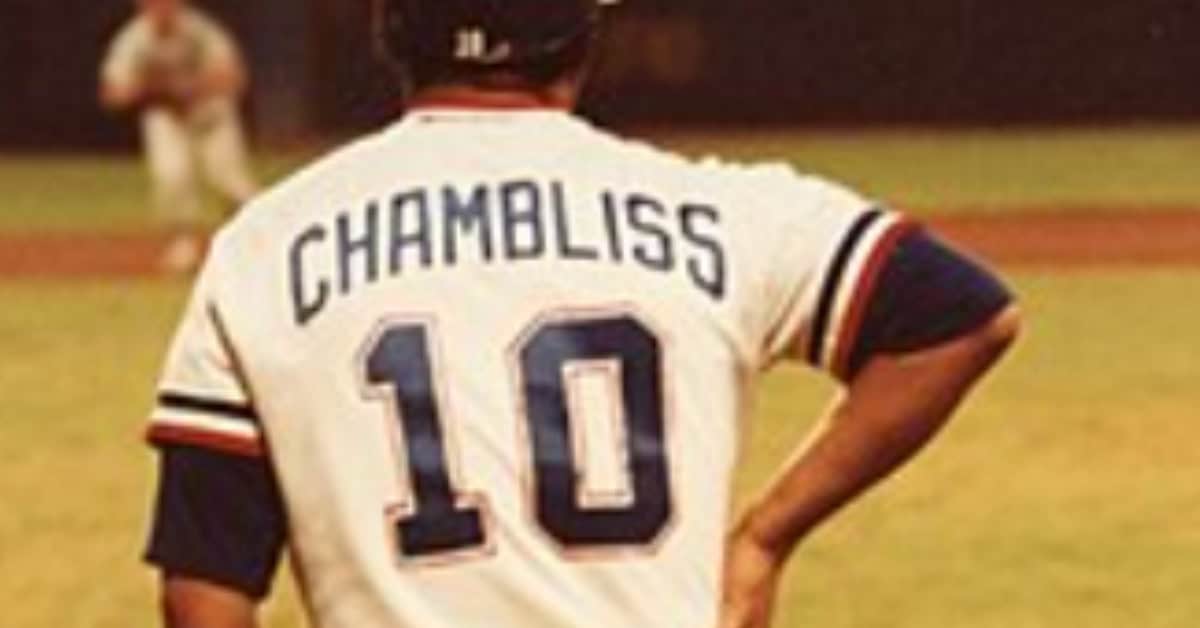
Chris Chambliss brought steady professionalism to first base throughout the early 1980s, using his smooth swing and reliable glove to anchor the Atlanta Braves infield. His veteran presence and ability to work counts made him the perfect complement to Atlanta’s young pitching staff, while his clutch hitting in key situations helped establish the Braves as a competitive franchise. Chambliss represented the workmanlike approach that characterized many successful first basemen of the era, proving that consistency and fundamentals never went out of style.
Jason Thompson – The Underrated Slugger
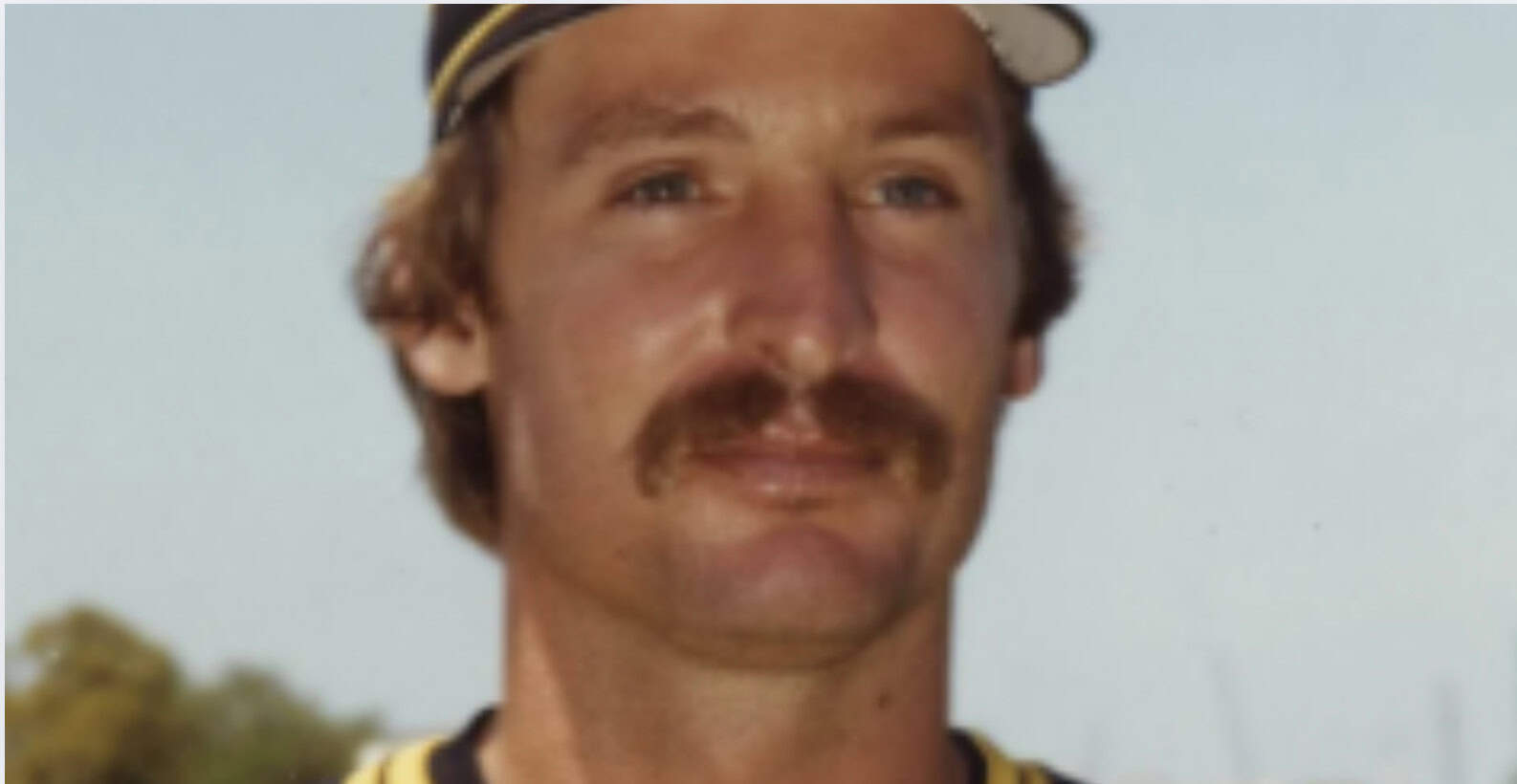
Jason Thompson’s powerful left-handed swing made him one of the American League’s most dangerous hitters in the early 1980s, notably driving in 101 runs for Pittsburgh in 1982. His patient approach at the plate and ability to work deep counts frustrated opposing pitchers, while his 31 home runs in 1982 showcased the power that made him a feared slugger. Thompson’s quiet consistency and professional demeanor exemplified the blue-collar work ethic that defined both Detroit baseball (where he starred in the late 70s) and the broader industrial Midwest during the decade.
Dan Driessen – Cincinnati’s Versatile Infielder
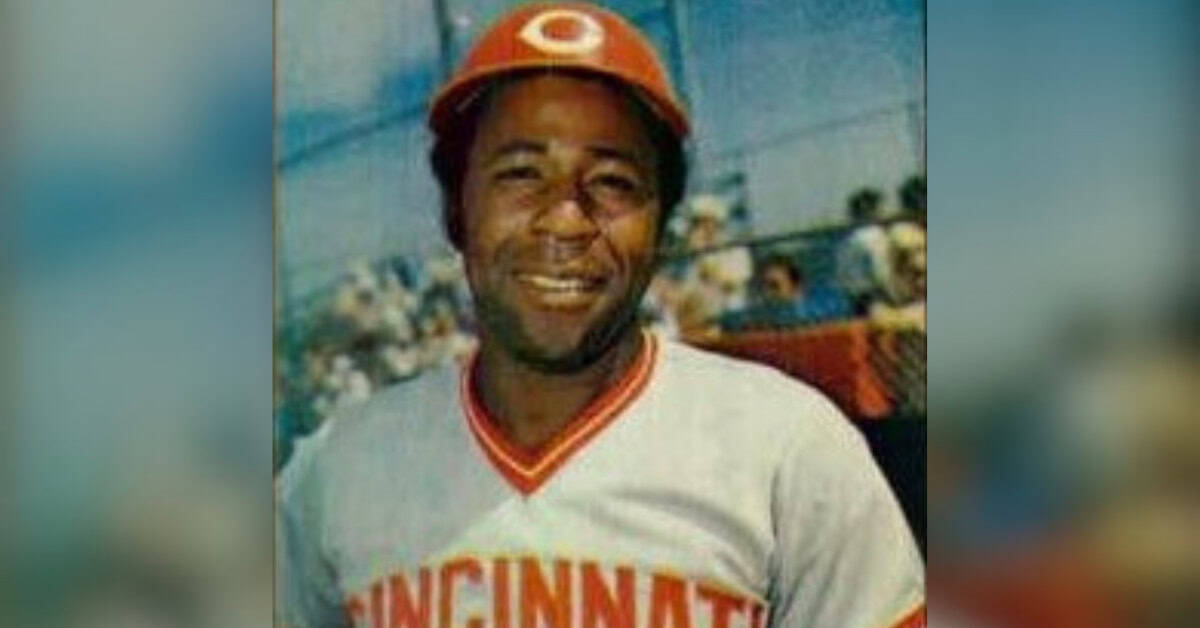
Dan Driessen’s versatility, primarily playing first base and third base, made him a valuable weapon for Cincinnati throughout the early 1980s, extending the Big Red Machine era with his clutch hitting and professional approach. His ability to work and deliver in pressure situations helped maintain the Reds’ competitive edge even as their championship core aged. Driessen’s smooth left-handed swing and baseball intelligence represented the kind of fundamental soundness that characterized Cincinnati baseball, proving that smart players could extend their careers through adaptation and versatility.
Greg Brock – The Dodgers’ Early 80s Power
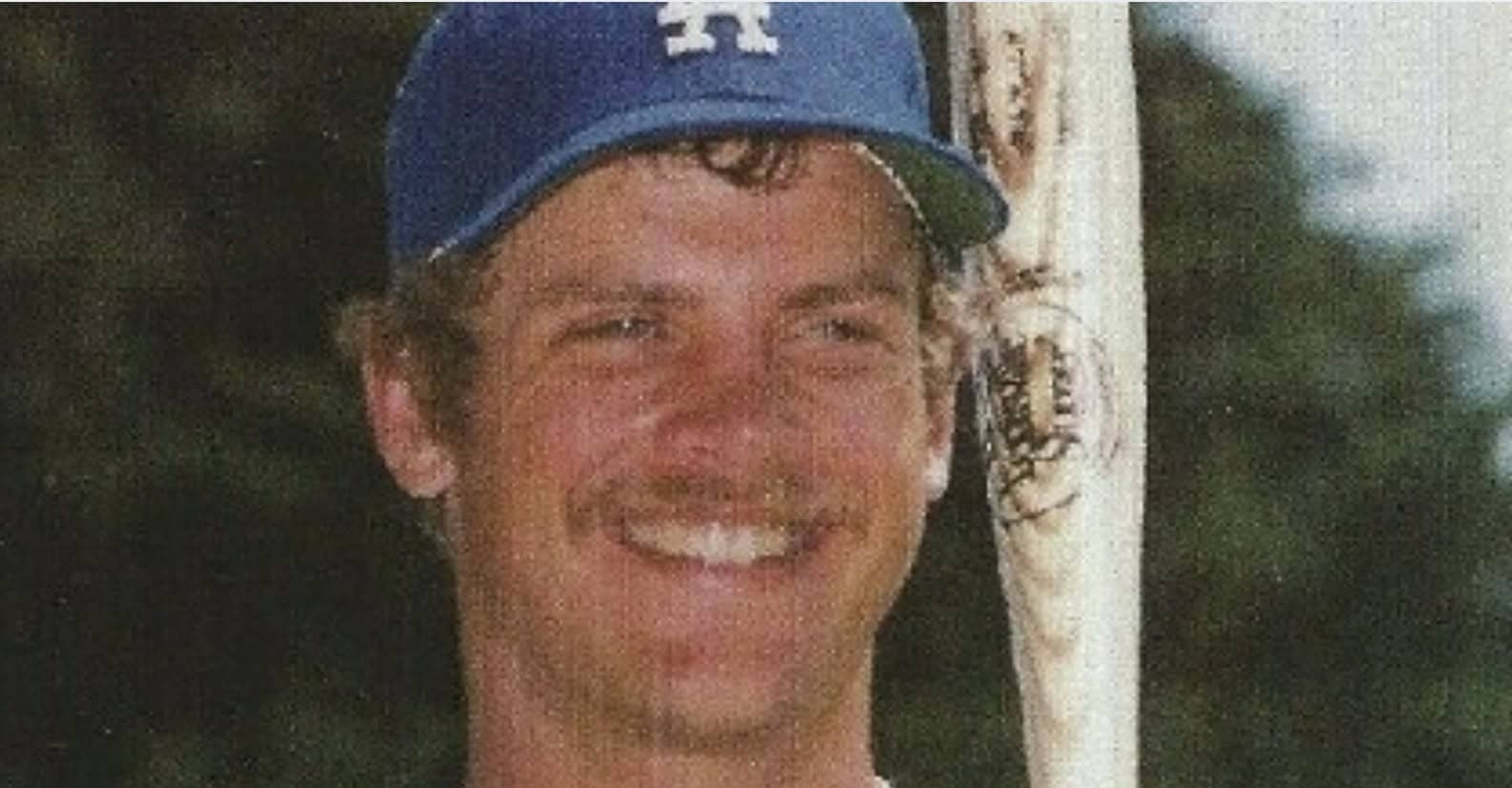
Greg Brock’s left-handed power stroke and patient approach made him a key contributor for the Dodgers in the early to mid-1980s, providing steady production at first base. He was a regular for Los Angeles from 1983 to 1986, hitting over 20 home runs twice during that period. Brock’s professional demeanor and fundamentally sound approach represented the organizational philosophy that made Los Angeles a consistent contender, proving that smart baseball could triumph over pure athleticism.
Alvin Davis – Mr. Mariner’s Rookie Sensation

Alvin Davis burst onto the Seattle scene in 1984 with 27 home runs and 116 RBIs, earning Rookie of the Year honors and giving Mariners fans their first legitimate star to cheer for. His smooth left-handed swing and professional approach made him the face of the franchise during its early years, while his consistency and work ethic embodied the Pacific Northwest’s blue-collar values. Davis’s emergence as “Mr. Mariner” provided hope for a struggling franchise and proved that small-market teams could develop homegrown talent capable of competing with baseball’s established powers.
Glenn Davis – Houston’s Home Run King
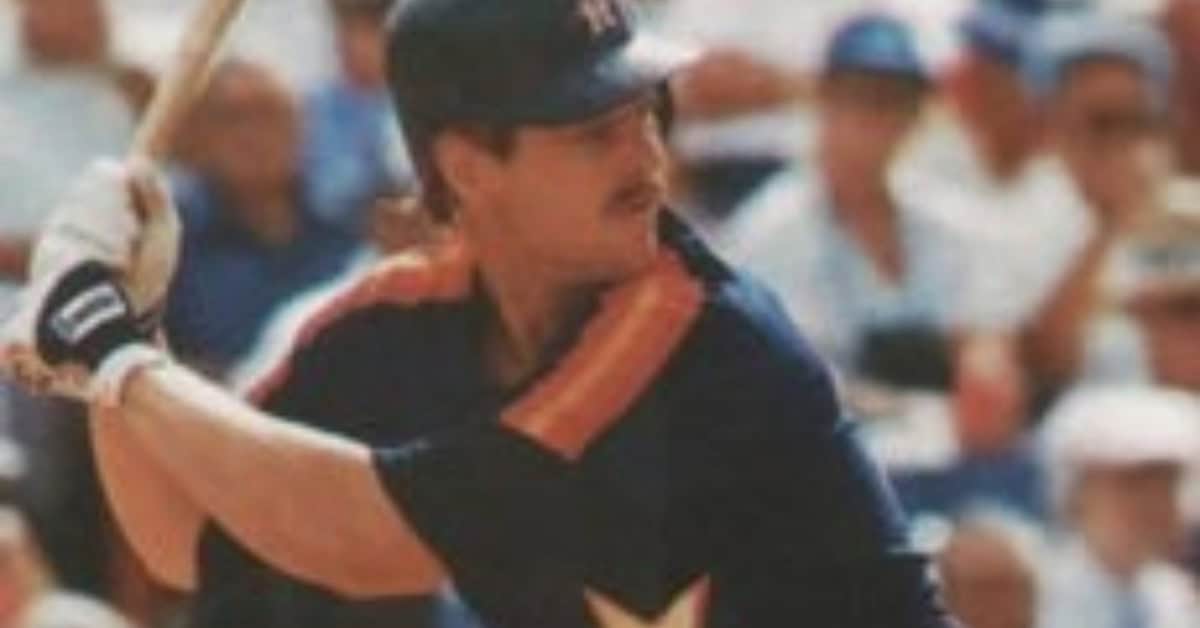
Glenn Davis’s powerful right-handed swing made him the Astrodome’s most feared hitter during the late 1980s, launching 31 home runs in 1986 and following up with 27 more in 1987. His ability to drive the ball out of Houston’s pitcher-friendly confines showcased legitimate power that translated to any ballpark in the league. Davis’s emergence as a consistent run producer helped anchor the Astros’ lineup during their competitive years, while his professional approach and team-first mentality made him a respected leader in the clubhouse throughout his Houston tenure.
Leon Durham – Bull’s Sweet Swing in Wrigley
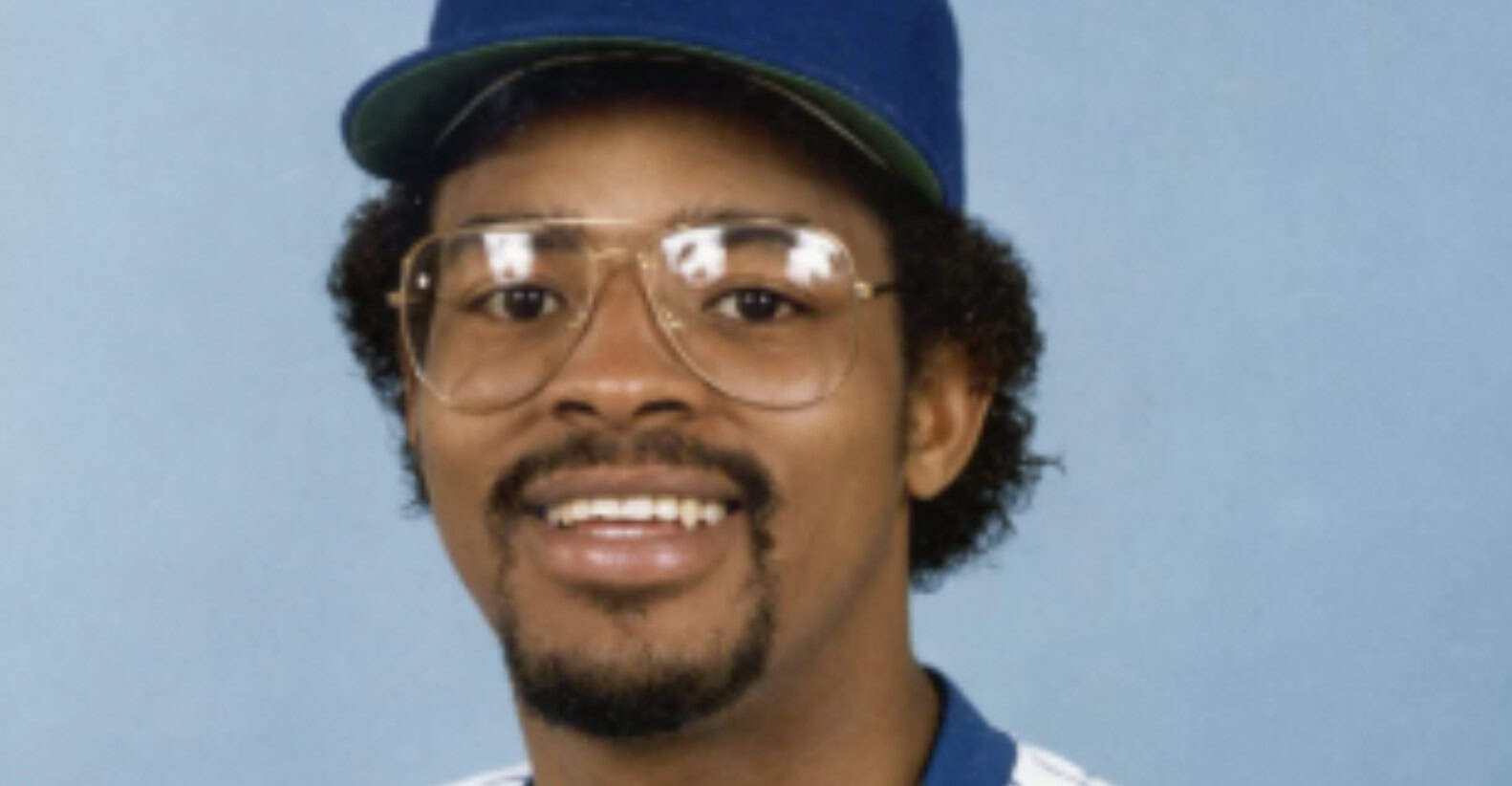
Leon “Bull” Durham’s smooth left-handed swing was perfectly suited for Wrigley Field’s friendly confines, helping power the Cubs to their first postseason appearance since 1945 during the magical 1984 season. His 23 home runs and 96 RBIs that year provided the offensive punch that made Chicago’s championship dreams seem possible, while his steady defense anchored the infield. Durham’s nickname and playing style embodied the working-class spirit of Chicago baseball, where effort and determination mattered as much as natural talent in winning over the hearts of long-suffering Cubs fans.
Bob Horner – Atlanta’s Four-Homer Wonder
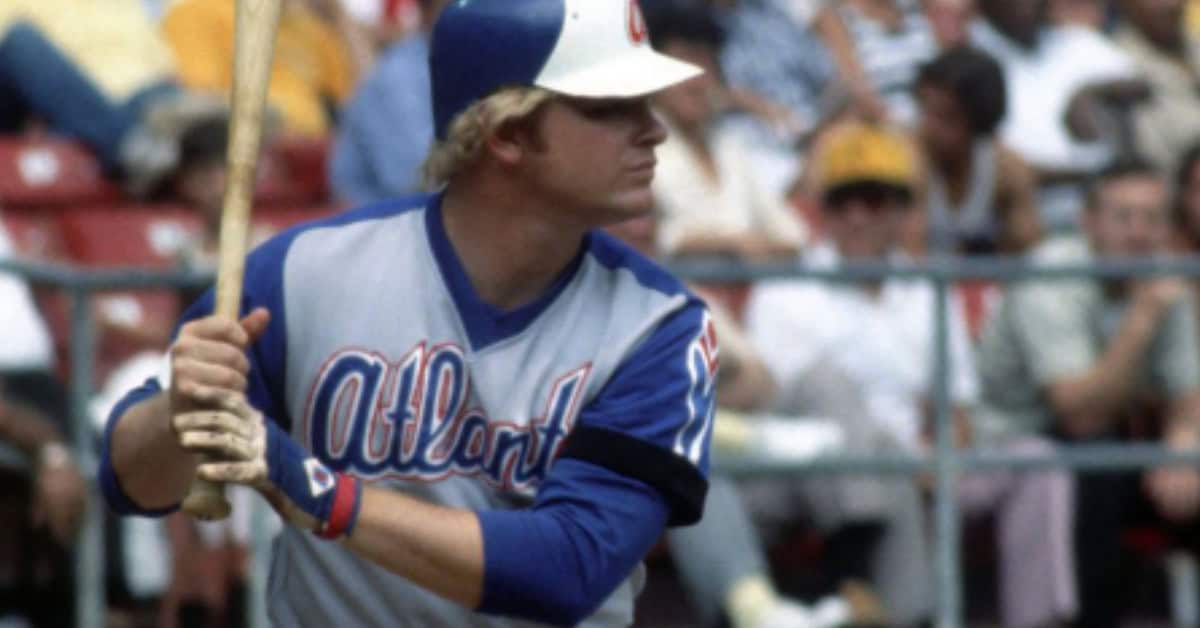
Bob Horner’s historic four-home-run game on July 6, 1986, represented the pinnacle of pure power hitting and remains one of baseball’s rarest achievements. His compact swing and quick wrists generated tremendous power despite his 6’0″ frame, making him one of the most dangerous hitters in the National League when healthy. Horner’s ability to turn on any fastball and drive it out of the park showcased the kind of natural hitting ability that made him a fan favorite in Atlanta, even as injuries limited his overall career production throughout the decade.
Jack Clark – The Ripper’s Late-Career Power
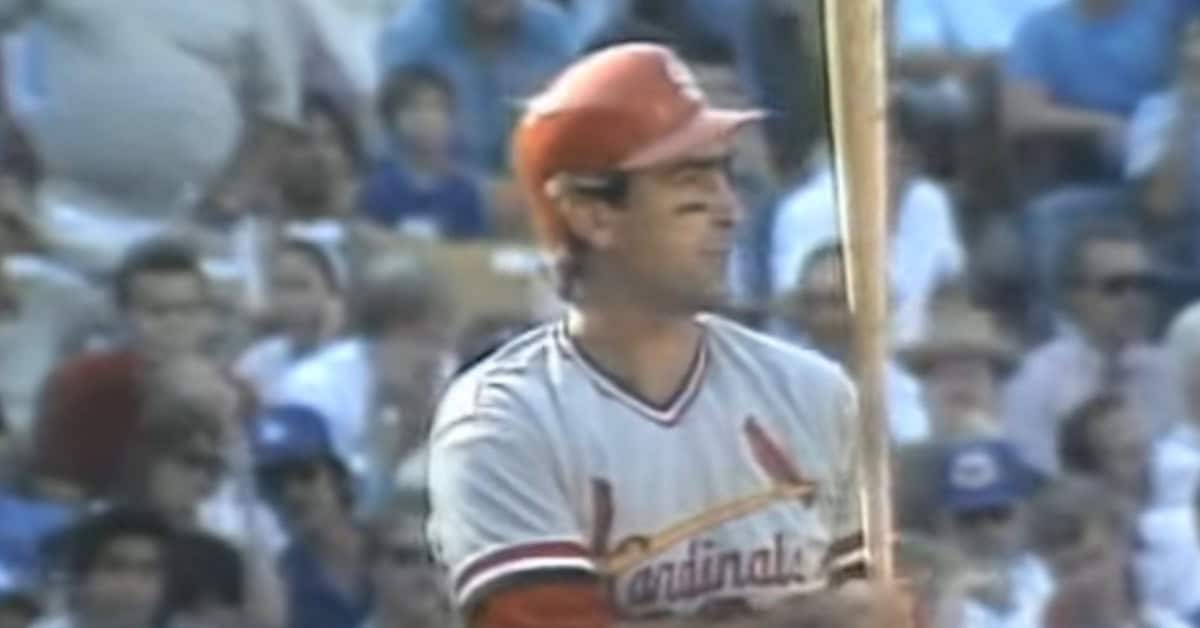
Jack “The Ripper” Clark’s transition to first base in the mid-1980s extended his career and showcased his devastating power stroke, including his famous home run off Tom Niedenfuer that sent the Cardinals to the 1985 World Series. His patient approach at the plate and ability to work deep counts made him one of the most feared hitters in the National League, while his clutch gene delivered in the biggest moments. Clark’s intensity and competitive fire embodied the kind of old-school baseball mentality that defined the 1980s, when players took every at-bat personally and treated October baseball like a sacred trust.