

Last Updated: June 17th, 2026 by Michael Schatz
The 1960s represented baseball’s golden age of pitching, when larger-than-life hurlers dominated from sixty feet, six inches away. From perfect games to 30-win seasons, these mound masters defined an era when pitching was king. Step back in time as we celebrate twenty legends who made batters weak in the knees and crowds roar with delight.
Don't lose this article. Enter your email below, and I'll send it to you right now. Plus, we'll send you other unbelievable stories from baseball's past.
1. Sandy Koufax: The Left Arm of God
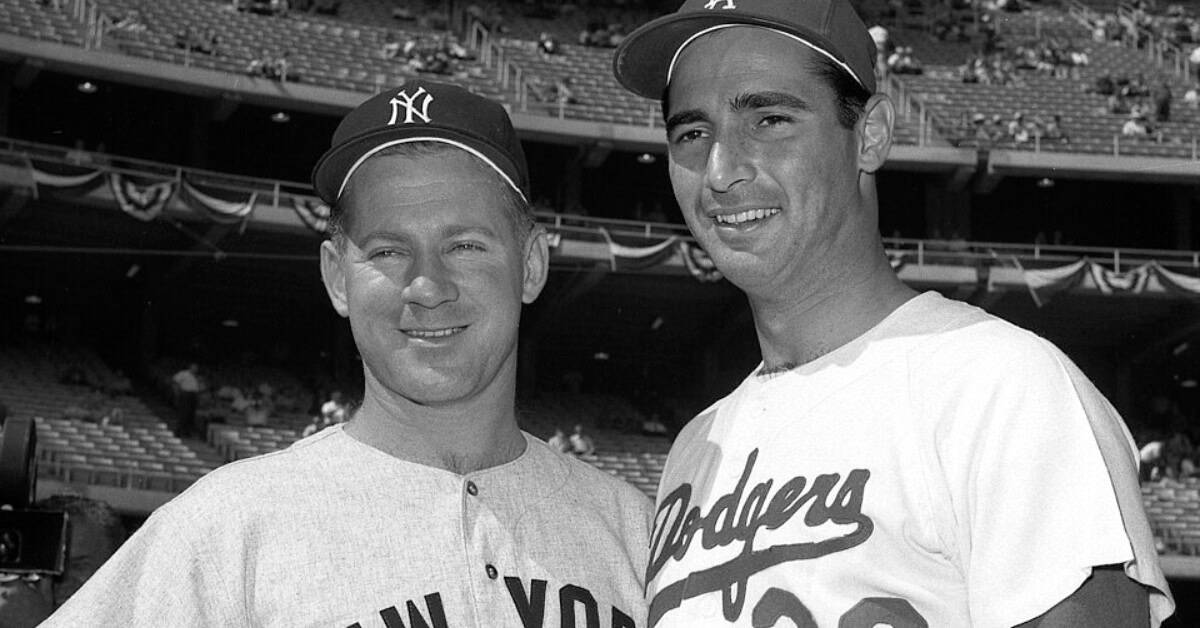
From 1961-1966, Sandy Koufax assembled perhaps the most dominant six-year stretch in baseball history. The Dodgers’ southpaw claimed three Cy Young Awards, pitched four no-hitters (including a perfect game in 1965), and posted an otherworldly 1.95 ERA over his final five seasons. His devastating curveball and blazing fastball combination made him virtually unhittable, leading to three pitching Triple Crowns before arthritis forced his retirement at age 30.
2. Bob Gibson: The Most Intimidating Mound Presence Ever
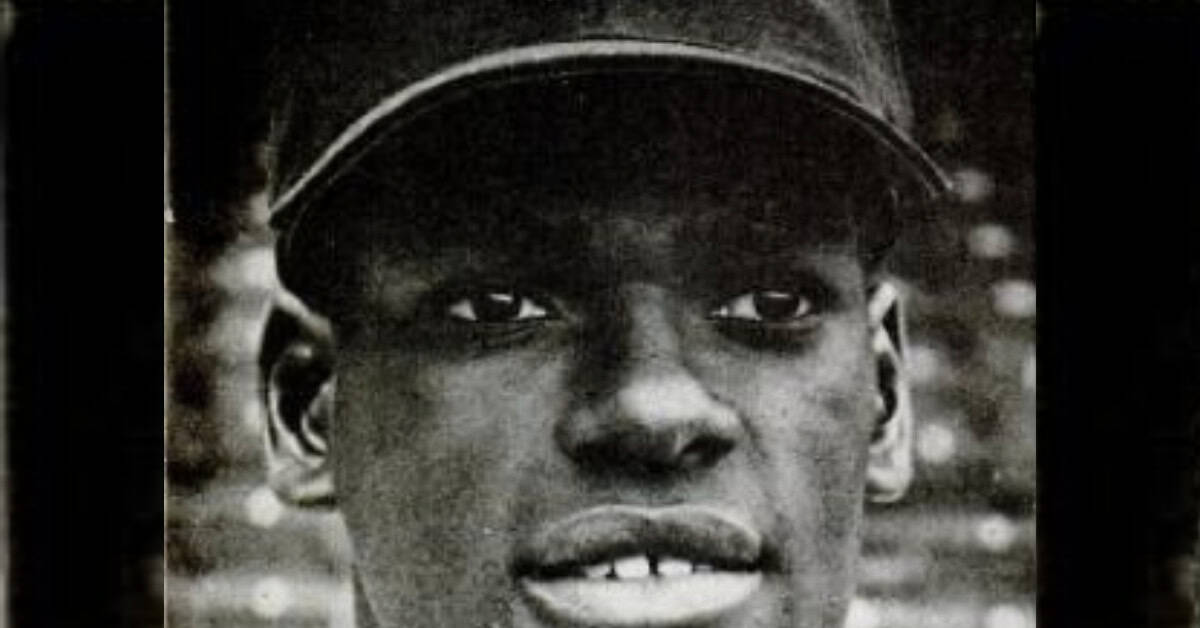
Gibson’s 1968 season stands as perhaps the greatest pitching performance in modern history, with a mind-boggling 1.12 ERA that helped prompt MLB to lower the mound. The Cardinals’ ace threw nine consecutive complete games in the World Series across three Fall Classics, and his intensity and competitive fire became legendary. His dominating presence and inside pitching approach made him the most feared pitcher of his era.
3. Juan Marichal: Baseball’s High-Kicking Artist
The “Dominican Dandy” led all pitchers in the 1960s with 191 wins, featuring a distinctive high leg kick that became his trademark. Marichal’s pinpoint control and ability to throw from multiple arm angles made him nearly impossible to predict. He recorded six 20-win seasons during the decade, maintaining an impressive 2.57 ERA over this period.
4. Whitey Ford: The Chairman of the Board
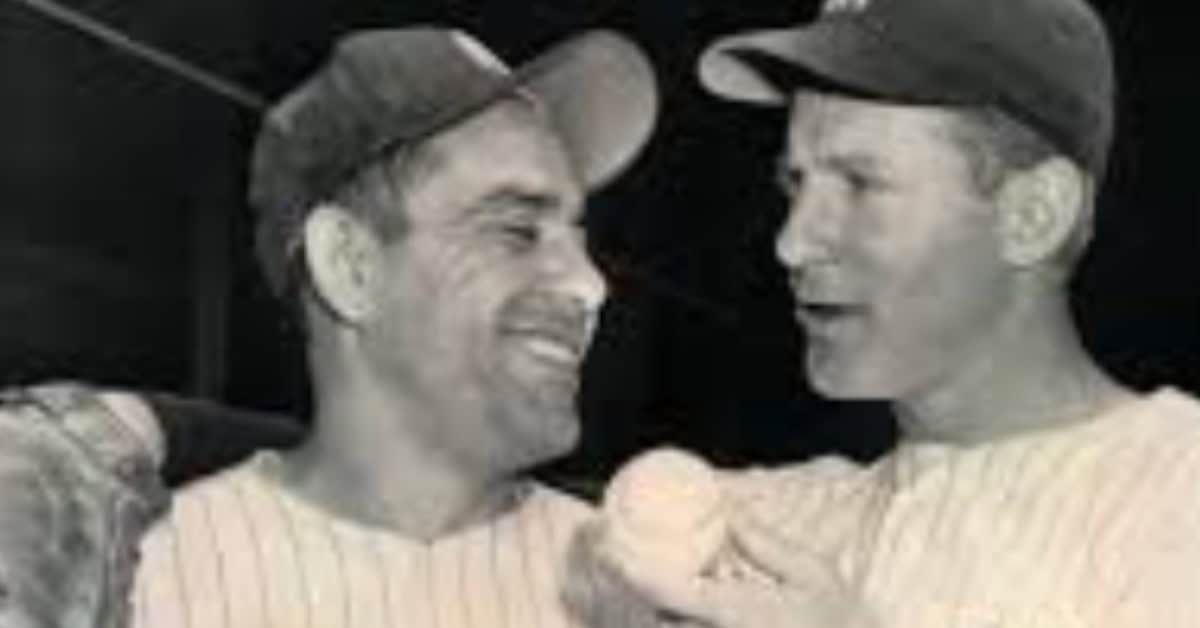
The Yankees’ crafty lefthander continued his brilliance into the 1960s, earning his nickname through masterful control and big-game presence. Ford set a World Series record with 33⅔ consecutive scoreless innings and won 107 games during the decade. His artistry on the mound helped extend the Yankees’ dynasty through the early 1960s.
5. Don Drysdale: The Brushback King
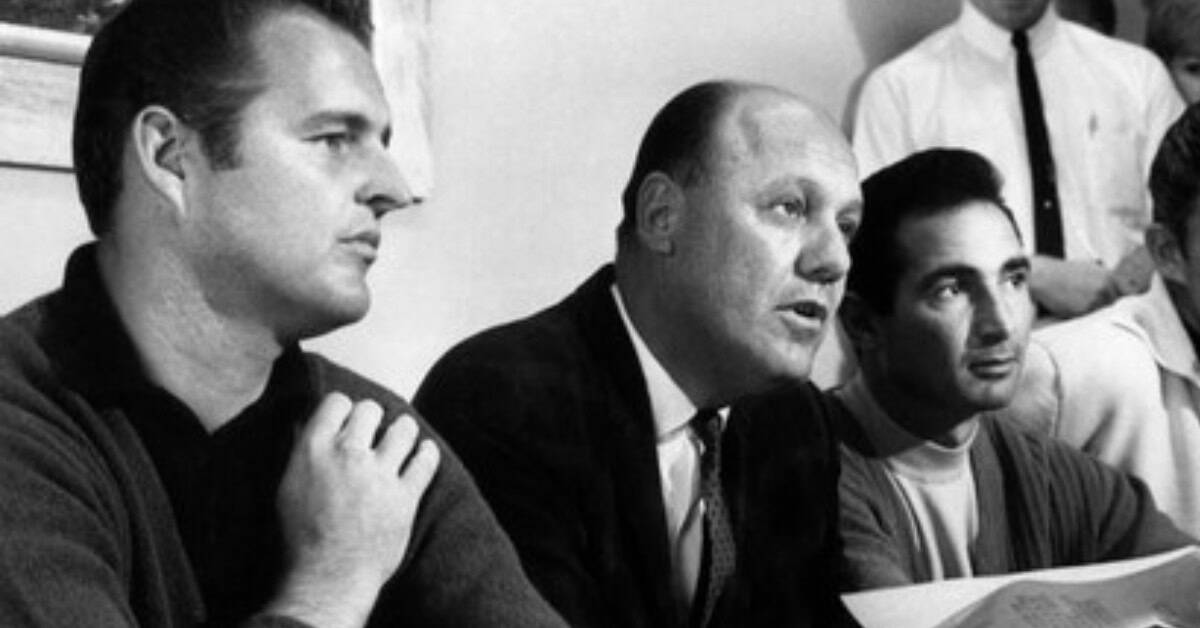
Drysdale set a record with 58⅔ consecutive scoreless innings in 1968 and was known for his willingness to pitch inside. The Dodgers’ right-hander won 209 games and struck out 2,486 batters during his career, including 167 wins in the 1960s. His sidearm delivery and intimidating presence made him the perfect complement to Koufax.
6. Jim Bunning: From Perfect Game to Congress
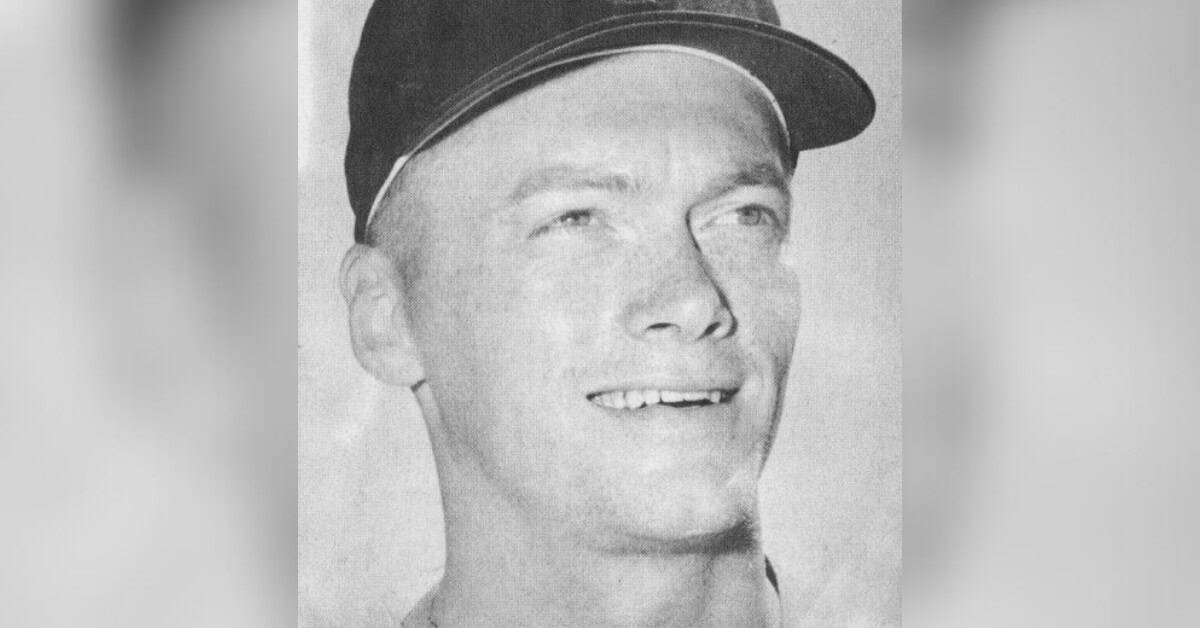
Bunning threw the first perfect game in National League history since 1880 when he dominated the Mets on Father’s Day 1964. He won 160 games during the decade while pitching for the Tigers and Phillies. His consistency and durability made him one of the most reliable starters of the era.
7. Warren Spahn: Ageless Wonder of the Sixties

Though in his 40s, Spahn remained dominant into the early 1960s, winning 75 games from 1960-1964. He led the league in complete games from 1957-1963 and won his 300th game in 1961. His high leg kick and pinpoint control became the model for generations of left-handed pitchers.
8. Dean Chance: The 1964 Cy Young Sensation

Chance’s 1964 season was one for the ages, as he won the Cy Young Award with a 1.65 ERA and 11 shutouts for the Angels. He threw 15 complete games that season and dominated despite playing for an expansion team. His unique delivery and ability to change speeds made him particularly effective in day games.
9. Denny McLain: The Last 30-Game Winner
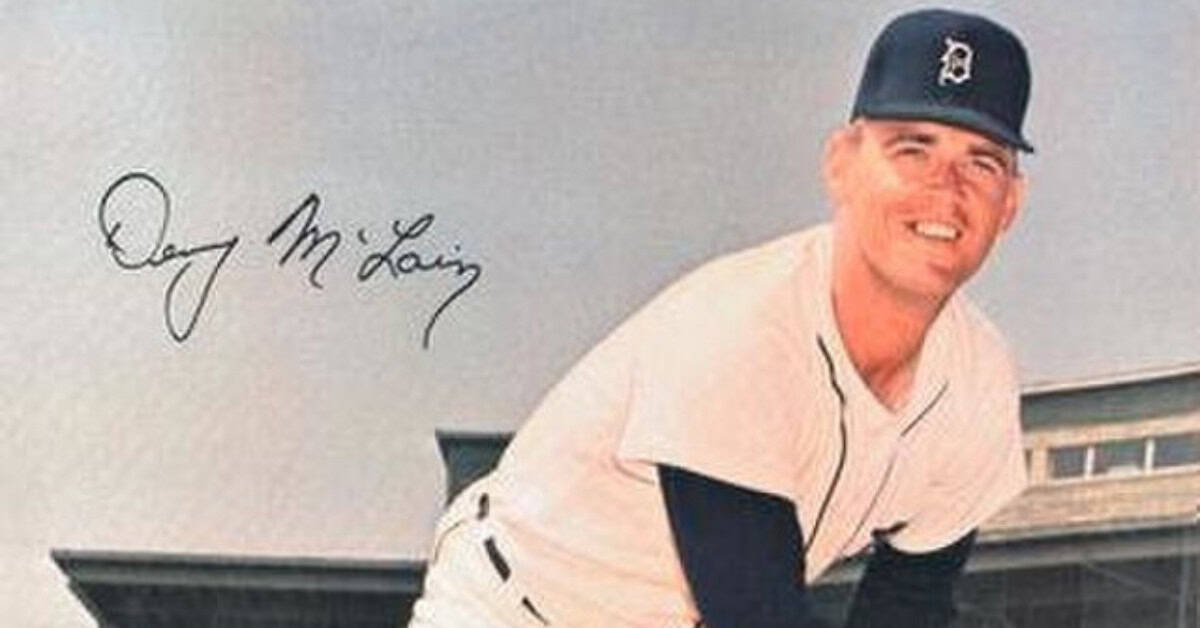
McLain’s 1968 season remains one of baseball’s most remarkable achievements, as he went 31-6 with a 1.96 ERA. He became the first pitcher since Dizzy Dean to win 30 games in a season, a feat that hasn’t been matched since. His combination of power and precision made him nearly unbeatable during that magical year.
10. Jim Maloney: Cincinnati’s Forgotten Fireballer
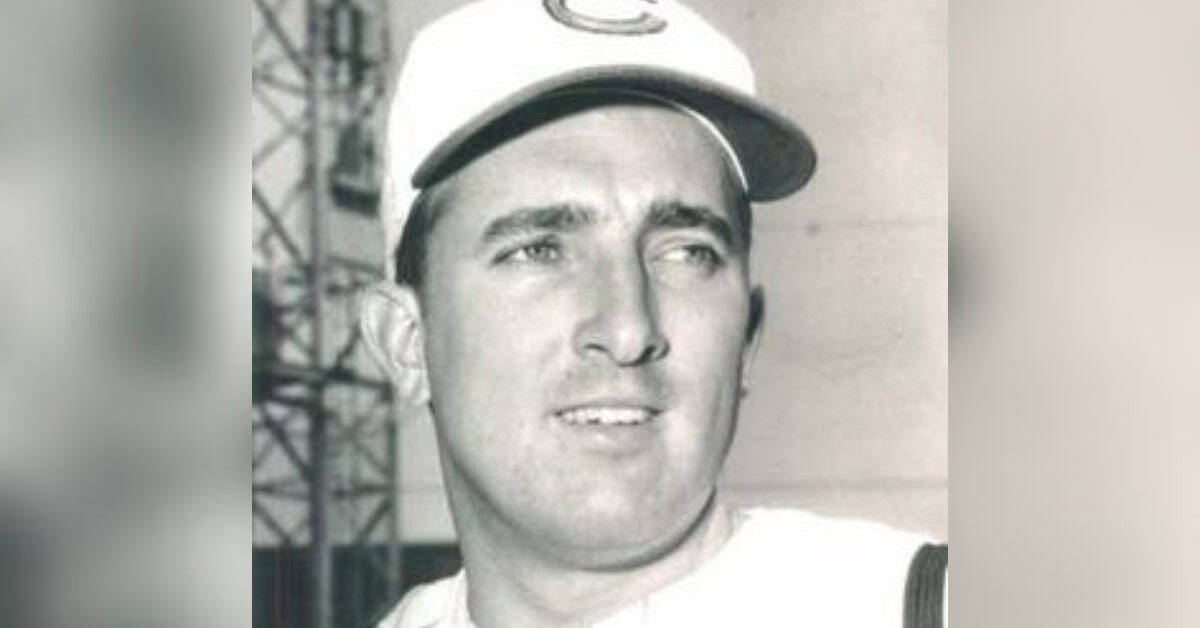
Maloney threw three no-hitters (one lost in extra innings) and struck out 265 batters in 1963, showcasing one of the era’s most explosive fastballs. He won 134 games during the decade for the Reds and pitched a 10-inning no-hitter against the Cubs in 1965. His career was shortened by arm troubles, but at his peak, he was among baseball’s most dominant pitchers.
11. Sam McDowell: Sudden Sam’s Electric Arm
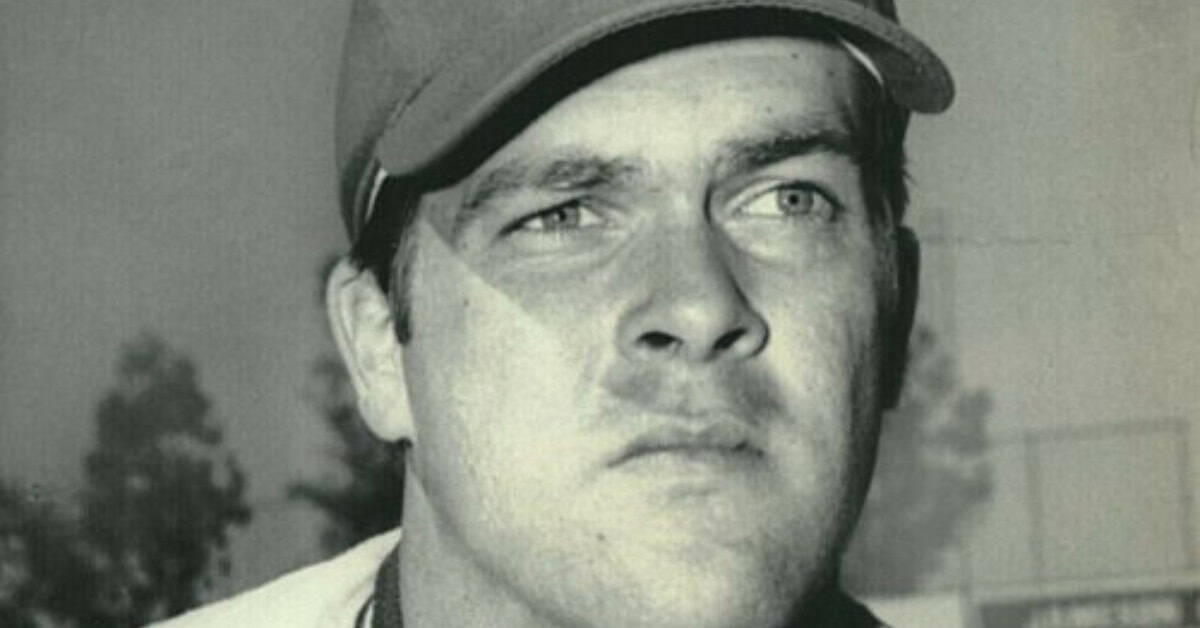
Known as “Sudden Sam” for his blazing fastball, McDowell led the American League in strikeouts five times during the 1960s. He struck out 325 batters in 1965, setting a record for left-handed pitchers. Despite control issues, his raw talent and ability to overpower hitters made him one of the decade’s most exciting pitchers.
12. Jim Palmer: The Birth of a Dynasty
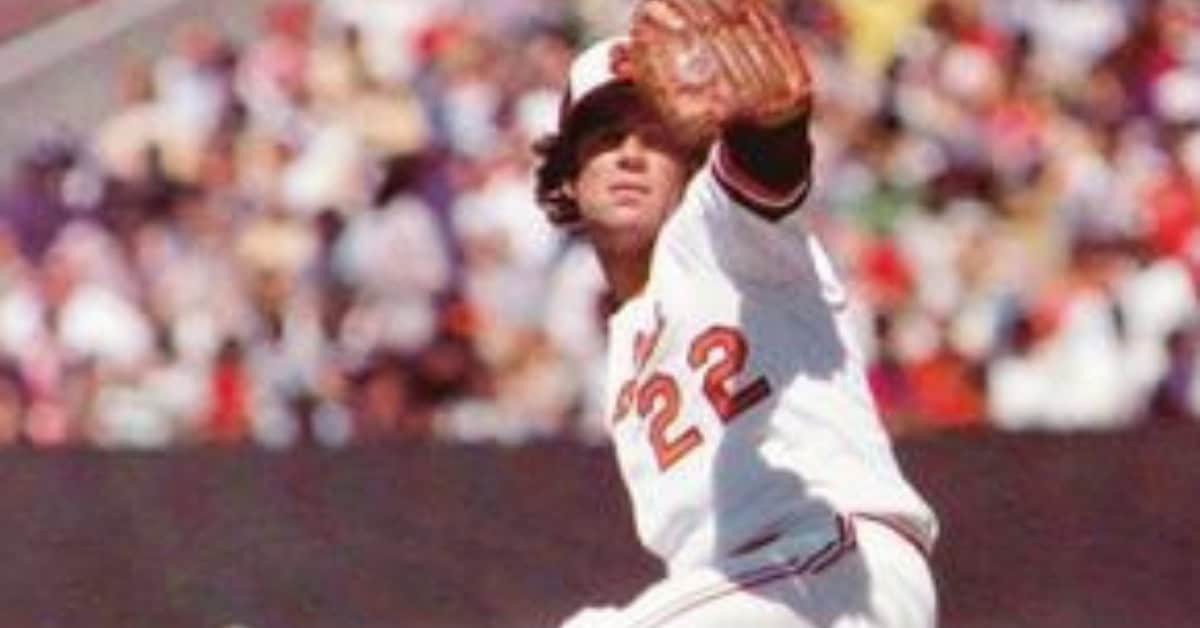
Palmer burst onto the scene by shutting out Sandy Koufax in the 1966 World Series at age 20. He would go on to become the foundation of the Orioles’ pitching dynasty that dominated the late 1960s and 1970s. His high leg kick and smooth delivery became his trademark as he established himself as one of baseball’s premier pitchers.
13. Camilo Pascual: Master of the Curveball
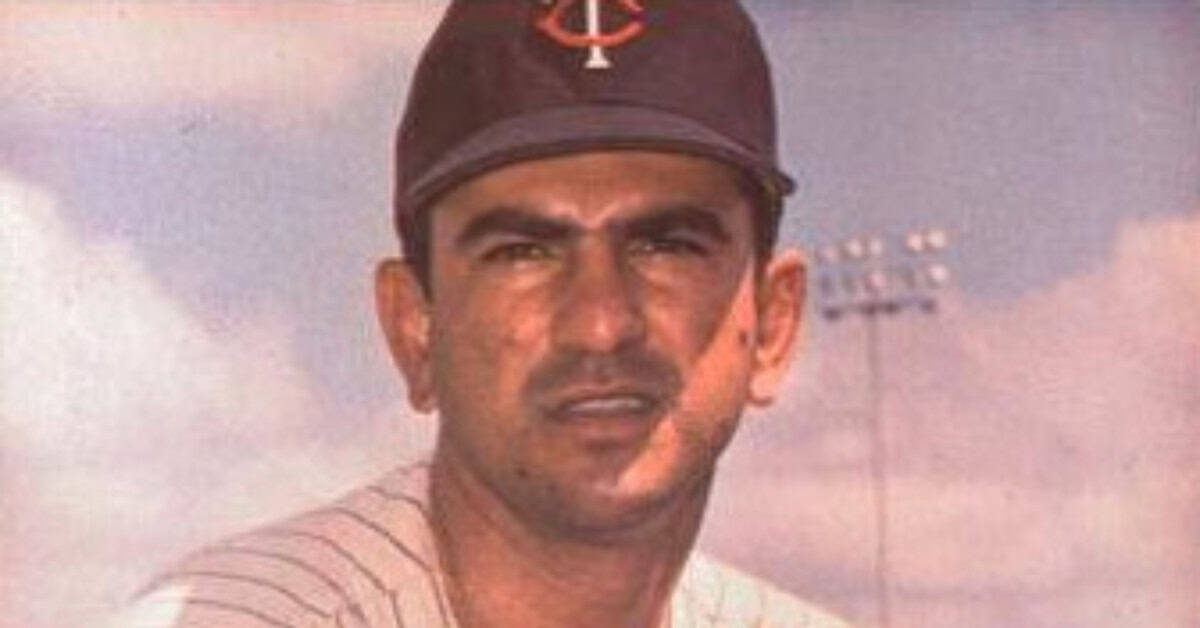
Pascual’s curveball was considered the best in baseball during the 1960s, helping him lead the American League in strikeouts in 1961 and 1963. He won 145 games during the decade and pitched 36 shutouts, showcasing remarkable consistency. Ted Williams called his curveball the most devastating pitch he ever faced.
14. Claude Osteen: The Dodgers’ Other Ace
Often overshadowed by Koufax and Drysdale, Osteen was a model of consistency for the Dodgers after arriving in 1965. He won 20 games in 1969 and pitched to a 2.79 ERA during his Dodgers career. His masterful performance in Game 3 of the 1965 World Series helped turn the tide for Los Angeles.
15. Dick Radatz: The Monster of Fenway
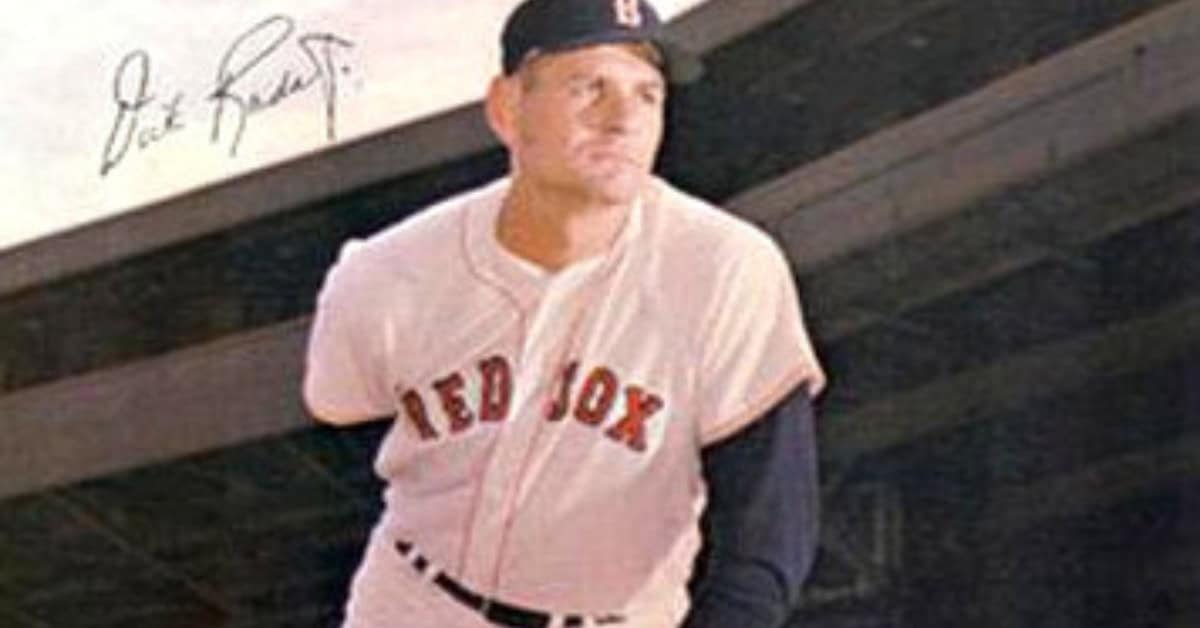
Standing 6’6″ and throwing heat, Radatz dominated relief pitching in the early 1960s, earning the nickname “The Monster.” He struck out 181 batters in 157 innings in 1964, setting a relief pitcher record. His confrontations with Mickey Mantle became legendary, as he struck out the Yankee slugger 47 times in 63 at-bats.
16. Hoyt Wilhelm: Knuckling Through the Sixties
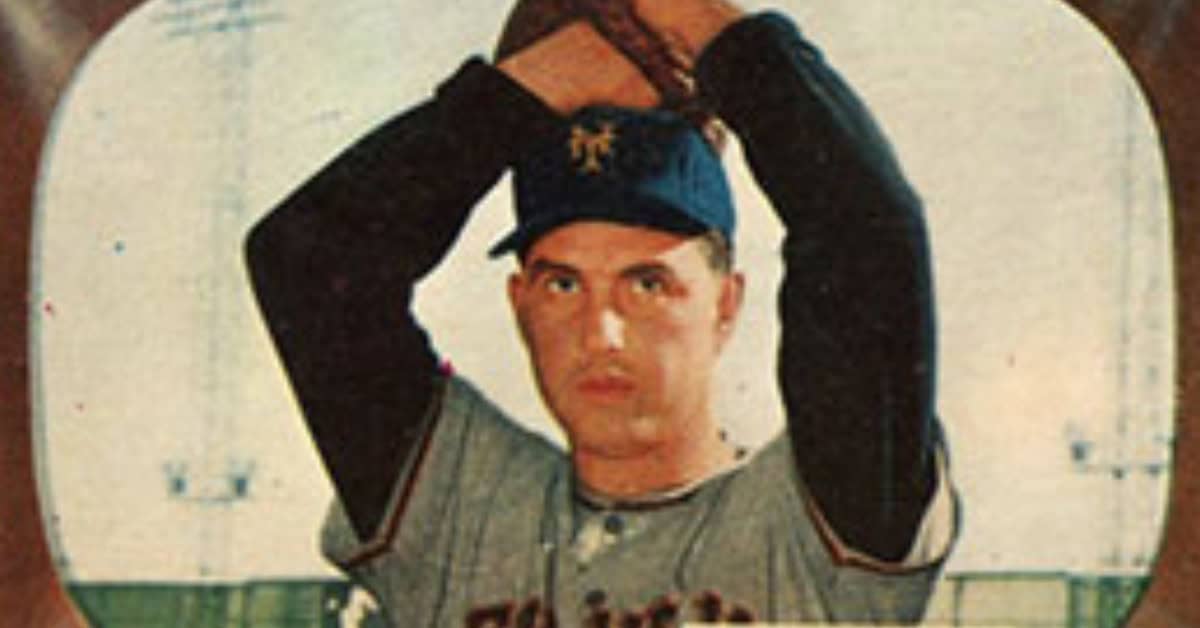
Wilhelm’s knuckleball baffled hitters well into his 40s during the 1960s. He appeared in 494 games during the decade, maintaining an ERA of 2.18. His mastery of the knuckleball revolutionized relief pitching and helped him pitch until age 49.
17. Luis Tiant: El Tiante’s Early Days

Before becoming a Red Sox legend, Tiant emerged as a dominant force with the Indians in the late 1960s. His 1968 season was particularly remarkable, featuring a 1.60 ERA and 264 strikeouts. His unique delivery and ability to change arm angles made him one of the most deceptive pitchers of his era.
18. Mickey Lolich: Detroit’s World Series Hero

Lolich cemented his legacy by winning three complete games in the 1968 World Series, including Game 7 against Bob Gibson. He won 101 games during the decade and struck out 200 or more batters four times. His durability and clutch performances made him one of the era’s most reliable lefthanders.
19. Ferguson Jenkins: The Canadian Express

Jenkins emerged as the Cubs’ ace in the late 1960s, beginning a streak of six straight 20-win seasons in 1967. His pinpoint control and ability to pitch deep into games made him one of the most reliable workhorses in baseball. He led the league in complete games in 1967 with 20.
20. Phil Niekro: Knuckleball Legacy Begins
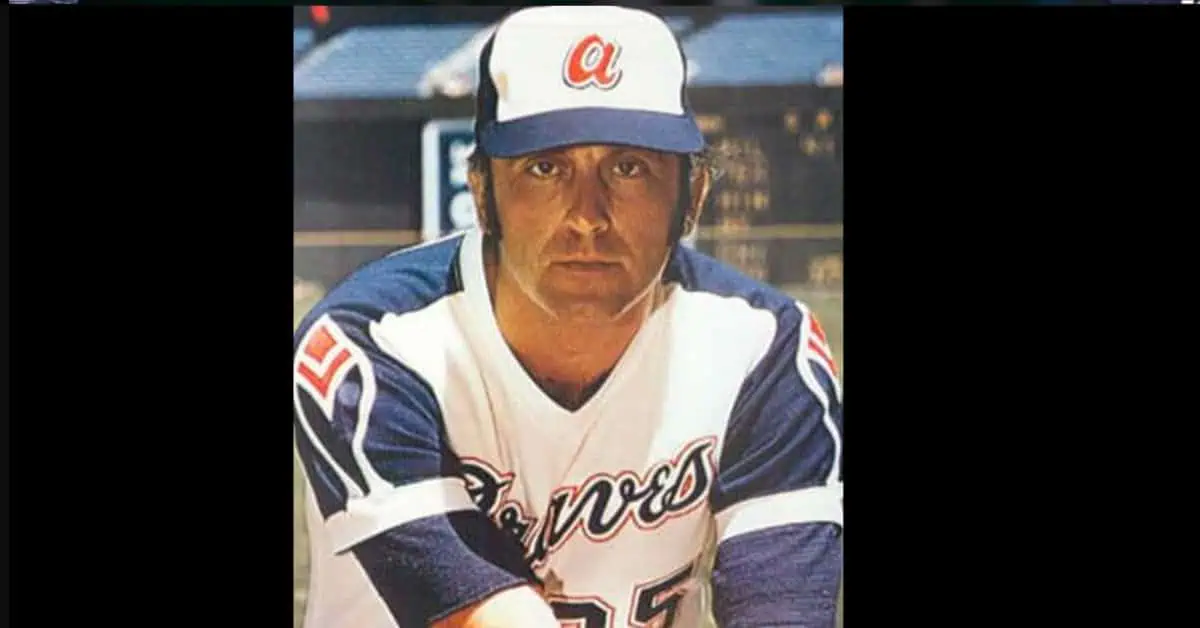
Niekro mastered the knuckleball in the late 1960s, setting the stage for a career that would span four decades. He won 31 games over the 1969-70 seasons and led the league in ERA in 1967 with a 1.87 mark. His knuckleball would become one of the most effective pitches in baseball history.