

Last Updated: June 17th, 2026 by Matthew Brown
Baseball has been desperately trying to speed up its game over the past decade. Pitch clocks. Bigger bases. Limited pickoff moves. But here’s the irony: The solution to baseball’s “excitement problem” was actually solved a century ago – by the very leagues MLB once excluded.
Don't lose this article. Enter your email below, and I'll send it to you right now. Plus, we'll send you other unbelievable stories from baseball's past.
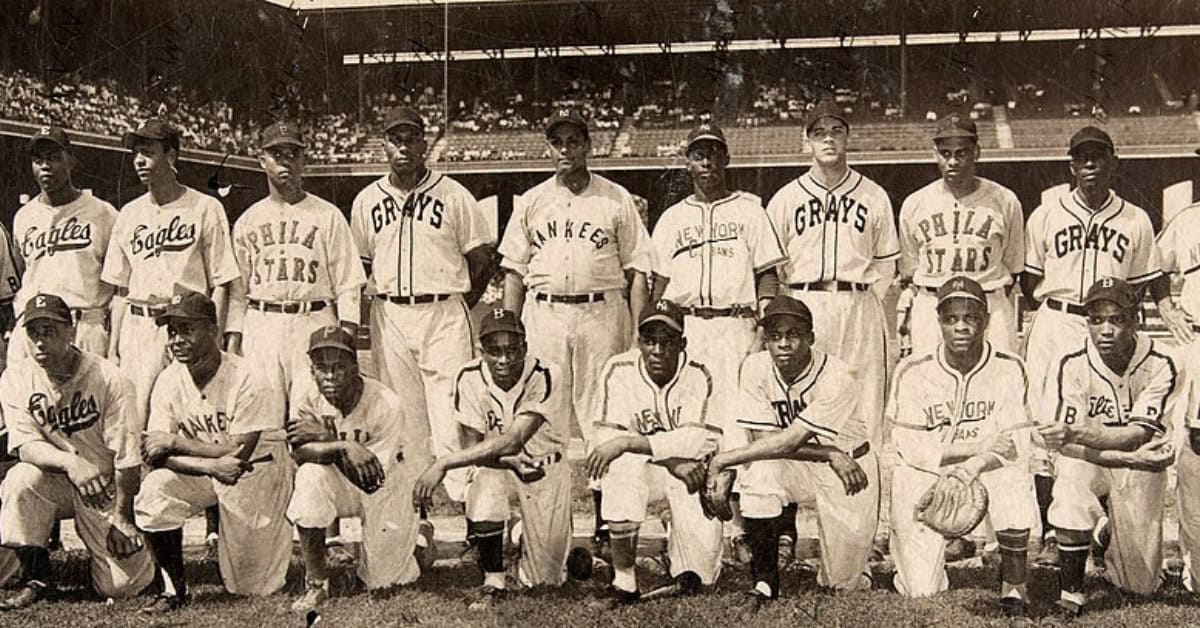
According to MLB’s own historical account, while the major leagues were embracing Babe Ruth’s home-run-or-nothing approach in the 1920s, the Negro Leagues were pioneering a faster, more aggressive, and ultimately more entertaining brand of baseball.
As the Baseball Hall of Fame notes, when Rube Foster founded the Negro National League in 1920, he wasn’t just creating a parallel league – he was revolutionizing how baseball could be played.
And according to NPR, MLB’s recent rule changes aren’t innovations – they’re a return to the Negro Leagues’ style of “energetic, punchier, aggressive” baseball that thrilled audiences decades ago.
America’s Pastime With Flair
The Negro Leagues didn’t play station-to-station baseball because they didn’t have to. They weren’t beholden to tradition. They were entrepreneurs creating entertainment for their communities.
Their games were social events. The stands were filled with celebrities like Count Basie and Lena Horne. The action never stopped. Base stealing wasn’t just a strategy – it was showmanship.
When Jackie Robinson brought this style to MLB in 1947, he wasn’t just breaking the color barrier. He was introducing white audiences to a whole new way of playing baseball.
The stolen bases. The extra base taken. The constant pressure on the defense. This wasn’t just Robinson’s personal style – it was the Negro Leagues’ influence flowing into the mainstream.
Look at today’s rule changes. Bigger bases encourage stealing. Pitch clocks to maintain momentum. Limits on defensive shifts to reward athleticism. It’s all straight from the Negro Leagues’ playbook.
What made Negro League baseball so dynamic wasn’t just necessity – it was cultural expression. While MLB was bound by unwritten rules about “playing the right way,” Negro League players were free to innovate.
They played with flair because flair put fans in seats. They emphasized speed because speed was exciting. They turned baseball games into events because that’s what their communities wanted.
Consider Satchel Paige, who would sometimes have his fielders sit down while he struck out the side. Can you imagine today’s MLB marketing department’s reaction to that kind of showmanship?
The Past Has Become The Present
The Negro Leagues understood something that MLB is just now figuring out: Baseball isn’t just a sport – it’s entertainment. The game needs to move. It needs personality. It needs style.
When MLB integrated, it gained incredible players but lost something else – the innovative spirit of the Negro Leagues. The focus shifted back to traditional, station-to-station baseball.
Now, facing declining attendance and aging audiences, MLB is finally embracing what the Negro Leagues knew all along: Baseball is at its best when it’s fast, aggressive, and fun.
The true legacy of the Negro Leagues isn’t just the legendary players they produced. It’s the blueprint they created for baseball’s future – a blueprint MLB is finally ready to follow.
Sometimes progress means admitting someone else had the answer all along.