

Last Updated: June 17th, 2026 by Michael Schatz
Remember when baseball legends were made of grit, not algorithms? When a player’s worth was measured in clutch moments rather than launch angles? These ten stars basked in the golden glow of nostalgia, but strip away the mystique and you’ll find careers built more on mythology than mastery.
Don't lose this article. Enter your email below, and I'll send it to you right now. Plus, we'll send you other unbelievable stories from baseball's past.
Derek Jeter: The Captain Who Never Led in Any Major Stat
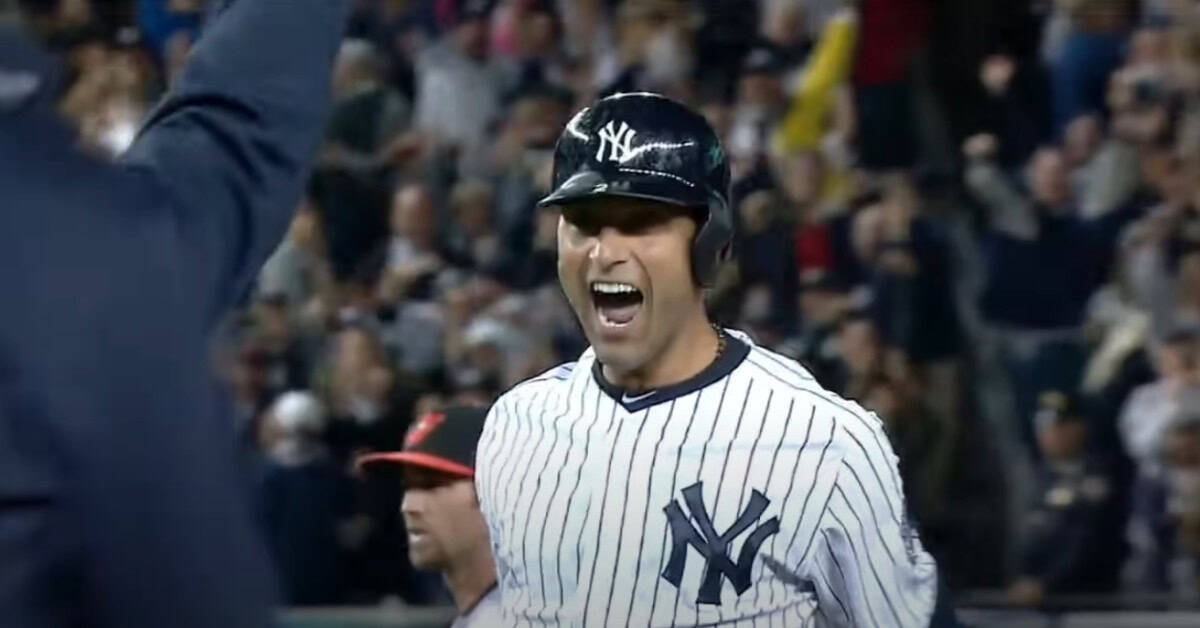
The Captain never actually led his ship anywhere statistically speaking, at least not in individual season-leading categories. Despite 20 seasons in pinstripes, Jeter never once led the American League in batting average, home runs, RBIs, or stolen bases. His .310 career average is excellent, though it ranks outside the top 100 all-time, and his defensive metrics were often criticized by sabermetricians. Sure, he had clutch moments and five rings, but those came courtesy of a formidable Yankees dynasty assembled around him. Strip away the October magic and the intangibles, and you’re left with a very good—not historically dominant in individual stats—player who happened to wear the right uniform at the right time.
Don Mattingly: The Yankees’ Golden Boy Who Never Won Anything
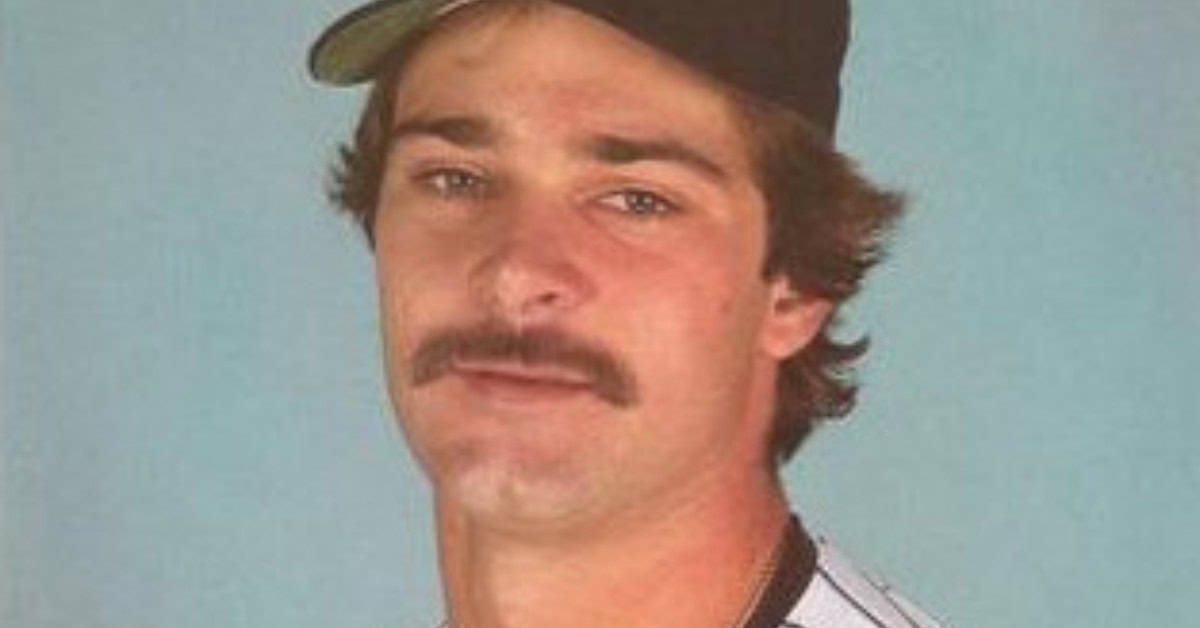
Donnie Baseball’s retired number hangs in Monument Park as the only Yankee so honored to have never tasted World Series champagne as a player. His peak was undeniably brilliant—1985’s MVP season with 35 homers and 145 RBIs—but it lasted about as long as a summer romance. Back problems derailed him by age 30, and he spent his final years as a singles hitter on teams that fell short. The Yankees made the World Series the year before he arrived and the year after he left, making him the human embodiment of bad timing for championship glory. Great player during his peak, sure, but his legend arguably exceeds a career that peaked early and faded fast due to injury.
Carlton Fisk: The Home Run That Made Everyone Forget He Hit .269
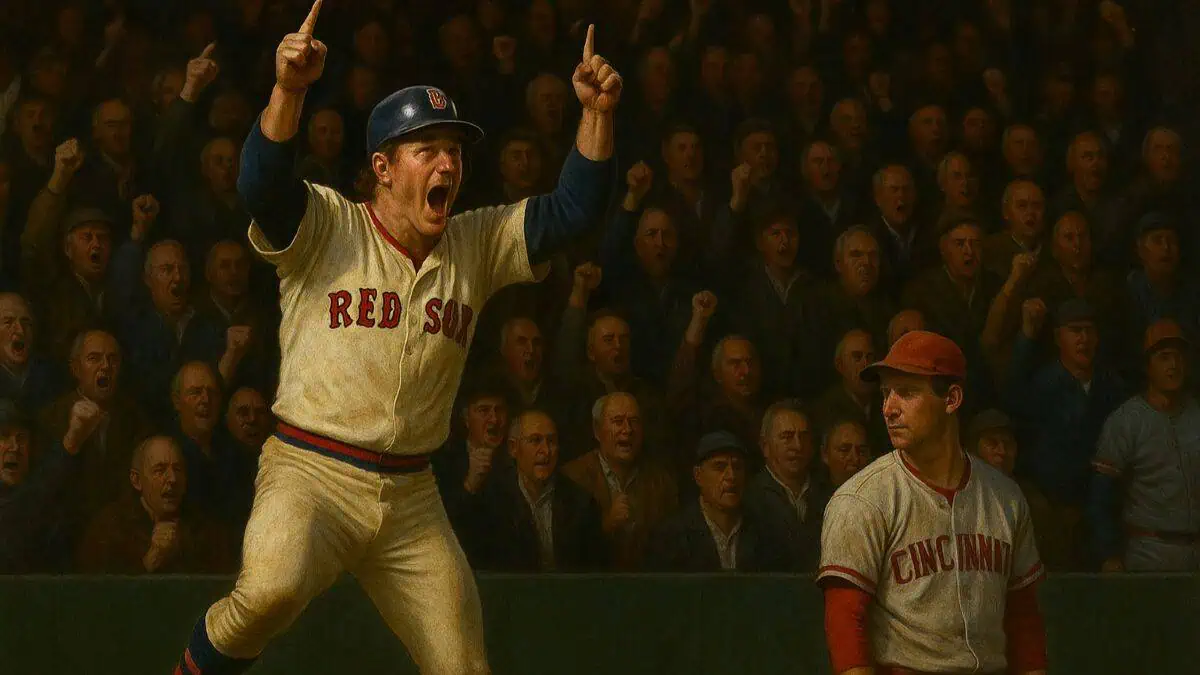
One magical October night in 1975, Pudge waved a baseball fair and waved himself into immortality. That 12th-inning home run off Fenway’s foul pole became one of the most replayed moments in baseball history, overshadowing a career that was more about longevity than consistent offensive excellence. His .269 lifetime average ranks among the lower tiers for Hall of Fame position players, and his 376 home runs were accumulated over 24 seasons—impressive for durability, less so for peak annual performance. Fisk was a solid, durable catcher who played forever, but his Cooperstown plaque was arguably cemented with one swing of the bat on a crisp New England evening.
Dale Murphy: Two MVPs Built on Some Friendly Confines
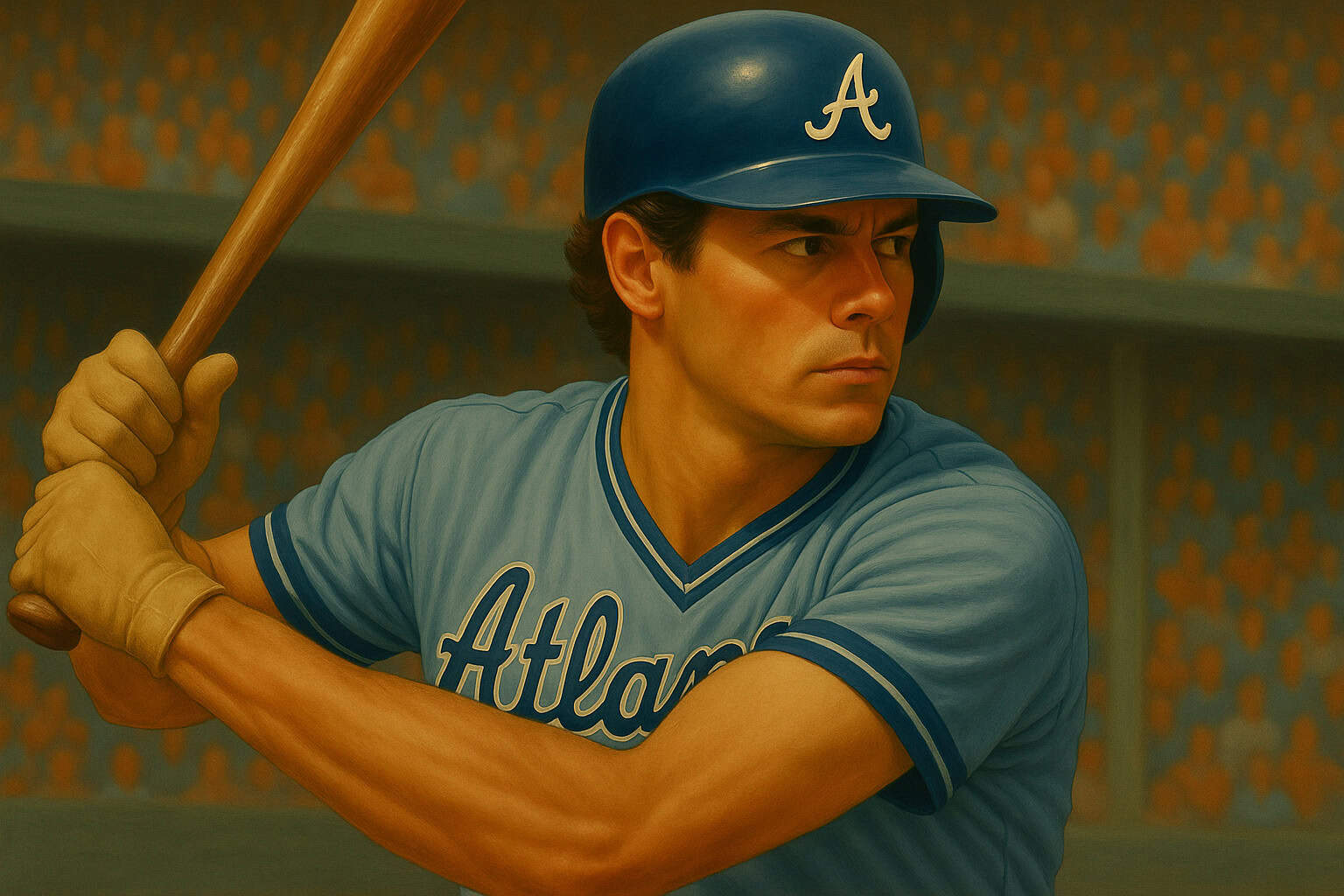
Murphy’s back-to-back MVPs in 1982-83 came during an era where National League offensive numbers were generally lower across the board. His 398 career home runs sound impressive, and he played many games in the launching pad known as Atlanta-Fulton County Stadium during a period of increased offense in baseball. Murphy was widely respected as one of the nicest guys in baseball, but his numbers benefited from his home park. He struck out 1,748 times, never hit .310 (career high .304), and his Braves, while winning the NL West in 1982, never reached the World Series during his tenure. Sometimes being a top player in a particular context gets you trophies that are debated in retrospect.
Jim Rice: The Hall of Famer Whose Peak Was Bright but Brief
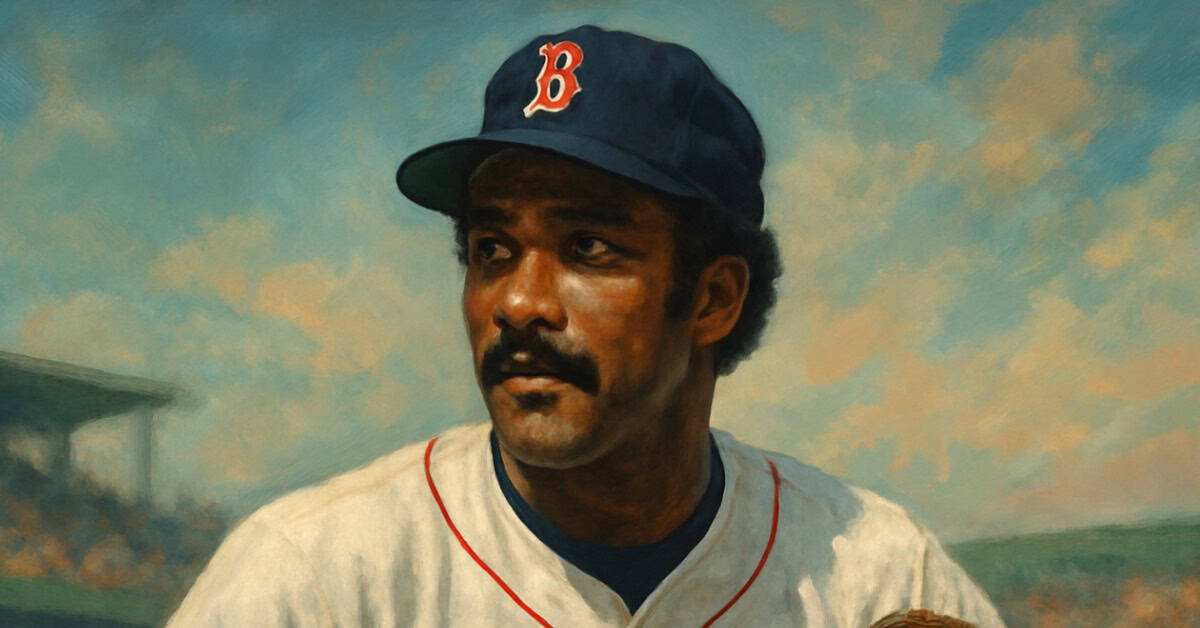
Rice terrorized American League pitching for about five years, then spent much of the rest of his career as a very good, but not always elite, hitter. His 1978 MVP season was legitimate—46 homers, 139 RBIs, leading the league in several categories—but he was arguably past his absolute peak by age 32. Rice’s game had limitations in speed and defense, and while a powerful hitter, his overall profile led to a long wait for Cooperstown. He made the Hall of Fame on his final ballot try, 15 years after retirement, when voters perhaps focused more on his impressive peak rather than his entire career arc. Sometimes timing is everything, even in Cooperstown voting.
Andre Dawson: The Hawk Who Flew Into Cooperstown on Reputation and Compilation
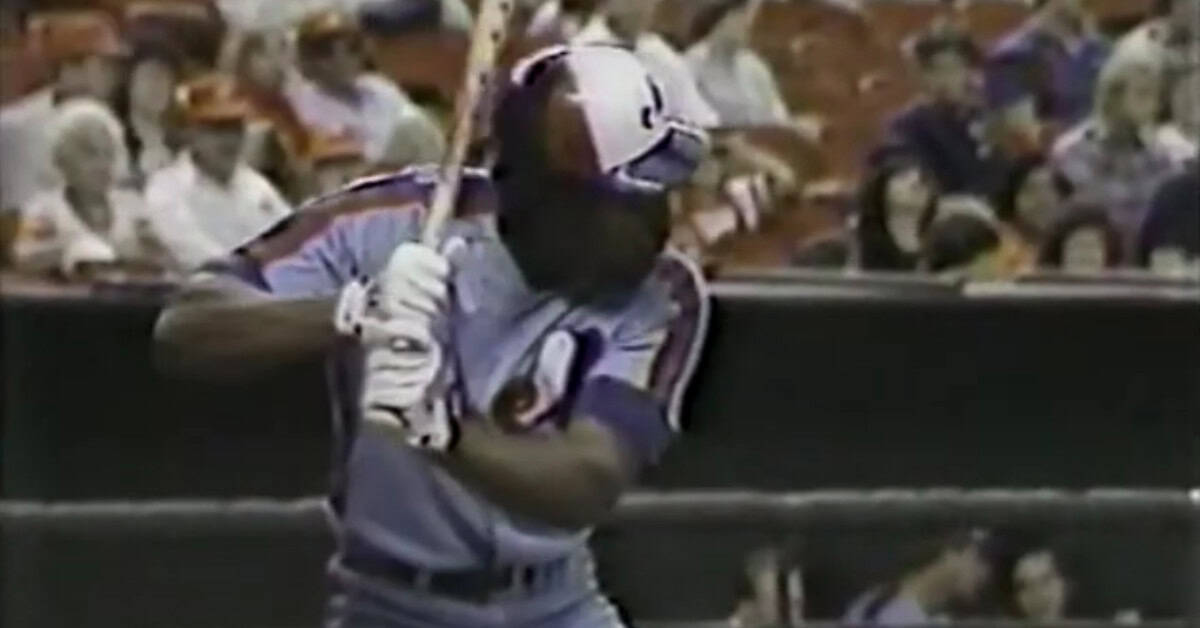
The Hawk soared on artificial turf in Montreal, then bravely battled knee injuries for much of the rest of his career. His 1987 MVP season with the Cubs was impressive—49 homers, 137 RBIs—but came for a last-place team, making him the first MVP from a team finishing at the bottom of its division. Dawson was a compiler who played 21 seasons, accumulating 2,774 hits and 438 home runs through sheer persistence and toughness rather than sustained peak dominance. His career .279 average and tendency to swing at many pitches made his offensive profile different from pure contact hitters. He looked the part of a superstar and had the perfect nickname, but his Hall of Fame case rests more on longevity and counting stats than overwhelming prime performance.
Kirby Puckett: Minnesota’s Darling Whose Fame Outshone a Shorter Career
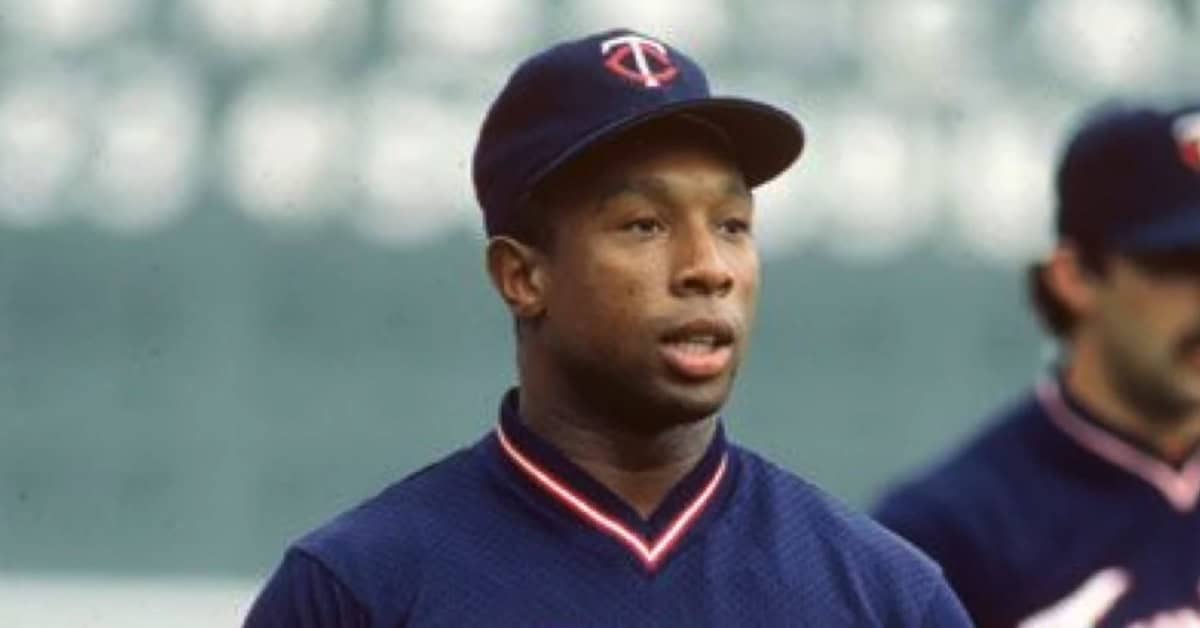
Puckett’s infectious smile and clutch 1991 World Series performance made him a folk hero in Minnesota, but his career was shorter than many Hall of Famers and his peak, while excellent, was not exceptionally long. He played just 12 seasons, retiring at 35 due to glaucoma, and hit a career-high 31 home runs, driving in a high of 121 runs in 1988. His .318 career average looks nice, but he played in the Metrodome, a notorious hitter’s park, and his power numbers were solid but not historically elite for a corner outfielder. Puckett was beloved for his personality and one magical October, but his Hall of Fame case is sometimes seen as built more on sentiment and iconic moments than overwhelming statistical dominance over a longer period.
Harold Baines: The Designated Hitter Who Somehow Made the Hall
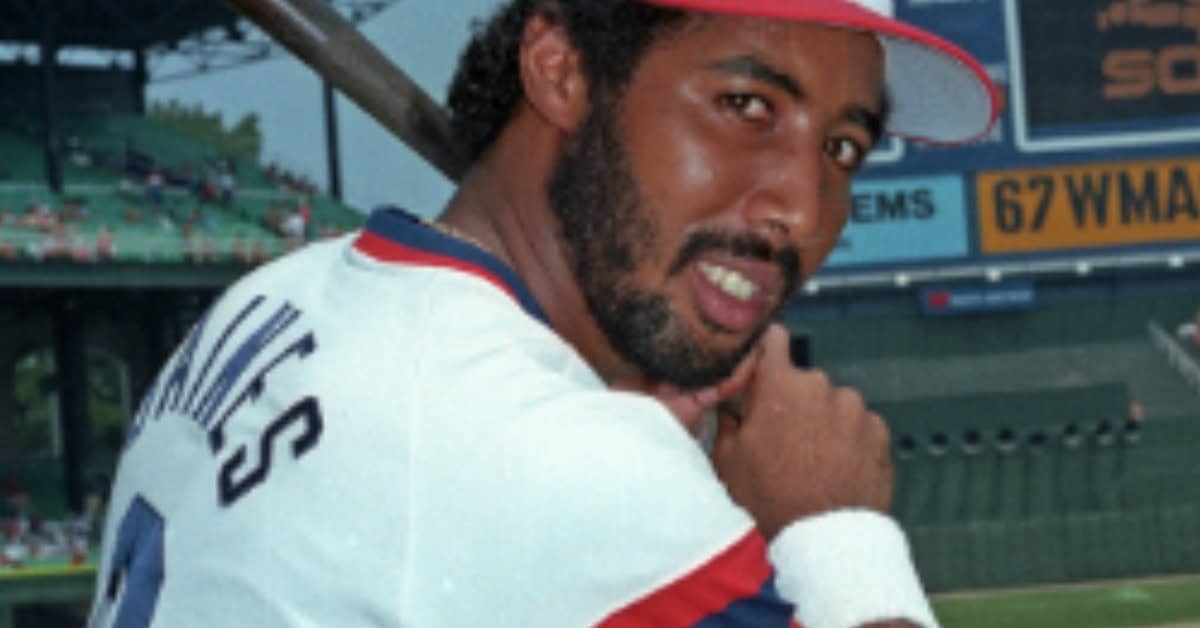
Baines’s Hall of Fame election in 2019 by the Today’s Game Era Committee surprised many, including probably Baines himself. He was a solid designated hitter who accumulated 2,866 hits over 22 seasons, but never led the league in major offensive categories and made just six All-Star teams. His career .289 average and 384 home runs scream “very good player” rather than “clear-cut Hall of Famer” to many analysts. His selection seemed to reward longevity and consistent production more than peak excellence. Baines was the human equivalent of a reliable Toyota Camry—functional, durable, but his inclusion sparked debate about museum display next to the more traditionally dominant figures of baseball history.
Ryne Sandberg: The Pretty Swing That Hid a More Complex Career Arc
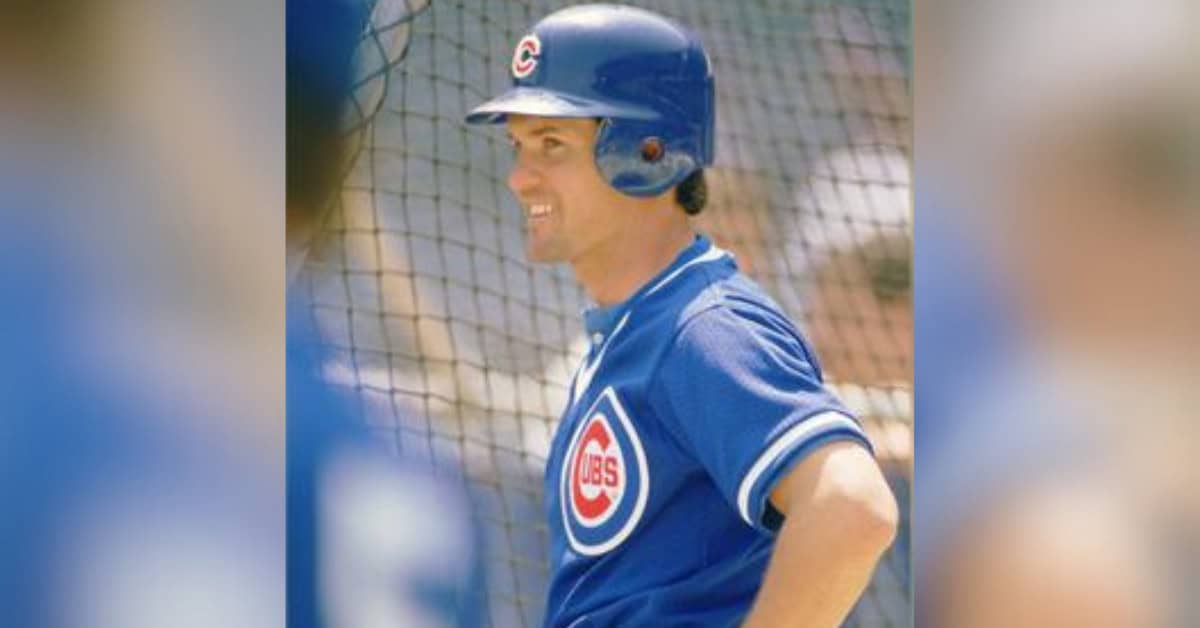
Ryno had one of the sweetest swings in baseball and the defensive grace of a ballet dancer, but his offensive numbers, while strong, had peaks and valleys. His 1984 MVP season was legitimate, and he hit .306 in 1990 at age 30. He retired abruptly in 1994 before returning for two less productive seasons. Sandberg was a Gold Glove second baseman who hit 282 home runs over 16 seasons, but his period of true offensive dominance was concentrated in a few key years. He looked like a Hall of Famer, played the position with style, and benefited from playing in Wrigley Field during WGN’s national broadcasts. Sometimes perception, aided by aesthetics and visibility, strongly shapes legacy, even when the career numbers show periods of both brilliance and average play.
Fred Lynn: Rookie of the Year and MVP Who Set an Impossible Standard
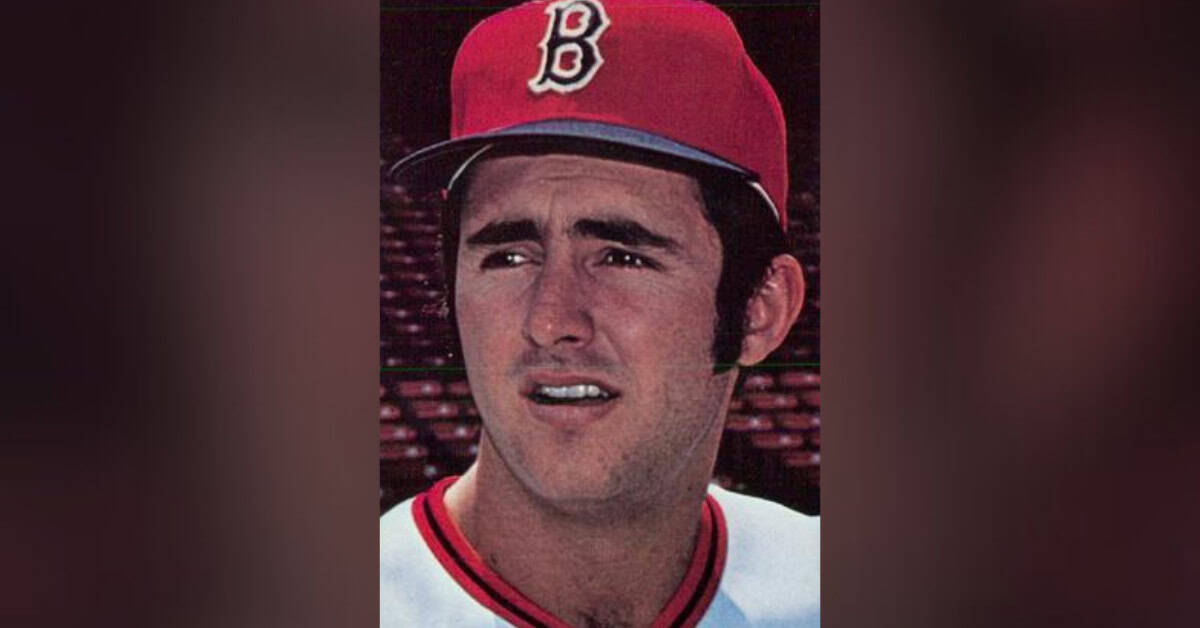
Lynn’s 1975 rookie season was one of the greatest debuts in baseball history—21 homers, 105 RBIs, .331 average, and both Rookie of the Year and MVP awards. He followed that with several All-Star caliber seasons and even surpassed his rookie HR (39 in 1979) and RBI totals (122 in 1979). However, injuries plagued him throughout his career, and the extraordinary bar set in 1975 was difficult to consistently meet. He finished with a solid .283 average and 306 home runs over 17 seasons. Lynn was a “what if” player in terms of sustained health, whose reputation was forever linked to that transcendent rookie campaign. He looked like a superstar and often played like one, but the shadow of 1975 loomed large over a very good, but injury-marred, career.