

Last Updated: June 17th, 2026 by Michael Schatz
The 1960s were baseball’s golden age of leather and lumber, when third basemen often seemed like extensions of their teams’ souls, swinging bats that could launch rockets into the stratosphere. These were the men who stood ninety feet from home plate, guarding the hot corner with reflexes that defied physics and attitudes that defined grit.
Don't lose this article. Enter your email below, and I'll send it to you right now. Plus, we'll send you other unbelievable stories from baseball's past.
Brooks Robinson – The Human Vacuum Cleaner Who Made Impossible Plays Look Routine
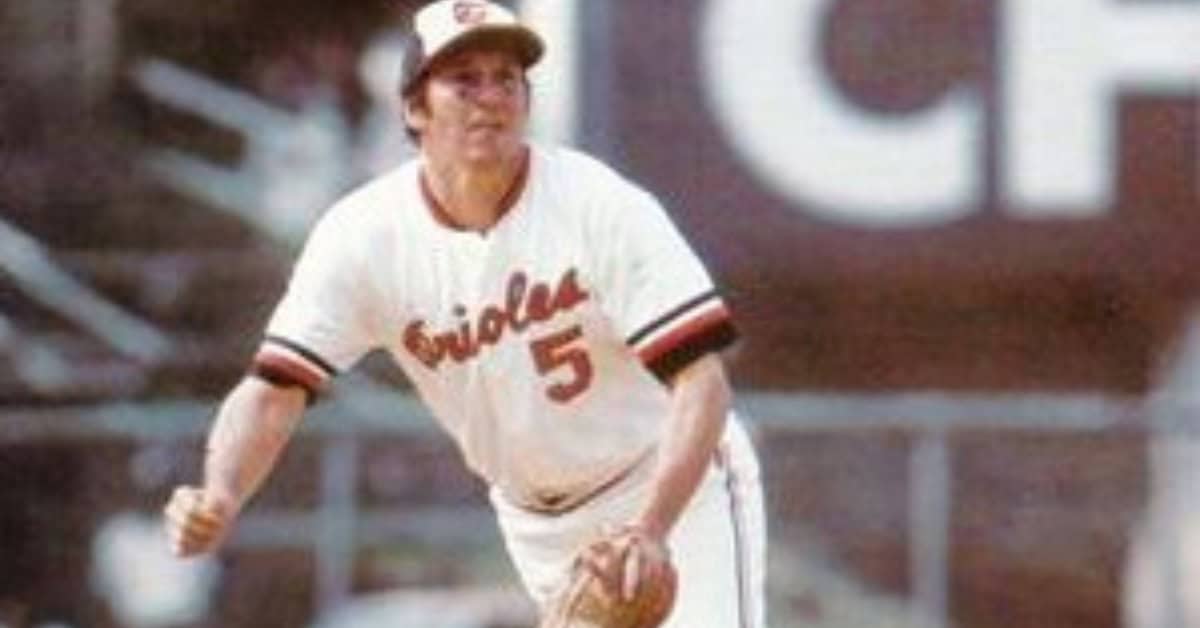
Brooks Robinson didn’t just play third base—he choreographed ballet on Baltimore’s infield dirt. The Orioles legend turned routine grounders into poetry and impossible backhands into legend, earning an astounding 16 Gold Gloves while hitting .267 with 268 career home runs. His 1970 World Series performance against Cincinnati was so dominant that Reds fans gave him standing ovations at Riverfront Stadium.
Eddie Mathews – The Milwaukee Slugger Who Could Launch Moonshots Over County Stadium

Eddie Mathews possessed one of the most beautiful left-handed swings in baseball history, generating 512 career home runs with a follow-through that seemed to embody power. The Braves’ cornerstone hit 213 homers during the 1960s (from 1960-1969), his compact stroke sending baseballs into the twilight like guided missiles. Mathews was the only player to suit up for the Braves in all three of their host cities: Boston, Milwaukee, and Atlanta.
Ron Santo – The Cubs’ Heart and Soul Who Clicked His Heels After Every Win

Ron Santo epitomized Chicago Cubs baseball during the 1960s, famously clicking his heels in jubilation after home victories while bravely battling diabetes in an era when the disease was poorly understood. The nine-time All-Star hit 337 home runs and drove in 1,290 runs for the Cubs during his tenure with the team, his infectious enthusiasm making Wrigley Field feel like a neighborhood sandlot. Santo’s passion for the game burned brighter than the ivy on Wrigley’s outfield walls.
Dick Allen – The Controversial Powerhouse Who Hit Tape-Measure Homers
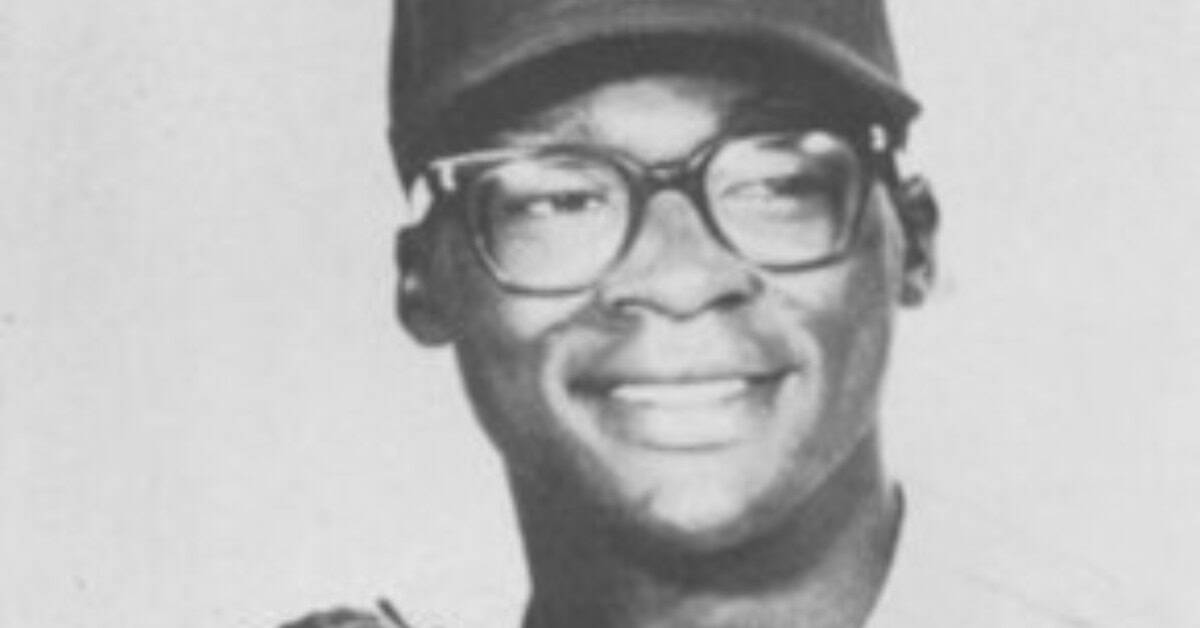
Dick Allen swung a heavy 40-plus-ounce bat as if it were a feather, sending baseballs into Philadelphia’s stratosphere while enduring racial taunts that would have broken lesser men. The 1964 National League Rookie of the Year hit 351 career home runs with a swing so violent it seemed almost otherworldly. Allen’s towering blasts at Connie Mack Stadium became the stuff of legend, measured not just in feet but seemingly in city blocks.
Ken Boyer – The 1964 MVP Who Outshined His Brother in the World Series
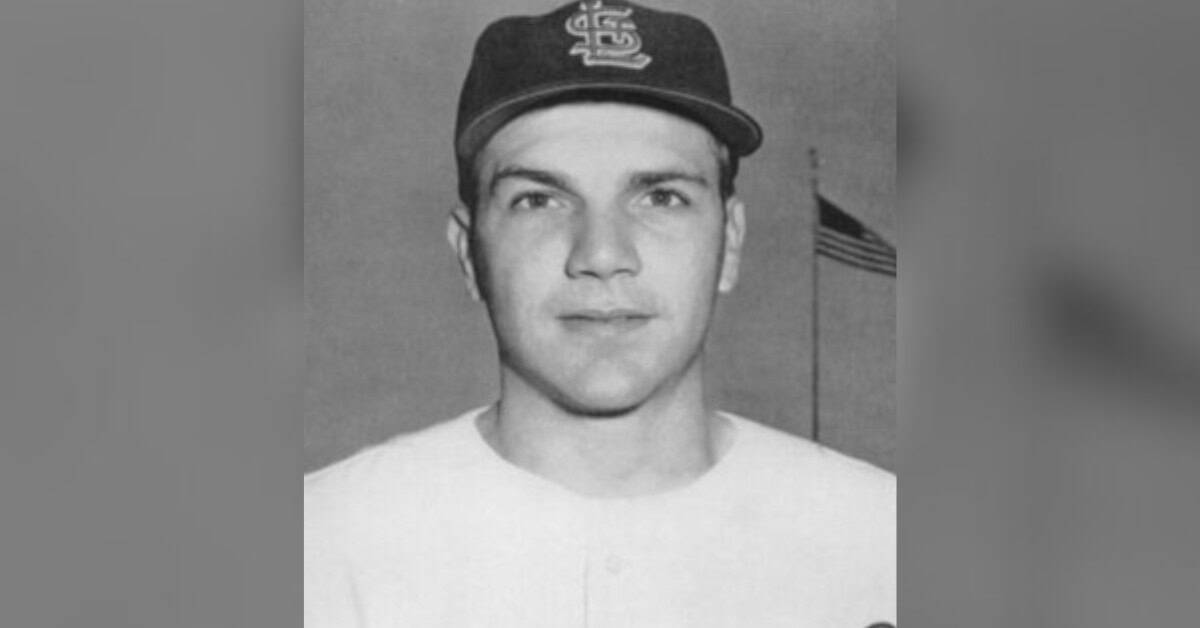
Ken Boyer’s 1964 National League MVP season culminated in a World Series grand slam that silenced Yankee Stadium and highlighted St. Louis as a baseball powerhouse. The Cardinals’ captain hit 282 career home runs while playing third base with the grace of a concert pianist, his steady leadership anchoring multiple All-Star selections (he was an 11-time All-Star selection, playing in 7). Boyer’s clutch gene often activated whenever October’s chill descended on the diamond.
Harmon Killebrew – The Gentle Giant Who Crushed Baseballs Into Orbit
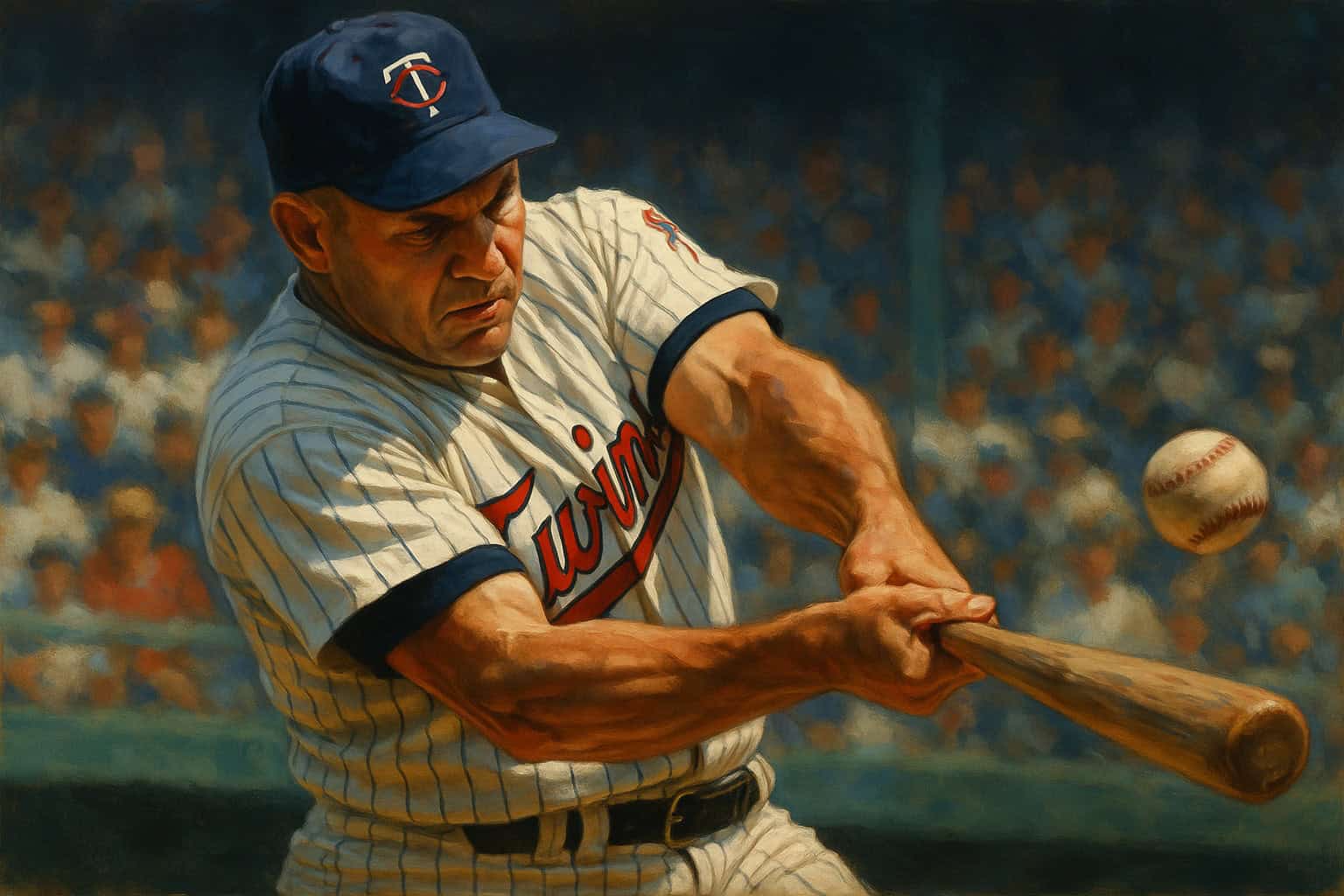
Harmon Killebrew’s massive forearms generated 573 career home runs, many launched while he played third base, particularly during Minnesota’s early years at Metropolitan Stadium. “The Killer” possessed some of the strongest wrists in baseball, turning routine swings into NASA-worthy launches that cleared everything from scoreboards to parking lots. Killebrew’s humble demeanor masked a power stroke that redefined what was possible with a Louisville Slugger.
Clete Boyer – The Defensive Wizard Who Made Third Base Look Like Ballet
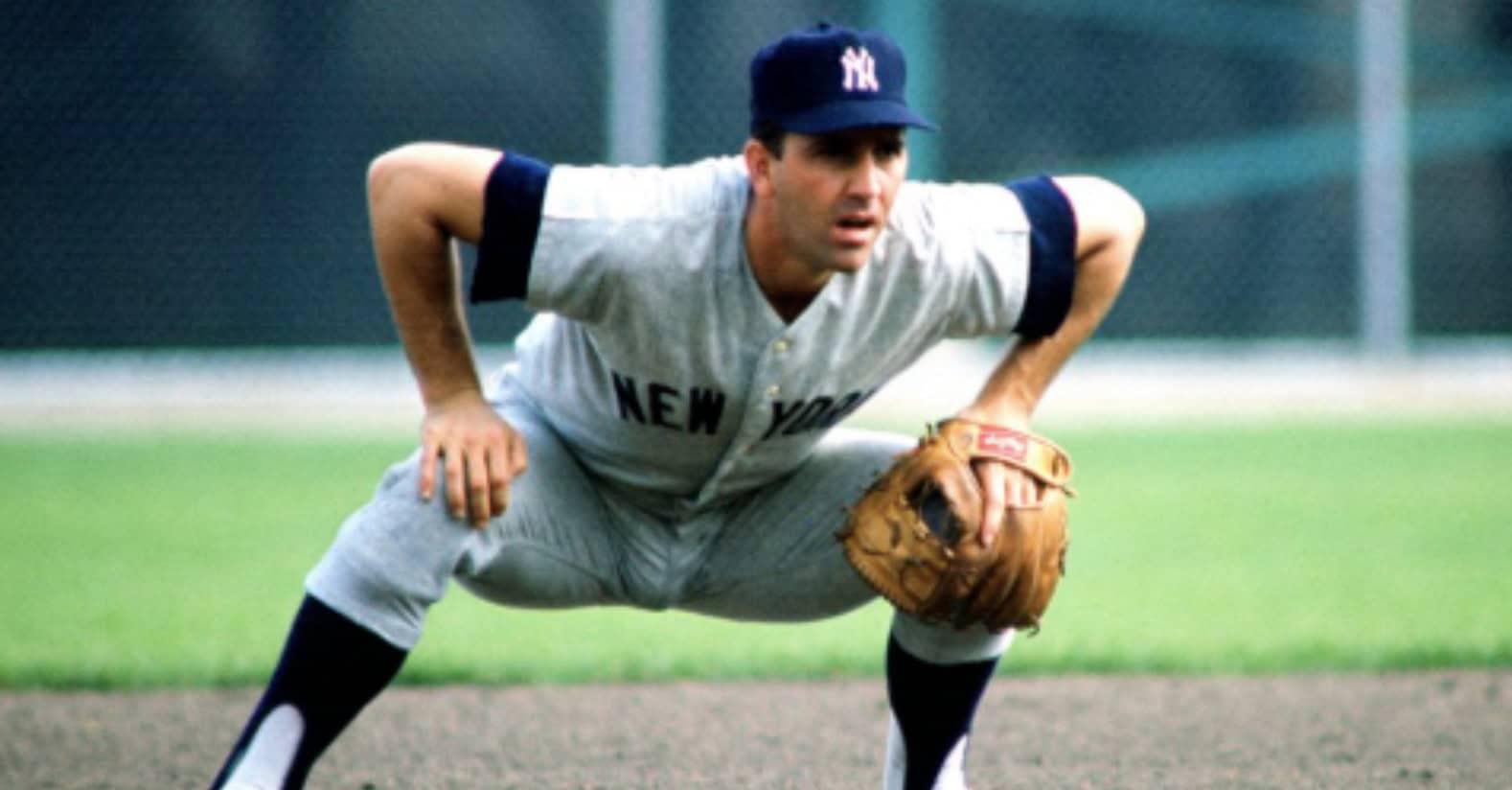
Clete Boyer’s glove work at third base for the Yankees transformed routine grounders into works of art, his quick release and cannon arm complementing New York’s championship machine. Ken Boyer’s younger brother possessed superior defensive skills, earning a Gold Glove in 1969 and anchoring the hot corner for five Yankees World Series teams. Boyer’s backhand stab and sidearm throw became a gold standard for hot corner excellence throughout the 1960s.
Jim Ray Hart – The Giants’ Rookie Sensation Who Burst Onto the Scene in ’64

Jim Ray Hart exploded onto the scene in 1964 with 31 home runs and 81 RBIs, his rookie campaign at Candlestick Park announcing a new era of Giants power. The North Carolina native’s smooth swing generated 170 career home runs while battling San Francisco’s notorious winds that turned routine fly balls into adventures. Hart’s consistent production during the mid-1960s helped keep the Giants competitive in the National League’s challenging Western Division.
Joe Torre – The Future Manager Who Could Hit Before He Could Strategize
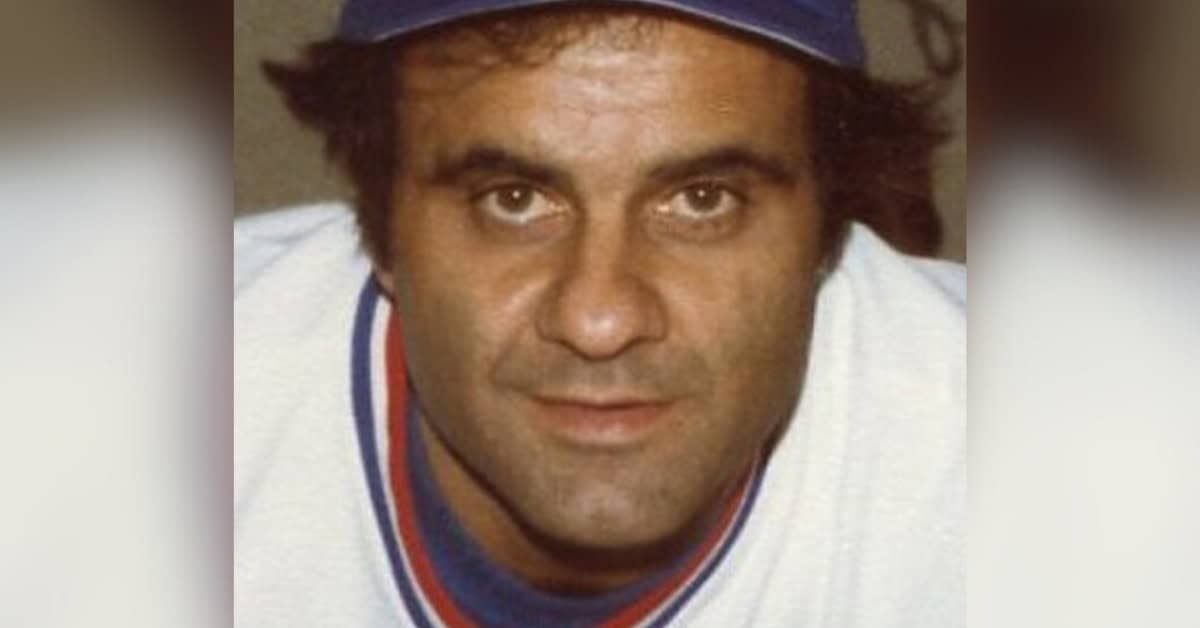
Joe Torre’s 1971 MVP season was still years away when he primarily caught but also played first and third base for the Milwaukee and Atlanta Braves during the 1960s, his pure hitting stroke generating consistent production. The future Yankees skipper hit .294 during the decade (1960-1969) while displaying the baseball intelligence that would later make him a managerial legend. Torre’s smooth swing and clutch hitting made him a fan favorite wherever the Braves called home.
Tony Pérez – The Big Red Machine’s Clutch Performer Who Delivered in October

Tony Pérez anchored Cincinnati’s hot corner during the late 1960s, his steady bat and clutch gene laying the foundation for the Big Red Machine’s dominance in the following decade. The Cuban-born slugger’s 379 career home runs included countless clutch hits that turned games and seasons, his smooth swing generating RBI totals that made pitchers wince. Pérez’s leadership and production helped transform Cincinnati from also-rans into perennial contenders.
Don Wert – The Tigers’ Steady Eddie Who Never Made Headlines But Always Made Plays
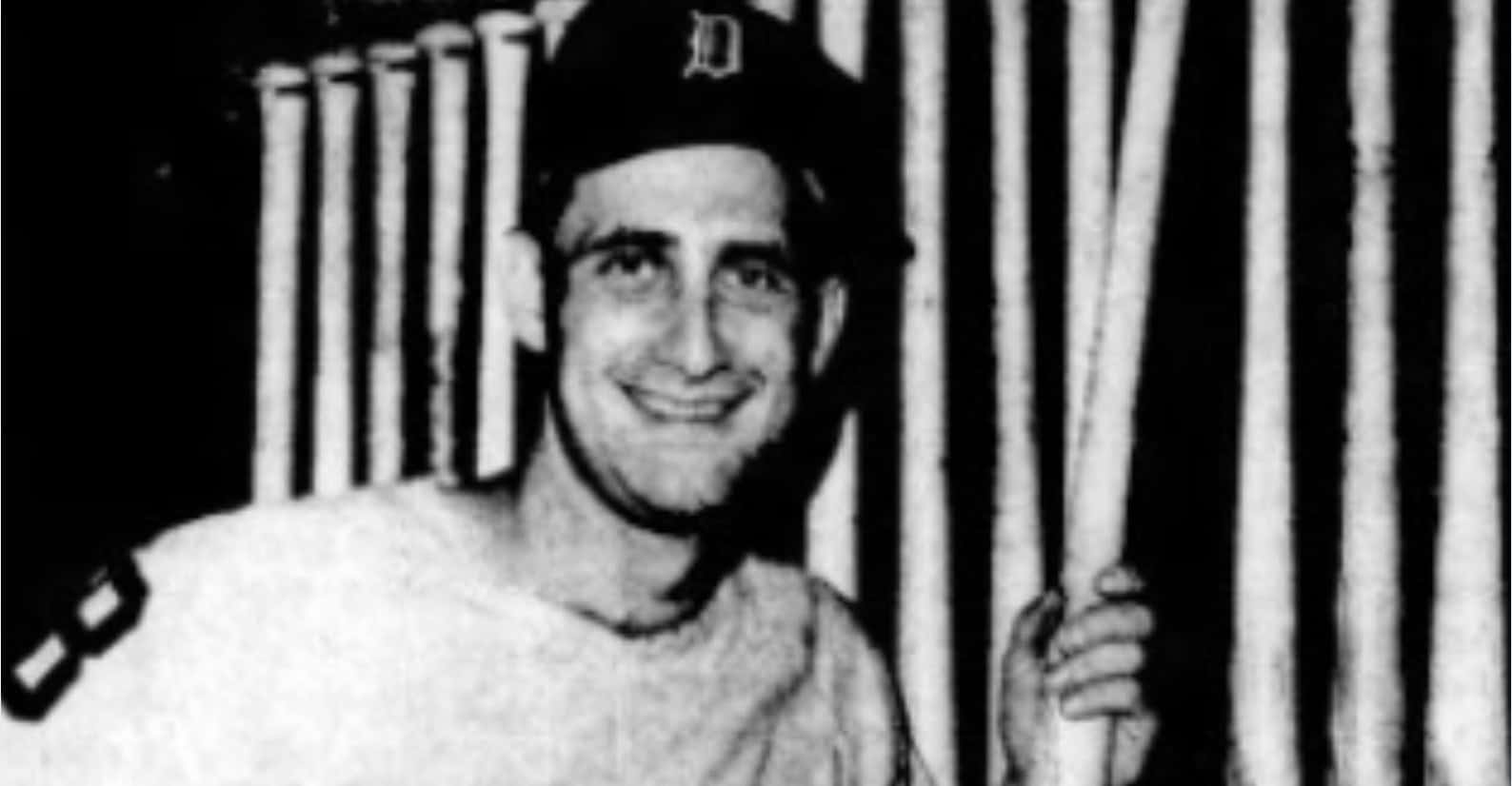
Don Wert epitomized the blue-collar third baseman, his workmanlike approach anchoring Detroit’s 1968 World Series championship while more glamorous teammates grabbed headlines. The Pennsylvania native led American League third basemen with a .976 fielding percentage in 1965, his steady glove work and clutch hitting providing the foundation for Detroit’s success. Wert’s 1968 All-Star selection validated years of consistent, often unspectacular, excellence.
Aurelio Rodríguez – The Mexican Marvel With the Rocket Arm
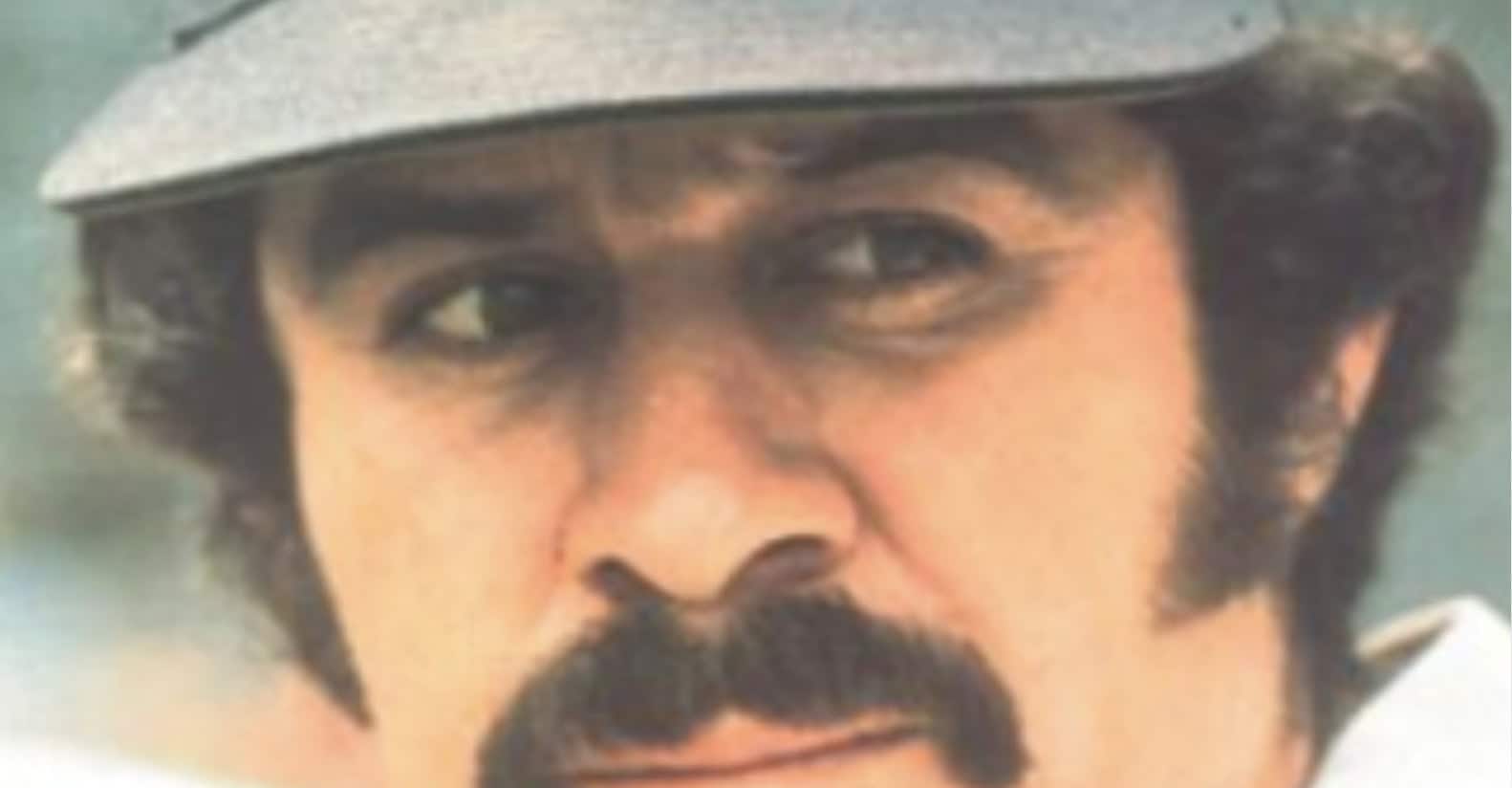
Aurelio Rodríguez possessed one of the strongest throwing arms in baseball history, his rifle shots from third base to first arriving with the velocity of a major league fastball. The Mexican-born defender broke into the majors with the California Angels in 1967, his spectacular defensive plays immediately establishing him as a fan favorite. Rodríguez’s arm strength was so legendary that opposing runners would often hold up on routine grounders, wary of being thrown out by a considerable margin.
Pete Ward – The White Sox Slugger Who Could Turn on Any Fastball
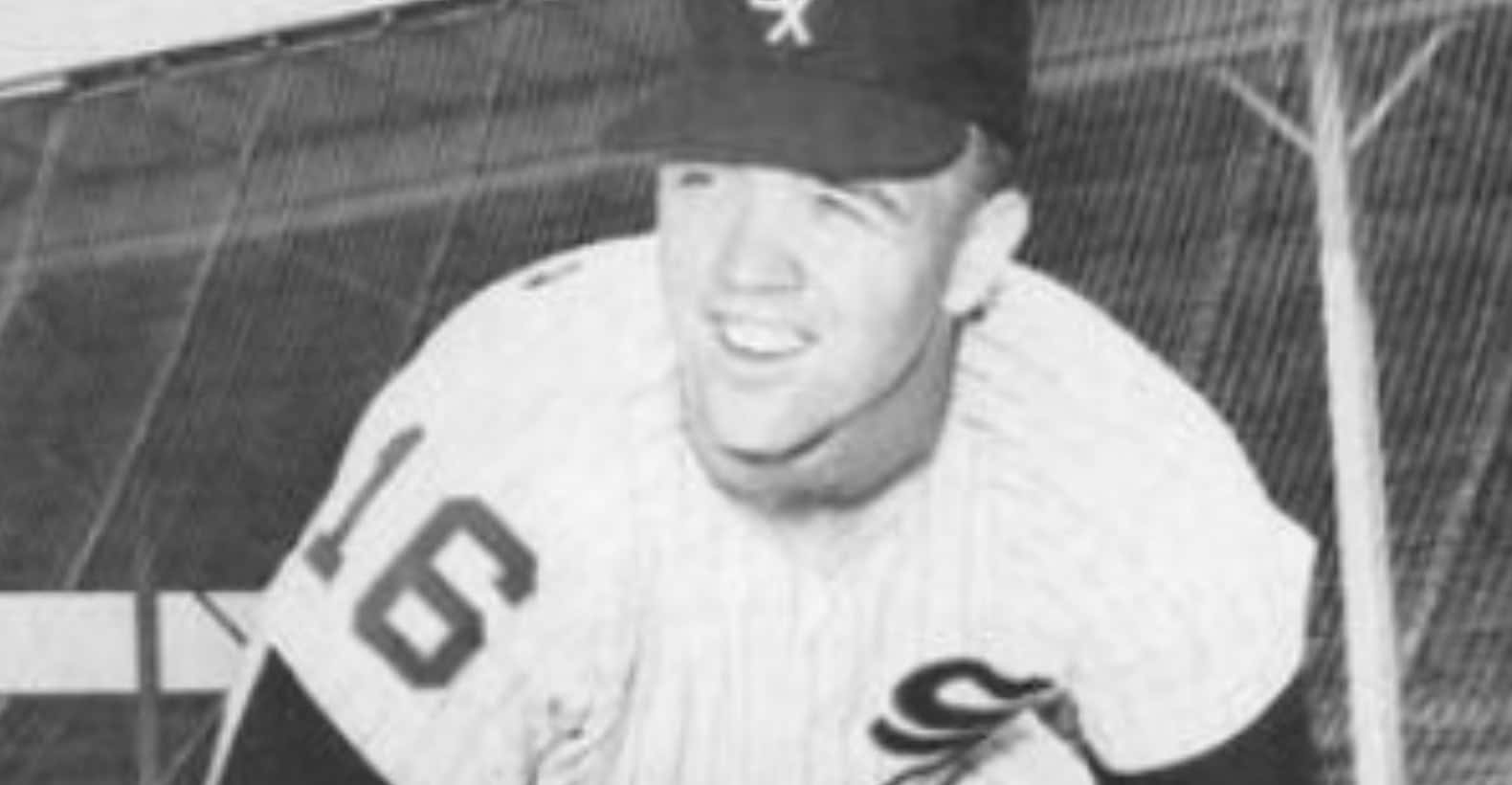
Pete Ward’s 1963 AL Rookie of the Year campaign featured 22 home runs and 84 RBIs, his compact swing perfectly suited for Chicago’s Comiskey Park dimensions. The Montreal native’s quick bat generated consistent power throughout the mid-1960s, his aggressive approach at the plate making him a good fit for the White Sox teams of that era, which still valued speed and solid fundamentals. Ward’s clutch hitting and solid defense made him a cornerstone of Chicago’s competitive teams during the decade.
Jim Fregosi – The Angels’ Captain Who Excelled at Shortstop and Played Third

Jim Fregosi was primarily a standout shortstop during his Angels career but also saw time at third base, his leadership and clutch hitting making him the face of California’s expansion franchise. The San Francisco native’s smooth swing generated 151 career home runs while his defensive prowess, mainly at short, was highly valued. Fregosi’s six All-Star selections reflected his status as one of the American League’s most reliable infielders throughout the 1960s.
Sal Bando – The A’s Mustache Gang Leader Who Hit Clutch Homers

Sal Bando emerged with the A’s in the late 1960s (debuting in 1966 with Kansas City before the team moved to Oakland in 1968), his steady leadership and clutch hitting laying the groundwork for the A’s dynasty of the early 1970s. The Arizona State product’s 242 career home runs included countless game-winners, his patient approach at the plate perfectly complementing Oakland’s aggressive style. Bando’s mustache and intense demeanor epitomized the colorful A’s teams that would soon dominate baseball.
Doug Rader – The Astros’ Acrobat Who Turned Defense Into Entertainment
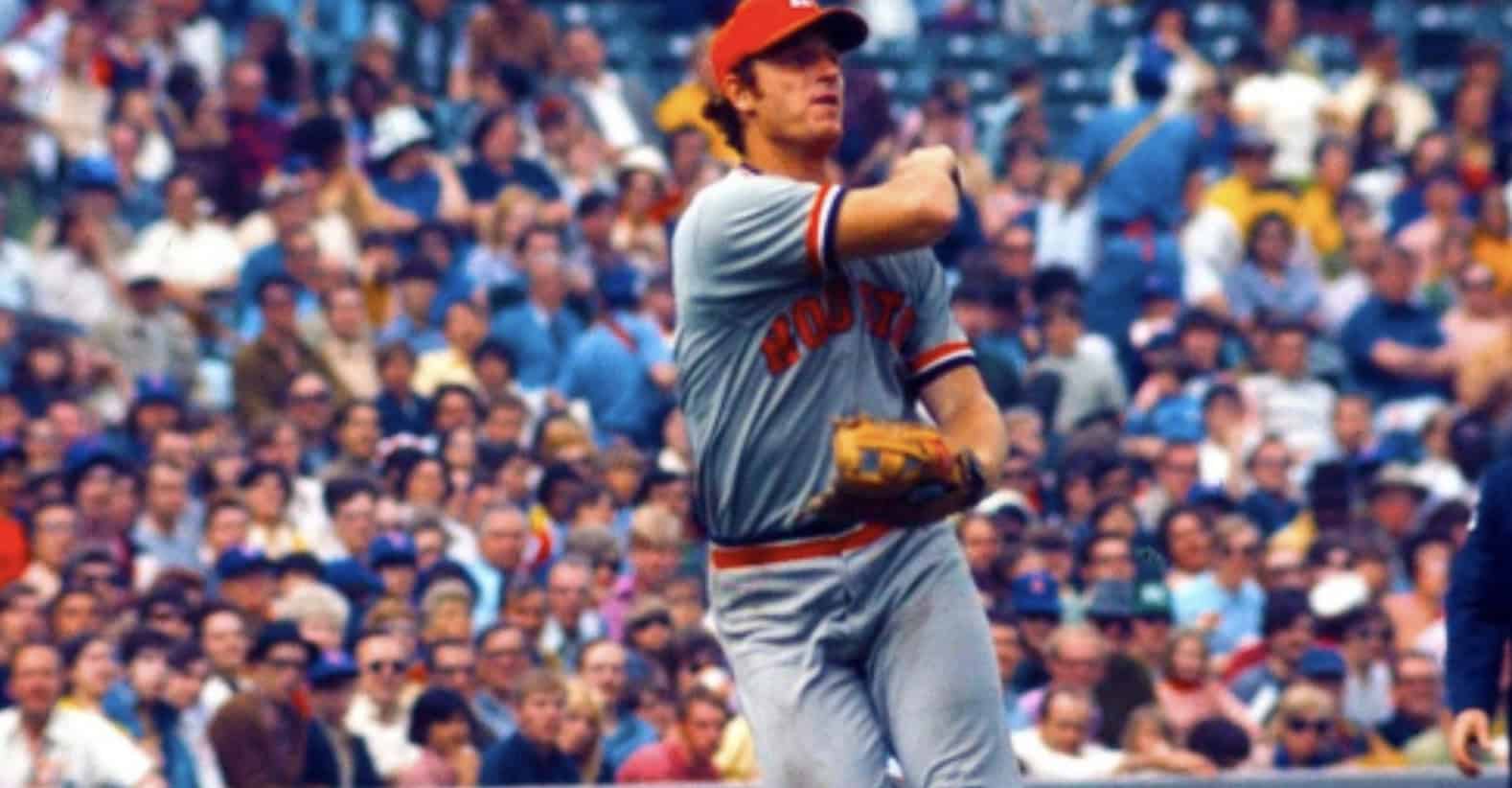
Doug Rader broke into the majors with Houston in 1967, his acrobatic defensive plays and colorful personality immediately making him a fan favorite at the Astrodome. “The Red Rooster” combined Gold Glove-caliber defense (winning five starting in 1970) with surprising power, his 155 career home runs punctuating a career defined by spectacular plays and infectious enthusiasm. Rader’s diving catches and bare-handed grabs turned routine games into highlight reels.
Rich Rollins – The Twins’ All-Star Hot Corner Man
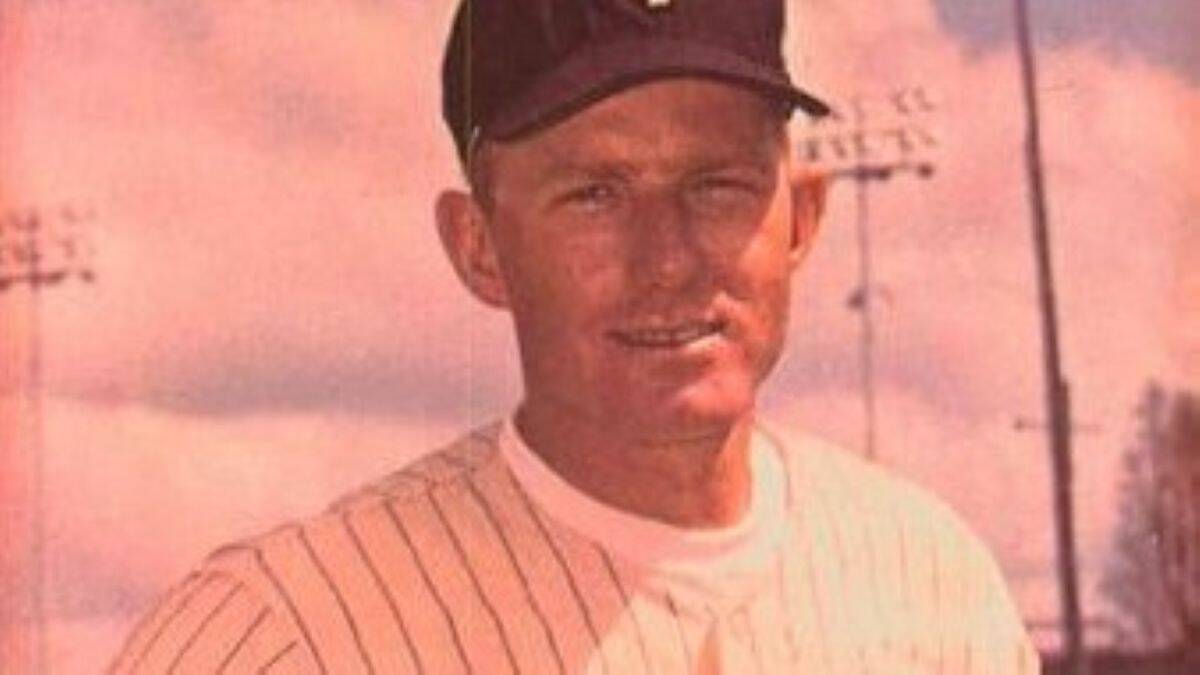
Rich Rollins was a standout third baseman for the Minnesota Twins in the early to mid-1960s. He burst onto the scene in 1962, earning an All-Star selection and finishing in the top 10 of MVP voting. Known for his solid hitting and reliable glove, Rollins was a key component of the Twins’ potent lineups, appearing in three All-Star games during the decade and contributing to their 1965 American League pennant-winning season. He provided consistent offensive production and steady defense at the hot corner for several seasons.
Ed Charles – The Poet Who Helped the Miracle Mets Win It All
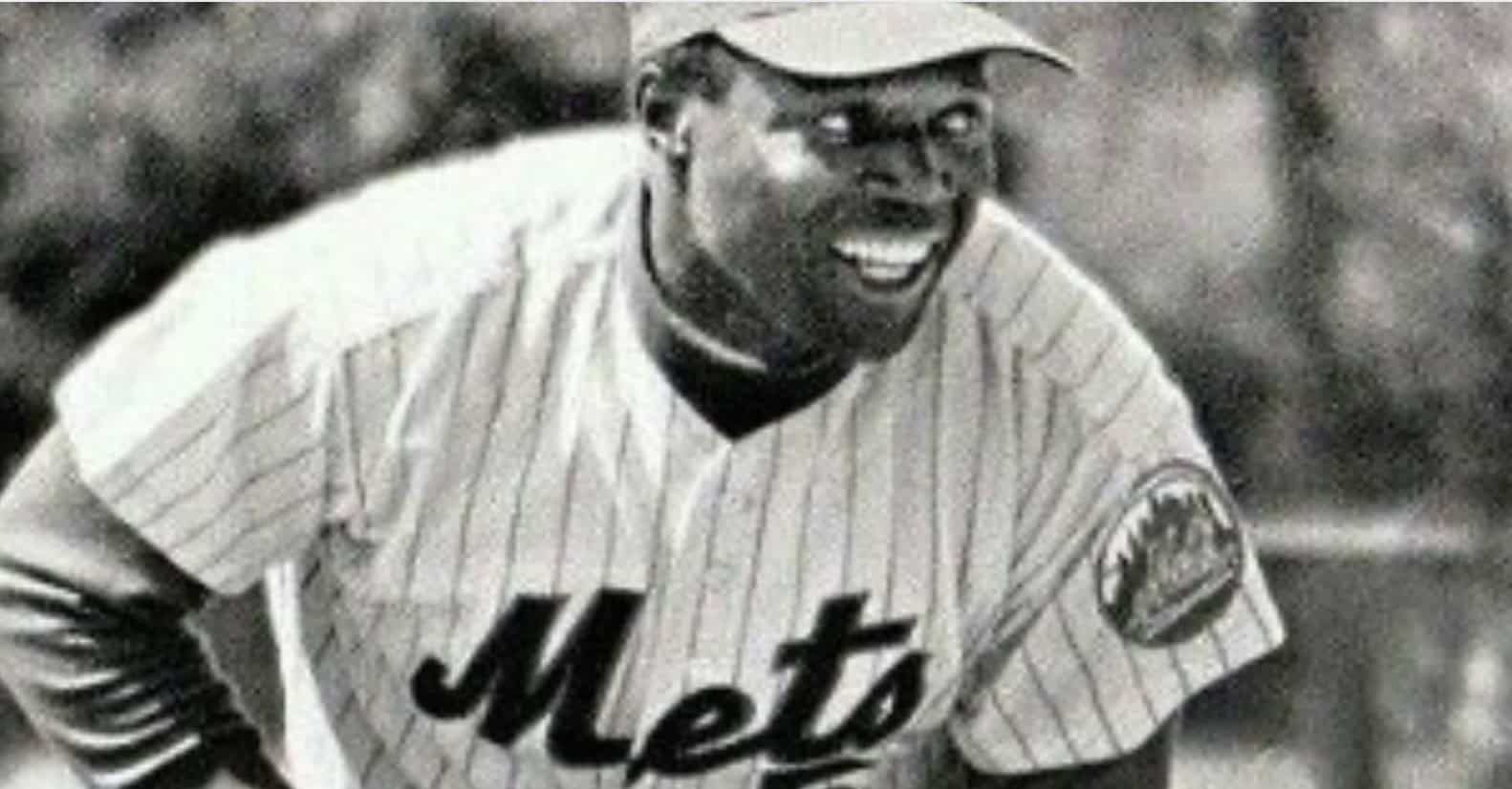
Ed Charles brought veteran leadership and clutch hitting to the 1969 Miracle Mets, his steady presence at third base providing stability during New York’s improbable championship run. “The Glider” earned his nickname through smooth defensive play and graceful movement around the hot corner, his poetry writing revealing an artistic soul beneath the baseball uniform. Charles’s leadership and experience proved invaluable during the Mets’ magical journey from perennial laughingstock to World Series champions.
Max Alvis – The Indians’ Consistent Contact Hitter Who Rarely Struck Out
Max Alvis epitomized the contact-hitting third baseman during his Cleveland career, his patient approach and gap power making him a consistent run producer throughout the 1960s. The Texas native’s 111 career home runs came via a compact swing that rarely resulted in strikeouts, his disciplined plate approach well-suited for Cleveland’s spacious Municipal Stadium. Alvis’s steady production and reliable defense made him a cornerstone of Indians teams during some of the franchise’s more competitive years in that decade.
Jerry Zimmerman – The Twins’ Utility Man Who Could Play Anywhere
Jerry Zimmerman’s versatility made him invaluable to Minnesota’s championship-caliber teams of the mid-1960s. His ability to catch, play third base, and first base, along with pinch-hitting, provided manager Sam Mele with tactical flexibility. The Oklahoma native’s baseball intelligence and clutch hitting made him a perfect complement to stars like Harmon Killebrew and Tony Oliva, his steady presence helping anchor the Twins’ 1965 American League championship team. Zimmerman’s utility work and leadership represented the unsung heroes who made championship teams possible during baseball’s golden era.