

Last Updated: June 17th, 2026 by Michael Schatz
The 1970s were baseball’s golden age behind the plate, when catchers weren’t just defensive specialists but complete players who could change games with both their gloves and their bats. These backstops called pitches in an era when fastballs still had that satisfying pop in the mitt, and they did it all without the high-tech gear that makes today’s catchers look like space marines.
Don't lose this article. Enter your email below, and I'll send it to you right now. Plus, we'll send you other unbelievable stories from baseball's past.
Johnny Bench: The Big Red Machine’s Golden Glove King
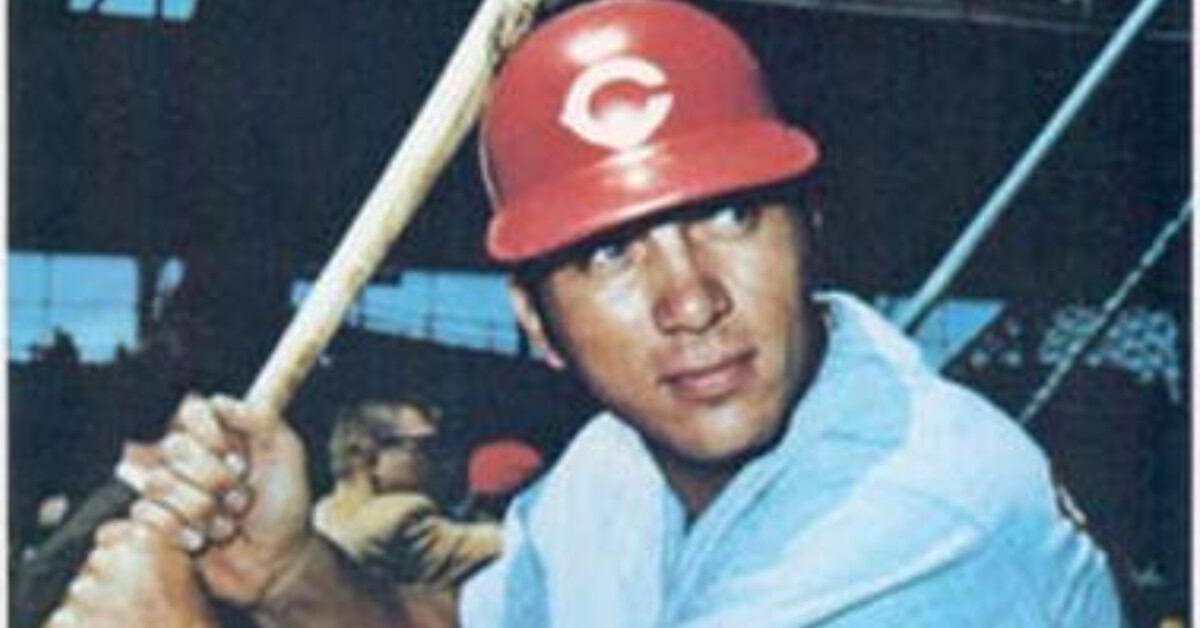
Johnny Bench redefined what it meant to be a catcher, turning the position from a defensive afterthought into a showcase of athletic excellence. The Cincinnati Reds legend won back-to-back MVP awards in 1970 and 1972, becoming one of the youngest National League MVPs ever at age 22. His rocket arm and one-handed catching style revolutionized the position, while his 389 career home runs proved catchers could be offensive forces too. Bench’s 10 consecutive Gold Gloves from 1968-1977 set the standard that every catcher since has chased but few have matched.
Thurman Munson: The Captain Who Defined Yankee Grit
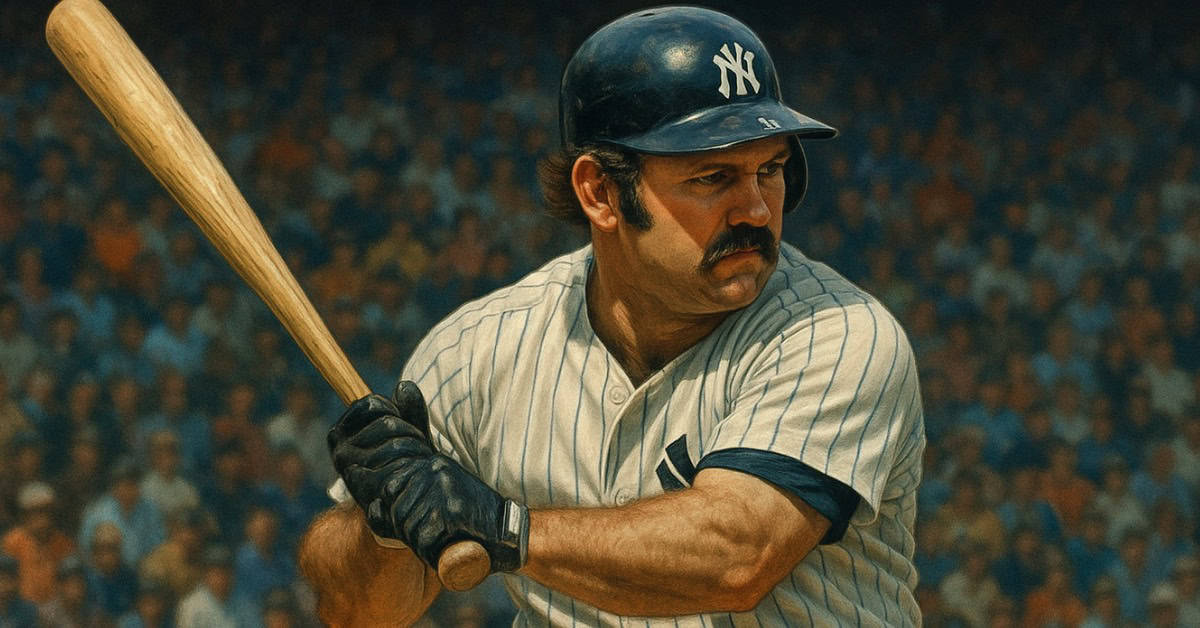
Thurman Munson embodied everything the Yankees stood for in the 1970s: toughness, clutch hitting, and an unwavering will to win. The first Yankees captain since Lou Gehrig, Munson hit .292 over his career with a knack for delivering in October, batting .373 in World Series play. His three consecutive Gold Gloves from 1973-75 showcased his defensive prowess, while his 1976 AL MVP award proved he could carry a team offensively. Munson’s tragic death in 1979 robbed baseball of one of its grittiest competitors, but his legacy as the heart and soul of those championship Yankees teams remains untouchable.
Carlton Fisk: The Man Who Waved a Ball Fair in ’75
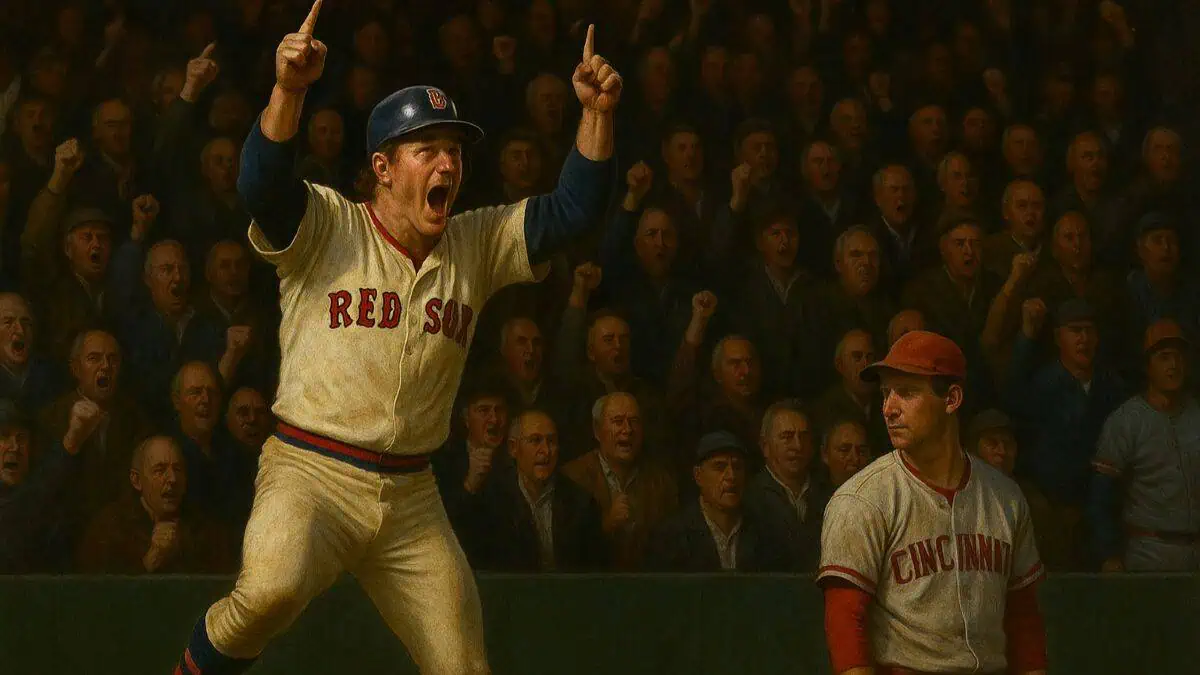
Carlton Fisk’s 12th-inning home run in Game 6 of the 1975 World Series remains one of baseball’s most iconic moments, his body language willing the ball to stay fair as much as his bat. The towering New Hampshire native combined power, defense, and durability in a way that made him the prototype for the modern catcher. His 1972 AL Rookie of the Year award launched a Hall of Fame career that spanned 24 seasons, during which he revolutionized catcher conditioning and longevity. That moment at Fenway, with Fisk dancing down the first-base line, captured the pure joy and drama that made 1970s baseball unforgettable.
Ted Simmons: The Switch-Hitting Cardinal Who Hit Like a Third Baseman

Ted Simmons broke the mold of what a catcher should look like at the plate, compiling offensive numbers that would make any position player jealous. The switch-hitting Cardinals star batted .285 over his career with 2,472 hits, proving that backstops could be offensive catalysts. His eight All-Star selections in the 1970s reflected his consistent excellence, while his ability to hit from both sides of the plate made him a matchup nightmare for opposing managers. Simmons showed that catchers didn’t have to sacrifice offense for defense, paving the way for future generations of complete players behind the plate.
Manny Sanguillen: Pittsburgh’s Smiling Contact Artist
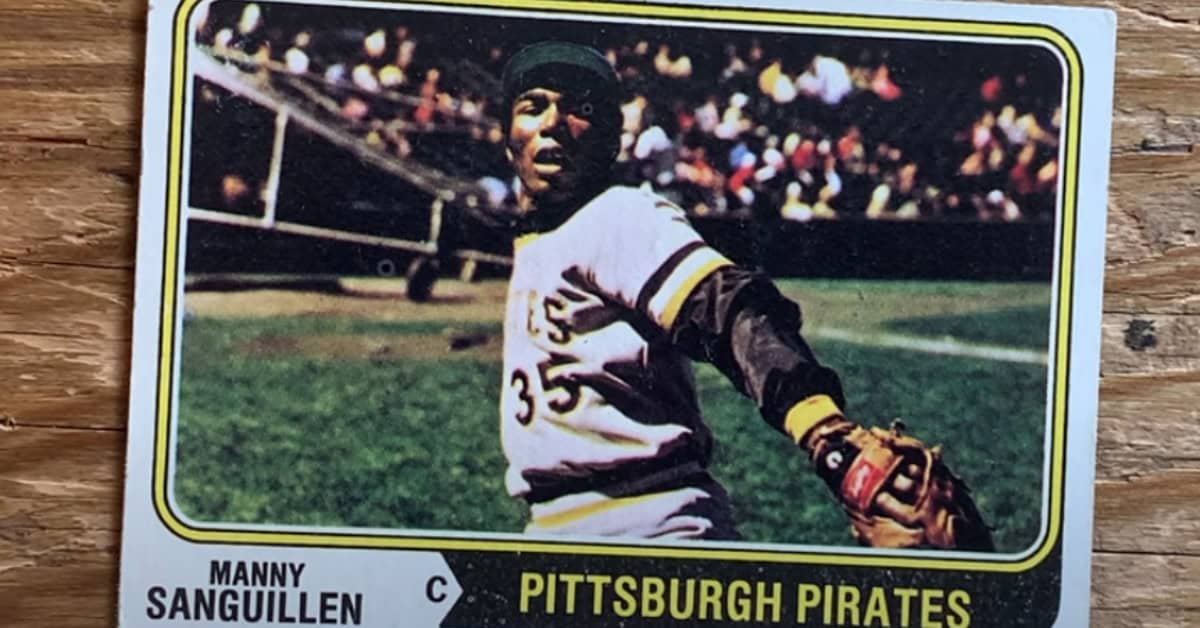
Manny Sanguillen brought a unique combination of joy and skill to the Pittsburgh Pirates’ championship teams of the 1970s, his perpetual smile masking a fierce competitor who rarely struck out. The Panamanian catcher’s .296 career batting average was built on an aggressive approach that saw him swing at almost everything, yet somehow make contact with remarkable consistency. His three All-Star selections and key role in the Pirates’ 1971 World Series championship showcased his ability to perform under pressure while maintaining his infectious enthusiasm. Sanguillen proved that catchers could be both technically sound and genuinely fun to watch, bringing a Caribbean flair to the Steel City that fans never forgot.
Gene Tenace: The Mustached MVP of Oakland’s Dynasty

Gene Tenace’s 1972 World Series performance remains one of the most unlikely MVP performances in baseball history, as the backup catcher homered in his first two at-bats and never looked back. The mustachioed Oakland Athletics stalwart embodied the scrappy, colorful spirit of Charlie Finley’s championship teams, combining surprising power with solid defense behind the plate. His four home runs and nine RBIs in that ’72 Series helped deliver Oakland’s first championship in 41 years, proving that October heroes could emerge from the most unexpected places. Tenace’s ability to rise to the occasion when it mattered most made him the perfect catcher for those wild, wonderful A’s teams that defined early 1970s baseball.
Jim Sundberg: Texas’s Quiet Defensive Wizard
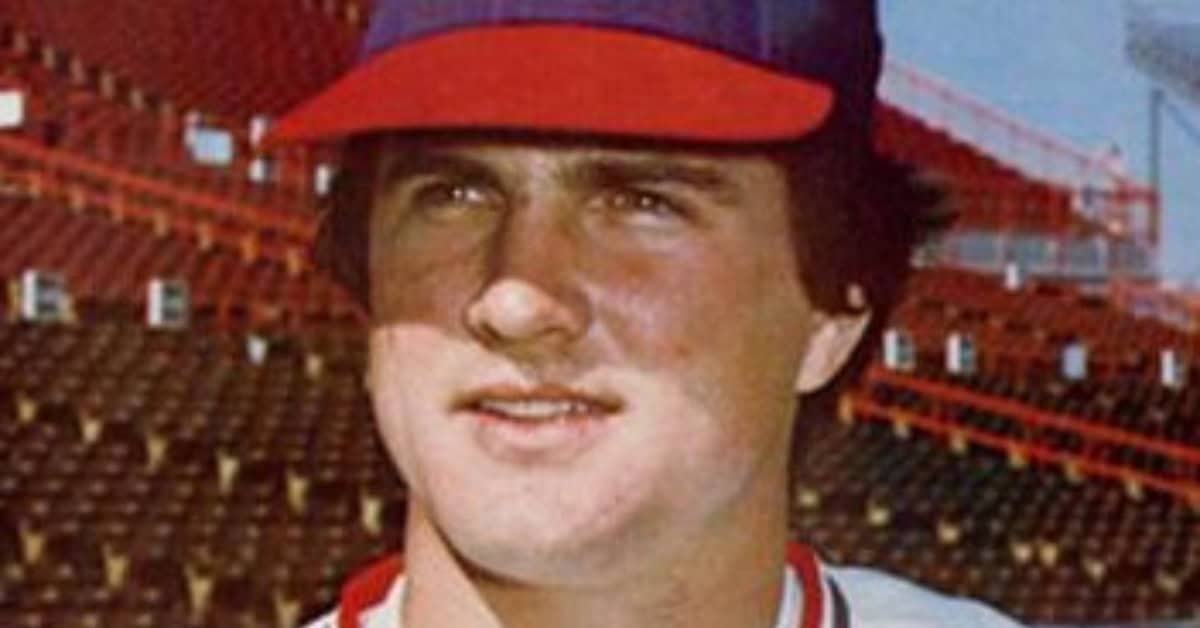
Jim Sundberg turned defense into an art form during his years with the Texas Rangers, earning six Gold Gloves and establishing himself as the premier defensive catcher of his era. The Illinois native’s meticulous approach to calling games and managing pitching staffs made him invaluable to Rangers teams that often struggled offensively but could always count on stellar defense. His three All-Star selections reflected not just his defensive prowess but his ability to contribute offensively when needed, hitting .248 over his career while providing steady leadership behind the plate. Sundberg’s quiet professionalism and technical excellence set the standard for what it meant to be a complete catcher in the American League during the 1970s.
Bob Boone: The Phillies’ Gold Glove Patriarch

Bob Boone’s seven Gold Gloves and 19-year career established him as one of the most durable and defensively gifted catchers in baseball history, anchoring Philadelphia’s championship teams with quiet excellence. The son of infielder Ray Boone and father of future All-Stars Bret and Aaron, Bob represented the middle generation of baseball’s most successful family dynasty. His 2,225 games caught are a testament to his durability and the trust managers placed in his game-calling abilities, ranking him among the all-time leaders. Boone’s steady presence behind the plate provided the foundation for the Phillies’ 1980 World Series championship, proving that sometimes the most valuable players are those who do their jobs with consistent excellence rather than flashy statistics.
Steve Yeager: The Dodger Who Caught Lightning in a Bottle
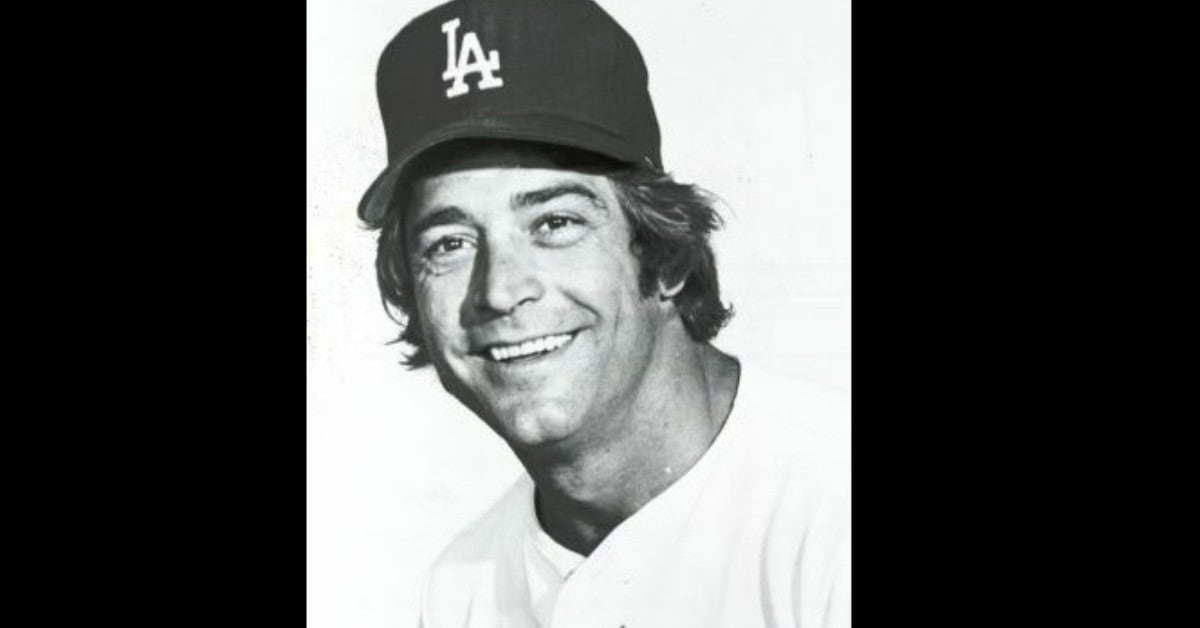
Steve Yeager’s 14-year career with the Los Angeles Dodgers showcased the value of steady, reliable catching in an era when the position demanded both toughness and intelligence. The Ohio native’s 1981 World Series championship came as a result of his ability to handle the Dodgers’ talented pitching staffs, including rookie phenom Fernando Valenzuela. His co-MVP performance in that World Series, shared with Pedro Guerrero and Ron Cey, highlighted his ability to step up in clutch situations despite modest career offensive numbers. Yeager’s invention of the throat protector for catchers’ masks, inspired by his own injury, showed his commitment to improving the position’s safety and effectiveness.
Ray Fosse: The Gold Glover Remembered for a Collision
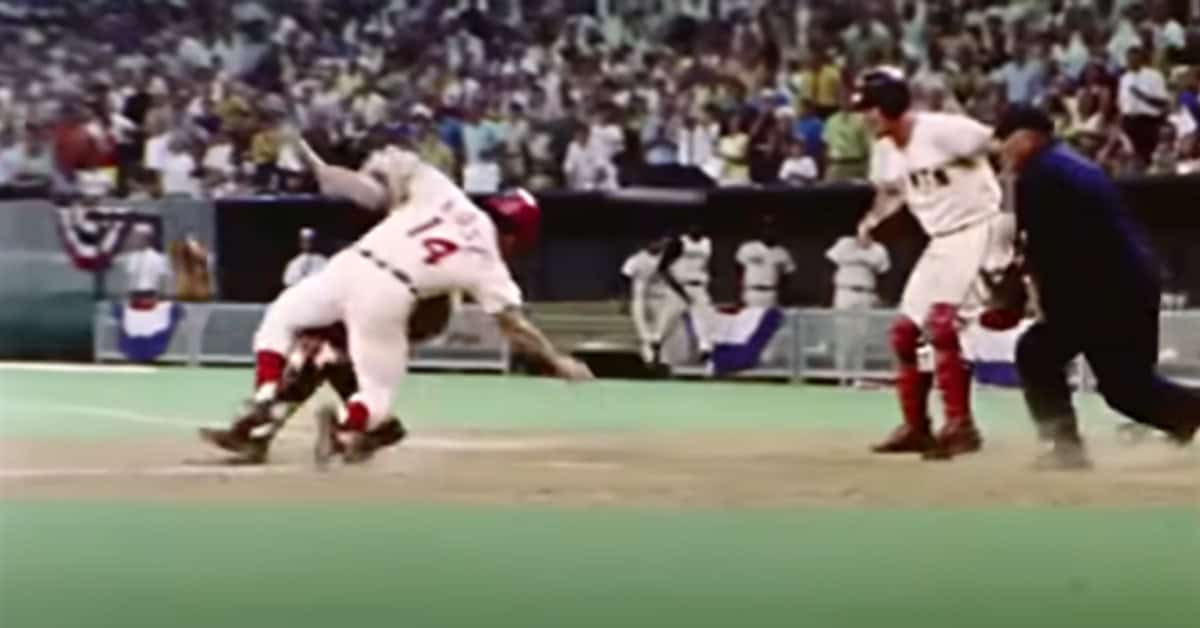
Ray Fosse’s career will forever be linked to Pete Rose’s infamous collision at home plate during the 1970 All-Star Game, but his contributions to baseball extended far beyond that single moment. The Illinois native’s two Gold Gloves and solid offensive production made him one of the American League’s most complete catchers during the early 1970s, before injuries began to take their toll. His .256 career batting average and 61 home runs reflected steady production from a position that often prioritized defense over offense. Fosse’s willingness to block the plate and absorb punishment epitomized the old-school toughness that defined catchers of his era, even when it came at great personal cost.
Darrell Porter: The Royals’ All-Star Behind the Plate
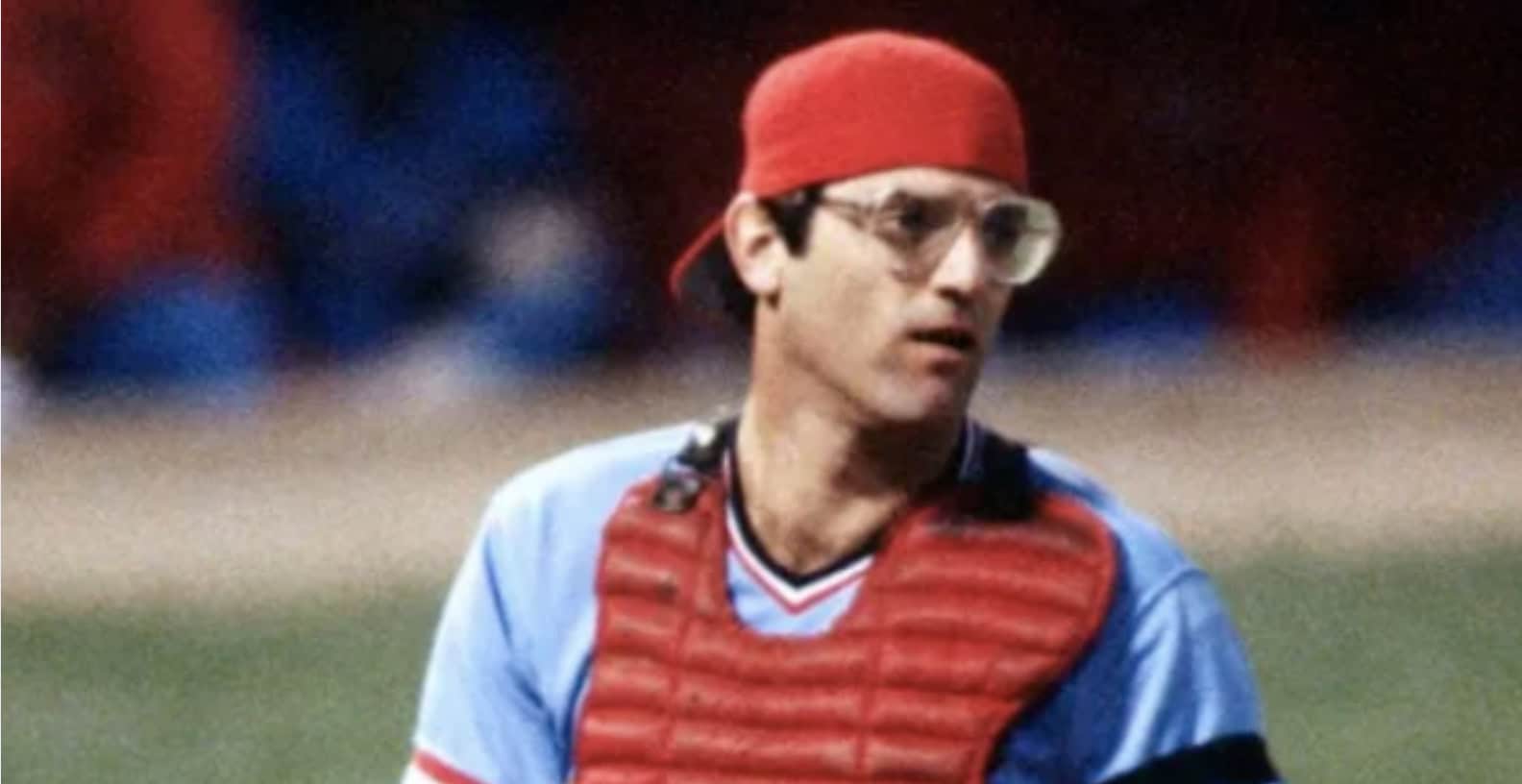
Darrell Porter’s four All-Star selections highlighted his resilience and skill during his prime years with the Kansas City Royals. The Oklahoma native’s combination of power and patience at the plate made him a valuable offensive contributor, as evidenced by his 188 career home runs and 891 walks. His ability to work counts and get on base provided a different dimension to the Royals’ offensive attack, while his solid defense helped anchor their pitching staff during their competitive years in the late 1970s. Porter’s later World Series MVP performance with the Cardinals in 1982 proved that his best baseball extended beyond his Kansas City years, but it was with the Royals that he first established himself as one of the decade’s premier catchers.
Gary Carter: The Kid Who Got His Start in Montreal
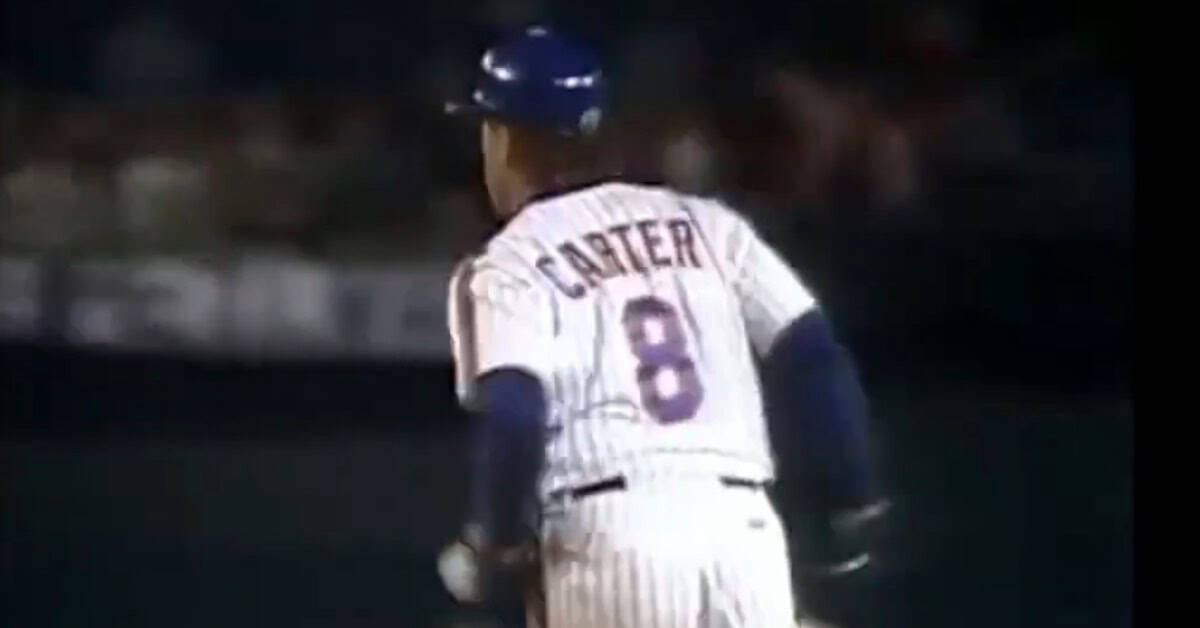
Gary Carter’s infectious enthusiasm and powerful right-handed swing made him the face of the Montreal Expos during their most successful years, earning him the nickname “The Kid” for his youthful exuberance. The California native’s 324 career home runs and 1,225 RBIs established him as one of the most productive offensive catchers in baseball history, while his three Gold Gloves proved he could handle the defensive responsibilities as well. His 11 All-Star selections, beginning with his first appearances in the late 1970s, reflected his consistent excellence on both sides of the ball. Carter’s ability to combine power hitting with defensive skill and genuine love for the game made him the perfect ambassador for baseball in Montreal, where he helped establish the Expos as a legitimate franchise before his eventual Hall of Fame induction.
Elrod Hendricks: Baltimore’s Steady Hand Behind Palmer

Elrod Hendricks provided the steady leadership behind the plate that helped anchor Baltimore’s dominant pitching staffs of the 1970s, working closely with Hall of Famers Jim Palmer and Mike Cuellar. The Virgin Islands native’s .220 career batting average might not have impressed offensive-minded fans, but his value came in his ability to call games and handle one of baseball’s most talented rotations. His three World Series appearances with the Orioles showcased his ability to perform in pressure situations, while his 12-year career demonstrated the durability and consistency that managers valued in their catchers. Hendricks represented the old-school approach to catching, where game management and pitcher relationships mattered more than personal statistics, making him an invaluable piece of Baltimore’s championship puzzle.
Jerry Grote: The Mets’ Defensive Anchor of the Miracle Years

Jerry Grote’s exceptional defensive skills and game-calling ability made him the perfect catcher for the New York Mets’ “Miracle” teams of the late 1960s and early 1970s, helping guide their young pitching staff to unexpected success. The Texas native’s .252 career batting average was secondary to his primary value as a defensive specialist who could handle the complex task of managing a pitching rotation that included Tom Seaver, Jerry Koosman, and Tug McGraw. His two All-Star selections and 1969 World Series championship reflected his ability to perform when it mattered most, while his 16-year career demonstrated remarkable longevity for a position that typically wore players down quickly. Grote’s quiet professionalism and technical excellence behind the plate provided the foundation for one of the most surprising championship runs in baseball history.
John Stearns: The Bad Dude Who Brought Football Toughness to Queens

John Stearns brought a unique combination of athletic ability and football toughness to the New York Mets, earning the nickname “Bad Dude” for his aggressive style and willingness to mix it up with opposing players. The former University of Colorado football player’s four All-Star selections during the late 1970s and early 1980s reflected his emergence as one of the National League’s premier catchers, combining solid offense with excellent defense. His 25 stolen bases in 1978 showcased the rare speed and athleticism that made him such a unique player at his position. Stearns’ intensity and leadership helped energize Mets teams that were often struggling, proving that sometimes the most valuable contributions come from players who bring intangible qualities that can’t be measured in traditional statistics.