
Last Updated: June 17th, 2026 by Matthew Brown
Before shortstops became power-hitting superstars, they were the chess masters of the diamond, turning double plays with ballet-like grace and making the impossible look routine. These overlooked artists of the six-hole might not have made Cooperstown, but they made baseball beautiful for those lucky enough to watch them work.
Don't lose this article. Enter your email below, and I'll send it to you right now. Plus, we'll send you other unbelievable stories from baseball's past.
Tony Fernandez: Toronto’s Smooth Operator
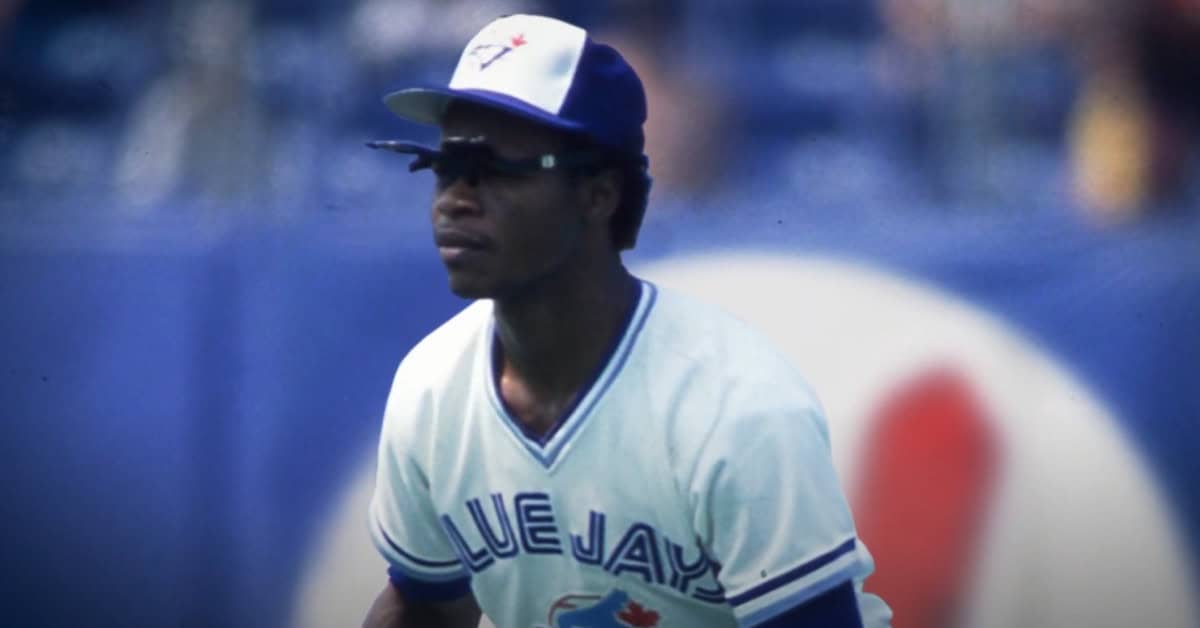
With a style smoother than Canadian maple syrup, Fernandez made artificial turf look like a ballroom dance floor. His signature one-hop throws from deep in the hole became his trademark, while his switch-hitting prowess made him a complete player before that became the shortstop standard.
Larry Bowa: Philadelphia’s Fiery Field General

Bowa played with a chip on his shoulder the size of the Liberty Bell, turning his undrafted status into five All-Star appearances. His fiery personality and precise defense epitomized Phillies baseball in the 1970s, making Veterans Stadium’s artificial turf his personal stage for defensive excellence.
Bert Campaneris: The Original Oakland Acrobat
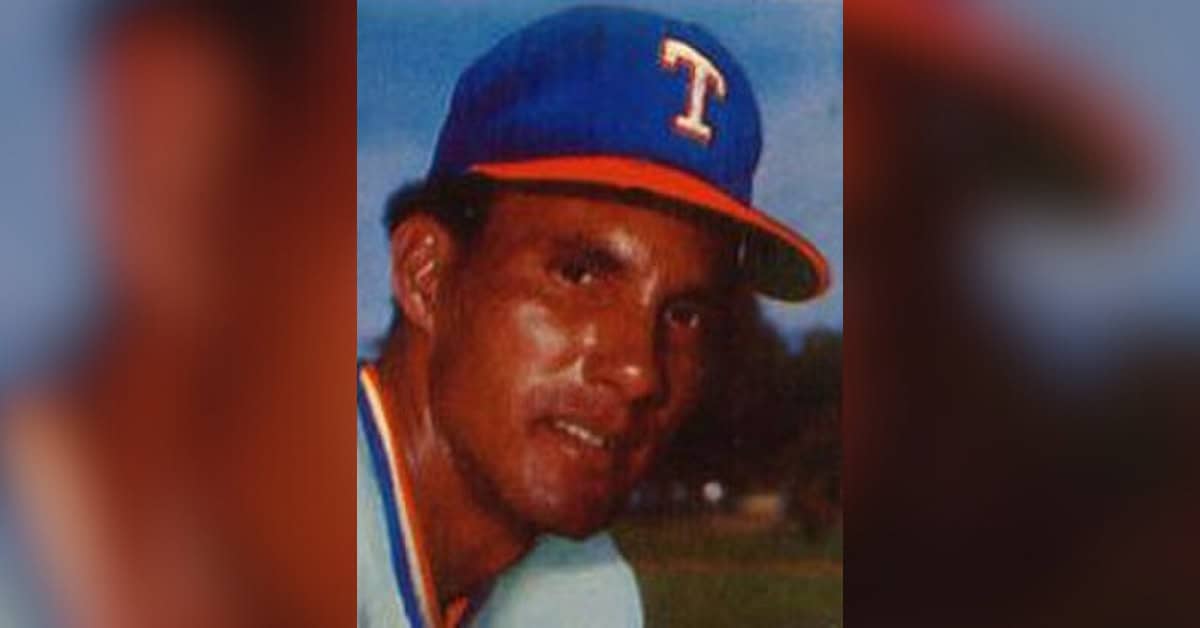
Campy could do it all—hit, run, field, and even pitch with both arms (which he did in a 1965 game). As the spark plug of Oakland’s dynasty, he led the AL in steals six times and played all nine positions in a single game, showing versatility before it became fashionable.
Rick Burleson: The Rooster Who Ruled Fenway
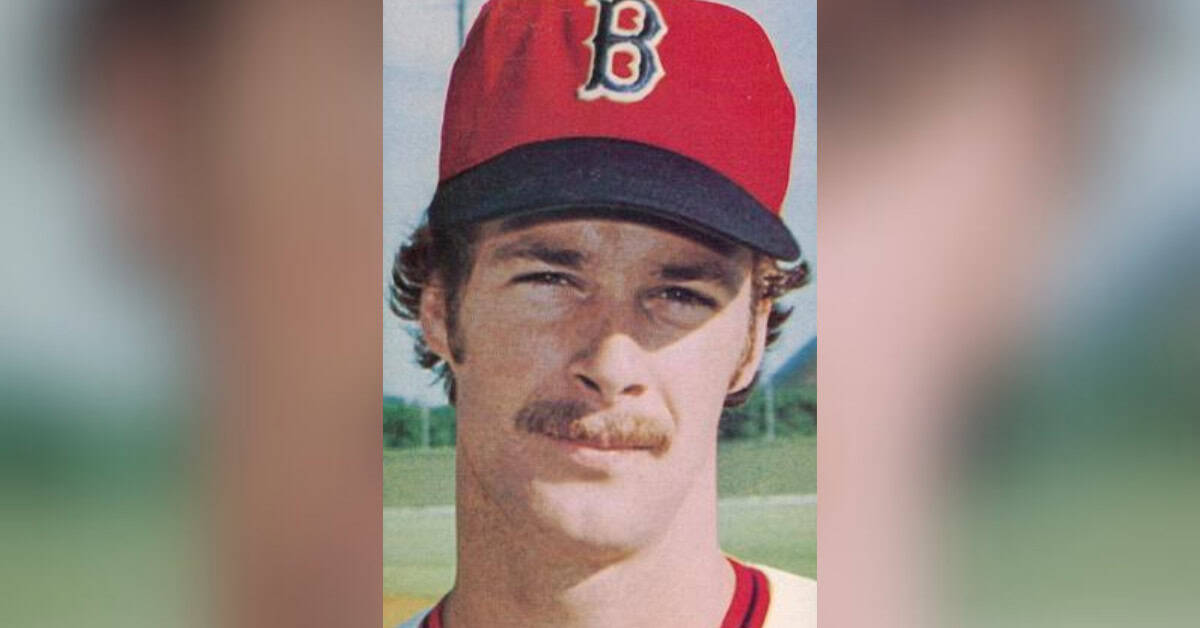
They called him “The Rooster” for his intense demeanor and fierce competitiveness. Burleson turned Fenway’s challenging shortstop position into his personal domain, earning four All-Star selections while playing with a grit that perfectly matched Boston’s blue-collar identity.
Dave Concepcion: The Big Red Machine’s Engine
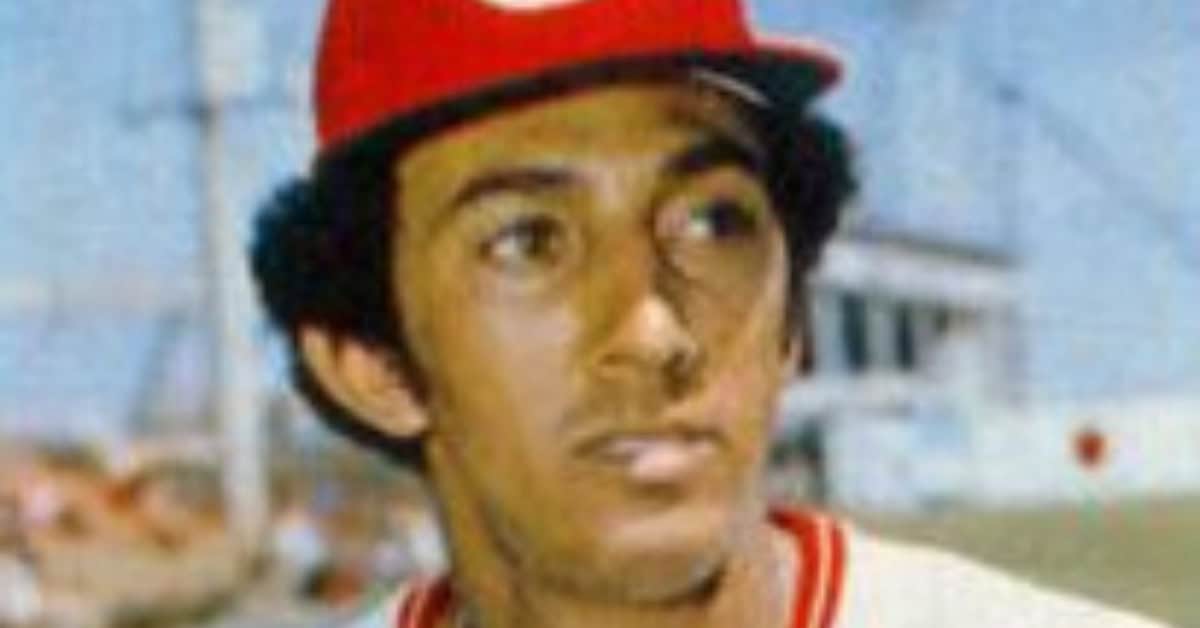
While others got more headlines, Concepcion was the glue that held Cincinnati’s dynasty together. He pioneered the bounce throw from deep shortstop on Riverfront Stadium’s artificial turf, turning the fake grass’s high bounce into a weapon rather than a liability.
Mark Belanger: Earl Weaver’s Defensive Specialist
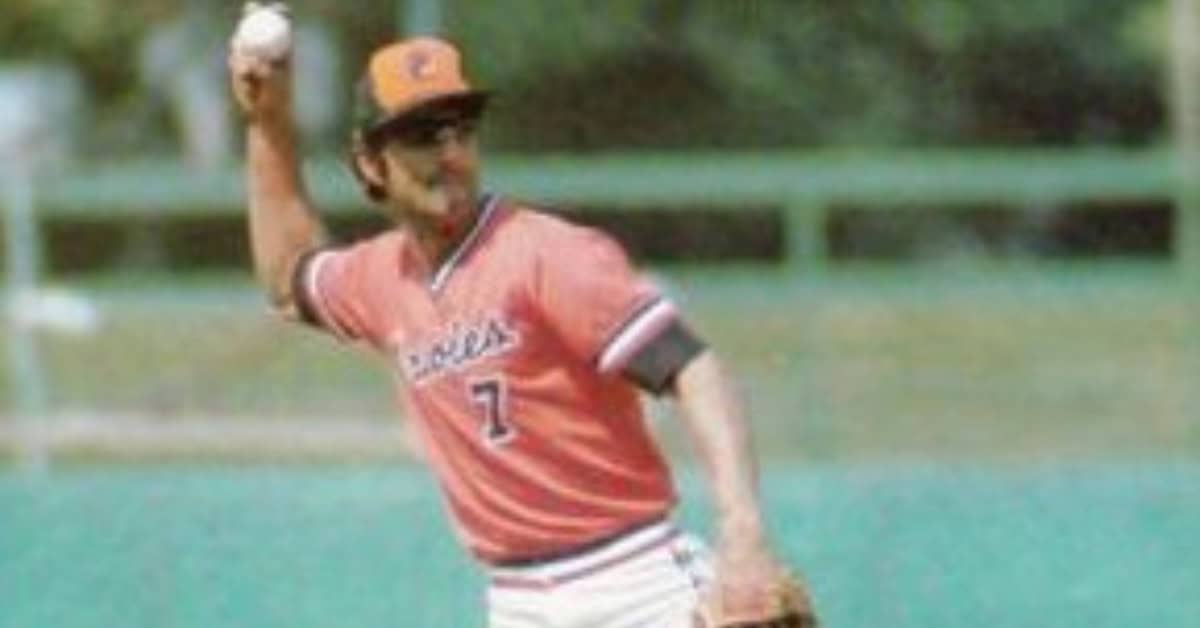
“The Blade” was so thin he disappeared when he turned sideways, but his defense was larger than life. Eight Gold Gloves tell only part of the story—Belanger’s graceful play at short allowed Earl Weaver to build his dynasty around defense and three-run homers.
Gene Michael: The Stick’s Slick Fielding Show
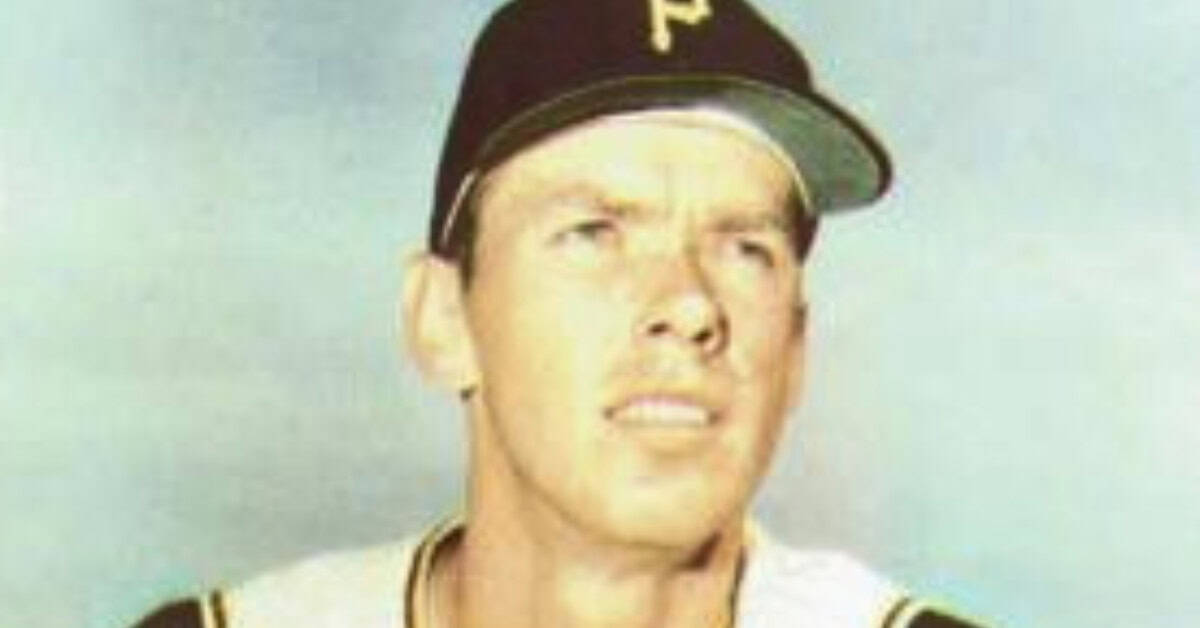
Before he became a Yankees executive, “Stick” was a defensive wizard who perfected the fake-tag play at second base. His 6’2″ frame defied the shortstop stereotype, while his basketball background gave him unique agility in the field.
Rico Petrocelli: Fenway’s Forgotten Star
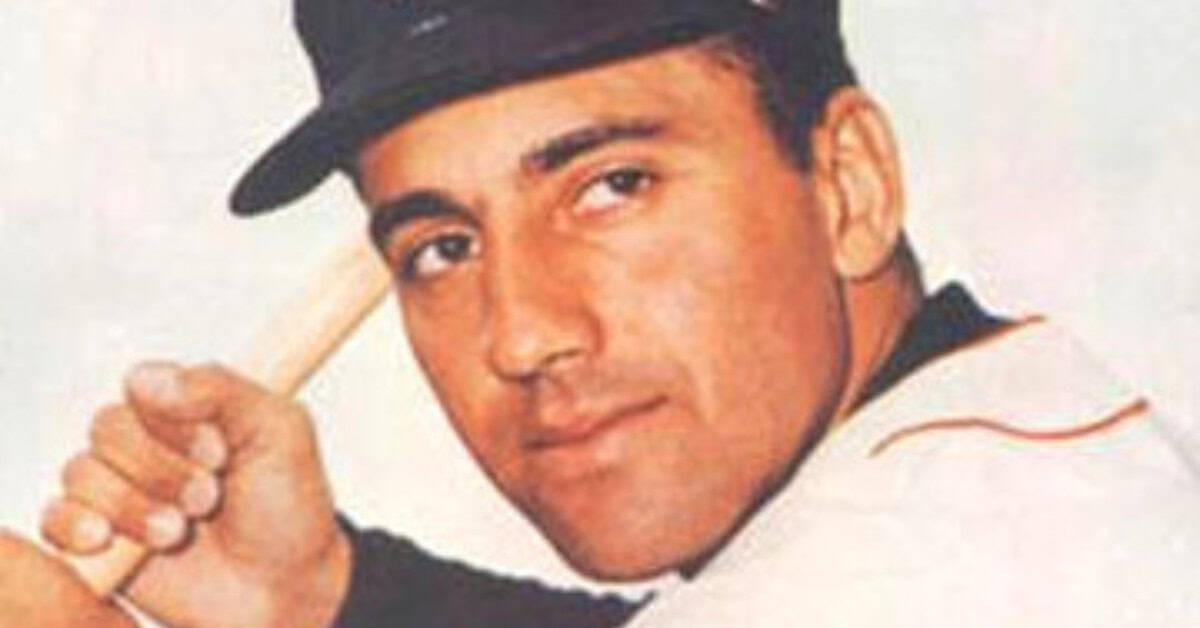
In 1969, Petrocelli became the first AL shortstop to hit 40 home runs, predating the power shortstop era by decades. His steady defense and clutch hitting were crucial to Boston’s “Impossible Dream” season of 1967, though he’s often overlooked in Red Sox lore.
Garry Templeton: Before Ozzie, There Was Tempy
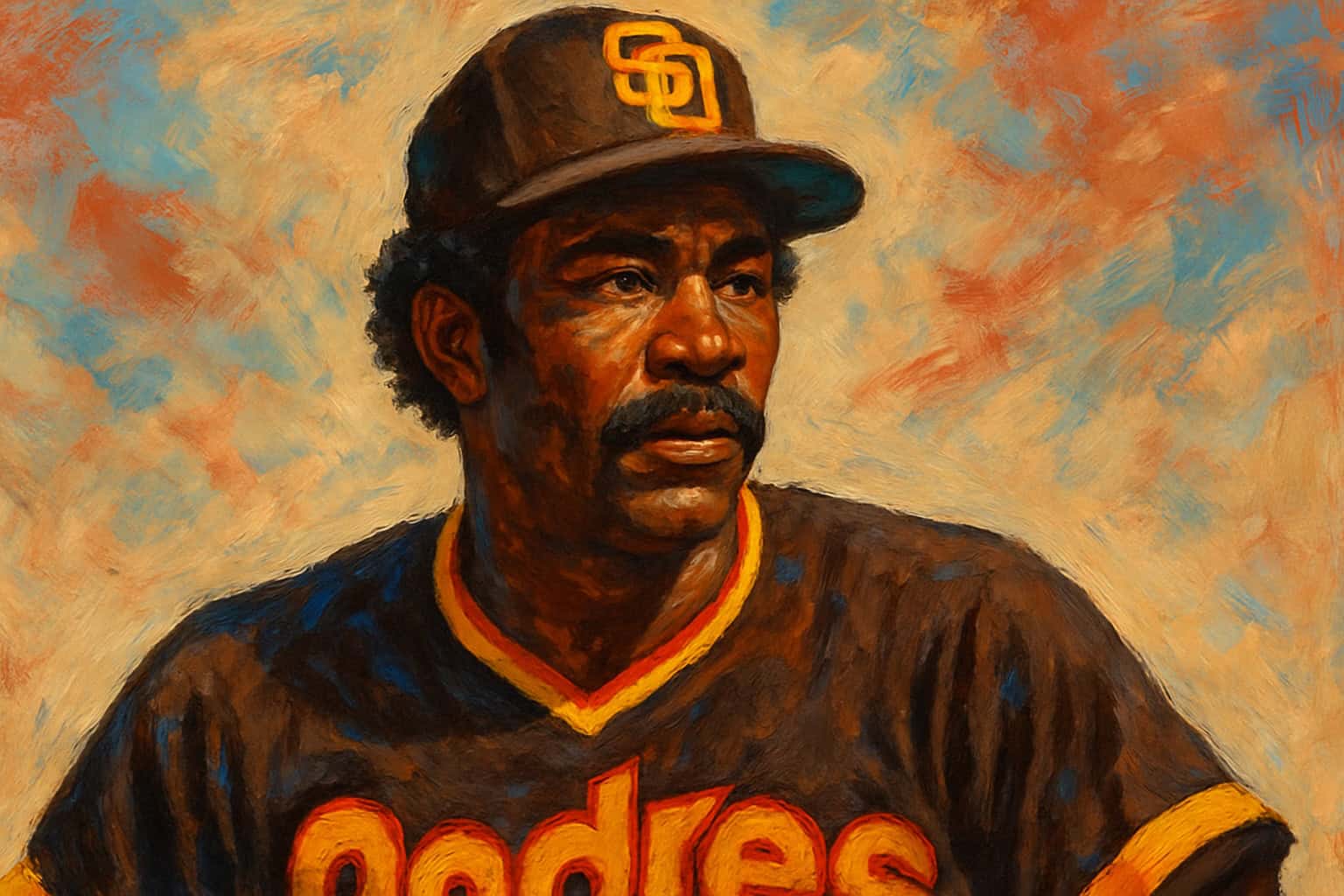
The first player to collect 100 hits from each side of the plate in a season, Templeton had skills that made scouts drool. His famous quote, “If I ain’t startin’, I ain’t departin’,” showed his confidence, while his trade for Ozzie Smith changed two franchises forever.
Roy McMillan: Cincinnati’s Overlooked Anchor
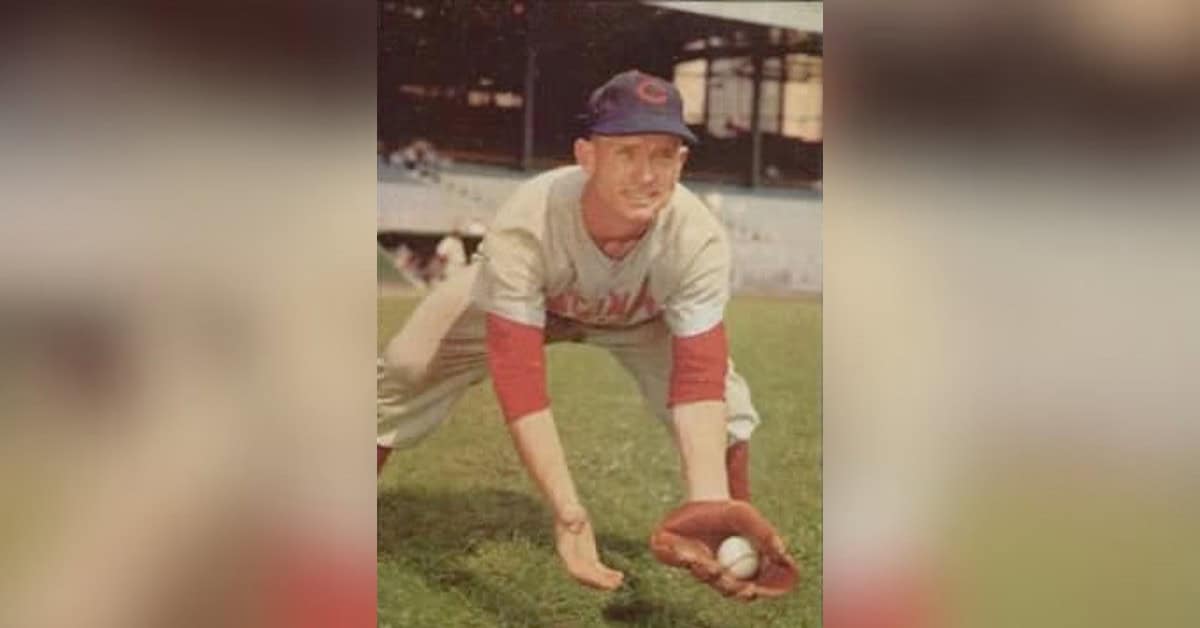
The defensive wizard who set the standard for all shortstops who followed, McMillan’s footwork around second base was so precise they used to film it for training videos. His three Gold Gloves in the 1950s came when shortstop defense meant everything, and his influence on the position lasted far beyond his playing days.