
Last Updated: June 17th, 2026 by Matthew Brown
Baseball’s rulebook has more amendments than a small-town constitution, each telling a story of how America’s pastime evolved. From the days when pitchers could legally doctor the ball to the era when darkness could stop a World Series game, these forgotten rules remind us just how far the game has come—and what we’ve left behind in the dust of progress.
Don't lose this article. Enter your email below, and I'll send it to you right now. Plus, we'll send you other unbelievable stories from baseball's past.
When Nine Balls Meant “Take Your Base” (Pre-1889)
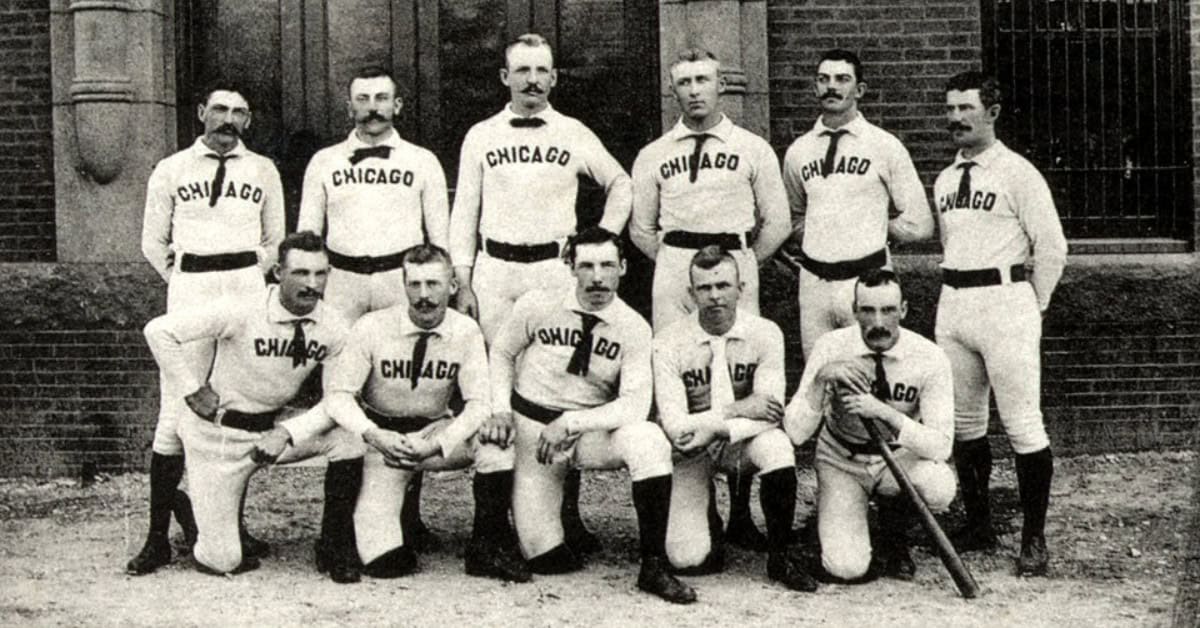
Imagine standing at the plate, waiting for your ninth ball to earn a walk. That’s right—until 1889, batters needed nine balls for a free pass to first base. The rule changed to four in 1889, but before that, games could stretch longer than a Sunday sermon, with batters practically growing old waiting for their base on balls.
The Legal Spitball Era: Tobacco Juice & Slippery Elm
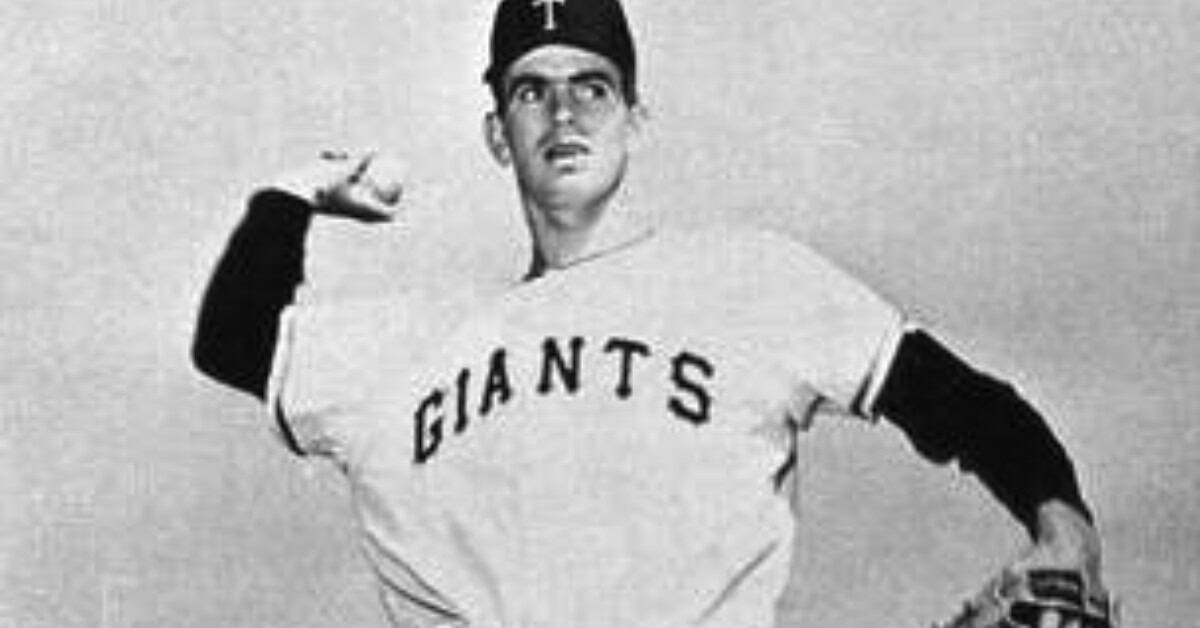
Before 1920, pitchers didn’t just throw the ball—they slathered it with everything from tobacco juice to slippery elm bark. Spitball was perfectly legal, and hurlers like Ed Walsh made careers by making baseballs dance like drunk butterflies. When the pitch was finally banned, 17 pitchers were “grandfathered in” and allowed to keep throwing their specialty until retirement.
Ground Rules for Gas Lamps & Wooden Bleachers
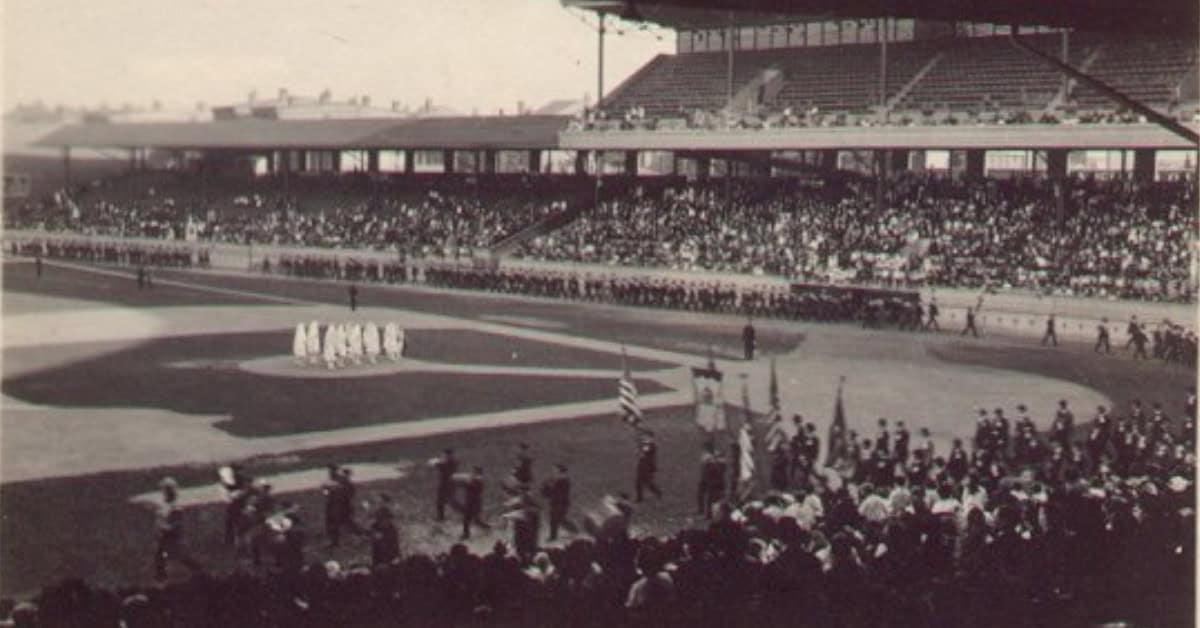
Early ballparks had their wild west of ground rules. A ball lodged in a gas-lamp fixture was a ground-rule double, while one stuck in wooden bleachers might be ruled “in play.” Every park had quirks, from clothes lines in fair territory to horse sheds in deep center field—and umpires had to know them all.
When Pitchers Could Quick-Pitch Without Warning
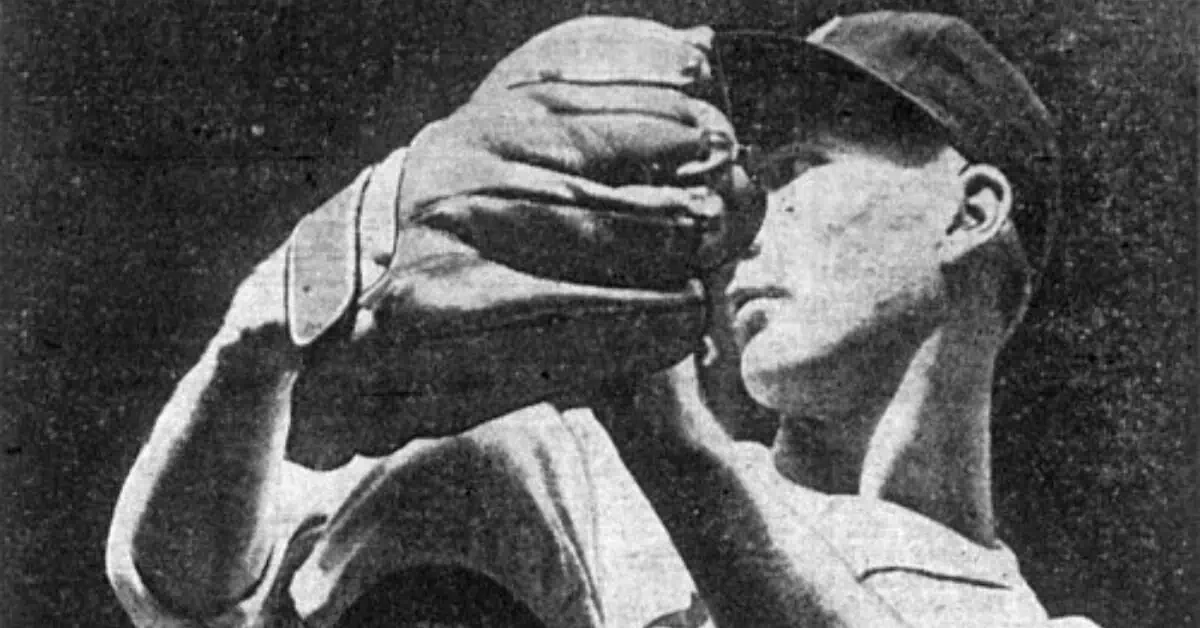
Before the “come to a complete stop” rule, crafty pitchers would quick-pitch unsuspecting batters still adjusting their caps. It was baseball’s version of a sneak attack, perfectly legal until 1950 when the rules committee decided that getting beaned while fixing your cup wasn’t exactly sporting.
The Sacred “Neighborhood Play” at Second Base
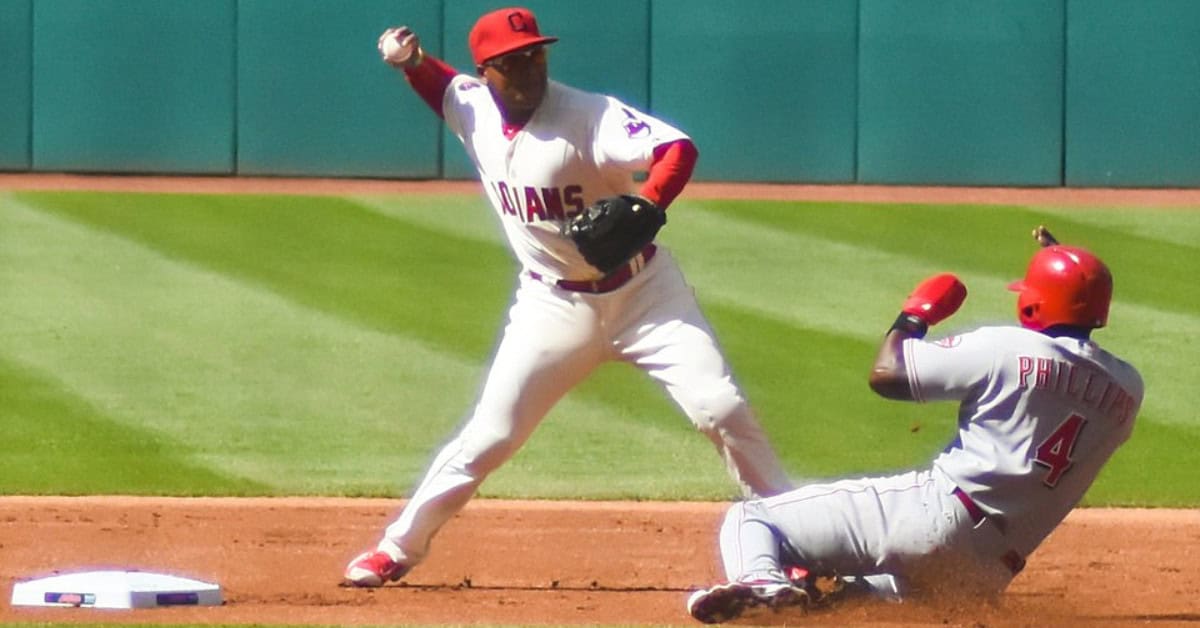
For decades, middle infielders only needed to be in the same zip code as second base to record a force out. This unwritten rule—the “neighborhood play”—was baseball’s gentlemen’s agreement to protect shortstops and second basemen from charging runners. Instant replay finally killed this tradition, forcing infielders to actually touch the bag like the rulebook always said they should.
Before Pine Tar Rules: The George Brett Game

Before 1983 nobody knew how far pine tar crept up a bat’s handle. Then came George Brett’s infamous home run against the Yankees, nullified because his bat had pine tar more than 18 inches from the tip. The ensuing explosion by Brett led to one of baseball’s most memorable moments and a rule interpretation that basically said, “Come on, who really cares about pine tar anyway?”
When Darkness Could End a World Series Game

Before widespread stadium lighting, umpires would literally call games because they couldn’t see the ball anymore. Even World Series games weren’t immune—the 1925 Series featured multiple games called for darkness. There was no instant replay, no video board, just the umpire squinting into the twilight saying, “That’s all, folks!”
Mandatory Doubleheaders: Two for the Price of One
Sunday doubleheaders weren’t just common—they were mandatory in many ballparks until the 1950s. Blue laws prevented teams from playing on Sunday mornings, so afternoon doubleheaders became baseball’s version of church and state compromise. Two games, one ticket, and enough baseball to make your mother-in-law wonder if you’d ever come home for Sunday dinner.