

Last Updated: June 17th, 2026 by Michael Schatz
Back when baseball records meant something sacred, when men played through pain and sacrifice meant more than salary, one slugger’s numbers still echo through the corridors of Cooperstown. Hank Greenberg didn’t just hit baseballs—he shattered barriers and rewrote the record books with a swing that could make grown men weep.
Don't lose this article. Enter your email below, and I'll send it to you right now. Plus, we'll send you other unbelievable stories from baseball's past.
58 Home Runs in 1938 – Two Shy of Immortality
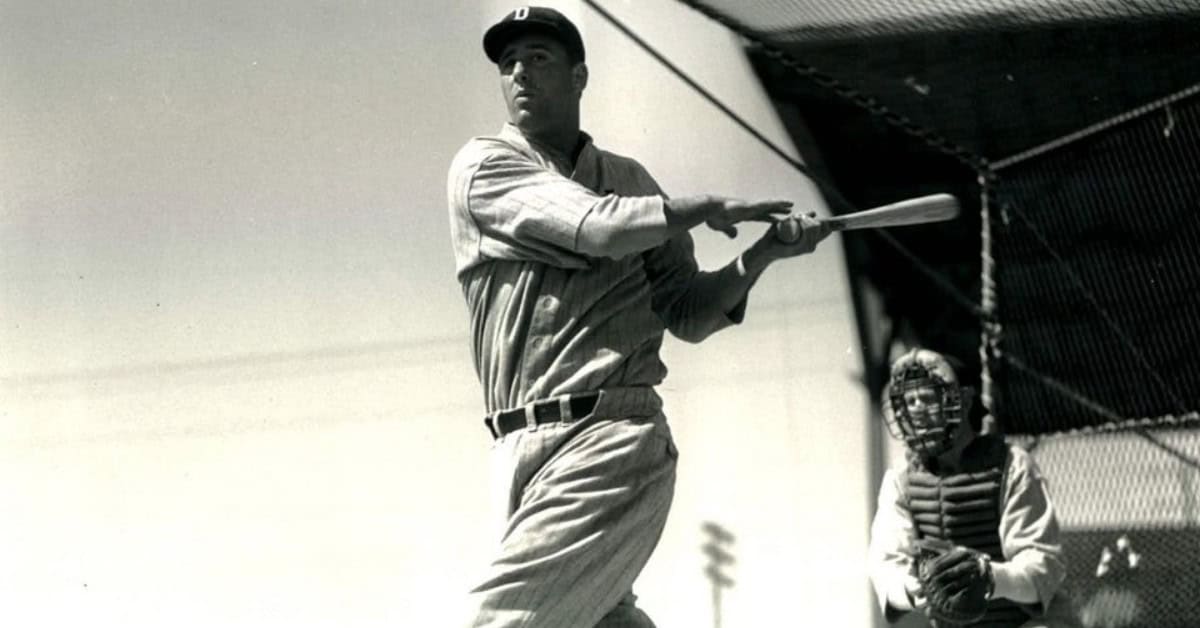
In the summer of 1938, Hammerin’ Hank came tantalizingly close to eclipsing Babe Ruth’s seemingly untouchable record of 60 home runs in a single season. With five games remaining, Greenberg sat at 58 long balls, but opposing pitchers—perhaps motivated by more than just competitive spirit—refused to give him anything decent to hit. The Detroit slugger would finish those final games without another homer, leaving baseball fans to wonder what might have been if prejudice hadn’t played a role in one of the sport’s greatest near-misses.
183 RBIs in 1937 – Third-Highest Single Season Ever
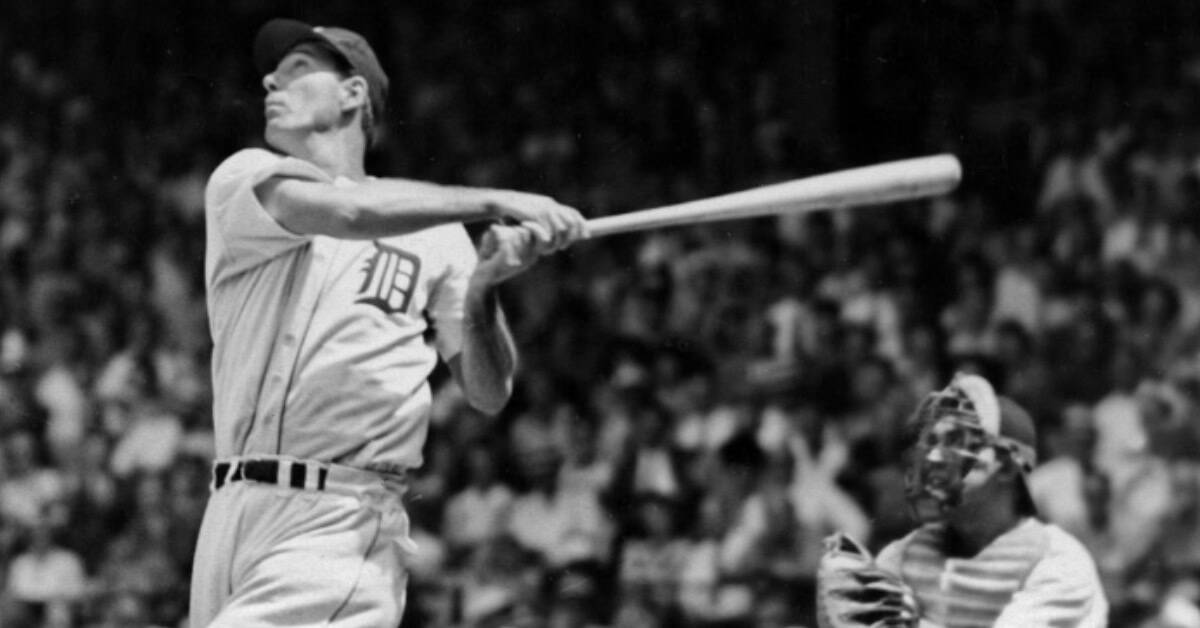
When Greenberg drove in 183 runs during the 1937 season, he accomplished something that remains the third-highest single-season total in major league history. Only Hack Wilson’s legendary 191 RBIs in 1930 and Lou Gehrig’s 185 in 1931 stand above this remarkable achievement. What makes this feat even more impressive is that Greenberg accomplished it while hitting .337 with 40 home runs and 49 doubles—a complete offensive masterpiece that helped carry the Tigers to another pennant race.
First Major Leaguer to Enlist After Pearl Harbor
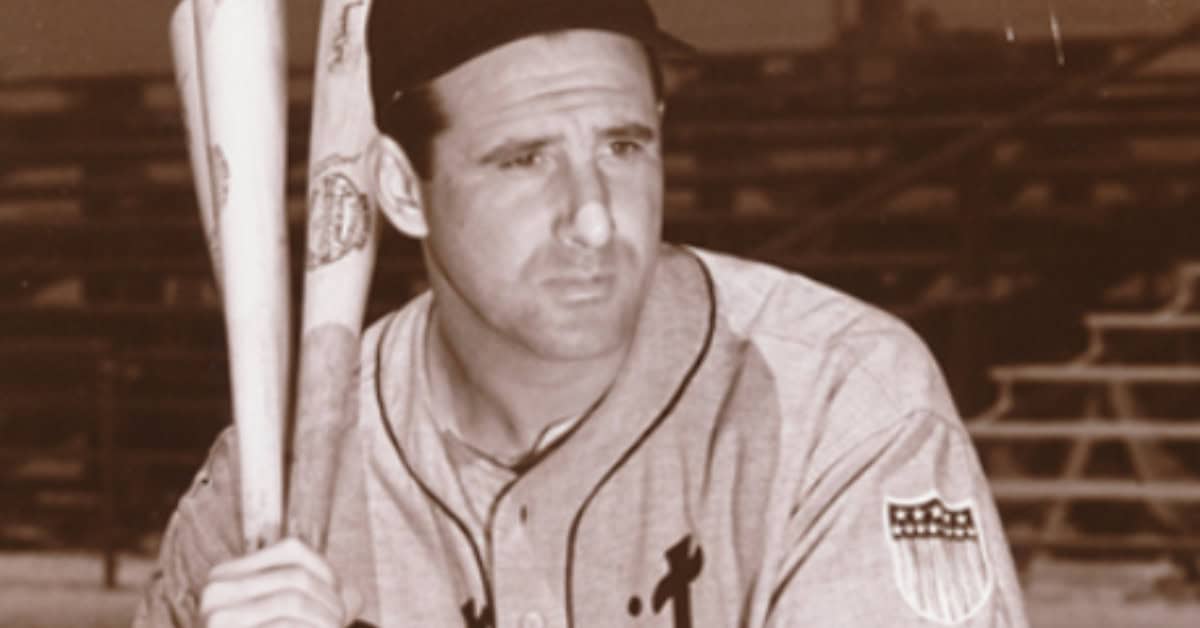
Just two days after Pearl Harbor, when America was still reeling from the attack, Hank Greenberg made a decision that would define his character forever. Despite being discharged from the Army just days before the attack due to his age, the 30-year-old slugger immediately re-enlisted, becoming the first major league player to voluntarily return to military service. “We are in trouble, and there’s only one thing to do—return to the service,” he declared, sacrificing four prime years of his career to serve his country in the Army Air Forces.
Two MVP Awards Despite Missing Four Prime Years

Greenberg captured American League MVP honors in both 1935 and 1940, bookending a decade of dominance that was interrupted by military service. In 1935, he hit .328 with 36 home runs and 168 RBIs while leading Detroit to a World Series championship. His 1940 MVP season was even more spectacular, as he moved to left field and belted 41 homers with 150 RBIs. What makes these awards truly remarkable is that he accomplished this despite losing nearly four full seasons (1942-1945) to World War II service during what should have been his absolute prime years.
11 Multi-Home Run Games in One Season
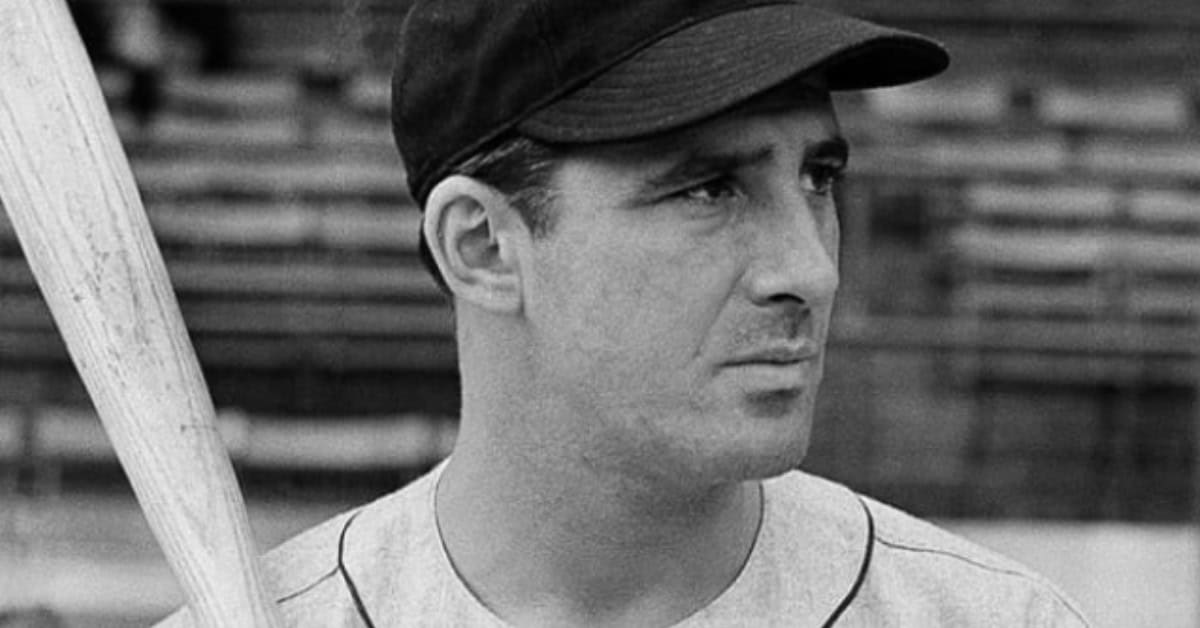
During his legendary 1938 chase of Babe Ruth’s home run record, Greenberg displayed his power in spectacular fashion by hitting multiple home runs in a single game an astounding 11 times. This remarkable feat of consistency and power demonstrates just how locked-in Hammerin’ Hank was throughout that magical season. When he was hot, he was scorching—capable of single-handedly changing the outcome of games with one mighty swing after another. This performance, featuring 11 multi-homer games, was one of the most prolific in baseball history at the time and remains a testament to his incredible power surge during baseball’s golden age.
First Jewish Superstar in Baseball History
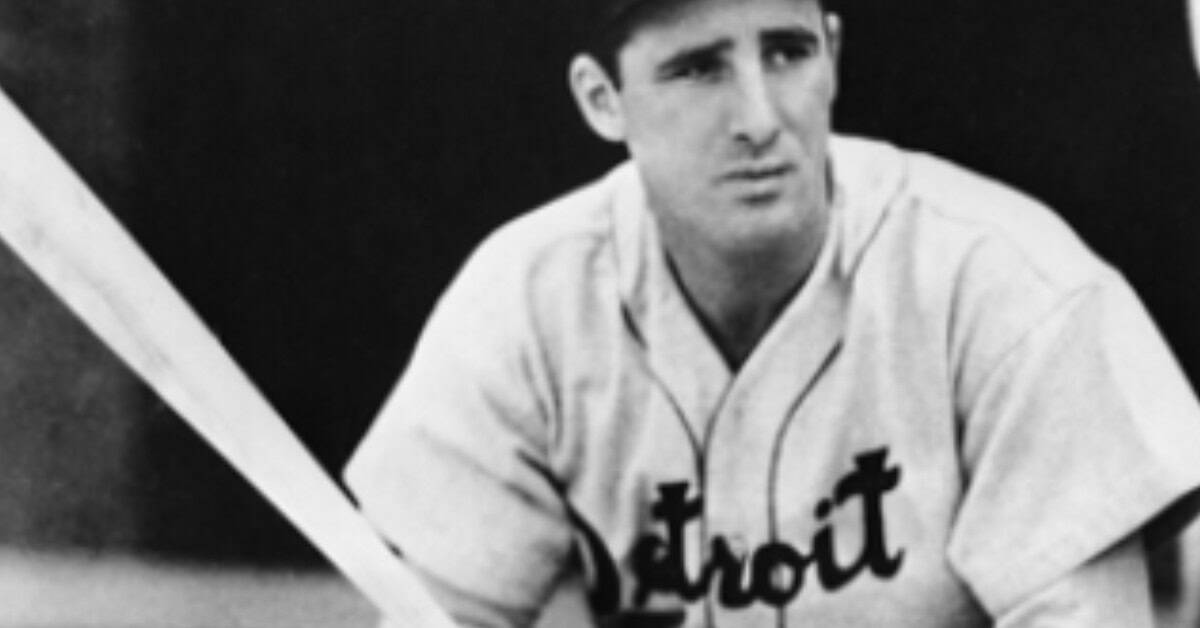
Long before Jackie Robinson broke baseball’s color barrier, Hank Greenberg was shattering stereotypes and enduring hatred as the game’s first Jewish superstar. Playing in an era when anti-Semitism was rampant both in America and abroad, Greenberg faced constant verbal abuse from opposing fans and players, yet responded with his bat rather than his fists. His success opened doors for future Jewish players and proved that talent transcends prejudice. When he refused to play on Yom Kippur during the 1934 pennant race, he became a hero to Jewish Americans who finally had a champion in the national pastime.
Four Home Run Titles in Eight Full Seasons
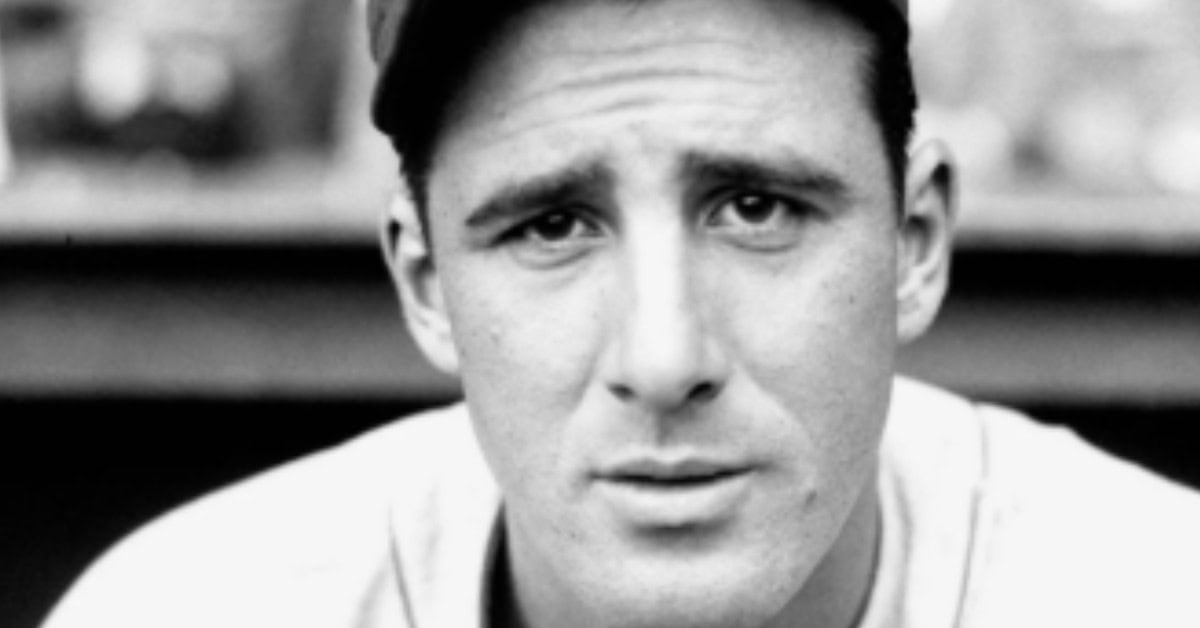
In the eight full seasons Greenberg played before and after his military service, he led or tied for the American League lead in home runs four times—a remarkable 50% success rate that speaks to his incredible power and consistency. His home run titles came in 1935 (tying with 36), 1938 (58), 1940 (41), and 1946 (44), with the 1946 crown being particularly impressive as it came in his first full season back from the war at age 35. This dominance over such a short span of active seasons demonstrates that when healthy and available, Greenberg was simply the most feared slugger in the American League.
139 RBIs Per Season Average Over Career
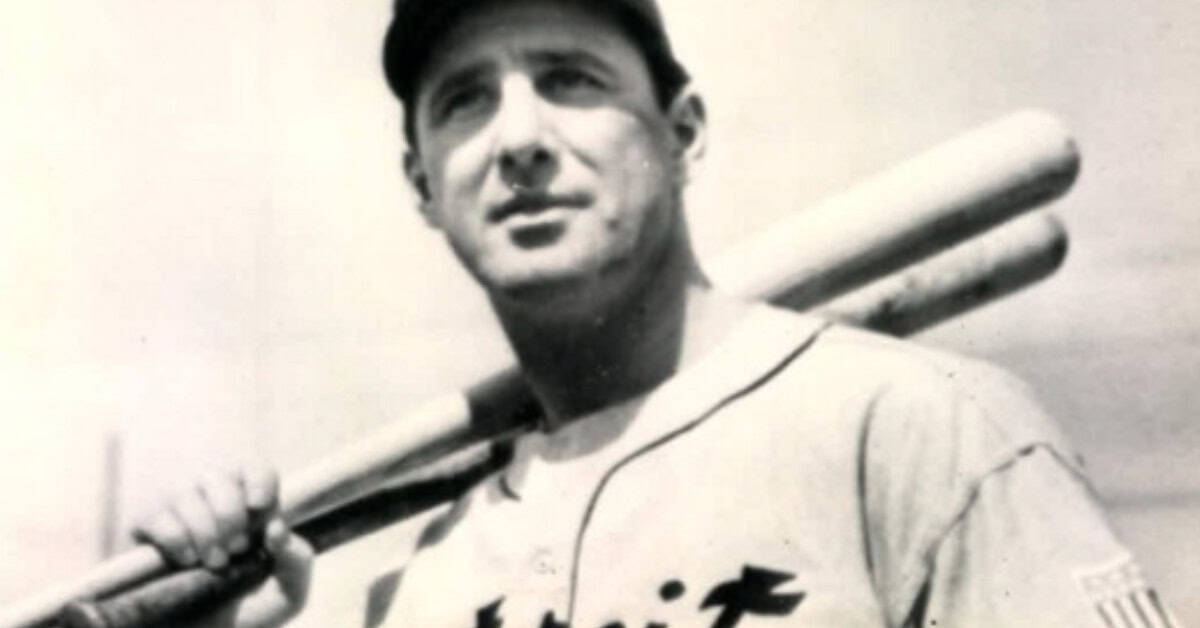
Across his eight most complete seasons, Greenberg averaged an exceptional 139 RBIs, making him one of the most productive run producers in baseball history. This average becomes even more impressive when you consider it doesn’t even fully account for his peak potential diluted by abbreviated rookie season and injury-shortened campaigns elsewhere in his career. In the modern era, where 100 RBIs is considered an excellent season, Greenberg’s prime production level would lead the league in most years. His ability to drive in runs consistently, whether through home runs, doubles, or clutch singles, made him the ultimate cleanup hitter and the kind of player who could carry an entire offense on his broad shoulders.
Five All-Star Selections in Just Nine Full Seasons
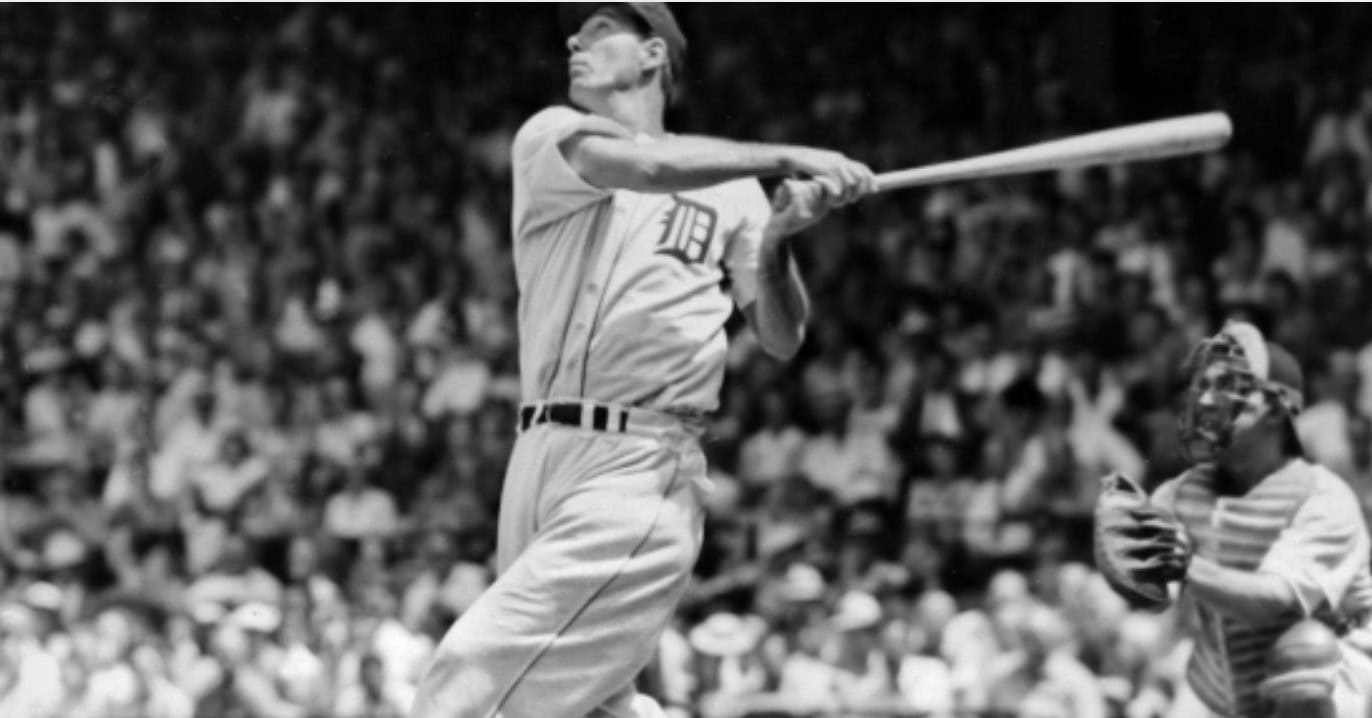
Greenberg’s five All-Star Game selections (1937, 1938, 1939, 1940, and 1945) represent an incredible achievement when you consider he only played nine complete seasons due to military service and injuries. That’s a 56% selection rate, meaning he was considered among the best players in the American League in more than half of his full seasons. The fact that he earned his final All-Star selection in 1945 at age 34, after missing nearly four full years of baseball, demonstrates just how dominant he remained even after his extended absence from the game.
Hall of Fame Election Despite Shortened Career
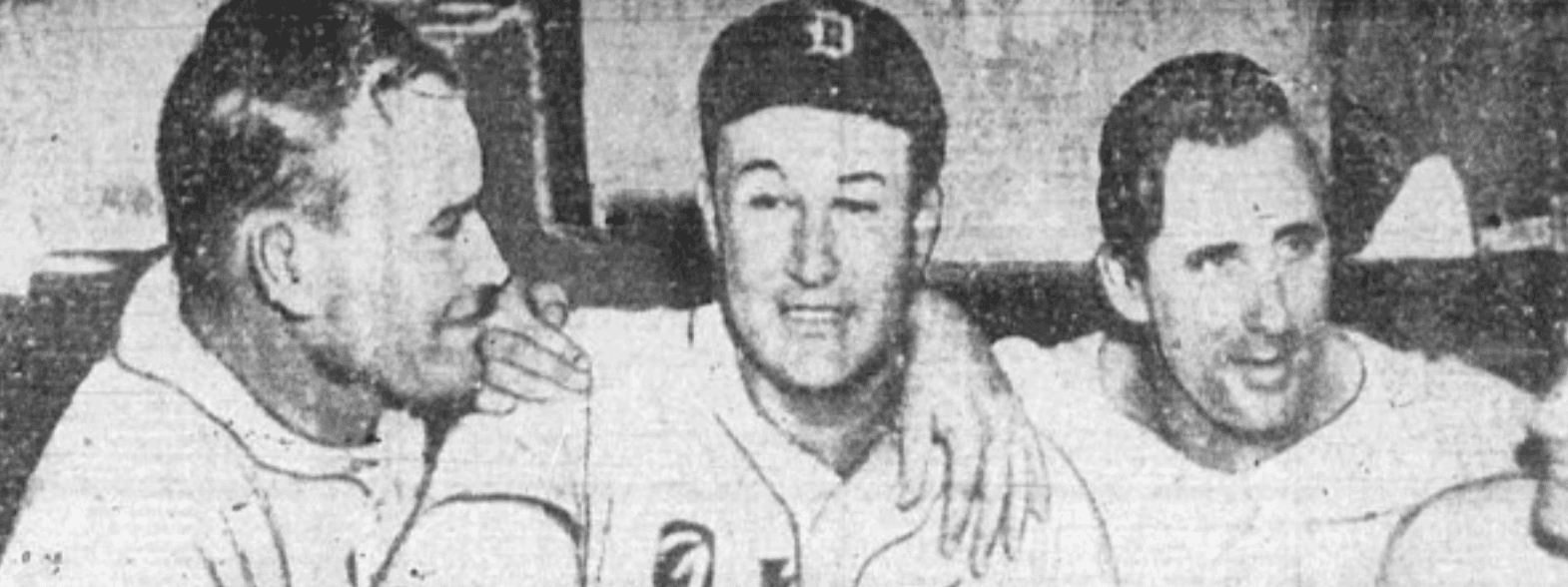
When Hank Greenberg was inducted into the Baseball Hall of Fame in 1956, he became the first Jewish player to receive baseball’s highest honor despite playing just 1,394 career games—fewer than most Hall of Famers accumulate in their careers. His enshrinement was a testament to the quality over quantity principle, as voters recognized that his peak performance and cultural impact transcended traditional statistical benchmarks. With a .313 lifetime average, 331 home runs, and 1,276 RBIs compressed into such a brief career, Greenberg proved that greatness isn’t measured solely in longevity but in the indelible mark left on America’s pastime.