

Last Updated: June 17th, 2026 by Michael Schatz
Before free agency and million-dollar contracts, the 1960s belonged to players who simply showed up and played ball with a grit that modern fans can barely imagine. These forgotten stars didn’t have personal trainers or social media followings—just raw talent, determination, and stories that deserve to be remembered.
Don't lose this article. Enter your email below, and I'll send it to you right now. Plus, we'll send you other unbelievable stories from baseball's past.
Dick Allen: The Controversial Slugger Who Hit Homers and Headlines

Dick Allen swung a 41-ounce bat like it was a toothpick, launching 351 home runs during baseball’s most pitcher-friendly era. The Philadelphia Phillies’ first Black superstar faced racial hostility that would have broken lesser men, yet still managed to slash .292/.378/.534 over 15 seasons. Allen’s 1964 Rookie of the Year season included a .318 average with 29 homers, but it was his defiant personality—writing messages in the dirt around first base and showing up fashionably late—that made him unforgettable to those who witnessed his brilliance.
Vada Pinson: The Speed-Power Combo Cincinnati Forgot to Celebrate
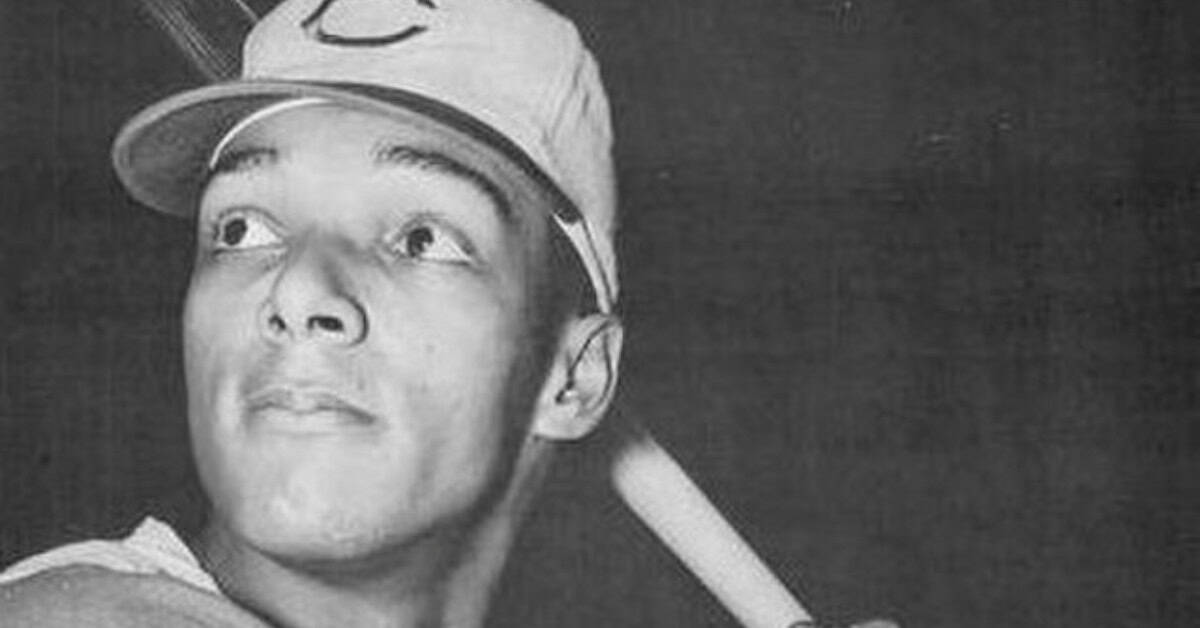
Vada Pinson could run from home to first base in 3.3 seconds and hit .343 in 1961, compiling career numbers (2,757 hits, 256 home runs, and 305 stolen bases) that place him in elite company, yet he remains outside of Cooperstown. The Cincinnati Reds center fielder was a five-tool marvel who collected his impressive hit total while patrolling Crosley Field’s quirky dimensions. Pinson’s combination of speed, power, and consistency made him the perfect complement to Frank Robinson, though he never received the recognition his teammate enjoyed.
Tony Oliva: The Cuban Rocket Who Owned American League Pitching

Tony Oliva became the first rookie in modern baseball history to win a batting title when he hit .323 for the Minnesota Twins in 1964, launching a career that would see him capture three AL batting crowns. The Cuban exile’s sweet left-handed swing produced eight All-Star selections and made him one of the most feared hitters of the decade. Oliva’s .557 slugging percentage in his Rookie of the Year campaign set the tone for a career that was cut short by knee injuries, but not before he established himself as one of the game’s premier pure hitters.
Jim Kaat: The Crafty Lefty Who Won 283 Games in Plain Sight
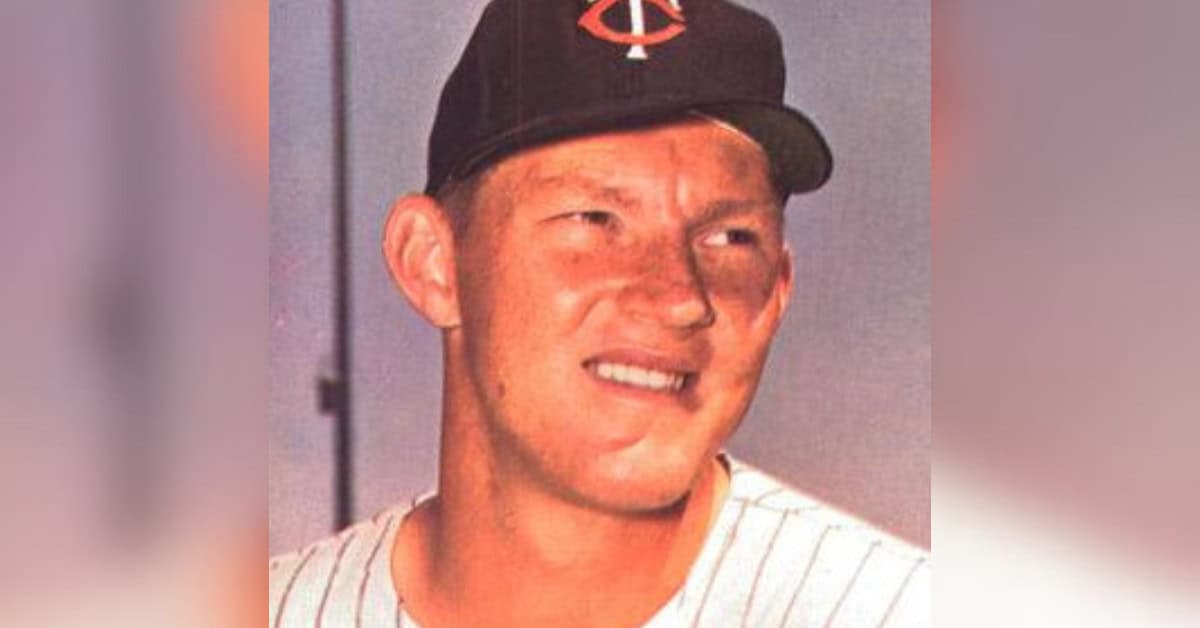
Jim Kaat’s 25-year career spanned from Eisenhower to Reagan, accumulating 283 wins with the quiet efficiency of a master craftsman. The Minnesota Twins southpaw led the team to the 1965 World Series with an 18-11 record and started three games against the Dodgers, including the decisive Game 7. Kaat’s 16 Gold Gloves proved he was more than just a pitcher—he was an athlete who could field his position better than most infielders, making him invaluable during an era when complete games were still expected.
Rico Petrocelli: Boston’s Smooth-Swinging Shortstop Before Fisk
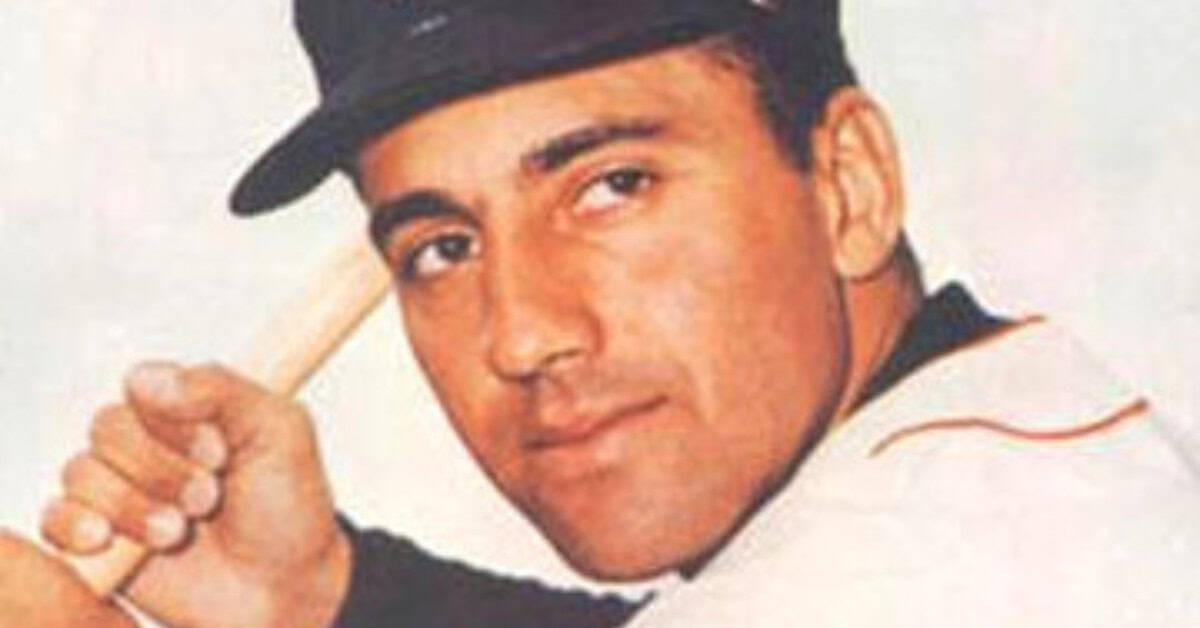
Rico Petrocelli was the anchor of Boston’s “Impossible Dream” 1967 infield, a Brooklyn-born Yankee fan who became a Red Sox legend. In Game 6 of the 1967 World Series, he hit one of three Red Sox home runs in a single inning. The two-time All-Star shortstop earned just $6,000 during his first full season but was fined $1,000 for arguing with umpires—a testament to his fiery competitive spirit. Petrocelli’s steady glove and clutch hitting helped transform the Red Sox from perennial losers into American League champions, though his contributions often went unnoticed beside the flashier Carl Yastrzemski.
Bill Freehan: The Catcher Who Called Denny McLain’s 31-Win Season
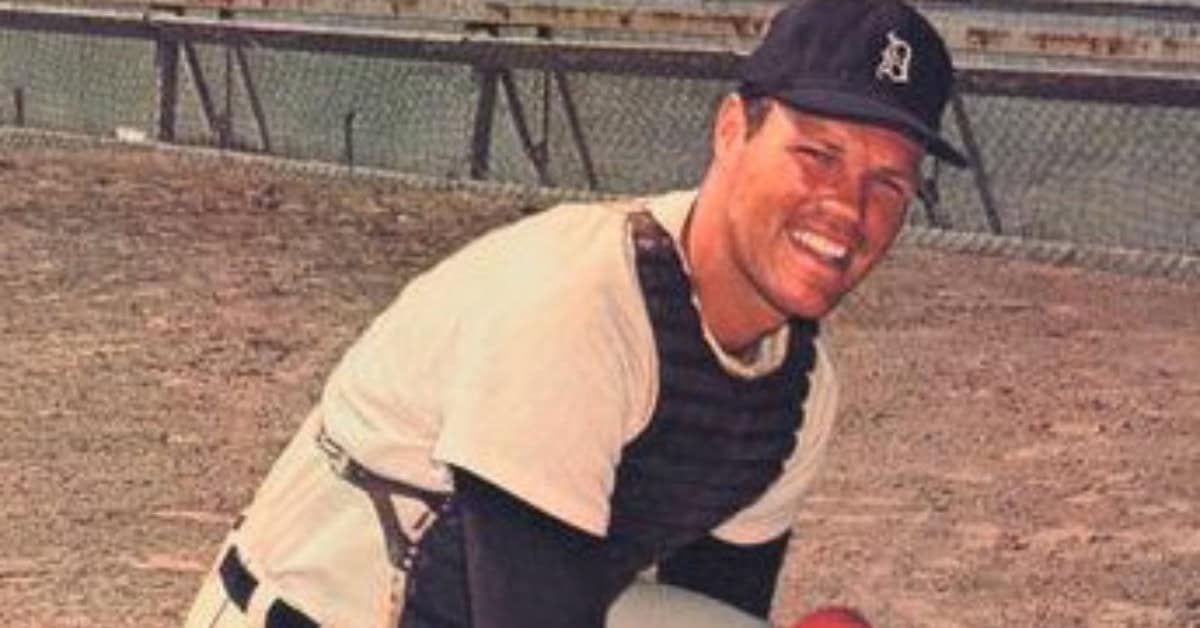
Bill Freehan crouched behind home plate for 15 seasons, calling the pitches that helped Denny McLain become the last 30-game winner in baseball history with his 31-6 record in 1968. The 11-time All-Star was the MVP runner-up that championship season, handling a Detroit Tigers pitching staff that included World Series hero Mickey Lolich. Freehan’s defensive prowess and game-calling ability made him McLain’s favorite battery mate, with the temperamental pitcher once declaring, “The guy was the best catcher I ever pitched to.”
Joe Torre: The Future Manager Was a Clutch-Hitting MVP First
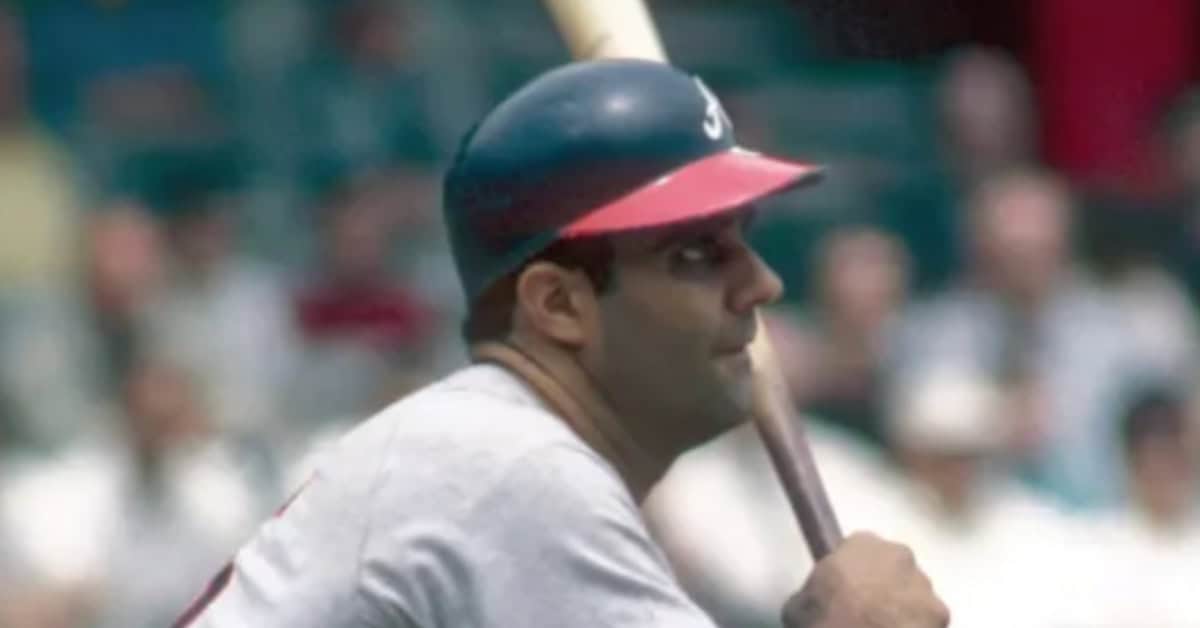
Long before Joe Torre became synonymous with Yankee championships, he was a clutch-hitting catcher and third baseman who won the 1971 National League MVP award with a .363 batting average for the St. Louis Cardinals. Torre’s nine All-Star selections came during a playing career that saw him drive in over 100 runs five times, including a league-leading 137 RBIs in his MVP season. The Brooklyn native’s patient approach at the plate and steady defensive work made him one of the most reliable players of his generation, though his managerial success would eventually overshadow his impressive playing credentials.
Jim Fregosi: The Angels’ Golden Boy Who Made Shortstop Look Easy
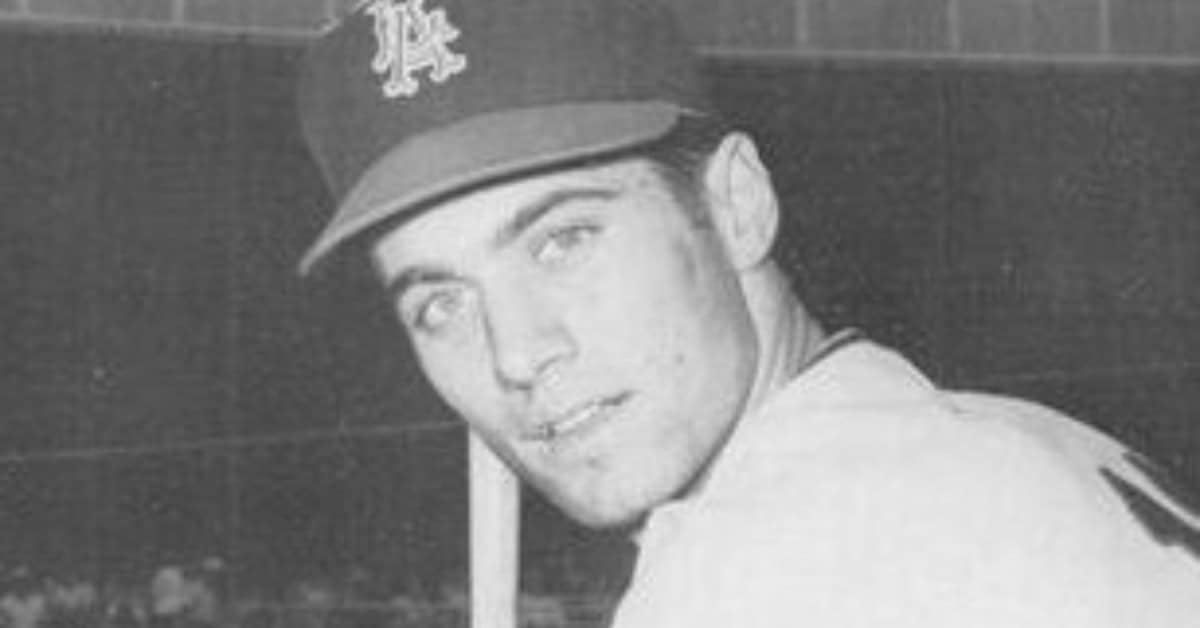
Jim Fregosi was the California Angels’ first homegrown star, a smooth-fielding shortstop who made six All-Star teams while providing steady offense from a traditionally weak-hitting position. The San Francisco native hit .265 over 18 seasons but was valued more for his defensive wizardry and leadership qualities, becoming a key leader and the Angels’ first true franchise icon. Fregosi’s trade to the New York Mets for a young pitcher named Nolan Ryan became one of baseball’s most lopsided deals, though his contributions to establishing the Angels as a legitimate franchise shouldn’t be forgotten.
Luis Tiant: The Twisting, Turning Cuban Who Baffled Hitters
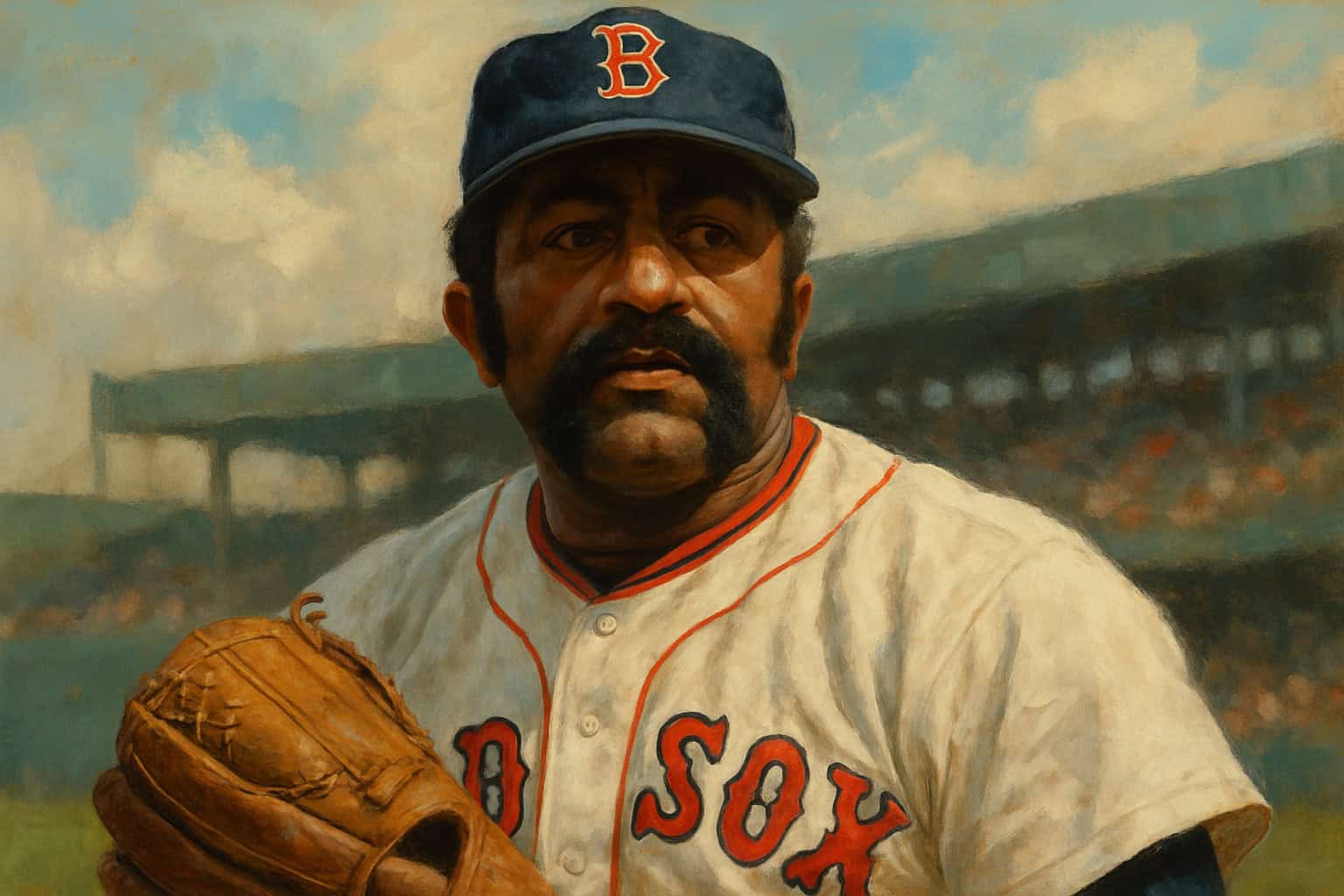
Luis Tiant’s pretzel-like windup and devastating curveball made him one of baseball’s most entertaining and effective pitchers, though his peak years in the late 1960s and 1970s often get overshadowed by flashier contemporaries. The Cuban right-hander led the American League with a microscopic 1.60 ERA in 1968, the same year Denny McLain won 31 games, proving that Tiant was every bit as dominant. His theatrical delivery—complete with a full turn toward second base before whipping the ball plateward—became his trademark, but it was his four 20-win seasons and 229 career victories that proved his lasting value.
Curt Flood: The Center Fielder Who Changed Baseball Forever

Curt Flood’s refusal to accept a trade from St. Louis to Philadelphia in 1969 sparked the legal challenge that eventually led to free agency, though his playing career was equally impressive. The Cardinals center fielder won seven consecutive Gold Gloves while hitting .293 over 15 seasons, patrolling Busch Stadium’s spacious outfield with graceful efficiency. Flood’s sacrifice—he sat out the entire 1970 season rather than report to the Phillies—cost him personally but changed the game forever, making him the forgotten hero whose courage paved the way for every player contract negotiated since.