Last Updated: October 2nd, 2026 by Matthew Brown
Statistics are such a major part of sports, and it's a big part of what we use as baseball fans to compare the greatness of players. It hasn't always been that way, as the popularity of advanced metrics has risen in the last 20 years. Stats can be construed in different ways that can support a certain viewpoint over another.
Don't lose this article. Enter your email below, and I'll send it to you right now. Plus, we'll send you other unbelievable stories from baseball's past.
As we go through this list, I'm going to give you some stats that support an argument against the general consensus. That doesn't mean that's what I personally believe, but it is a way to look at things. Let's see how it compares to your views on these legends.
10. Kirby Puckett: The Beloved Twin Who Batted .318 But Had an .360 Career OBP
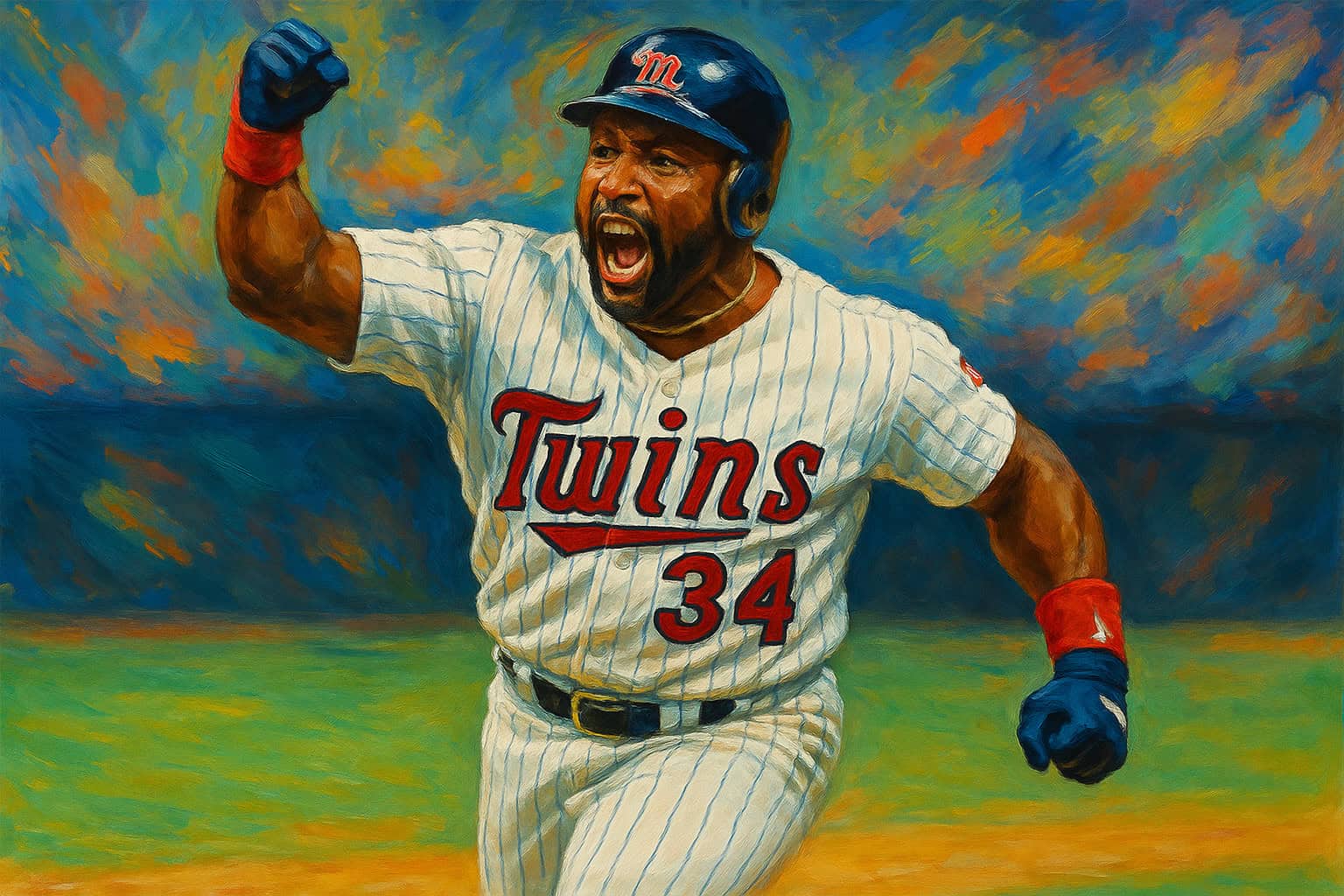
There are so many legendary moments from the dynamic 12-year career of Kirby Puckett. It's those moments that so many baseball fans hang on to, and I don't blame them. Puckett was a 10-time All-Star who led the MLB in hits four times.
He accumulated so many hits that he never felt like he needed to walk. That's why his career on-base percentage is so close to his batting average. That actually leads to a 124 career OPS+, a little below what most Hall of Fame center fielders finished with.
9. Don Mattingly: The “Captain” Who Never Won a Ring Despite 14 Years in Pinstripes
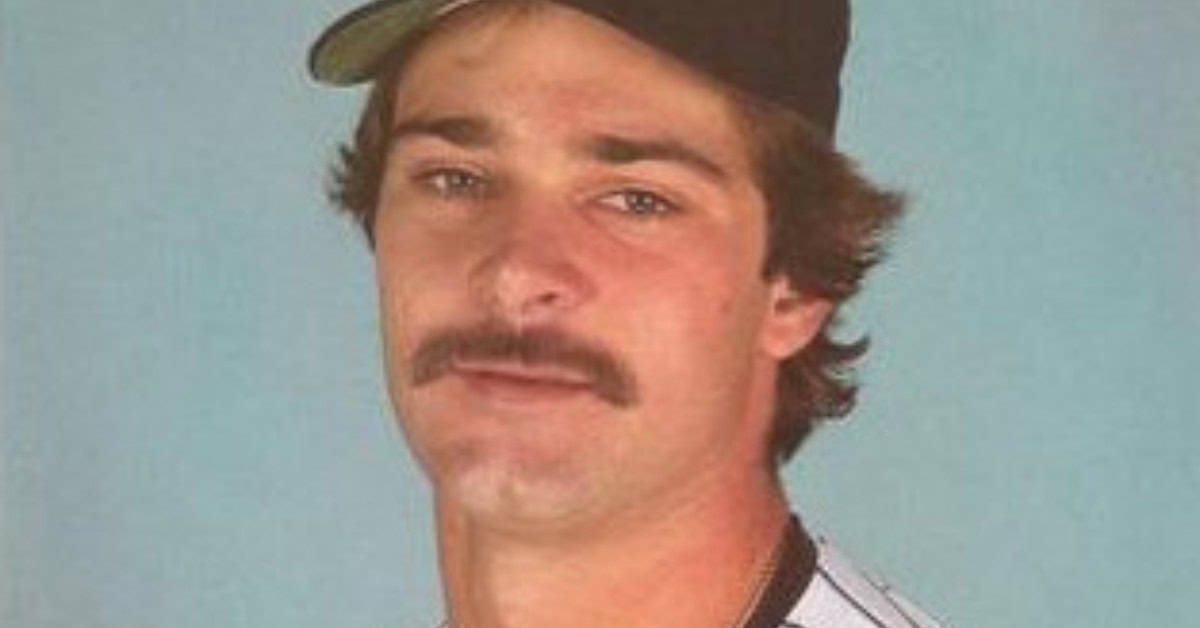
I know this is very strict considering the fact that some franchises still haven't won their first World Series. But in the Bronx, winning isn't just a goal; it's an expectation. Since the Yankees have such a huge lead in all-time championships, fans have grown to be impatient in Yankee Stadium.
Don Mattingly was not only the six-time All-Star who couldn't lead the organization to a World Series appearance, but he also didn't see the playoffs until his very last season. That is considered a major slump by Yankee standards.
8. Ernie Banks: “Mr. Cub” Hit 512 Home Runs But Never Saw a Playoff Game
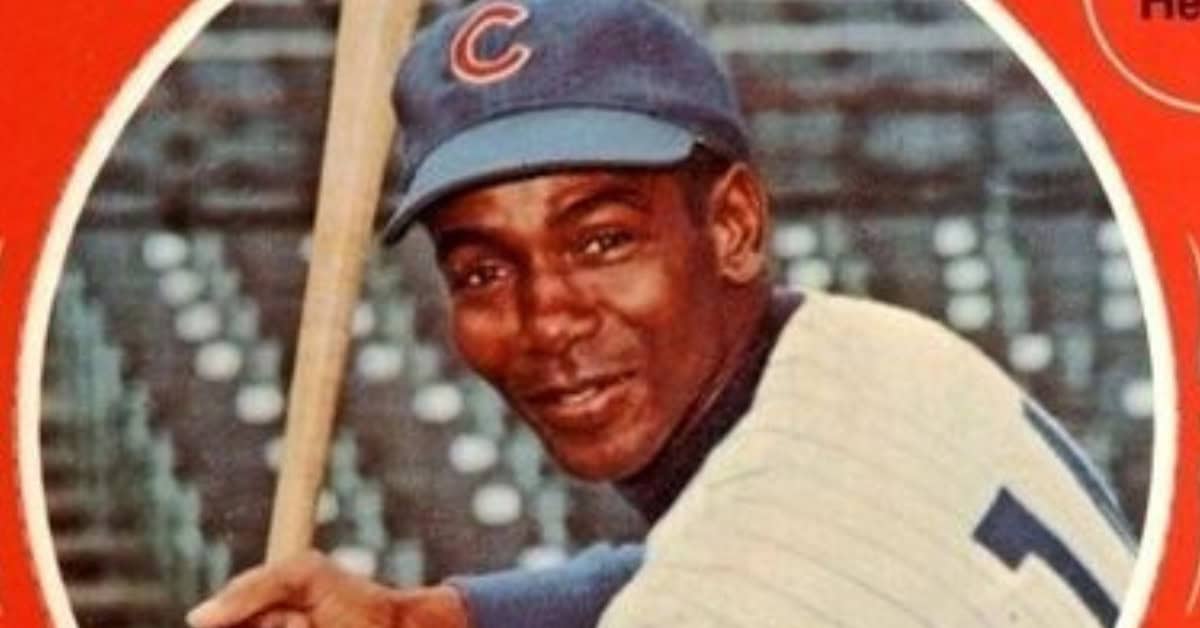
The great Ernie Banks was an icon in his time. The two-time MVP racked up 2,583 career hits, 512 home runs, and 1,636 RBI. All of those numbers never led to a playoff appearance.
To be fair, the only postseason for most of Banks' career was the World Series. Even then, Banks' legacy has always made me think he reached the World Series at least once.
7. Orlando Cepeda: The “Baby Bull” Who Hit .297 Despite Playing in Hitter-Friendly Eras
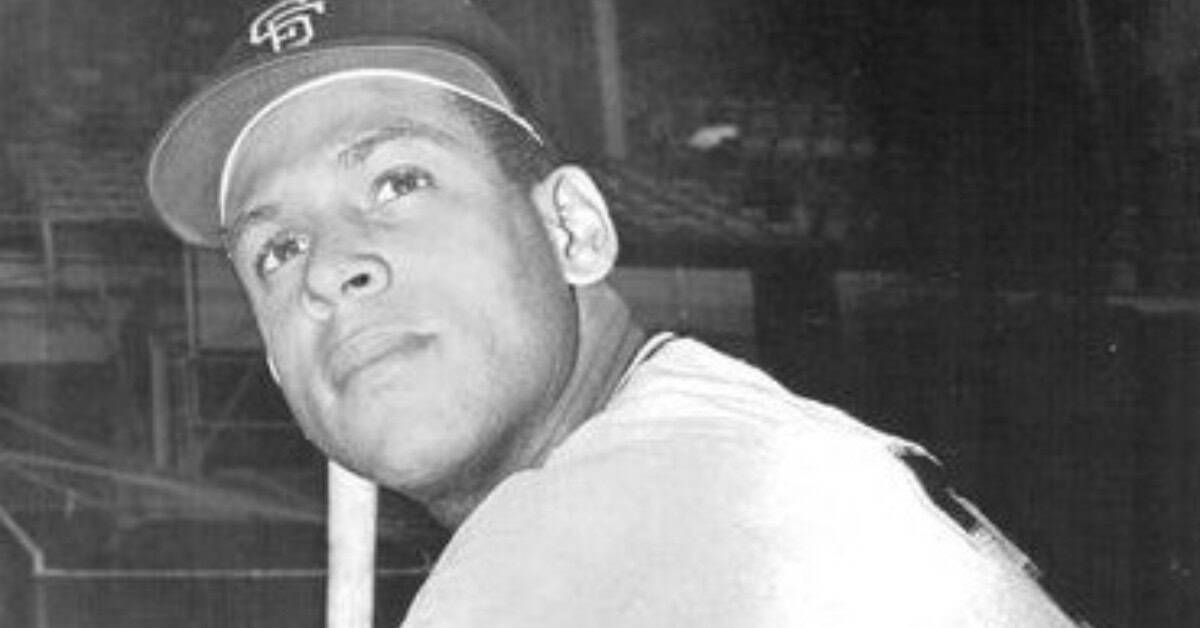
Orlando Cepeda is definitely one of the better power hitters of the 1960s. He had a pretty long 17-year career as well. The thing is, for that amount of time, the accumulation doesn't seem to be as high as some of his Hall of Fame peers.
His .297 lifetime batting average was okay for the era, but not elite. That led to a 50.2 career WAR, a total that another entry on this list, Kirby Puckett, beat in five fewer seasons.
6. Eddie Murray: “Steady Eddie” Struck Out 1,516 Times for a .287 Average
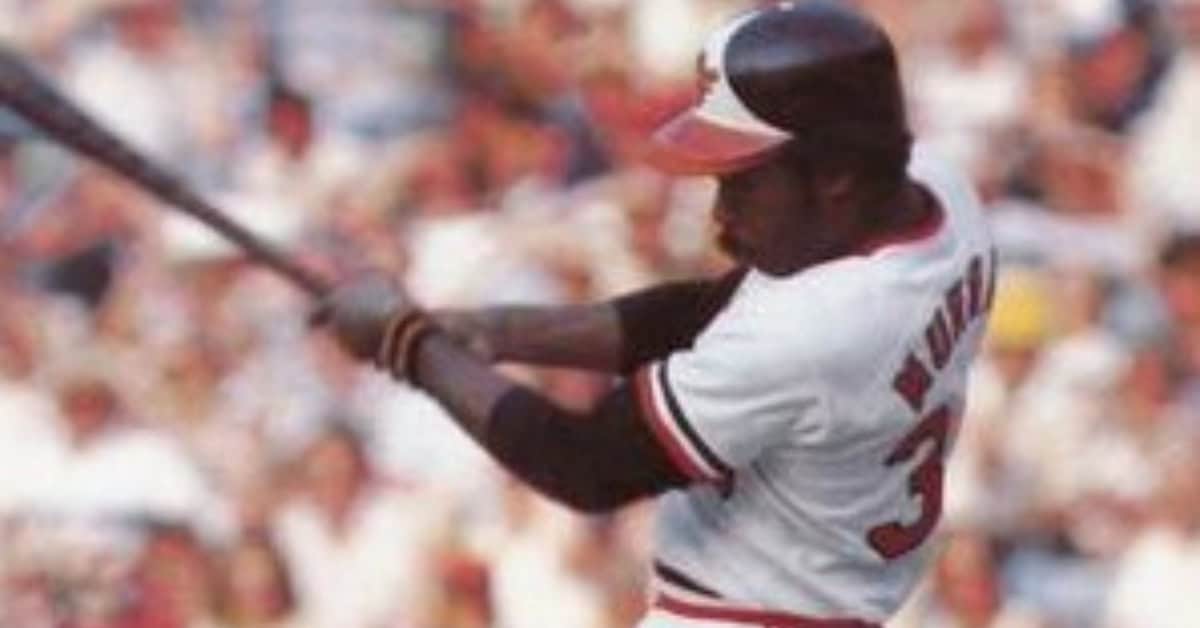
Longevity definitely has its merit in the Hall of Fame. Eddie Murray is one of those beneficiaries of a lengthy career. For 21 seasons, Murray hit .287.
That's good, but not particularly amazing.
He basically hung on long enough to hit the magical 500-home run threshold. He also hit the 1,500-strikeout threshold in the process.
5. Jack Morris: The Hall of Fame Pitcher With a 3.90 Career ERA
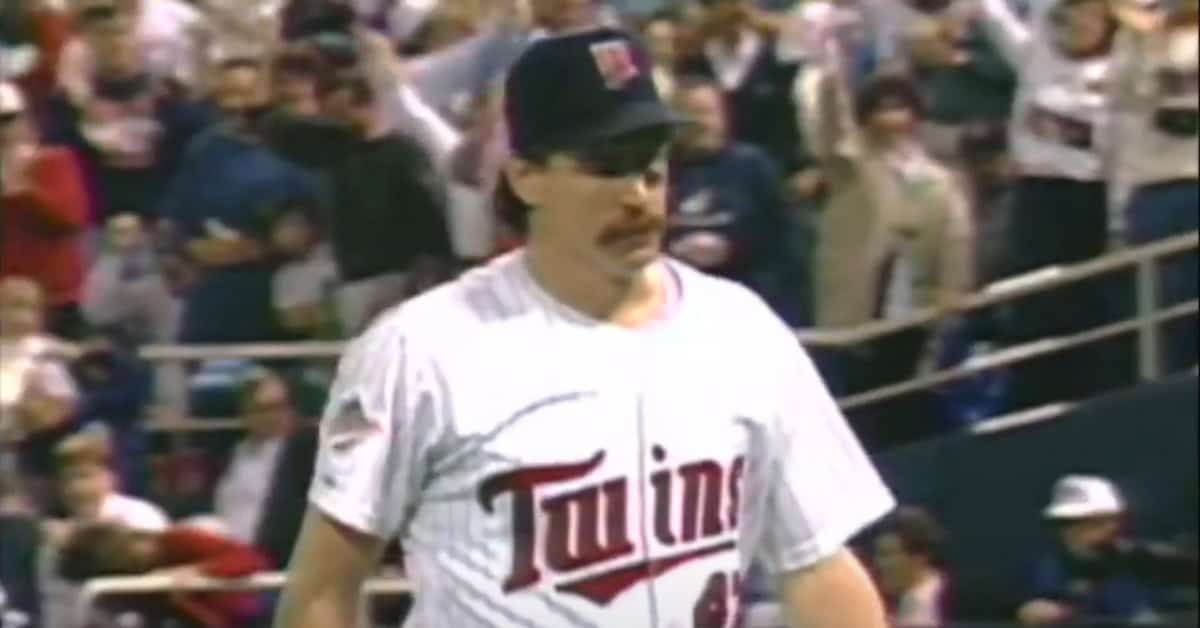
Jack Morris was able to get enough votes in the Veterans Committee to get into the Hall of Fame after the BBWAA passed him up. The argument that the BBWAA had is pretty simple.
His 3.90 ERA is higher than any other Hall of Famer. His playoff performances were legendary and a major part of why he got in, but it's almost like the Veterans Committee ignored his regular-season numbers.
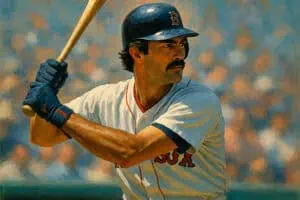
4. Jim Rice: The Fenway Monster Who Hit .298 and Struck Out 1,423 Times
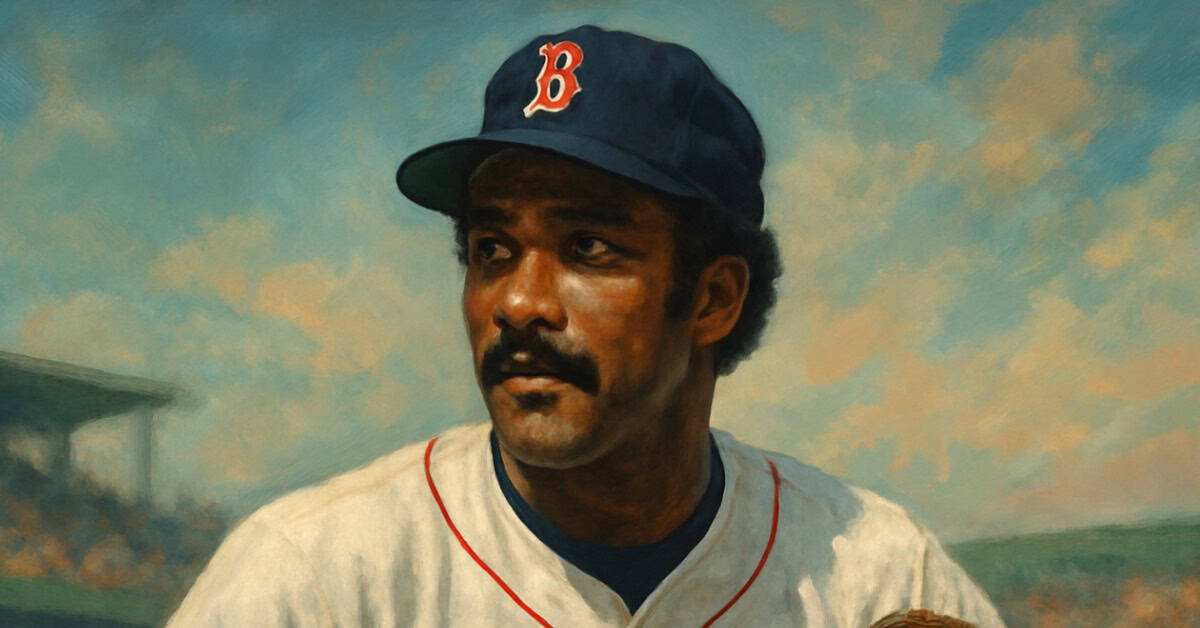
Jim Rice never really hit any of the imaginary thresholds that warrant Hall of Fame votes. He had a lifetime batting average under .300, fewer than 2,500 career hits, fewer than 400 home runs, and fell just short of 1,500 RBI.
His induction seemed more like a confirmation that he was close enough in all of those categories to join the hallowed halls of Cooperstown.
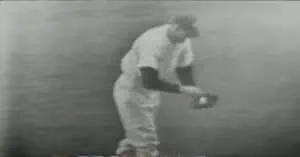
3. Phil Rizzuto: The “Scooter” Who Hit .273 and Made the Hall of Fame

Phil Rizzuto is one of the very few Hall of Fame members who is in for more than just his playing career. Though he was a very good shortstop on seven World Series-winning teams, he never gathered the stats that made him seem like an all-time great.
Scooter was a great radio voice, and that is mentioned on his Hall of Fame plaque as one of his biggest contributions to the sport.
2. Dave Winfield: Mr. May Who Hit .208 in His Playoff Career
One thing about career statistical totals is that they only add up the regular-season production and leave out the playoffs. For Dave Winfield, that's a good thing. 3,110 hits over 22 seasons with 465 home runs and 1,833 RBI.
His career OPS was a great .827. But in the playoffs, that plummeted to a low .631.
Now, it's tough that he only had two playoff runs in his career, but they both led to the World Series, so he had plenty of plate appearances to find his rhythm.
1. Don Sutton: 324 Wins But Won 20 Games Only Once in a Single Season
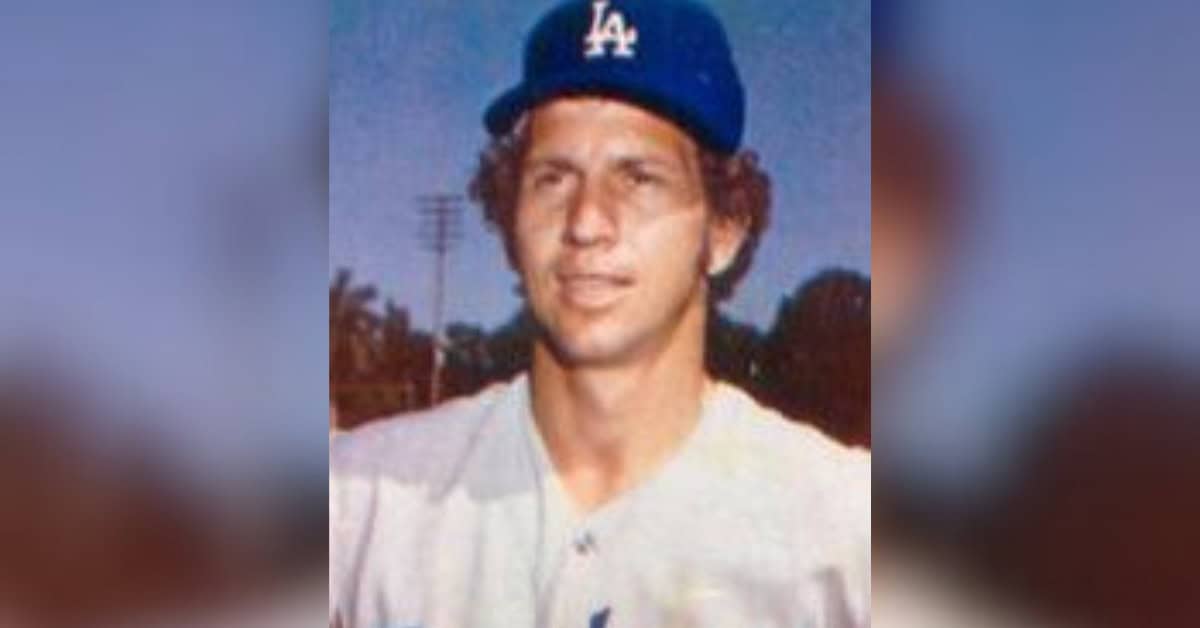
In sports, winning is everything. When comparing pitchers in the modern day, wins can be misleading. For Don Sutton, wins were a driving force for his perceived greatness.
The Hall of Famer got 324 wins in 23 years, watching his ERA go through many ups and downs in the process. When a stat requires the rest of the team to do something you can't control (give run support), is it that good of a stat?