
Last Updated: September 2nd, 2026 by Michael Schatz
I was talking to a friend recently about a new restaurant in town. It seemed interesting and it seemed like something that I would enjoy, but I hadn't seen anything about it on social media. My friend told me he had heard great things about this place. They don't have an online presence yet as they have just been using word of mouth to gain traction, that worked on us and we ended up going to that restaurant and enjoyed our time immensely.
Don't lose this article. Enter your email below, and I'll send it to you right now. Plus, we'll send you other unbelievable stories from baseball's past.
I say all this to talk about how the word of mouth was just as strong when assessing baseball players for a long time. Media can only do so much while family and friends can hear from others and spread the word at how great a player is even when it can oversell them.
Let's take a look back at some of the 10 players whose reputations preceded them every time.
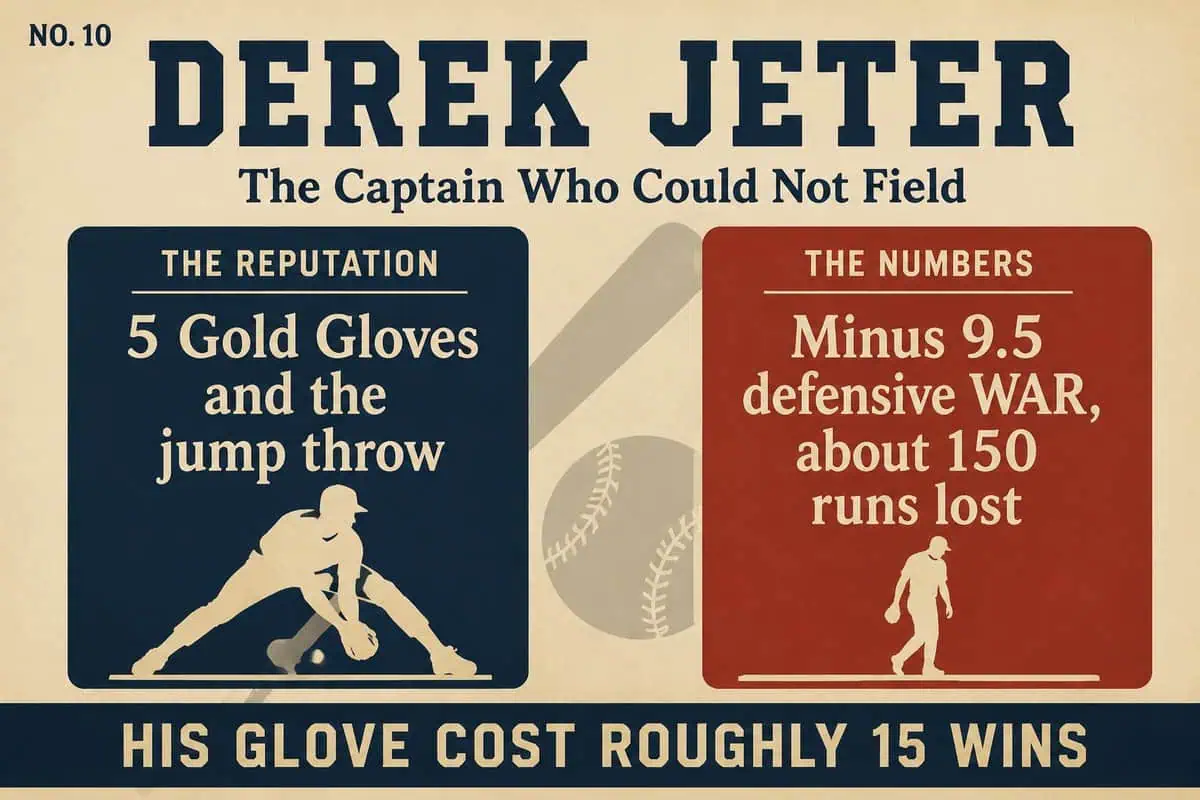
10. Derek Jeter: The Captain Who Couldn’t Field
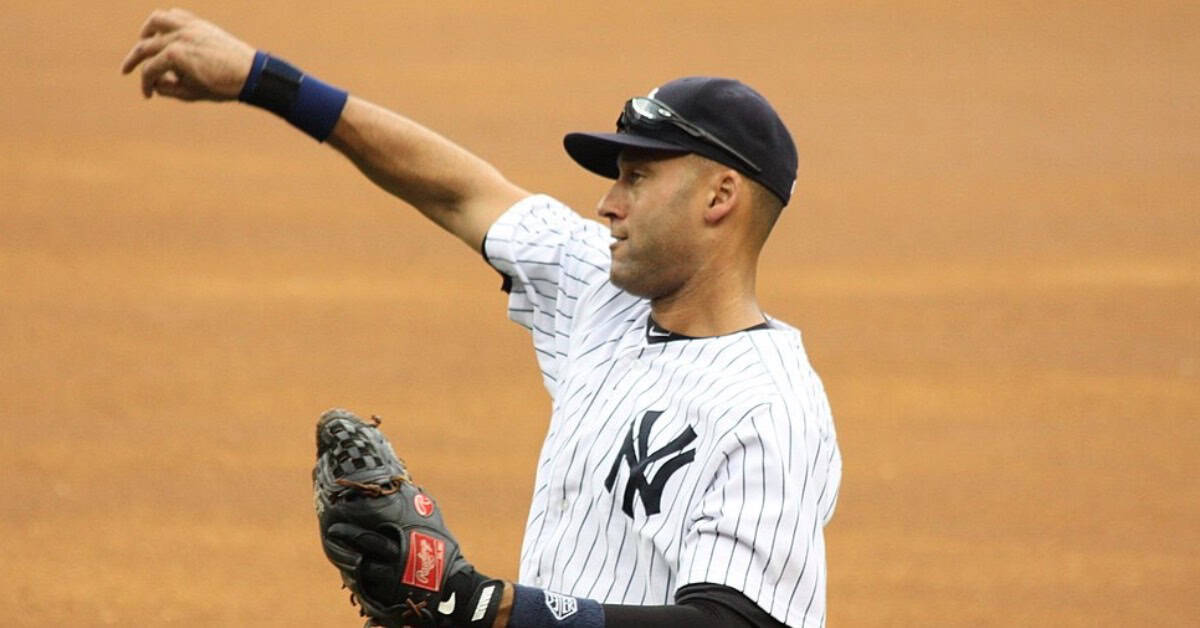
This is where the word of mouth can go too far. Derek Jeter's defensive reputation has been sullied over the years so much that I can't believe I am saying he is an underrated defensive shortstop. Yes, I get it. I really do. He was not that good at fielding his position.
But I have to tell you he wasn't that bad either. There were balls that he could have gotten to that he didn't. But there were also balls that many other shortstops wouldn't have been able to make a play on, yet Jeter found himself making those defensive highlights that we can still see today.
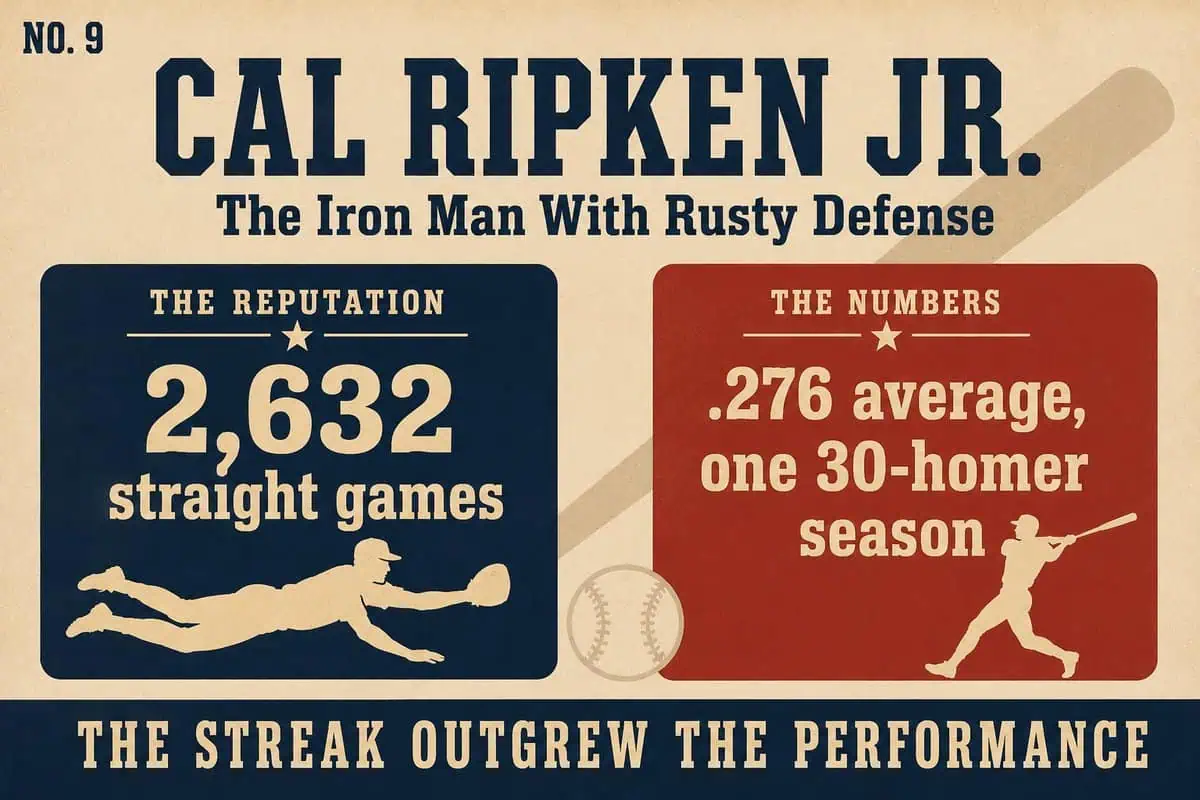
9. Cal Ripken Jr.: The Iron Man With Rusty Defense

The reputation of Cal Ripken Jr. was always about his longevity and ability to play every single game. That also came with a price. As he got older, everyone saw that the agility was waning and he couldn't play shortstop anymore, so he made the move over to third base. He only had a .949 fielding percentage in his first season at third. The rumors started to flow through baseball fandom about how that glove wasn't gold anymore.
The thing is, his reputation from being the Iron Man was so strong that it almost gave him an automatic reprieve in that people's expectations were lowered since they all knew he was enduring every ache and pain possible to be out there on the field to play for them.
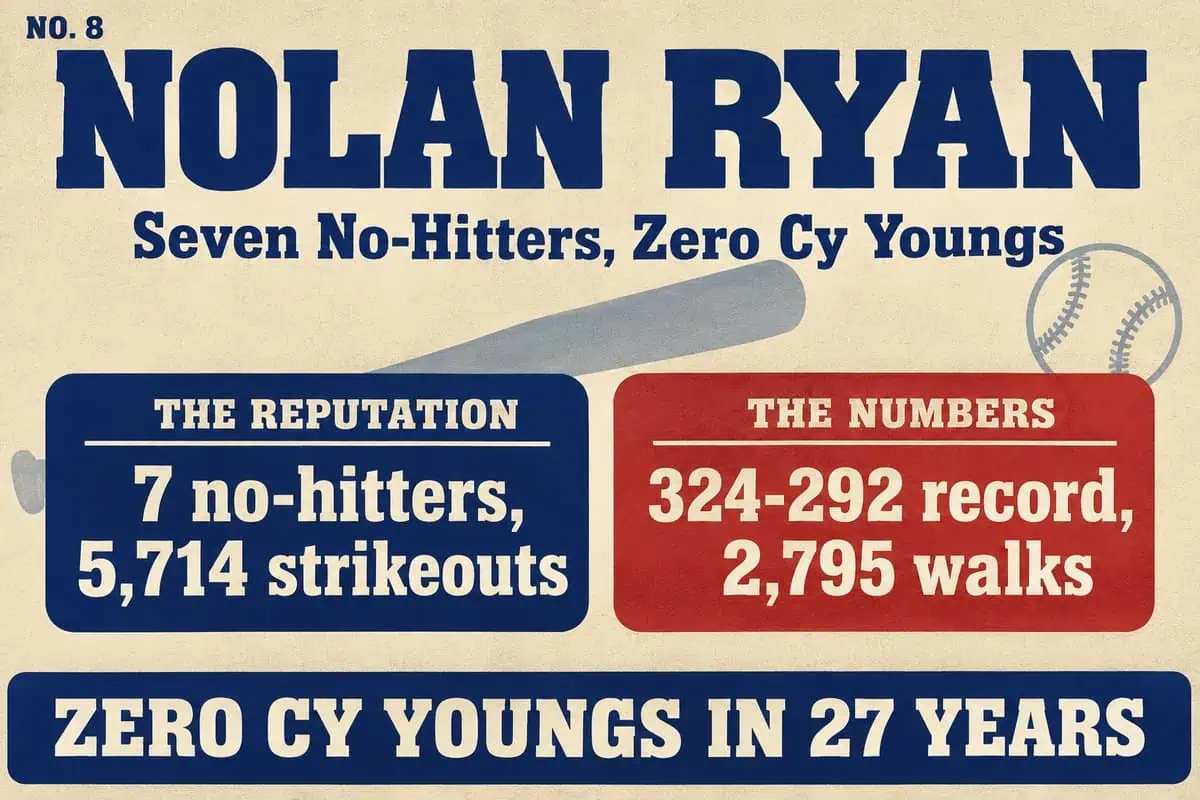
8. Nolan Ryan: Seven No-Hitters, Zero Cy Youngs
This may be the one thing that every Nolan Ryan fan will point to when talking about their favorite pitcher. I know that there are fans who will shout from the rooftops about how Nolan Ryan was robbed of being the undeniable greatest pitcher of all time. He struck out 5,714 batters. He pitched seven no-hitters. He won the ERA title twice in his career.
None of that was good enough for the voters to select him for the most coveted pitching award. For 27 years, Nolan Ryan was the face of dominance on the mound. Yet he never won a Cy Young Award.
I'm sure many of you reading this have the same thoughts because I have met many baseball fans who will talk about Nolan Ryan and this is one of the first things they will say.
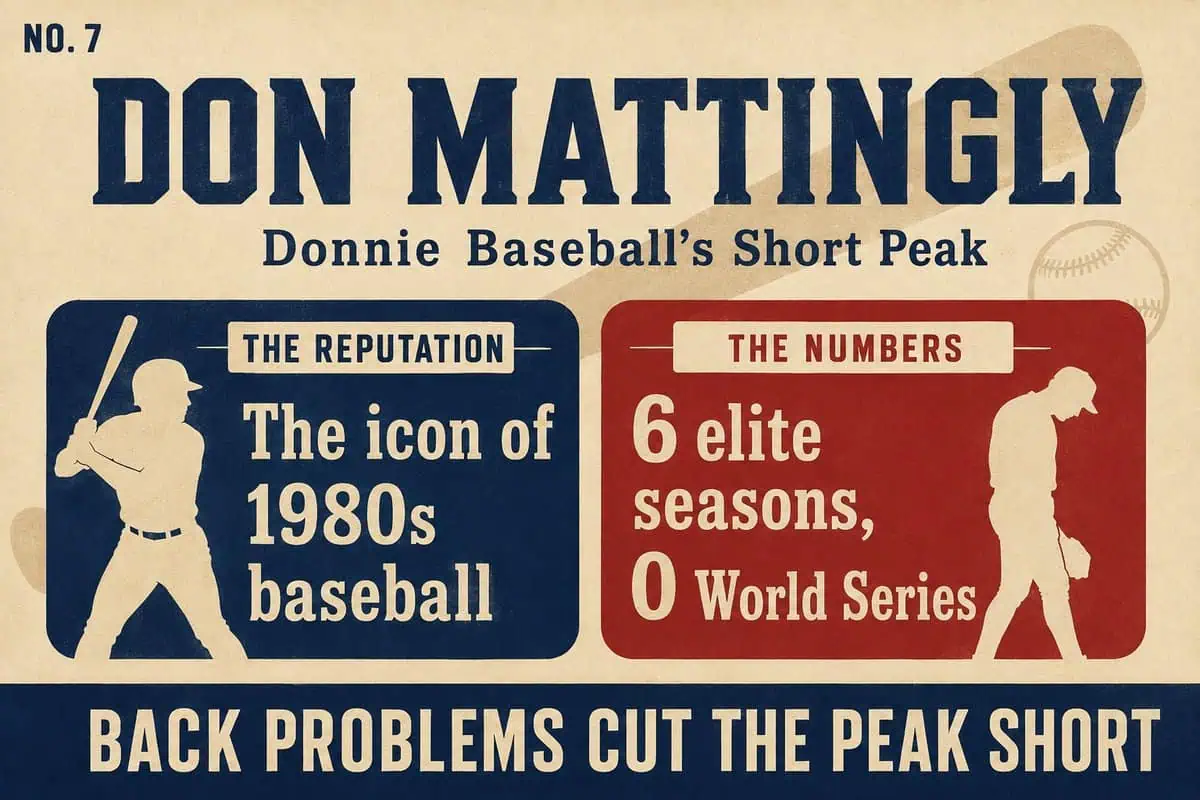
7. Don Mattingly: Donnie Baseball’s Short Peak
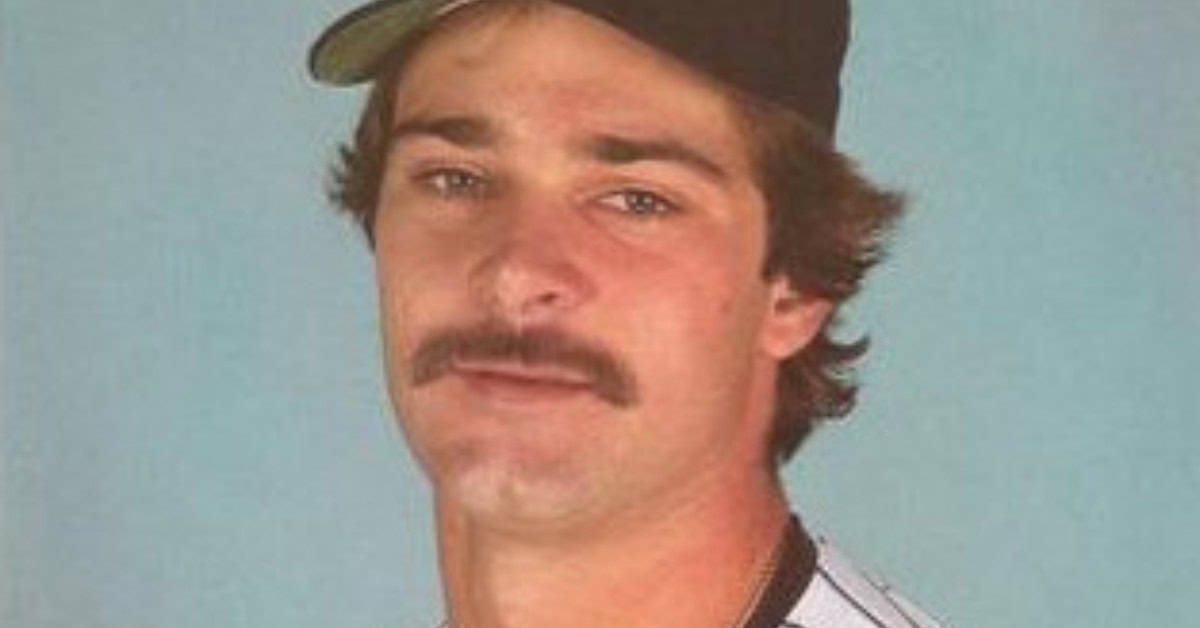
This kind of reputation is almost because of those who are trying to defend themselves from the critics. There are many writers and reporters who vote on a yearly basis to select players for the National Baseball Hall of Fame. Many of those voters did not select Don Mattingly throughout his time on the ballot.
Time and time again I've heard writers talk about his short peak and how his career just wasn't long enough. I think that argument has kind of gotten tired since Donnie Baseball is still an iconic figure from that era when we look back on it today.
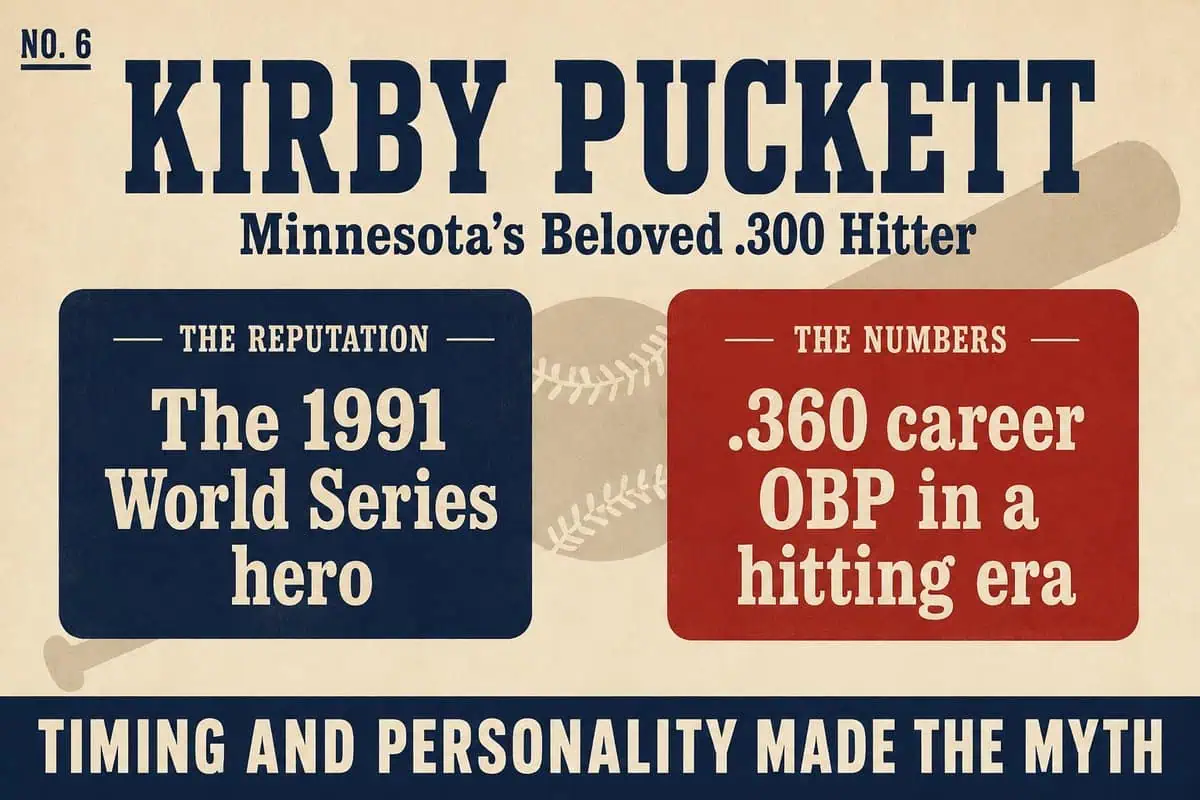
6. Kirby Puckett: Minnesota’s Beloved .300 Hitter
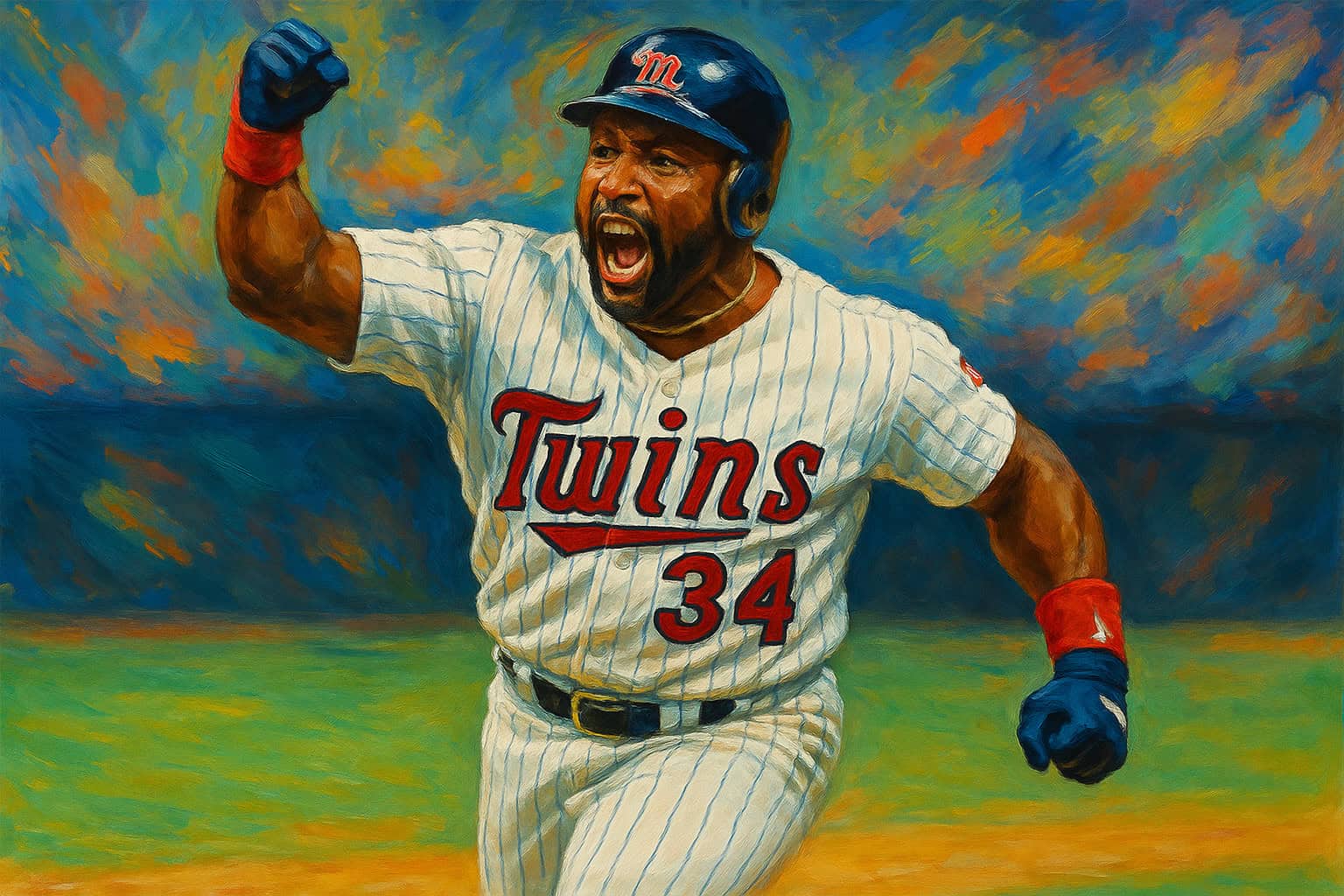
Let's go back to some positive vibes. Kirby Puckett was the face of positive vibes during his time in Minnesota. It helps that he was one of the greatest players to don a Twins jersey. But it was his smile, his energy, and his overall charisma that made fans gravitate towards him. People couldn't help but talk about how they loved Kirby Puckett.
That stretched beyond the state of Minnesota as Puckett became an icon for baseball with his clutch moments on the biggest stage. The most impressive part was that he was always smiling through it all.
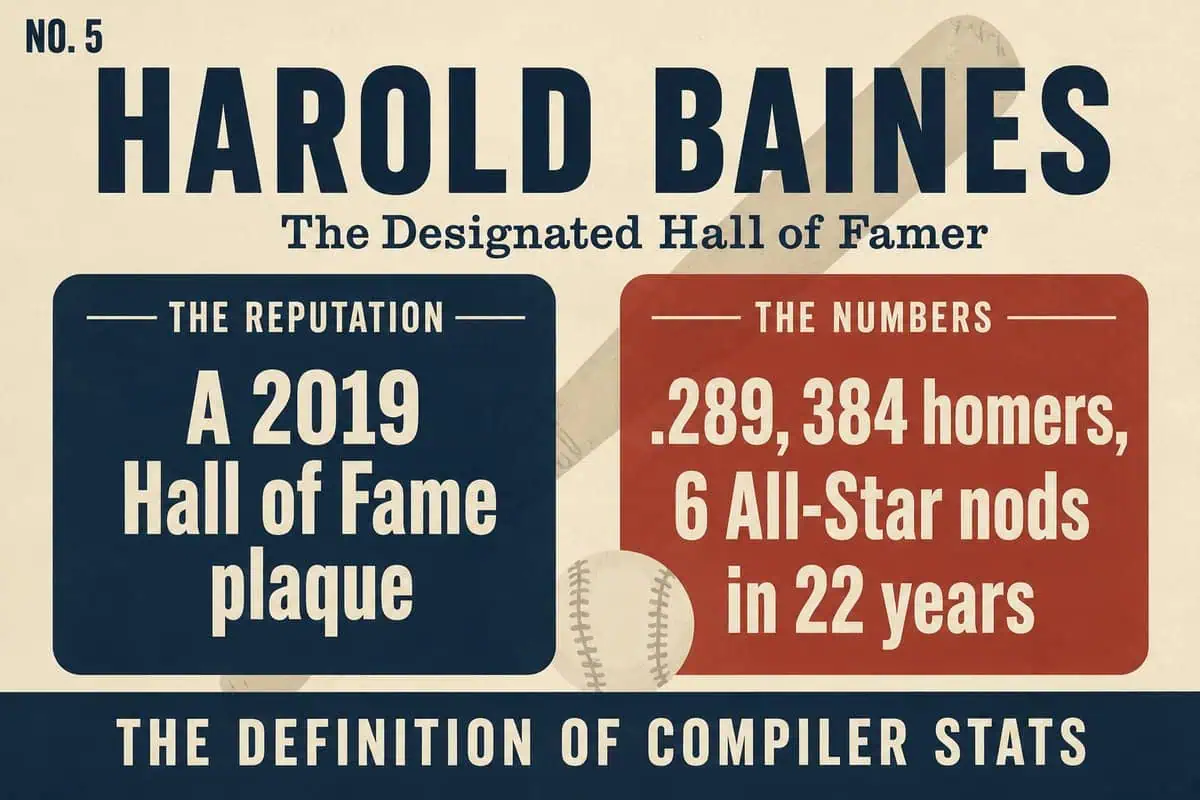
5. Harold Baines: The Designated Hall of Famer
It's too bad that Harold Baines has a reputation that took a turn for the worse in 2019. His selection to be in that year's Hall of Fame class was shocking enough that it still gets talked about today. Before he was voted in, I think most of us would talk about Harold Baines in a moderately positive light.
However, now that he is in the Hall of Fame, there is an almost unwarranted amount of disdain whenever someone walks by his plaque in Cooperstown.
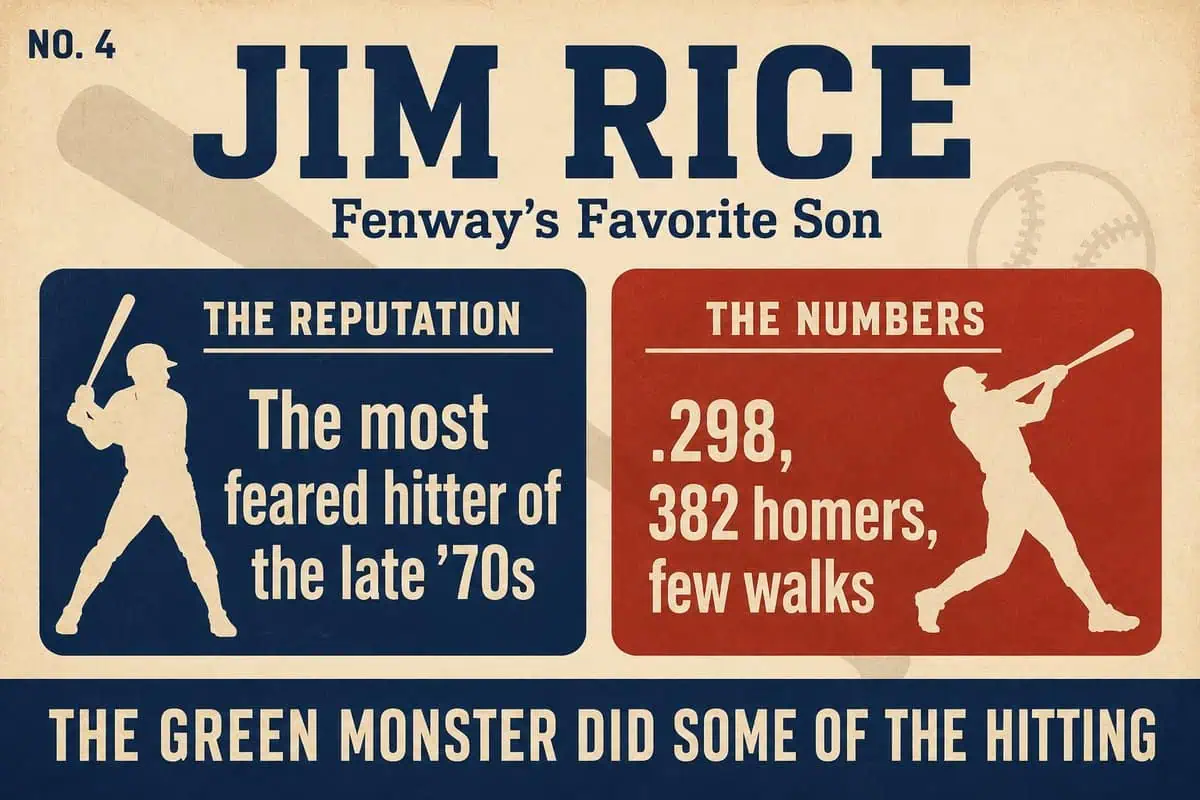
4. Jim Rice: Fenway’s Favorite Son Falls Short
Here's a legend of baseball that has a reputation based on the passion of the fan base he played in front of. Jim Rice played his entire 16-year career in Boston where his ability to carry teams gave the city hope. Remember, the Curse of the Bambino was alive and well at the time. I think a lot of Boston fans thought he was the one to take them to the promised land. That's why they talked him up with such reverence.
In fact, I think that is part of what makes him a legend. He gave a city hope when they were looking for a player to do that. I don't know if that reputation helped him be inducted into the Hall of Fame as his stats are right around the area where some others have been left out of Cooperstown. But that reputation sure didn't hurt.
3. Jack Morris: October Hero, Regular Season Zero
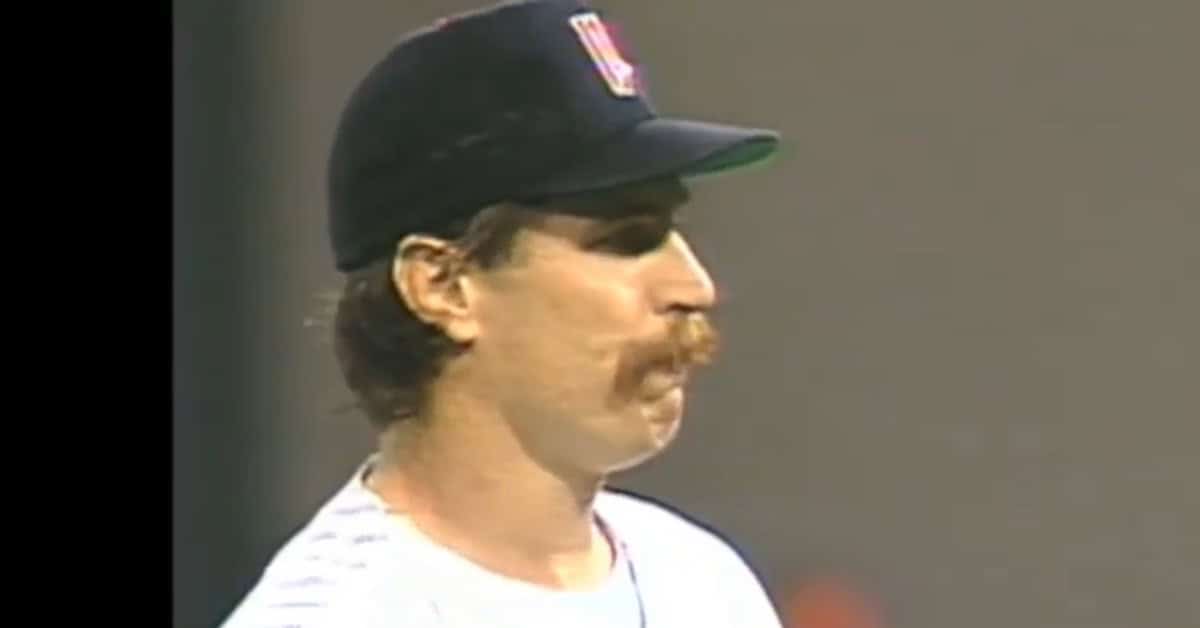
It is pretty fascinating to have watched Jack Morris deliver such legendary postseason performances. It is especially fascinating when you were a fan that got to watch every one of his starts in the regular season. For his career, he had a 105 ERA+. That is very slightly above average.
Not as many people paid attention or cared about how well he was doing in the regular season, because when fans saw him take the mound in the World Series, they knew they were in for a treat. Teams even traded for him just for that reason. He might be the only player in history who had that reputation and it was acted upon via trade.
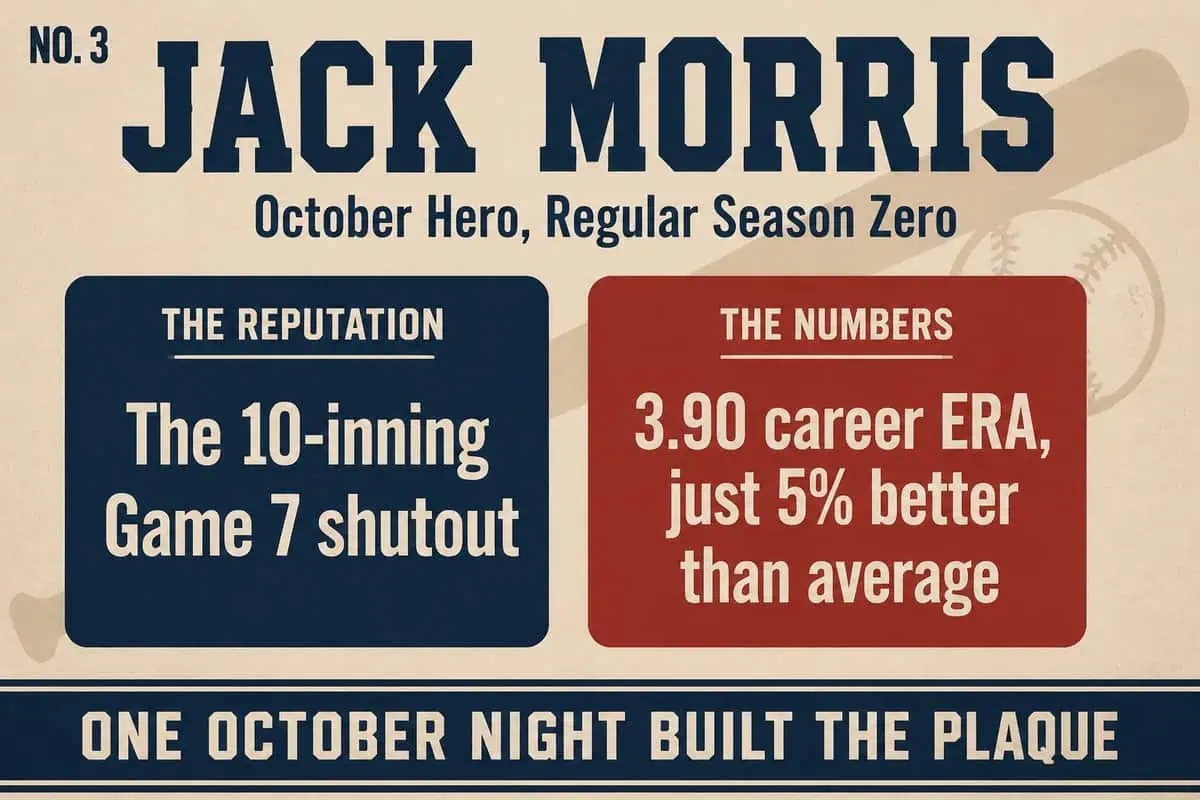
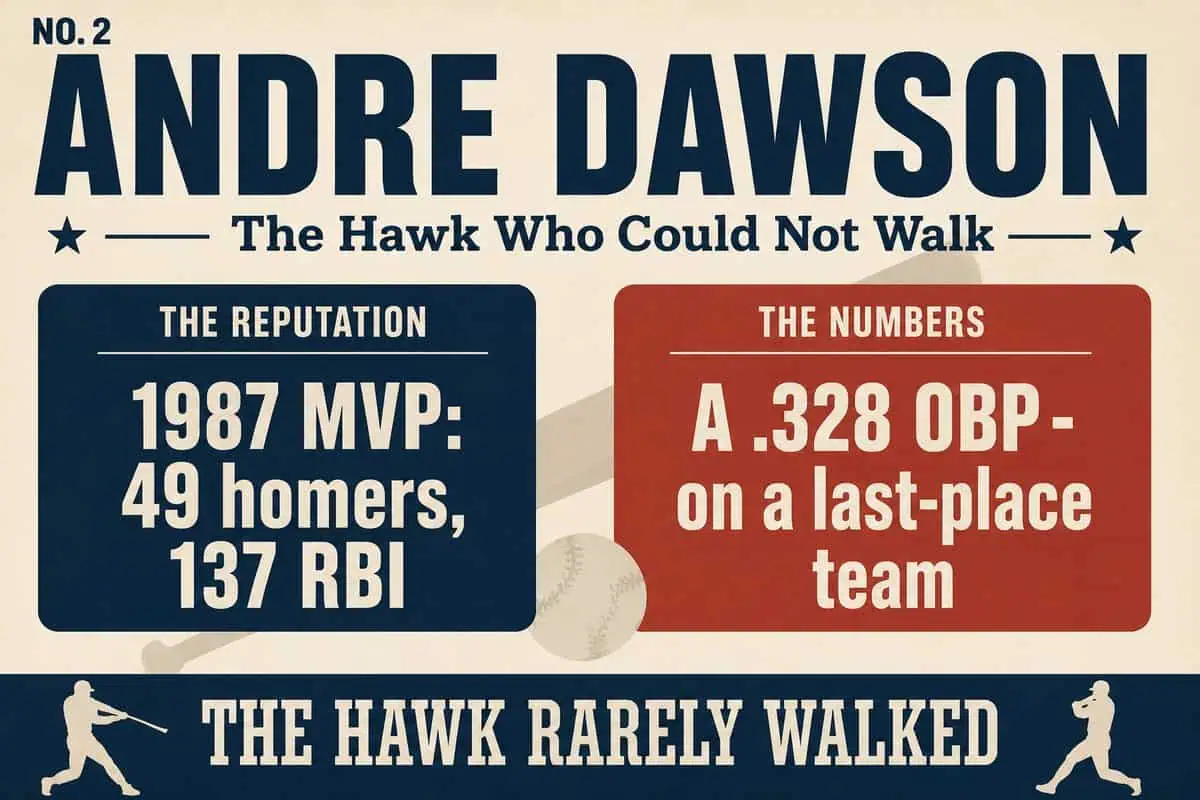
2. Andre Dawson: The Hawk Who Couldn’t Walk
Andre Dawson was an aggressive player who took a very specific approach at the plate: he liked to swing the bat. He was very good at it too. Dawson led all of baseball with 49 home runs in 1987 while still hitting .287. However, he did not walk much as his on-base percentage wasn't much higher at .328.
This kind of reputation can be a positive and a negative at the same time. There are many in the crowd who will probably be more conservative and want a player to be more patient at the plate but there is another great amount of fans who will come to the ballpark and want to watch the star players swing the bat. That's what Andre Dawson provided and that's what brought fans back at times.
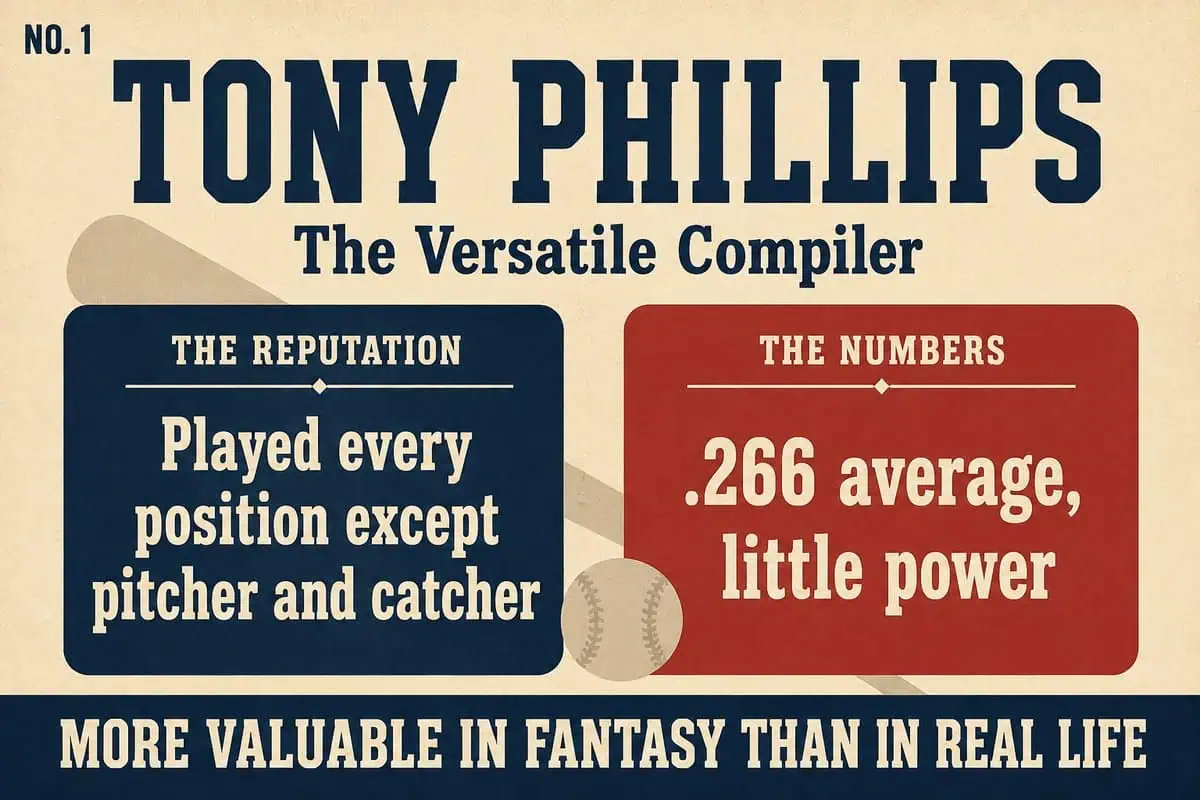
1. Tony Phillips: The Versatile Compiler
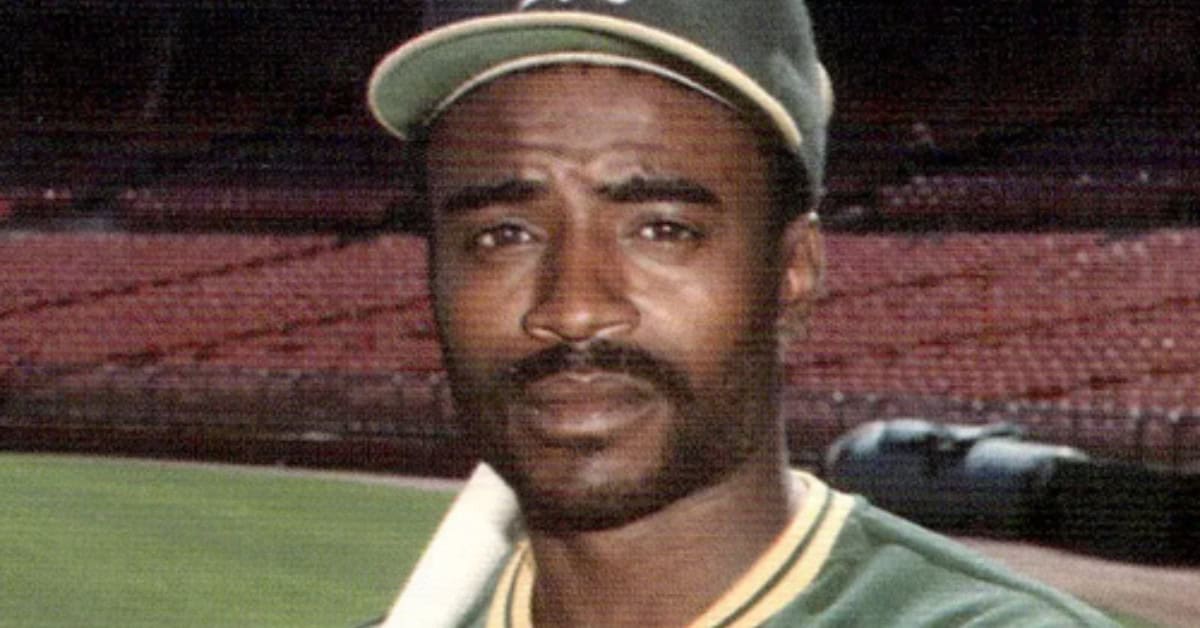
Tony Phillips had a wonderfully solid career. I don't think he was ever that flashy but I also don't think he was ever that quiet. He was perfectly in the middle throughout his career. His reputation was that he brought immense value to teams by being a player that could play almost every position on the field. He was utilized that way as well.
That's where most of the positivity surrounding his reputation comes from. However, his career .266 batting average suggests that any of his impressive numbers weren't really complemented by his hitting ability. His numbers were never impressive enough to garner an All-Star selection. So, the value that fans saw in him doesn't really translate to his stats page.