

Last Updated: June 17th, 2026 by Matthew Brown
Before launch angles and exit velocity ruled the batter’s box, baseball’s greatest hitting coaches were part mechanic, part psychologist, and part magician. These were the men who could fix a slump with a simple adjustment to hand position, turn warning track power into home run distance with a tweak to timing, and somehow make .250 hitters believe they could hit .300. From dusty batting cages to major league clubhouses, these coaching legends shaped swings and built confidence one at-bat at a time, creating dynasties and breaking slumps with equal measure.
Don't lose this article. Enter your email below, and I'll send it to you right now. Plus, we'll send you other unbelievable stories from baseball's past.
Charley Lau’s Weight Shift Theory That Revolutionized Hitting
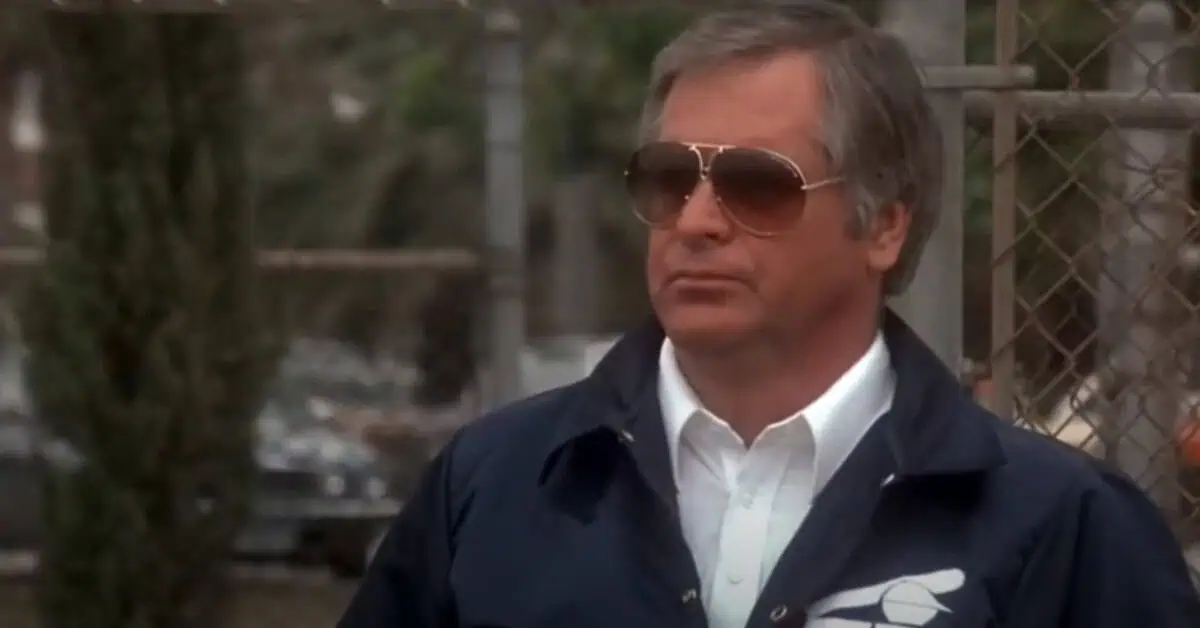
Lau’s revolutionary weight-shift approach fundamentally changed how baseball thought about hitting mechanics, emphasizing the transfer of energy from back foot to front foot. His work with players like George Brett and Hal McRae turned the Kansas City Royals into an offensive juggernaut and influenced a generation of hitting instructors. Charley’s greatest legacy was proving that hitting could be taught systematically, with specific mechanical principles that any player could learn and apply to improve their performance.
Ted Kluszewski’s Reds Muscle That Taught Power Hitting

Big Klu’s massive forearms and gentle teaching style made him the perfect instructor for young hitters looking to unlock their power potential in Cincinnati. His emphasis on proper mechanics and natural strength helped numerous Reds hitters reach career highs, proving that sometimes the best coaches are those who’ve mastered the art they’re teaching. Ted’s legacy lies in showing that true power comes from technique, not just muscle, and that the biggest men can often be the gentlest teachers.
Walt Hriniak’s Linear Approach That Divided Baseball
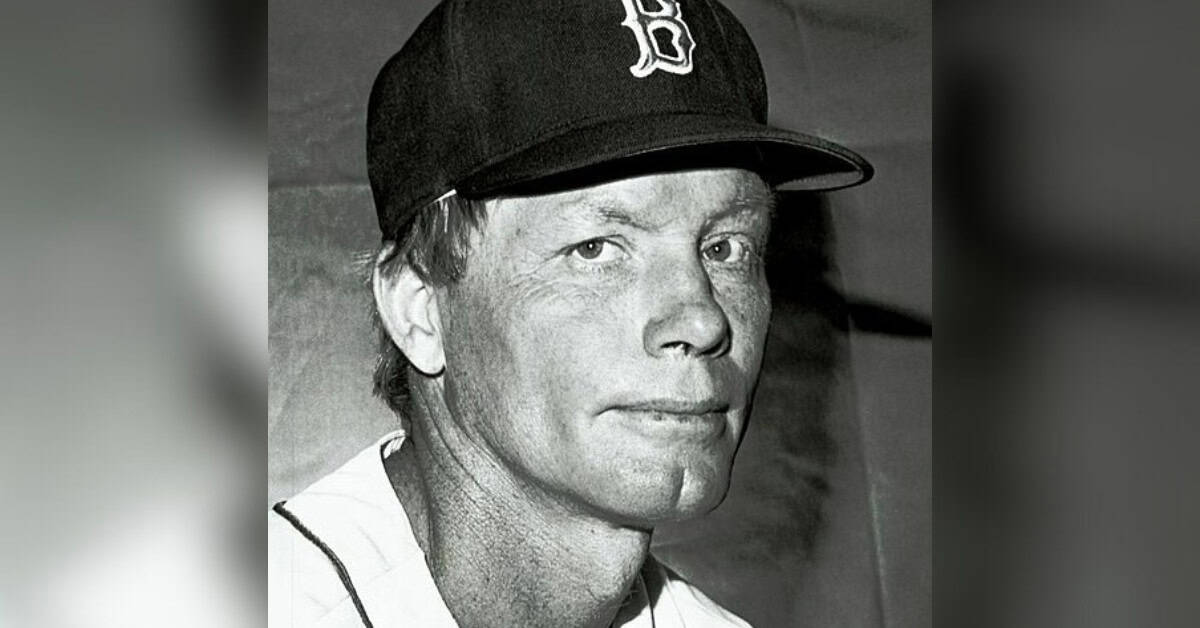
Hriniak’s controversial linear hitting theory, which evolved from the teachings of his mentor Charley Lau, challenged traditional rotational mechanics and created passionate debates in dugouts and batting cages across America. His disciples swore by the approach that emphasized driving through the ball with a distinct top-hand action, while critics argued it limited natural power and athleticism. Walt’s greatest contribution was proving that there’s more than one way to teach hitting, even if his methods sometimes made purists cringe and sparked heated arguments that lasted decades.
Mitchell Page’s Cardinals Development That Created Clutch Hitters
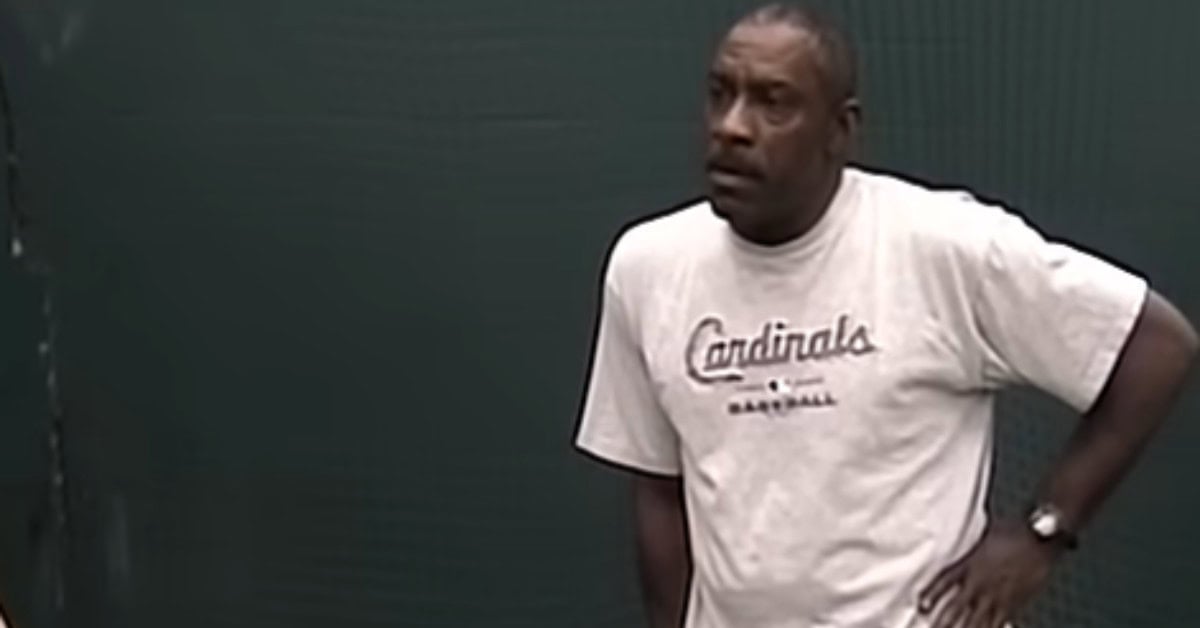
Page’s work in St. Louis helped develop the clutch hitting that became synonymous with Cardinals baseball, turning good hitters into great situational performers. His emphasis on mental approach and two-strike hitting created a generation of players who thrived under pressure, making the Cardinals a perennial threat in October. Mitchell’s legacy lies in understanding that hitting isn’t just about mechanics—it’s about mindset, preparation, and the ability to perform when everything’s on the line.
Charlie Manuel’s Indians Magic That Built an Electric Offense
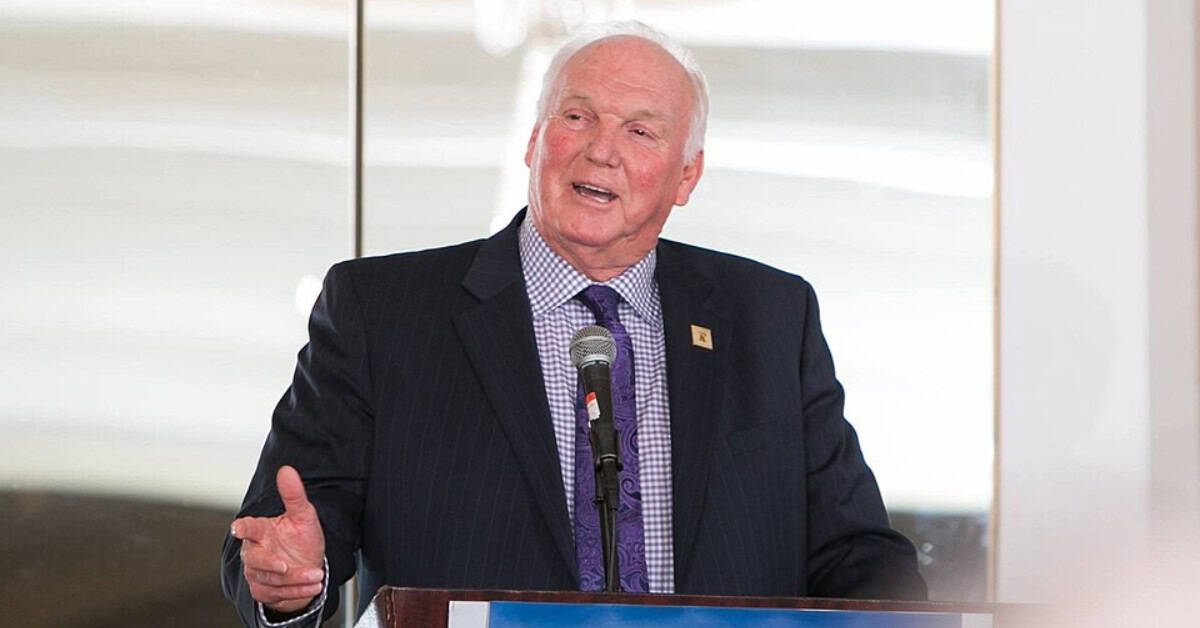
Manuel’s patient teaching style and deep understanding of hitting mechanics helped transform Cleveland into an offensive powerhouse during the 1990s runs. His ability to work with different personality types and hitting styles made him invaluable to a franchise that featured everything from power hitters to contact specialists. Charlie’s greatest strength was his communication skills, translating complex mechanical concepts into simple, actionable advice that players could use immediately.
Terry Crowley’s Orioles Pinch-Hit Mastery That Won Games
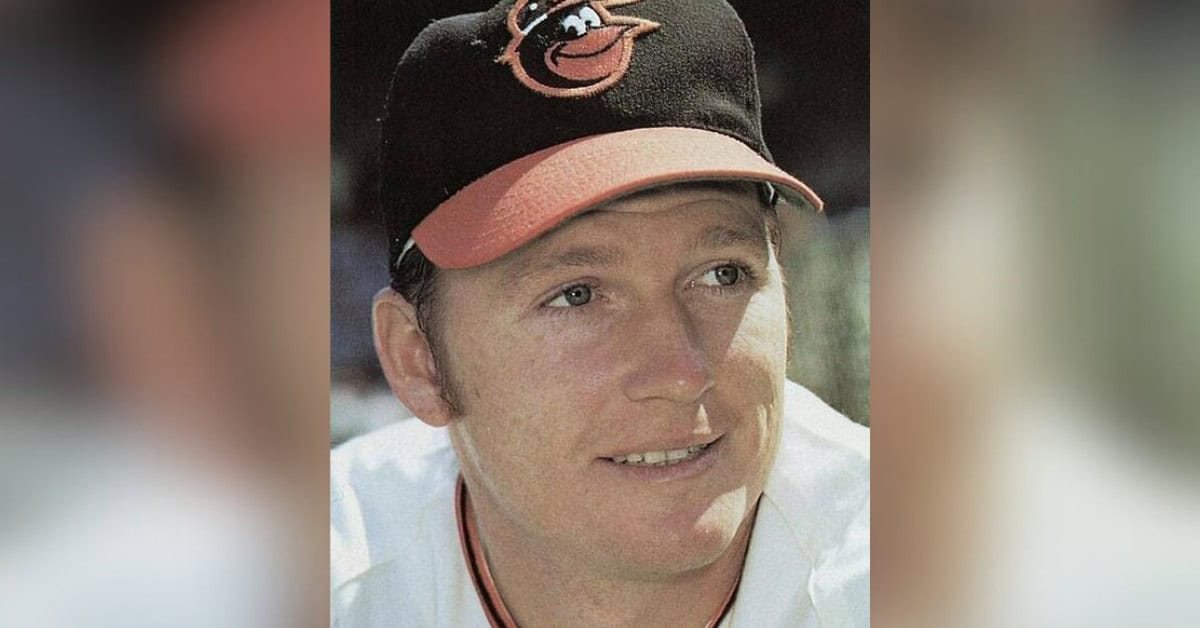
Crowley’s expertise in pinch-hitting situations made him the perfect coach for developing clutch performers who could deliver in crucial moments. His understanding of the mental game and ability to prepare hitters for high-pressure situations helped numerous Orioles win games with key hits. Terry’s legacy lies in proving that hitting coaching isn’t just about swing mechanics—it’s about preparing players mentally and emotionally for the moments that define careers and seasons.
Gerald Perry’s Touch That Developed Contact Kings
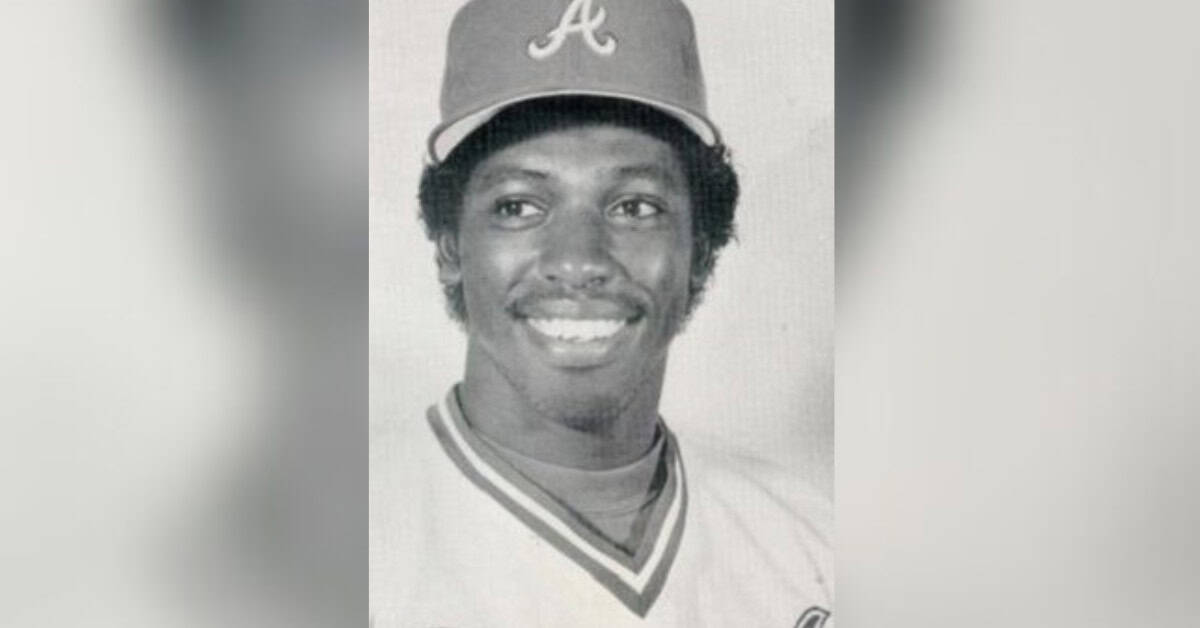
Perry’s emphasis on contact and situational hitting, honed over coaching tenures with several MLB teams including the Athletics and Cubs, helped create hitters who could execute in any situation. His patient approach to instruction and focus on fundamentals helped develop players who understood that hitting isn’t always about power—sometimes it’s about moving runners and making productive outs. Gerald’s greatest contribution was teaching the lost art of situational hitting, proving that smart at-bats can be just as valuable as home runs.
Rick Down’s Yankees Development That Built Winners
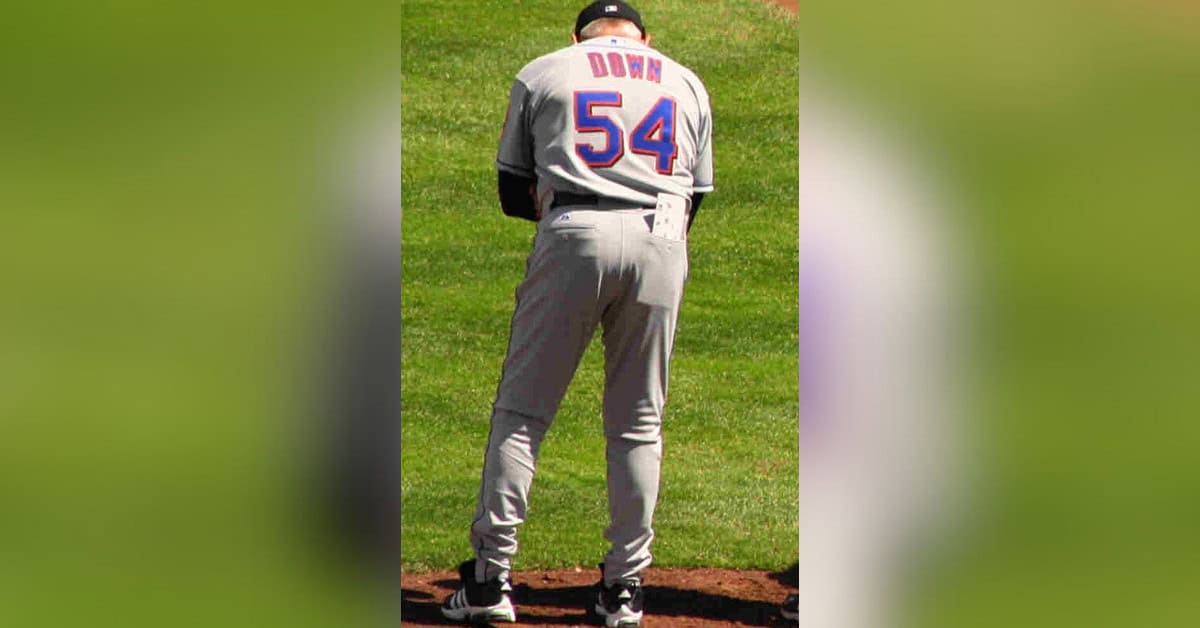
Down’s work in the Bronx helped maintain the Yankees’ offensive excellence during their championship years, providing consistent instruction and development for both stars and role players. His ability to adapt his teaching to different learning styles made him valuable to an organization that demanded results from every player in the lineup. Rick’s greatest strength was his versatility, proving that great hitting coaches can work with anyone from struggling rookies to established superstars seeking that extra edge.
Lee Elia’s Phillies Passion That Developed Championship Hitters
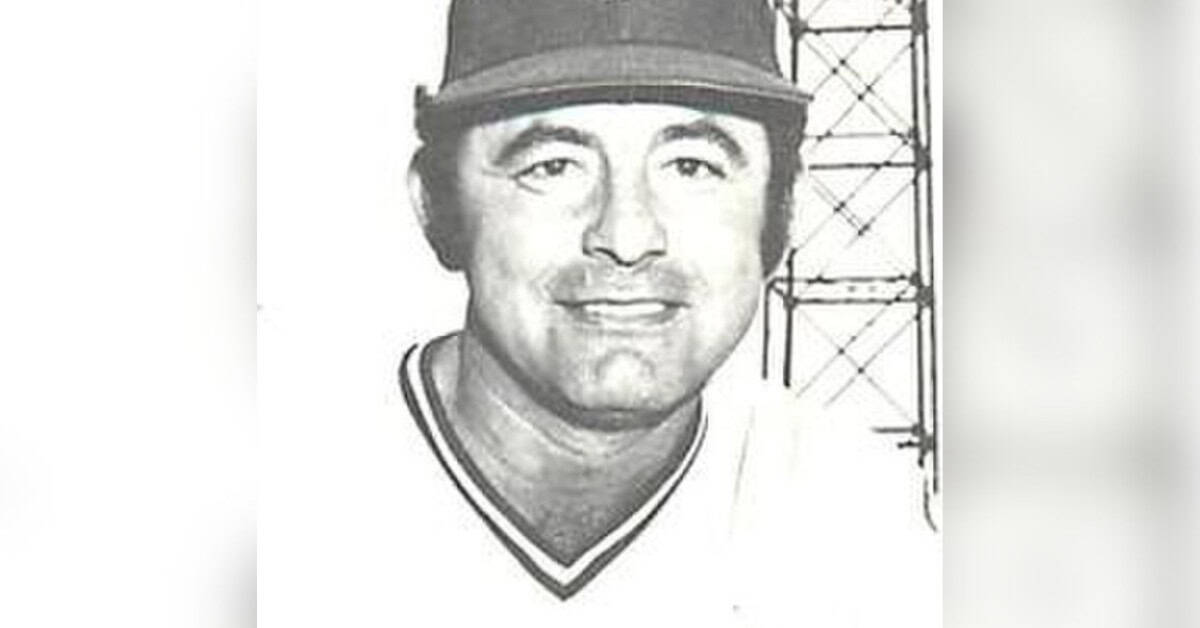
Elia’s fiery personality and deep knowledge of hitting mechanics made him the perfect coach for developing the aggressive approach that characterized Phillies baseball. His ability to motivate players and instill confidence helped numerous hitters reach their potential during crucial seasons. Lee’s legacy lies in proving that passion and intensity can be just as important as technical knowledge, creating an environment where hitters felt empowered to be aggressive and attack the strike zone.
Mark McGwire’s Cardinals Coaching That Unlocked Power
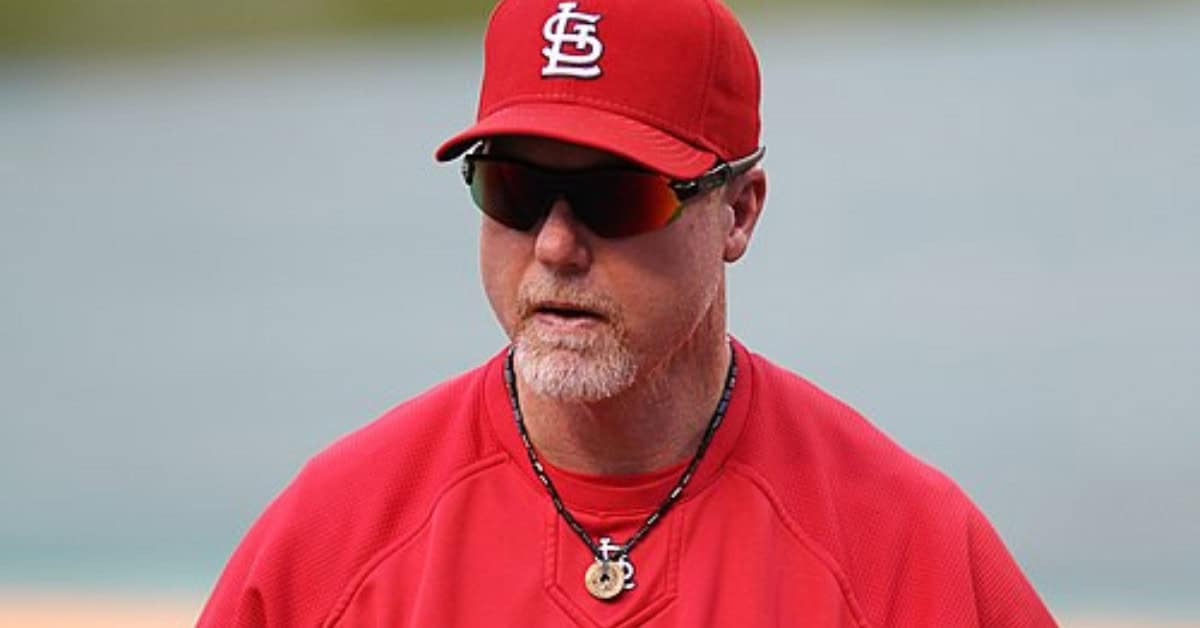
McGwire’s transition from home run king to hitting coach brought credibility and expertise to St. Louis, helping players unlock power they never knew they possessed. His understanding of swing mechanics and ability to relate to modern players made him an instant success in the coaching ranks. Big Mac’s greatest contribution was proving that former superstars could translate their knowledge into coaching excellence, bridging the gap between past greatness and future potential.
Tom McCraw’s Giant Wisdom That Lasted Decades
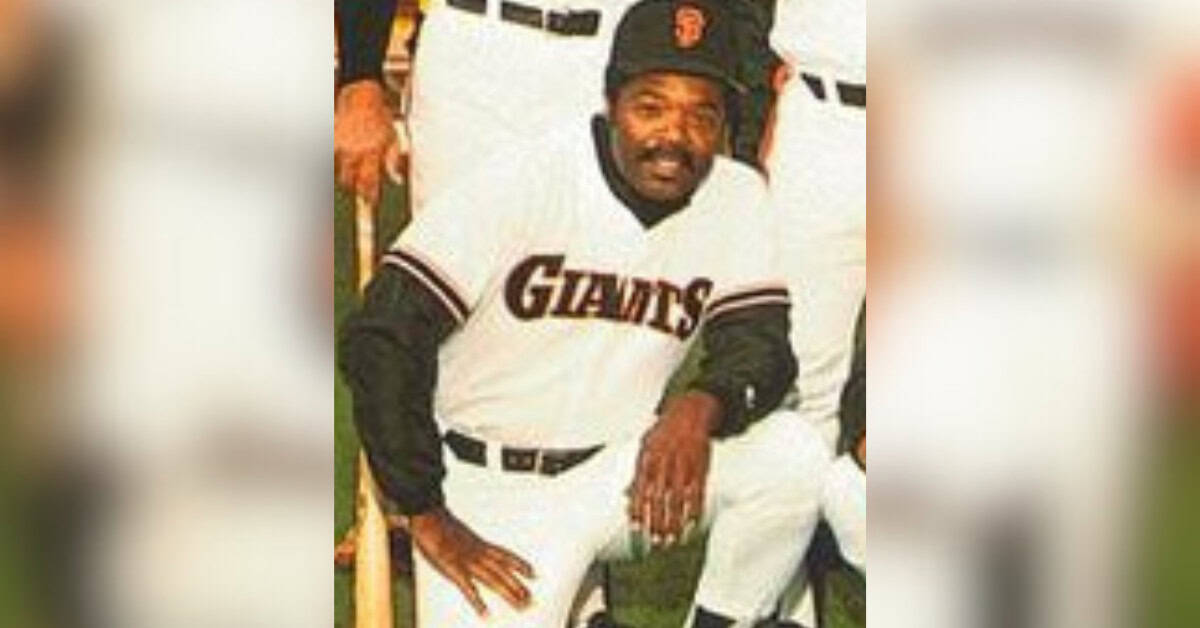
McCraw’s long tenure in the MLB established him as one of the most respected hitting coaches, helping develop multiple generations of hitters. His consistency and institutional knowledge made him invaluable to any organization that prided itself on developing offensive talent. Tom’s legacy lies in proving that longevity can be just as valuable as innovation, providing stability and wisdom that helped countless players reach their potential.
Jim Lefebvre’s Foundational Approach That Built Winners
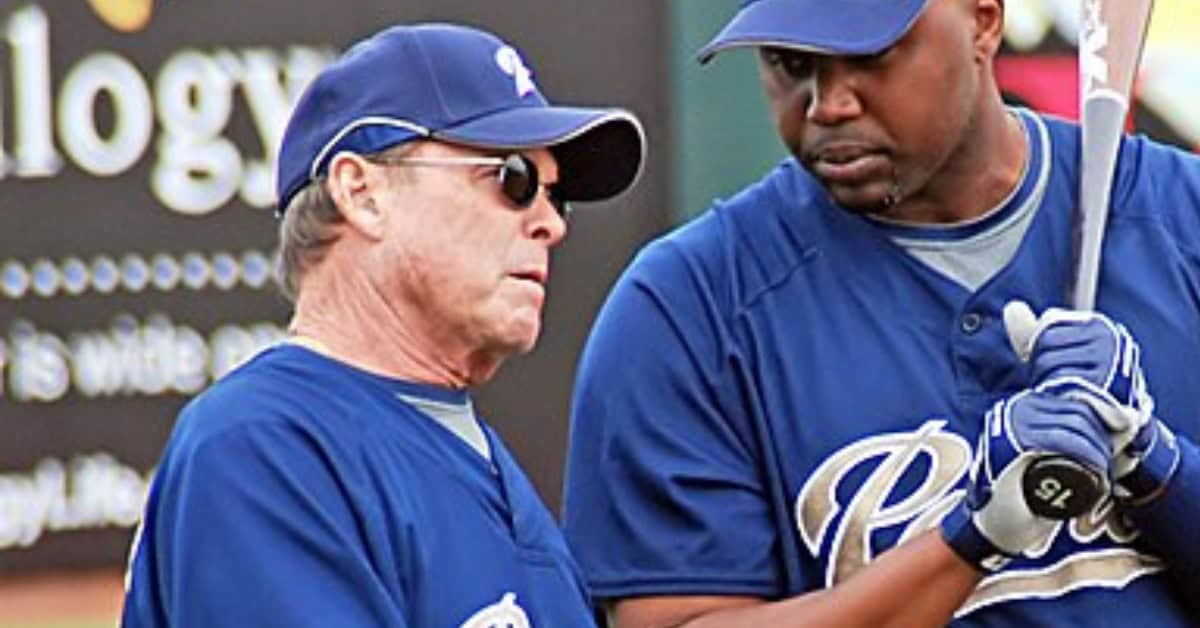
Lefebvre’s work across several MLB organizations, including his early playing and coaching days with the Dodgers, helped establish his reputation for emphasizing fundamentals and situational hitting. His patient teaching style and emphasis on proper mechanics created hitters who understood that consistency trumped flashiness. Jim’s greatest achievement was proving that solid fundamentals and smart approach could create sustainable offensive success, building a culture of hitting wherever he coached.
Chris Chambliss’s Yankees Instruction That Taught Clutch Hitting
Chambliss’s transition from clutch first baseman to hitting instructor brought the perfect combination of championship experience and technical knowledge to his coaching career. His understanding of pressure situations and ability to teach situational hitting made him invaluable to players seeking to perform in crucial moments. Chris’s greatest strength was his calm demeanor and ability to relate to players facing high expectations, having delivered some of the most memorable hits in Yankees history during his own playing days.
Kevin Long’s Yankees Years That Maximized Power
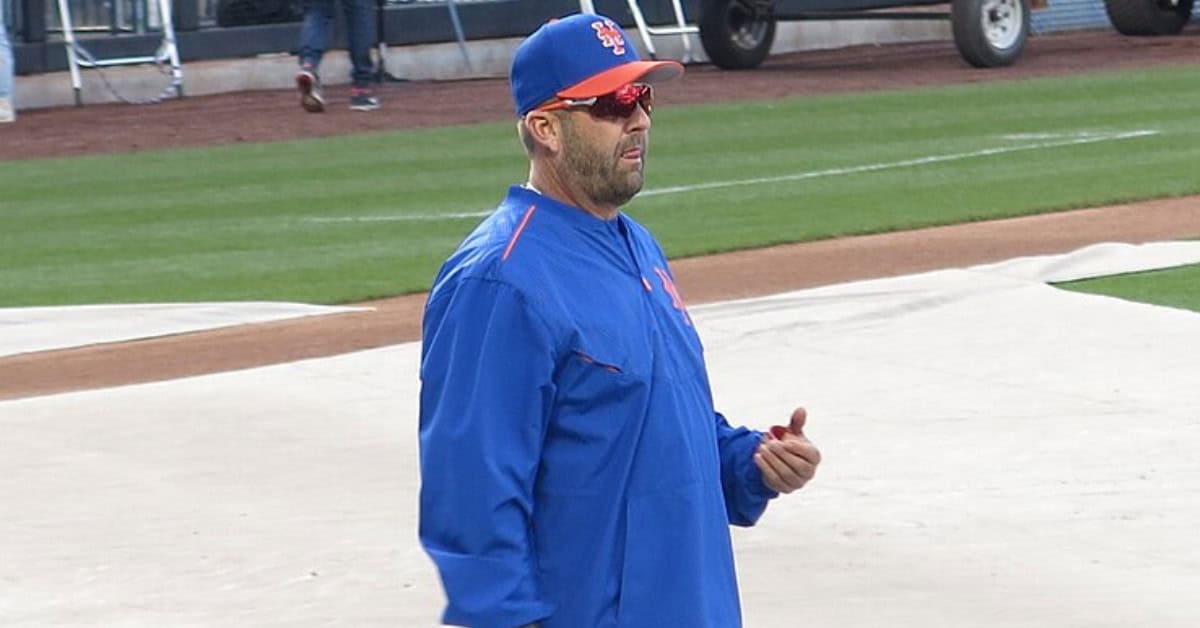
Long’s modern approach to hitting instruction helped the Yankees maintain their power-hitting tradition while adapting to contemporary analytical methods. His work with players like Curtis Granderson and Robinson Canó showcased his ability to unlock hidden potential through mechanical adjustments and mental preparation. Kevin’s greatest strength was his ability to blend traditional hitting wisdom with modern technology, creating a coaching philosophy that honored the past while embracing the future.
Hal McRae’s Royals Fire That Ignited Aggressive Hitting
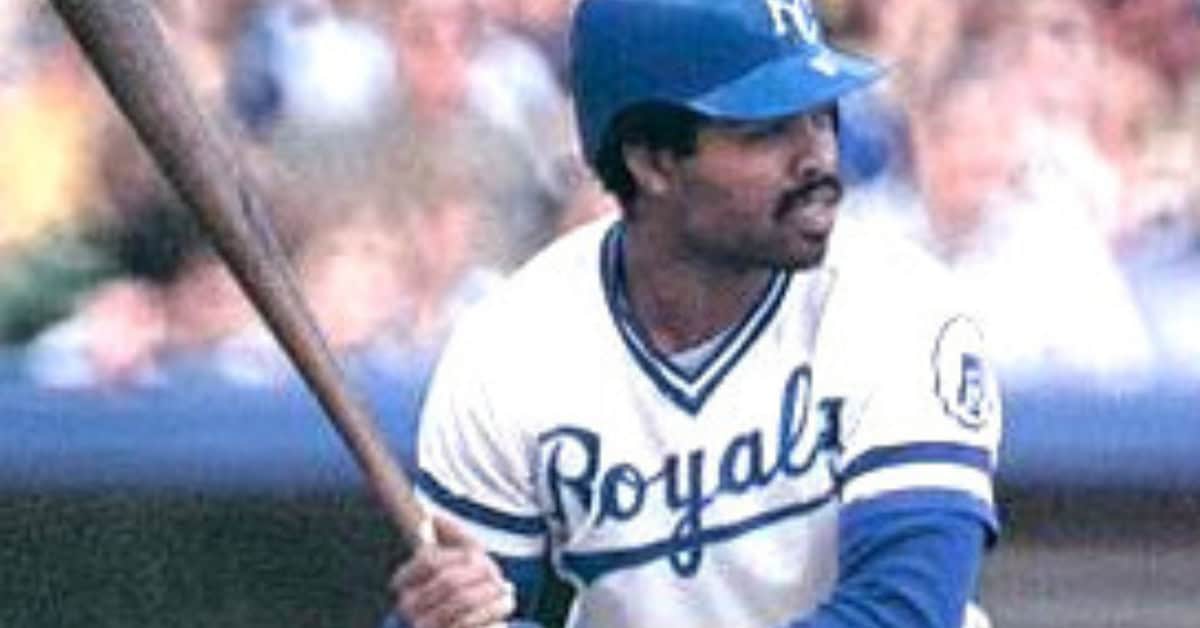
McRae’s intense personality and aggressive approach to hitting, famously displayed during his playing and managerial career with the Royals, perfectly embodied a never-say-die attitude and influenced hitters to attack pitchers with relentless determination. His emphasis on competitive fire and mental toughness helped develop players who thrived under pressure and refused to be intimidated. Hal’s legacy lies in proving that hitting coaching is as much about attitude as technique, instilling a warrior mentality that made ordinary players perform like champions, a philosophy he carried into his hitting coach roles with teams like the Phillies and Cardinals.
Dave Magadan’s Padres Precision That Perfected Approaches
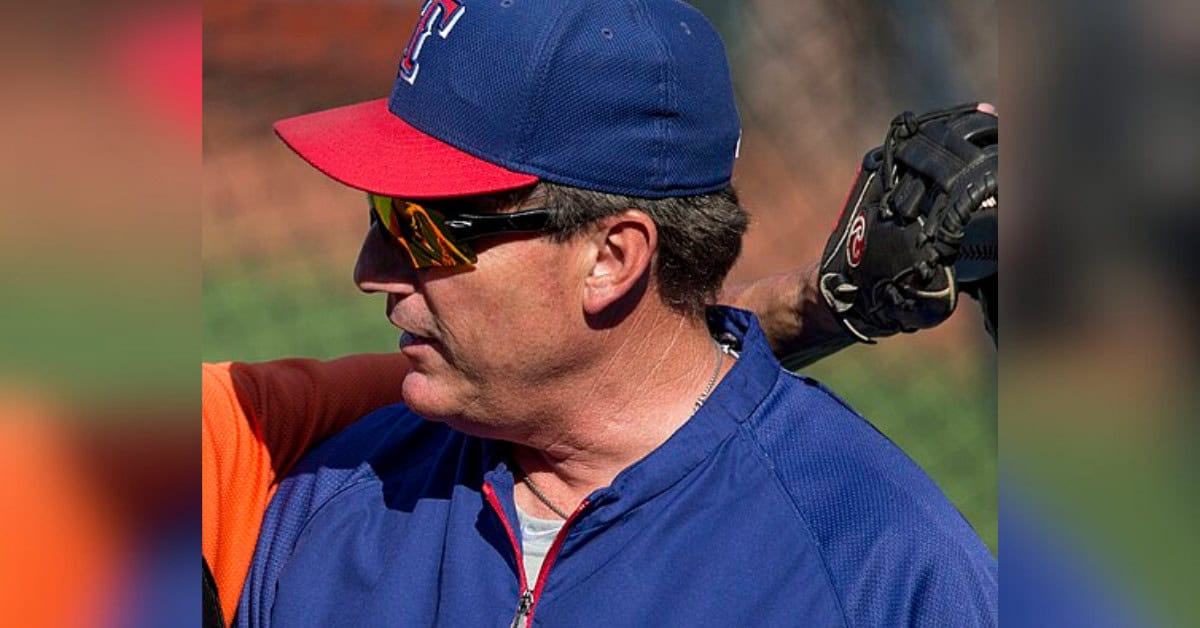
Magadan’s meticulous attention to detail and analytical mind made him the perfect hitting coach for the modern era, helping players refine their approaches through precise mechanical adjustments. His work in San Diego showcased his ability to maximize limited offensive talent through smart instruction and strategic thinking. Dave’s greatest contribution was proving that precision and preparation could overcome natural limitations, turning good hitters into great ones through careful study and adjustment.
Rudy Jaramillo’s Rangers Magic That Transformed Hitters

Jaramillo’s work in Texas became legendary among hitting coaches, as he consistently helped players reach career highs and unlock potential they never knew existed. His ability to diagnose swing flaws and provide simple solutions made him one of the most respected instructors in baseball, with players seeking him out specifically for his expertise. Rudy’s legacy lies in his remarkable consistency, proving that great hitting coaching is about understanding each individual player and finding the key that unlocks their unique potential.
Jim Rice’s Red Sox Instruction That Taught Power Hitting
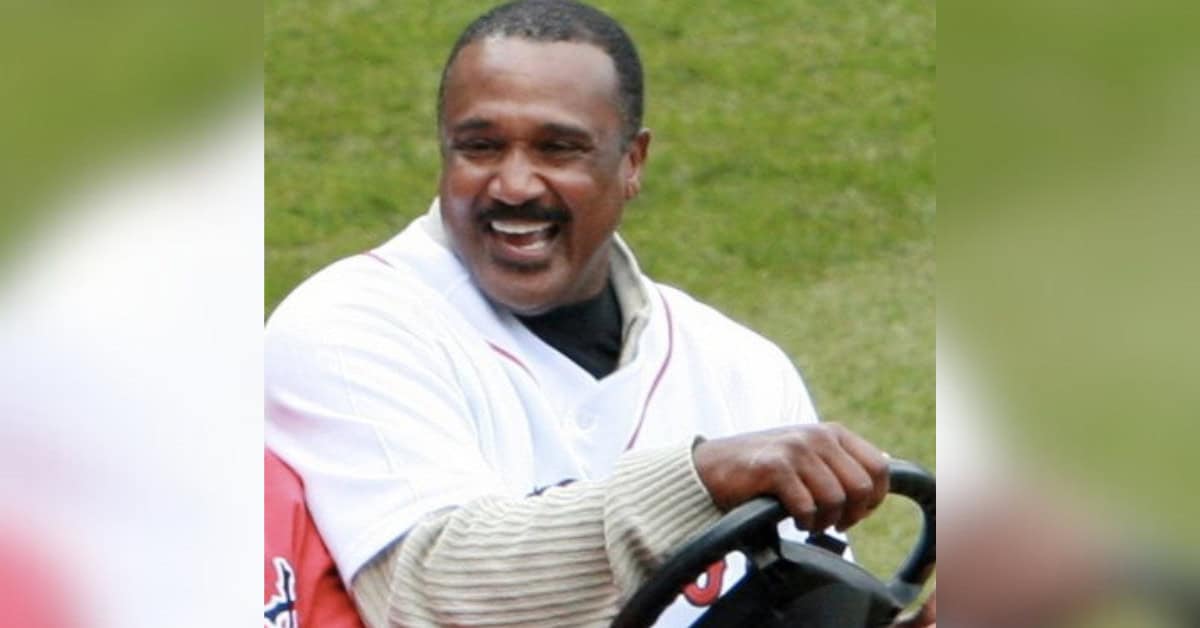
Rice’s transition from Hall of Fame slugger to hitting instructor brought instant credibility and respect to his coaching, as players knew he had mastered the art of power hitting at the highest level. His understanding of what it takes to succeed in Fenway Park’s unique dimensions made him invaluable to Red Sox hitters seeking to maximize their potential. Jim’s greatest strength was his ability to relate to players struggling with expectations, having faced similar pressures during his legendary career in Boston.
Greg Walker’s White Sox Legacy That Spanned Generations
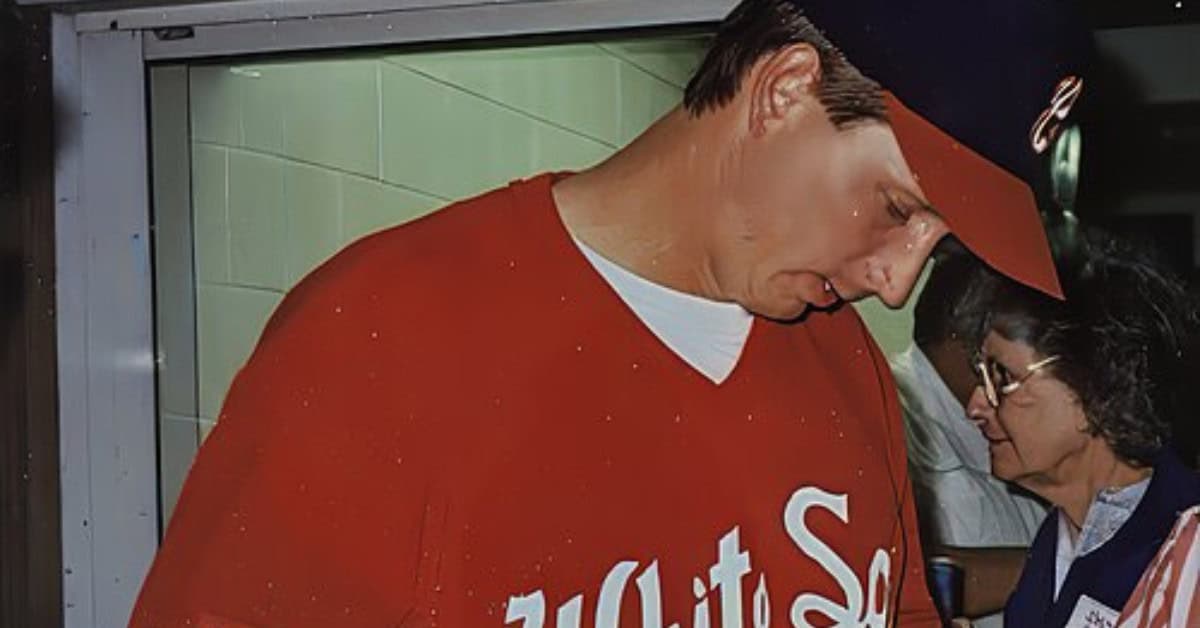
Walker’s long tenure with the White Sox established him as one of the most consistent and reliable hitting coaches in franchise history, helping develop talent across multiple eras and organizational philosophies. His ability to adapt his teaching methods while maintaining core principles made him invaluable to a franchise that valued both tradition and innovation. Greg’s legacy lies in proving that great coaching careers are built on relationships and trust, creating an environment where players feel comfortable taking risks and making adjustments.
Manny Mota’s Pinch-Hit Wisdom That Became Dodgers Legend
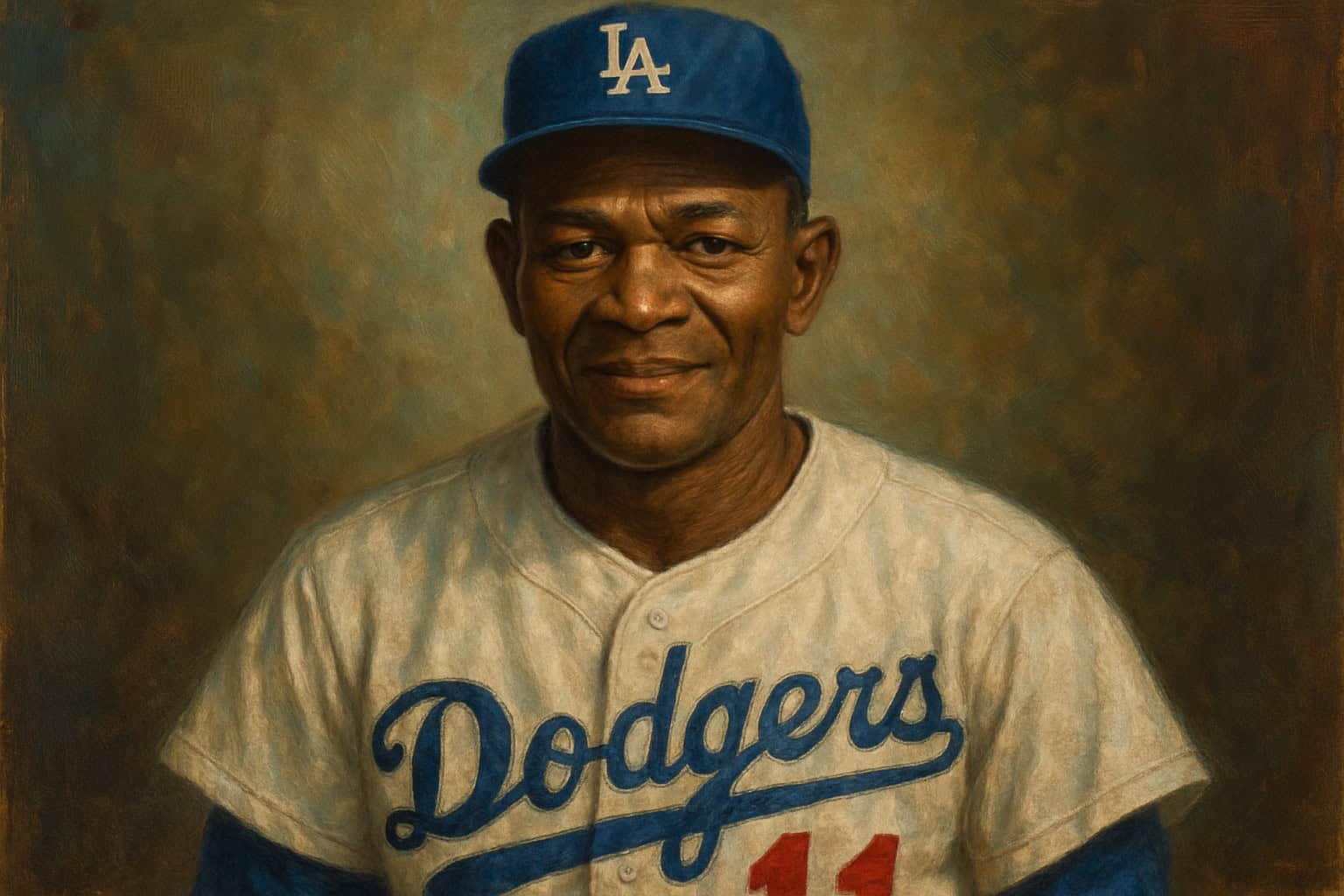
Mota’s expertise in pinch-hitting situations made him the perfect coach for teaching the mental and technical aspects of clutch hitting, passing down wisdom gained from countless crucial at-bats. His long association with the Dodgers organization and reputation as one of baseball’s greatest pinch-hitters gave him instant credibility with players seeking to improve their situational hitting. Manny’s greatest contribution was preserving and teaching the lost art of pinch-hitting, proving that some skills can only be learned from those who’ve mastered them under the brightest lights and highest pressure.