

Last Updated: June 17th, 2026 by Michael Griffin
How admired was Ted Williams? The 1999 All-Star Game was being held in Boston, where The Splendid Splinter had reigned for decades before. Before the game started, the legendary slugger was wheeled out in a golf cart while the capacity Fenway crowd roared. The game was held up because the players, the current superstars, crowded around Williams like little kids eager to lap up any advice. That’s why, even with hitters like Ken Griffey Jr., Tony Gwynn, or Albert Pujols, would look up to Williams. Here are 20 reasons why he’s still in the conversation, even after being dead for over 25 years:
Don't lose this article. Enter your email below, and I'll send it to you right now. Plus, we'll send you other unbelievable stories from baseball's past.
20. He Hit .406 When Cars Had Running Boards and Radios Had Tubes
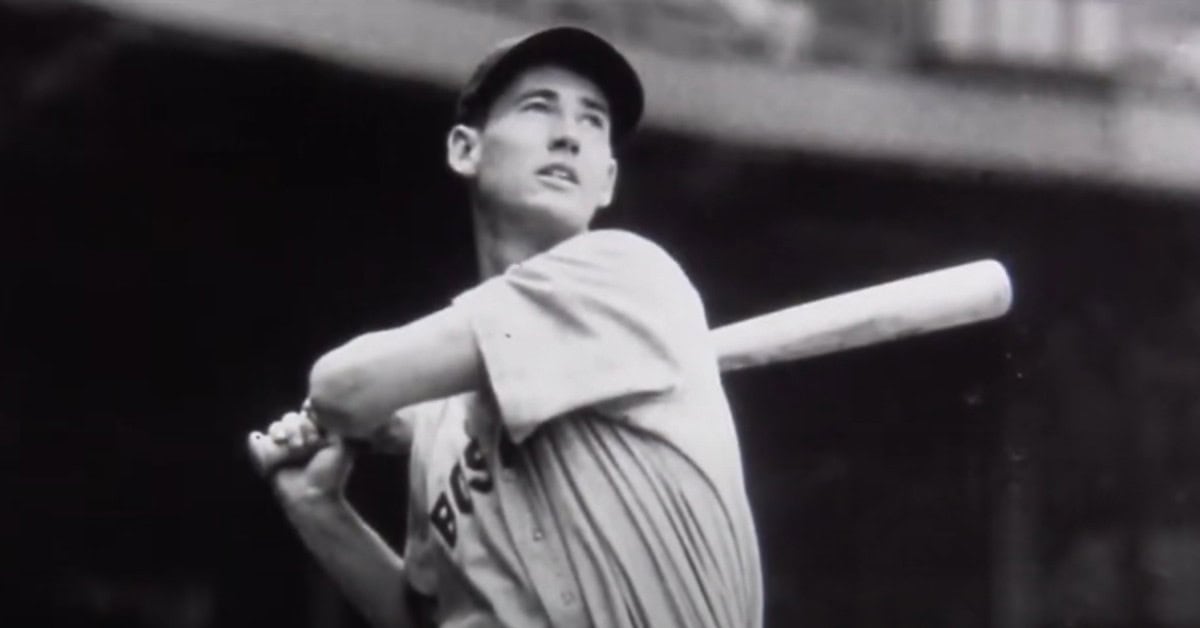
This is the first thing that people think of when defining how great a hitter Ted Williams was. He’s the last person to have cracked the .400 mark. While some might minimize its significance, due to the color line not being broken yet, there’s still no denying that it was a great feat, and it hasn’t been equalled or surpassed.
19. He Had an Amazing Batting Eye and Patience

When it came to knowing the strike zone, Williams was the ultimate master of it. If he saw a pitch that was off the plate called a strike, he’d let the umpire loudly know. Chances are good that it wouldn’t be called again that game. The most recent comparison is Frank Thomas. Teddy Ballgame’s knowledge let him identify pitches, which meant he could wait to see the exact pitch that he could drive.
18. He Put Up His Numbers While Missing FIVE Seasons Due To Military Service
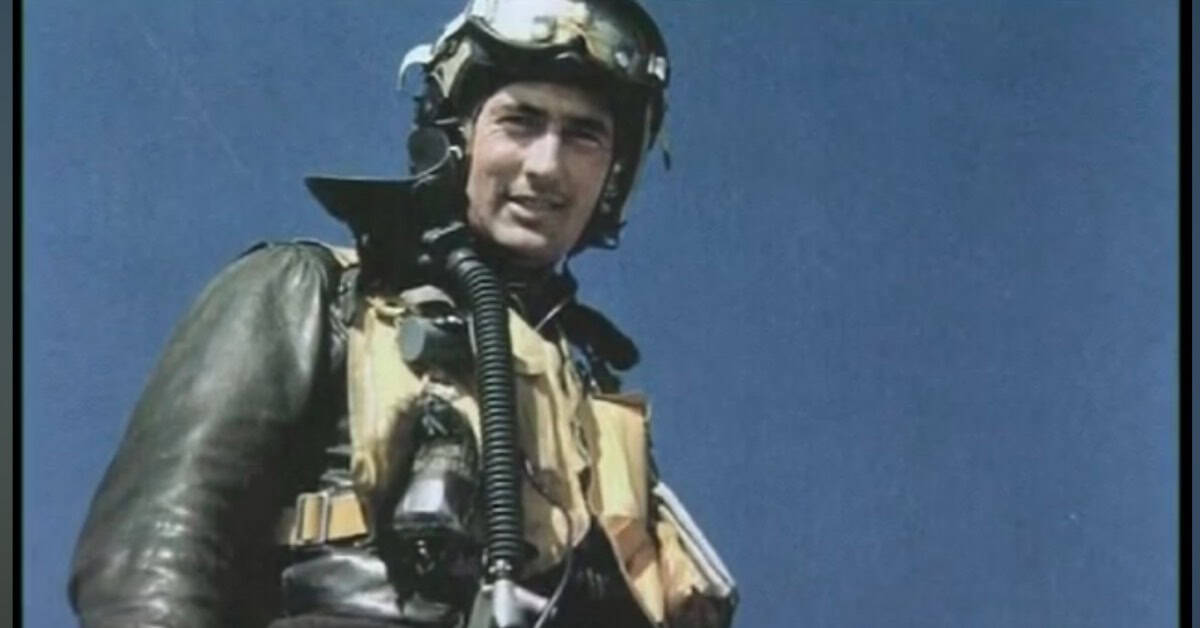
In terms of his baseball career, Williams had the misfortune of playing during wartime — both World War II and Korea. He gladly served, though, but the game was missing its greatest hitter during that time. It’s not like he was given desk duty, either. The baseball legend sat in the cockpit and took part in the war effort. His fellow soldiers surely appreciated his grit.
17. Section 42, Row 37, Seat 21: Aka “The Red Seat.”
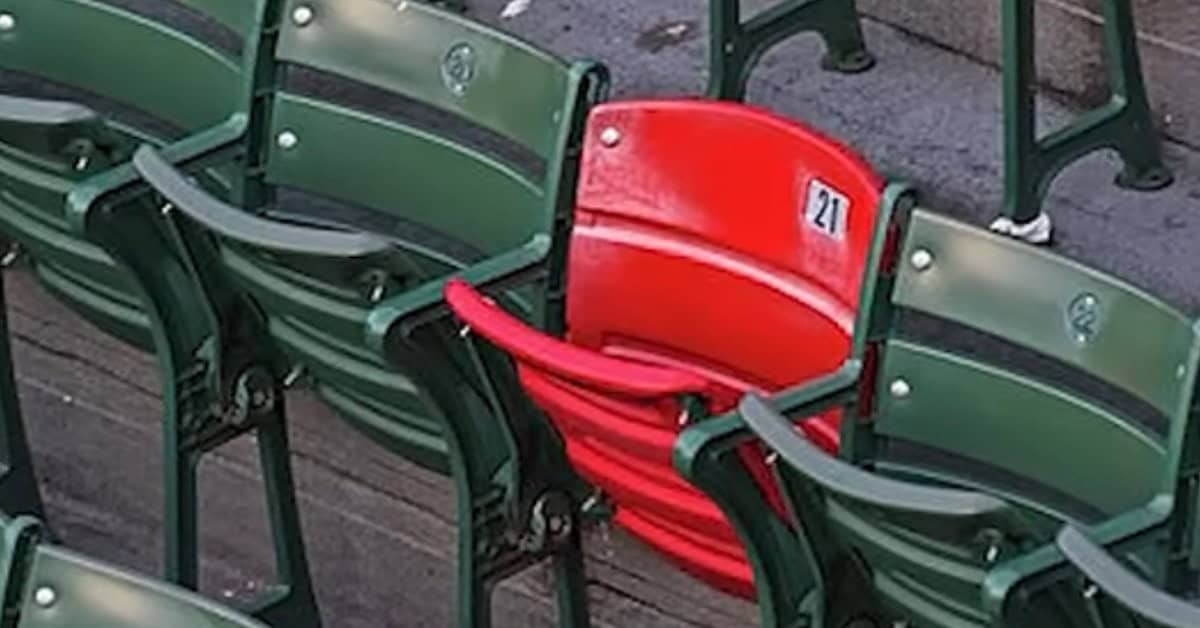
Next time you go to Fenway Park, take a look up at the bleachers. There’s a lone red seat in a sea of green. If you happen to be able to go to that section, turn around and view home plate. It’s pretty far, isn’t it? 502 feet, to be exact. Teddy Ballgame hit a monster home run there that bonked a fan on the noggin. How many other hitters do you know of that have a seat like that?
16. He Thought Like a Pitcher

While Williams was a hitter at heart, he also had to climb into the mind of a pitcher. Couple that with his monklike discipline and hawklike eyes, and he was the nightmare hitter all pitchers hate. No matter the count, he had an idea of what the pitcher would want to throw. He refused to swing outside his perfect hitting zone, preferring to walk rather than chase a bad pitch, understanding that patience was just as deadly as power. This selective approach drove pitchers to distraction and turned every at-bat into a chess match where Williams held all the winning moves.
15. He Had the Perfect Physical Attributes

Williams was 6’3″ or 6’4″, depending on who you asked, and around 200 lbs. While he was primarily a pull hitter, he was strong enough to defeat “The Williams Shift.” This is what makes his hitting .406 even more astounding. Not even defensive shifts could stop him.
14. He Started Hitting As Soon As He Came to the League
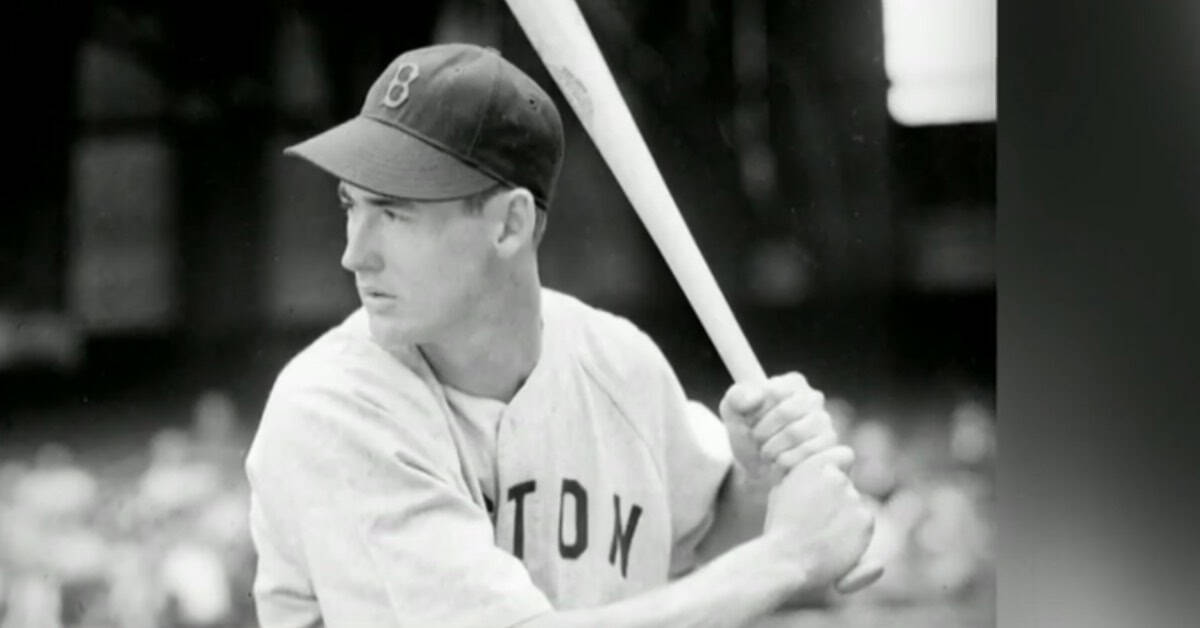
Most of the time, there’s a learning curve when it comes to figuring out Major League pitchers, not for Ted Williams. He got at least a hit in his first four games in 1939, including four on April 23. He also went 4-for-4 on June 26 that year. Nothing fazed The Splendid Splinter, and he even led the Majors in RBI with 145. How great of a year was it? He finished fourth in the MVP voting.
13. He Laughed in the Face of ‘The Sophomore Jinx’

There have been countless times when a rookie has set the league on fire only to find that pitchers have figured them out in their second year. This is known as “The Sophomore Jinx.” While his power and RBI totals may have dropped, he raised his batting average to .344, which ironically turned out to be his lifetime average. He also led the Majors in runs scored, so he was still very busy on the basepaths.
12. .406 and .356, but No MVP

Williams settled in as the most destructive hitting force in baseball. His next two seasons? That aforementioned .406 and then a “drop off” to .356. No hardware, though, since he finished second in the MVP voting both years. It’s a good thing that there wasn’t any social media because Bostonians would have MELTED the servers with their ire.
11. “War? What War?”

You might think that after fighting in a war for three years, Williams might have some rust when he returned. Hah. No. He picked up right where he left off in ’46, leading the league in runs, walks, on-base percentage, and Slugging. Pitchers probably were hoping he’d go back to war.
10. Walked More Than Most Hitters Even Swung

Williams drew 2,021 walks in his career, a staggering number that reflects his almost supernatural understanding of the strike zone. This is why his career OBP of .482 is so amazing. He was on base, one way or another, nearly HALF the time. That’s astounding. Pitchers must have gotten VERY sick of seeing him on base.
9. He Won The MVP Twice in a Four-Year Span

It seems like Williams let those MVP slights in the earlier years fester. Maybe he saw the faces of the sports writers when he was shooting his airplane guns during the war. Whatever the case, he came home and won the award in ’46 and ’49. That would put to rest his status as a runner-up and not a winner.
8. He Hit 38 Homers At the Age of 38

Age Smage. When he was at an age that other ballplayers were thinking of hanging up their spikes, Williams was still raking. He smashed 38 homers. It’s not like he sacrificed average for power, either, hitting a fantastic .388. He finished 2nd in the MVP voting, again, this time to Mickey Mantle.
7. He Had 20/10 Vision

Williams possessed 20/10 vision, meaning he could see at 20 feet what normal people could only see at 10 feet. This superhuman eyesight allowed him to pick up the rotation of a baseball the instant it left the pitcher’s hand, giving him a split-second advantage that translated into batting supremacy. It was like having a built-in slow-motion camera when everyone else was watching at regular speed.
6. The Triple Crown Winner Who Did It When It Actually Meant Something

In 1942, Williams captured the Triple Crown with a .356 average, 36 home runs, and 137 RBIs—numbers that would be MVP-worthy in any era. This wasn’t just statistical dominance; it was complete offensive mastery in a time when pitchers threw harder and fielders played deeper. The Triple Crown was rarer than a perfect game, and Williams made it look like a routine Tuesday afternoon.
5. Hit Nearly 30 Homers At the Age of 41
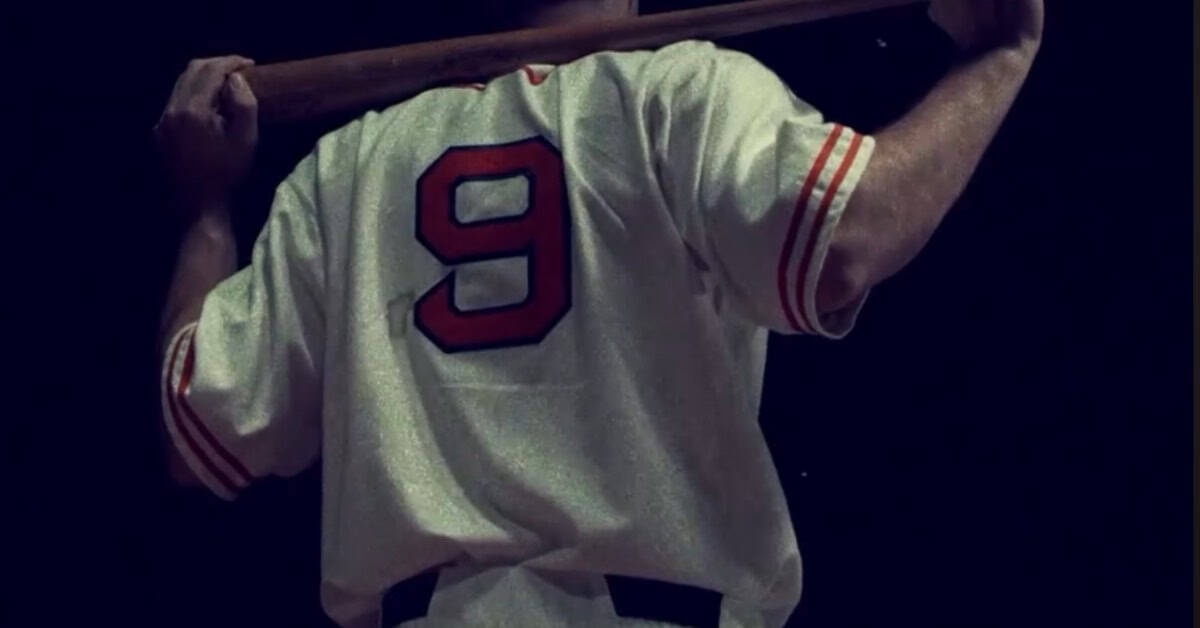
Most of the time a player will coast into the sunset their final season. Their numbers are usually subpar. Not Ted Williams. Well, his final stats for the season might not have been at his level, but a lot of players would have killed for 29 homers in 380 at-bats. Even at 41, The Splendid Splinter was … Splendid.
4. People Know He Would Have Rewritten the Record Books
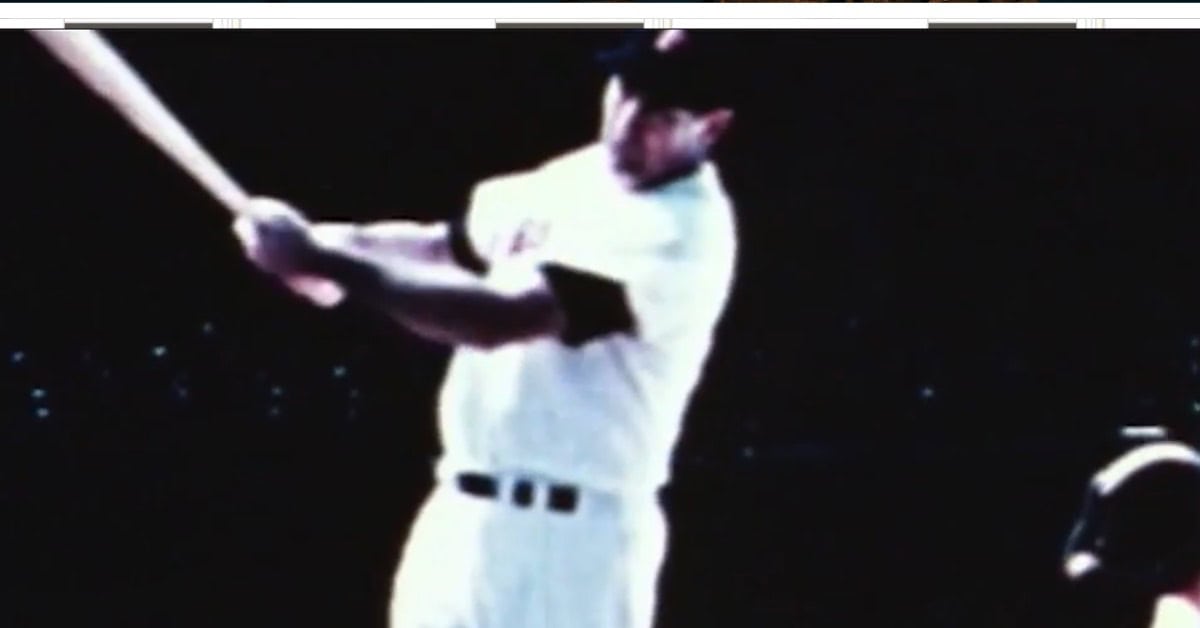
If Williams had been able to play those five seasons at a healthy pace, chances are good he would have knocked at the door of Ruth’s home run totals, among other things. He was so spectacular that people take it as a given.
3. His Home Run on the Final At-Bat Was Pure Hollywood
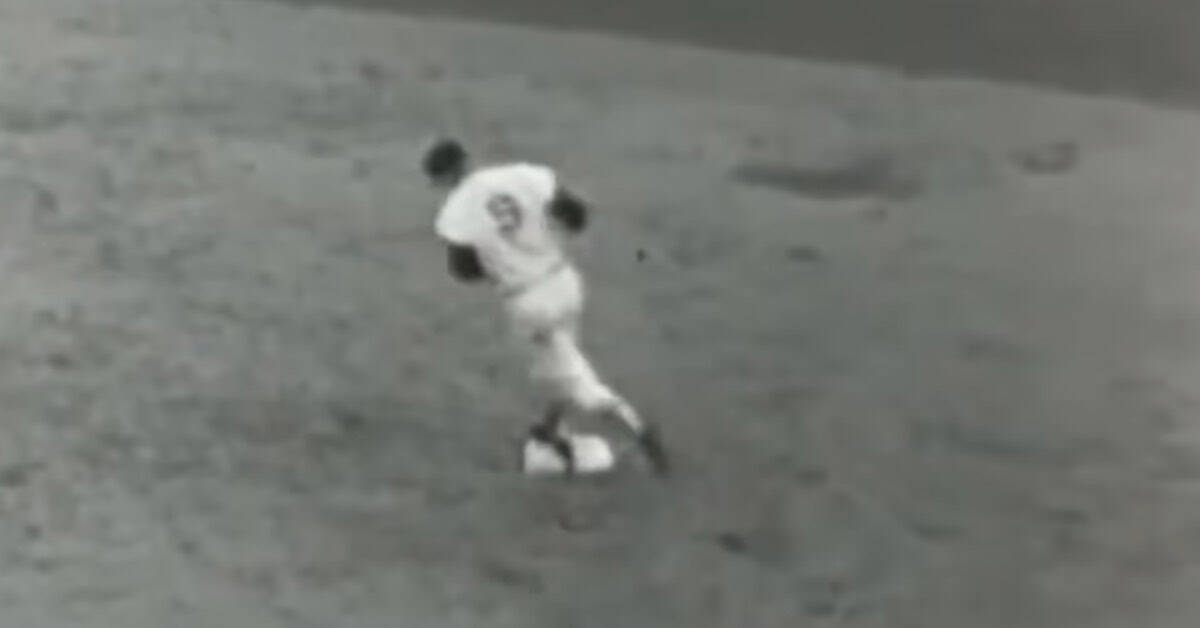
September 28, 1960: Williams stepped to the plate for the final time and launched a home run into the Fenway twilight, refusing to tip his cap as he circled the bases one last time. It was the perfect ending to an imperfect career, a moment so cinematically perfect that Hollywood couldn’t have scripted it better. The kid from San Diego went out exactly as he lived—on his own terms, with his bat doing all the talking.
2. The Science of Hitting Book That’s Still Gospel 50 Years Later
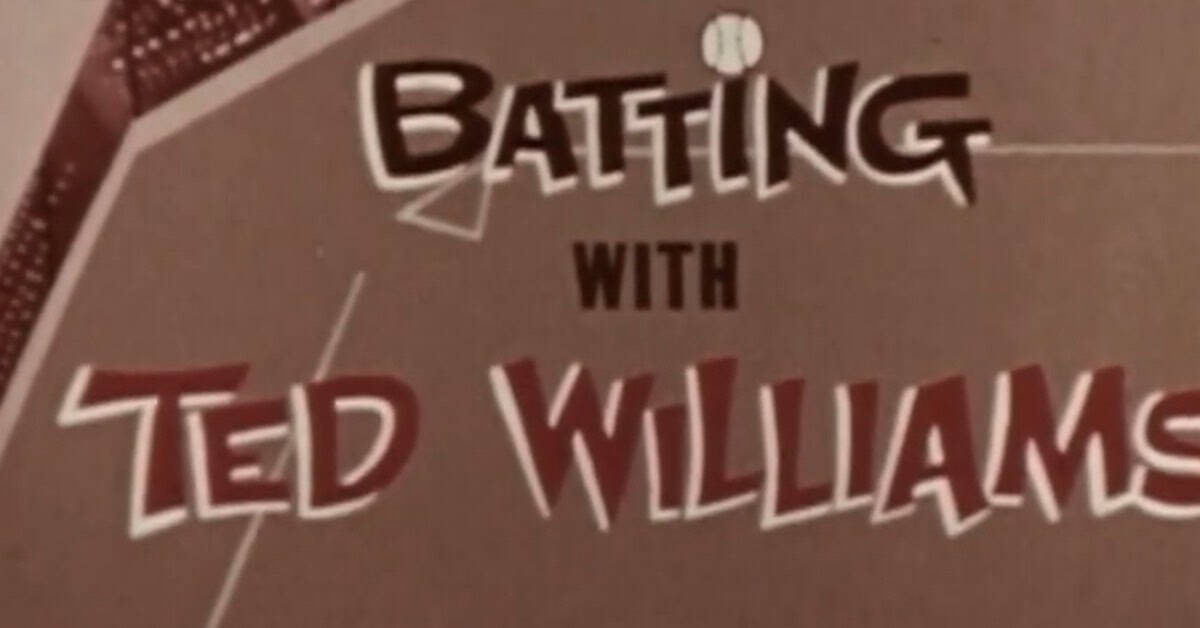
Williams’ hitting manual remains the definitive guide to offensive baseball, studied by everyone from Little Leaguers to Hall of Famers. His insights into mechanics, mental approach, and situational hitting were decades ahead of their time, proving that true genius transcends eras. The book reads like a masterclass from the greatest professor of hitting who ever lived. He would even do instructional videos like the one pictured above.
1. He’s Still Long Remembered After His Final Game and Death
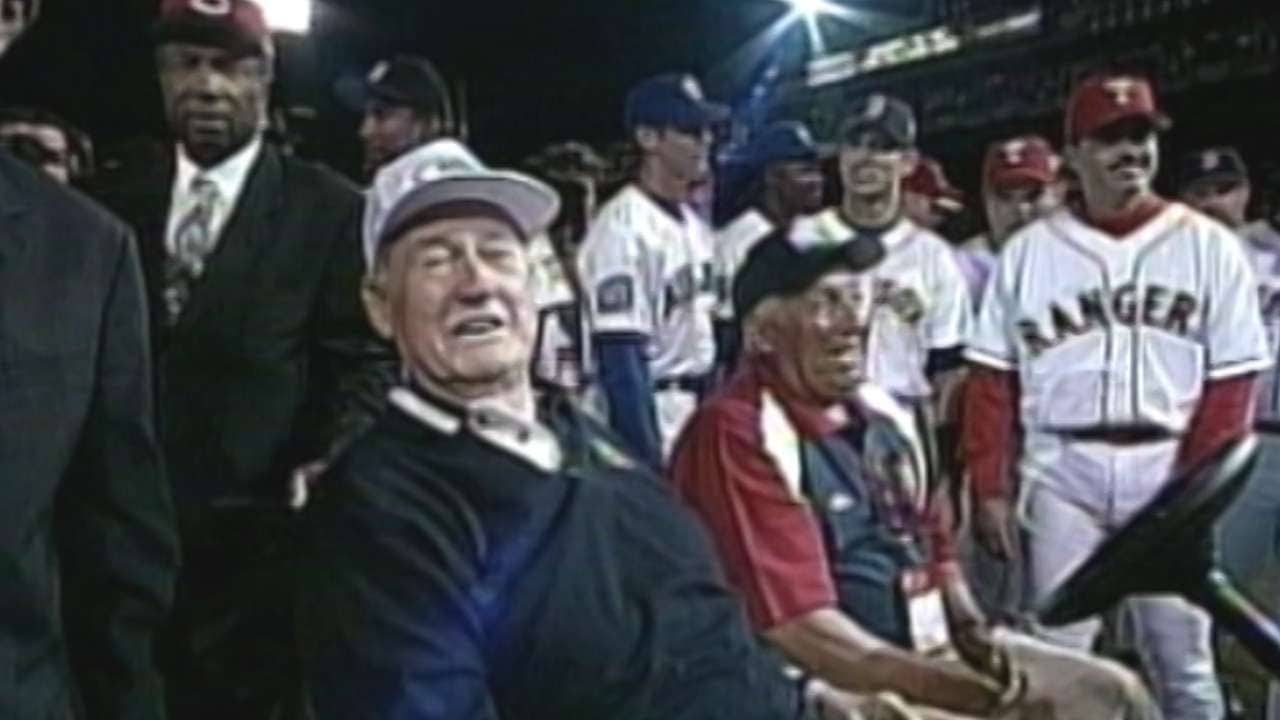
Some players are so great that their legacy remains strong long after they have swung the bat for the last time and breathed their final breath. Mention Teddy Ballgame to anyone in Boston, and their eyes will light up. They hold him in the same reverence as Big Papi. That’s leaving quite a mark on the game.