
Last Updated: June 17th, 2026 by Matthew Brown
Before Ted Williams became the Splendid Splinter, before he walked more than Babe Ruth and hit .406 in 1941, he was just another kid learning the ropes in a Boston Red Sox clubhouse filled with characters who could have stepped out of a Norman Rockwell painting. These weren’t just teammates—they were the grizzled veterans, scrappy underdogs, and unsung heroes who shared the field with baseball’s greatest hitter during an era when the game still smelled like tobacco juice and leather gloves.
Don't lose this article. Enter your email below, and I'll send it to you right now. Plus, we'll send you other unbelievable stories from baseball's past.
Bobby Doerr: The Gentleman Second Baseman Who Never Swore
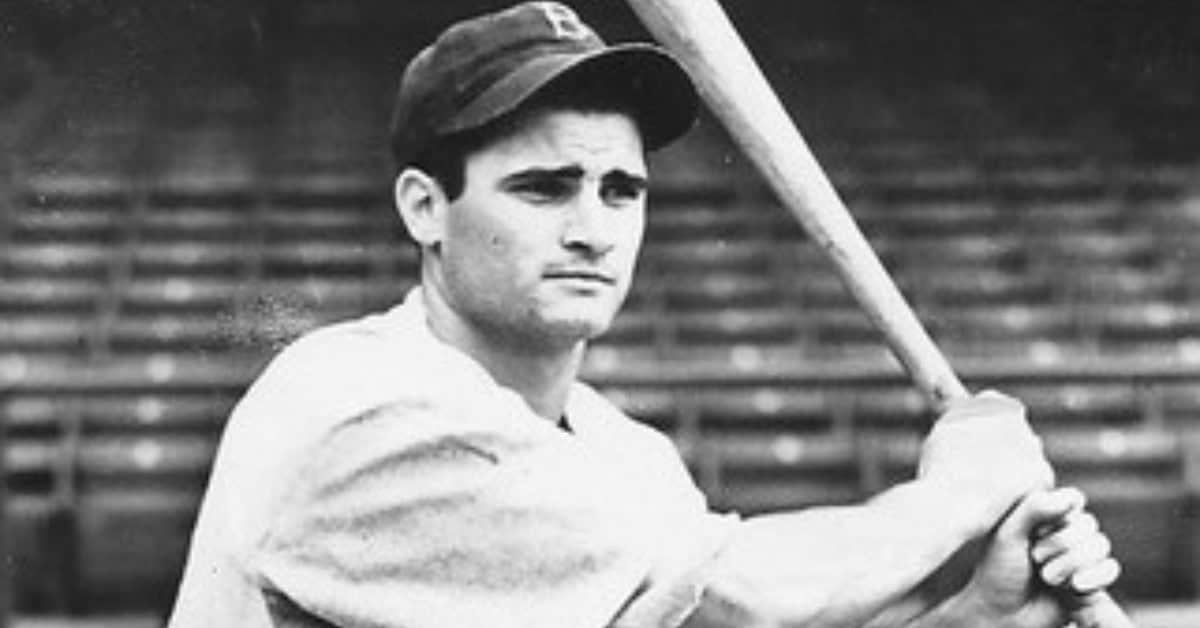
Bobby Doerr was the kind of ballplayer your grandmother would have invited to Sunday dinner—polite, dependable, and so clean-cut he made milk seem edgy. Playing second base with the precision of a Swiss watchmaker, Doerr anchored the Red Sox infield for 14 seasons while never uttering a curse word, even when he booted a double-play ball. Ted Williams once said Doerr was the best teammate he ever had, which, coming from the notoriously prickly Splinter, was like receiving a papal blessing.
Dom DiMaggio: The Little Professor in Ted’s Shadow
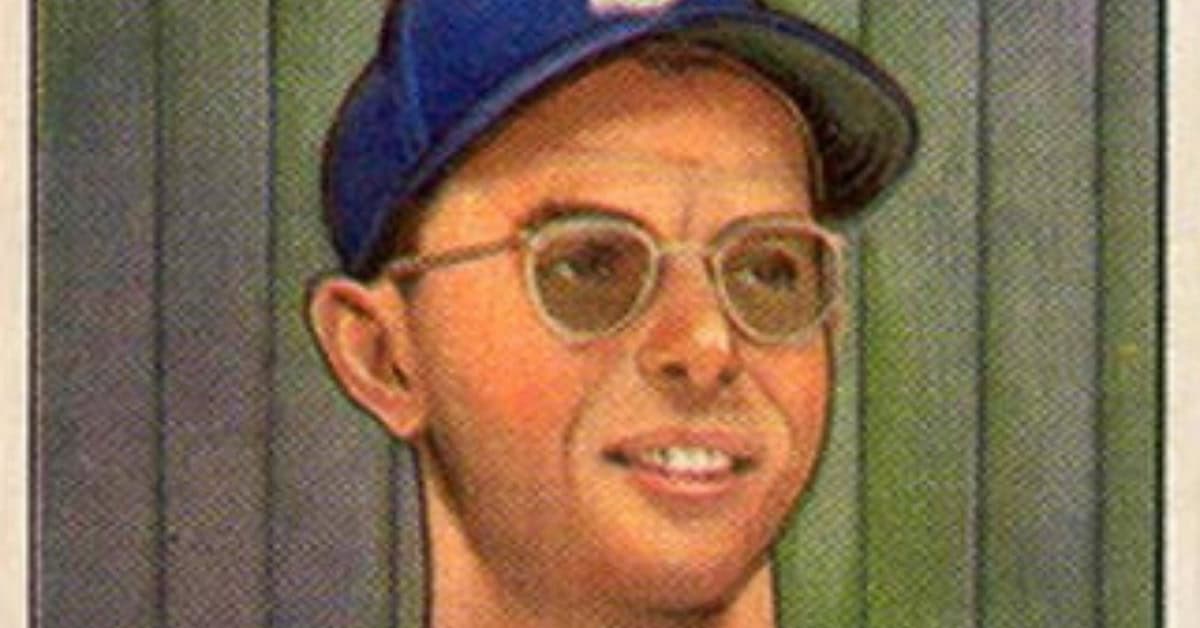
While his brother Joe was conquering New York and Marilyn Monroe’s heart, Dom DiMaggio was quietly patrolling center field at Fenway with the studious intensity of a librarian cataloging rare books. The Little Professor, as he was known, wore thick glasses that fogged up in the humid Boston summers but never missed a fly ball that mattered. Playing alongside Williams meant Dom rarely made headlines, but he was the steady heartbeat of those Red Sox teams, the kind of player who made everyone around him better simply by showing up every day.
Johnny Pesky: The Needle Who Held Down the Hot Corner
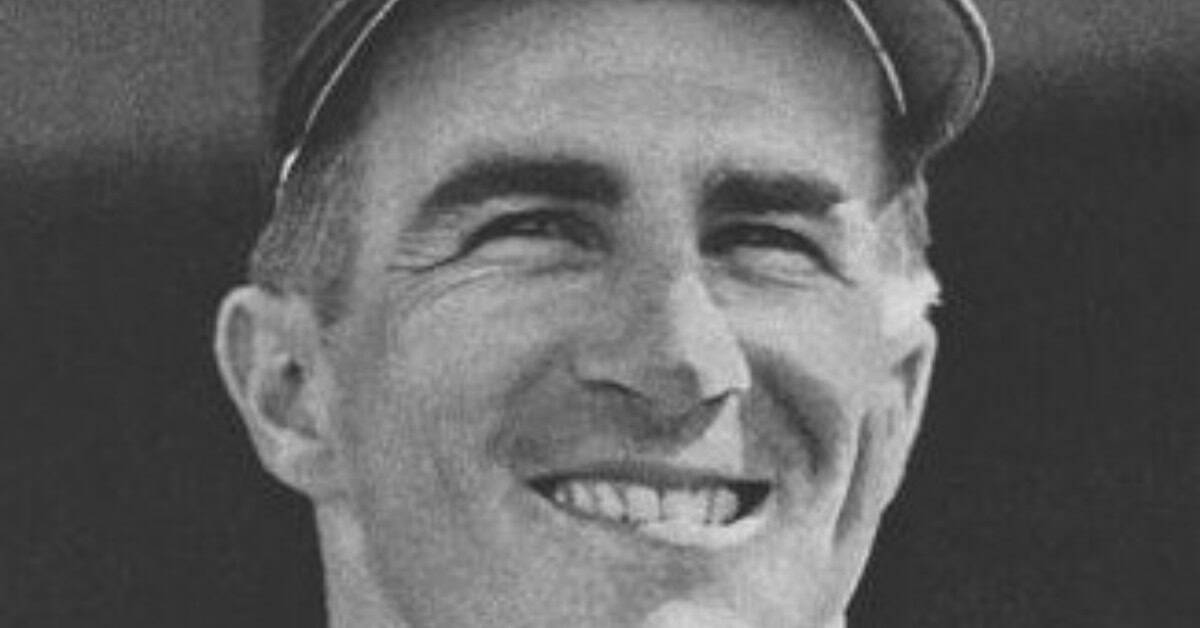
Johnny Pesky was built like a jockey but played baseball like a man twice his size, earning the nickname “The Needle” for his ability to thread line drives through the smallest gaps in the defense. At 5’9″ and 168 pounds soaking wet, Pesky looked like he belonged in a newsboy cap selling papers on the corner, but he could turn a double play with the grace of Fred Astaire and hit .300 with metronome-like regularity. Williams loved Pesky’s scrappy determination and the way he never backed down from a challenge, even when facing pitchers who could have used him as a toothpick.
Vern Stephens: The Shortstop Who Out-RBI’d Williams
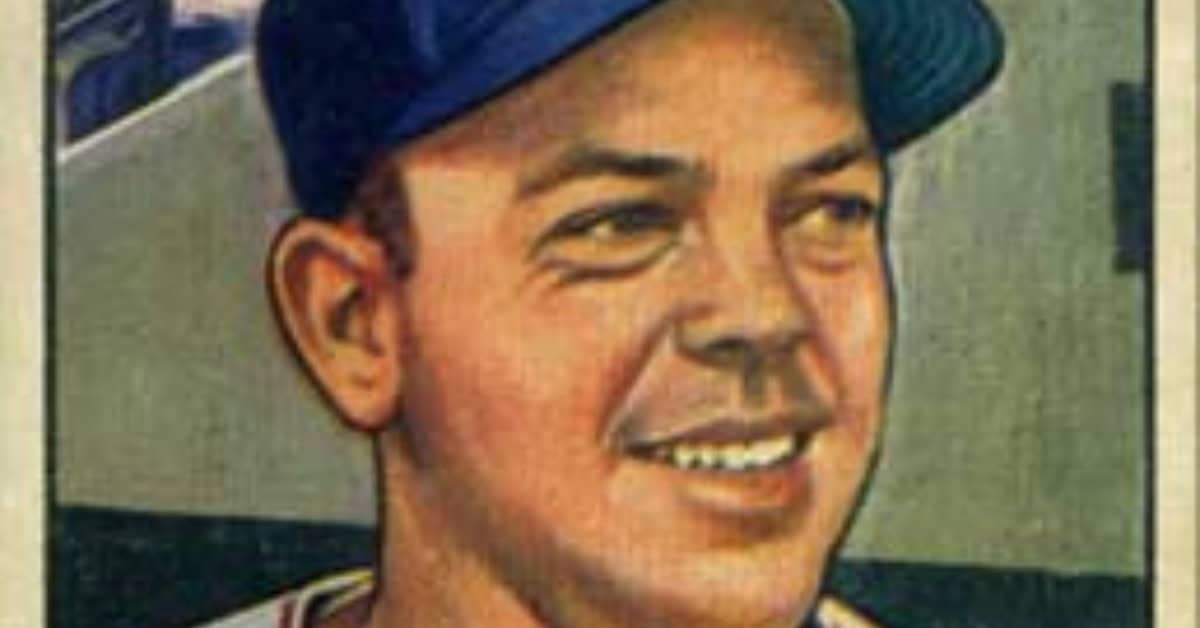
Vern Stephens was the kind of ballplayer who looked like he could have been bouncing troublemakers out of a speakeasy between innings, with forearms like tree trunks and a swing that could turn a baseball into sawdust. In 1949 and 1950, this powerhouse shortstop actually drove in more runs than Ted Williams—a feat roughly equivalent to out-singing Frank Sinatra at a nightclub. Stephens brought a blue-collar toughness to the Red Sox that perfectly complemented Williams’ artistic approach to hitting, proving that sometimes the best supporting actors steal scenes from the leading man.
Billy Goodman: The Utility Man Who Won a Batting Title
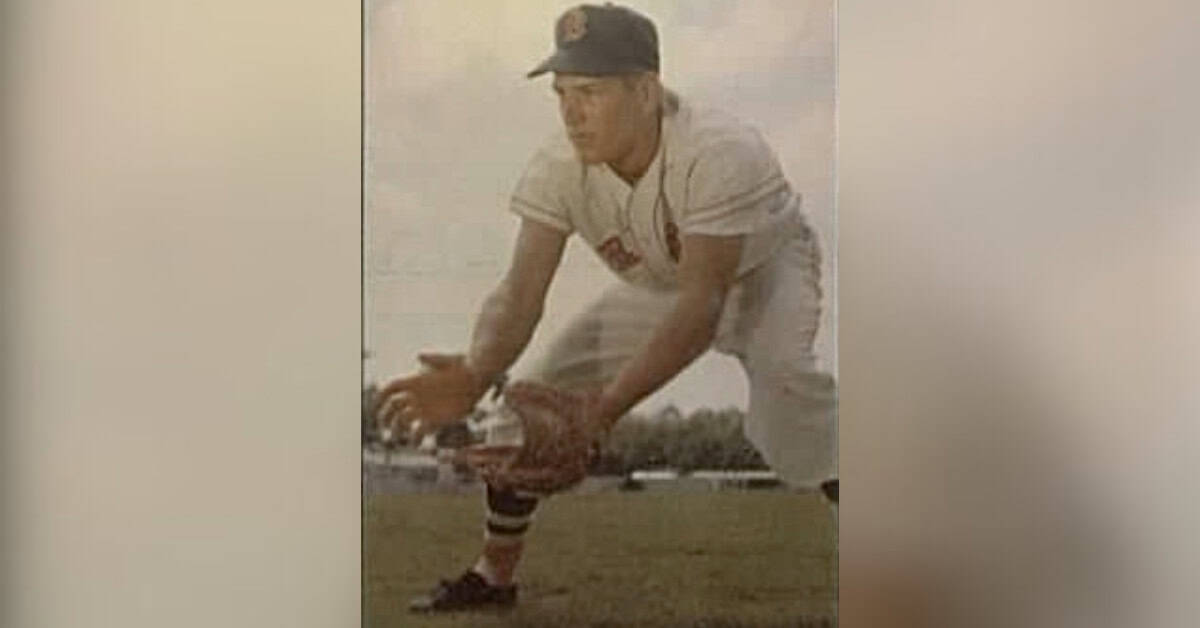
Billy Goodman was baseball’s equivalent of a Swiss Army knife—capable of playing any position except pitcher and catcher, and probably could have handled those too if you’d asked nicely. In 1950, this unassuming utility man shocked the baseball world by winning the American League batting title with a .354 average, becoming the only player ever to capture the crown without a regular starting position. Goodman was the kind of player who made hitting look as easy as buttering toast, slapping singles and doubles with the casual efficiency of a short-order cook working the breakfast rush.
Walt Dropo: The Moose Who Made Fenway Tremble
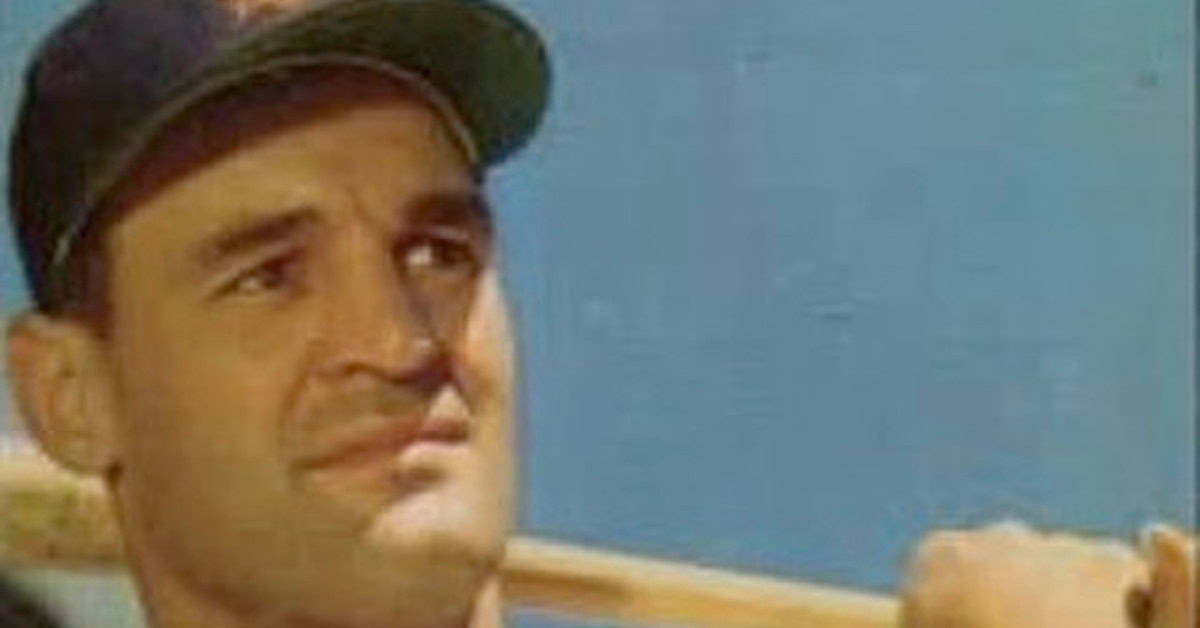
At 6’5″ and 220 pounds, Walt Dropo was built like a lumberjack who’d wandered onto a baseball field by mistake, earning the nickname “The Moose” for his imposing presence and tendency to make the ground shake when he walked. When Dropo connected with a fastball, it sounded like a cannon going off, and opposing pitchers would instinctively duck even from 60 feet away. Playing first base alongside Williams meant Fenway Park regularly hosted a two-man home run derby, with fans never knowing whether the next blast would come from the left side of the plate or the right.
Ellis Kinder: The Old Folks Who Threw Smoke Past Midnight
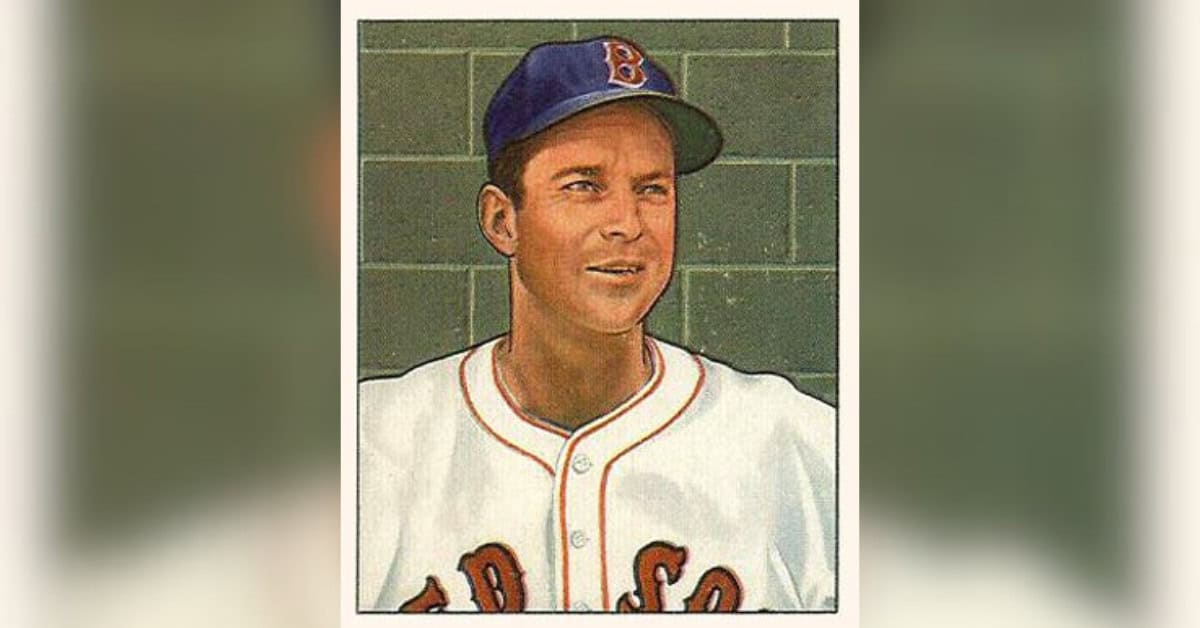
Ellis Kinder earned his nickname “Old Folks” not because he was ancient, but because he pitched with the cunning wisdom of someone who’d seen every trick in the book and invented a few of his own. This crafty pitcher could make a baseball sink and dive, leaving opposing batters swinging at air while muttering under their breath about impossible physics. Kinder was the kind of pitcher who thrived in pressure situations, working late into games with the calm demeanor of a man solving crossword puzzles in his pajamas.
Mel Parnell: The Lefty Who Mastered the Monster
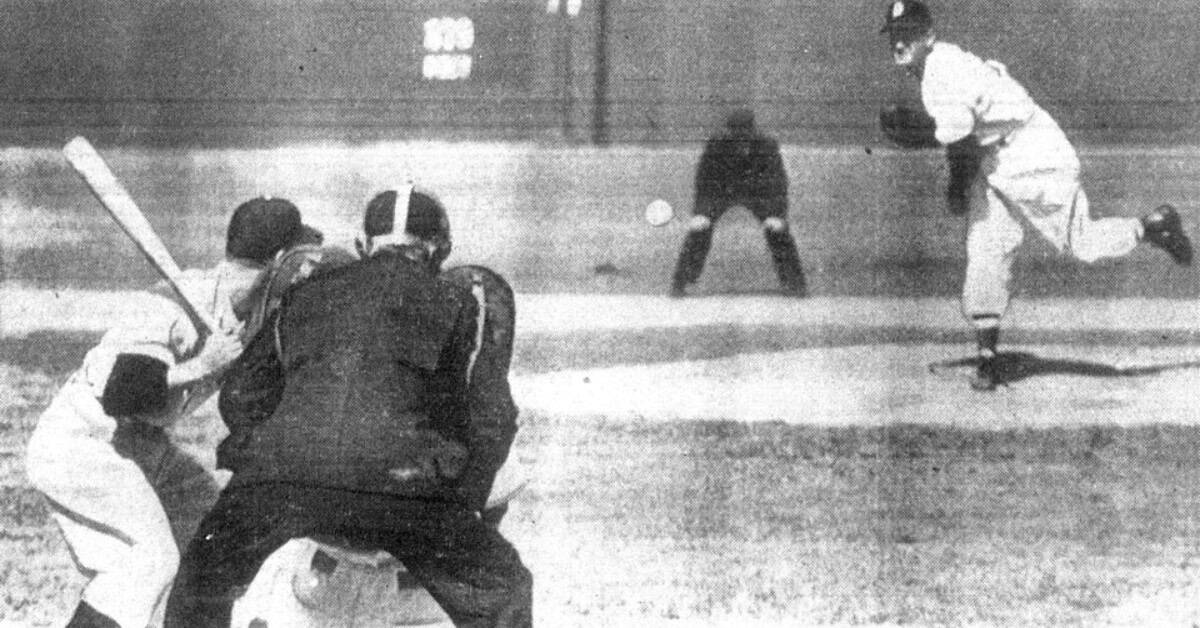
Mel Parnell was the rare left-handed pitcher who actually enjoyed pitching at Fenway Park, treating the Green Monster like a dance partner rather than a mortal enemy. While other southpaws would break out in cold sweats just thinking about that 37-foot wall, Parnell learned to use it to his advantage, painting the corners with the precision of a house painter and inducing weak pop-ups that would have been home runs in any other ballpark. Watching Parnell work was like observing a chess master who happened to throw a baseball for a living.
Jackie Jensen: The Football Star Who Feared Flying
Jackie Jensen was tough enough to play football at the University of California and fearless enough to drive in 100 runs three times for the Red Sox, but put him on an airplane and he’d turn white as a sheet and grip his armrest like he was hanging off a cliff. This former Rose Bowl hero brought a football player’s mentality to right field, attacking fly balls with the same intensity he once showed pursuing quarterbacks. Jensen’s fear of flying eventually contributed to his early retirement, proving that even the bravest athletes have their kryptonite.
Frank Malzone: The Glove Wizard at the Hot Corner
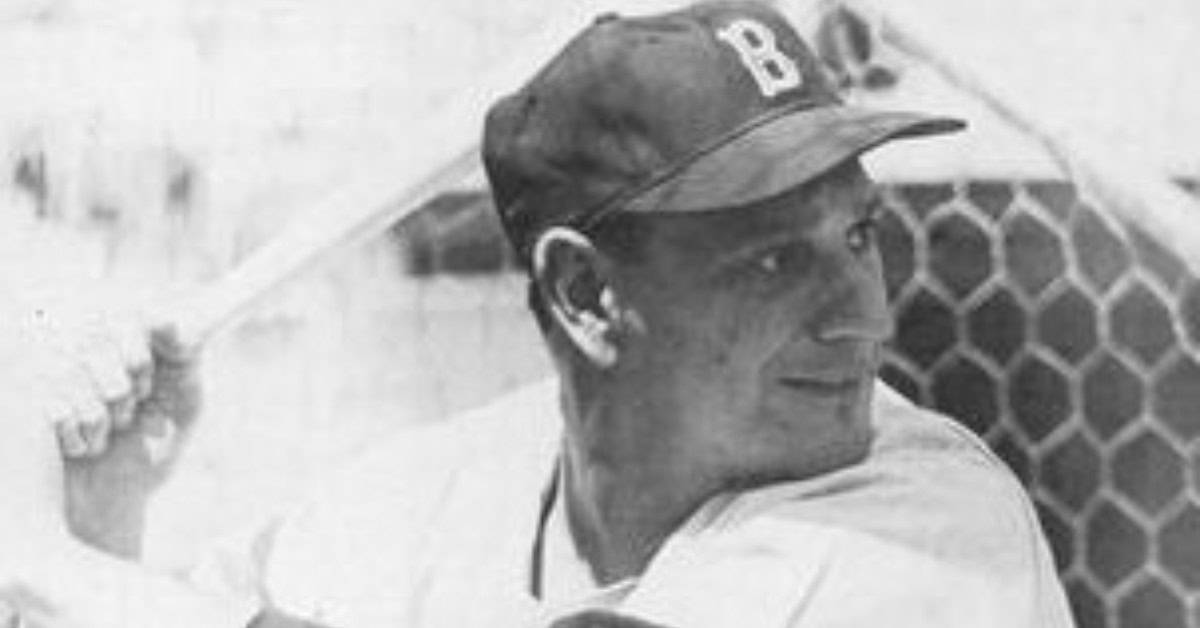
Frank Malzone played third base like he had springs in his legs and magnets in his glove, making impossible plays look as routine as catching a newspaper thrown from a delivery truck. This defensive wizard could backhand a screaming line drive, spin like a ballet dancer, and fire a strike to first base all in one fluid motion that would have made Mikhail Baryshnikov jealous. Malzone was the kind of player who saved more runs with his glove than most teammates drove in with their bats, providing the defensive backbone that allowed Williams to focus on what he did best.
Lefty Grove: The Fireballer Who Terrorized Batters
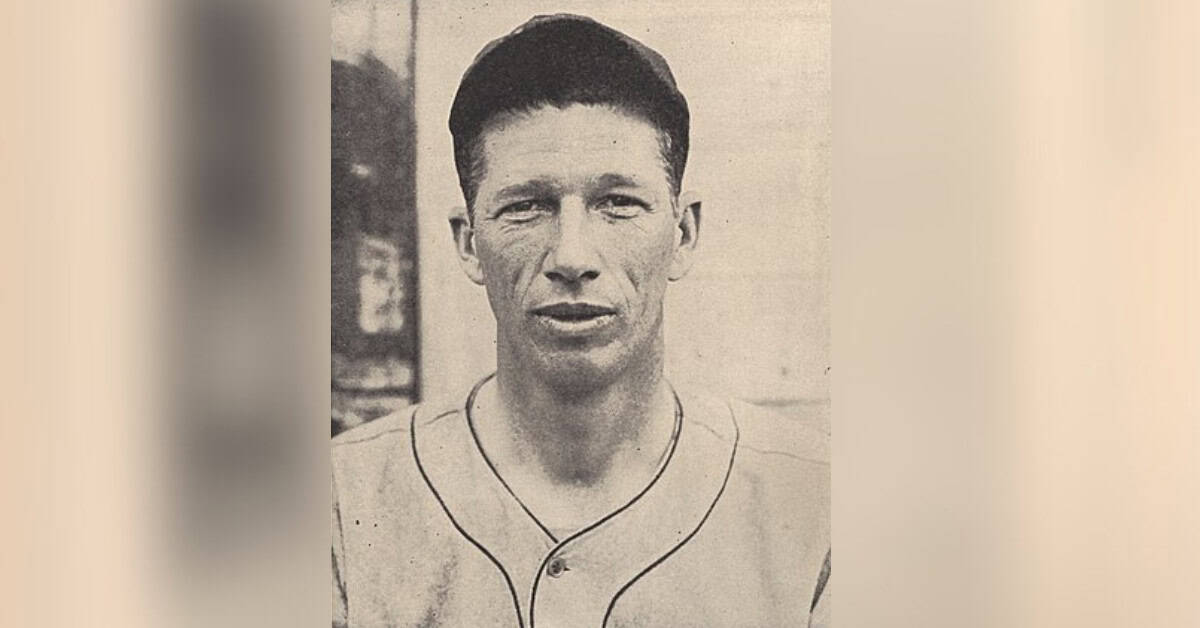
By the time Lefty Grove reached Boston, he was already a legend with a fastball that had terrorized American League hitters for over a decade, but he still had enough left in his arm to teach a young Ted Williams about the art of intimidation. Grove pitched with the controlled fury of a man who took personal offense to every hit allowed, glowering at batters like they’d insulted his mother and throwing strikes with the precision of a master craftsman. Having Grove as a teammate meant Williams got to witness greatness up close, watching a Hall of Fame pitcher work his magic during the twilight of one of baseball’s most dominant careers.
Birdie Tebbetts: The Catcher Who Called Williams’ Shots
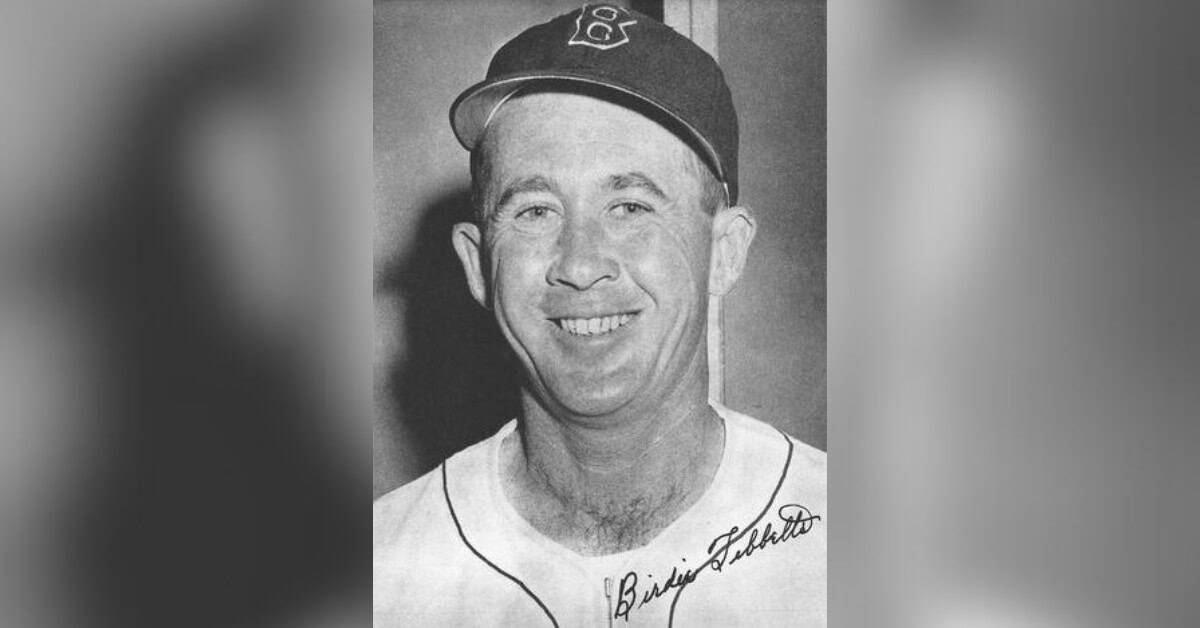
Birdie Tebbetts was the kind of catcher who could have talked a fish out of water, using his gift of gab to distract opposing batters while simultaneously calling a game with the strategic mind of a chess grandmaster. This scrappy backstop earned his nickname not for any resemblance to our feathered friends, but for his ability to chirp constantly from behind the plate, keeping up a running commentary that could rattle even the most focused hitters. Tebbetts was Williams’ personal battery mate during batting practice, the man who knew exactly where Ted liked his pitches and could deliver them with the consistency of a vending machine.
Joe Cronin: The Player-Manager Who Handled the Splinter
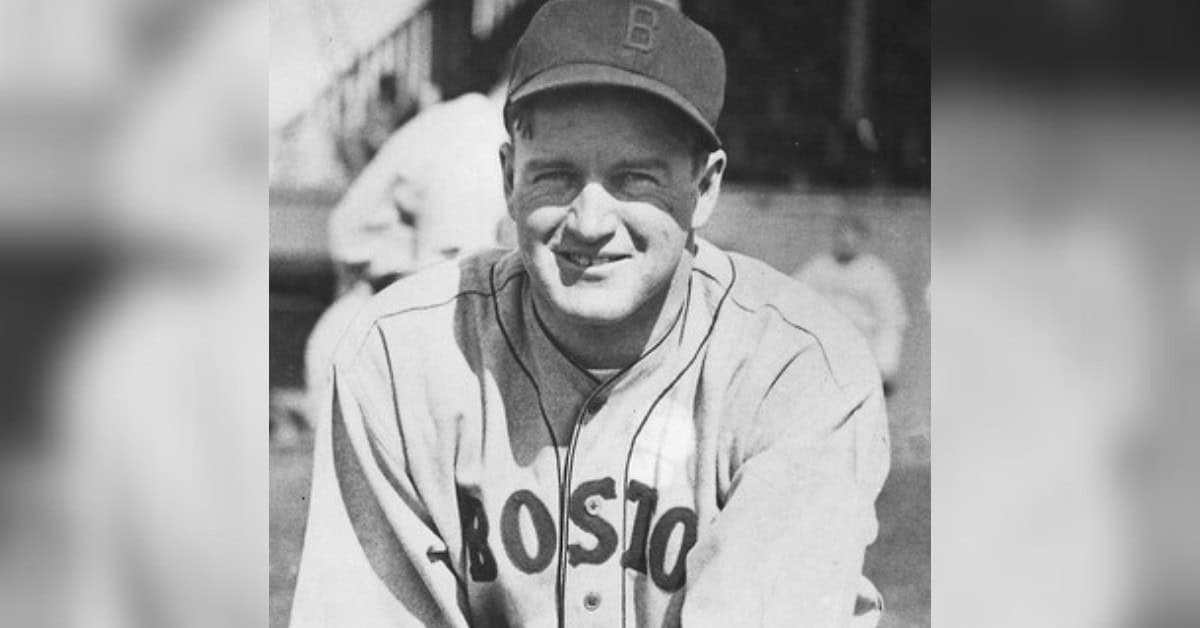
Joe Cronin was the rare manager who could still turn a double play while calling the shots from the dugout, serving as both shortstop and skipper during Ted Williams’ early years with a combination of Irish toughness and diplomatic finesse. Managing Williams was like trying to direct a hurricane—you couldn’t control it, but you could try to point it in the right direction and hope for the best. Cronin had the perfect temperament for handling baseball’s most talented and temperamental star, knowing when to push and when to let Ted be Ted, a skill that probably deserved its own section in the manager’s handbook.
Sammy White: The Backstop Who Caught Lightning
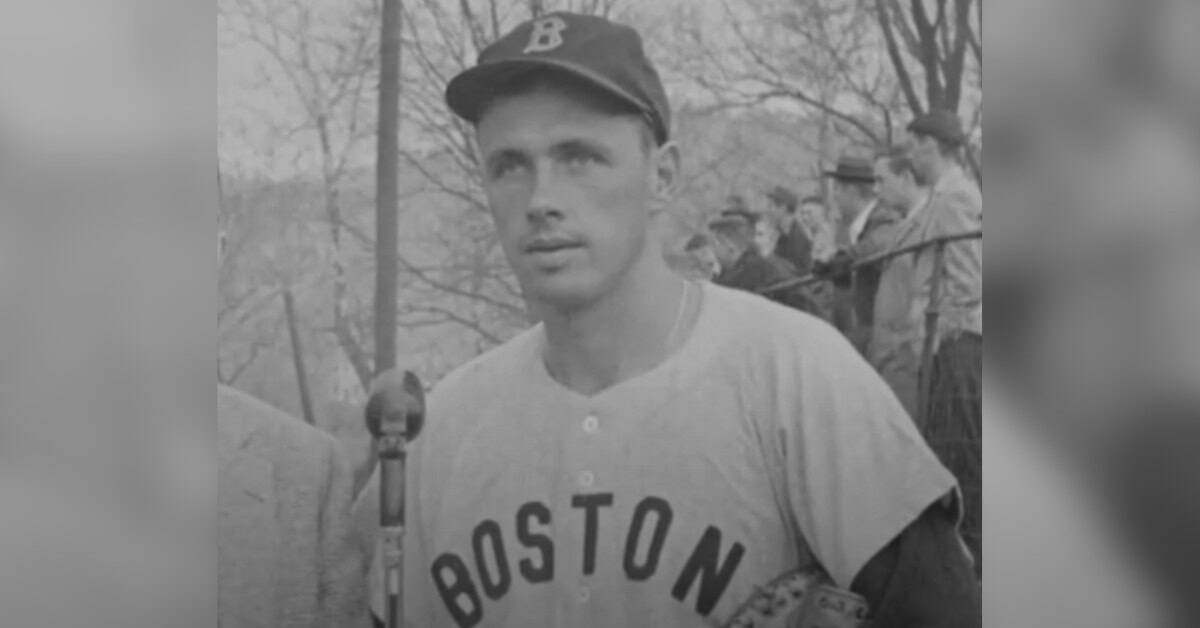
Sammy White was the kind of catcher who made pitchers feel like they were throwing to a brick wall with a brain, combining the durability of a tank with the intelligence of a field general. This steady backstop spent over a decade crouched behind home plate at Fenway, calling games with the calm authority of a traffic cop directing rush hour traffic. White had the unenviable task of catching for a pitching staff that often relied on finesse rather than power, requiring the kind of game-calling precision that would have made a symphony conductor proud.
Dave Ferriss: The Arm That Carried Boston to the ’46 World Series
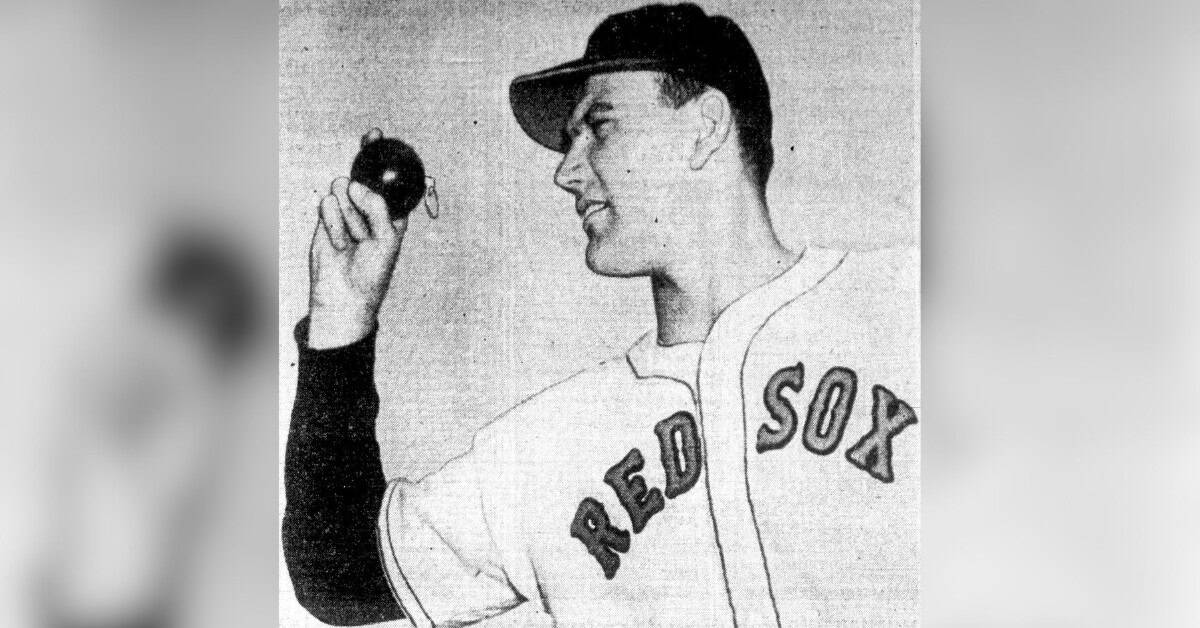
Dave Ferriss went 25-6 that magical season, his fastball cutting through American League lineups like a scythe through summer wheat. While Ted Williams was busy hitting .342 and making opposing pitchers sweat, Ferriss was the steady hand that kept Boston’s pennant dreams alive, winning games with the kind of methodical precision that reminded old-timers of Christy Mathewson. When the Red Sox finally clinched their first pennant since 1918, it was Ferriss who had thrown more innings than any other pitcher on the staff, his Mississippi drawl becoming as familiar to Fenway faithful as the crack of Williams’ bat.
Pete Runnels: The Contact Hitter Who Made It Look Easy
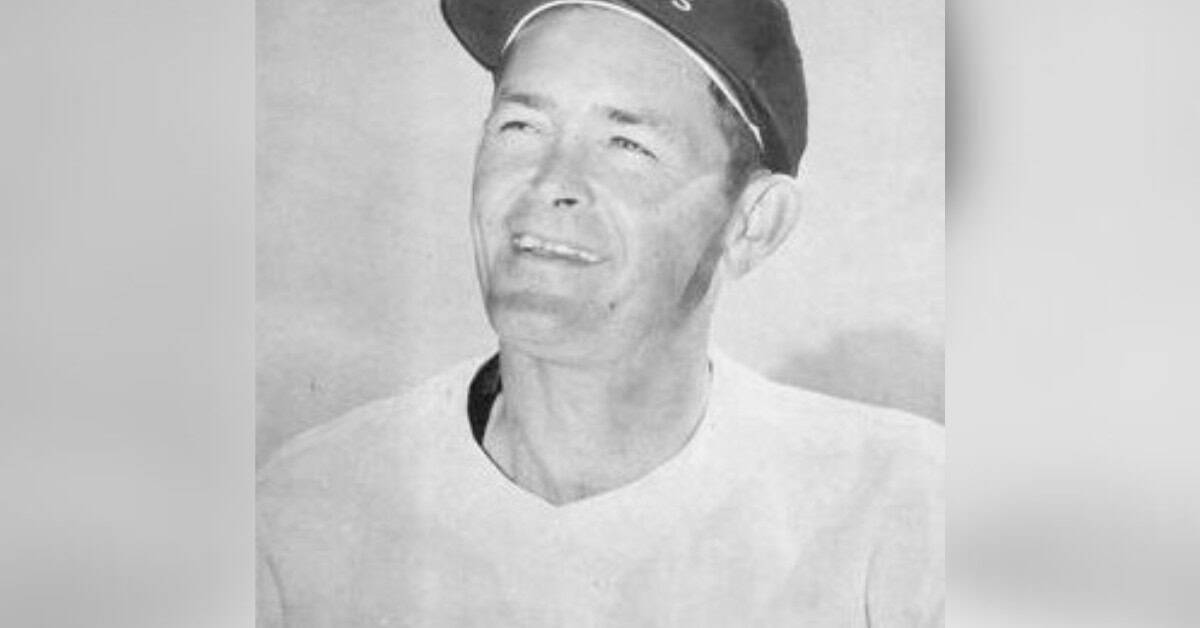
Pete Runnels swung a bat like he was conducting a string quartet, with the kind of smooth, effortless stroke that made hitting .300 look as natural as breathing. This left-handed contact artist won two American League batting titles during his time with the Red Sox, proving that while Williams was the master of the long ball, Runnels was the poet of the base hit. Watching Runnels work was like observing a craftsman who had perfected his trade through years of patient practice, turning at-bats into small works of art that opposing pitchers could admire even as they cursed under their breath.
Jim Piersall: The Centerfielder Who Ran Backwards
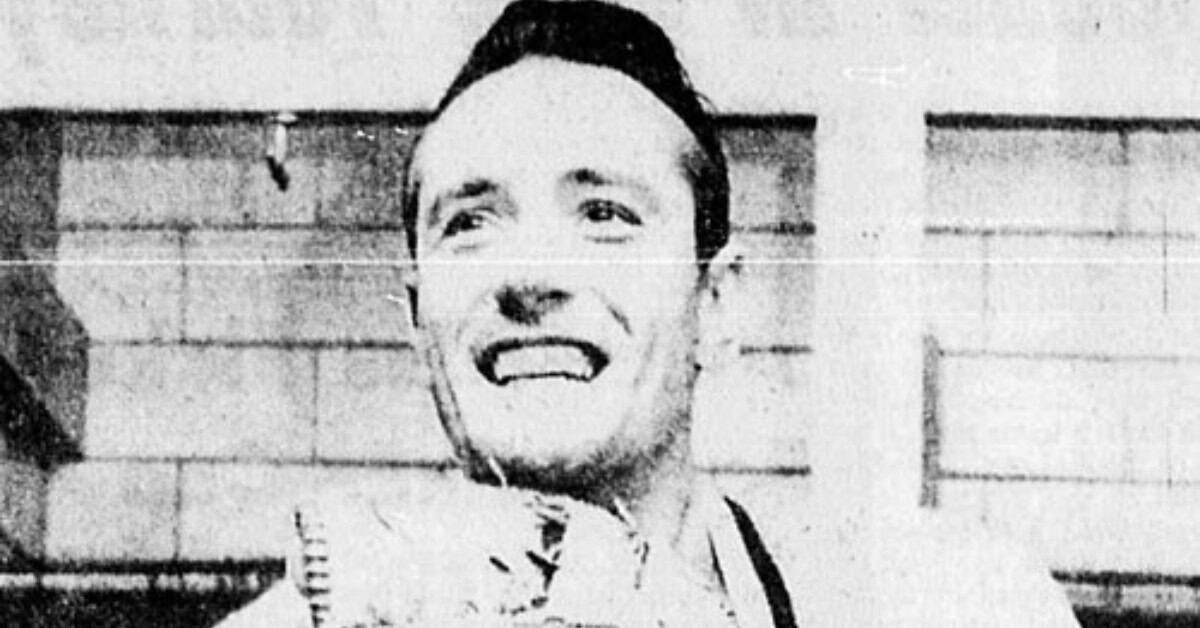
Jim Piersall was the kind of player who could make you forget about Ted Williams for a few innings, which was roughly equivalent to making people forget about the sun during a solar eclipse. This acrobatic centerfielder celebrated his 100th career home run by running the bases backwards, a stunt that perfectly captured his unique blend of athleticism and showmanship. Piersall brought a carnival atmosphere to baseball, proving that the game could be both serious and silly, often within the same inning.
Harry Agganis: The Golden Greek Who Left Too Soon
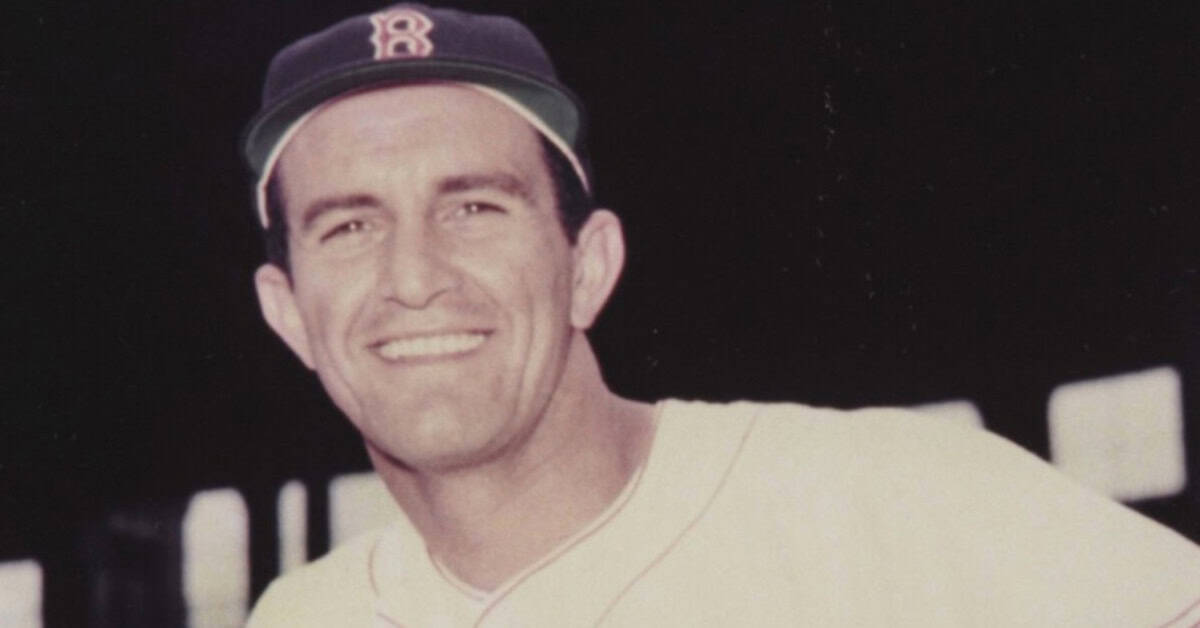
Harry Agganis was the kind of athlete who seemed destined for greatness from the moment he stepped onto a playing field, earning the nickname “The Golden Greek” for his combination of classical good looks and natural athletic ability. This Boston University football star turned first baseman was just beginning to show his potential in the major leagues when tragedy struck in 1955, cutting short a career that many believed could have rivaled Williams’ own. Agganis represented the heartbreaking reminder that talent and promise don’t always translate into long careers, making his brief time alongside Williams all the more precious.
Pumpsie Green: The Barrier-Breaker Who Came Too Late
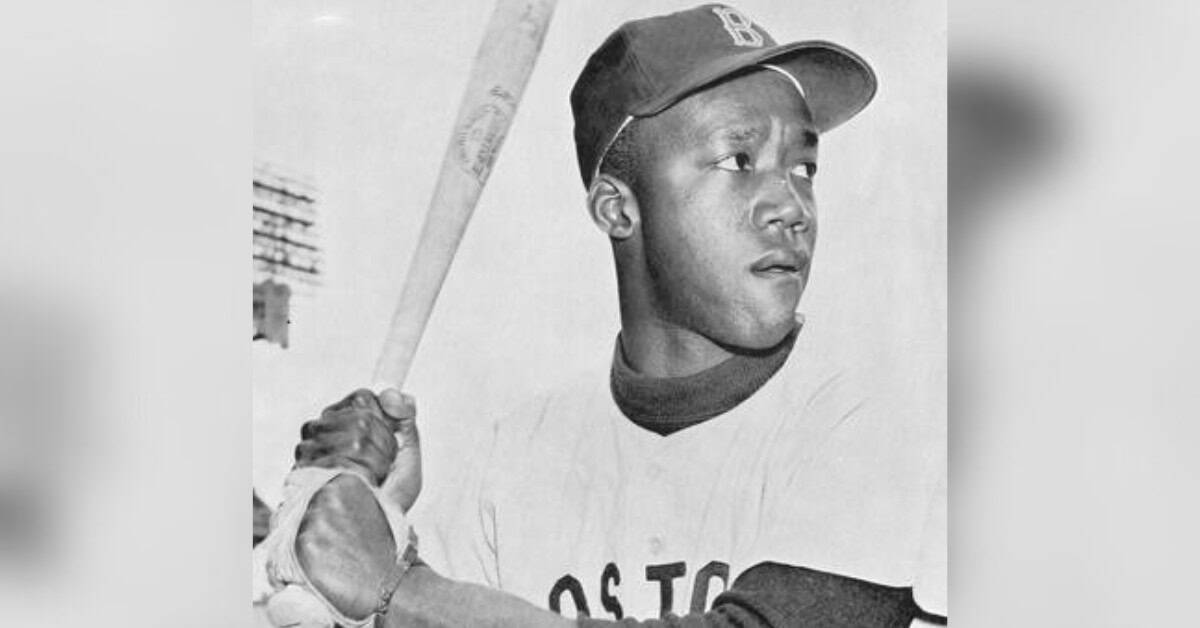
Pumpsie Green carried the weight of history on his shoulders when he became the first Black player to suit up for the Boston Red Sox in 1959, breaking the color barrier for the last major league team to integrate. This soft-spoken infielder from California had the unfortunate distinction of joining a franchise that had waited far too long to embrace change, arriving just as Williams was entering the twilight of his career. Green’s presence represented both progress and regret—progress for finally opening the clubhouse doors, and regret for all the talented players who had been denied the opportunity to play alongside the greatest hitter who ever lived.
Jimmie Foxx: The Beast Who Taught Ted About Power
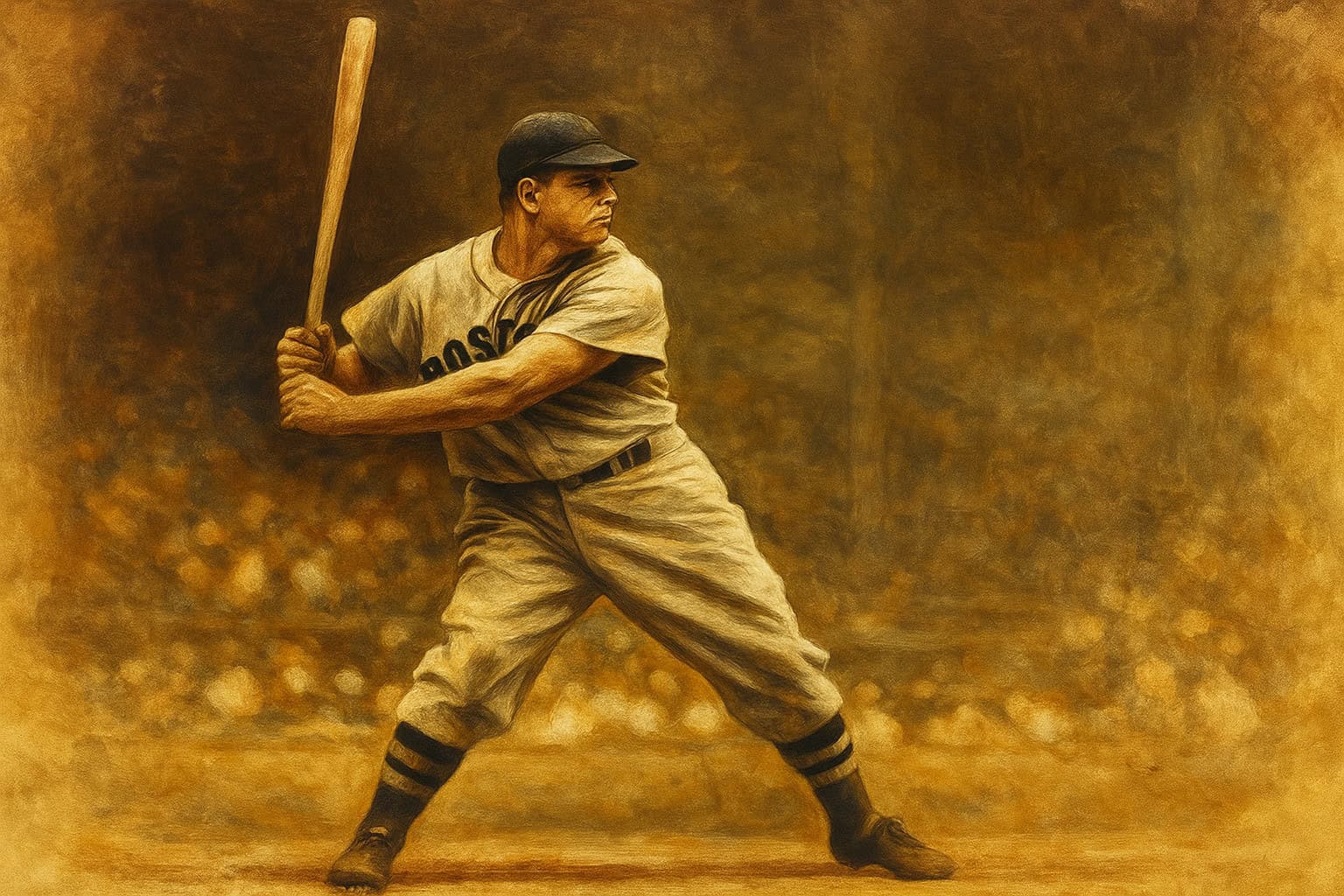
Jimmie Foxx was already a legend when young Ted Williams arrived in Boston, a man whose home runs had been rattling ballpark windows for over a decade and whose massive forearms looked like they belonged on a dock worker rather than a baseball player. The Beast, as he was known, took the rookie Williams under his wing and taught him the finer points of hitting for power, sharing secrets that had helped him become only the second player in history, after Babe Ruth, to hit 500 home runs. Watching Foxx work was like getting a master class in controlled violence, as this gentle giant could turn a baseball into a white blur with a swing that seemed almost casual in its devastating effectiveness.