

Last Updated: June 17th, 2026 by Matthew Brown
The 1950s were baseball’s golden age of dynasties, when heroes wore flannel uniforms and championship rings came with the sweet smell of cigarette smoke drifting through stadium corridors. These twenty champions didn’t just win World Series—they defined an era when baseball was America’s undisputed pastime and October magic felt as real as the crack of ash against horsehide. From the Bronx to Brooklyn to Milwaukee, these legends turned autumn into appointment television before anyone knew what that meant.
Don't lose this article. Enter your email below, and I'll send it to you right now. Plus, we'll send you other unbelievable stories from baseball's past.
Mickey Mantle: The Commerce Comet’s Tape-Measure October Magic
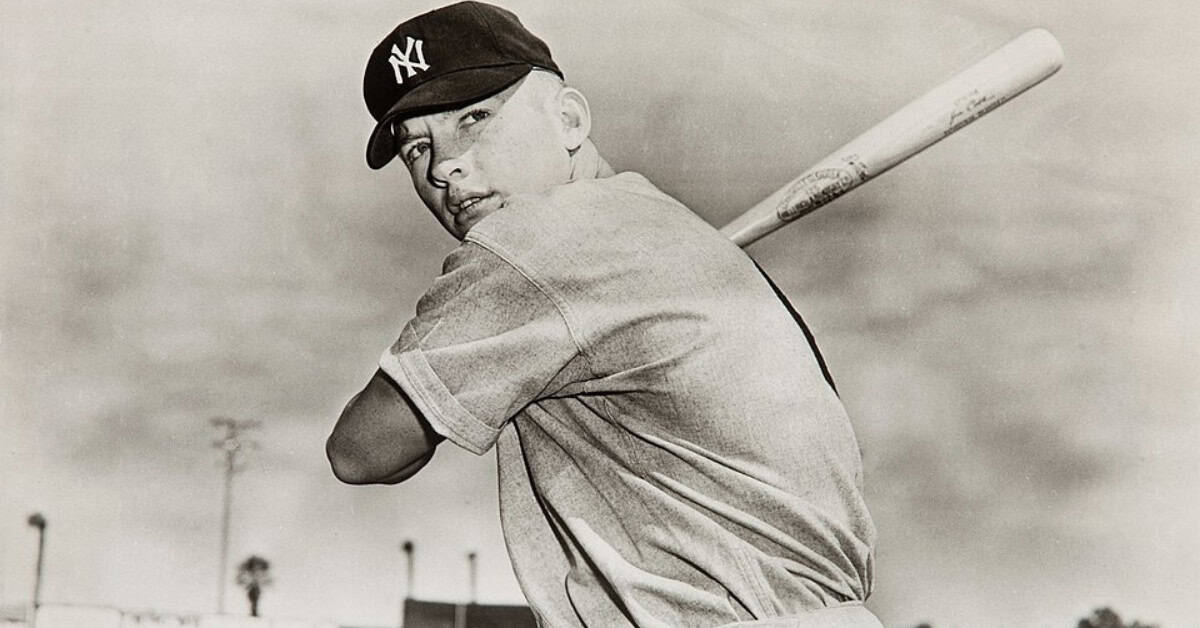
Mickey Mantle’s switch-hitting power and blazing speed helped the Yankees win six World Series championships in the 1950s, establishing him as the decade’s most electrifying performer. The Commerce Comet’s tape-measure home runs became the stuff of legend, with distances that seemed to grow longer with each retelling in neighborhood barbershops. Mantle’s combination of raw power and boyish charm made him the perfect symbol of 1950s optimism, when anything seemed possible and heroes still signed autographs for free.
Lew Burdette: The Spitball Artist’s World Series Masterpiece
Lew Burdette’s three complete-game victories in the 1957 World Series helped Milwaukee capture their only championship, with a repertoire that included every pitch except the one batters expected. The crafty right-hander’s alleged spitball became the subject of endless debate, though he always claimed his success came from “perspiration, not expectoration.” Burdette’s World Series MVP performance proved that guile and determination could triumph over pure talent, a lesson that resonated in an era when hard work still guaranteed success.
Carl Furillo: The Reading Rifle’s Right Field Rocket Arm
Carl Furillo’s cannon arm in right field and clutch hitting helped Brooklyn win their only World Series championship in 1955, making him a beloved figure in a borough that lived and died with the Dodgers. The Reading Rifle’s ability to play Ebbets Field’s tricky right field wall like a pinball wizard made him indispensable to Brooklyn’s success. Furillo’s blue-collar work ethic and fierce loyalty to his teammates embodied the spirit of 1950s Brooklyn, where neighborhood pride ran deeper than blood.
Hoyt Wilhelm: The Knuckleball Wizard’s Dancing October Magic
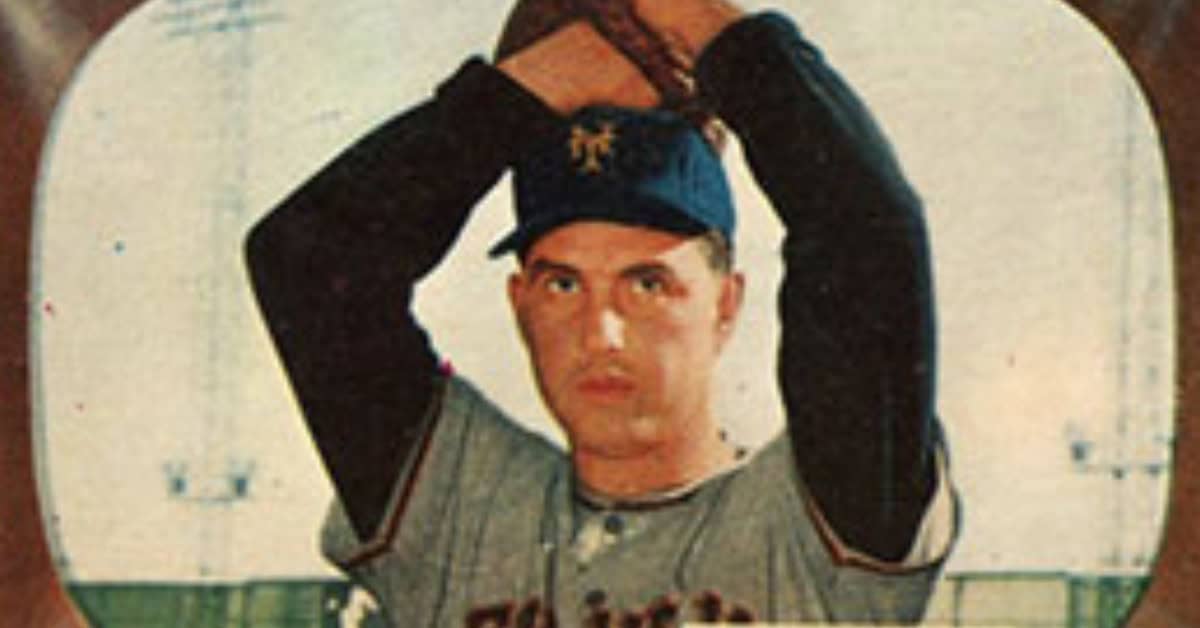
Hoyt Wilhelm’s dancing knuckleball helped the New York Giants win the 1954 World Series, baffling hitters with a pitch that seemed to defy the laws of physics. The tall right-hander’s butterfly pitch floated through the strike zone like a soap bubble in a gentle breeze, impossible to predict and even harder to hit. Wilhelm’s success with baseball’s most mysterious pitch proved that in the 1950s, when television was still black and white, magic could happen in broad daylight.
Johnny Podres: The Brooklyn Kid Who Delivered the Promised Land

Johnny Podres’ Game 7 shutout victory in the 1955 World Series finally brought a championship to Brooklyn, ending decades of heartbreak with a performance that made grown men weep in the streets. The left-hander’s 2-0 victory over the Yankees, just days after his 23rd birthday, became the stuff of borough legend, celebrated in every candy store and corner bar from Flatbush to Bay Ridge. Podres’ triumph proved that sometimes dreams do come true, especially when they’re pitched with a changeup that could make time stand still.
Eddie Mathews: Milwaukee’s Third Base Power Show
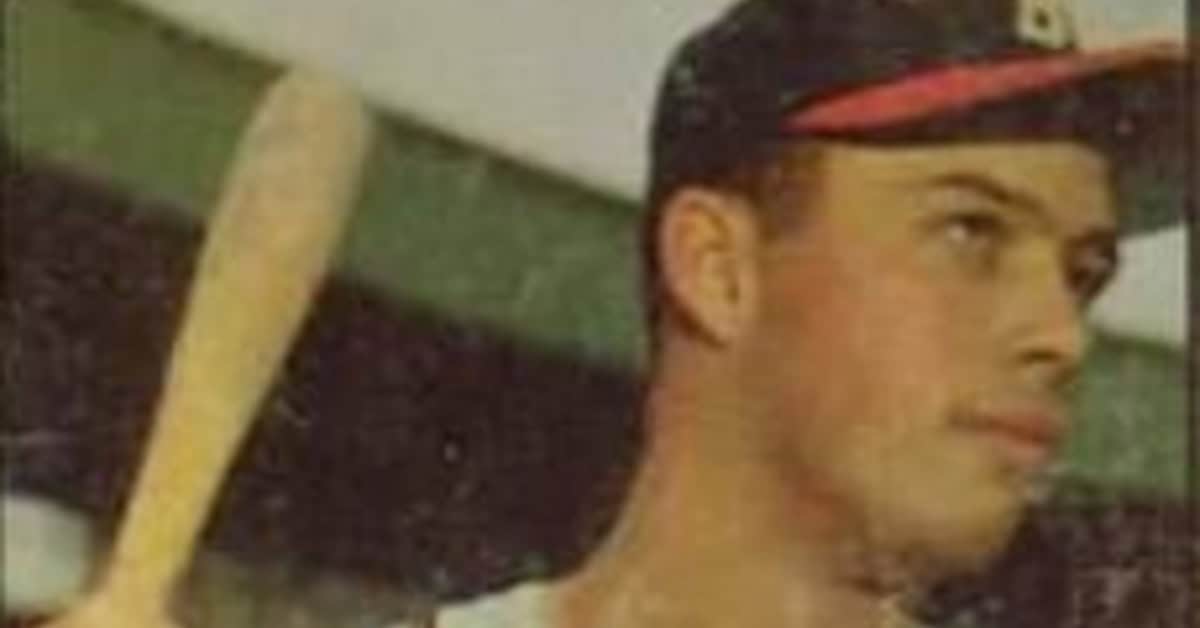
Eddie Mathews’ powerful left-handed swing and steady glove work at third base helped Milwaukee win their 1957 World Series championship, bringing major league glory to a city that had waited decades for the big leagues. Mathews’ 32 home runs that championship season came from a compact swing that generated tremendous power, launching balls over County Stadium’s fences while fans celebrated with bratwurst and beer. His partnership with Hank Aaron created the most feared one-two punch in baseball, proving that small-market teams could still capture America’s attention.
Billy Martin: The Scrapper’s Fiery Championship Spirit
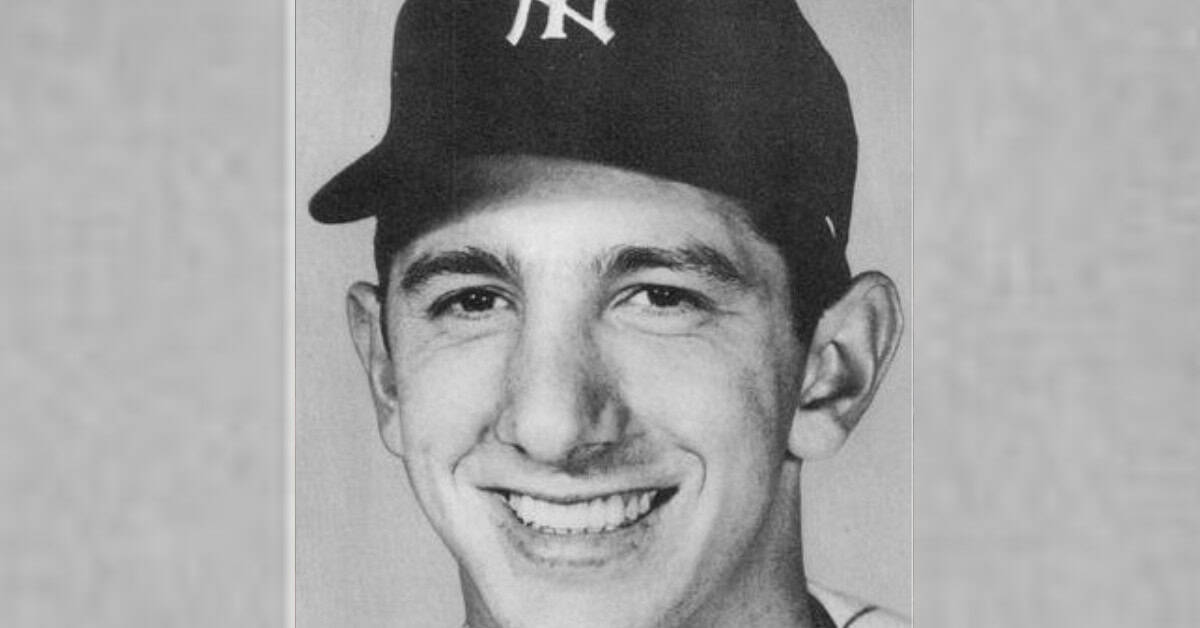
Billy Martin’s clutch hitting and fiery leadership helped the Yankees win four World Series championships in the 1950s, establishing him as the ultimate competitor in an era when players settled disputes with fists rather than agents. The scrappy second baseman’s .333 World Series batting average came from pure determination and a refusal to be intimidated by anyone wearing a different uniform. Martin’s intensity burned so bright it could light cigarettes from the dugout, embodying the win-at-all-costs mentality that defined 1950s baseball.
Monte Irvin: The Negro League Star’s Giant Championship Glory
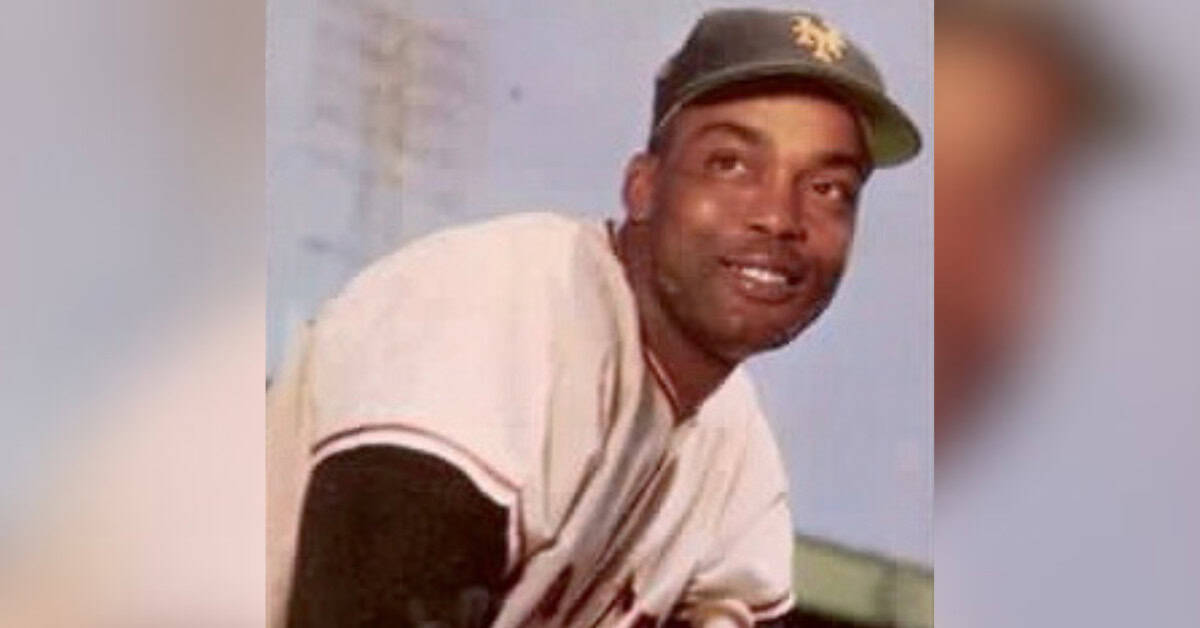
Monte Irvin’s smooth swing and veteran leadership helped the New York Giants capture the 1954 World Series. A few years earlier, his talent was on full display when he hit .458 in the 1951 World Series, showcasing the skill that had been hidden from many audiences for too long. Irvin’s success proved that integration wasn’t just about breaking barriers—it was about elevating the entire game to new levels of excellence.
Gil Hodges: The Gentle Giant’s Power at First Base

Gil Hodges’ powerful right-handed swing and steady first base play anchored Brooklyn’s 1955 championship team, making him a beloved figure in a borough that appreciated hard work and humble heroes. The Gentle Giant’s 370 career home runs came from a swing as smooth as Sunday morning, launching balls over Ebbets Field’s intimate confines while never forgetting to tip his cap to the fans. Hodges’ combination of power and grace embodied the best of 1950s baseball, when stars were accessible and autographs were signed with genuine smiles.
Sal Maglie: The Barber’s Close Shaves and Championship Rings
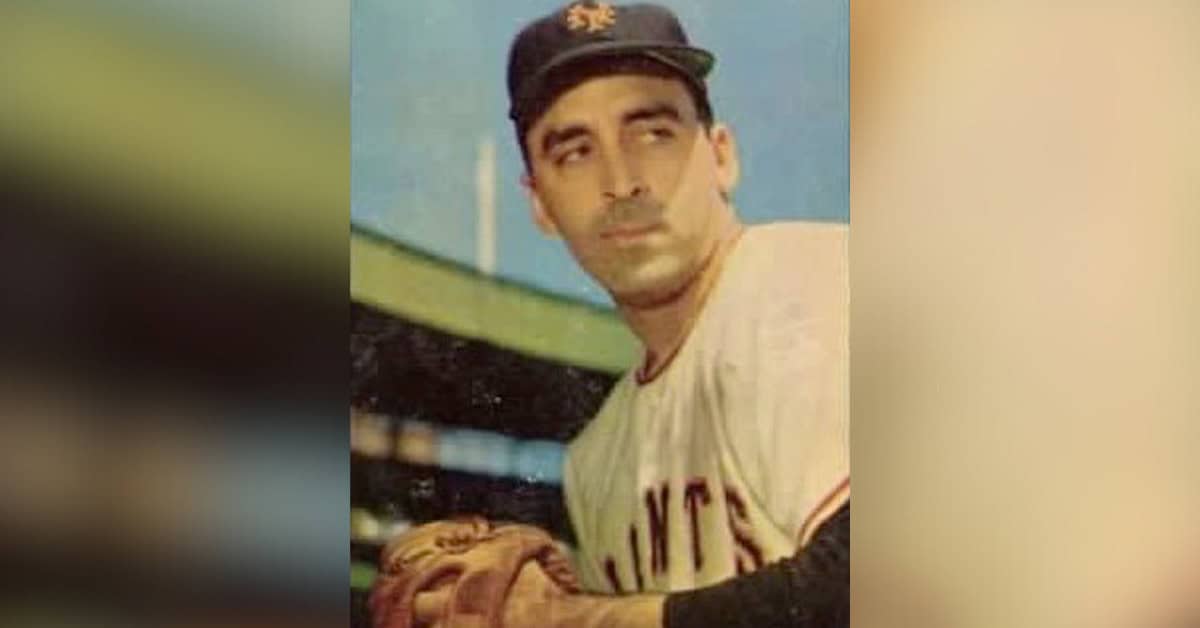
Sal Maglie’s intimidating presence on the mound and pinpoint control helped the Giants win a World Series championship in 1954, earning him the nickname “The Barber” for giving hitters close shaves with his inside fastball. The dark-featured right-hander’s scowling expression and willingness to pitch inside made batters uncomfortable long before they stepped into the box. Maglie’s success proved that in the 1950s, when men wore fedoras and spoke softly, a hard stare and a harder fastball could be just as effective as any psychological warfare.
Duke Snider: The Duke of Flatbush’s Brooklyn Dreams
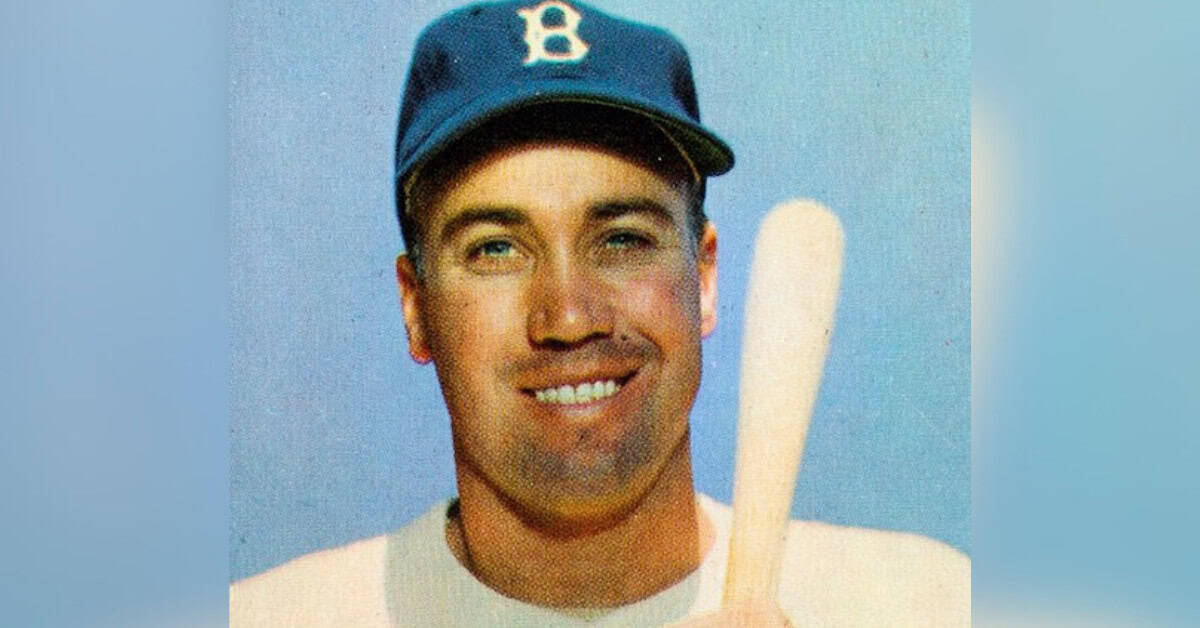
Duke Snider’s sweet left-handed swing and graceful center field play helped Brooklyn win their only World Series championship in 1955, making him the toast of a borough that had waited a lifetime for October glory. The Duke of Flatbush’s 407 career home runs included some of the most memorable shots in Ebbets Field history, launched with a swing as smooth as silk and twice as beautiful. Snider’s elegant approach to the game embodied the sophistication that Brooklyn fans craved, proving that their heroes could be just as classy as those pinstriped pretenders from the Bronx.
Don Larsen: Perfect Game Perfection in the World Series

Don Larsen’s perfect game in Game 5 of the 1956 World Series remains the most improbable achievement in baseball history, a moment of pure magic that seemed impossible even as it unfolded before 64,000 witnesses. The tall right-hander’s no-windup delivery and pinpoint control created 27 consecutive outs that grew more dramatic with each pitch. Larsen’s perfection proved that in the 1950s, when television was still a luxury and radio painted pictures with words, one man could stop time and make the impossible seem inevitable.
Hank Aaron: Hammerin’ Hank’s Milwaukee Championship Power
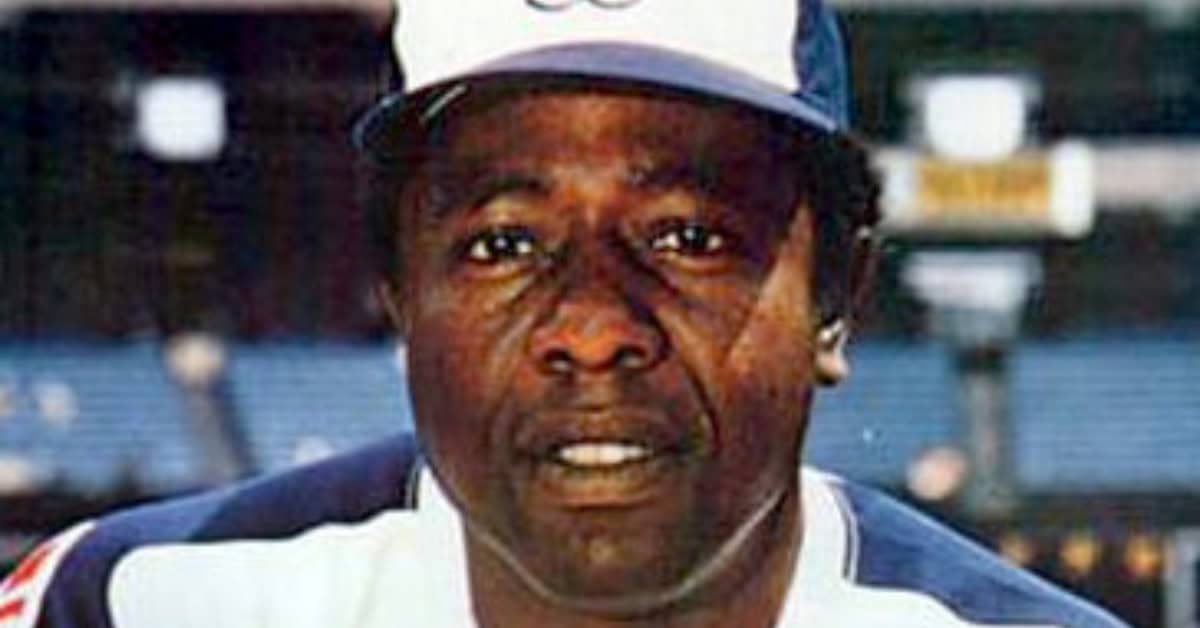
Hank Aaron’s consistent excellence and clutch hitting helped Milwaukee win the 1957 World Series, establishing him as one of the game’s most reliable performers in an era when consistency was valued above flash. Hammerin’ Hank’s quick wrists and perfect timing generated power that seemed effortless, launching balls over stadium walls with the same casual grace other men used to flip light switches. Aaron’s championship ring represented just the beginning of a career that would redefine greatness, proving that true legends are built one swing at a time.
Roy Campanella: Campy’s Three MVP Rings in Ebbets Field
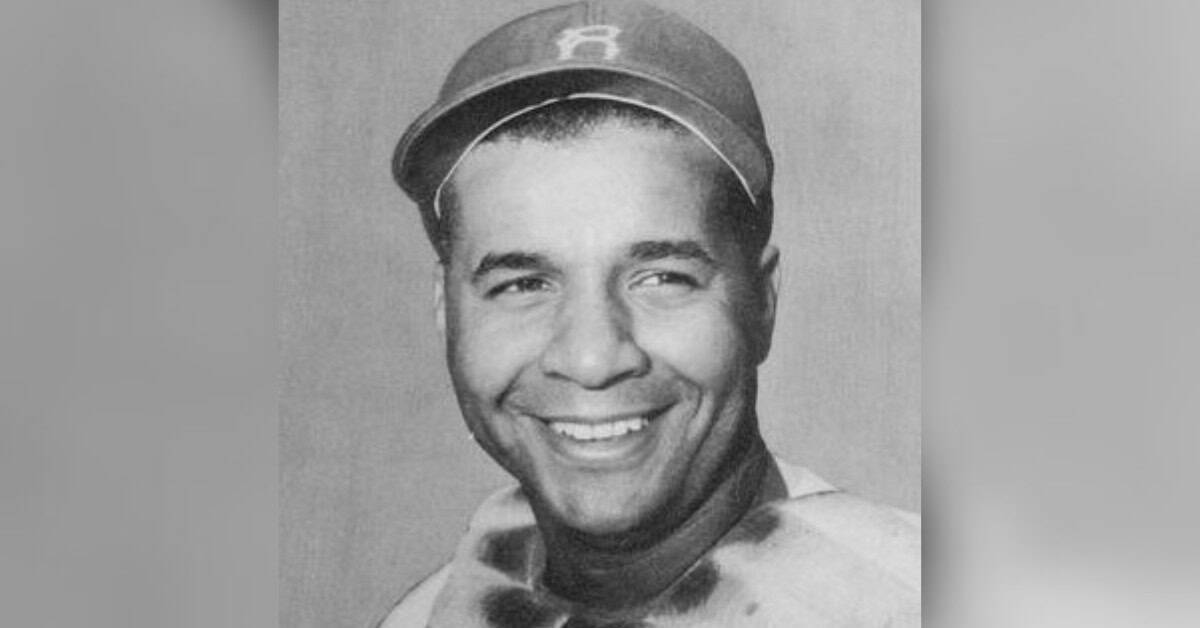
Roy Campanella’s three MVP awards and leadership behind the plate anchored Brooklyn’s 1955 championship team, making him the heart and soul of a franchise that captured America’s imagination. Campy’s infectious smile and powerful bat combined with exceptional defensive skills to create the template for the complete catcher. Campanella’s joy for the game radiated through Ebbets Field like sunshine through stained glass, proving that in the 1950s, when heroes were human and dreams were achievable, one man’s enthusiasm could lift an entire borough.
Pee Wee Reese: The Captain’s Leadership in Brooklyn’s Golden Age
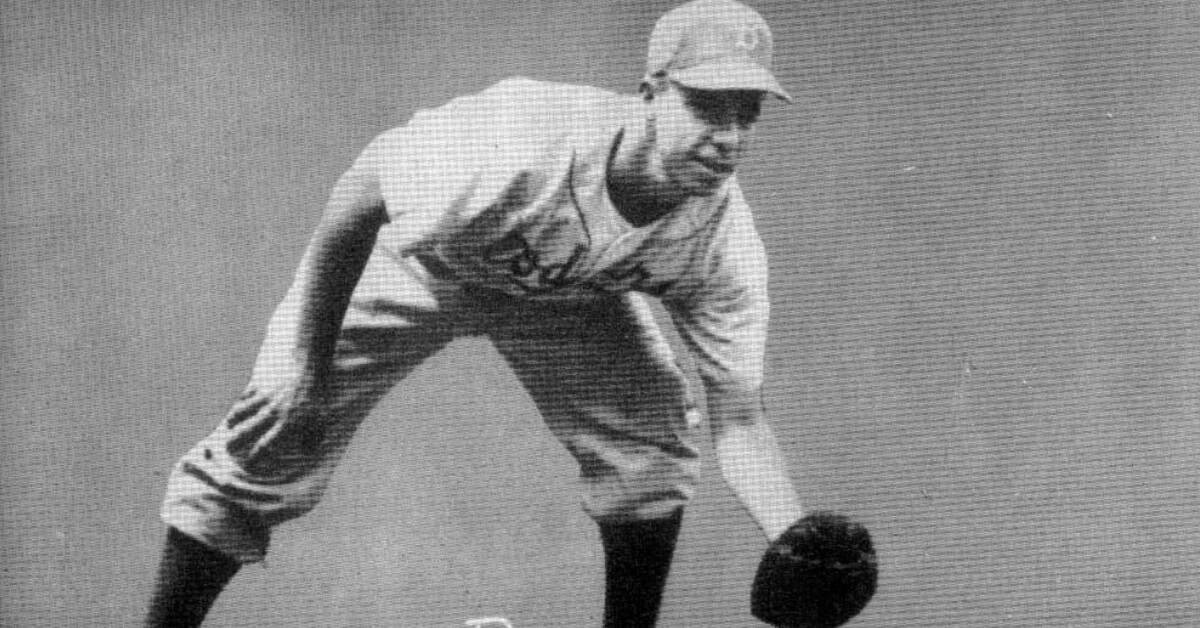
Pee Wee Reese’s steady leadership and clutch hitting helped Brooklyn win their only World Series championship in 1955, while his famous acceptance of Jackie Robinson became a symbol of progress in a changing America. The Kentucky-born shortstop’s arm around Robinson’s shoulder during pre-game warmups spoke louder than any speech about equality and brotherhood. Reese’s quiet dignity and unwavering support for his teammates proved that true leadership comes not from grand gestures but from simple acts of human decency.
Hank Bauer: The Marine’s Clutch October Hitting Streak
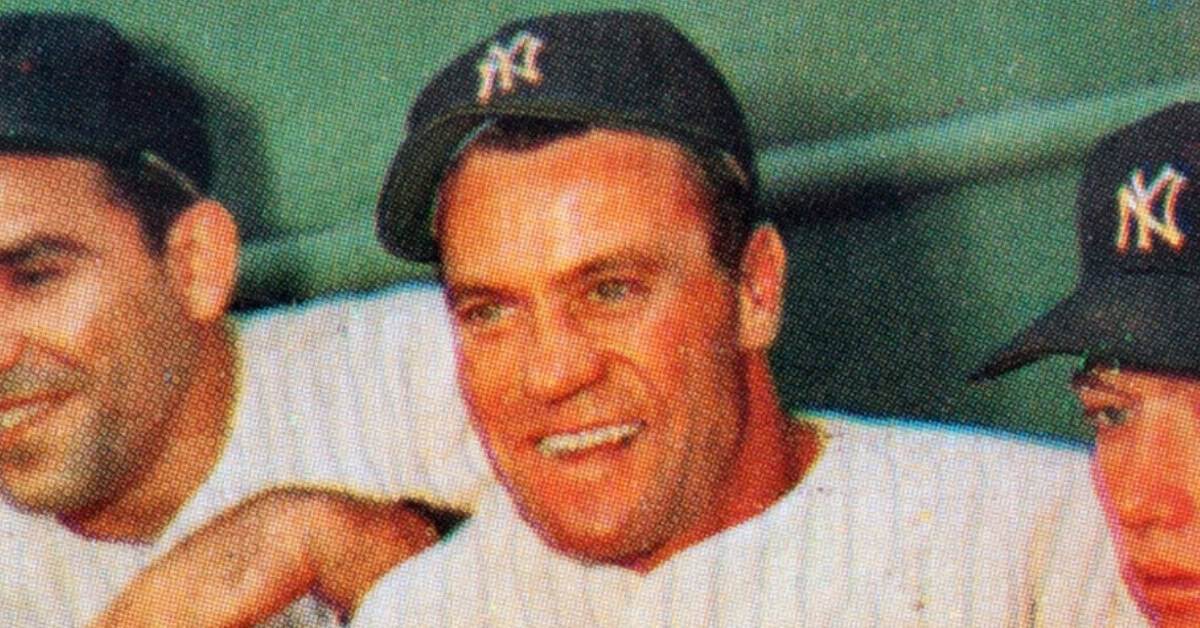
Hank Bauer’s 17-game World Series hitting streak and tough-as-nails approach helped the Yankees win six championships in the 1950s, bringing Marine Corps discipline to the Bronx dynasty. The former leatherneck’s scarred face and steely determination made him the perfect symbol of 1950s toughness, when men settled disputes with handshakes and kept their word without contracts. Bauer’s clutch hitting in October proved that sometimes the most valuable players are those who simply refuse to fail when failure means the most.
Jackie Robinson: Breaking Barriers and Taking Championships

Jackie Robinson’s courage and competitive fire helped Brooklyn win their only World Series championship in 1955, while his pioneering role in integration changed America forever. Robinson’s aggressive base-running and clutch hitting combined with unshakeable dignity to create a legacy that transcended sports. His championship ring represented more than personal achievement—it symbolized the triumph of justice over prejudice, proving that in the 1950s, when change came slowly and courage was required, one man could indeed make history.
Whitey Ford: The Chairman of the Board’s Pinstripe Perfection
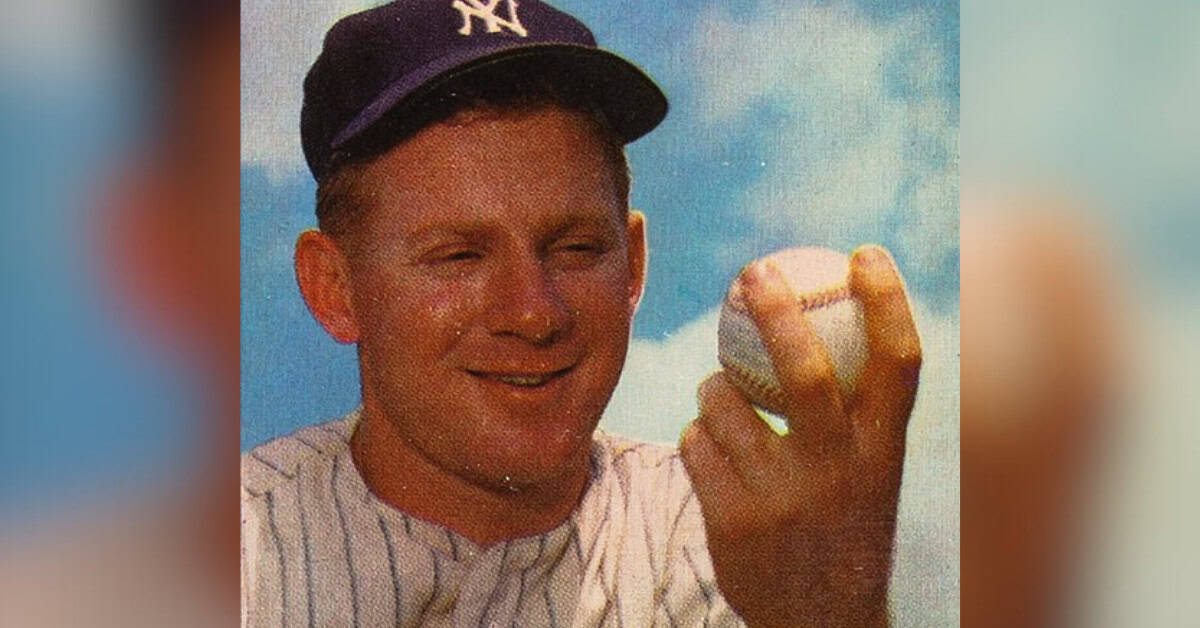
Whitey Ford’s pinpoint control and clutch pitching helped the Yankees win four World Series championships in the 1950s, establishing him as one of the most reliable pitchers in October history. The Chairman of the Board’s smooth delivery and exceptional command made him virtually unhittable in pressure situations, posting a 2.71 ERA in World Series play. Ford’s success proved that in the 1950s, when craftsmanship was valued over flash, a thinking man’s approach to pitching could dominate even the most talented hitters.
Yogi Berra: From D-Day Hero to Dynasty Catcher

Yogi Berra’s three MVP awards and exceptional leadership behind the plate helped the Yankees win six World Series championships in the 1950s, making him the decade’s most indispensable player. The former Navy gunner’s quick wit and clutch hitting combined with exceptional defensive skills to create the perfect catcher for baseball’s greatest dynasty. Berra’s famous malapropisms and folksy wisdom made him a beloved figure who proved that in the 1950s, when authenticity mattered more than image, being yourself was the greatest strength of all.
Willie Mays: The Say Hey Kid’s Basket Catch World Series Glory
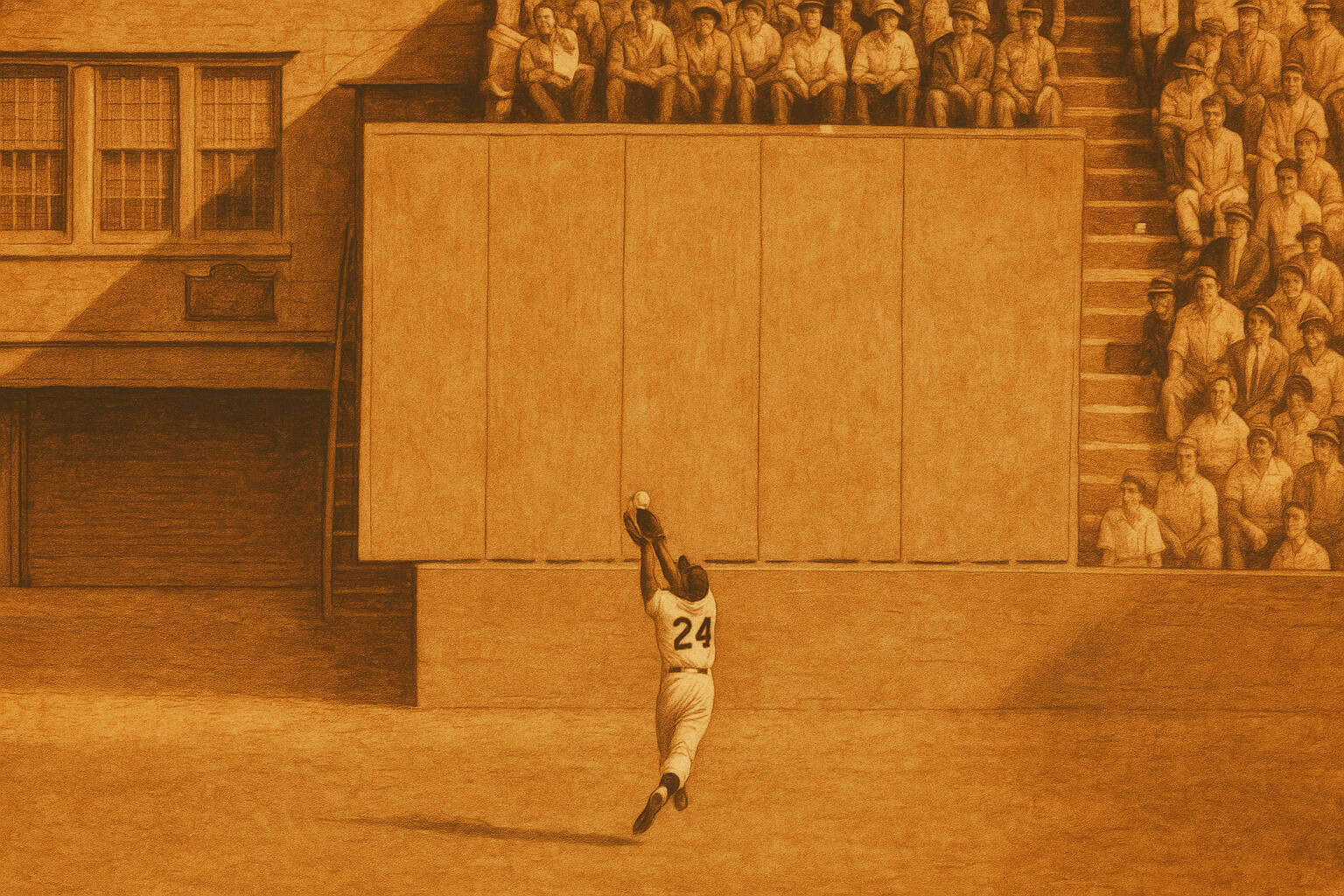
Willie Mays’ spectacular over-the-shoulder catch in the 1954 World Series became the defining moment of his championship season, showcasing the athletic brilliance that made him baseball’s most complete player. The Say Hey Kid’s basket catches and explosive speed, combined with tremendous power, create a player who seemed to defy the laws of physics with every move. Mays’ joyful approach to the game and incredible versatility epitomized everything that made 1950s baseball magical, proving that sometimes the greatest art comes from making the impossible look effortless.