Last Updated: October 23rd, 2026 by Matthew Brown
There is a specific part in American history where athletics had to take a backseat for multiple years. After the bombing of Pearl Harbor, the United States needed to enter World War II, which included a requirement for men in a certain age range to register to serve.
Don't lose this article. Enter your email below, and I'll send it to you right now. Plus, we'll send you other unbelievable stories from baseball's past.
Many baseball players were proud to enlist and serve, but ultimately lost valuable years of their careers. Here are some of the best pitchers from that time, who still have great numbers despite the break.
11. Bob Feller: The Wartime Hero Who Dominated the Decade

Bob Feller definitely did not lose his fastball due to his wartime service. He was a top hurler, leading all pitchers in WAR, wins, complete games, and shutouts in multiple years leading up to his three-year gap. Then he came back to baseball and promptly went right back to leading in all of those categories in arguably his greatest season in 1946.
10. Hal Newhouser: The Two-Time MVP Wonder
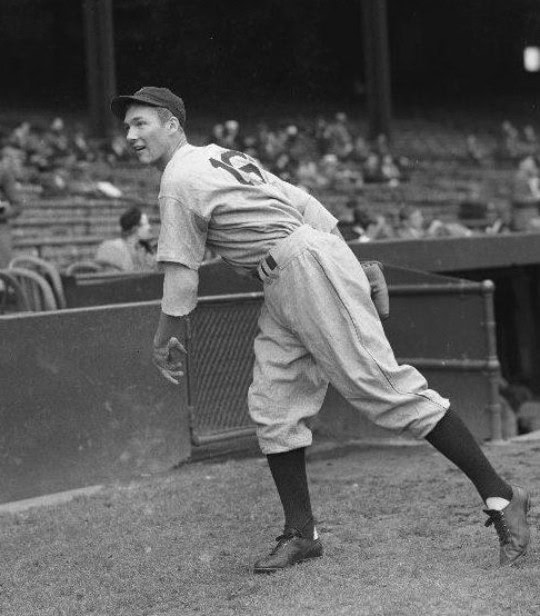
A congenital heart defect kept Hal Newhouser out of the Army Air Corps, which he planned to serve in, so he kept playing baseball throughout this time period. He would win back-to-back MVPs in 1944 and 1945, taking advantage of the weaker overall talent.
But his ERA title in 1946, with most of MLB back to what it was, proves how good he actually was.
9. Warren Spahn: The Rising Star of Late-40s Baseball
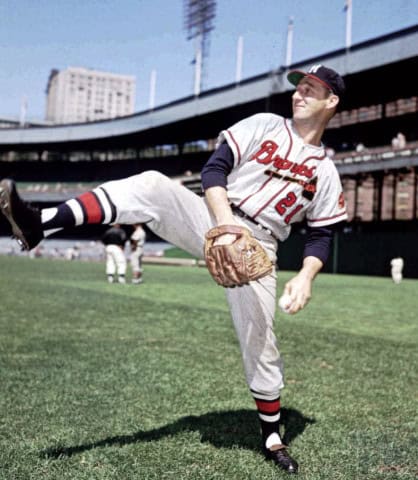
Some pitchers would say that their first few seasons are the most important for developing what they need to develop to succeed in their careers. Warren Spahn didn't have that luxury.
He just appeared in four games at 21 years old, served in the military, then came back and had a Hall of Fame career. He made it seem easy when it most definitely is not.
8. Dutch Leonard: The Knuckleball Master
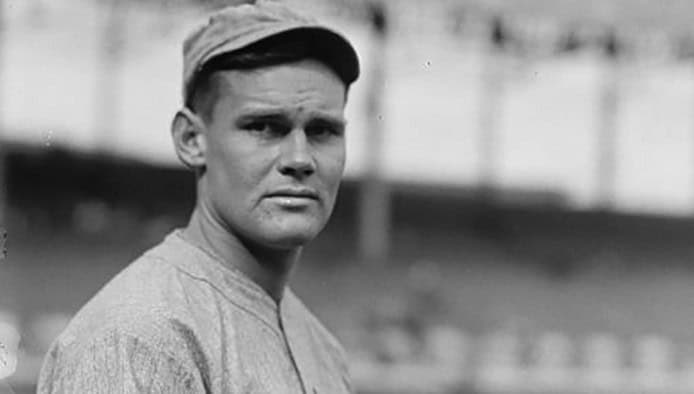
Dutch Leonard was another pitcher on this list who wasn't able to join the armed forces, so he knuckled his way through this era. He earned two of his four career All-Star selections during the three-year span when most ballplayers were serving in the war.
As a knuckleball pitcher, there isn't much he could control, so his numbers don't particularly stand out, but we all know he was making the best hitters look foolish.
7. Johnny Sain: Half of Baseball’s Famous Pitching Duo
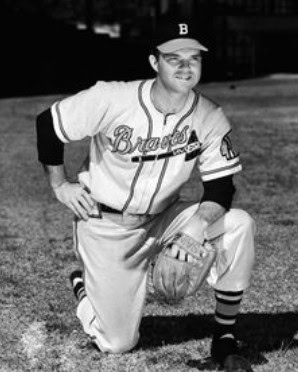
We already covered Warren Spahn, so now we move to his famed rotation-mate, Johnny Sain. Much like Spahn, Sain only appeared in one season before serving his country for three years.
He would come back and rattle off four 20-win seasons in five years. That's why so many teams were scared of that duo.
6. Dizzy Trout: The Complete Game Champion
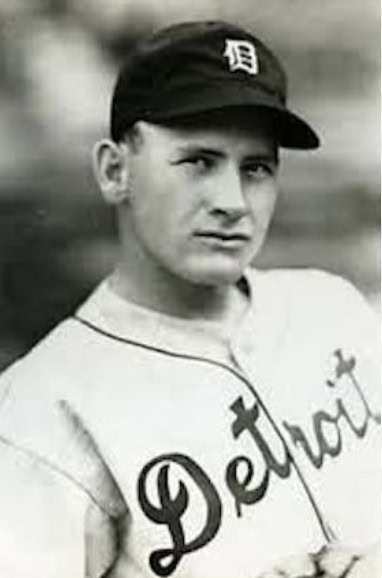
For all the modern fans who only know of the Trout name because of Mike Trout, they'd be surprised to know that he wasn't the first ballplayer with that last name to earn an All-Star selection.
A hearing impairment prevented him from military service, so he dominated in 1944, winning the ERA title at 2.12 and leading all pitchers in WAR, complete games, shutouts, and innings pitched.
5. Claude Passeau: The Cubs’ Ace
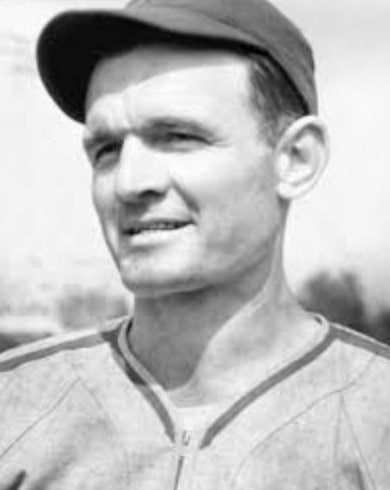
This one is bittersweet for Cubs fans. Claude Passeau was their ace throughout this era. He was one of the better pitchers in the game, leading them to an NL Pennant in 1945.
Sadly, he was injured in Game 6, and it taxed the pitching staff to the point where they were able to win that game, but not the next. That would be their last World Series appearance until 2016.
4. Mort Cooper: The MVP Hurler
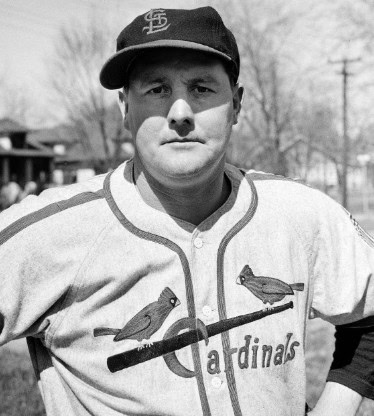
World War II actually separated Mort Cooper from his brother, Walker, who was his teammate in St. Louis. Walker was fit to serve, but Mort was not, leading him to continue his stretch of dominance that ran from 1942 – 1944.
He would win an MVP, an ERA title, and two World Series championships. He would also lead the league in wins, WAR, and shutouts twice in that span.
3. Tex Hughson: The Red Sox Ace
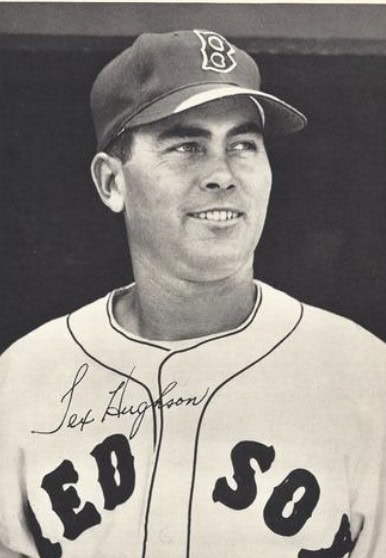
Injuries prevented Tex Hughson's career from going longer than this era, but he was great when healthy. He earned three straight All-Star selections after his rookie season. Then he did a year of military service and had one more great season before injuries took their toll.
It's sad how it ended, but he was told that those injuries threatened permanent disability at the time, so he retired.
2. Tommy Bridges: The Curveball King
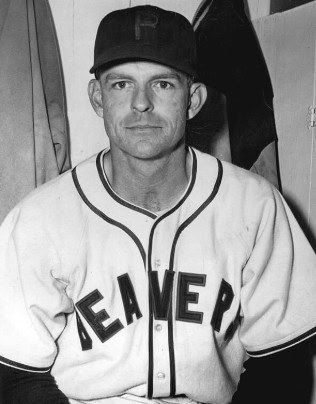
Tommy Bridges was actually past the age at which it was required to sign up for military service for World War II. He ended up serving anyway at the age of 37.
His career had already seen six All-Star selections and three 20-win seasons, as he was a solid starting pitcher throughout his 16-year career. That even included a couple more seasons where he appeared in a handful of games after his military service.
1. Kirby Higbe: The Consistent Performer
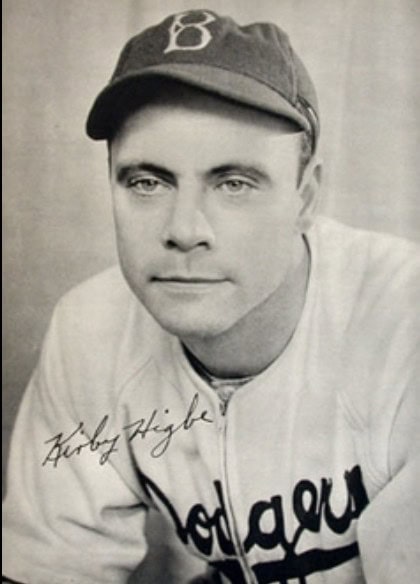
Kirby Higbe was a solid starter for five different teams over his 12-year career. His best years came in Brooklyn as he became one of the top arms in the Dodgers' rotation.
He led the league with 22 wins in 1941 thanks to a whopping 48 games pitched. The Dodgers saw a ton of value in him as they utilized him out of the bullpen as well as in the rotation.