

Last Updated: June 17th, 2026 by Michael Griffin
Aside from politics, few things inspire debates and heated arguments more than sports. Let’s take the Baseball Hall of Fame in Cooperstown, NY. Some see it as baseball’s most exclusive club for only the great legends, while others think it should be more of a museum. That means the doors sometimes swing open for players who make fans and historians scratch their heads. From Veterans Committee surprises to statistical debates that divided generations, these inductees sparked the hottest arguments in baseball history.
Don't lose this article. Enter your email below, and I'll send it to you right now. Plus, we'll send you other unbelievable stories from baseball's past.
Harold Baines: The Committee’s Shocking Selection

When Harold Baines was selected by the Today’s Game Committee in 2019, it caused a lot of puzzlement. Despite a solid 22-year career as a designated hitter, Baines never received more than 6.1% support from writers when he was originally on the ballot. He was seen by many as being the embodiment of the “Very Good But Not Great” player. His selection opened a fierce debate about the Veterans Committee’s power and the standards for Cooperstown.
Bill Mazeroski: The One-Swing Wonder
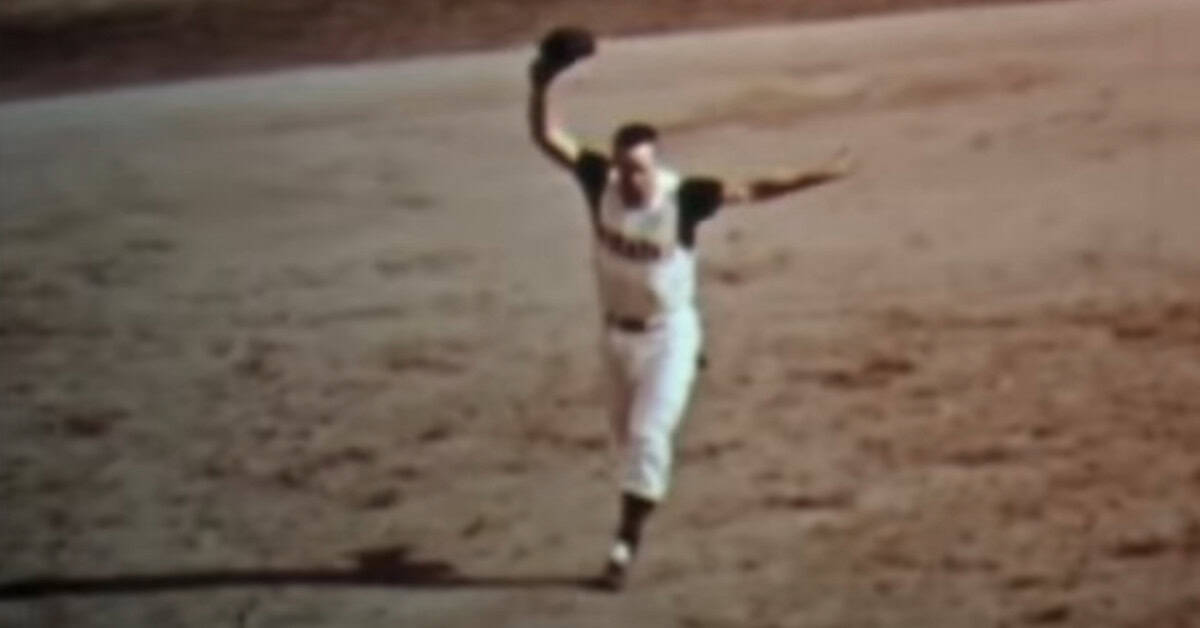
Maz’s walk-off homer to win the 1960 World Series remains one of baseball’s greatest moments. But his 2001 Veterans Committee selection raised eyebrows – a career .260 hitter whose defensive excellence at second base sparked endless debates about glove-first players in Cooperstown. His emotional induction speech showed that he even felt the weight of the controversy.
Phil Rizzuto: Holy Cow, How Did He Get In?

The Scooter’s 1994 selection by the Veterans Committee had critics crying “Yankees bias!” His modest .273 career average and beloved broadcasting career led many to wonder if popularity trumped performance. The debate highlighted the eternal question: Does being a “True Yankee” merit bronze in Cooperstown? There are plenty of former “True Yankees” still sitting outside the gates.
Bruce Sutter: The Specialist Who Split Baseball

Sutter’s 2006 induction broke new ground – he became the first pitcher elected who never started a single game. His split-finger fastball revolutionized baseball, but his relatively short career and role as a reliever had traditionalists questioning if specialized pitchers deserved baseball immortality. This was especially true for those who benefited from the somewhat lax rules for earning a save.
Jim Rice: Boston’s Borderline Battler

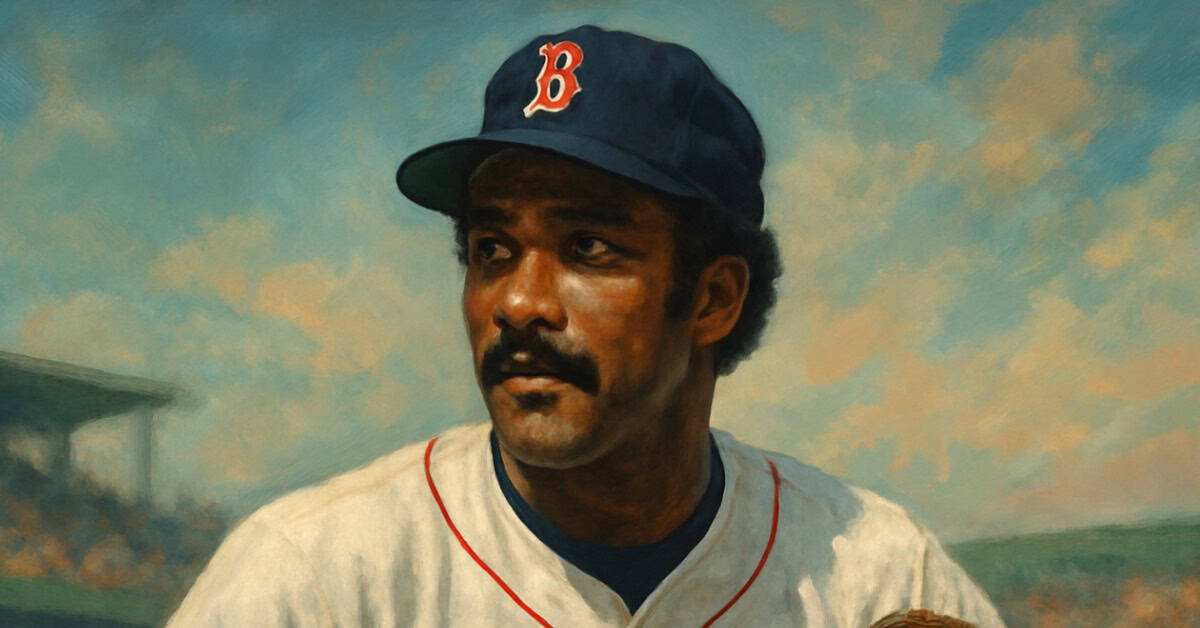
After 15 years on the ballot, Rice finally made it in 2009 with just 76.4% of the vote. His fearsome presence at Fenway made him a legend, but his home/road splits and short peak had analysts divided. Rice became the poster child for the “fear factor” debate – should how pitchers and managers perceived a player influence their Hall worthiness? Also, he wasn’t the nicest to the media, something that hurt his chances with the writers.
Tony Oliva: The Committee’s Curious Choice

The Cuban star’s 2022 Golden Days Era Committee selection reopened old wounds about peak versus longevity. While Oliva was arguably baseball’s best hitter from 1964-71, knee injuries cut his career short. His selection sparked debates about whether a brilliant but brief career deserves the same recognition as sustained excellence.
Rabbit Maranville: The 1954 Head-Scratcher
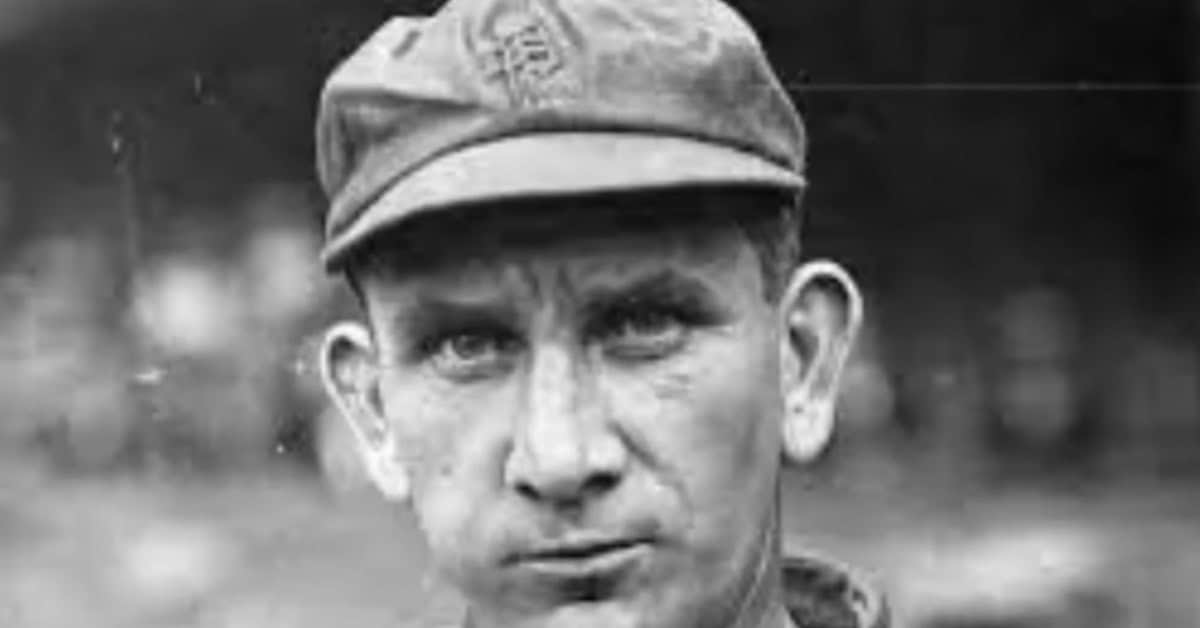
With a career batting average of .258 and an OPS+ of just 82, Maranville’s selection remains one of Cooperstown’s greatest mysteries. Maybe they just liked his nickname. His defensive wizardry at shortstop and colorful personality apparently swayed voters, making him an early example of fame trumping statistics in Hall of Fame voting.
High Pockets Kelly: The Giant Mystery
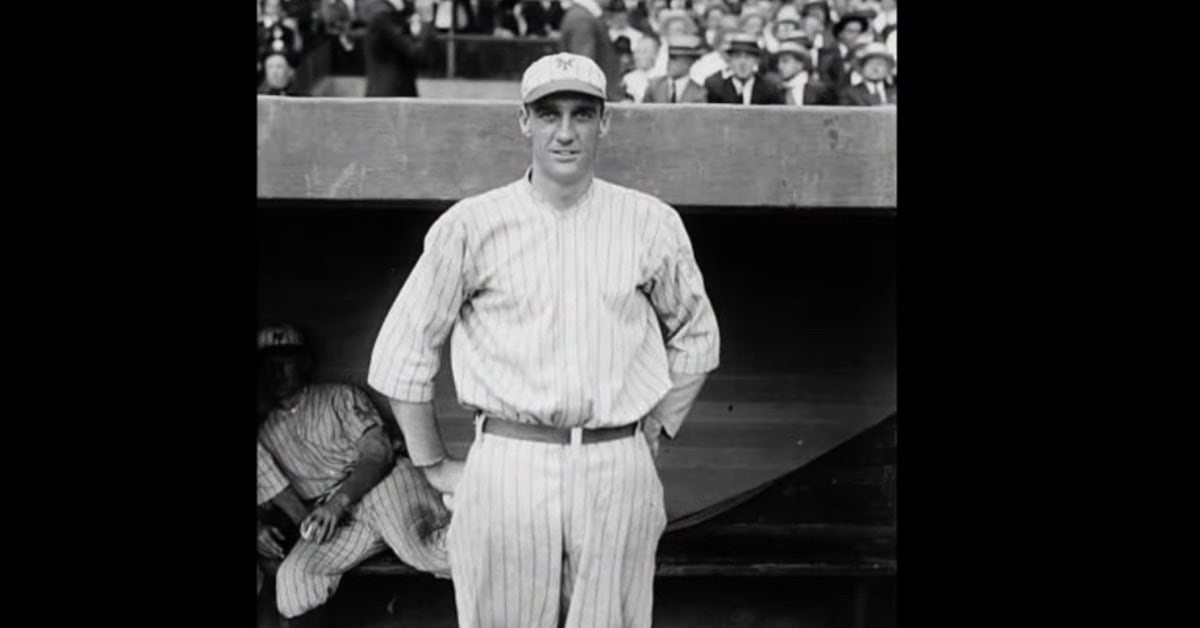
George “High Pockets” Kelly’s 1973 Veterans Committee selection remains one of baseball’s great mysteries. Even his NICKNAME was mediocre. His career numbers (.297 average, 148 home runs) were modest even by 1920s standards. Many point to his selection as the prime example of the Veterans Committee’s occasional tendency to honor friendship over merit.
Bud Selig: The Commissioner Who Changed Everything
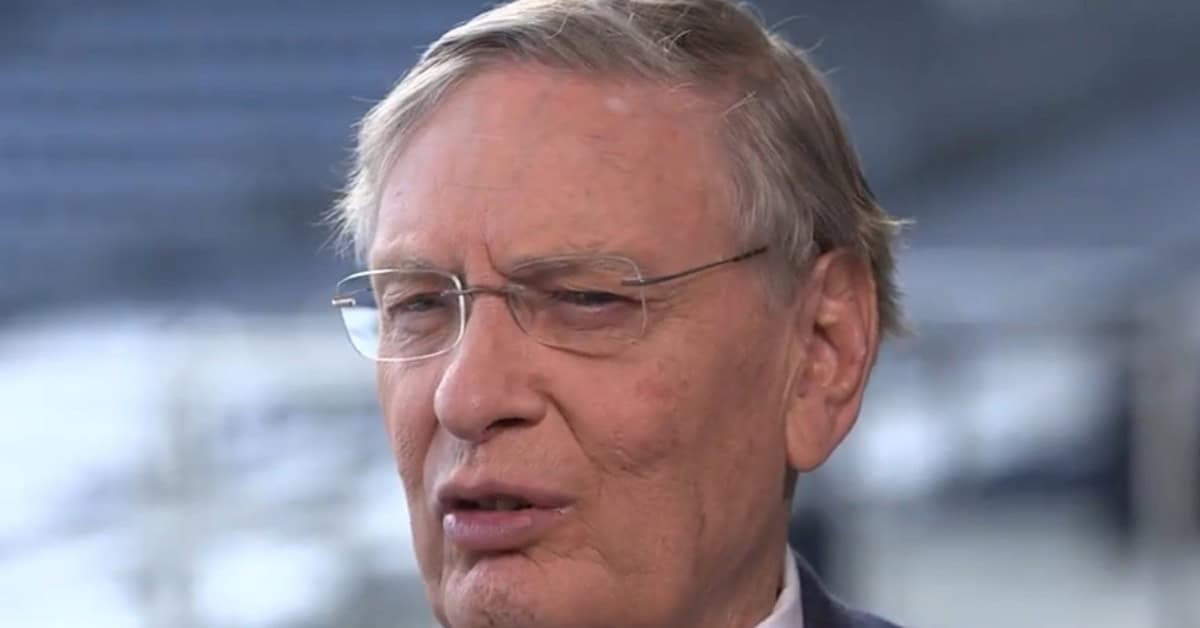
Selig’s 2017 induction sparked fierce debate about his complex legacy. While he oversaw unprecedented financial growth and interleague play, critics point to the 1994 strike and the steroid era as major black marks. His selection raised questions about whether commissioners should be judged by the same standards as players. Many people also didn’t like that he let the Wilpons own the Mets after the whole Bernie Madoff scandal.
Rollie Fingers: The Mustache That Divided Voters

When Fingers was inducted in 1992, many questioned whether relievers belonged in Cooperstown at all. That whole “easy save: thing. His handlebar mustache and colorful personality sometimes overshadowed a deeper debate about how to evaluate relief pitchers. His selection helped pave the way for future closers, though the controversy about relievers in the Hall continues today.