

Last Updated: June 17th, 2026 by Michael Schatz
The 1990s were baseball’s golden age of the middle infield, when second basemen combined old-school fundamentals with emerging power numbers. From Roberto Alomar’s balletic double plays to Chuck Knoblauch’s mysterious throwing yips, these keystone guardians defined a decade of baseball excellence.
Don't lose this article. Enter your email below, and I'll send it to you right now. Plus, we'll send you other unbelievable stories from baseball's past.
Roberto Alomar – The Smooth Criminal Who Made Double Plays Look Like Ballet
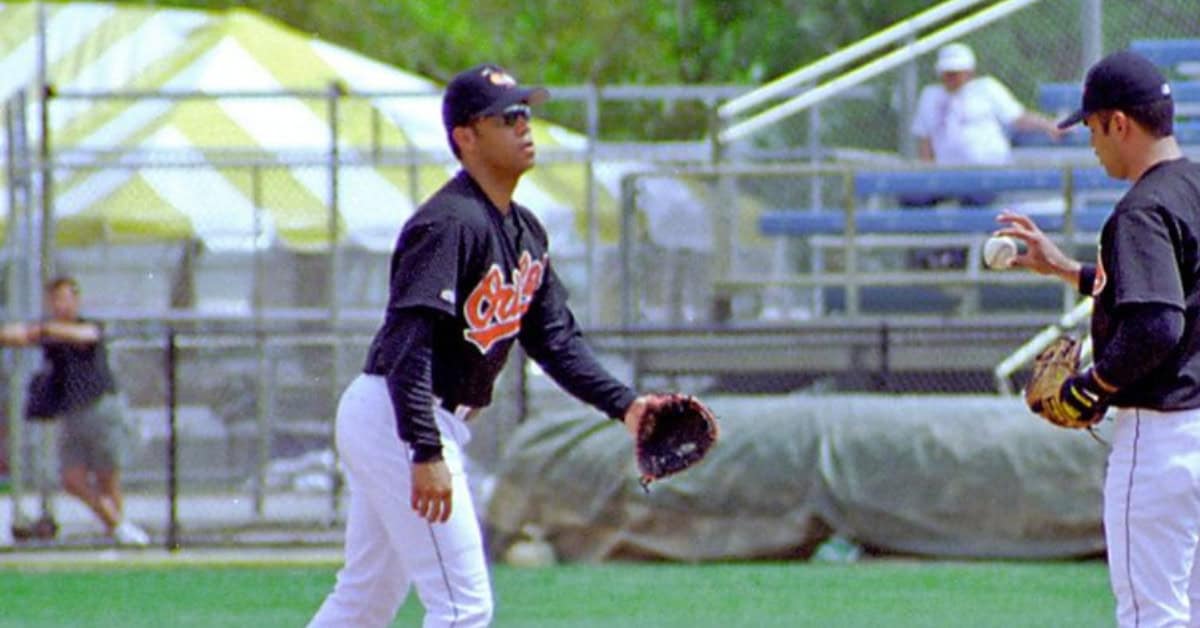
Roberto Alomar turned second base into an art form during the 1990s, earning 10 Gold Gloves and making 12 All-Star teams. The switch-hitting Puerto Rican wizard hit .300 or better nine times while stealing 30+ bases eight times, combining defensive brilliance with offensive versatility. His smooth pivot on double plays and clutch October performances, including that legendary 1992 postseason with Toronto, made him the decade’s undisputed king of the keystone.
Craig Biggio – From Behind the Plate to Stealing Second, Houston’s Swiss Army Knife
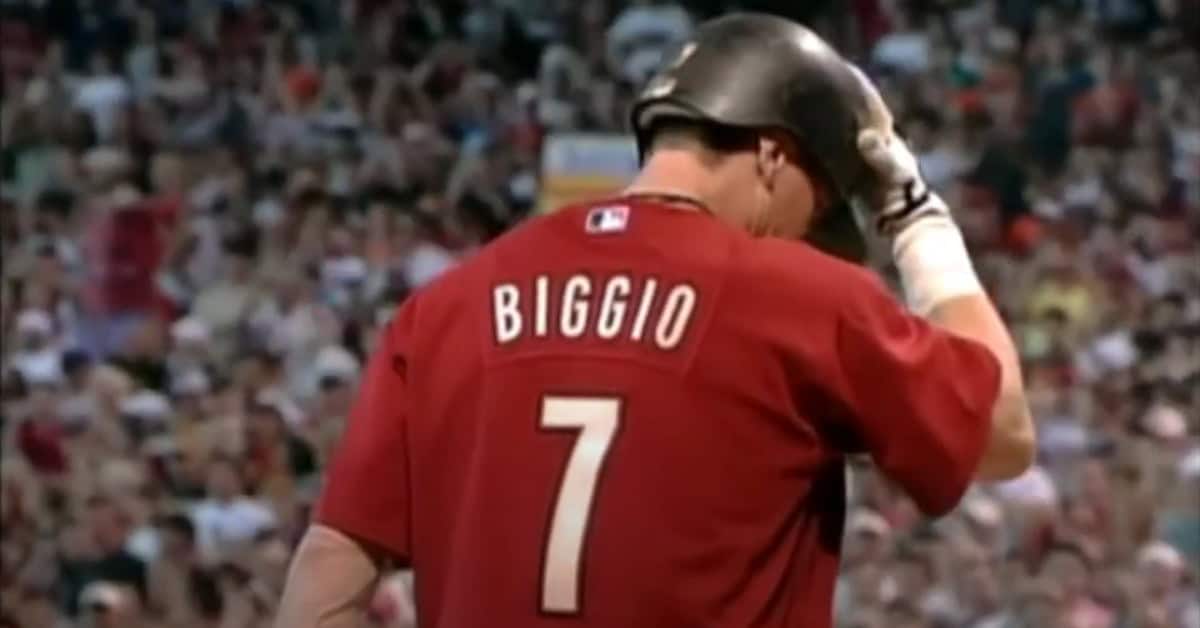
Craig Biggio became the first player in MLB history to make All-Star teams at both catcher (1991) and second base (1992), showcasing his remarkable versatility. After moving from behind the plate in 1992, Biggio flourished at second base, posting impressive power and speed numbers, including a standout 1998 season where he hit 20+ homers and stole 30+ bases. His 56 doubles in 1999 ranked sixth in National League history, while his aggressive style and Houston loyalty made him the Astros’ heart and soul throughout the decade.
Chuck Knoblauch – The Rookie of the Year Who Forgot How to Throw to First
Chuck Knoblauch’s 1991 Rookie of the Year season launched a brilliant career that would later be haunted by the mysterious yips. The speedy leadoff man averaged 45 stolen bases per season for Minnesota, helping anchor their 1991 World Series championship team. His career took a tragic turn after his 1998 trade to New York, when he inexplicably lost the ability to make routine throws to first base, turning routine plays into adventures that left Yankees fans covering their eyes.
Ryne Sandberg – The Comeback Kid Who Retired, Then Unretired for One Last Dance
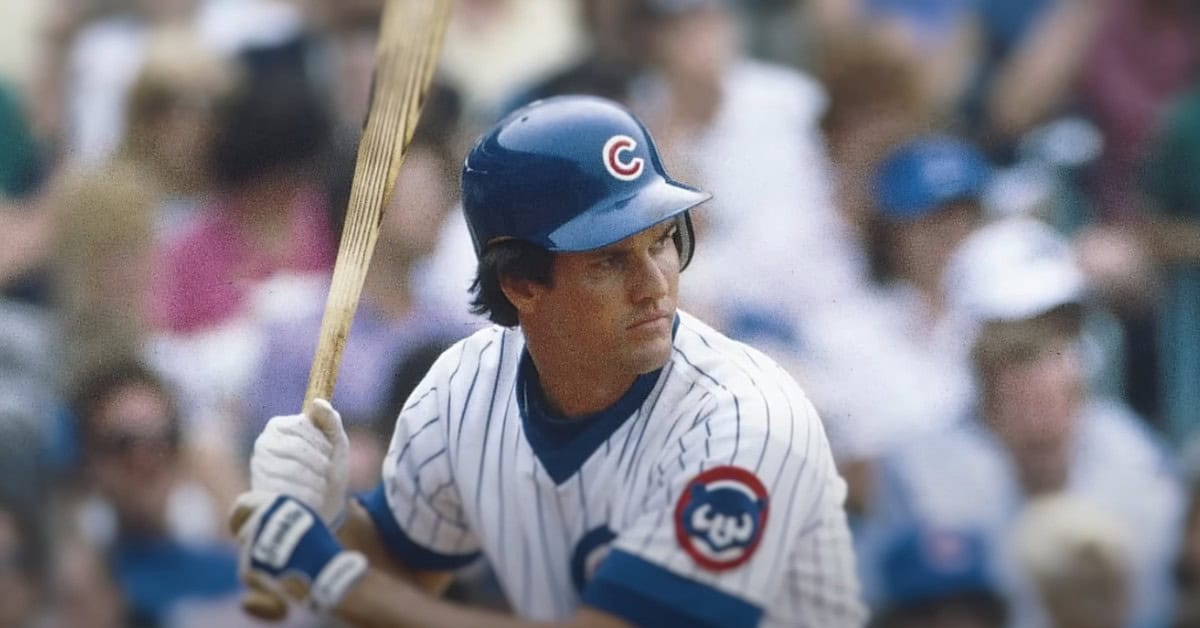
Ryne Sandberg shocked baseball by retiring mid-season in 1994, only to return in 1996 for two more productive seasons with the Cubs. “Ryno” remained a Gold Glove-caliber defender throughout the decade, while his 1990 season featured 40 home runs and 100 RBIs from the second base position. His graceful fielding style and clutch hitting made Wrigley Field feel like home for Cubs fans who desperately needed a reason to believe during those lean years.
Jeff Kent – The Surly Slugger Who Made Second Base a Power Position
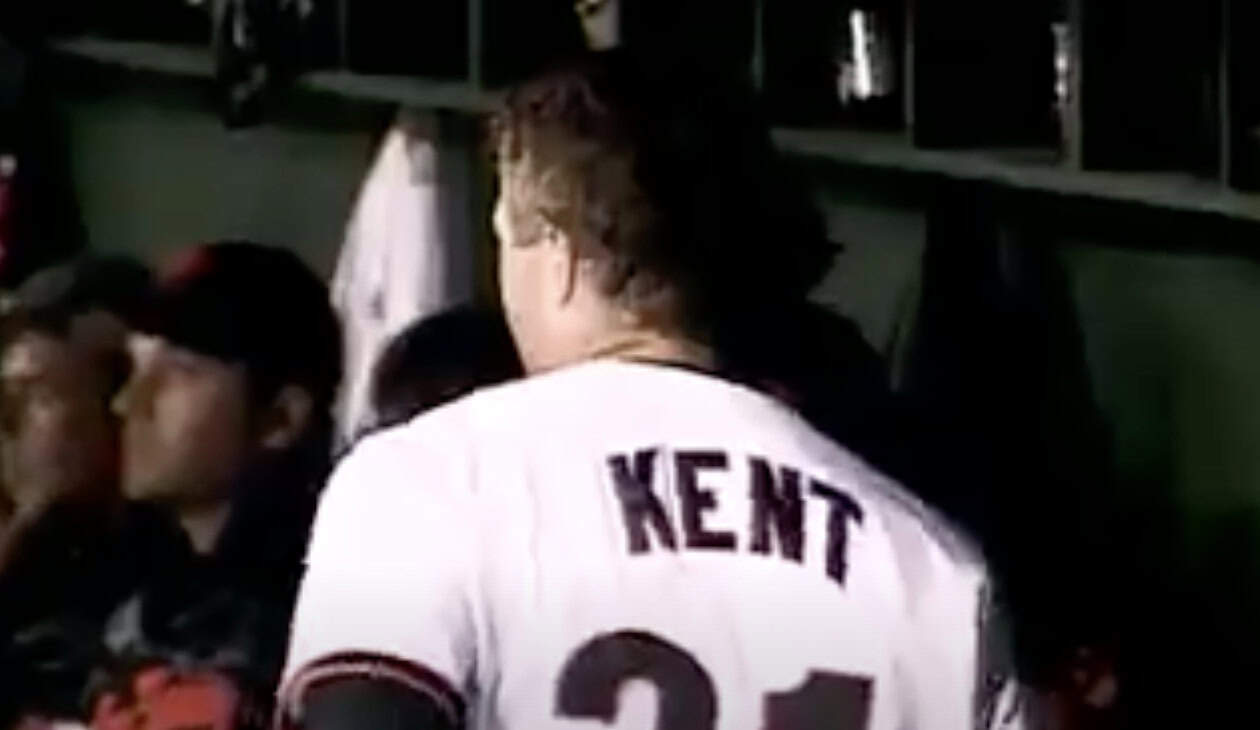
Jeff Kent revolutionized expectations for second base power, launching 20+ home runs five times during the 1990s while developing a reputation for surliness that matched his swing. The former Giant and Met combined surprising pop with solid defense, though his prickly personality often overshadowed his production. Kent’s ability to drive in runs from the two-hole made him a unique weapon, setting the stage for his eventual 2000 MVP season while proving that second basemen could be legitimate middle-of-the-order threats.
Julio Franco – The Ageless Wonder Who Hit .341 at Age 32

Julio Franco’s unorthodox batting stance and ageless hitting ability made him one of the decade’s most fascinating players, culminating in his remarkable .341 average for the 1991 Rangers. The Dominican veteran’s distinctive pre-pitch routine and high leg kick became iconic, while his ability to hit for average well into his 30s defied conventional wisdom. Franco’s veteran leadership and clutch hitting helped stabilize infields throughout the decade, proving that experience and technique could overcome Father Time’s relentless march.
Carlos Baerga – Cleveland’s Contact King Who Could Hit From Both Sides
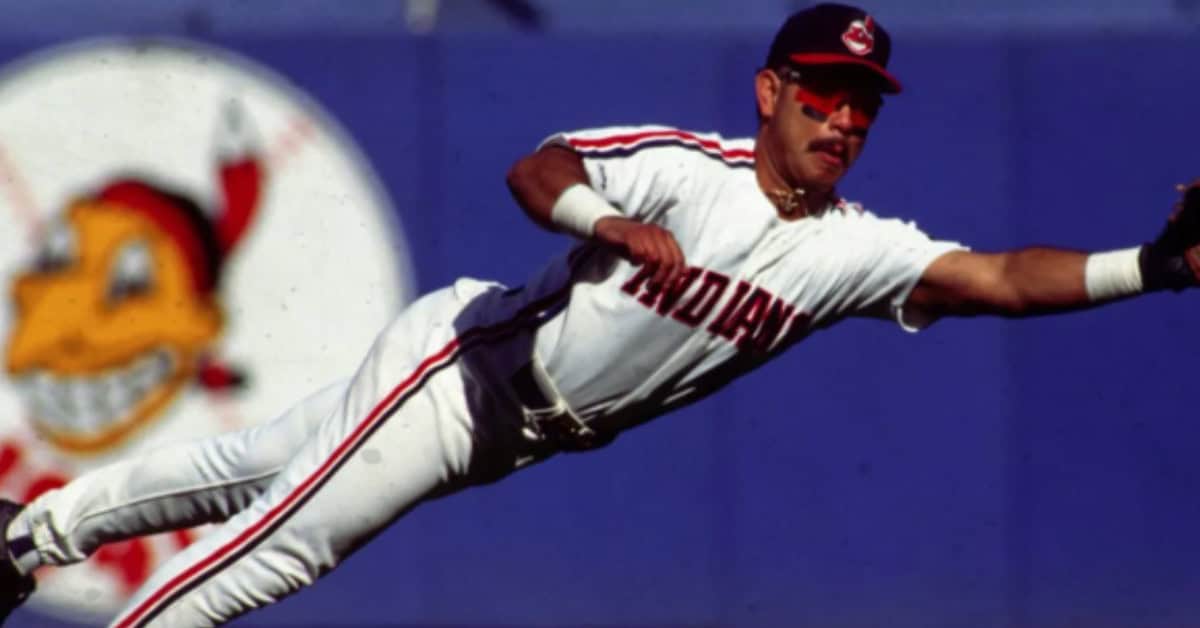
Carlos Baerga was a force for Cleveland, driving in 100+ runs in three consecutive seasons (1992-1994), a rare feat for a second baseman, anchoring Cleveland’s mid-decade resurgence. The Puerto Rican switch-hitter’s compact swing produced consistent contact from both sides of the plate, while his infectious smile and clutch hitting made him a fan favorite at the old Cleveland Stadium. Baerga’s unique ability to hit home runs from both sides of the plate in the same game twice during his career showcased his rare ambidextrous power.
Delino DeShields – The Speed Demon Who Was Traded for Pedro Martinez
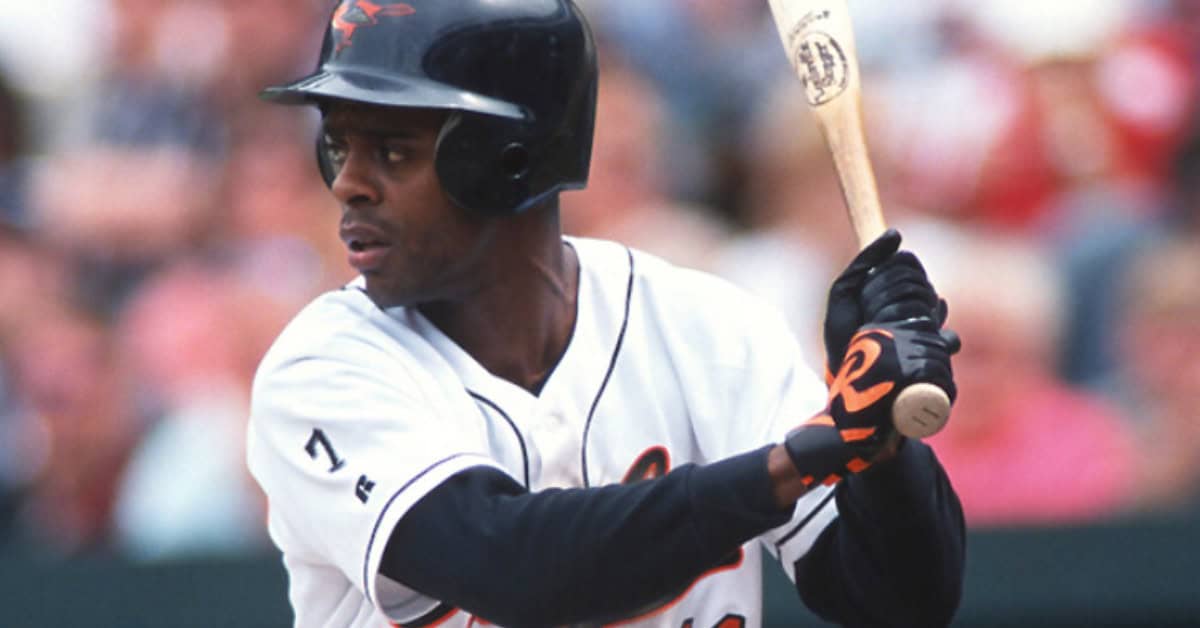
Delino DeShields’ blazing speed made him one of the NL’s premier leadoff threats, stealing 40+ bases five times during the decade while setting the table for explosive Expos and Dodgers lineups. His standout 1991 season featured 56 stolen bases and a .295 average, establishing him as Montreal’s catalyst before his infamous 1993 trade to Los Angeles for Pedro Martinez. DeShields’ aggressive baserunning and solid defense made him a prototypical 1990s second baseman, even if Expos fans still wince at what that trade cost them.
Bip Roberts – The Utility Man Who Confused His Own Rookie Card Value
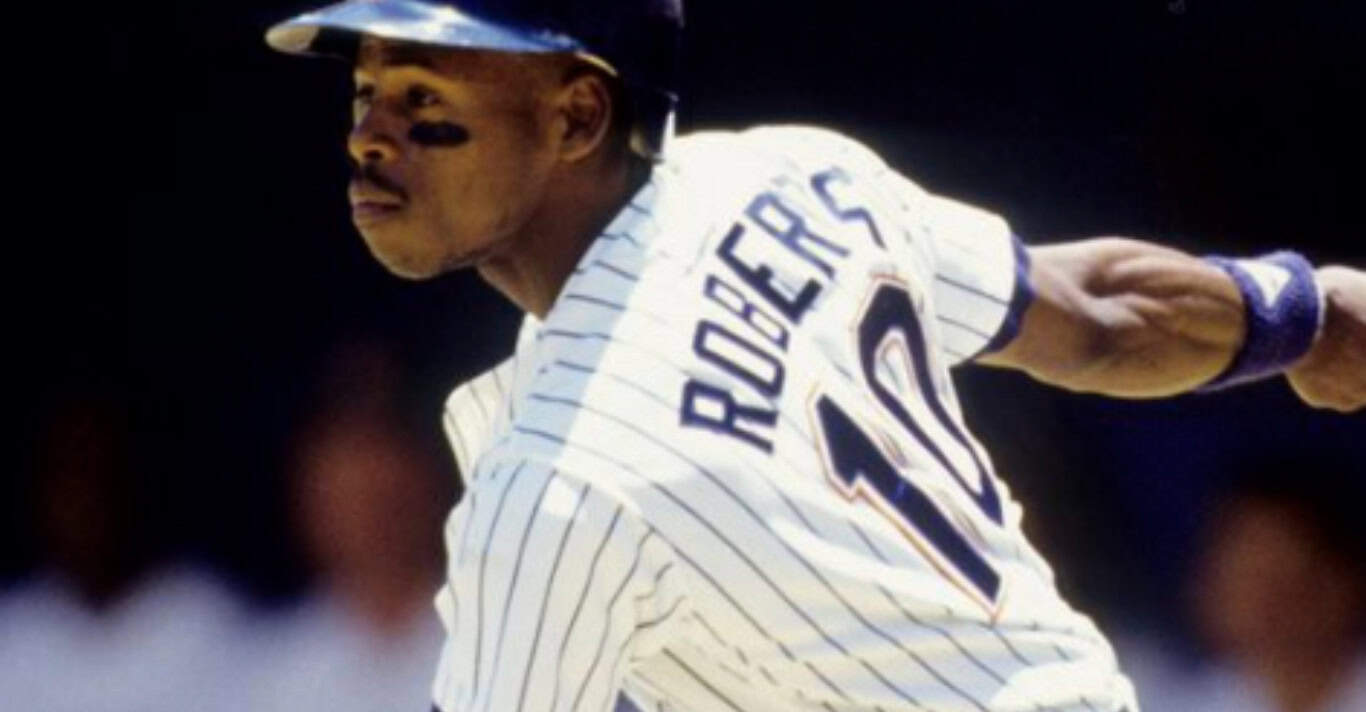
Leon “Bip” Roberts epitomized versatility during the 1990s, playing many positions across the diamond and in the outfield while providing consistent offense and speed wherever managers needed him. His 1992 season with Cincinnati featured a .323 average and 44 stolen bases, proving he could excel when given regular playing time at second base. Roberts’ infectious energy and clutch pinch-hitting ability made him invaluable to contending teams, while his distinctive nickname and gap-toothed smile made him instantly recognizable to fans who collected his surprisingly valuable rookie cards.
Eric Young – Colorado’s Table-Setter Who Thrived in the Thin Air
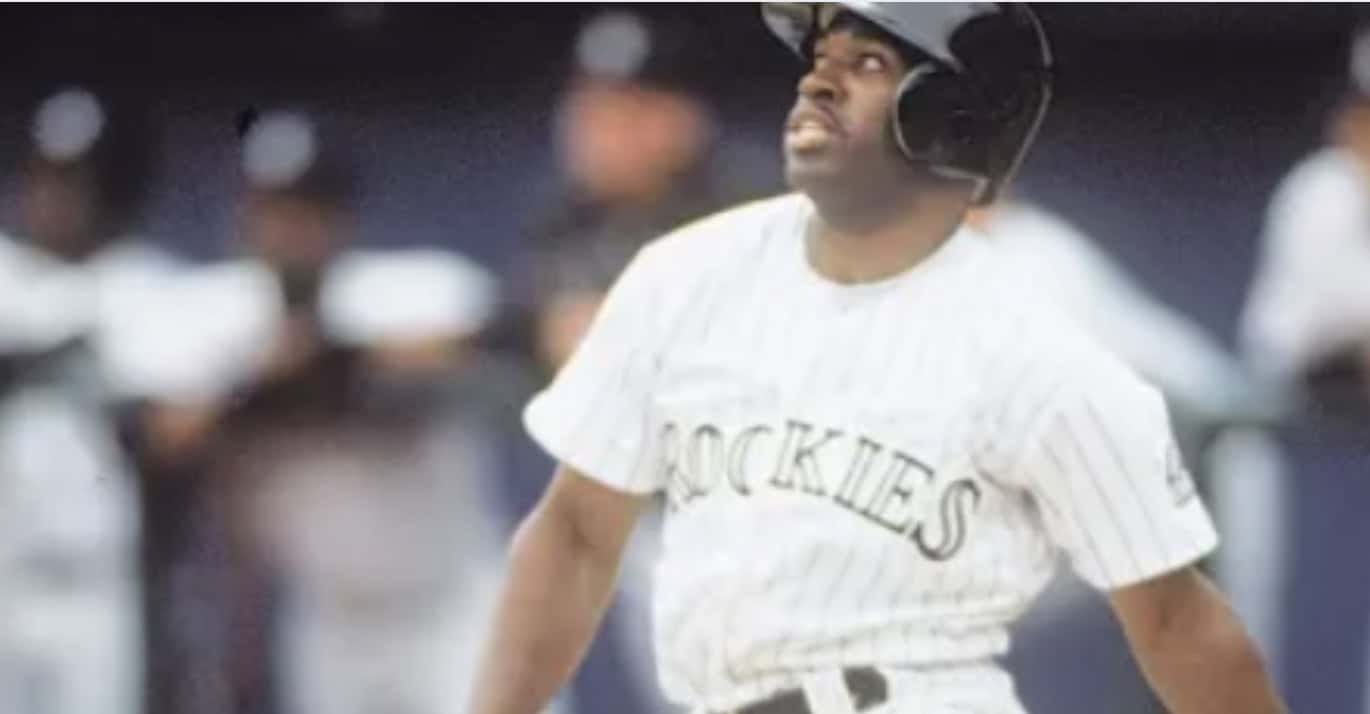
Eric Young became Colorado’s first franchise star, leading the NL in stolen bases during the Rockies’ inaugural 1993 season with 53 swipes while hitting .269 in the Mile High air. The speedy second baseman’s aggressive style perfectly matched Colorado’s offensive philosophy, as he consistently reached base and created scoring opportunities for the Blake Street Bombers. Young’s 1996 season featured 53 more stolen bases and a .324 average, proving that Coors Field’s thin atmosphere could benefit contact hitters just as much as power sluggers.
Lou Whitaker – The Sweet Lou Who Deserved Cooperstown But Never Got In

Lou Whitaker’s final seasons in the early 1990s showcased the smooth defensive skills and consistent hitting that defined his 19-year Detroit career, though Hall of Fame voters criminally overlooked his contributions. “Sweet Lou” remained productive into his late 30s, providing veteran leadership for the Tigers while maintaining his reputation as one of baseball’s most underrated players. His partnership with Alan Trammell created the longest-running double play combination in baseball history, yet Whitaker’s quiet excellence never received the recognition it deserved from Cooperstown’s gatekeepers.
Robby Thompson – The Gold Glover Whose Shoulder Ended His Prime Too Early
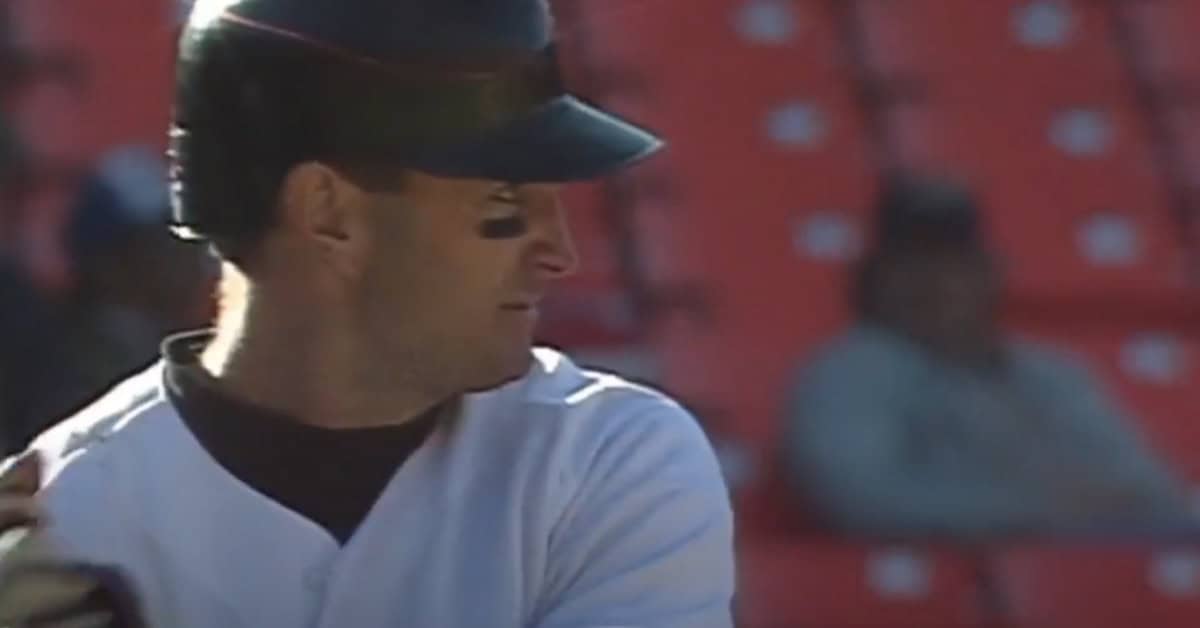
Robby Thompson’s 1993 Gold Glove season represented the peak of his defensive artistry, but chronic shoulder problems limited his effectiveness throughout the mid-1990s. The Giants’ steady second baseman combined solid defense with occasional power, launching 19 home runs in 1993 while anchoring San Francisco’s infield during their competitive years. Thompson’s gritty determination to play through pain endeared him to Candlestick Park faithful, though his shortened career prevented him from reaching the statistical milestones that might have earned him greater recognition.
Ray Durham – The Late Bloomer Who Found His Swing in Chicago

Ray Durham’s emergence in the late 1990s showcased his evolution from speedy prospect to complete player, culminating in his 1998 breakout season with 35 stolen bases and improved power numbers. The White Sox second baseman’s patient approach and gap power made him an ideal leadoff hitter for Chicago’s rebuilding efforts, while his smooth fielding provided stability up the middle. Durham’s late-decade surge set the stage for his eventual All-Star seasons in the 2000s, proving that development curves don’t always follow conventional timelines.
Randy Velarde – The Journeyman Who Had His Best Year at Age 36
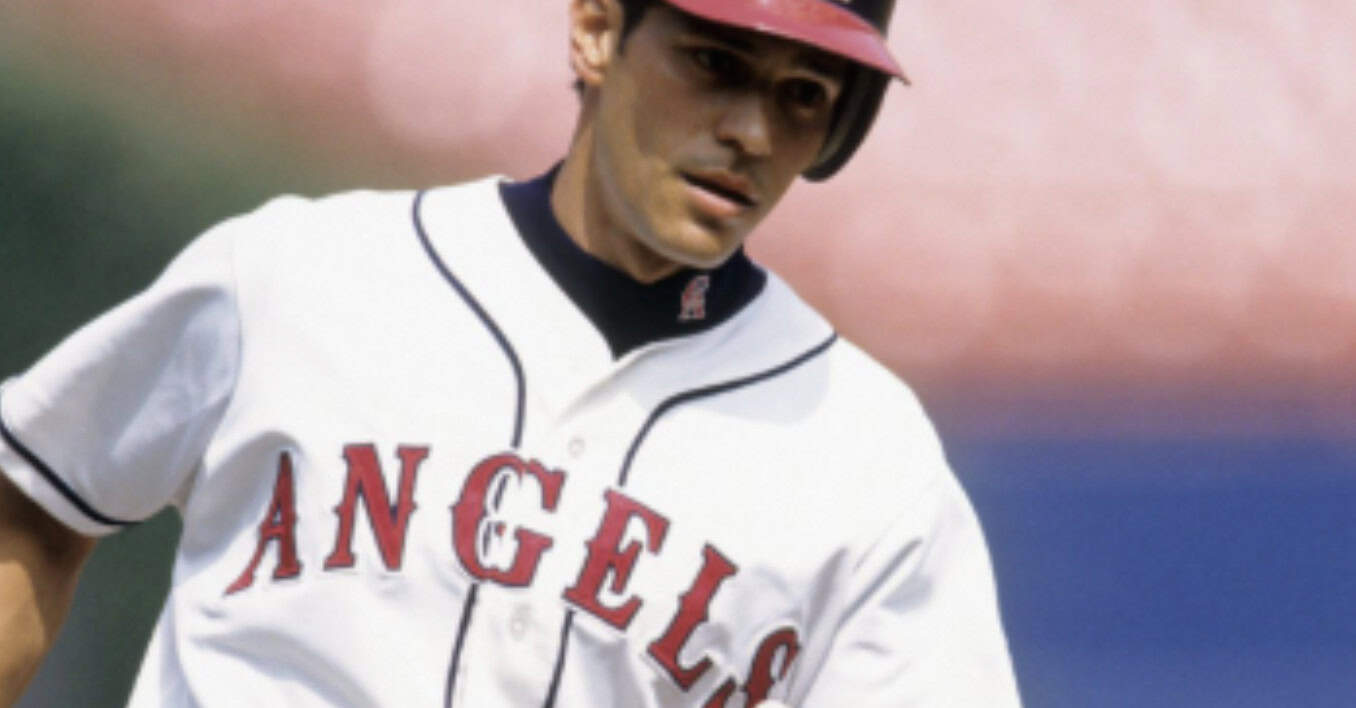
Randy Velarde’s nomadic career found its sweet spot during the mid-1990s, when his versatility and clutch hitting made him valuable to contending teams seeking reliable middle infield depth. The veteran utility man’s 1999 season with Anaheim featured career highs in multiple offensive categories, proving that experience and preparation could overcome physical limitations. Velarde’s professional approach and ability to play multiple positions made him the perfect role player for an era when roster flexibility became increasingly important to successful franchises.
Mike Gallego – The A’s Utility King Who Cashed In with the Yankees
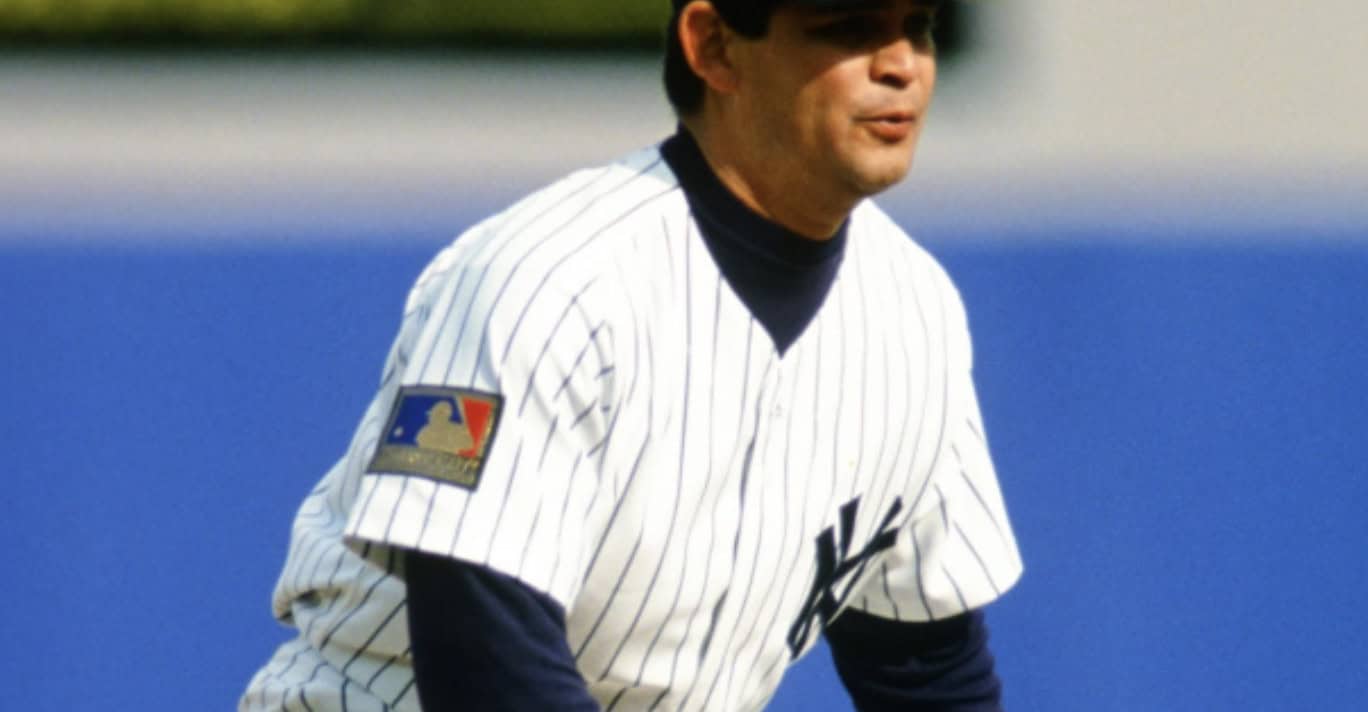
Mike Gallego’s steady glove and clutch hitting helped Oakland’s pennant-winning 1990 team and competitive clubs of the early 1990s, before his veteran leadership became valuable to the Yankees’ rebuilding efforts. The reliable infielder’s ability to play multiple positions and deliver in pressure situations made him indispensable during Oakland’s final competitive years of the decade. Gallego’s professional approach and postseason experience provided stability for teams transitioning between eras, while his consistent defense gave managers confidence in their middle infield depth.
Quilvio Veras – The Dominican Speedster Who Led the NL in Steals as a Rookie
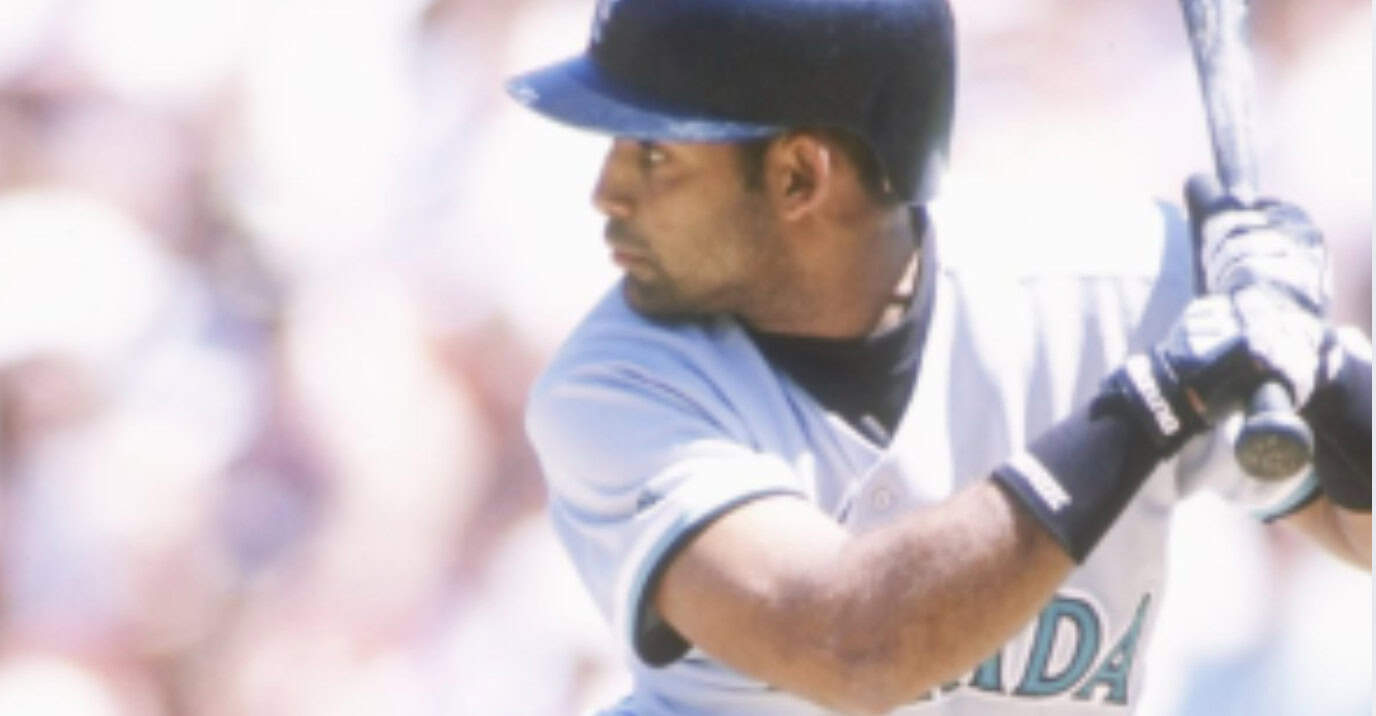
Quilvio Veras burst onto the scene with Florida in 1995, swiping an impressive 56 stolen bases as a rookie while providing the Marlins with their first legitimate leadoff threat. The diminutive Dominican’s aggressive baserunning and solid contact skills made him an instant fan favorite in South Florida, where his speed perfectly complemented the franchise’s youthful energy. Veras’s rookie season established him as one of the NL’s premier base stealers, though injuries would limit his ability to build on that promising foundation throughout the rest of the decade.
Mike Lansing – The Expo Who Hit 40 Doubles in Montreal’s Final Glory Days
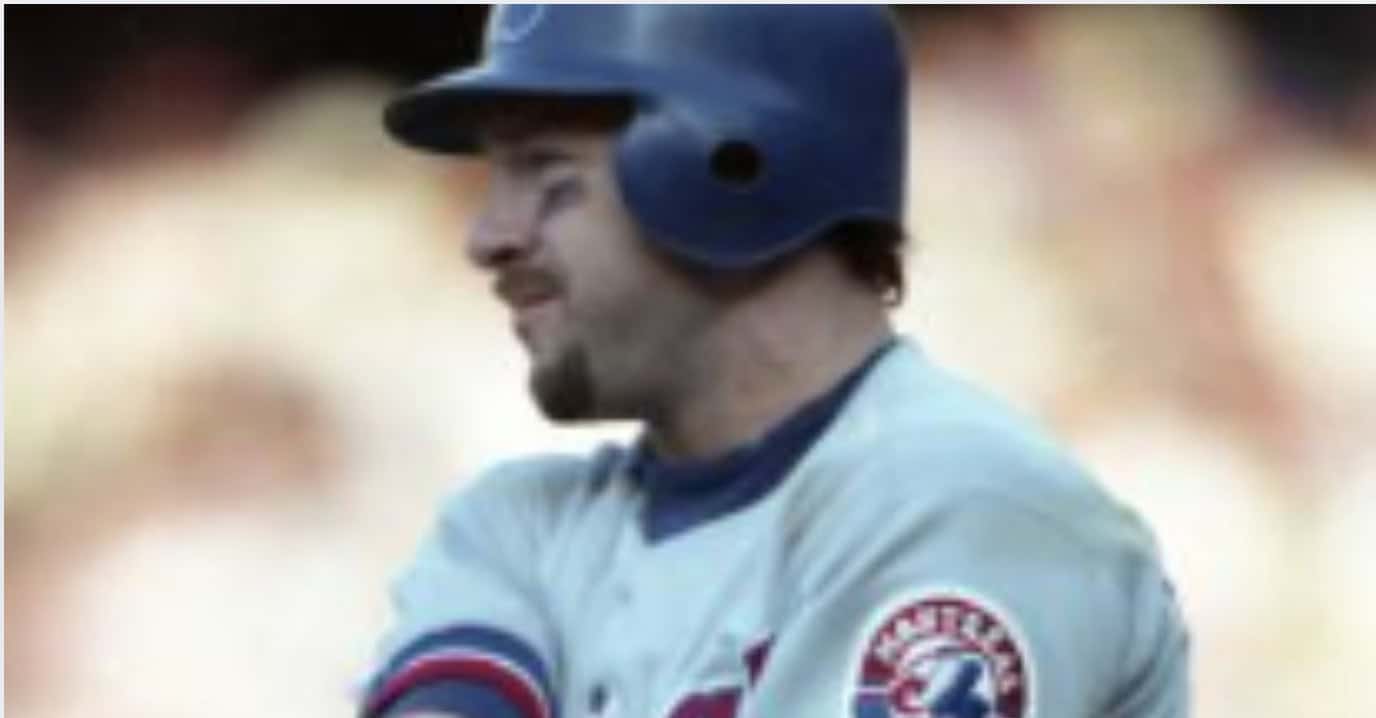
Mike Lansing’s 1996 season featured 40 doubles and solid defense for Montreal’s competitive mid-decade teams, showcasing his ability to drive the ball into Olympic Stadium’s gaps. The steady second baseman’s consistent production and professional approach made him a reliable presence during the Expos’ final years of relevance, while his gap power provided extra-base threats from the bottom of the lineup. Lansing’s workmanlike style perfectly embodied Montreal’s blue-collar approach, even as the franchise’s financial limitations prevented them from retaining their homegrown talent.
Mickey Morandini – The Dandy Little Glove Man Who Set the Table for Sammy Sosa
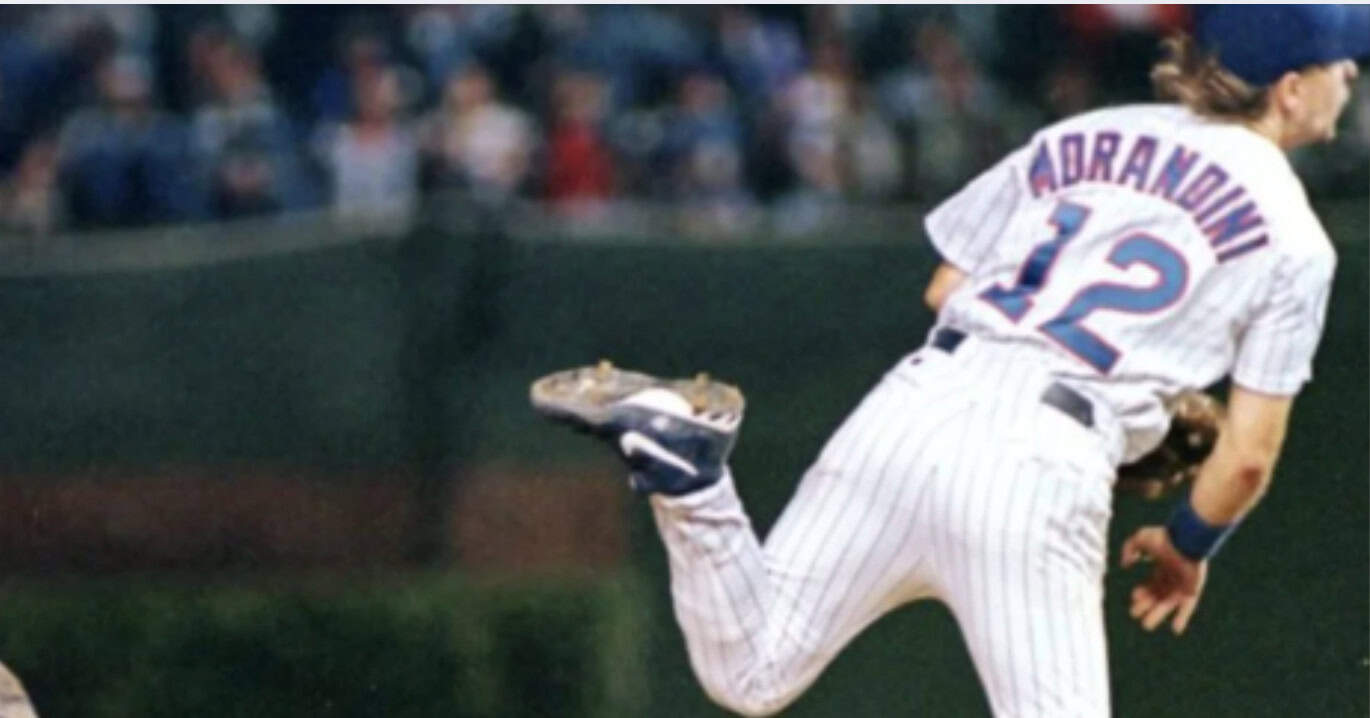
Mickey Morandini’s slick fielding and contact hitting made him a valuable catalyst for Philadelphia’s competitive teams of the early 1990s, before his veteran presence helped the Cubs during their late-decade rebuilding. The scrappy second baseman’s ability to turn double plays and reach base consistently provided the foundation for more explosive teammates to drive in runs. Morandini’s 1997 season with Chicago featured some of his best offensive numbers, including a career-high batting average, proving that his professional approach and fundamental skills could age gracefully even as his speed diminished.
Joey Cora – The Mariners’ Catalyst Who Made One All-Star Game Count
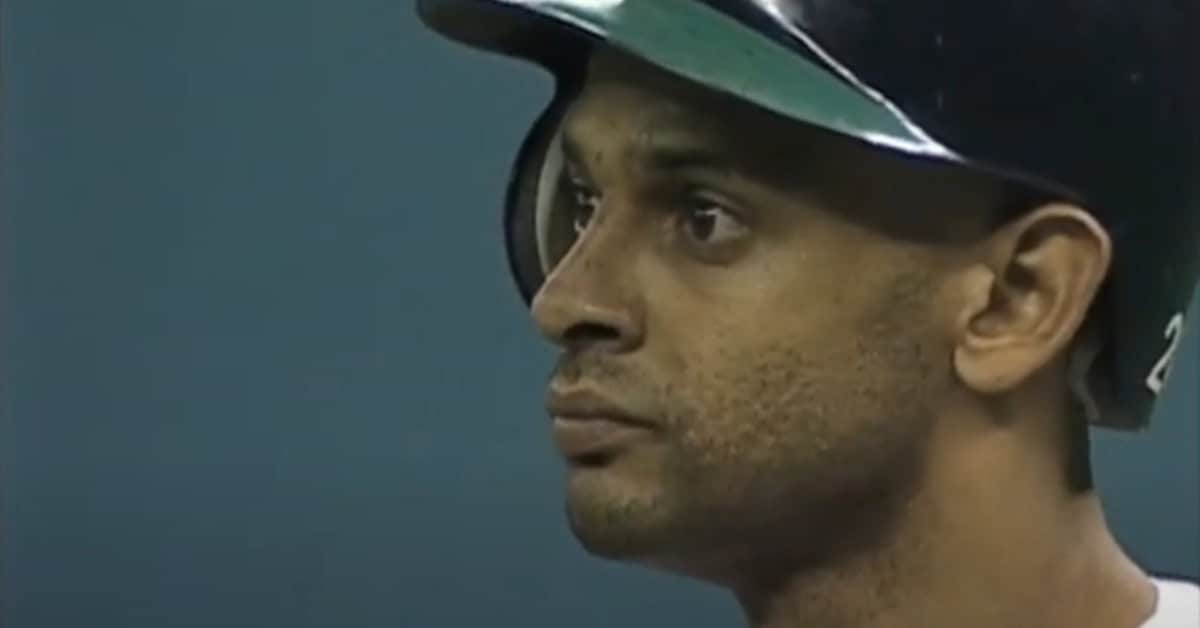
Joey Cora’s 1997 All-Star season represented the peak of his steady career, as his .300 average and clutch hitting helped Seattle remain competitive during their transition years. The Puerto Rican second baseman’s contact skills and veteran leadership provided stability for the Mariners’ young core, while his ability to execute hit-and-run plays perfectly complemented Seattle’s speed-based offensive philosophy. Cora’s professional approach and postseason experience made him invaluable during Seattle’s 1995 playoff run, when his steady presence helped calm nerves during the franchise’s first October appearance.
Mark Lemke – Atlanta’s Glove-First Hero Who Came Alive in October
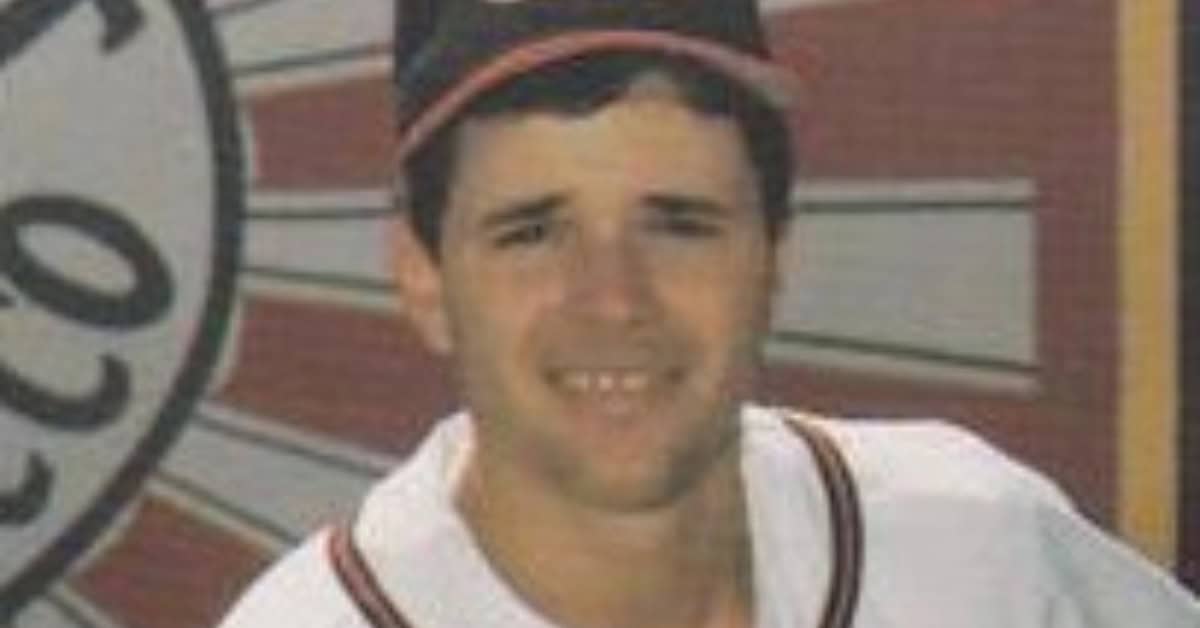
Mark Lemke’s clutch postseason performances made him a folk hero in Atlanta, where his scrappy style and timely hitting perfectly embodied the Braves’ championship culture throughout the decade. The undersized second baseman’s defensive reliability and ability to deliver in pressure situations made him indispensable to Atlanta’s rotation of Hall of Fame pitchers, while his 1991 World Series heroics against Minnesota established his reputation as a big-game player. Lemke’s workmanlike approach and team-first mentality made him the perfect complement to Atlanta’s star-studded roster, proving that championship teams need role players who embrace their responsibilities.