

Last Updated: June 17th, 2026 by Michael Schatz
The 1980s were the golden age of second base, when keystone wizards turned double plays into poetry and made routine grounders look like ballet. These were the guys who made you believe in the magic of baseball’s middle infield, back when artificial turf burned your knees and every stadium had its own quirky dimensions.
Don't lose this article. Enter your email below, and I'll send it to you right now. Plus, we'll send you other unbelievable stories from baseball's past.
Ryne Sandberg – The Wrigley Field Wizard Who Made Turning Two Look Like Art
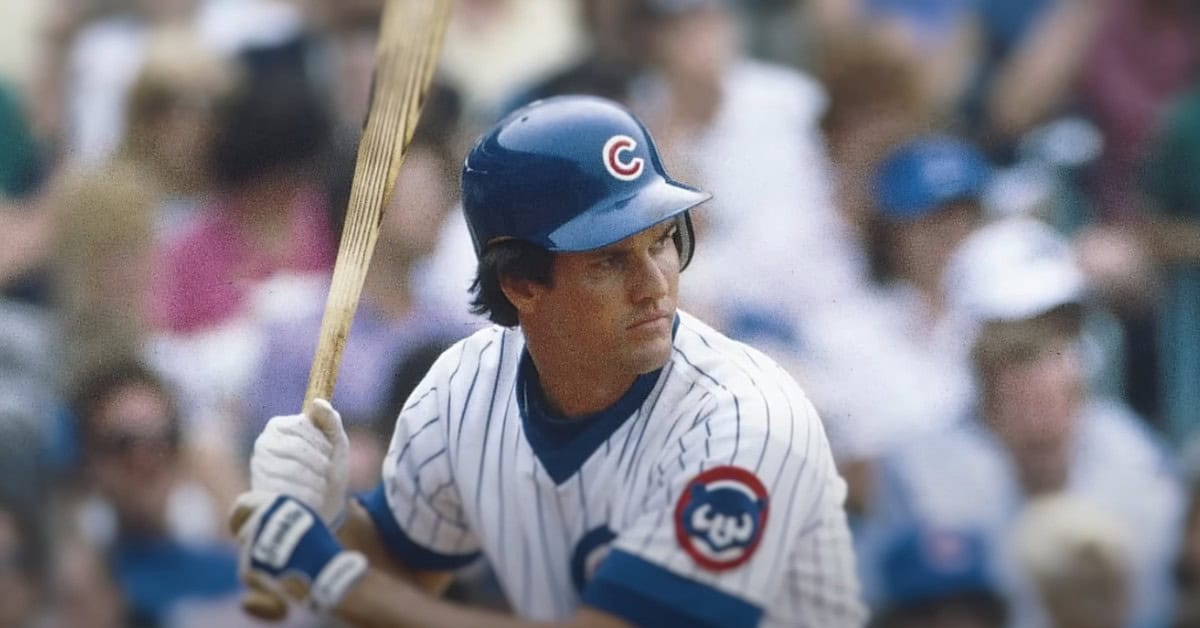
Ryno wasn’t just a second baseman—he was a religious experience for Cubs fans who’d suffered through decades of mediocrity. With his flowing blonde locks and effortless swing, Sandberg made Wrigley Field feel like a cathedral of baseball perfection. His 1984 MVP season included that legendary June game against the Cardinals where he hit two home runs off Bruce Sutter, turning WGN into appointment television for an entire generation. Seven Silver Sluggers and nine Gold Gloves later, Sandberg had redefined what a second baseman could be—part power hitter, part defensive artist, all Chicago legend.
Lou Whitaker – Detroit’s Sweet Lou and His Butter-Smooth Double Play Magic

Sweet Lou was the quiet half of Detroit’s dynamic double-play duo with Alan Trammell, but his numbers screamed louder than Tiger Stadium’s crowd. Whitaker accumulated more hits than any second baseman in the 1980s (1,552) while making the position look effortless with his smooth fielding and clutch hitting. He was the steady heartbeat of Detroit’s 1984 World Series championship team, the kind of player who showed up every day like he was punching a time clock—except his office happened to be the perfectly manicured infield at the corner of Michigan and Trumbull.
Willie Randolph – The Yankee Veteran Who Anchored Championship Dreams
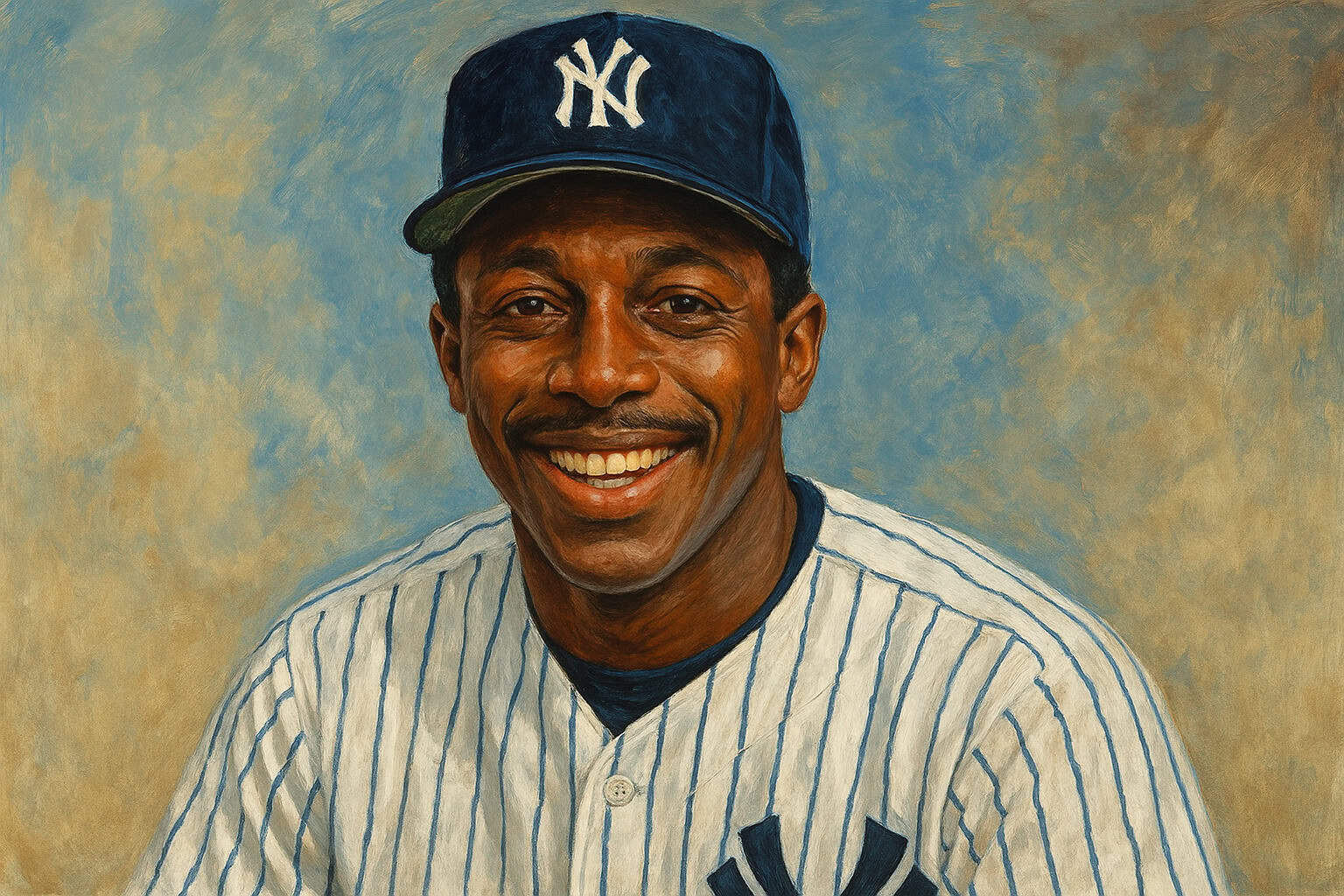
Captain Willie brought Brooklyn swagger to the Bronx, turning second base into his personal command center during the Yankees’ late-70s and early-80s glory days. Randolph was the consummate professional who made the hard plays look routine and the routine plays look artistic, all while wearing those classic pinstripes like they were tailored specifically for him. His patient approach at the plate and clutch hitting in October made him the perfect complement to the Yankees’ power-heavy lineups, proving that sometimes the most valuable player is the one who simply never lets you down.
Steve Sax – The Dodger Speedster Who Turned Errors Into Entertainment
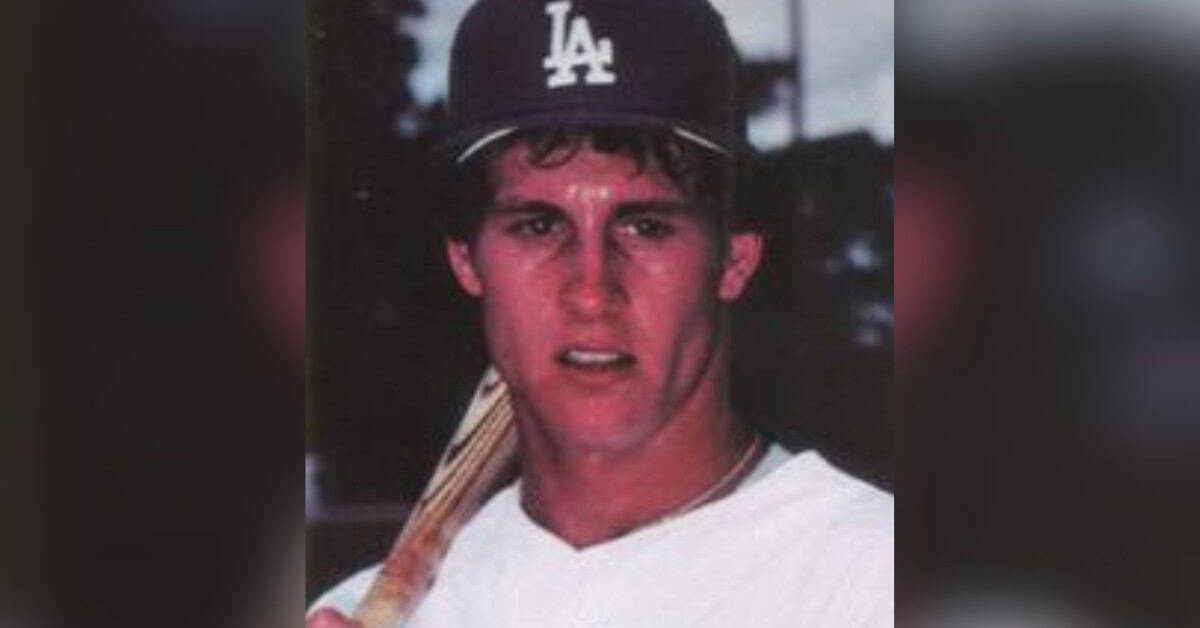
Sax was the human embodiment of Los Angeles in the 1980s—flashy, fast, and occasionally unpredictable. His throwing yips became legendary, turning routine grounders into adventures that had Dodger Stadium holding its collective breath. But when Sax got his act together, he was pure magic—stealing bases like a man possessed and turning singles into doubles with his blazing speed. His 1982 Rookie of the Year award and 1988 World Series championship proved that sometimes the most entertaining players are also the most effective ones.
Bobby Grich – The California Angel With Gold Glove Perfection
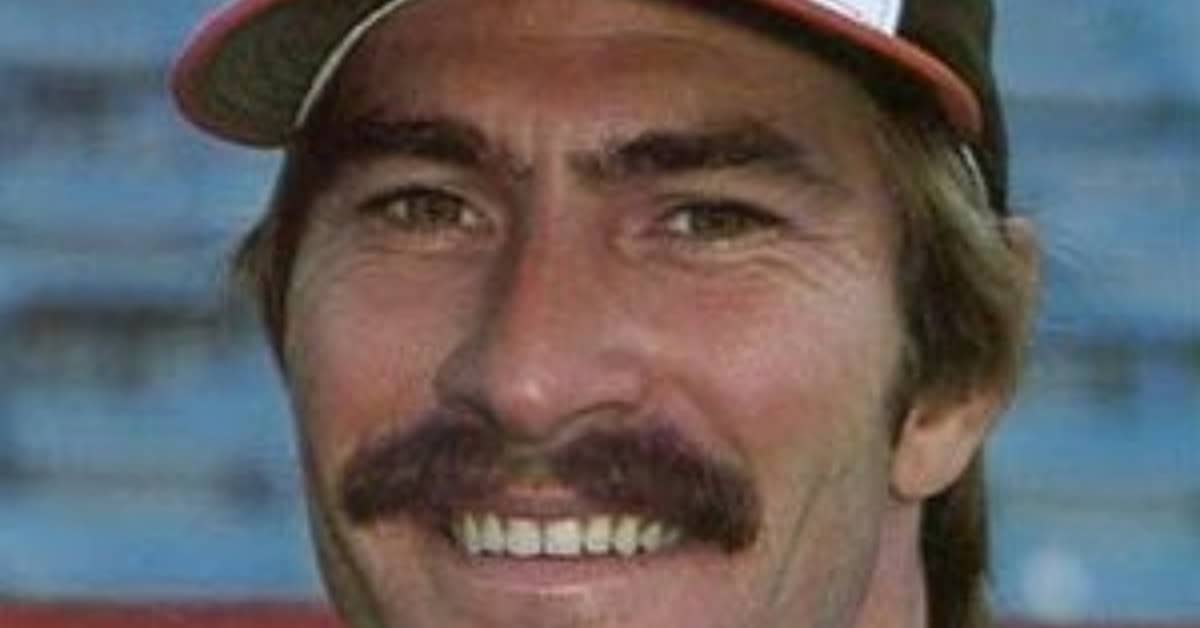
Grich was the thinking man’s second baseman, a cerebral player who approached every at-bat and fielding chance like he was solving a complex equation. His four Gold Gloves, won in the 1970s, told only part of the story of his defensive prowess—Grich combined defensive excellence with surprising power throughout his career, becoming one of the first second basemen to regularly clear the fences. Playing in the shadow of Anaheim Stadium’s Big A, Grich was the steady professional who made California’s championship aspirations feel achievable, even if they ultimately fell short of October glory in the 80s.
Frank White – Kansas City’s Mr. Reliable and His Eight Gold Gloves
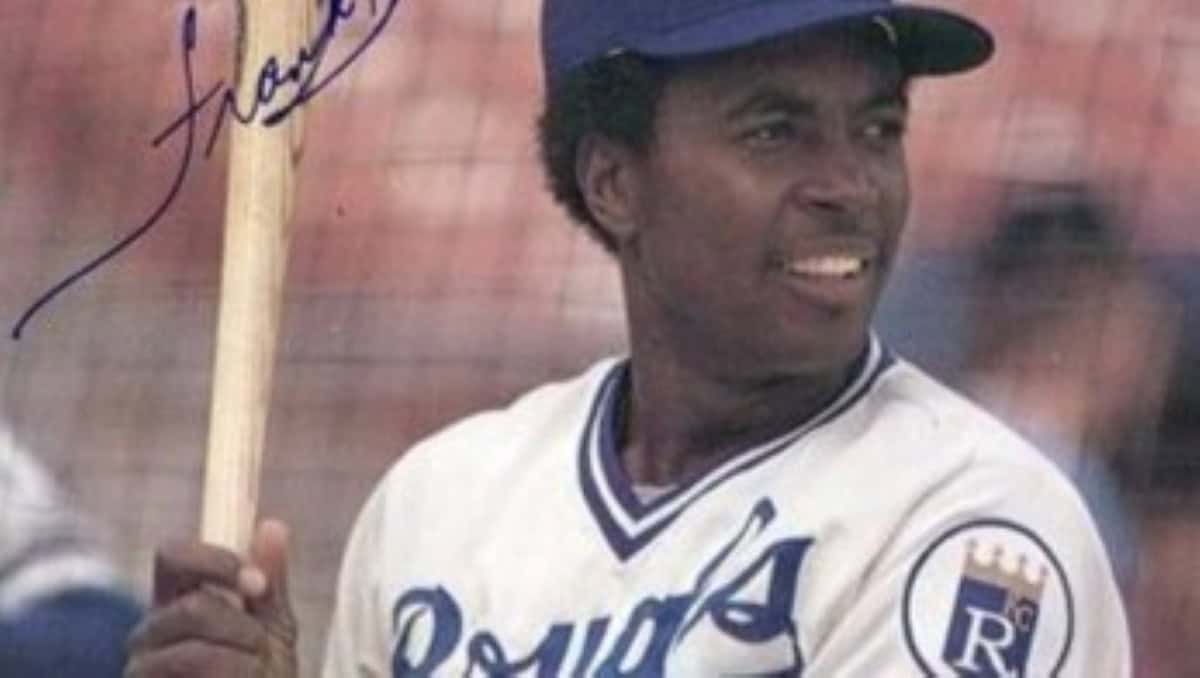
White was Kansas City royalty long before the team won their first World Series, turning Royals Stadium’s artificial turf into his personal showcase. His eight Gold Gloves weren’t just awards—they were statements about what defensive excellence looked like when it was performed with Midwestern work ethic and precision. White’s glove was so reliable that Royals fans took his spectacular plays for granted, expecting miracles on a nightly basis. His 1985 World Series championship was the perfect capstone to a career built on making the impossible look routine.
Juan Samuel – Philadelphia’s Power-Speed Phenomenon Who Rewrote the Position
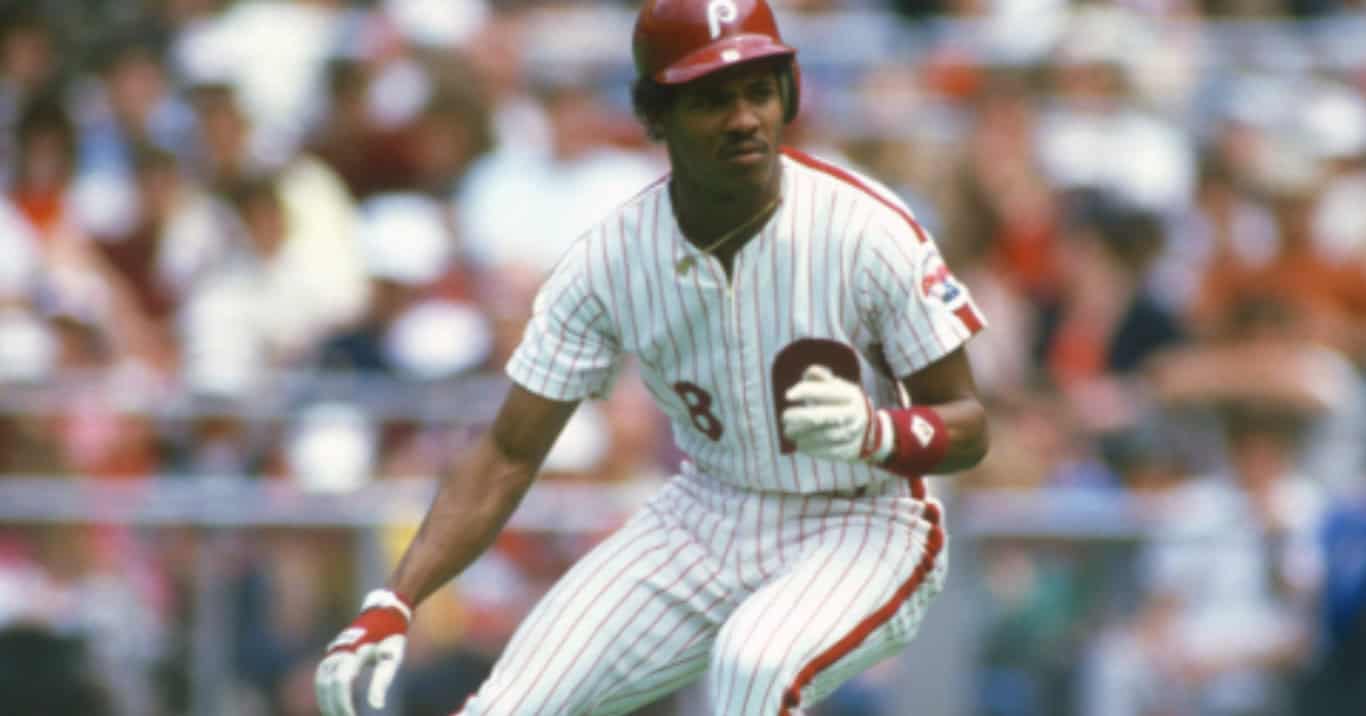
Samuel was a hurricane in a Phillies uniform, bringing unprecedented power and speed to second base while Veterans Stadium’s concrete bowl amplified every crack of his bat. His rookie season featured the first-ever 15-homer, 70-steal combination by a second baseman, redefining what was possible at the position. Samuel’s aggressive style sometimes led to spectacular failures, but more often it produced the kind of highlight-reel moments that made Philadelphia fans forget about their reputation for booing Santa Claus. He was one of the era’s most electrifying power-speed second basemen, a new prototype for the position.
Tom Herr – St. Louis’s Cardinal Virtue in Human Form
Herr embodied everything that made the Cardinals’ “Whiteyball” era special—smart, scrappy, and clutch when it mattered most. His 1985 season was a masterpiece of situational hitting, driving in 110 runs despite hitting just eight home runs, proving that RBIs were more about opportunity than power. Herr made Busch Stadium’s artificial turf sing with perfectly placed ground balls and expertly executed hit-and-runs. He was the quintessential Cardinal, playing the game with intelligence and intensity while wearing that classic birds-on-the-bat logo like a badge of honor.
Harold Reynolds – Seattle’s Slick-Fielding Spark Plug
Reynolds brought Gold Glove defense and infectious energy to the Kingdome, making Seattle’s concrete cavern feel alive with his spectacular defensive plays and blazing speed. His three consecutive Gold Gloves (1988-1990) established him as the premier defensive second baseman of the late 1980s, while his base-stealing prowess made him a constant threat on the basepaths. Reynolds was the bright spot during Seattle’s lean years, providing highlight-reel moments that made Mariners fans believe better days were ahead. His smooth fielding and gap-to-gap hitting made him the perfect player for the Kingdome’s expansive foul territory.
Julio Cruz – The Speedster Who Stole His Way Into Hearts
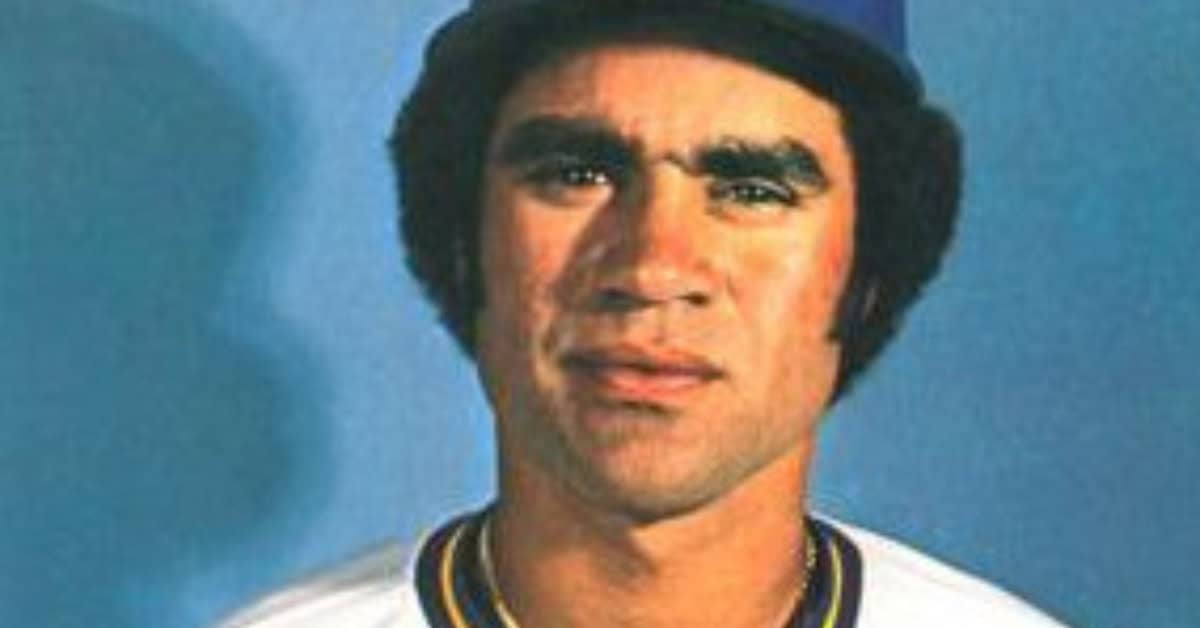
Cruz was pure electricity on the basepaths, turning stolen bases into an art form during Seattle’s formative years. His 59 steals in 1978 and consistent 40+ steal seasons made him one of the most feared base runners of the early 1980s, even if his batting average never matched his speed. Cruz embodied the Mariners’ scrappy underdog spirit, manufacturing runs through hustle and intelligence when power was in short supply. His later years with the White Sox proved that speed never goes out of style, as he continued stealing bases well into his thirties.
Manny Trillo – The Venezuelan Maestro of the Middle Infield
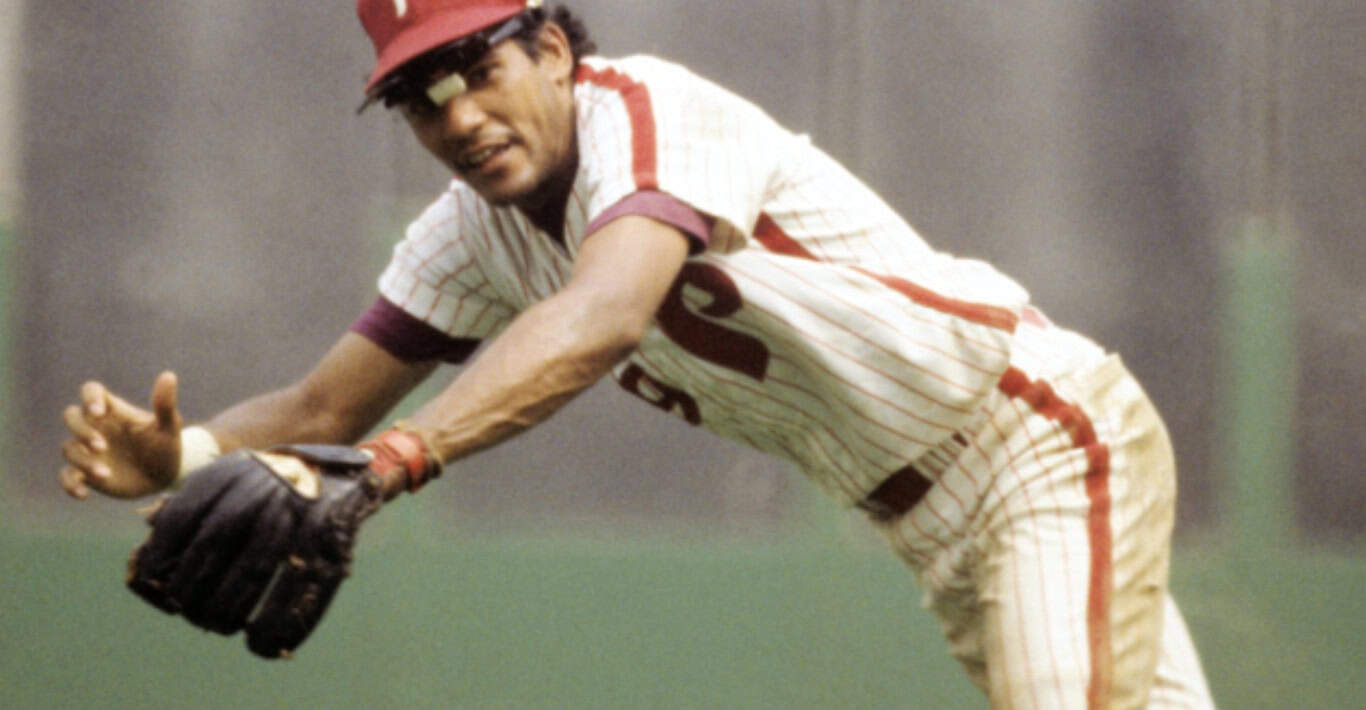
Trillo was the steady hand who helped guide Philadelphia to their 1980 World Series championship, bringing Venezuelan flair to the City of Brotherly Love. His three Gold Gloves and 1980 NLCS MVP award showcased a player who elevated his game when October arrived, turning routine double plays into works of art. Trillo’s batting average, often in the .260s with peaks near .290 during his best years, and clutch hitting made him the perfect complement to Philadelphia’s power hitters, while his defensive reliability gave Phillies fans something to cheer about beyond the team’s reputation for tough crowds.
Doug Flynn – The Defensive Specialist Who Made Routine Look Spectacular

Flynn was the defensive wizard who made Shea Stadium’s infield look like a perfectly choreographed dance floor, even during the Mets’ lean years. His Gold Glove in 1980 was recognition for a player who treated every ground ball like a personal challenge, diving and stretching to make plays that other second basemen wouldn’t even attempt. Flynn’s offensive limitations were overshadowed by his defensive brilliance, proving that sometimes the most valuable players are the ones who prevent runs rather than drive them in. His work ethic and professionalism set the standard for Mets infielders throughout the early 1980s.
Damaso Garcia – Toronto’s Blue Jay Who Flew Under the Radar
Garcia was the Dominican dynamo who helped establish Toronto as a legitimate baseball city, bringing Latin flair to Exhibition Stadium’s artificial turf. His consistent .280+ batting averages and solid defensive play made him a cornerstone of the Blue Jays’ rise from expansion afterthought to playoff contender. Garcia’s gap-to-gap hitting and reliable glove work provided stability during Toronto’s formative years, while his fiery personality added spice to a young franchise finding its identity. He was the kind of player who made Canadian baseball fans believe their team belonged on the same field as the Yankees and Red Sox.
Tim Teufel – The Switch-Hitting Journeyman With Perfect Timing
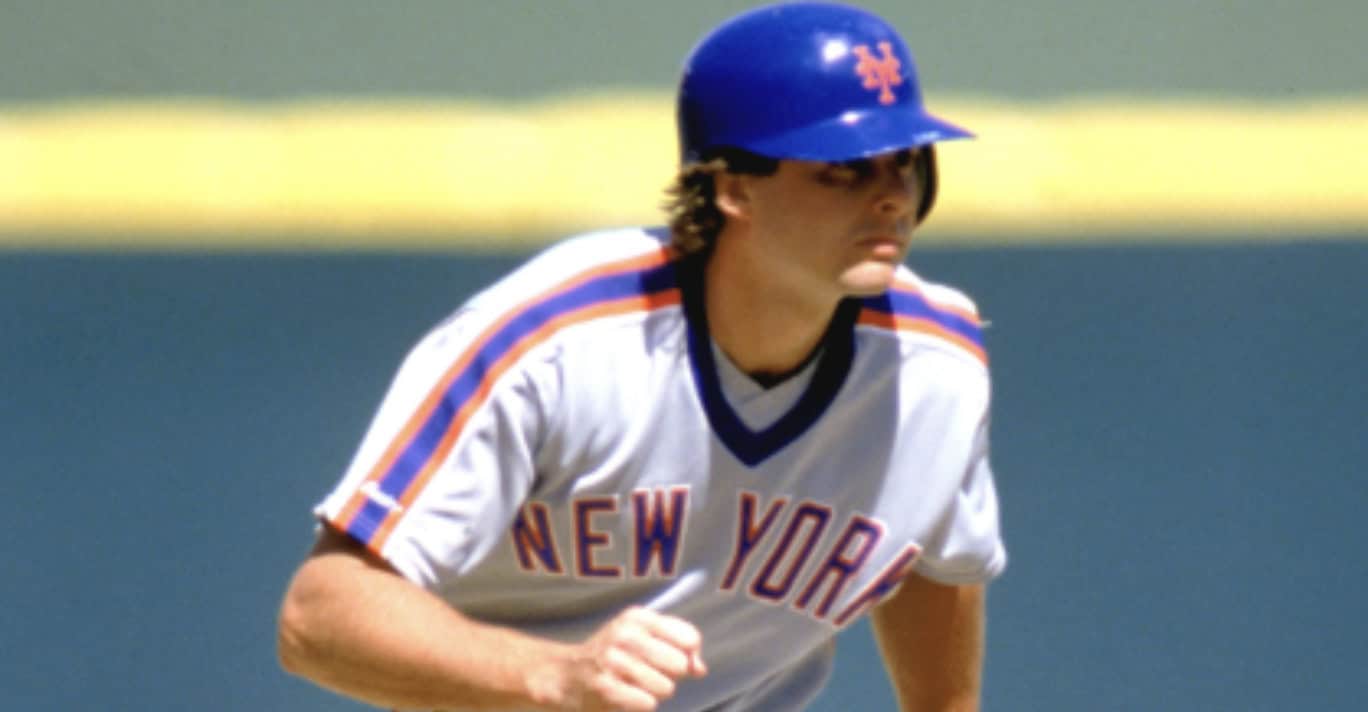
Teufel was the ultimate utility man who found his calling as a platoon player with the 1986 Mets, proving that sometimes the best careers are built on knowing your role perfectly. His switch-hitting ability and surprising power made him the ideal complement to Wally Backman, giving manager Davey Johnson the flexibility to match up against any opposing pitcher. Teufel’s clutch hitting during the Mets’ championship run included key home runs that helped deliver New York its first World Series title in 17 years. He embodied the workmanlike attitude that made the ’86 Mets so memorable—professional, prepared, and ready for any situation.
Glenn Hubbard – Atlanta’s Brave Heart at Second Base
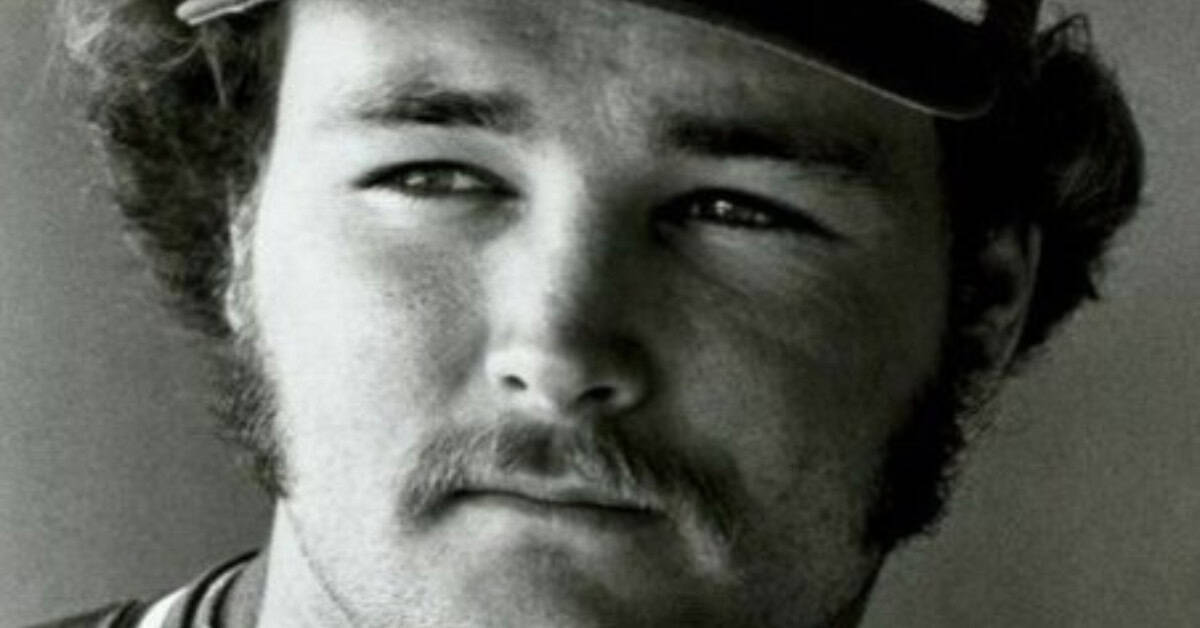
Hubbard was the steady heartbeat of Atlanta’s early 1980s resurgence, turning Atlanta-Fulton County Stadium into a showcase for fundamental baseball. His batting average, often in the .240s with some seasons reaching over .250, and reliable defense provided the foundation for the Braves’ 1982 NL West championship, their first division title since moving to Atlanta. Hubbard’s professional approach and team-first attitude made him a favorite of manager Joe Torre, while his clutch hitting in key situations proved that second basemen didn’t need to be superstars to be indispensable. He was the kind of player who made baseball look easy, even when it wasn’t.
Tony Phillips – The Versatile Utility Man Who Did Everything Well
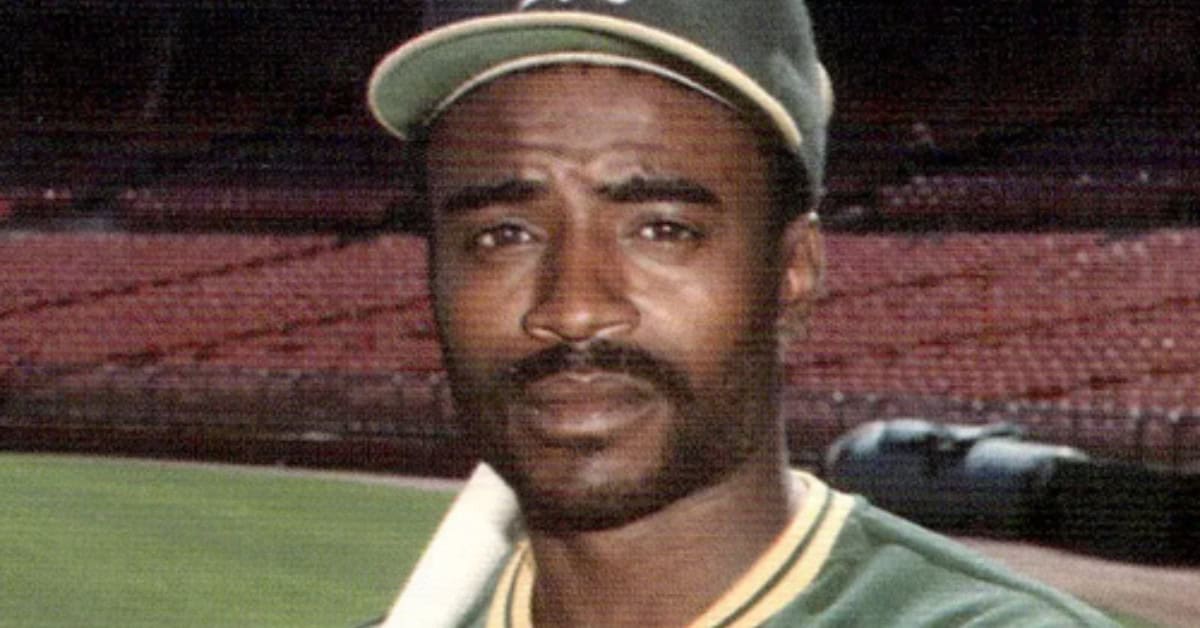
Phillips was the Swiss Army knife of the Oakland Athletics, capable of playing anywhere on the field while providing consistent offensive production and veteran leadership. His ability to work counts and get on base made him the perfect leadoff hitter for Oakland’s Bash Brothers era, setting the table for Jose Canseco and Mark McGwire. Phillips’ versatility allowed manager Tony La Russa to deploy his roster like a chess master, moving pieces around to create the perfect matchups. His professional attitude and clutch hitting made him an invaluable piece of Oakland’s championship puzzle, proving that sometimes the most important players are the ones who do everything well rather than one thing spectacularly.
Marty Barrett – Boston’s Clutch Performer When October Mattered Most
Barrett was the unsung hero of Boston’s 1986 American League championship, turning Fenway Park’s unique dimensions into his personal hitting laboratory. His .367 batting average in the 1986 ALCS earned him MVP honors, and he followed that with a remarkable .433 average in the World Series, proving that clutch hitting could overcome any lack of power numbers. Barrett’s scrappy style and Boston accent made him the perfect embodiment of Red Sox Nation’s working-class values, while his reliable glove work helped anchor one of the most talented infields in franchise history. He represented everything Boston fans loved about their team—tough, smart, and never giving up, even when facing elimination.
Johnny Ray – Pittsburgh’s Consistent Contact Hitter
Ray was the hitting machine who made Three Rivers Stadium feel like a launching pad for line drives, consistently ranking among the league leaders in hits and doubles. His 1982 Rookie of the Year runner-up season established him as one of the most reliable contact hitters in the National League, while his multiple .300+ batting average seasons showcased his hitting prowess. Ray’s gap-to-gap approach and professional at-bats made him a favorite of Pirates fans who appreciated fundamental baseball during the franchise’s transitional years. His consistent production provided a bright spot during Pittsburgh’s rebuilding phase, proving that individual excellence could shine even on struggling teams.
Bill Doran – Houston’s Astro Who Sparkled in the Dome
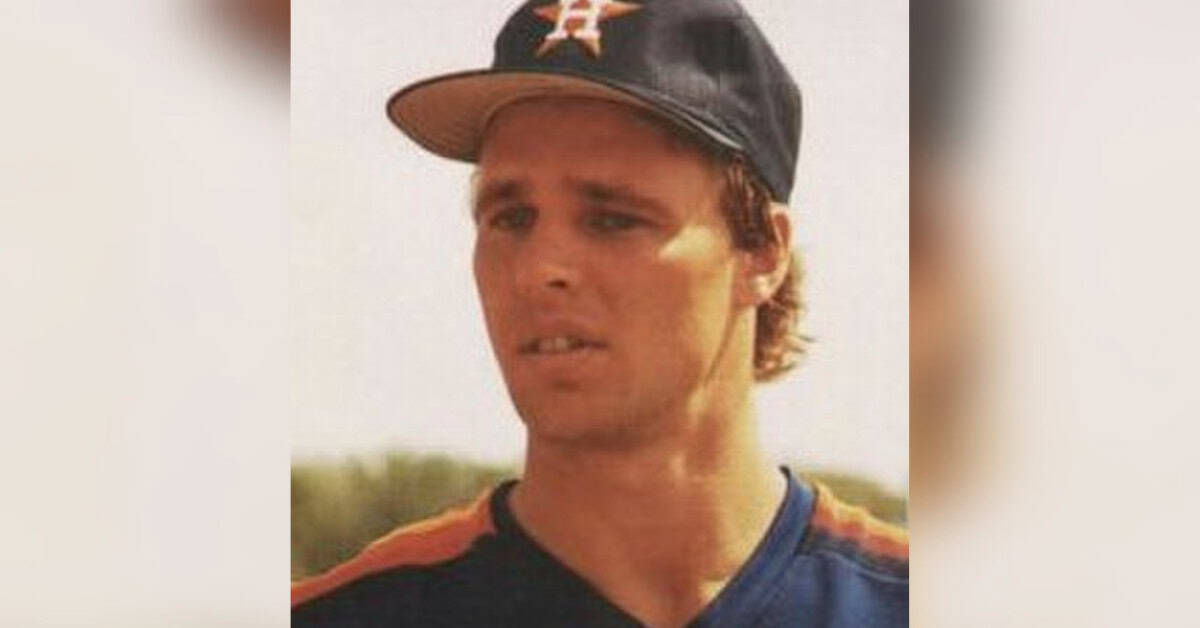
Doran was the perfect player for the Astrodome’s unique environment, using his speed and contact hitting to turn artificial turf into his personal playground. His consistent .270+ batting averages and multiple 30+ stolen base seasons, including one with over 40 steals, made him a key component of Houston’s mid-1980s success, including their 1986 NL West championship. Doran’s professional approach and clutch hitting in pressure situations helped establish the Astros as legitimate contenders in the National League’s most competitive division. Playing under the Dome’s bright lights and artificial conditions, Doran proved that adaptability and intelligence could overcome any environmental challenge, making him the ideal second baseman for baseball’s most unique venue.