
Last Updated: September 4th, 2026 by Shaiel Ben-Ephraim
Hall of Fame is about the best players of all time, and that's very different from what matters to fans, which are who are the players that were there for them when they were watching important games. And that's why fans are often very unhappy with who gets selected for the Hall of Fame, and much more often with who doesn't get selected for the Hall of Fame.
Don't lose this article. Enter your email below, and I'll send it to you right now. Plus, we'll send you other unbelievable stories from baseball's past.
And in Boston it's different from other fan bases. Most fan bases, they're there for a city. The Red Sox, it's six states. And the history that Fenway has is full of players that meant so much to the fans but aren't in the Hall of Fame, because cultural importance and emotional significance aren't always greatness.
And you have only 300-something players in the Hall of Fame. It's a very narrow gate, and not everyone can make it through. So who are the players who meant so much to Fenway and haven't made it?
20. Bruce Hurst: The Southpaw Who Almost Won ’86
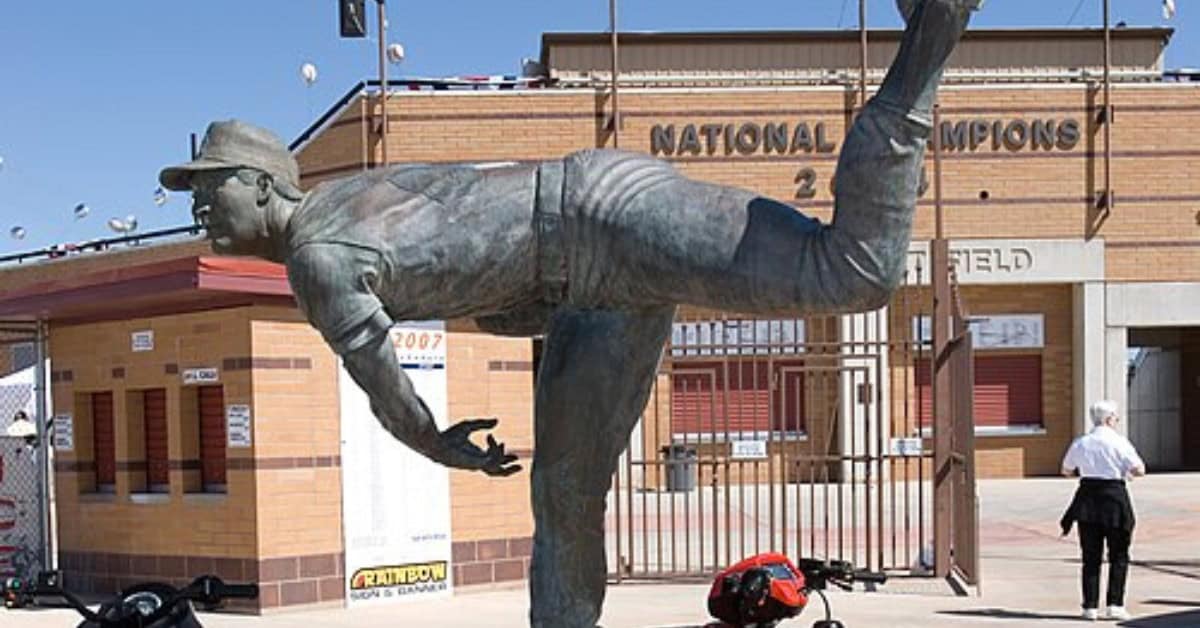
Bruce Hurst was a pretty ordinary pitcher in terms of his entire career, but the reason we're talking about him is that his 1986 World Series performance was anything but. Two wins, zero losses, 2.17 ERA, 23 innings pitched, most innings of any pitcher in the series. He had a complete-game victory over Dwight Gooden in Game 5 and an 8-inning shutout in game one. And then game seven, on three days' rest, he did everything he could to win. The game was blown after he was out. Now, Ray Knight won the MVP, but a lot of people thought that Bruce should have won, and if the Sox had nailed it, he certainly would have won.
Now, even though the Red Sox remember him much more, he had his best years playing for San Diego. 1989 was his best year for them: 15 and 11, 2.69 ERA. He left Boston because it was closer to his mother, who was having health problems, so that was also a reason for the Red Sox to feel bitter about it. But all they remember really is the 1986 World Series, and it's a good thing that they do. Hurst had a very solid career; not a Hall of Famer, but that World Series, man.
| Bruce Hurst — Career | Total |
|---|---|
| W | 145 |
| L | 113 |
| ERA | 3.92 |
| G | 379 |
| IP | 2417.1 |
| SO | 1689 |
| WHIP | 1.33 |
| SV | 0 |
| All-Star selections | 1 |
19. Dustin Pedroia: The Laser Show That Lit Up Fenway
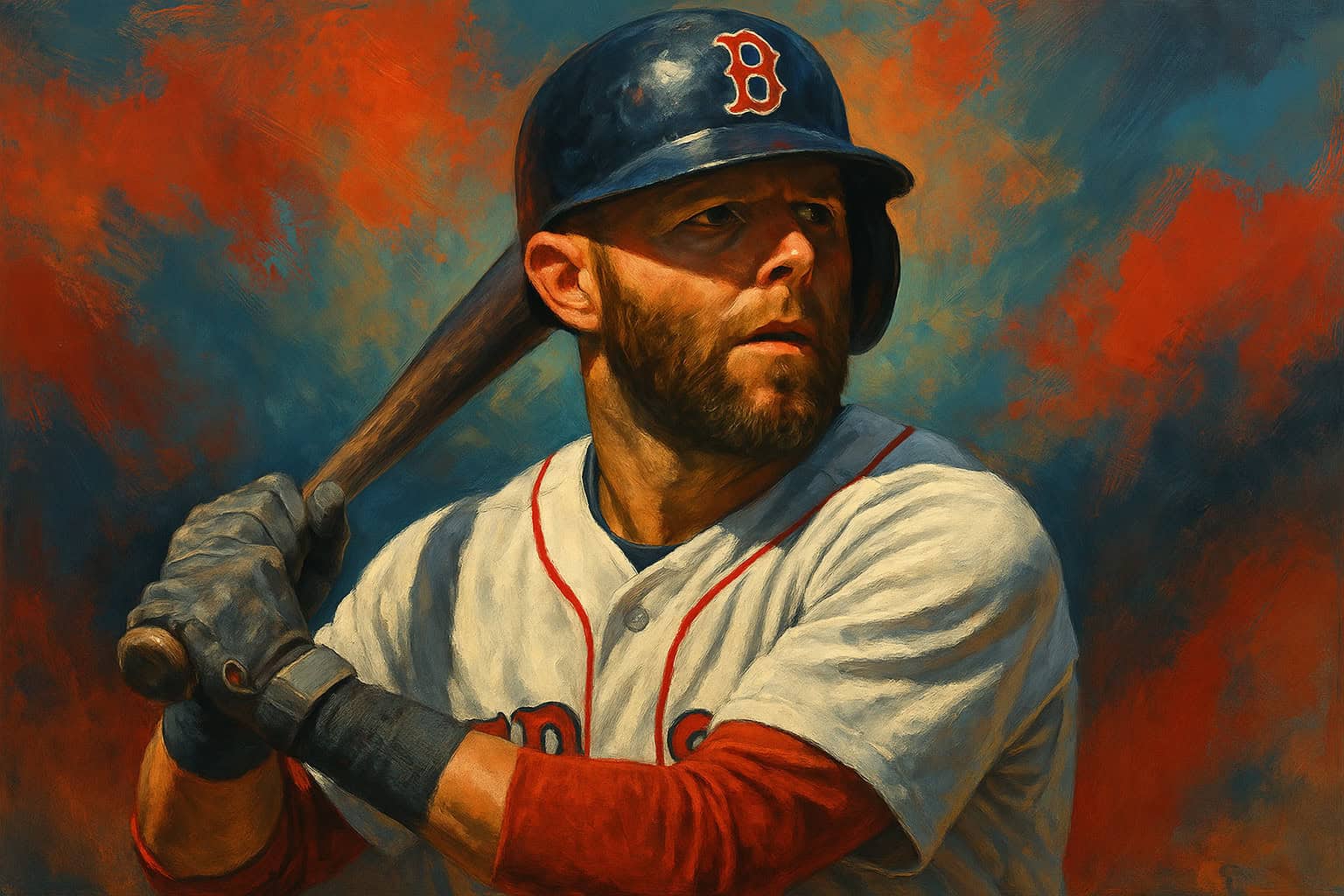
There's still a chance that Dustin Pedroia gets into the Hall of Fame, but I don't see it. He's on a holding pattern, 20.7% in the second year on the 2026 ballot, and the truth is, the case isn't that strong. He started amazingly: 2007 Rookie of the Year, 2008 American League MVP with 326 and 213 hits, four Gold Gloves, four All-Star selections, but he could also really hit.
Unfortunately, that injury when Manny Machado slid into his left knee at second base on April 21st, 2017, really ended his career. He only played nine games total after that. He did a cartilage restoration that seems to have been a really bad mistake, and to his credit, he's not bitter about it. He says he's not upset about anything anymore; that play could have happened in his rookie year.
But there's a reason Red Sox fans loved him so much. He was fantastic; he put his heart into every play, and if it hadn't been for that injury, maybe he wouldn't be on this list.
| Dustin Pedroia — Career | Total |
|---|---|
| G | 1512 |
| AB | 6031 |
| H | 1805 |
| HR | 140 |
| RBI | 725 |
| SB | 138 |
| AVG | .299 |
| OBP | .365 |
| SLG | .439 |
| OPS | .804 |
| MVP | 1 |
| All-Star selections | 4 |
| Gold Gloves | 4 |
| Silver Sluggers | 1 |
| World Series titles | 2 |
| Rookie of the Year | 1 |
18. Frank Malzone: The Original Hot Corner Hero
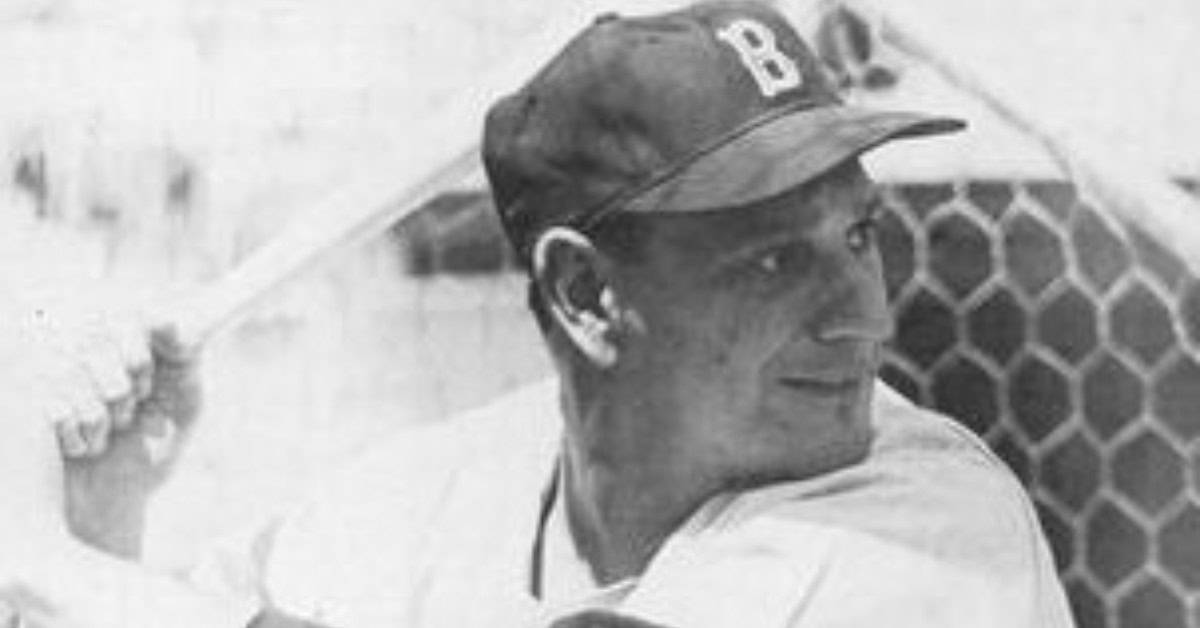
Frank Malzone is really beloved by the Red Sox fans because he was a bright spot in an awful, awful era for the Red Sox when they were not only terrible but also were the last to integrate, so it's a period that no one really wants to remember. But let's remember Malzone cuz he deserves it.
So first of all, we're talking about a guy who won the first three Golden Gloves at third base ever, then of course this guy called Brooks Robinson took over and he never won again, but he was probably the second best third baseman of that era and won every single Golden Glove before Brooks Robinson.
He could also hit sometimes, especially in his rookie year when he hit 292, 15 homers, and 103 RBIs, coming in second for Rookie of the Year. And he missed a couple of years because of the army. He also had to deal with the death of his daughter when he was just coming up, and he overcame that to be a fantastic player.
But with 16 WAR he wasn't going to make the Hall of Fame, but he gave many years to the organization as a scout, as an assistant manager, more than half a century with the Red Sox. And that's why for a certain generation of Red Sox fans he justifiably brings up fantastic memories.
| Frank Malzone — Career | Total |
|---|---|
| G | 1441 |
| AB | 5428 |
| H | 1486 |
| HR | 133 |
| RBI | 728 |
| SB | 14 |
| AVG | .274 |
| OBP | .315 |
| SLG | .399 |
| OPS | .714 |
| All-Star selections | 6 |
| Gold Gloves | 3 |
17. Johnny Pesky: Mr. Red Sox and His Famous Pole
Johnny Pesky was so important to the Red Sox in his time that they actually named the foul pole after him. But let's start with his Hall of Fame case. Unlike some people on this list, Pesky has a good case. We're talking about a guy who led the American League in hits in each of his first three seasons, over 200 in every year, including 205 as a rookie. Then the next three years he was gone.
He spent those years, 43, 44, 45, as a Naval aviator doing other things in World War Two. So this is a guy who was collecting 200 hits a year, probably would have collected another 600, finishing off with 1,455 hits and a 307 average. There's a really good chance that, if it wasn't for the war, with those 2000 hits and over 300, he would have actually made the Hall of Fame. It's a war thing; it's not a talent thing.
Now the joke with Pesky was always that he couldn't hit home runs, and that's why they named that pole against him. It's the easiest, cheapest way to hit a home run, the closest fence in the entire league, and the joke was that he's always going to hit home runs there. So they actually officially named it the Pesky Pole on September 27th, 2006.
Now there's something else we also need to talk about: the accusation that Pesky held the ball in Game 7 of the 1946 World Series. In that game, Enos Slaughter scored from first base on a hit to left-center field known as The Mad Dash. Pesky was the relay man, and for 60 years we were told that he held the ball, and Red Sox fans accused him of losing the World Series. It's even in his obituary.
But the film doesn't support it. It's true that he made a weak throw, but he did not hold on to the ball. So Pesky gets a bad rap. He gets laughed at for having no power, isn't in the Hall because of the war, was accused of losing the World Series. He's a great player and probably should be in the Hall.
| Johnny Pesky — Career | Total |
|---|---|
| G | 1270 |
| AB | 4745 |
| H | 1455 |
| HR | 17 |
| RBI | 404 |
| SB | 53 |
| AVG | .307 |
| OBP | .394 |
| SLG | .386 |
| OPS | .780 |
| All-Star selections | 1 |
16. Tim Wakefield: The Knuckleball Knight of Boston
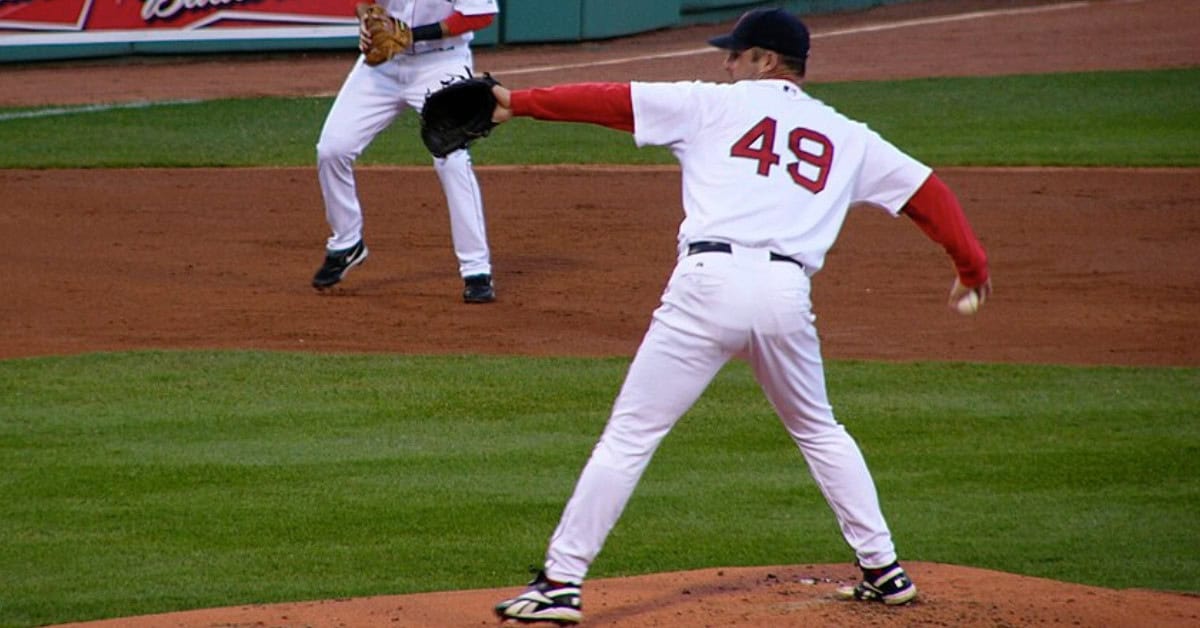
If ever there was a pitcher who relied just on one pitch, it was Wakefield, the great, great knuckleballer. But he started as an infielder. A coach saw him playing around with the knuckleball for the Pirates, told him to try pitching, and the rest is history. Well, sort of. In 1992, he did well for the Pirates and was released in '95. Boston took a chance on him, and they never regretted it. 17 years, 3006 innings, and that is a franchise record, actually.
Now you may remember the arc of his playoff success, starting with the lack of success in 2003. In Game 7, he gave up the Aaron Boone walk-off. In 2004, game three, down 198, he ate the innings, sacrificing his own stats so the rest of the staff could reset. And in 2004, in game five, he pitched the 13th and 14th. Veritech had three passed balls and one inning; Ortiz walked it off, and Wakefield got the win. Legendary.
Now he certainly not a Hall of Famer case, he had a 2010 record, 441 ERA, but what a legacy he left. 2010 Clemente Award, Jimmy Fund, and tragically died of brain cancer in October 2023 at 57, and his wife, Stacy, tragically died of it five months later.
| Tim Wakefield — Career | Total |
|---|---|
| W | 200 |
| L | 180 |
| ERA | 4.41 |
| G | 627 |
| IP | 3226.1 |
| SO | 2156 |
| WHIP | 1.35 |
| SV | 22 |
15. Mo Vaughn: The Hit Dog’s Fenway Feast
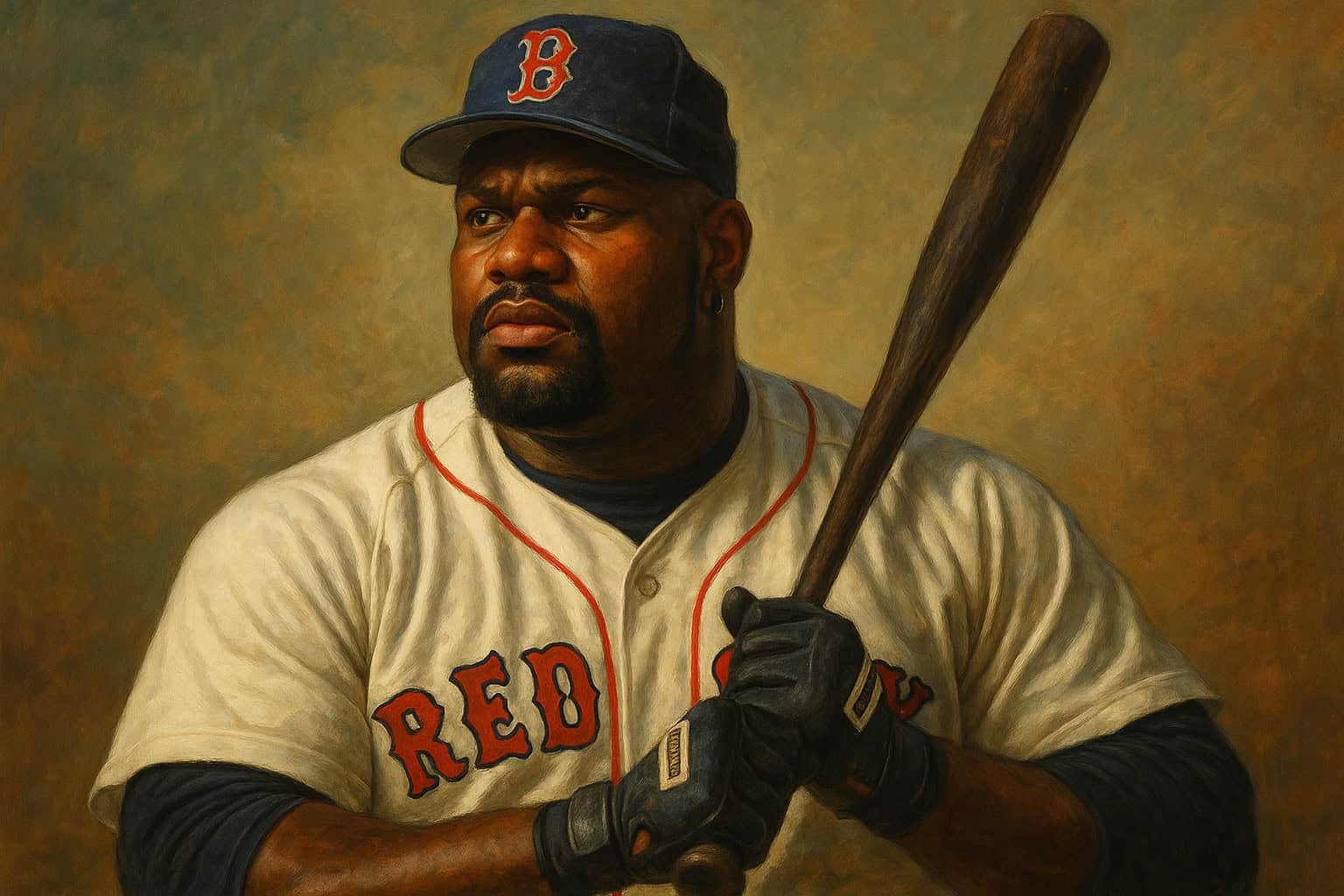
Everyone liked Mo Vaughn. They liked him so much that it probably won him the MVP. Hear me out. In 1995 he won the vote over Albert Belle by eight points. Belle was better at everything, average, homers, slugging, everything, but voters liked Mo, didn't like Belle, gave it to him. But when he was up for the Hall of Fame, the same writers gave him 1.1 and dropped him off the ballot in one year. It didn't hold up, but it got him that MVP.
Now the peak was sensational, right? He hit .315 every year from '96 to '98, over 40 home runs, 118 RBIs. '96 was actually his best year, not the MVP year: .326, 44, and 143. Three All-Star teams. He was with the Red Sox during those years.
But he left for Anaheim, and it became the biggest deal in baseball and one of the biggest flops. In the first game, first play, he fell down the dugout chasing a foul pop, sprained his ankle, and was never quite the same player again.
And then, of course, there's a real shadow over his career because he was named in the 2007 Mitchell Report and admitted to using in 2025. But there is a good ending. He became an affordable housing developer in New York and has helped over a thousand people get affordable housing, and I assume that means people still like him. And they should. He's a good guy.
| Mo Vaughn — Career | Total |
|---|---|
| G | 1512 |
| AB | 5532 |
| H | 1620 |
| HR | 328 |
| RBI | 1064 |
| SB | 30 |
| AVG | .293 |
| OBP | .383 |
| SLG | .523 |
| OPS | .906 |
| MVP | 1 |
| All-Star selections | 3 |
| Silver Sluggers | 1 |
14. Jerry Remy: RemDawg’s Legacy Beyond the Booth
Let's get this out of the way: a hitter with just seven career home runs is not getting into Cooperstown, so why are we talking about Jerry Remy?
10 seasons, most of them for the Red Sox, 275, 208 steals, came close to making October when he was on base in the 9th inning of the 1978 Bucky Dent playoff game, the one where Yaz made the final out. But his real career is as a broadcaster. He was the NESN color analyst from 1988 until his death in 2021, so that's 33 years.
He won four Emmys, elected honorary president the Red Sox Nation in 2007, and then after that his openness about the cancer, the recurrences, and the depression that he dealt with won over any holdouts. I don't think there were many. He's a really pure case for this. There's no Hall of Fame argument here, but he is deeply beloved, and Red Sox fans are going to remember him forever.
| Jerry Remy — Career | Total |
|---|---|
| G | 1154 |
| AB | 4455 |
| H | 1226 |
| HR | 7 |
| RBI | 329 |
| SB | 208 |
| AVG | .275 |
| OBP | .327 |
| SLG | .328 |
| OPS | .655 |
| All-Star selections | 1 |
13. Ellis Burks: The Five-Tool Talent That Time Forgot
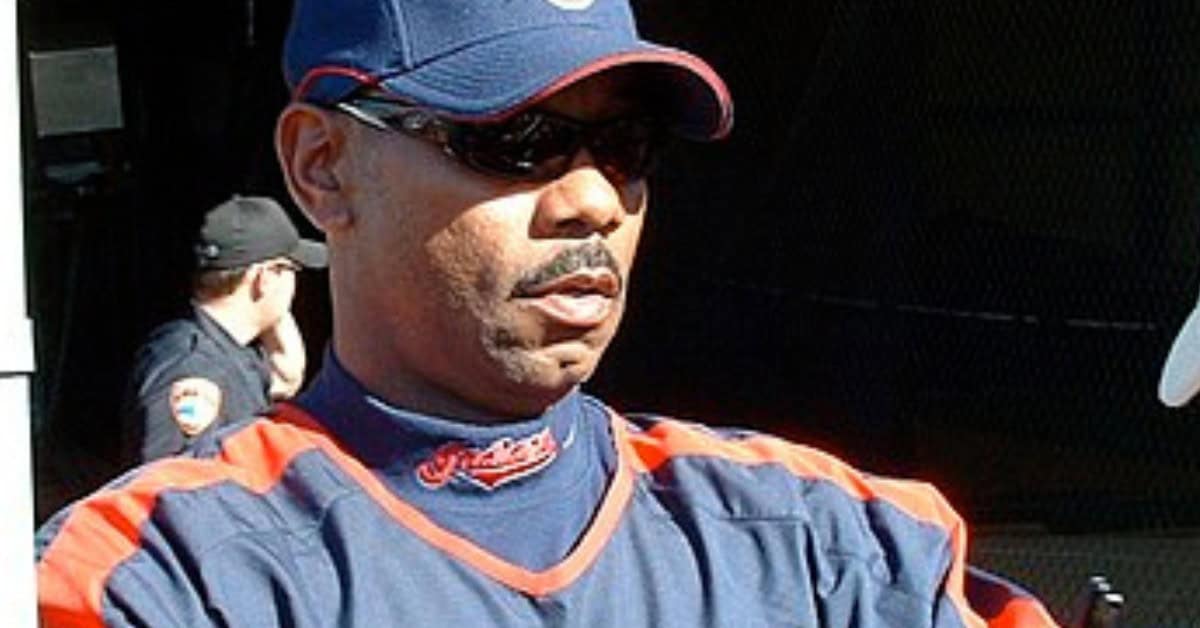
Ellis Burks was a truly fine player, a five-tool player, and he became the third player in Red Sox history with a 20-home, 20-steal season. In 1987, his rookie year, unfortunately, his body started to give out pretty quickly. He had shoulder surgery in '89.
Over the next 6 years, he spent a lot of time hurt and left as a free agent in '92. Then, he had a really good season for the Rockies in '96, hitting 3440 home runs and 32 steals. He was third in MVP voting, and that means that his career overall was probably a lot better than you remember.
He wasn't quite a Hall of Famer; he wasn't an All-Star regularly; he had too many weak Seasons because of injuries, but why is he on this list? He came back to Boston in 2004 for one last season, played 11 games, and retired with the World Series ring, so he started his season as a very promising Red Sox player and ended on an incredible high. Ellis Burks Red Sox Legends
| Ellis Burks — Career | Total |
|---|---|
| G | 2000 |
| AB | 7232 |
| H | 2107 |
| HR | 352 |
| RBI | 1206 |
| SB | 181 |
| AVG | .291 |
| OBP | .363 |
| SLG | .510 |
| OPS | .873 |
| All-Star selections | 2 |
| Gold Gloves | 1 |
| Silver Sluggers | 2 |
12. George Scott: “Boomer” and His Tater Tot Tales

George "Boomer" Scott was a true character. We're talking about a guy who called home runs taters, he called his glove Black Beauty, and he wore a necklace that he swore was made out of, quote, "second baseman's teeth."
He also was a really good player, one of the best defensive first basemen of his generation. He has eight Gold Gloves at the position, from 67 to 68 or 71 to 76, and that's why Dick Williams, who didn't give a lot, said, "I thought Gil Hodges was the greatest defensive first baseman I ever saw, but Scott changed my mind."
He was an All-Star as a rookie, but he had some bad years, and that's why he never had the numbers to reach the Hall. He was traded after being mocked for his weight, and in Milwaukee he actually had his best year, but the Red Sox traded him back. He's best remembered in Fenway, and with that kind of character and that kind of glove, who can blame him?
| George Scott — Career | Total |
|---|---|
| G | 2034 |
| AB | 7433 |
| H | 1992 |
| HR | 271 |
| RBI | 1051 |
| SB | 69 |
| AVG | .268 |
| OBP | .333 |
| SLG | .435 |
| OPS | .768 |
| All-Star selections | 3 |
| Gold Gloves | 8 |
11. Fred Lynn: The Original Gold Glove Rookie Sensation
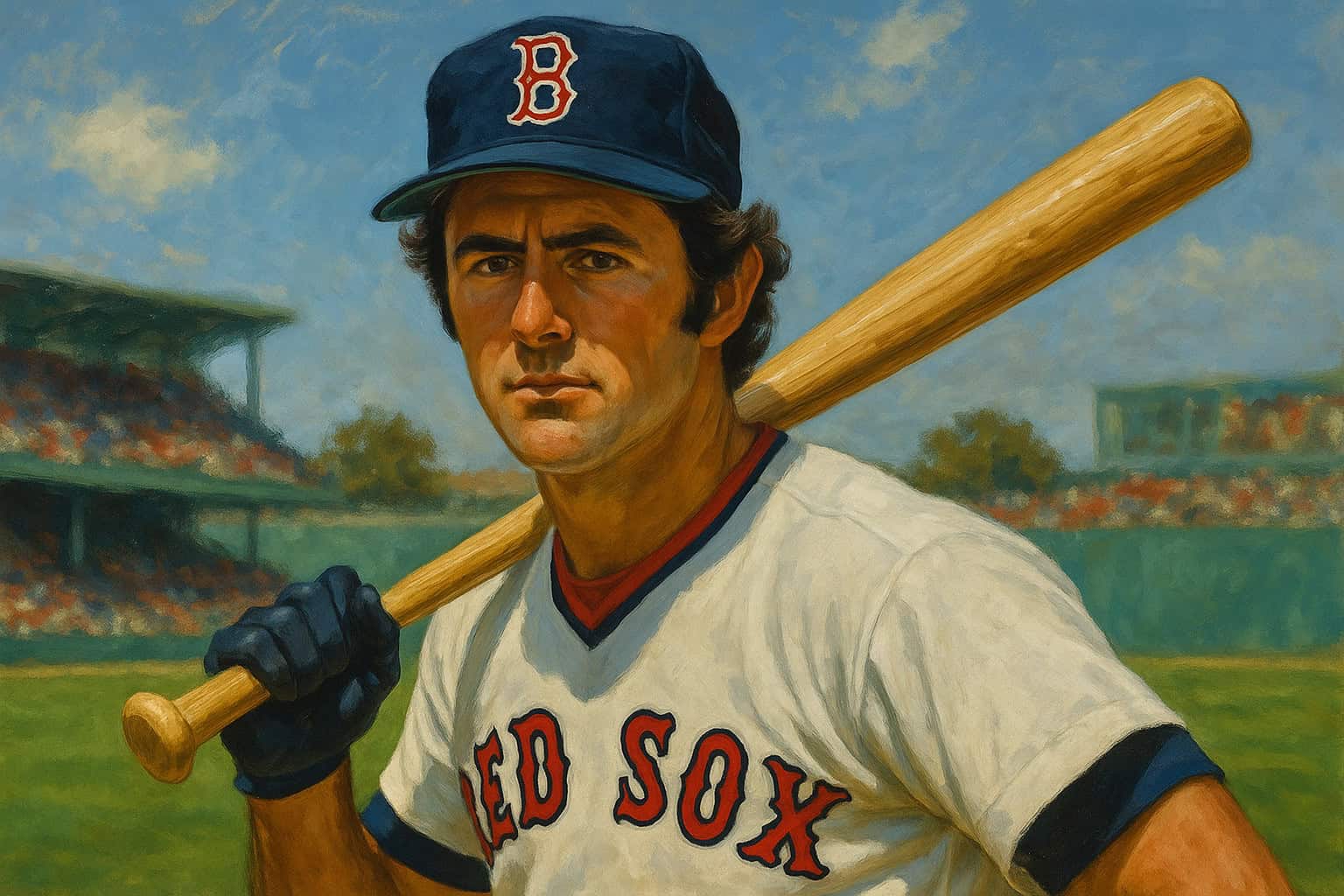
Fred Lynn was the first player to ever win the MVP and Rookie of the Year in the same season. Only Ichiro has done it since, and honestly, that doesn't count; he wasn't a rookie that year. That was incredible: 331, 21 homers, 105 RBIs, and a Gold Glove.
Now, '79 was even better, and people forget that because he didn't win all the awards. He had 333 with 39 fingers, 122 RBIs, 176 OPS plus. Somehow he finished fourth in the MVP voting, but it was one of the best offensive seasons any Red Sox outfielder has ever had.
Then he had nine straight All-Star selections, gold gloves, and the first Grand Slam in All-Star Game history in '83, making him the game's MVP.
But we all know why he didn't make it to Cooperstown. He kept banging into the wall. He played with real hustle, and that cost him a lot. By the time he was traded to the Angels in '81, he really wasn't the same player. But after he was traded, he said, "I'm a Red Sock, I didn't want to leave the Red Sox." And it's that talent and that spirit that make him a legend.
| Fred Lynn — Career | Total |
|---|---|
| G | 1969 |
| AB | 6925 |
| H | 1960 |
| HR | 306 |
| RBI | 1111 |
| SB | 72 |
| AVG | .283 |
| OBP | .360 |
| SLG | .484 |
| OPS | .844 |
| MVP | 1 |
| All-Star selections | 9 |
| Gold Gloves | 4 |
| Rookie of the Year | 1 |
10. Reggie Smith: The Five-Tool Star Who Got Away

Reggie Smith might have the best case of anyone here for deserving to be in Cooperstown. He has a 64.6 WAR, 137 OPS plus among switch hitters, Mantle and Chipper Jones are the only ones better, seven all-star teams, a gold glove, four World Series with three teams, including a ring with the '81 Dodgers.
But his candidacy went nowhere. Despite that, why did nobody talk about him? Well, he wasn't very popular. This is about Red Sox legends; he was kind of hated at the time. He was Boston's Black star right after they integrated, at a time when racial tolerance wasn't what Boston was known for.
He said he got hate mail that started with the racist epithet and then got worse. Fans threw batteries and heater coins at him in the outfield; his home was vandalized. He reacted as any human being would, and he got labeled moody and difficult, and Boston ended up trading him.
He won that title with the Dodgers. Now, he's not a slam dunk for Cooperstown or anything, but think about all the arguments over Dwight Evans reaching Cooperstown, or whether he shouldn't. This guy was at the same level, with very similar career numbers, and nobody even talked about it.
| Reggie Smith — Career | Total |
|---|---|
| G | 1987 |
| AB | 7033 |
| H | 2020 |
| HR | 314 |
| RBI | 1092 |
| SB | 137 |
| AVG | .287 |
| OBP | .366 |
| SLG | .489 |
| OPS | .855 |
| All-Star selections | 7 |
| Gold Gloves | 1 |
| World Series titles | 1 |
9. Dick Radatz: “The Monster” Who Struck Fear in Mickey Mantle
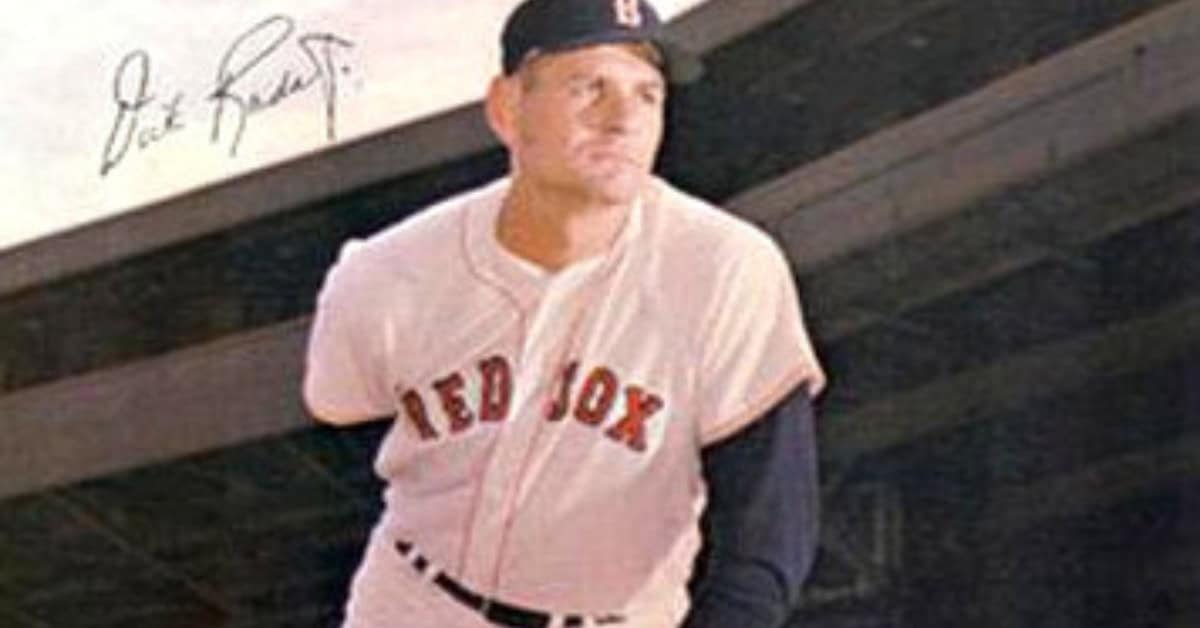
Dick Radatz may have been the most effective relief pitcher of all time at his peak, and no, I'm not exaggerating. He was called the Monster after he had struck out Mantle, Maris, and Elston Howard back-to-back. Mantle came off shaking his head, complaining about that monster, and it stuck. He had struck out Mantle 44 times out of 63 at-bats for his career, and at his peak, this guy was amazing.
In '62, as a rookie, he had 24 saves and a 2.24 ERA; in '63, he had a 1.97 ERA and 162 strikeouts. In '64, he posted 29 saves and 181 strikeouts. His innings are still the single-season relief record at 157 innings. A modern closer throws about 65. He did 157, and maybe that's one of the reasons it ended the way it ended.
He pinched a nerve in his shoulder in 1967, was traded, and released. By '69, at 28, his career was already over. At 32, he was basically out of baseball. So there's no Cooperstown case because he pitched under 700 career innings, but if he hadn't had that injury, we'd be talking about him in the same breath as Eck.
| Dick Radatz — Career | Total |
|---|---|
| W | 52 |
| L | 43 |
| ERA | 3.13 |
| G | 381 |
| IP | 693.2 |
| SO | 745 |
| WHIP | 1.19 |
| SV | 122 |
| All-Star selections | 2 |
8. Nomar Garciaparra: The Batting Glove Ritual King
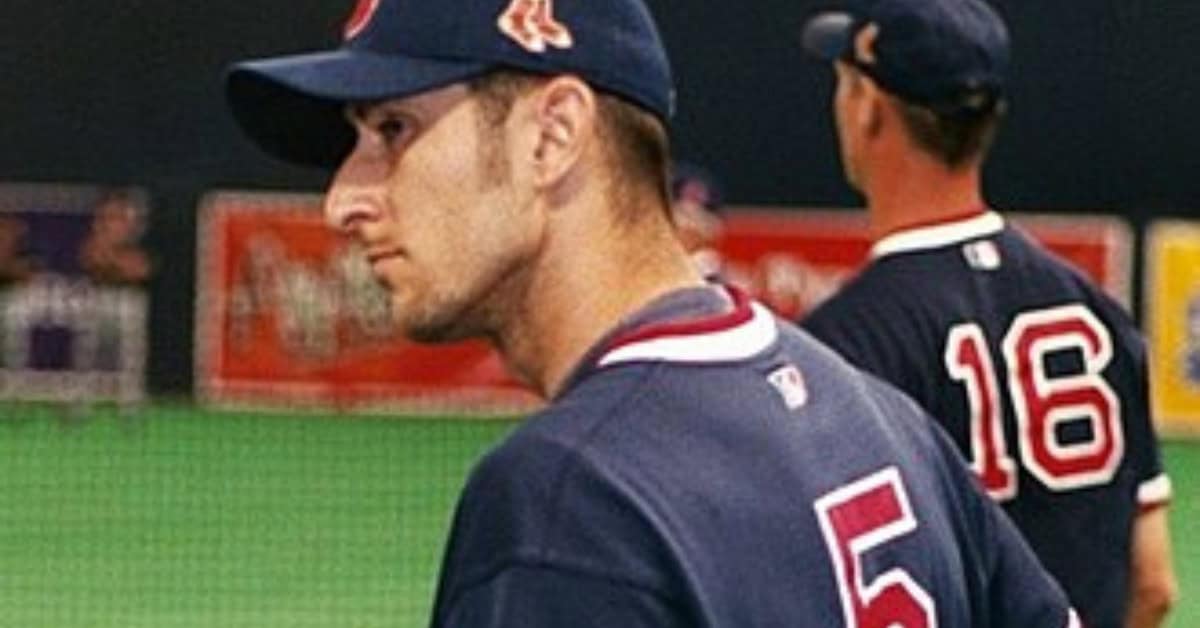
You can agree or disagree, but honestly, at his peak, Nomar Garciaparra was the best of the three-star shortstops of his generation. Jeter, A-Rod, Nomar.
I mean, he was the 97 Rookie of the Year with that 30-game hitting streak, a rookie record for the American League. Back-to-back batting titles with .357 in 99 and .372 in 2000, the highest average by a right-handed hitter since the war. First to go back-to-back in the AL since DiMaggio. Just incredible numbers.
Then he split his tendon in 2001; he was never quite the same, and it ended really badly in his Red Sox career. July 31st, 2004, Boston traded him to the Cubs for Orlando Cabrera, and 11 weeks later the Sox won their first World Series. His former teammates voted to give him the ring anyway, and very much deserved. One of the best Red Sox players ever at his peak, but injury robbed him of his trip to the Hall.
| Nomar Garciaparra — Career | Total |
|---|---|
| G | 1434 |
| AB | 5586 |
| H | 1747 |
| HR | 229 |
| RBI | 936 |
| SB | 95 |
| AVG | .313 |
| OBP | .361 |
| SLG | .521 |
| OPS | .882 |
| All-Star selections | 6 |
| Silver Sluggers | 1 |
| Rookie of the Year | 1 |
7. Rico Petrocelli: The Shortstop Who Defined the Impossible Dream
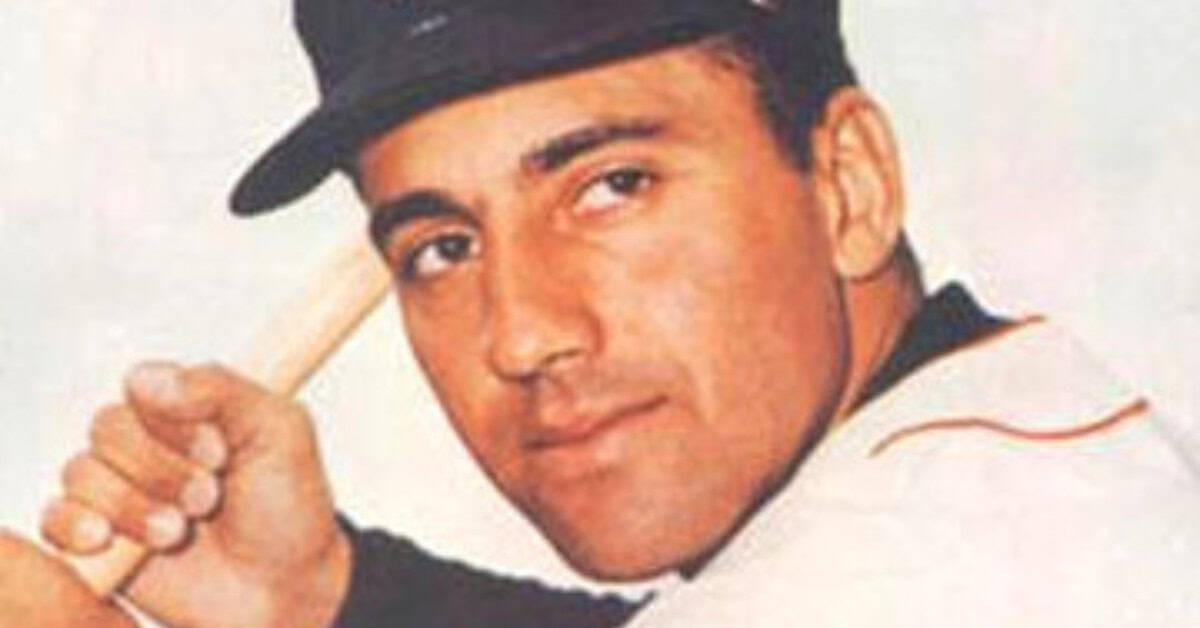
Rico Petrocelli is no Hall of Fame player; we all know that, but there's a reason Red Sox players love him so much. He only played for the Sox from 63 to 76, nowhere else, and he had some great years. Like in '69, he hit 40 home runs, which is an American League record for a shortstop. He hit .297 with 97 RBIs and led the American League in slugging.
That's a great season, and that wasn't his only All-Star selection either. He made it in '67, the year when he really built his reputation. He caught the final out of the pennant-clinching game for The Impossible Dream Season. He also hit two home runs in Game 6 of the World Series.
And he's really remembered by fans for when they brought in Aparicio in 71; he volunteered to move to third base because they needed to make space for the star, and he set a Major League record with 77 straight errorless games at a position he had just learned. That's the kind of grit, determination, and adaptability.
| Rico Petrocelli — Career | Total |
|---|---|
| G | 1553 |
| AB | 5390 |
| H | 1352 |
| HR | 210 |
| RBI | 773 |
| SB | 10 |
| AVG | .251 |
| OBP | .332 |
| SLG | .420 |
| OPS | .752 |
| All-Star selections | 2 |
6. Dom DiMaggio: Living in Joe’s Shadow
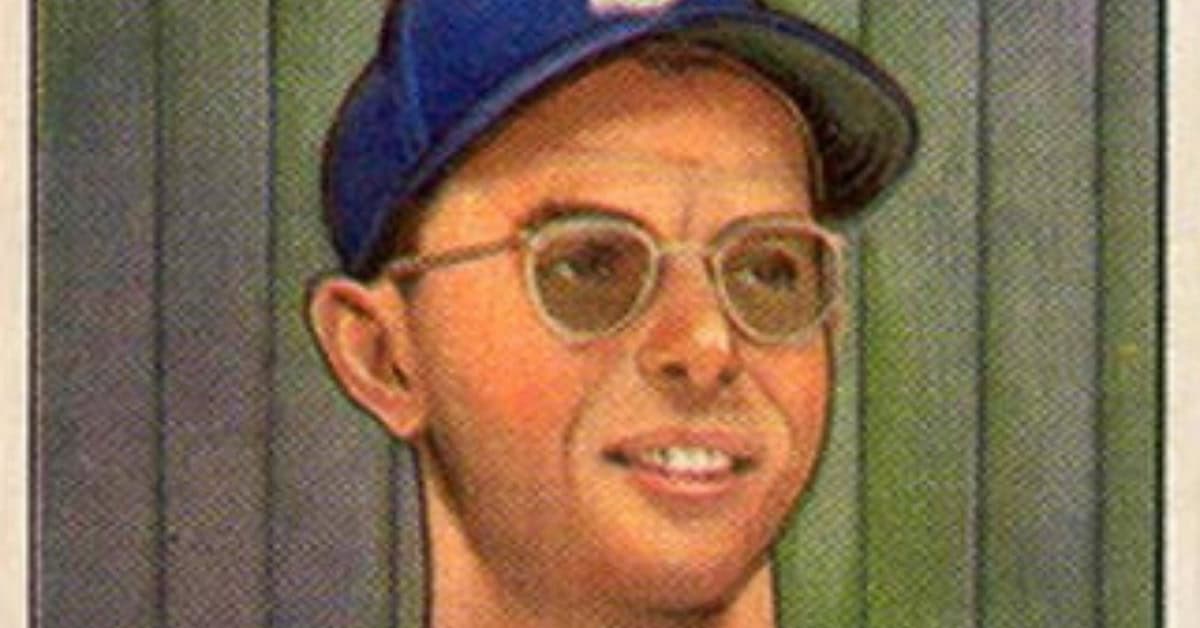
Of course, every conversation about Dom DiMaggio centers on his brother, but let's not do this to the guy. He had a pretty good case for the Hall of Fame inclusion if it hadn't been for the war. He had seven All-Star selections, but he missed '43, '44, and '45 in the Navy.
He had 1,680 hits, .298, 1,046 runs. So if he'd gotten the extra hits and managed to hit over .300, both of which are very likely, his case would have been a lot better. He had a 34-game hitting streak, which is still a Red Sox record to this day, and it ended on a fly ball caught by his brother Joe.
Now, he was particularly known for his defense, which is another reason he didn't make it into the Hall of Fame. There's a cross-reference here with the Pesky segment. In Game 7 of the 1946 World Series, Dom got injured, and he was pulled. So when that hit came through, and Enos Slaughter made his mad dash, DiMaggio wasn't there. If he had been, a lot of people believe, including Dom himself, that Slaughter would never have scored. Boston never would have spent 60 years blaming Pesky for it.
He died a rich man, and he was one of the founders of the Boston Patriots; yes, you can blame him for that, and he was repeatedly passed over by the veterans committee, even though Ted Williams lobbied for him and fought for him like hell.
| Dom DiMaggio — Career | Total |
|---|---|
| G | 1399 |
| AB | 5640 |
| H | 1680 |
| HR | 87 |
| RBI | 618 |
| SB | 100 |
| AVG | .298 |
| OBP | .383 |
| SLG | .419 |
| OPS | .802 |
| All-Star selections | 7 |
5. Bill Lee: “Spaceman” Was Too Far Out for the Hall
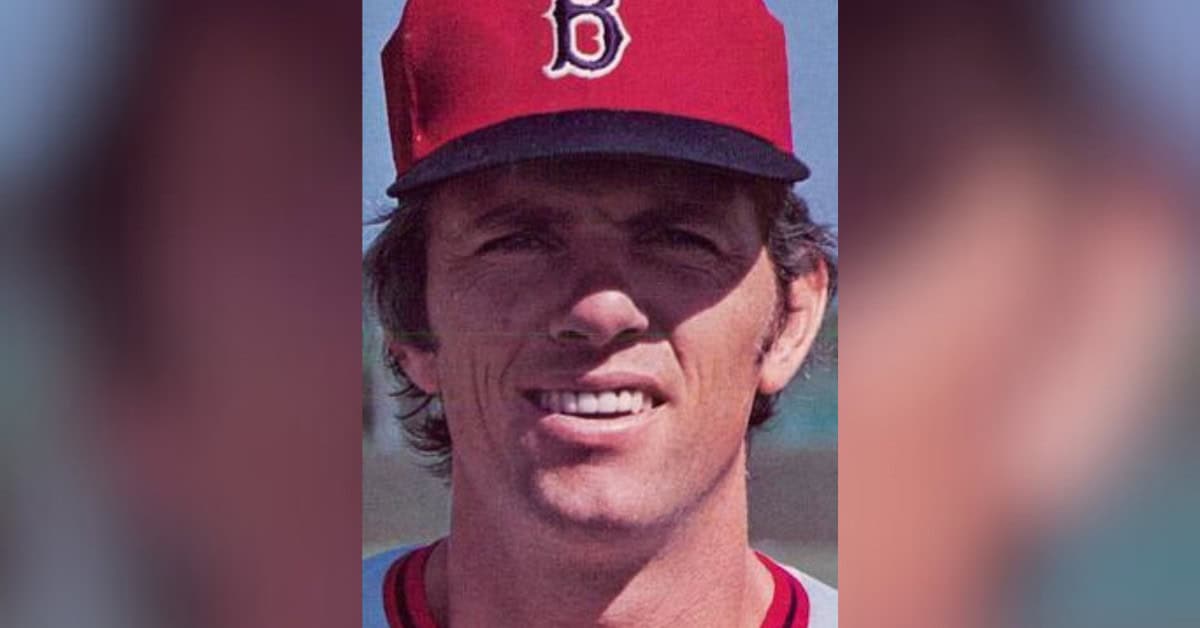
Bill, Bill, where do we start, Spaceman Lee? He was a very good pitcher, and he had 94 wins as a Red Sox left-hander, third most in franchise history. Three straight 17-win seasons, including an All-Star appearance in '73, with a 2.95 ERA. Not a bad career win-loss ratio, 119 to 90.
He's remembered for some other things. Game 7, for example, of the '75 World Series, when he threw Tony Perez a leafless pitch- that's what they called it- a 55 mph pitch that was a joke pitch, and of course Perez hit it out. He did leave with a lead in Game 7 and also in game two, but the Red Sox lost both of the games.
His prime ended with a brawl with the Yankees in '76, where he tore shoulder ligaments and missed 2 months. His Boston career was ended when he called Don Zimmer the gerbil, and then Zimmer may have overreacted and ended up trading him for a utility infielder. He did come back for the Expos in '79, winning 16 games.
But that's not what's really interesting about Lee. Lee was definitely a weirdo. He ran for president of the United States in 1988 on the rhinoceros party ticket. His platform included bulldozing the Rocky Mountains so Alberta would get more afternoon sunlight, and he said that he would sprinkle his buckwheat pancakes with marijuana, and it would make him immune to bus views. So that guy was one of a kind, a fantastic pitcher.
| Bill Lee — Career | Total |
|---|---|
| W | 119 |
| L | 90 |
| ERA | 3.62 |
| G | 416 |
| IP | 1944.1 |
| SO | 713 |
| WHIP | 1.36 |
| SV | 19 |
| All-Star selections | 1 |
4. Tony Conigliaro: The Tragic Tale of Boston’s Lost Superstar
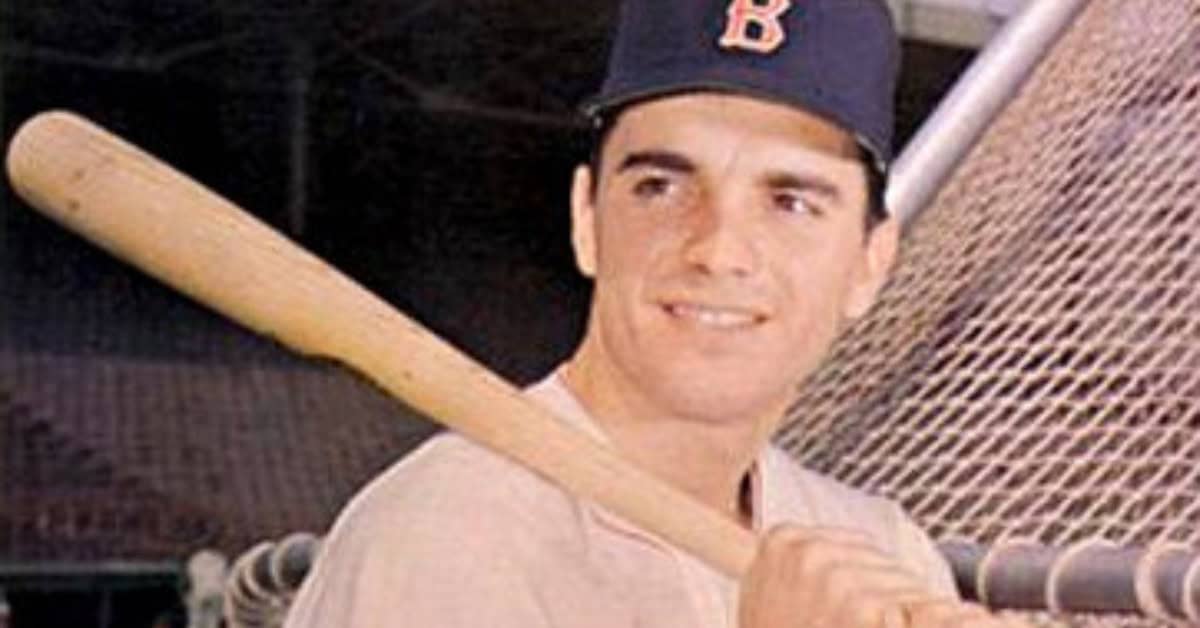
Tony Conigliaro had so much talent, but he couldn't catch a break. He's a kid from Revere, Massachusetts, signed with his hometown team. He homered in his first Fenway at-bat. He was 19 years old and came straight out of the fairy-tale trajectory. Historic 24 homers as a teenager, 32 in '65 to lead the American League at age 20, and he's still the youngest home run champion in baseball history. By July '67 he had 100 home runs, the youngest American League player to ever reach that milestone.
But that's when tragedy struck. A Jack Hamilton fastball hit him in the face at Fenway, fracturing his cheekbone and severely damaging his left eye. He was lying there and thought to himself, please don't let me die right here in the dirt at home plate at Fenway Park.
He missed the rest of the season, missed the Impossible Dream, missed 1968. He managed to come back, and then '70 was fantastic with 36 homers and 116 RBIs, but he couldn't do it consistently. His arc had broken. Then in January 1982, he suffered a massive heart attack while riding to the airport with his brother.
He was interviewing for a Red Sox broadcasting job at the time and suffered severe brain damage. Eight years later, he died at the age of 45.
Today, an award is given to players who overcome adversity in his name. He definitely could have been a Hall of Famer without that mishap.
| Tony Conigliaro — Career | Total |
|---|---|
| G | 876 |
| AB | 3221 |
| H | 849 |
| HR | 166 |
| RBI | 516 |
| SB | 20 |
| AVG | .264 |
| OBP | .327 |
| SLG | .476 |
| OPS | .803 |
| All-Star selections | 1 |
3. Luis Tiant: El Tiante’s Corkscrew Magic Deserved More

The case for Tiant being in the Hall of Fame is a pretty good one. He had basically an identical career to Catfish Hunter. Tiant had a 229-172 record; Catfish Hunter had 224-166. Tiant's 3:30 era, Hunter had 3:26 era. It's nearly identical, and he was the better pitcher by rate. Hunter had the glamorous awards; he had a Cy Young, and he had five rings. Tiant didn't have those, but in terms of his pitching ability it was basically the same.
It's important to remember he had two careers, starting in '68 with Cleveland, then when that fell apart, he was coming back clear of the year, in '72 leading the American League in ERA. He had three 20-win seasons for the Sox, and that's why we're talking here.
He had a fantastic game five and a shutout in game one of the '75 World Series, so it's not like he folded in the big moments; he just didn't have that team. He came from Cuba, went through a lot of hardships in order to get where he got, and his father, very emotionally, got to see him pitch finally in 1975 after the Senate intervened on his behalf and asked for him to be allowed into the country.
He only got 30.9% of the vote, but honestly, I don't see why. It's a travesty; he belongs in. He's at the median for a Hall of Fame pitcher. Everyone who saw him remembers how fantastic he was.
| Luis Tiant — Career | Total |
|---|---|
| W | 229 |
| L | 172 |
| ERA | 3.30 |
| G | 573 |
| IP | 3486.1 |
| SO | 2416 |
| WHIP | 1.20 |
| SV | 15 |
| All-Star selections | 3 |
2. Roger Clemens: Seven Cy Youngs, Zero Bronze Plaques
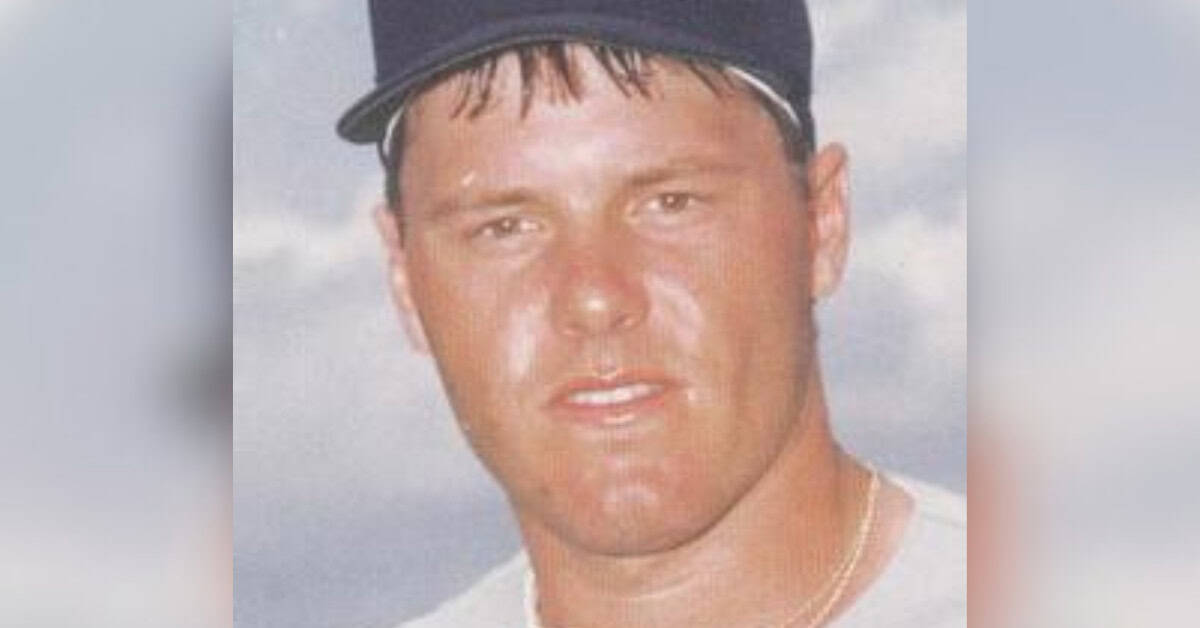
Look, Roger Clemens was the best pitcher in Red Sox history, one of the greatest pitchers of all time. He tied Cy Young's franchise record for wins and shutouts, struck out 2,590, and had three of his Cy Youngs out of seven, the most ever, for the Sox. 1986 American League MVP with his 24 and 4 record and 2.48 ERA. His career speaks for itself.
He probably is more beloved in Boston than anywhere else, with the possible exception of Houston. Now we all know why he's not in there, but maybe we don't know the exact details. He was mentioned in the Mitchell Report 82 times, which is pretty damning, and he denied it under oath. Prosecutors charged him with perjury. The trial ended in a mistrial, and then in 2012 he was acquitted on all counts.
Still, that wasn't enough for the sports writers. They didn't let him in. He did peak at 65.2% in 2022, but he was rejected by the era committee, passed over again for Jeff Kent. The question is, will baseball forgive him for his involvement in the steroid era?
| Roger Clemens — Career | Total |
|---|---|
| W | 354 |
| L | 184 |
| ERA | 3.12 |
| G | 709 |
| IP | 4916.2 |
| SO | 4672 |
| WHIP | 1.17 |
| SV | 0 |
| MVP | 1 |
| Cy Young | 7 |
| All-Star selections | 11 |
| World Series titles | 2 |
1. Dwight Evans: The Greatest Right Fielder Fenway Never Sent to Cooperstown
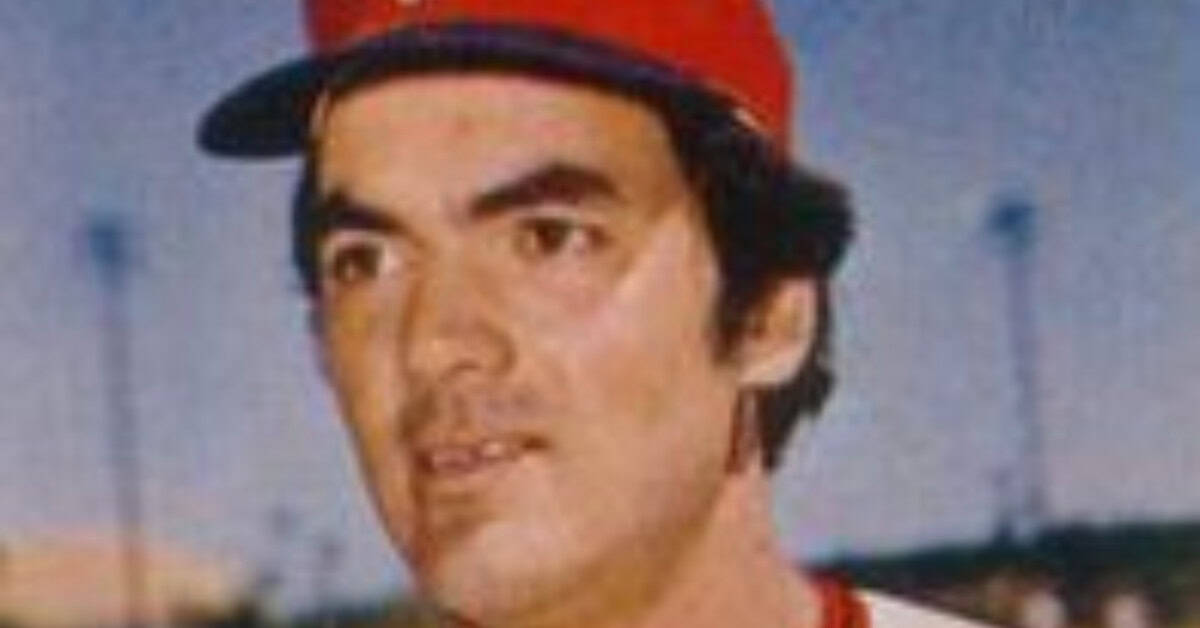
Dwight Evans belongs in the Hall of Fame, but he was very unlucky; the Hall kept moving the goalposts. He spent 19 years playing for the Red Sox, won eight Golden Gloves, and played in what is easily the hardest right field in baseball. 2,372 hits, 385 home runs, and he has 1,384 RBIs, 67.1 WAR. He got better with age too, and he had that play that everyone should see, game 6, 1975 World Series, 11th inning, that catch. That's why everyone loved Dwight Evans.
Now the writers didn't give him anywhere near as much as he deserved on the ballot. 5.9, then 10.4, then 3.6. And then in November 2025 the Hall left him off the ballot entirely, making room for Bonds, Clemens, and all the people with the steroid involvement. Here's a guy who was totally clean, who was fantastic, being bumped for them.
I think he has the numbers, I think he has the legend behind him, and it's a real shame that this Fenway legend isn't in.
| Dwight Evans — Career | Total |
|---|---|
| G | 2606 |
| AB | 8996 |
| H | 2446 |
| HR | 385 |
| RBI | 1384 |
| SB | 78 |
| AVG | .272 |
| OBP | .370 |
| SLG | .470 |
| OPS | .840 |
| All-Star selections | 3 |
| Gold Gloves | 8 |
| Silver Sluggers | 2 |