
Last Updated: October 9th, 2026 by Matthew Brown
Toronto has been a fun city to have in North American sports. The Blue Jays have been a fun team to have in MLB ever since their establishment in 1977.
Don't lose this article. Enter your email below, and I'll send it to you right now. Plus, we'll send you other unbelievable stories from baseball's past.
Fun doesn't mean that they haven't been competitive. In fact, the Blue Jays have had a rich history of success, bringing excitement to the city and enrichment to a list like this. Let's go through time and see some of the Toronto legends who have not been enshrined in Cooperstown.
20. Carlos Delgado: The Sweet-Swinging Slugger Who Deserved Better
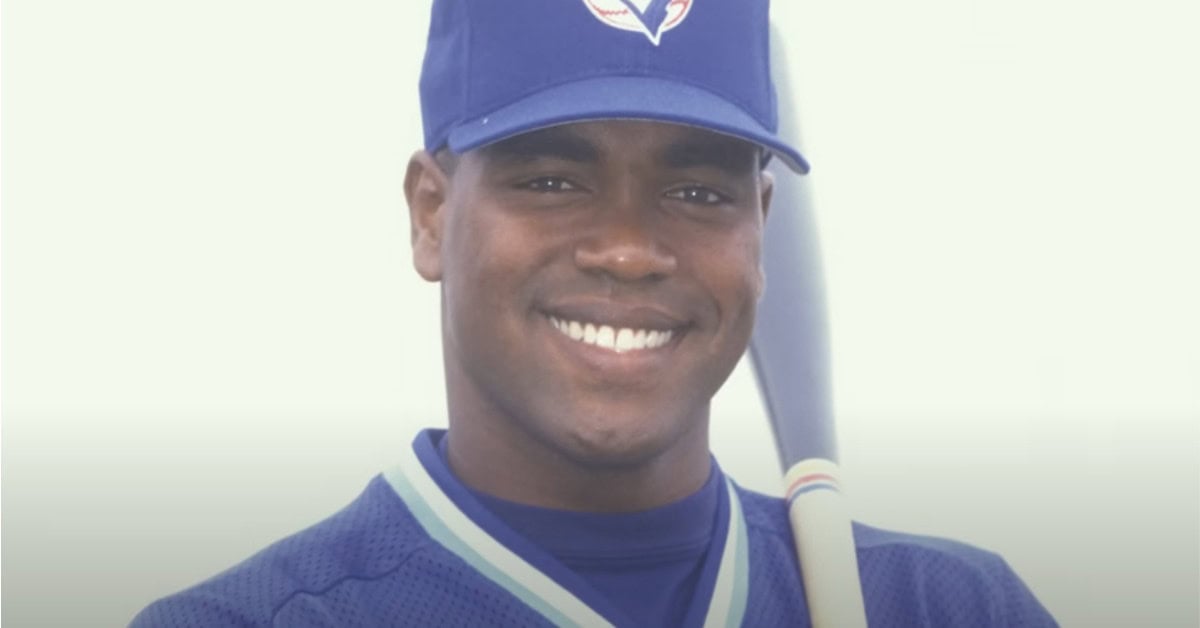
For 17 years, Carlos Delgado was a premier slugger in the MLB. He was a major problem for opposing pitchers as they had to strategically traverse the Jays lineup around Delgado to find outs.
The two-time All-Star collected 2,038 career hits with 473 home runs. He earned three Silver Sluggers, all during his 12 great seasons in Toronto.
| Carlos Delgado — Career | Total |
|---|---|
| G | 2035 |
| AB | 7283 |
| H | 2038 |
| HR | 473 |
| RBI | 1512 |
| SB | 14 |
| AVG | .280 |
| OBP | .383 |
| SLG | .546 |
| OPS | .929 |
| All-Star selections | 2 |
| Silver Sluggers | 3 |
19. Jesse Barfield: The Arm That Launched a Thousand Highlight Reels
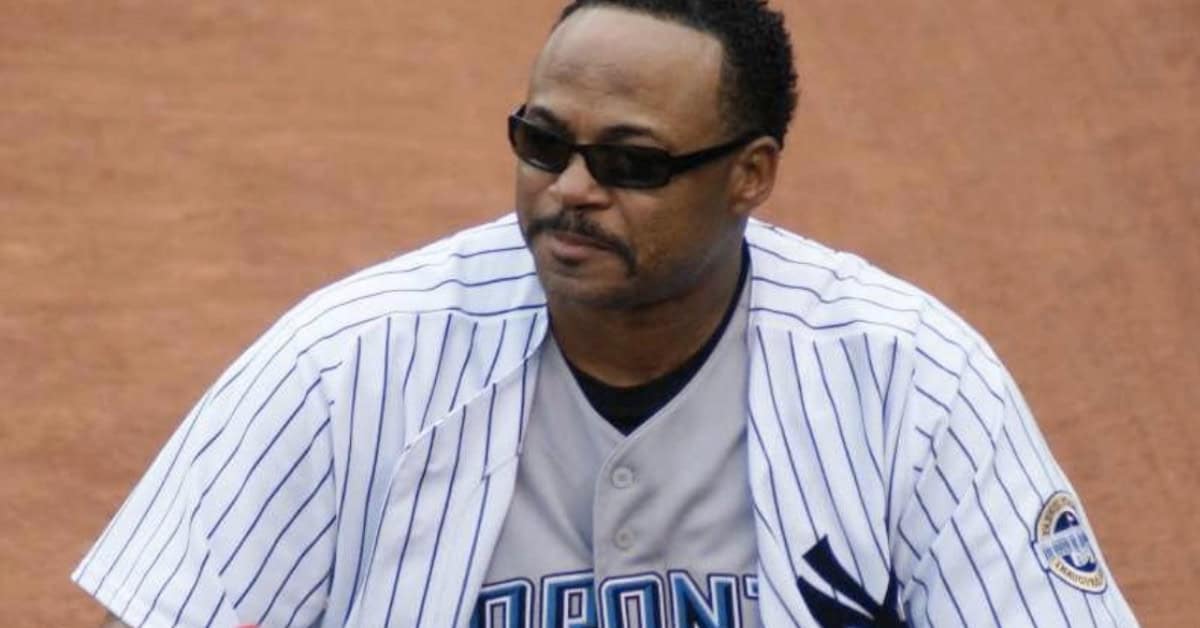
For nine seasons, the Blue Jays had a dynamic right fielder in Jesse Barfield. He led the MLB with 40 home runs in 1986, when he earned his only All-Star selection. Barfield was also a stout defender as he earned back-to-back Gold Gloves during his peak Toronto seasons.
That ability to contribute at an elite level offensively and defensively brought immense value to the franchise.
| Jesse Barfield — Career | Total |
|---|---|
| G | 1428 |
| AB | 4759 |
| H | 1219 |
| HR | 241 |
| RBI | 716 |
| SB | 66 |
| AVG | .256 |
| OBP | .335 |
| SLG | .466 |
| OPS | .801 |
| All-Star selections | 1 |
| Gold Gloves | 2 |
| Silver Sluggers | 1 |
18. Devon White: The Man Who Made Center Field Look Easy
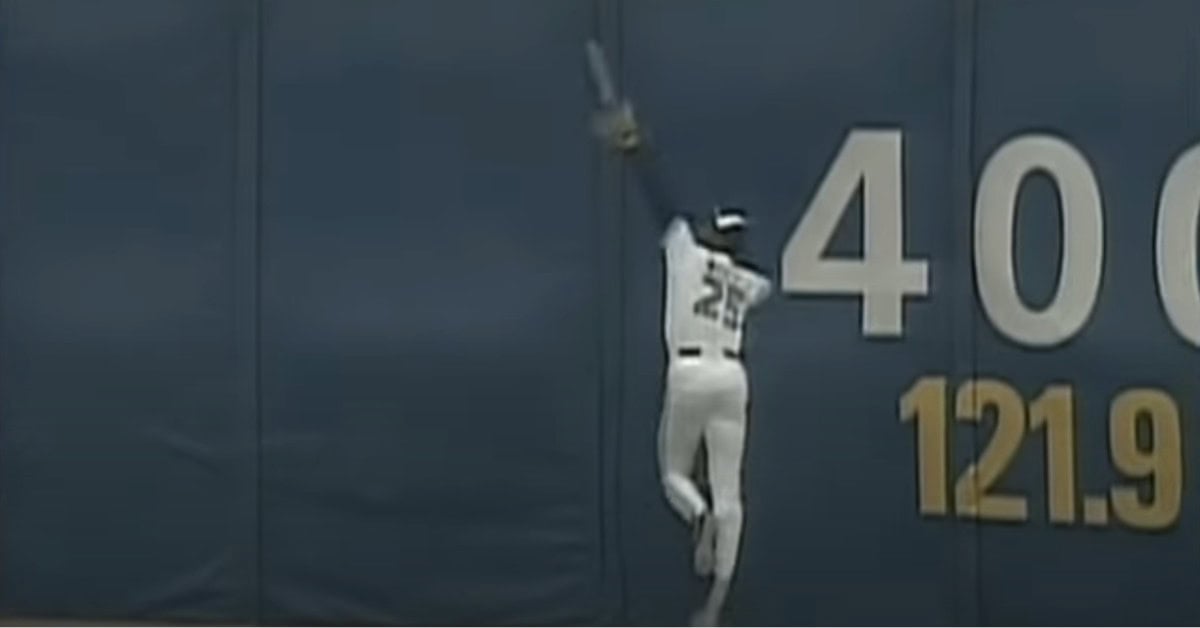
Devon White was a major piece of those championship seasons. He spent five years of his 17-year career in Toronto and made the most of it. He won a Gold Glove in every one of those seasons.
He brought out his bat for the biggest moments as he hit .286 with four RBI and four runs scored in the 1992 World Series.
Then it was even better in the '93 World Series, where he hit .373 with two home runs and a big nine RBI to help the franchise go back-to-back.
| Devon White — Career | Total |
|---|---|
| G | 1941 |
| AB | 7344 |
| H | 1934 |
| HR | 208 |
| RBI | 846 |
| SB | 346 |
| AVG | .263 |
| OBP | .319 |
| SLG | .419 |
| OPS | .738 |
| All-Star selections | 3 |
| Gold Gloves | 7 |
| World Series titles | 3 |
17. George Bell: The Original Blue Jay MVP
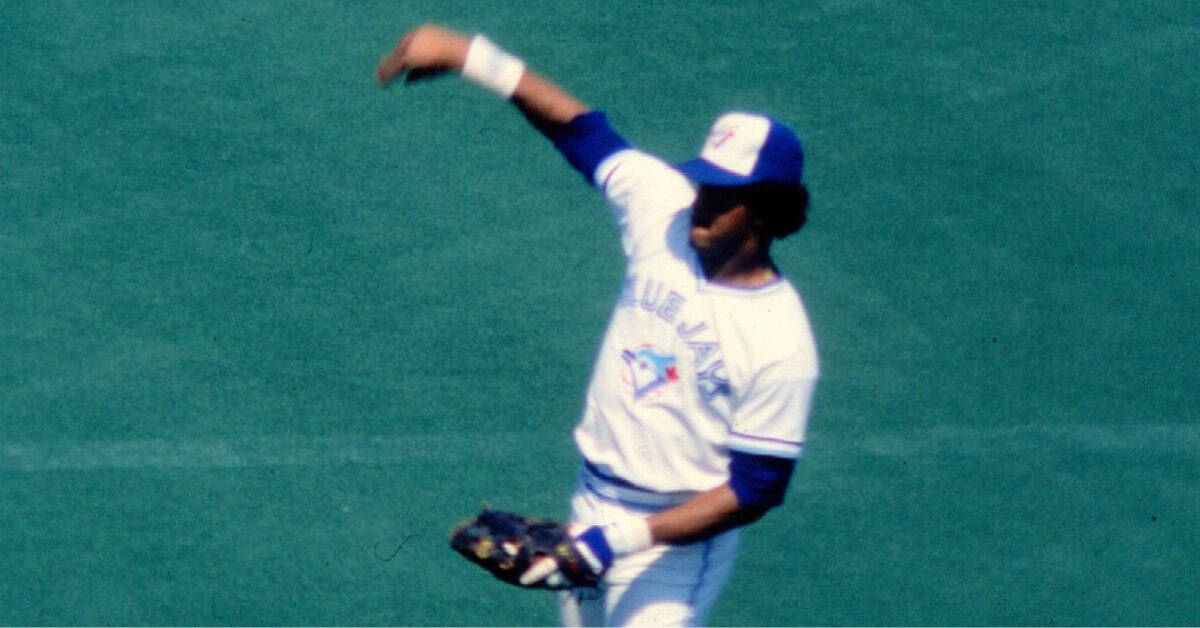
Like most expansion teams, it took the Blue Jays some time to become relevant in the mainstream attention of baseball fans. George Bell helped them get there with his 1987 MVP season. He hit .308 with 47 home runs and a league-leading 134 RBI.
The powerful left fielder hit 202 home runs in just the nine seasons he spent in Toronto, helping to build a foundation that led to World Series success.
| George Bell — Career | Total |
|---|---|
| G | 1587 |
| AB | 6123 |
| H | 1702 |
| HR | 265 |
| RBI | 1002 |
| SB | 67 |
| AVG | .278 |
| OBP | .316 |
| SLG | .469 |
| OPS | .785 |
| MVP | 1 |
| All-Star selections | 3 |
| Silver Sluggers | 3 |
16. Dave Stieb: Five One-Hitters and a No-No
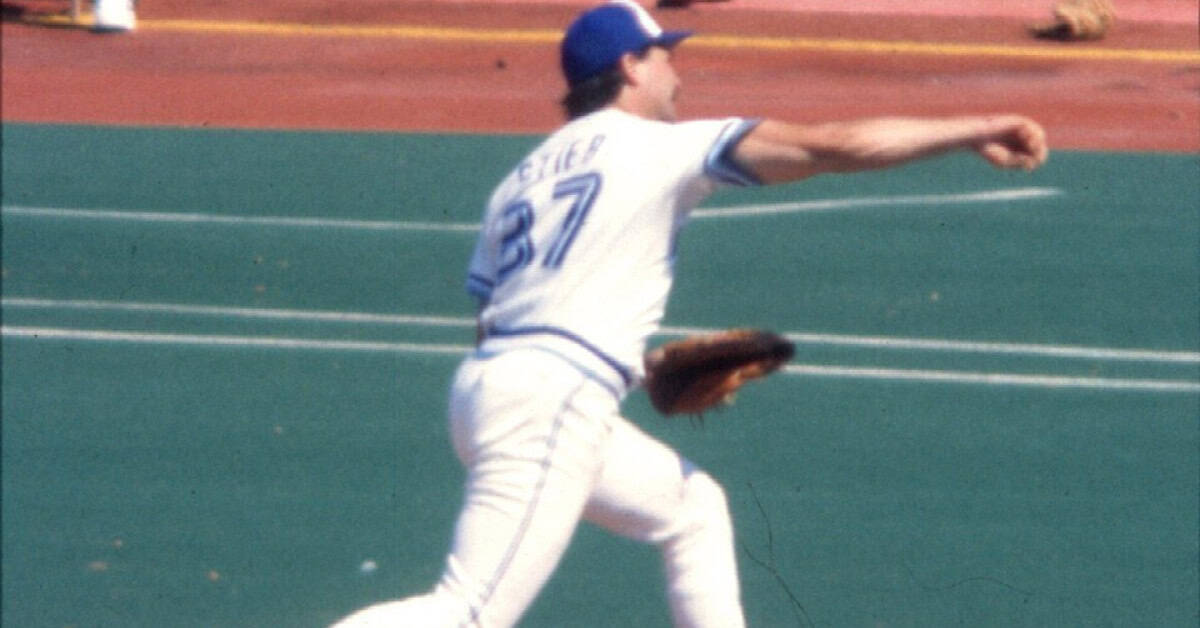
Dave Stieb might have the strongest argument on this list to be inducted into the Hall of Fame. The seven-time All-Star basically spent his entire career in Toronto.
He quickly became a beloved ace as he entertained fans with his numerous close tries at a no-hitter before finally reaching the mountaintop. His 56.5 career WAR and 122 ERA+ are right in the realm of heavy consideration for Cooperstown.
| Dave Stieb — Career | Total |
|---|---|
| W | 176 |
| L | 137 |
| ERA | 3.44 |
| G | 443 |
| IP | 2895.1 |
| SO | 1669 |
| WHIP | 1.25 |
| SV | 3 |
| All-Star selections | 7 |
15. Jimmy Key: The Crafty Lefty of the Glory Days
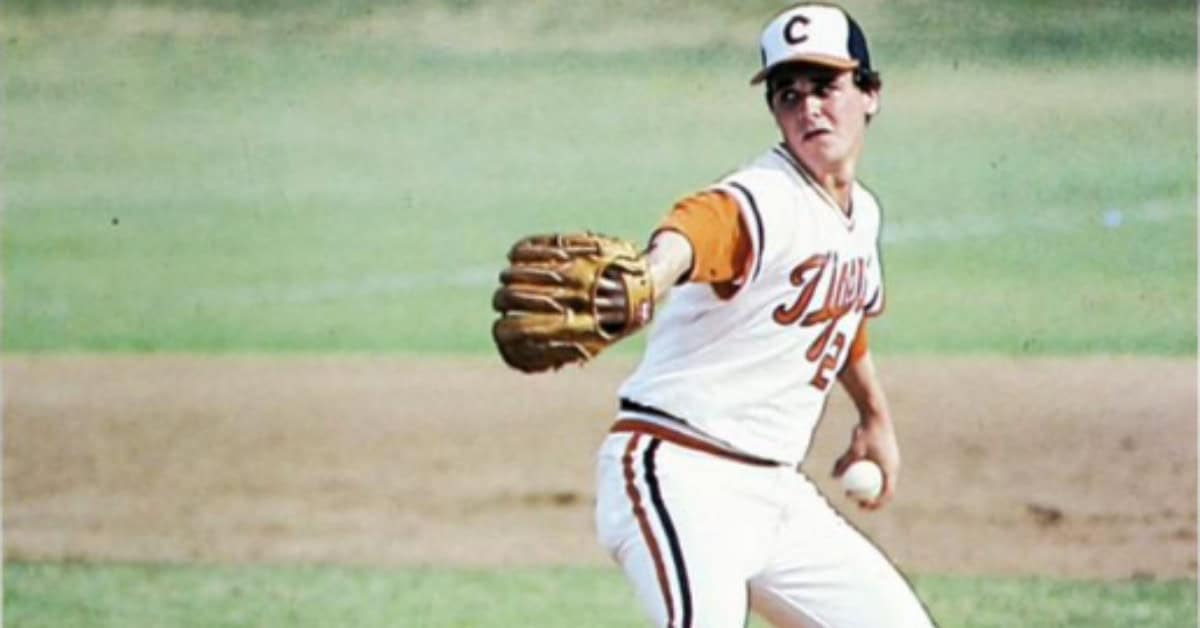
For those who remember Jimmy Key as an All-Star pitcher for the Yankees and the Orioles, I must remind you that he established his career in Toronto. He spent nine years with the Blue Jays, earning two All-Star selections and a Cy Young runner-up finish.
He tallied 116 wins in Toronto and won an ERA title in 1987. He created a great 1-2 punch with Dave Stieb in the pitching rotation.
| Jimmy Key — Career | Total |
|---|---|
| W | 186 |
| L | 117 |
| ERA | 3.51 |
| G | 470 |
| IP | 2591.2 |
| SO | 1538 |
| WHIP | 1.23 |
| SV | 10 |
| All-Star selections | 4 |
| World Series titles | 2 |
14. Lloyd Moseby: The Original Blue Jays Speed Demon
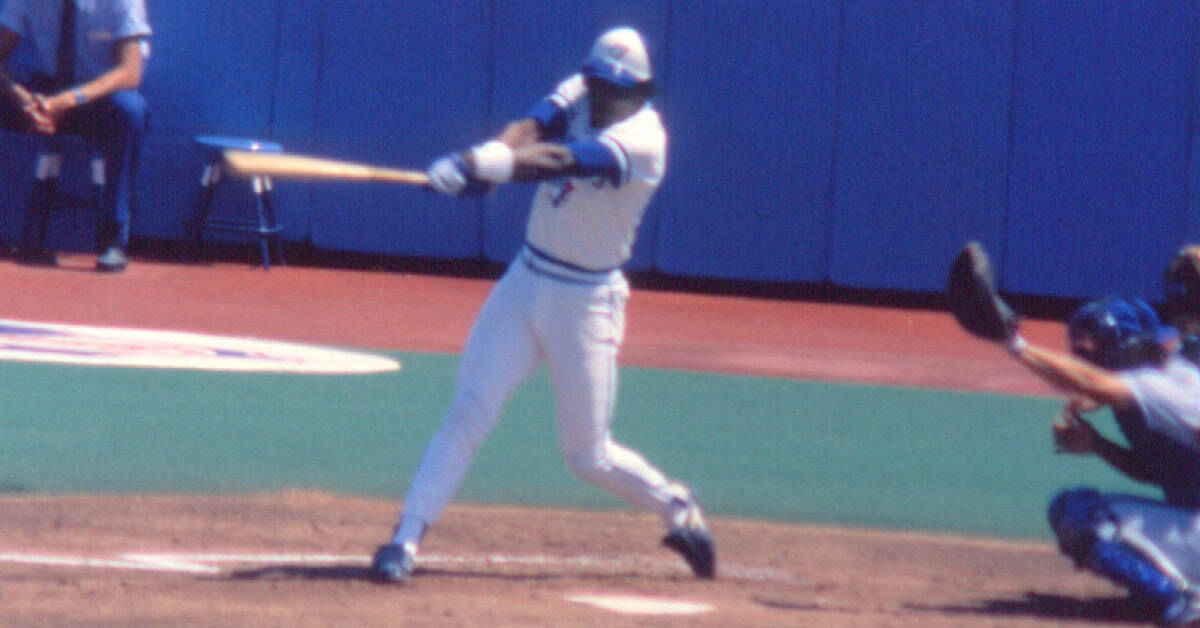
Among the growing pains of a young franchise rose a dynamic center fielder in Lloyd Moseby. Known as Shaker, he showed his ability to shake up the game with his speed.
His best season was 1984, when he led the league with 15 triples, adding 39 stolen bases to give the Blue Jays plenty of scoring opportunities. He stole more than 30 bases in five straight seasons, becoming a great table-setter for the ball club.
| Lloyd Moseby — Career | Total |
|---|---|
| G | 1588 |
| AB | 5815 |
| H | 1494 |
| HR | 169 |
| RBI | 737 |
| SB | 280 |
| AVG | .257 |
| OBP | .332 |
| SLG | .414 |
| OPS | .746 |
| All-Star selections | 1 |
| Silver Sluggers | 1 |
13. Ernie Whitt: The Catcher Who Built Blue Jays Nation
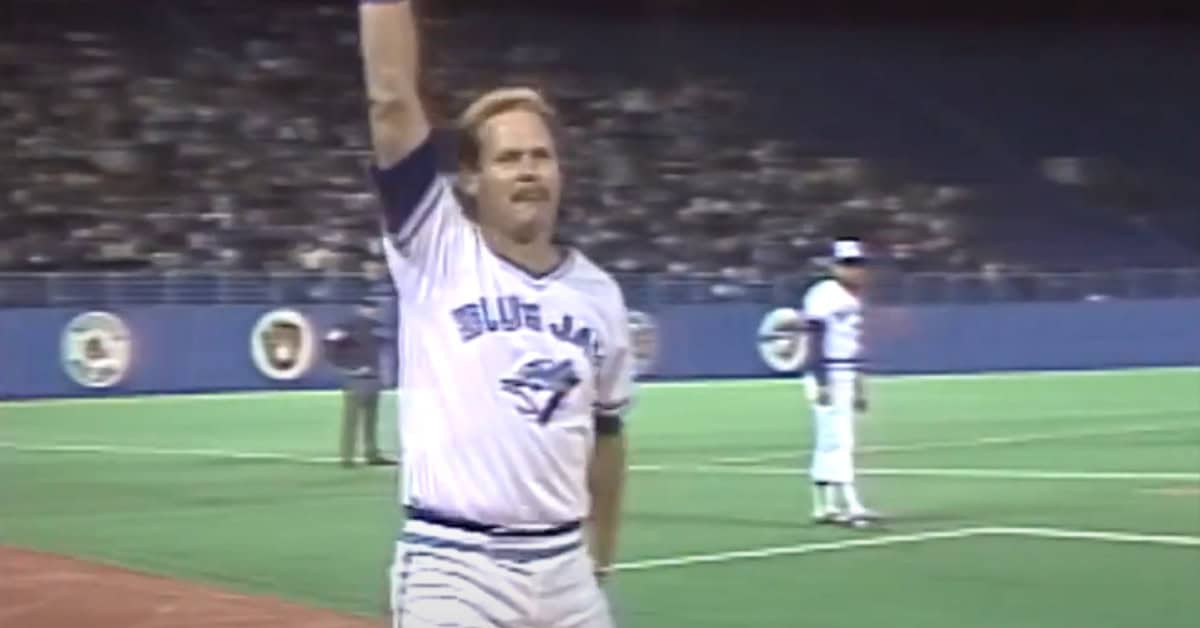
One of the original Blue Jays, Ernie Whitt earned his way into the starting catcher job as he guided the Toronto rotation through the 1980s. He was selected to the All-Star Game in 1985 thanks to his steady hand behind the plate and contributions offensively.
The strong pitching staff, combined with Whitt's ability, helped him lead the league in putouts in 1987.
| Ernie Whitt — Career | Total |
|---|---|
| G | 1328 |
| AB | 3774 |
| H | 938 |
| HR | 134 |
| RBI | 534 |
| SB | 22 |
| AVG | .249 |
| OBP | .324 |
| SLG | .410 |
| OPS | .734 |
| All-Star selections | 1 |
12. Pat Hentgen: The Cy Young Winner Time Forgot
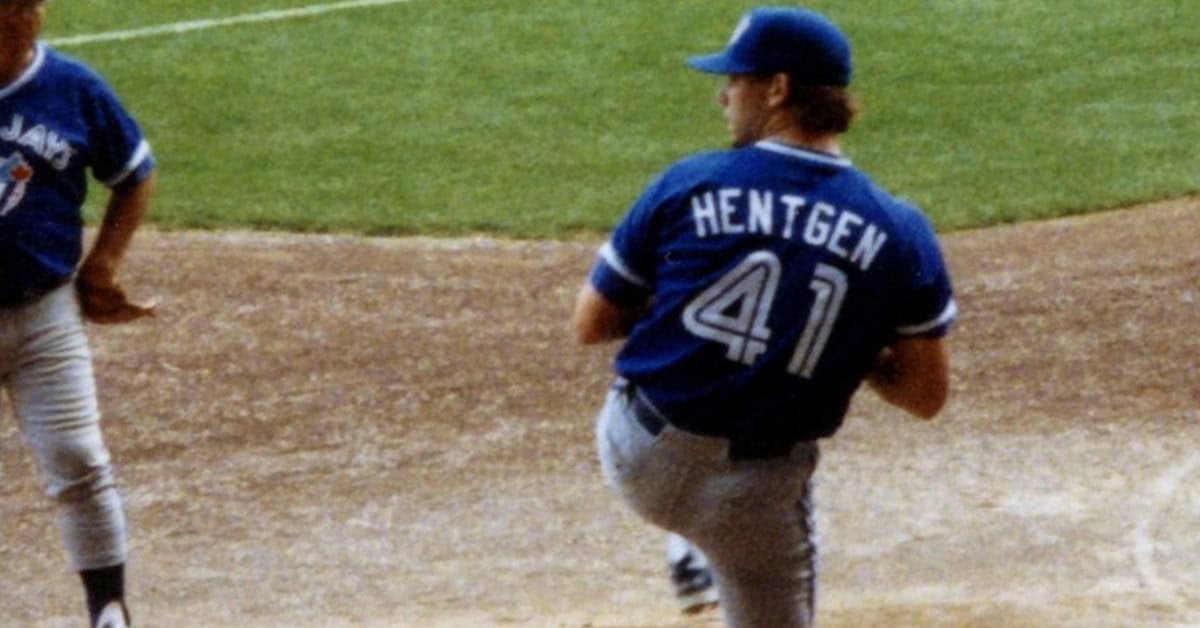
Pat Hentgen was an up-and-coming ace when the Blue Jays went on their back-to-back World Series run. He grew up fast in 1993, which was his first year as a part of the rotation. He earned his first of three All-Star selections and gave Toronto six big innings with only one run coming across in Game 3 to earn the win.
Hentgen would go on to win the 1996 Cy Young Award, leading all pitchers with 10 complete games, three shutouts, 265.2 innings pitched, and 8.6 WAR. He was a 20-game winner that season and became an iconic hurler in franchise history.
| Pat Hentgen — Career | Total |
|---|---|
| W | 131 |
| L | 112 |
| ERA | 4.32 |
| G | 344 |
| IP | 2075.1 |
| SO | 1290 |
| WHIP | 1.39 |
| SV | 1 |
| Cy Young | 1 |
| All-Star selections | 3 |
| World Series titles | 1 |
11. John Olerud: The Helmet Hero of the SkyDome

Wearing a helmet on defense may be the lasting legacy of John Olerud and it kind of makes him seem like a quirky, fun player. Don't get me wrong, he was all business when it came down to it. He was a two-time All-Star in his 17-year career and a three-time Gold Glove winner.
His best season came in Toronto when he finished third in MVP voting in 1993 as he won the batting title with a .363 average and led the MLB with a whopping 54 doubles. He would spend eight years with the franchise, maintaining a great 129 OPS+. Olerud actually had a quietly great career that is around Hall of Fame standards.
| John Olerud — Career | Total |
|---|---|
| G | 2234 |
| AB | 7592 |
| H | 2239 |
| HR | 255 |
| RBI | 1230 |
| SB | 11 |
| AVG | .295 |
| OBP | .398 |
| SLG | .465 |
| OPS | .863 |
| All-Star selections | 2 |
| Gold Gloves | 3 |
| World Series titles | 2 |
10. Pat Borders: The World Series MVP Who Caught Magic

It really was only two seasons when Pat Borders started in over 130 games at catcher for the Blue Jays, but boy, were those seasons special. Which seasons were they? 1992 and 1993.
He was the consistent force behind the plate that called a great game under the brightest of lights.
He won the World Series MVP in 1992 with his .450 batting average, a home run, and three RBI. Borders would come up big again the following season as he hit .304 and helped the Blue Jays go back-to-back. Because of that, Pat Borders will forever be a Toronto legend.
| Pat Borders — Career | Total |
|---|---|
| G | 1099 |
| AB | 3282 |
| H | 831 |
| HR | 69 |
| RBI | 346 |
| SB | 9 |
| AVG | .253 |
| OBP | .288 |
| SLG | .375 |
| OPS | .663 |
| World Series titles | 2 |
9. Tom Henke: The Terminator of the Ninth Inning
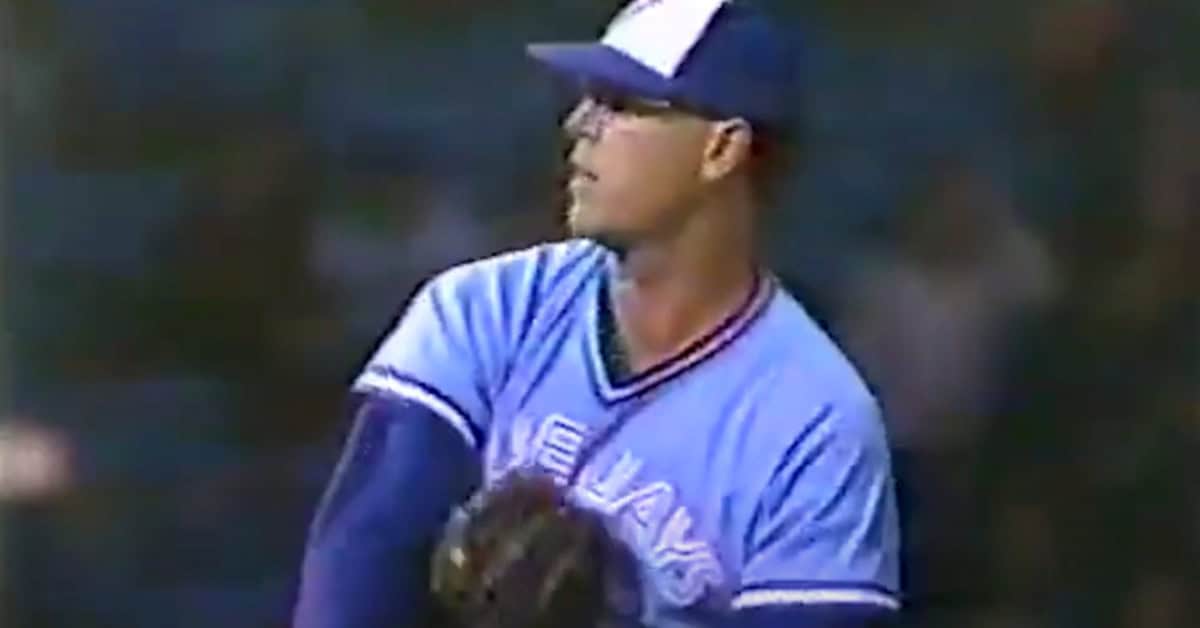
The closer revolution in the 1980s brought about a unique collection of relievers. Tom Henke was Toronto's example. The double-bridge glasses with a stone-cold expression gave an intimidating look from the mound that you probably will never see in the modern day.
They called him the Terminator for good reason, as Henke led the league in 1987 with 34 saves, earning an All-Star selection and a Rolaids Relief Man Award. He collected an impressive 311 saves in the 14-year career that saw him become a premier reliever in the MLB.
| Tom Henke — Career | Total |
|---|---|
| W | 41 |
| L | 42 |
| ERA | 2.67 |
| G | 642 |
| IP | 789.2 |
| SO | 861 |
| WHIP | 1.09 |
| SV | 311 |
| All-Star selections | 2 |
| World Series titles | 1 |
8. Joe Carter: More Than Just One Magic Moment
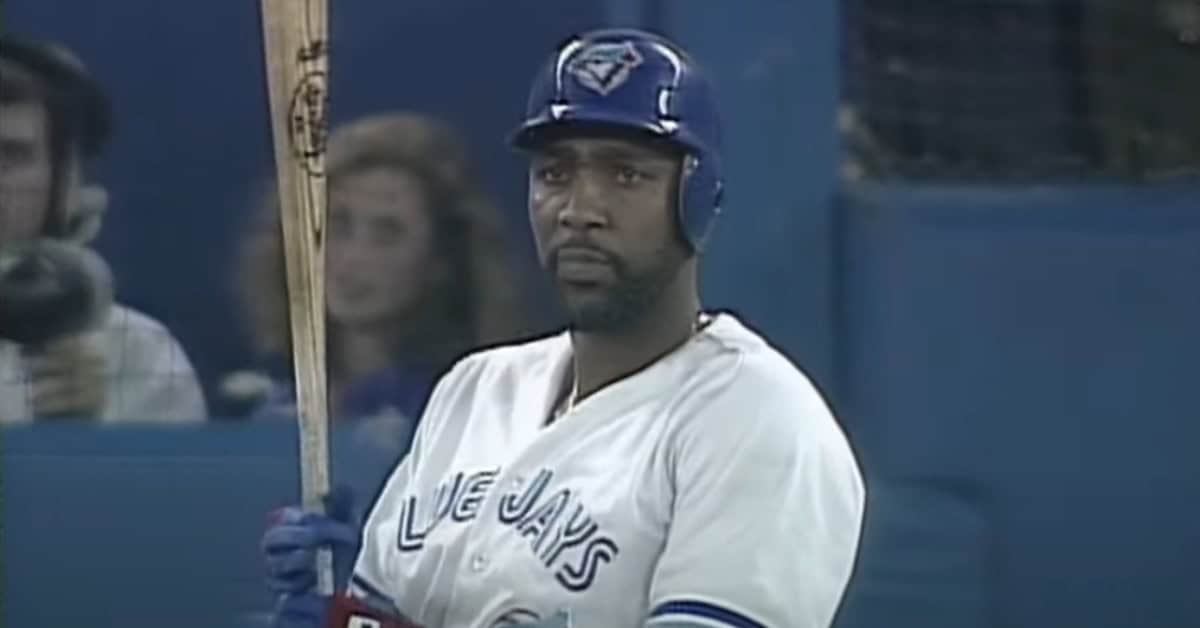
Roberto Alomar is the only Hall of Famer with a Blue Jays logo on his cap. If Joe Carter were in as well, he'd be the second. The most iconic Blue Jay in history is known for basically one moment, but it's a beautiful one.
His 1993 walk-off home run to win the entire World Series is Hall of Fame worthy by itself.
The rest of his career is also pretty worthy. Carter earned five All-Star selections and two Silver Sluggers, collecting 2,184 career hits, 396 home runs, and 1,445 RBI. Advanced metrics don't really give his career enough credit, but I'm sure all of Toronto would like to see his plaque when they tour Cooperstown.
| Joe Carter — Career | Total |
|---|---|
| G | 2189 |
| AB | 8422 |
| H | 2184 |
| HR | 396 |
| RBI | 1445 |
| SB | 231 |
| AVG | .259 |
| OBP | .306 |
| SLG | .464 |
| OPS | .770 |
| All-Star selections | 5 |
| Silver Sluggers | 2 |
| World Series titles | 2 |
7. Juan Guzman: The Wild Thing Who Found Control
The hard-throwing Juan Guzman was a big part of the Blue Jays rotation during their World Series seasons. In fact, he earned an All-Star selection in 1992, when he went 16-5 with a 2.64 ERA and 165 strikeouts.
He would go on to contribute a win in that year's World Series and eat some innings the following year. Guzman did lead the league twice in wild pitches, but he found his groove in a big way in 1996 when he won the ERA title at a cool 2.93.
| Juan Guzmán — Career | Total |
|---|---|
| W | 91 |
| L | 79 |
| ERA | 4.08 |
| G | 240 |
| IP | 1483.1 |
| SO | 1243 |
| WHIP | 1.37 |
| SV | 0 |
| All-Star selections | 1 |
| World Series titles | 2 |
6. Duane Ward: The Setup Man Who Became King
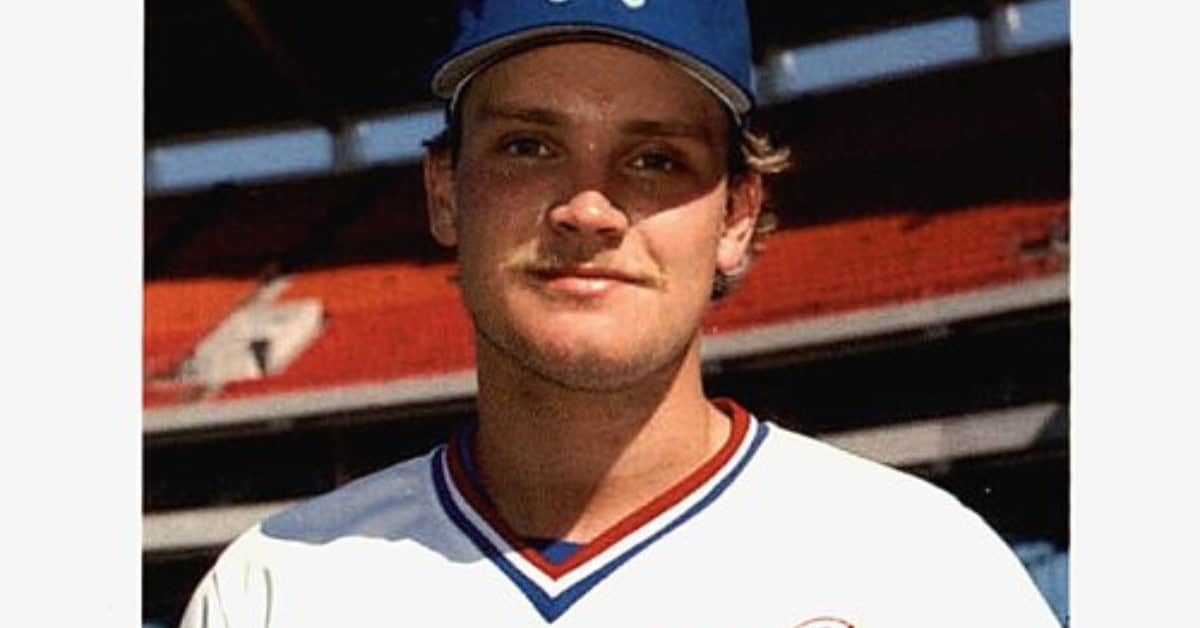
Duane Ward was the important setup man to Tom Henke for five seasons, keeping a very solid 3.09 ERA. Then, he got his shot in 1993, and he took full advantage of it. Ward led the league with 45 saves with a 2.13 ERA and 97 strikeouts in just 71.2 innings.
It's always cool to see the proverbial sidekick become the hero as Ward whipped his sweeping slider past bats for nine years. Unfortunately, injuries collapsed the rest of his promising career as he was on a sky-high trajectory.
| Duane Ward — Career | Total |
|---|---|
| W | 32 |
| L | 37 |
| ERA | 3.27 |
| G | 462 |
| IP | 666.2 |
| SO | 679 |
| WHIP | 1.26 |
| SV | 121 |
| All-Star selections | 1 |
| World Series titles | 2 |
5. Vernon Wells: The Five-Tool Star of the Early 2000s
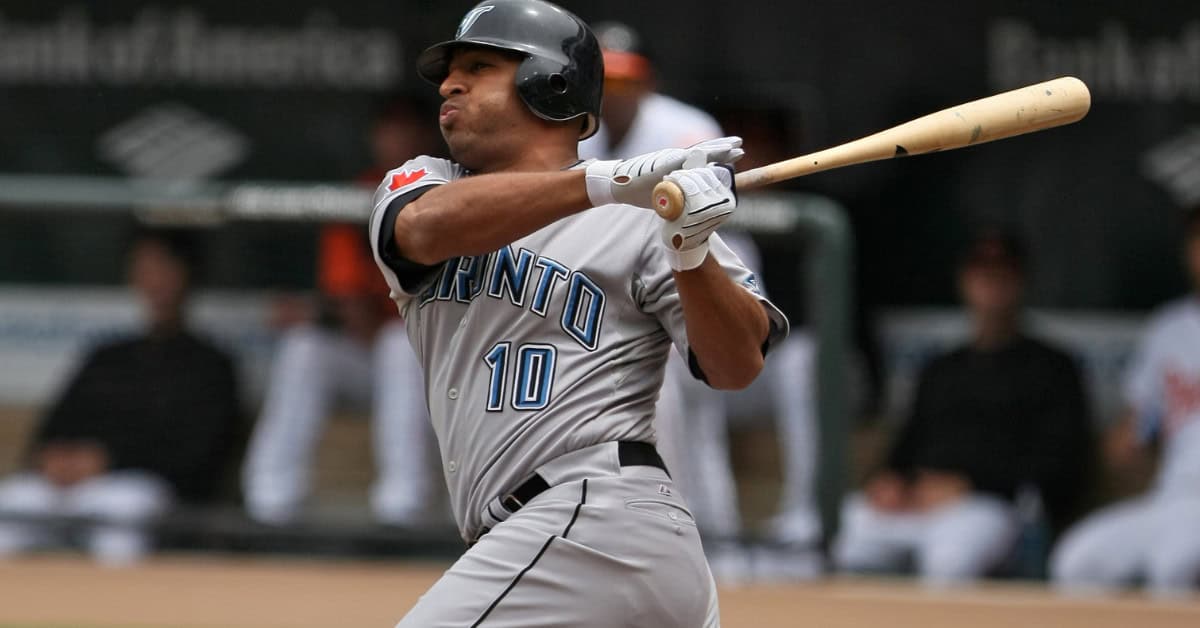
Vernon Wells will always be my favorite Blue Jays center fielder. The three-time All-Star quietly contributed to a rebuilding franchise for most of his 15-year career. He earned three Gold Gloves and a Silver Slugger as he could be counted on to produce year in and year out.
His best year came in 2003 when he led all of baseball with 215 hits and led the league with 49 doubles. He wasn't as flashy as some other center fielders, but Vernon Wells was just as productive.
| Vernon Wells — Career | Total |
|---|---|
| G | 1731 |
| AB | 6642 |
| H | 1794 |
| HR | 270 |
| RBI | 958 |
| SB | 109 |
| AVG | .270 |
| OBP | .319 |
| SLG | .459 |
| OPS | .778 |
| All-Star selections | 3 |
| Gold Gloves | 3 |
| Silver Sluggers | 1 |
4. Rance Mulliniks: The Platoon Master of Exhibition Stadium
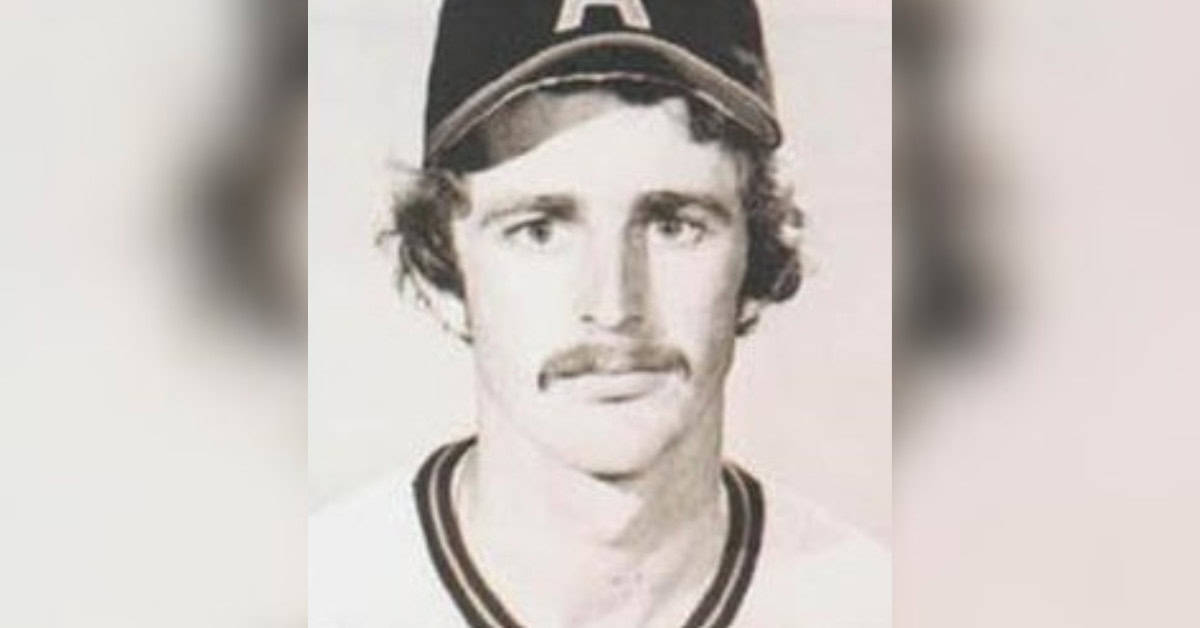
The fan-favorite third baseman was given a certain job and did that job very well. Rance Mulliniks was a left-handed batter and was tasked with being the more utilized part of a platoon for most of his career.
He spent 11 solid seasons with the Blue Jays, maintaining a .280 batting average and a very solid 114 OPS+. The partial playing time compared to his full-time teammates kind of made Mulliniks more beloved in the city of Toronto.
| Rance Mulliniks — Career | Total |
|---|---|
| G | 1325 |
| AB | 3569 |
| H | 972 |
| HR | 73 |
| RBI | 435 |
| SB | 15 |
| AVG | .272 |
| OBP | .354 |
| SLG | .407 |
| OPS | .761 |
3. Tony Castillo: The Rubber-Armed Relief Ace
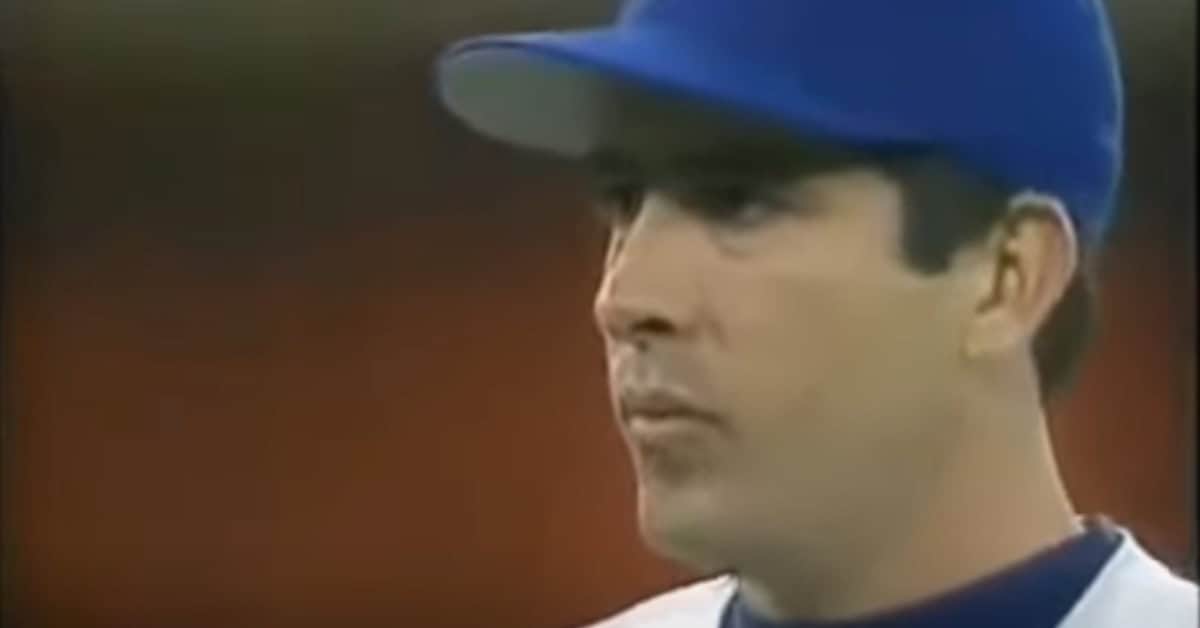
Left-handed specialists have played a unique role in baseball throughout history. I would say it ramped up in the 1980s, a little before Tony Castillo came into the league. The Blue Jays didn't really see him as a pitcher who only faced one batter, though.
They saw more in him. Castillo would become a well-utilized reliever, going multiple innings more times than not. He held up a 3.49 ERA in his six seasons in Toronto, which comes out to a great 134 OPS+ when adjusting for the steroid era.
| Tony Castillo — Career | Total |
|---|---|
| W | 28 |
| L | 23 |
| ERA | 3.93 |
| G | 403 |
| IP | 526.2 |
| SO | 333 |
| WHIP | 1.39 |
| SV | 22 |
| World Series titles | 1 |
2. Kelly Gruber: The Diving Hero of Third Base

Kelly Gruber was an eccentric third baseman for the Blue Jays for most of his 10-year career. He earned back-to-back All-Star selections in 1989 and 1990, hitting 31 home runs with 118 RBI in the latter year.
He was a part of that 1992 World Series championship team, as he can be remembered for his effort on a near-triple play, diving after Deion Sanders and actually tagging his foot, but the umpire didn't see it. If that had been called differently, that would've been an all-time play.
| Kelly Gruber — Career | Total |
|---|---|
| G | 939 |
| AB | 3159 |
| H | 818 |
| HR | 117 |
| RBI | 443 |
| SB | 80 |
| AVG | .259 |
| OBP | .307 |
| SLG | .432 |
| OPS | .739 |
| All-Star selections | 2 |
| Gold Gloves | 1 |
| Silver Sluggers | 1 |
| World Series titles | 1 |
1. Tony Fernandez: The Wizard of the SkyDome’s AstroTurf
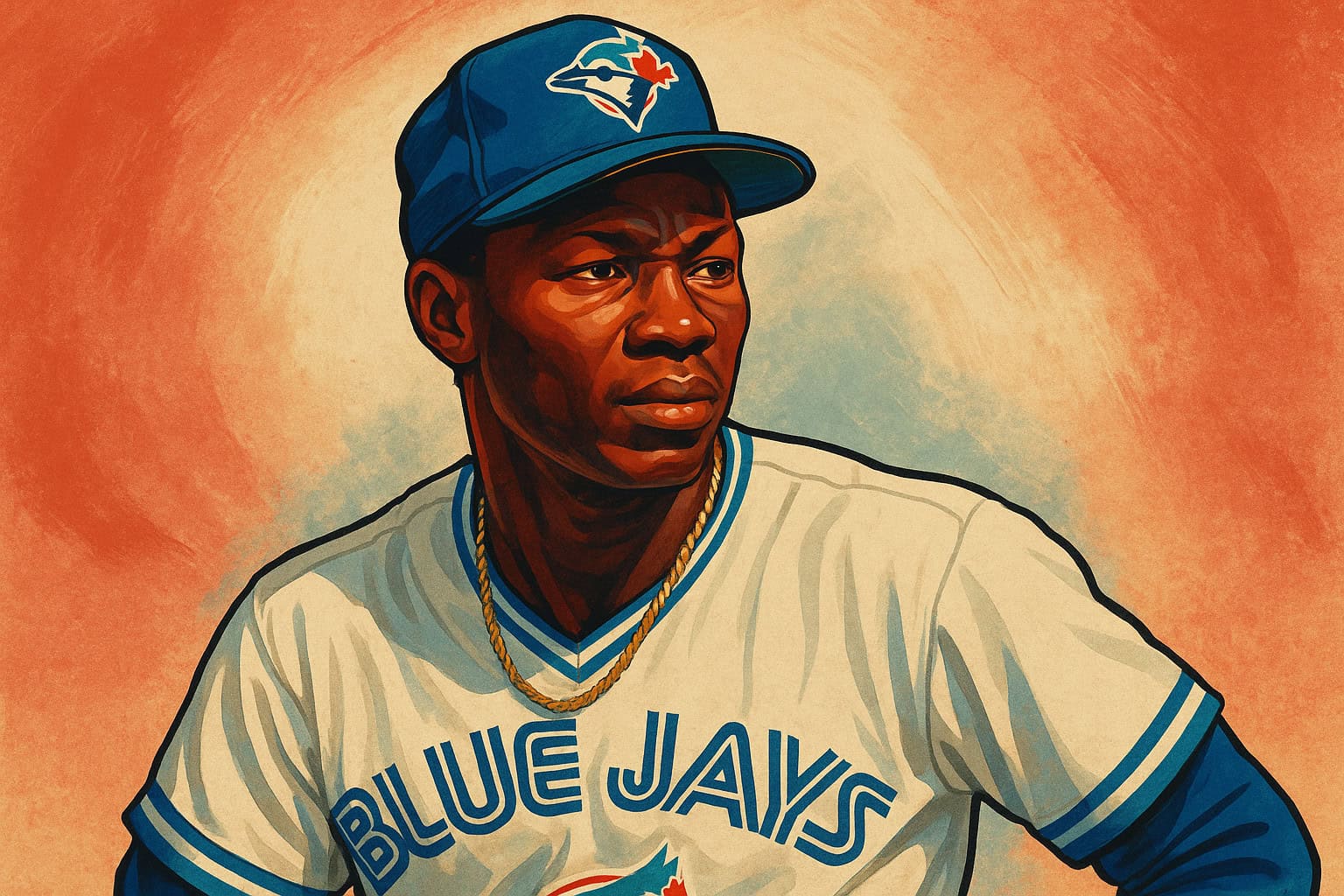
One of the coolest shortstops of his time, Tony Fernandez was smooth as silk as he handled the infield bounces on the artificial turf in Toronto. He earned four Gold Gloves to go along with five All-Star selections. He spent a total of 12 years, more or less, with the Blue Jays over multiple stints.
Through all of that time, he still held up a great .297 batting average with 1,583 hits as a member of the franchise.
If I ever meet a Blue Jays fan who has been there through most of the franchise's history, I wouldn't be surprised if they told me that Tony Fernandez was their favorite player.
| Tony Fernández — Career | Total |
|---|---|
| G | 2158 |
| AB | 7911 |
| H | 2276 |
| HR | 94 |
| RBI | 844 |
| SB | 246 |
| AVG | .288 |
| OBP | .347 |
| SLG | .399 |
| OPS | .746 |
| All-Star selections | 5 |
| Gold Gloves | 4 |
| World Series titles | 1 |