
Last Updated: October 7th, 2026 by Matthew Brown
Coming in as an expansion team in 1969, the Kansas City Royals have had some great talent play for the franchise over the years. The fanbase has been loyal and consistent, but the stars they've watched have been pretty unique.
Don't lose this article. Enter your email below, and I'll send it to you right now. Plus, we'll send you other unbelievable stories from baseball's past.
I think when we go through this list of great Royals who haven't been inducted into the Hall of Fame, you'll see a wide variety of skill sets. That honestly makes this list more fun, so let's get to it.
20. Frank White: The Second Base Wizard of Kauffman
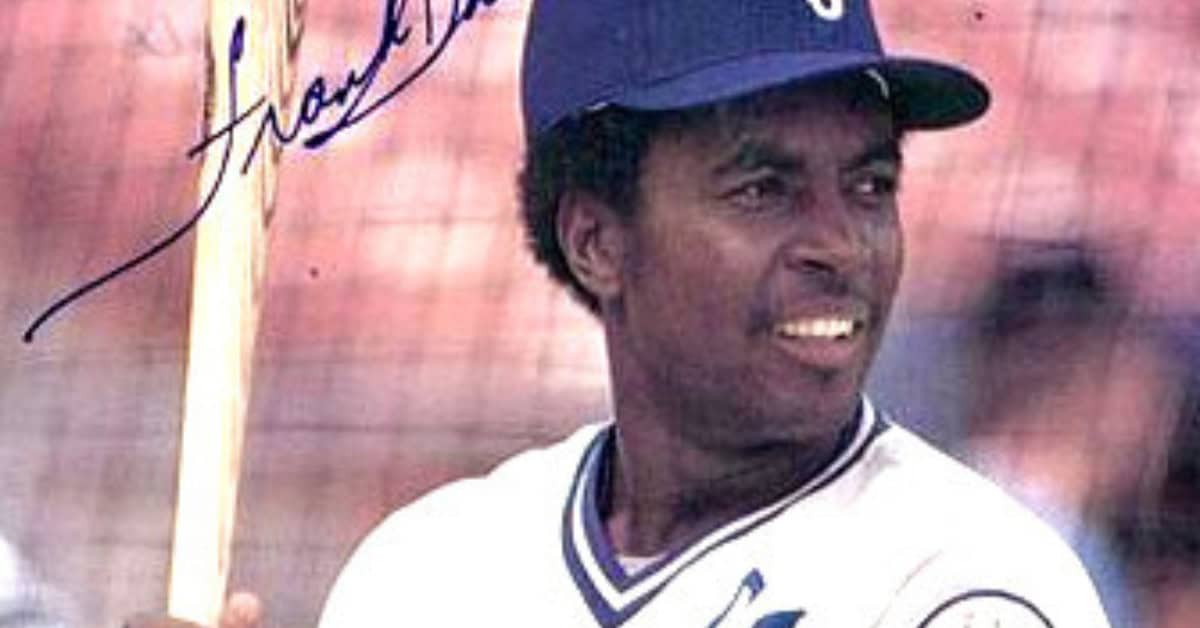
Frank White is a no-brainer to make this list. There was a time when he would have been a no-brainer to make it to the actual Hall of Fame.
I think defense was more valued back in the early days of baseball. While it still is valued today, I would say that eight Gold Gloves and five All-Star selections aren't respected enough. Even though he was considered a light hitter, White still recorded 2,006 hits and earned a Silver Slugger in his career.
| Frank White — Career | Total |
|---|---|
| G | 2324 |
| AB | 7859 |
| H | 2006 |
| HR | 160 |
| RBI | 886 |
| SB | 178 |
| AVG | .255 |
| OBP | .293 |
| SLG | .383 |
| OPS | .676 |
| All-Star selections | 5 |
| Gold Gloves | 8 |
| Silver Sluggers | 1 |
| World Series titles | 1 |
19. Amos Otis: The Smooth Center Fielder Who Defined the ’70s
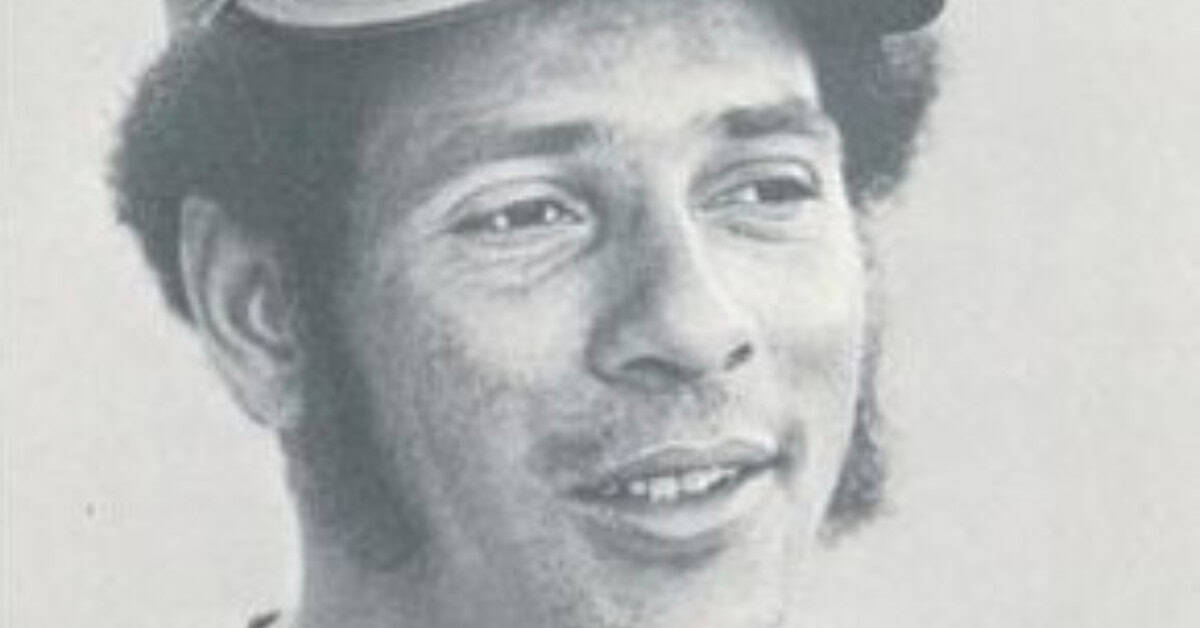
I will say I would have loved to watch Amos Otis play center field in person. The five-time All-Star earned three Gold Gloves in his career, which spanned 17 years, 14 of them in Kansas City. He accumulated over 2,000 hits, 1,000 RBI, and 1,000 runs.
He led the league in doubles twice and stolen bases once, while defensively leading in outfield putouts, assists, and double plays twice. It seemed like he could glide across the grass in center to get to any ball.
| Amos Otis — Career | Total |
|---|---|
| G | 1998 |
| AB | 7299 |
| H | 2020 |
| HR | 193 |
| RBI | 1007 |
| SB | 341 |
| AVG | .277 |
| OBP | .343 |
| SLG | .425 |
| OPS | .768 |
| All-Star selections | 5 |
| Gold Gloves | 3 |
18. Willie Wilson: The Speedster Who Terrorized the AL
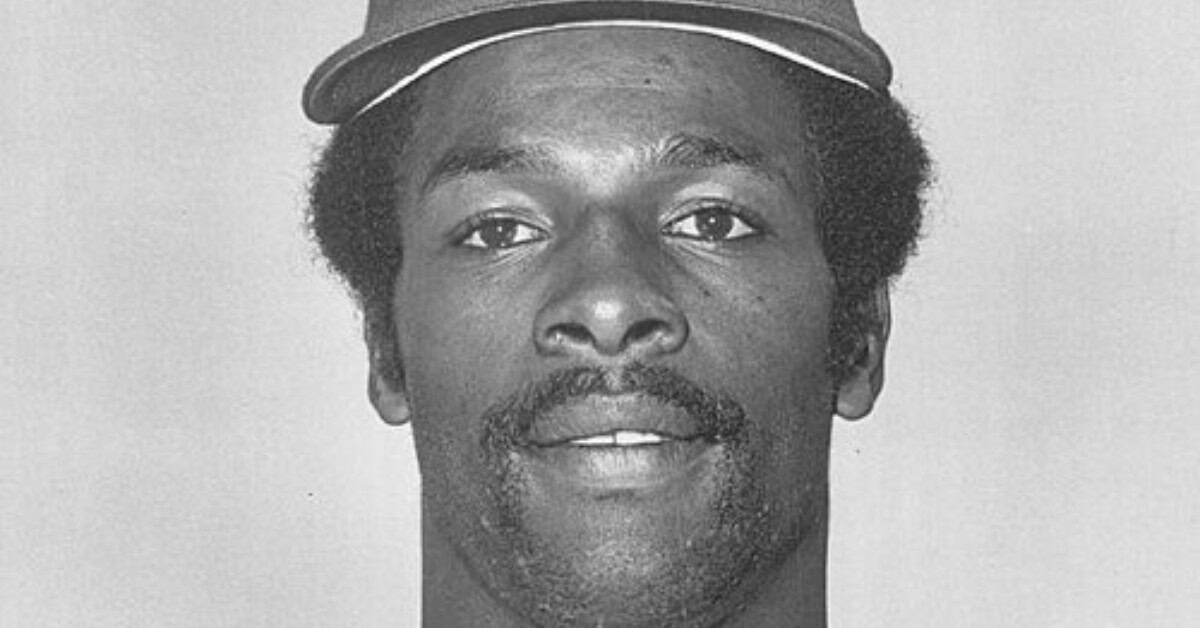
Speed has been kind of a theme so far as we go to maybe the best speedster in Royals history. Willie Wilson used that speed to accumulate 668 stolen bases in his career. He led the MLB in 1979 with 83 stolen bases.
That wasn't even the part of the game that he excelled at the most. He led the league a whopping five times in triples, ending up with 147 in his career. Wilson finished in the top five of MVP voting in 1980 when he led all of baseball with 230 hits, 133 runs scored, and 15 triples on a .326 batting average and 79 stolen bases.
Willie Wilson had top-tier talent.
| Willie Wilson — Career | Total |
|---|---|
| G | 2154 |
| AB | 7731 |
| H | 2207 |
| HR | 41 |
| RBI | 585 |
| SB | 668 |
| AVG | .285 |
| OBP | .326 |
| SLG | .376 |
| OPS | .702 |
| All-Star selections | 2 |
| Gold Gloves | 1 |
| Silver Sluggers | 2 |
| World Series titles | 1 |
17. Bret Saberhagen: The Two-Time Cy Young King
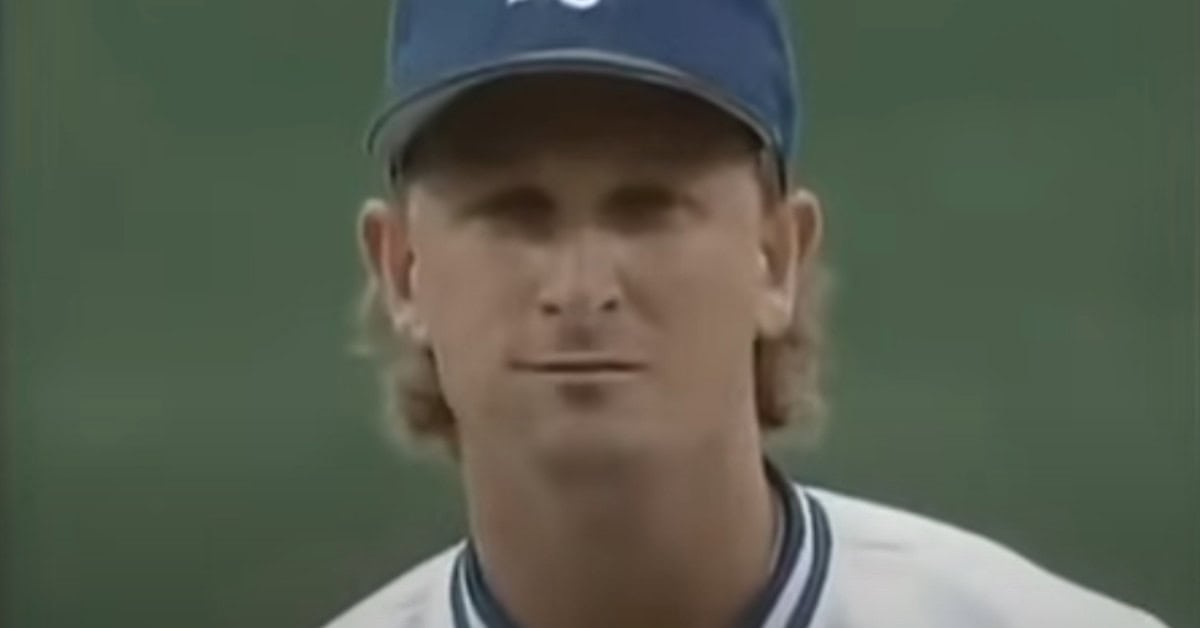
The iconic ace of the Kansas City Royals had many seasons that could have added up to a Hall of Fame career. He earned three All-Star selections in his 16-year career. None of those All-Star seasons, funny enough, were tied to his Cy Young seasons.
In 1985, Bret Saberhagen earned the Cy Young Award in just his second season at 21 years of age.
That also happened to be the season when he won the World Series MVP. Then his best season came in 1989 when he won the Cy Young with a 23-6 record, a 2.16 ERA on 12 complete games, 262.1 innings pitched, a 0.961 WHIP, and a 9.7 WAR. Every single one of those stats led the MLB.
Injuries derailed his longevity, but Saberhagen was absolutely one of the best in baseball for a decade.
| Bret Saberhagen — Career | Total |
|---|---|
| W | 167 |
| L | 117 |
| ERA | 3.34 |
| G | 399 |
| IP | 2562.2 |
| SO | 1715 |
| WHIP | 1.14 |
| SV | 1 |
| Cy Young | 2 |
| All-Star selections | 3 |
| Gold Gloves | 1 |
| World Series titles | 1 |
16. Dan Quisenberry: The Submarine Master of the Bullpen

For all the relief pitchers that Major League Baseball has respected over the years, Dan Quisenberry has kind of been lost in the shuffle. He was part of the movement in the 1980s that brought closers to prominence. In fact, he led the league in saves for half of that decade.
The three-time All-Star earned five Rolaids Relief Man Awards as he puzzled opposing hitters in the late innings with his submarine delivery. Even though his closer role didn't last as long as some of the others in that era, he was still the best when he had it.
| Dan Quisenberry — Career | Total |
|---|---|
| W | 56 |
| L | 46 |
| ERA | 2.76 |
| G | 674 |
| IP | 1043.1 |
| SO | 379 |
| WHIP | 1.18 |
| SV | 244 |
| All-Star selections | 3 |
| World Series titles | 1 |
15. Hal McRae: The DH Who Changed the Position Forever
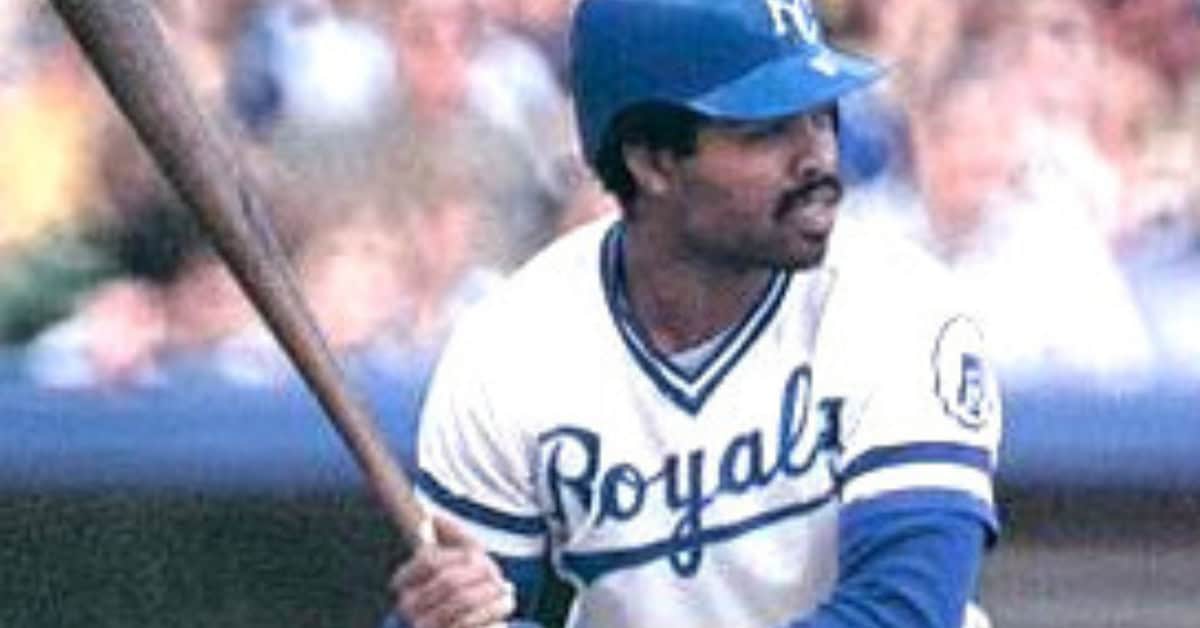
One of the better hitters that Kansas City has seen was a doubles machine during his 19-year career. Hal McRae was mostly a designated hitter during the 15 years he spent with the Royals, building up a great 125 OPS+ over that timespan.
He smacked more than 30 doubles nine times, leading baseball twice in that category. That contributed to the 2,091 hits he accumulated in his career.
| Hal McRae — Career | Total |
|---|---|
| G | 2084 |
| AB | 7218 |
| H | 2091 |
| HR | 191 |
| RBI | 1097 |
| SB | 109 |
| AVG | .290 |
| OBP | .351 |
| SLG | .454 |
| OPS | .805 |
| All-Star selections | 3 |
| Silver Sluggers | 1 |
| World Series titles | 1 |
14. John Mayberry: Big John’s Mighty Kingdom
It's always been funny to me how big John Mayberry, who stood at 6'3, 215 lbs, actually led the league in walks twice in his career. In fact, he drew 881 total walks to just 810 strikeouts over his 15-year career.
Maybe it's more impressive than funny, as that plate discipline helped him earn two All-Star selections in the six solid seasons he spent in Kansas City.
| John Mayberry Sr. — Career | Total |
|---|---|
| G | 1620 |
| AB | 5447 |
| H | 1379 |
| HR | 255 |
| RBI | 879 |
| SB | 20 |
| AVG | .253 |
| OBP | .360 |
| SLG | .439 |
| OPS | .799 |
| All-Star selections | 2 |
13. Dennis Leonard: The Hometown Hero of the Mound
The workhorse Dennis Leonard spent his entire 12-year career in Kansas City, making him a beloved part of the rotation. He led the league in starts three times, leading all pitchers in innings pitched once.
He was a three-time 20-game winner and drew Cy Young talks a couple of times in his career. It's criminal how he wasn't selected to an All-Star game once in his career, as he gave consistent production throughout.
| Dennis Leonard — Career | Total |
|---|---|
| W | 144 |
| L | 106 |
| ERA | 3.70 |
| G | 312 |
| IP | 2187.0 |
| SO | 1323 |
| WHIP | 1.26 |
| SV | 1 |
12. Cookie Rojas: The Cuban Comet of Kansas City
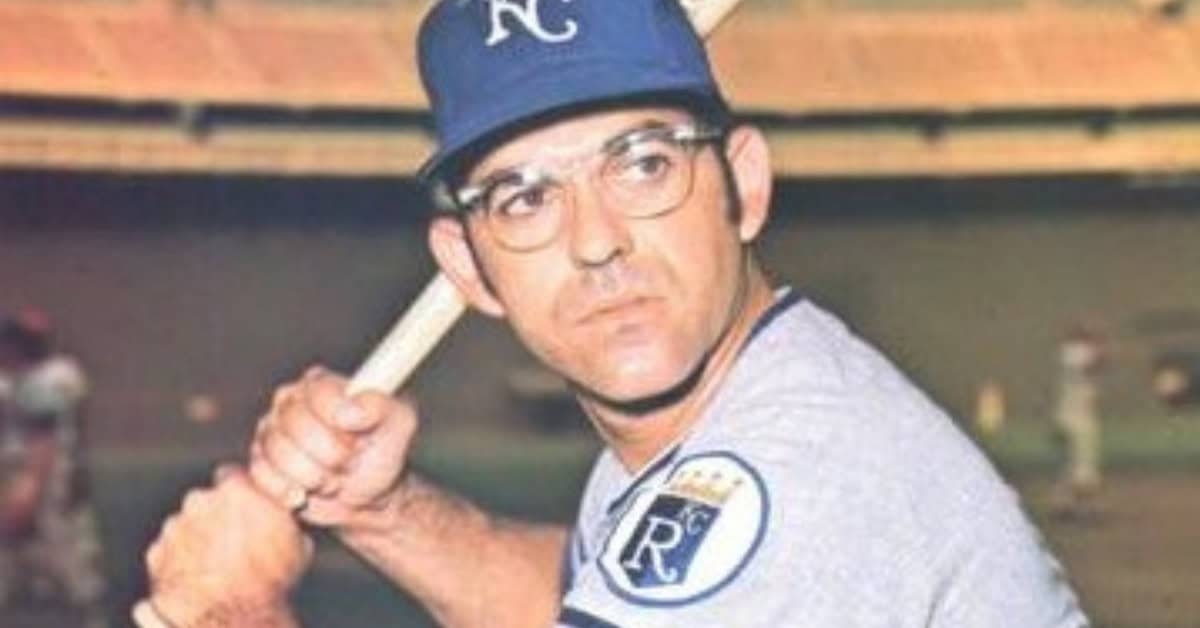
For the first half of his career, Cookie Rojas was a mediocre utility player who had one good All-Star season for the Phillies. Then, he went to Kansas City and gave them eight good seasons with four consecutive All-Star selections.
It goes to show that a change of scenery can be just what a player needs, and Kansas City was a perfect spot for Rojas to land.
| Cookie Rojas — Career | Total |
|---|---|
| G | 1822 |
| AB | 6309 |
| H | 1660 |
| HR | 54 |
| RBI | 593 |
| SB | 74 |
| AVG | .263 |
| OBP | .306 |
| SLG | .337 |
| OPS | .643 |
| All-Star selections | 5 |
11. Mike Sweeney: The Heart and Soul of the Rebuild
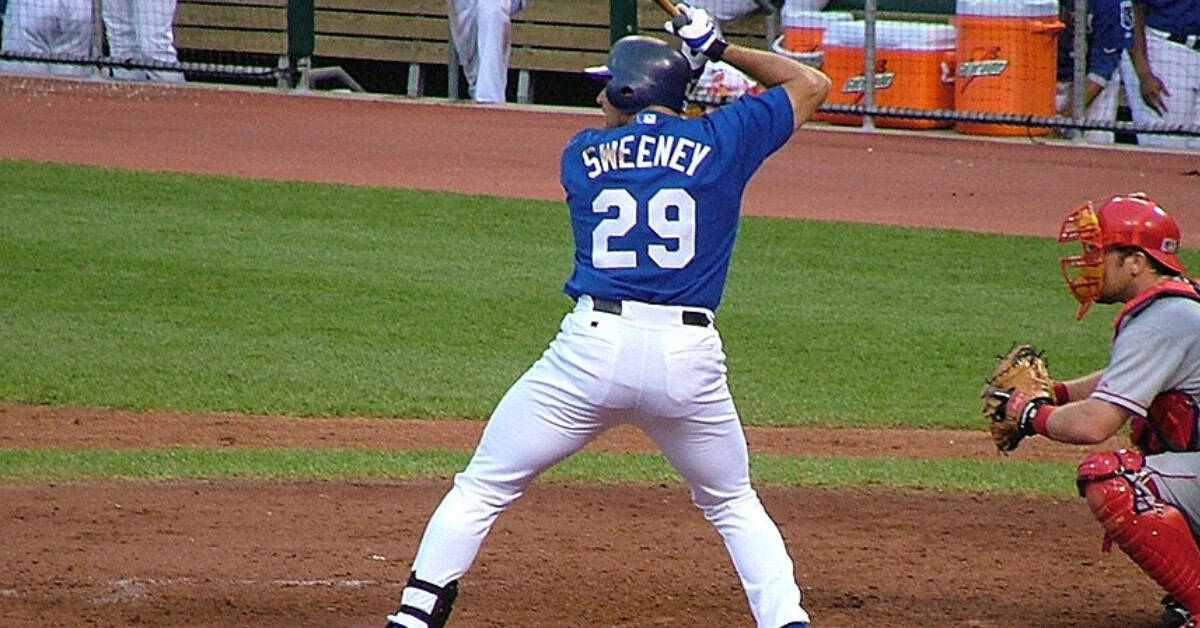
Mike Sweeney was one of my favorite middle-of-the-order guys who were under the radar back in the early 2000s.
He earned five All-Star selections while never hitting 30 home runs like the steroid sluggers of the era. Instead, he cranked more than 40 doubles twice and 30 doubles three other years. He also drove in a whopping 144 RBI in 2000, becoming a dependable hitter for a rebuilding Royals franchise.
| Mike Sweeney — Career | Total |
|---|---|
| G | 1454 |
| AB | 5188 |
| H | 1540 |
| HR | 215 |
| RBI | 909 |
| SB | 53 |
| AVG | .297 |
| OBP | .366 |
| SLG | .486 |
| OPS | .852 |
| All-Star selections | 5 |
10. Paul Splittorff: The Original Royal Ace

Paul Splittorff entered the franchise in just its second season. He quickly rose up the ranks and became a 20-game winner by his fourth year. From then on, he was one of the first aces that the Royals had in their pitching staff.
He worked hard, tallying over 2,500 innings in his 15-year career, getting 1,057 strikeouts. Throughout that whole time, he maintained an ERA+ that was just above average at 101.
| Paul Splittorff — Career | Total |
|---|---|
| W | 166 |
| L | 143 |
| ERA | 3.81 |
| G | 429 |
| IP | 2554.2 |
| SO | 1057 |
| WHIP | 1.34 |
| SV | 1 |
9. Fred Patek: The Mighty Mite of the Midwest
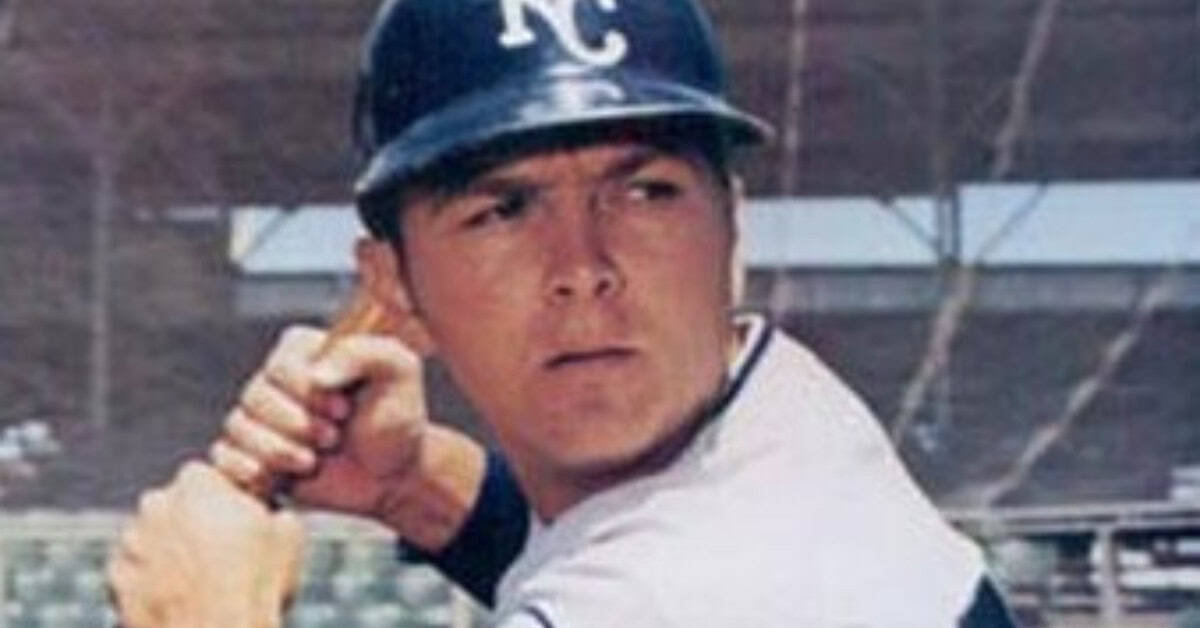
Standing at 5'5, Fred Patek had a short stature, but a tenacious way of playing the game. Joining the club in 1971, Patek quickly became the first franchise shortstop for the Royals.
He earned three All-Star selections in his nine seasons in Kansas City, leading the MLB in triples once. His speed was special as he led the league with 53 in 1977 and tallied more than 30 stolen bases in eight straight years.
| Freddie Patek — Career | Total |
|---|---|
| G | 1650 |
| AB | 5530 |
| H | 1340 |
| HR | 41 |
| RBI | 490 |
| SB | 385 |
| AVG | .242 |
| OBP | .309 |
| SLG | .324 |
| OPS | .633 |
| All-Star selections | 3 |
8. Al Cowens: The Quiet Star of ’77
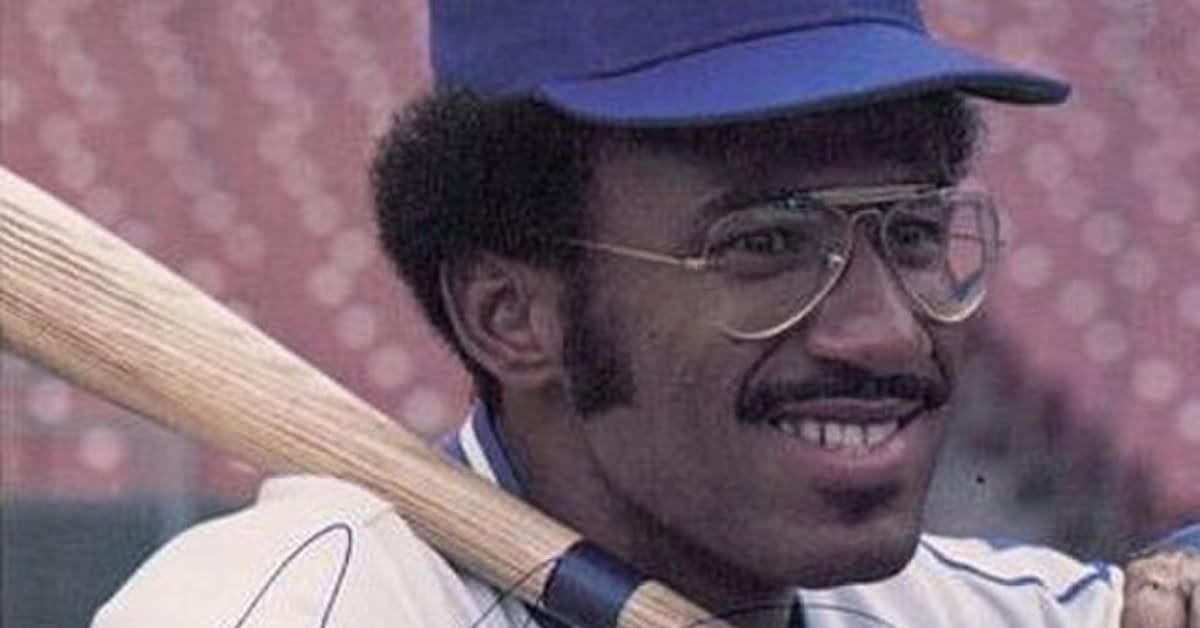
Al Cowens played a great right field for the Royals during their first decade. He got called up in 1974 and stayed for six seasons. His 1977 was special and a true example of his talent.
He hit .312 with 23 home runs and 112 RBI to go along with a Gold Glove.
He ended up finishing second to Rod Carew in MVP voting that year and didn't quite reach those heights again. But man, what a season that was for Cowens and the Royals.
| Al Cowens — Career | Total |
|---|---|
| G | 1584 |
| AB | 5534 |
| H | 1494 |
| HR | 108 |
| RBI | 717 |
| SB | 120 |
| AVG | .270 |
| OBP | .319 |
| SLG | .403 |
| OPS | .722 |
| Gold Gloves | 1 |
7. Larry Gura: The Yankees’ Worst Nightmare
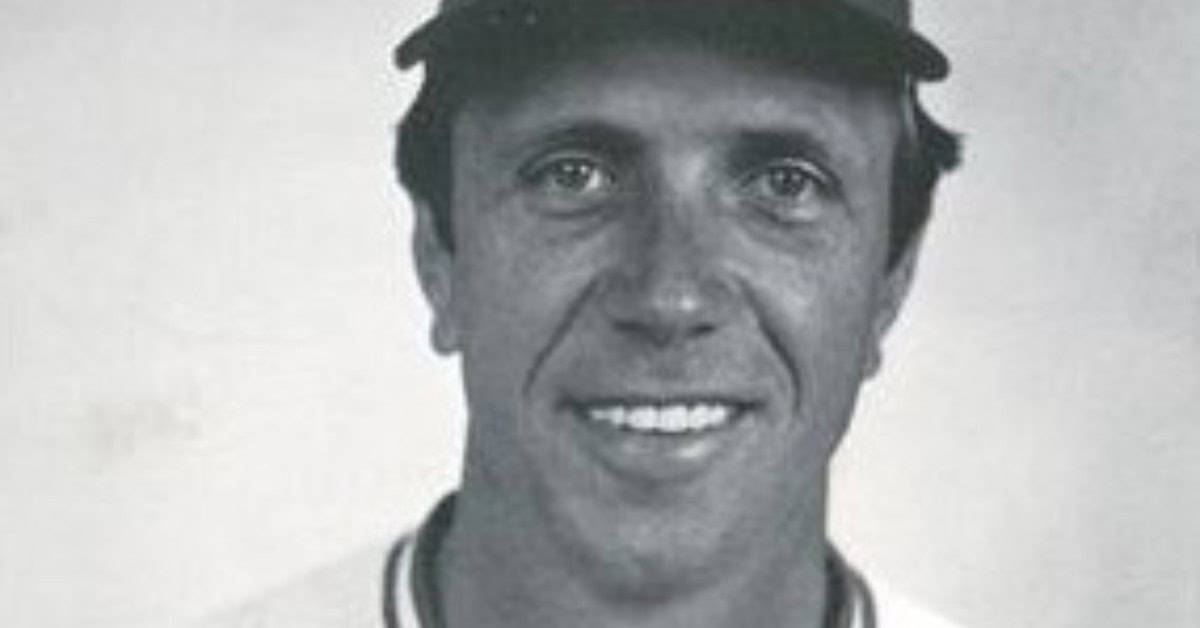
It's always nice to take a player from the Yankees and make him better. Larry Gura started his career playing for the Cubs and then the Yankees, never really getting the opportunities to shine. Then he found his way to Kansas City and became an All-Star pitcher.
With the Royals facing the Yankees numerous times in the playoffs, it must've felt nice to trot out their former pitcher, whose play had only improved since joining the organization.
| Larry Gura — Career | Total |
|---|---|
| W | 126 |
| L | 97 |
| ERA | 3.76 |
| G | 403 |
| IP | 2047.0 |
| SO | 802 |
| WHIP | 1.28 |
| SV | 14 |
| All-Star selections | 1 |
6. Kevin Appier: The Quirky Ace of the ’90s
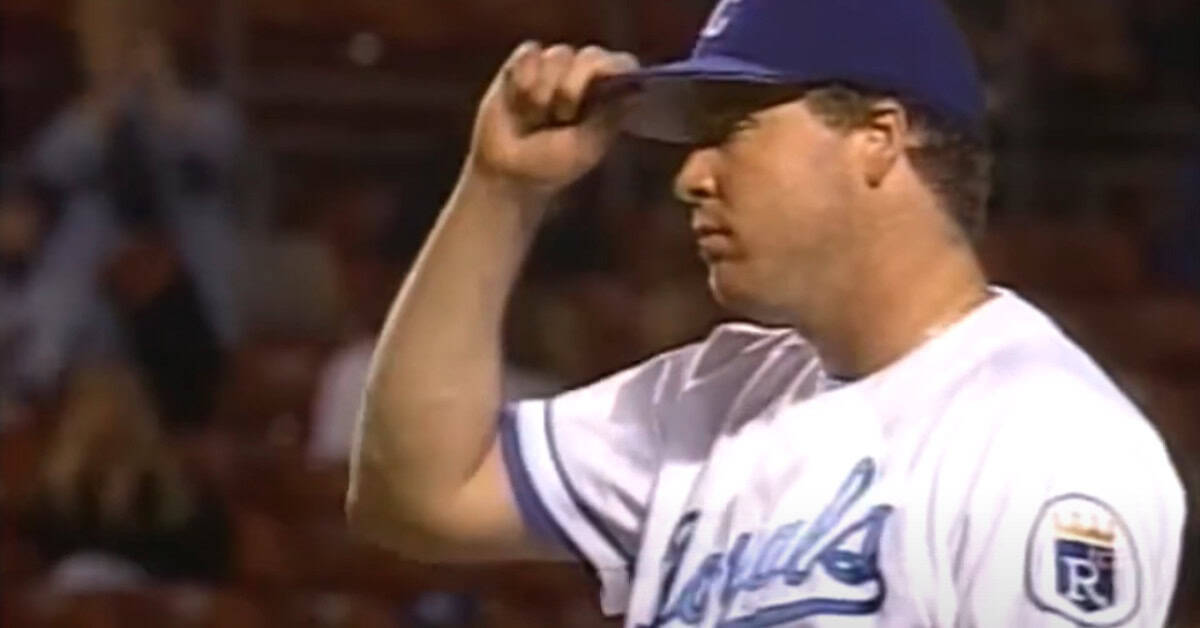
The 1990s saw so many different kinds of pitchers succeed. Kevin Appier was one of those underrated guys who had a really solid career amidst the American League stars of Randy Johnson and Roger Clemens. Appier won the ERA title in 1993 with a 2.56 mark and actually led all pitchers that year with a 9.3 WAR.
He had a good mix of weak contact and strikeout stuff as he accumulated 186 strikeouts while still maintaining a league-leading 2.90 FIP that season. That was the best of a great 13 years in Kansas City for Kevin Appier.
| Kevin Appier — Career | Total |
|---|---|
| W | 169 |
| L | 137 |
| ERA | 3.74 |
| G | 414 |
| IP | 2595.1 |
| SO | 1994 |
| WHIP | 1.29 |
| SV | 0 |
| All-Star selections | 1 |
| World Series titles | 1 |
5. Jeff Montgomery: The Closer Who Never Flinched
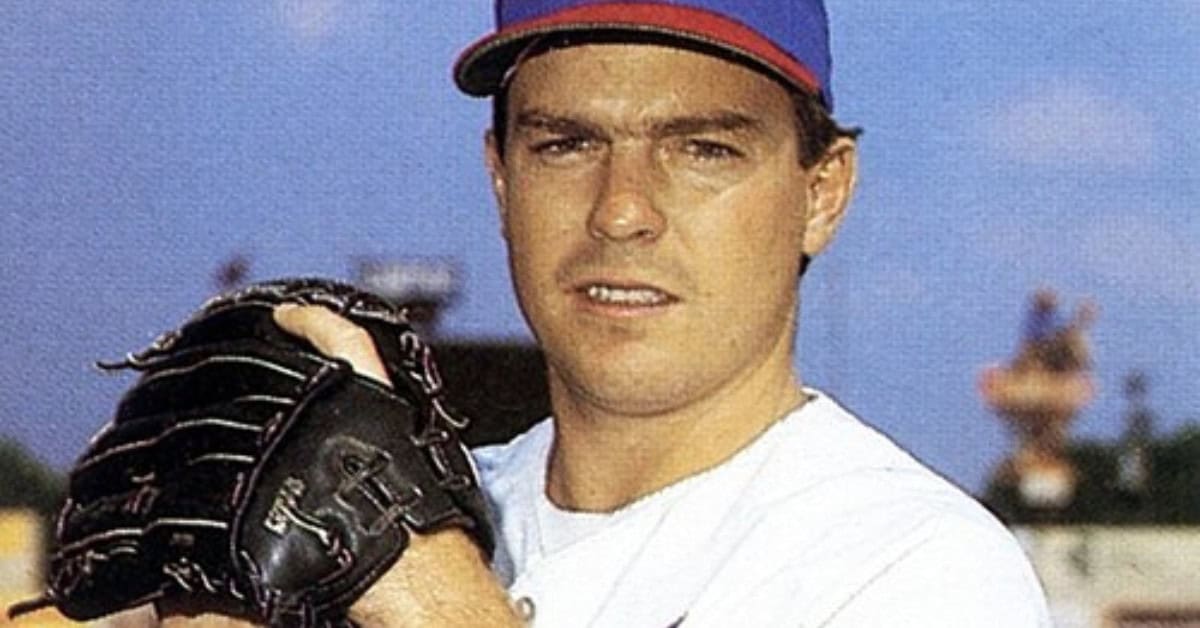
For a closer who held that spot for most of his 13-year career, I think Jeff Montgomery is severely underrated. In the 12 years that he spent in Kansas City, he earned three All-Star selections, keeping a cool 3.27 ERA throughout the steroid era, and totaling 304 saves.
He led the league with 45 saves in 1993, which was probably his finest season. A 135 career ERA+ suggests that he was one of the best during his time in his role.
| Jeff Montgomery — Career | Total |
|---|---|
| W | 46 |
| L | 52 |
| ERA | 3.27 |
| G | 700 |
| IP | 868.2 |
| SO | 733 |
| WHIP | 1.24 |
| SV | 304 |
| All-Star selections | 3 |
4. Mark Gubicza: The Workhorse Wonder
Mark Gubicza is beloved in Kansas City for good reason. He started off as a young 22-year-old in his second season, already needing to contribute to his team in the World Series. He did, earning the win in Game 6, helping the Royals force a Game 7 and eventually win in 1985.
Later, in 1988, he led all pitchers with a 7.7 WAR, going 20-8 with a 2.70 ERA. He earned an All-Star selection and a top-three finish in Cy Young voting that year.
| Mark Gubicza — Career | Total |
|---|---|
| W | 132 |
| L | 136 |
| ERA | 3.96 |
| G | 384 |
| IP | 2223.1 |
| SO | 1371 |
| WHIP | 1.36 |
| SV | 2 |
| All-Star selections | 2 |
3. Steve Busby: Two No-Hitters and What Could Have Been
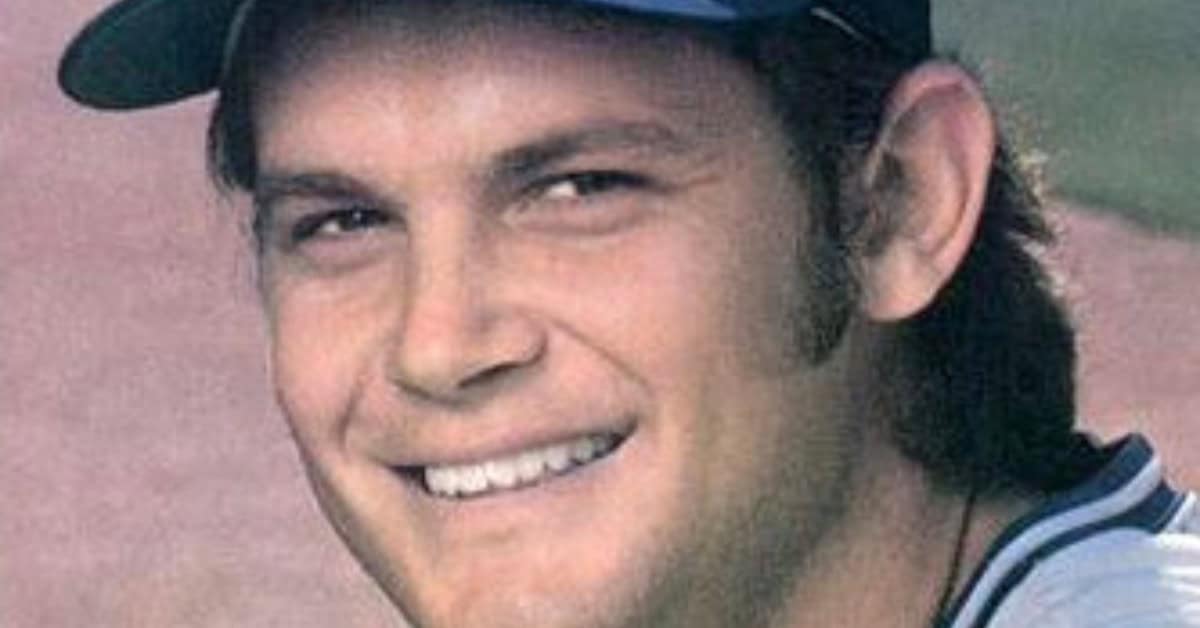
Steve Busby had some of the best seasons a Kansas City pitcher has ever had. With two no-hitters and two All-Star selections, Busby seemed to be on his way to a Hall of Fame career. Unfortunately, injuries halted those aspirations, resulting in a rotator cuff surgery that is said to be the first ever in baseball.
He was then put on a pitch count to help him recover from it, which is also said to be the first example of such a thing in baseball. In a way, Busby's legacy has a far-reaching effect on the game, as we can see those things applied to pitchers today.
| Steve Busby — Career | Total |
|---|---|
| W | 70 |
| L | 54 |
| ERA | 3.72 |
| G | 167 |
| IP | 1060.2 |
| SO | 659 |
| WHIP | 1.35 |
| SV | 0 |
| All-Star selections | 2 |
2. Darrell Porter: The Catcher Who Conquered His Demons
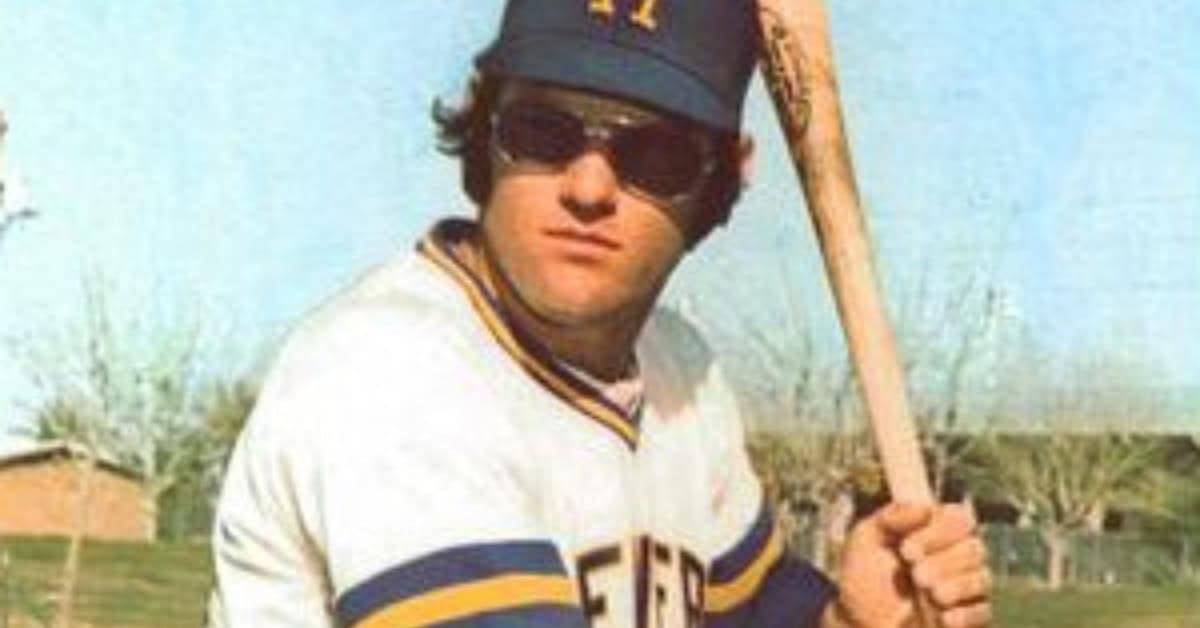
Darrell Porter is probably best known as a great postseason performer for the St. Louis Cardinals, winning an NLCS and World Series MVP in the same year. However, his best regular season performances happened in Kansas City.
He earned three straight All-Star selections in his four-year stint, leading all of baseball one year with an impressive 121 walks. His addiction battles were well documented, as was his successful tenure with the Royals.
| Darrell Porter — Career | Total |
|---|---|
| G | 1782 |
| AB | 5539 |
| H | 1369 |
| HR | 188 |
| RBI | 826 |
| SB | 39 |
| AVG | .247 |
| OBP | .354 |
| SLG | .409 |
| OPS | .763 |
| All-Star selections | 4 |
| World Series titles | 1 |
1. Carlos Beltrán: The Five-Tool Phenom Who Got Away (HOF)

This list was originally made in 2025, so I'm here to provide an update: Carlos Beltrán is now a Hall of Famer. Yes, he had his fair share of controversies, but you can't ignore his nine All-Star selections, three Gold Gloves, two Silver Sluggers, and a Rookie of the Year Award.
With 435 career home runs, the premier slugger in center field during his time. To Kansas City, he will always be that young phenom who burst onto the scene and never looked back.
| Carlos Beltrán — Career | Total |
|---|---|
| G | 2586 |
| AB | 9768 |
| H | 2725 |
| HR | 435 |
| RBI | 1587 |
| SB | 312 |
| AVG | .279 |
| OBP | .350 |
| SLG | .486 |
| OPS | .836 |
| All-Star selections | 9 |
| Gold Gloves | 3 |
| Silver Sluggers | 2 |
| World Series titles | 1 |
| Rookie of the Year | 1 |