Last Updated: September 25th, 2026 by Matthew Brown
The Milwaukee Brewers have had an interesting franchise history. The first iteration of the name actually was an original member of the American League back in 1901. Shortly after, they became the St. Louis Browns, and the Brewers name was used as a AAA team for 50 years.
Don't lose this article. Enter your email below, and I'll send it to you right now. Plus, we'll send you other unbelievable stories from baseball's past.
In 1953, the Milwaukee Braves gave the city an MLB team for over a decade before moving to Atlanta. Finally, the one-year expansion team named the Seattle Pilots quickly moved over to Milwaukee to give us the Brewers we know and love today.
Let's go through a list of the best Brewers who may not have made it to the Hall of Fame, but the city knows and loves them just as much.
20. Carlos Gomez: The Bat-Flipping Dynamo Who Sparked Joy
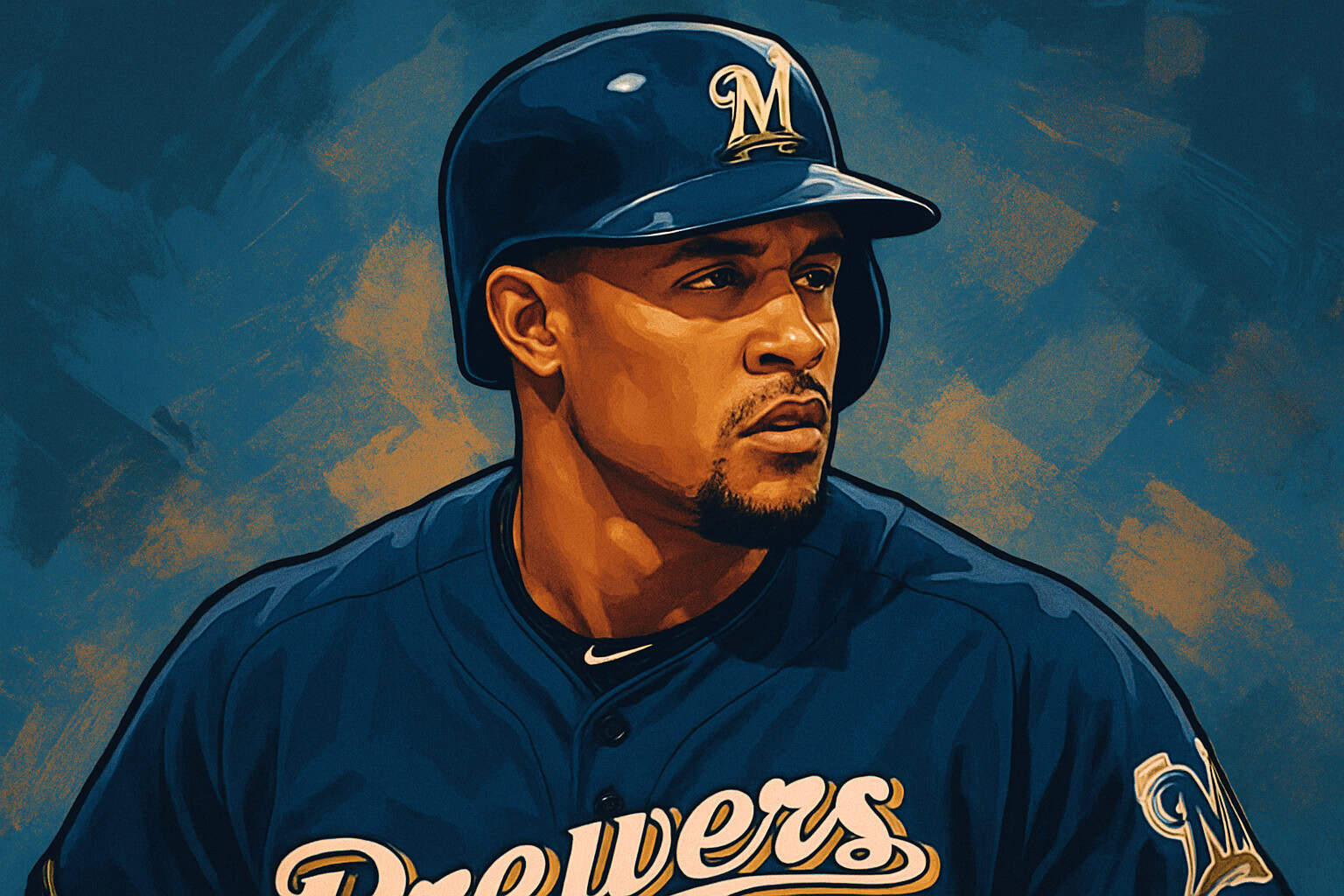
There was a great amount of energy surrounding the team in the 2010s. Most of the energy on the field came from Carlos Gomez. The eccentric center fielder earned back-to-back All-Star selections and a Gold Glove, becoming a star in the process.
His shine faded after those two years as he was traded to Houston in 2015. Sometimes the right place at the right time is what a player like Gomez needs to perform at his best.
19. Darrell Porter: The Catcher Who Changed The Game
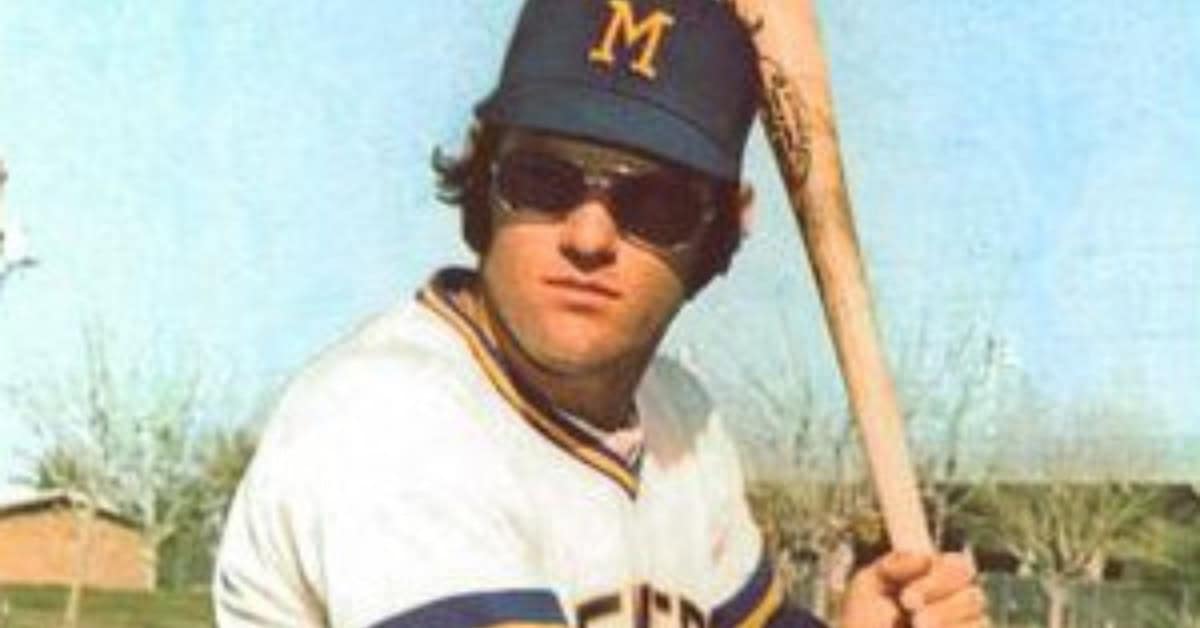
As a consistent catcher for 17 years, Darrell Porter was part of the offensive revolution at the position. He earned four All-Star selections in his career, starting with his first with Milwaukee in 1974.
He spent six seasons with the Brewers to start his career, more than any other franchise he played for, building up a solid 11.1 WAR over that time span.
| Darrell Porter — Career | Total |
|---|---|
| G | 1782 |
| AB | 5539 |
| H | 1369 |
| HR | 188 |
| RBI | 826 |
| SB | 39 |
| AVG | .247 |
| OBP | .354 |
| SLG | .409 |
| OPS | .763 |
| All-Star selections | 4 |
| World Series titles | 1 |
18. B.J. Surhoff: The Versatile Veteran Who Did It All
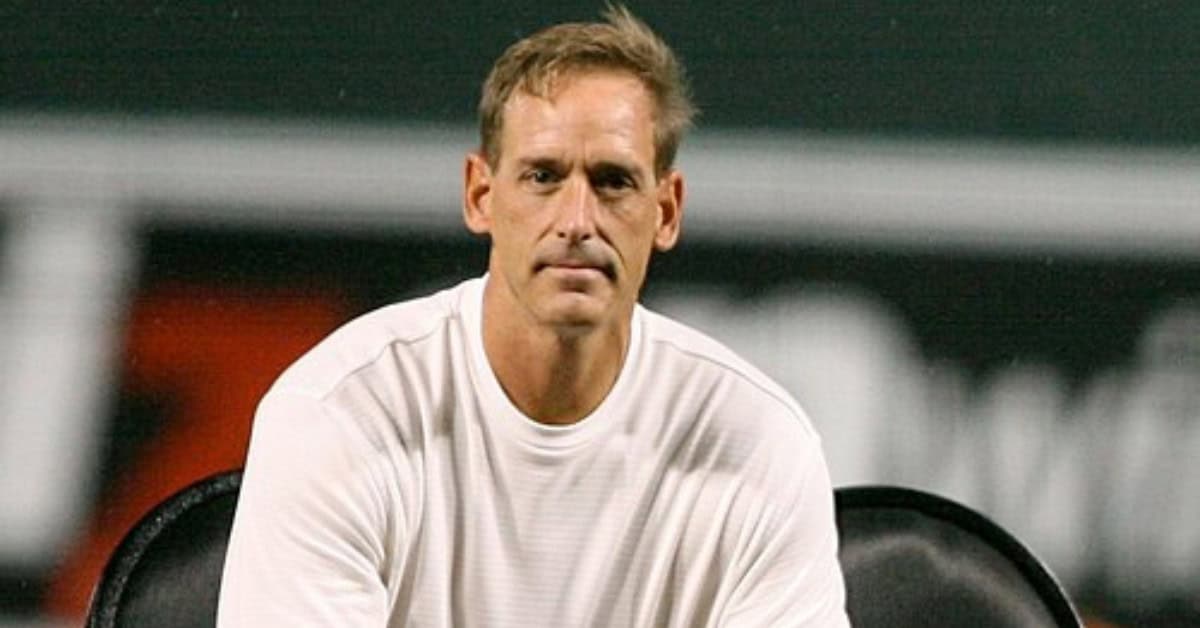
Even though many fans will remember Surhoff as an All-Star left fielder for the Baltimore Orioles, he spent nearly a decade starting his career in Milwaukee. Surhoff was actually more of a catcher with the Brewers, providing a lot of value with his bat.
He hit .274 throughout his time with the franchise, good for a catcher, and laid a foundation for what would be a great second half to his career.
| B.J. Surhoff — Career | Total |
|---|---|
| G | 2313 |
| AB | 8258 |
| H | 2326 |
| HR | 188 |
| RBI | 1153 |
| SB | 141 |
| AVG | .282 |
| OBP | .332 |
| SLG | .413 |
| OPS | .745 |
| All-Star selections | 1 |
17. Jeromy Burnitz: The Power-Hitting Folk Hero

For me, Jeromy Burnitz was the coolest position player for the Brewers during his time in Milwaukee. The 1999 All-Star spent six good years with the Brewers, maintaining a 123 OPS+. He became a great power hitter, belting over 30 home runs in four straight seasons.
All of that, and he had to play solid right field between Milwaukee County Stadium and Miller Park (now American Family Field) as the Brewers made the move in the middle of his tenure.
| Jeromy Burnitz — Career | Total |
|---|---|
| G | 1694 |
| AB | 5710 |
| H | 1447 |
| HR | 315 |
| RBI | 981 |
| SB | 74 |
| AVG | .253 |
| OBP | .345 |
| SLG | .481 |
| OPS | .826 |
| All-Star selections | 1 |
16. Mike Caldwell: Harvey’s Wallbangers’ Secret Weapon
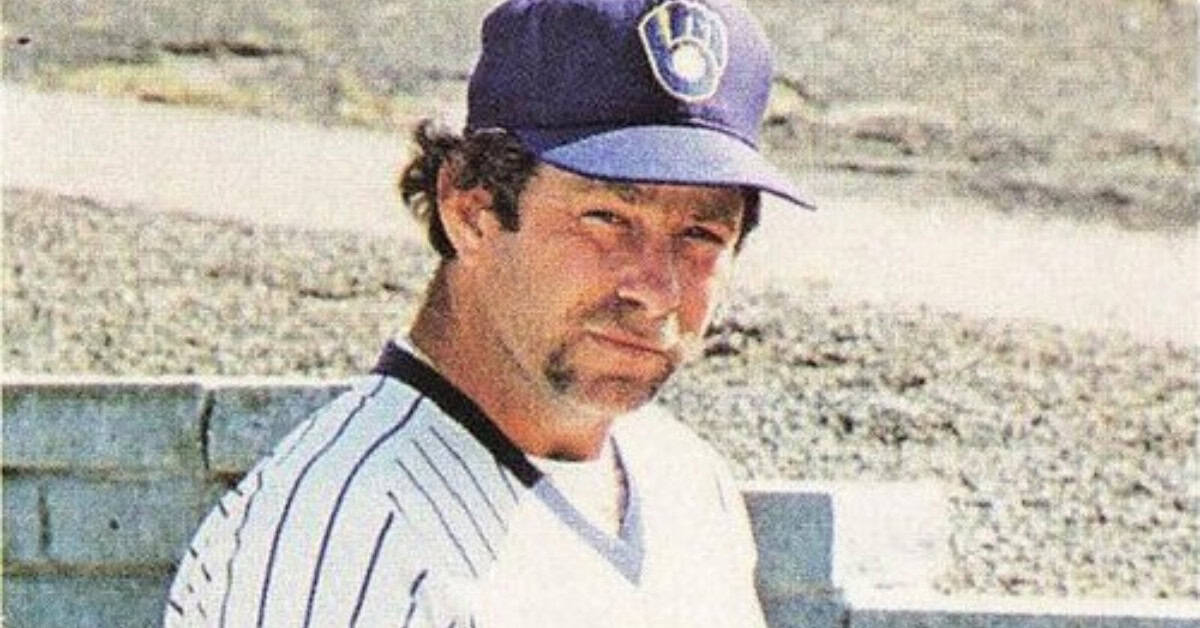
For six and a half years, Mike Caldwell was a mediocre pitcher who shuffled between the rotation and the bullpen in San Diego, San Francisco, and Cincinnati. Once he got to Milwaukee, he blossomed.
His first full season saw him go 22-9, leading the MLB with 23 complete games and building up an 8.2 WAR in 1978. He quickly became the ace and earned over 100 wins in the eight years he spent with the Brewers.
| Mike Caldwell — Career | Total |
|---|---|
| W | 137 |
| L | 130 |
| ERA | 3.81 |
| G | 475 |
| IP | 2408.2 |
| SO | 939 |
| WHIP | 1.32 |
| SV | 18 |
15. Chris Bosio: The No-Hit Wonder of County Stadium
Chris Bosio was a solid pitcher at times in his 11-year career. He threw a no-hitter after his time in Milwaukee, but his seven-year stint with the Brewers were his best years.
He had a 1989 where he tallied 15 wins with a good 2.95 ERA. He utilized his forkball to his advantage, much like some other great pitchers of the era, and found success.
| Chris Bosio — Career | Total |
|---|---|
| W | 94 |
| L | 93 |
| ERA | 3.97 |
| G | 309 |
| IP | 1710.0 |
| SO | 1059 |
| WHIP | 1.30 |
| SV | 9 |
14. Greg Vaughn: The Cleanup Hitter Who Brought The Thunder
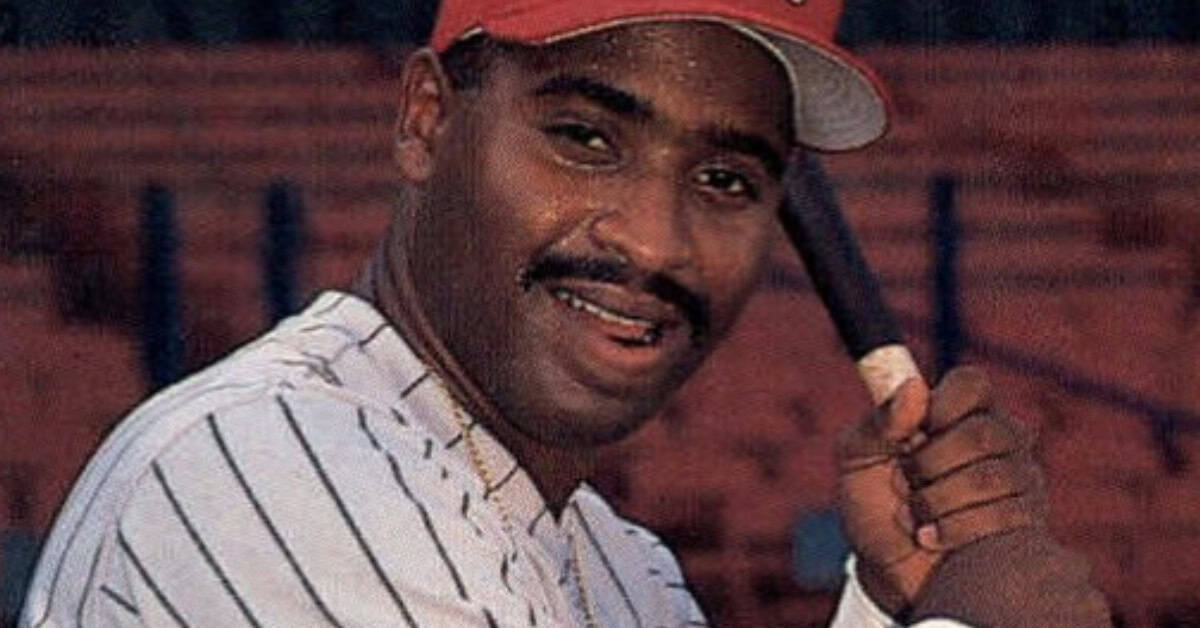
The four-time All-Star Greg Vaughn was a great player across five teams in his career. His prolific power started in Milwaukee, where he spent half of his 15-year career as a slugger.
He found that ability to slug during his time with the Brewers, hitting 30 home runs in 1993, when he earned his first All-Star selection. He would then hit 41 home runs and earn another All-Star selection in 1996, as he was traded from Milwaukee to San Diego in the middle of that year.
| Greg Vaughn — Career | Total |
|---|---|
| G | 1731 |
| AB | 6103 |
| H | 1475 |
| HR | 355 |
| RBI | 1072 |
| SB | 121 |
| AVG | .242 |
| OBP | .337 |
| SLG | .470 |
| OPS | .807 |
| All-Star selections | 4 |
| Silver Sluggers | 1 |
13. Jeff Cirillo: The Hot Corner Artist of the ’90s
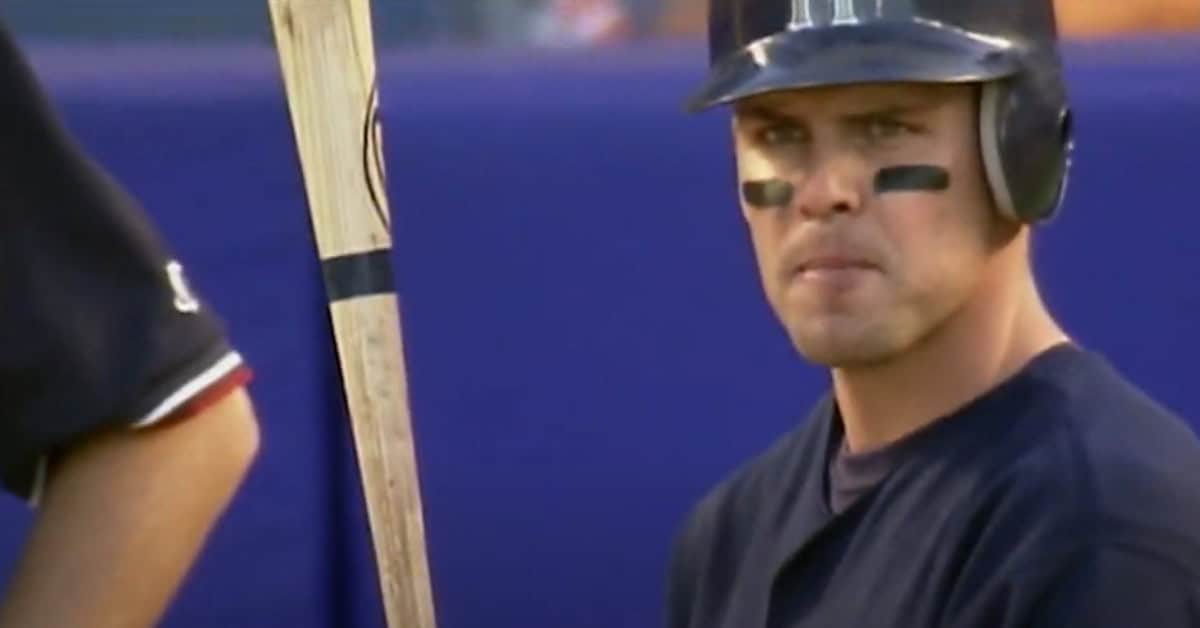
Jeff Cirillo was one of the most underrated third basemen of his time. He recorded exactly 1,000 hits over his eight-year tenure with the Brewers, hitting a great .307 in that timeframe.
He earned one All-Star selection in Milwaukee when he should have received more. I feel like his great ability to get base hits was overlooked by the power hitters who ran rampant in the MLB in that era.
| Jeff Cirillo — Career | Total |
|---|---|
| G | 1617 |
| AB | 5396 |
| H | 1598 |
| HR | 112 |
| RBI | 727 |
| SB | 63 |
| AVG | .296 |
| OBP | .366 |
| SLG | .430 |
| OPS | .796 |
| All-Star selections | 2 |
12. Geoff Jenkins: The Left Field Hero of Y2K
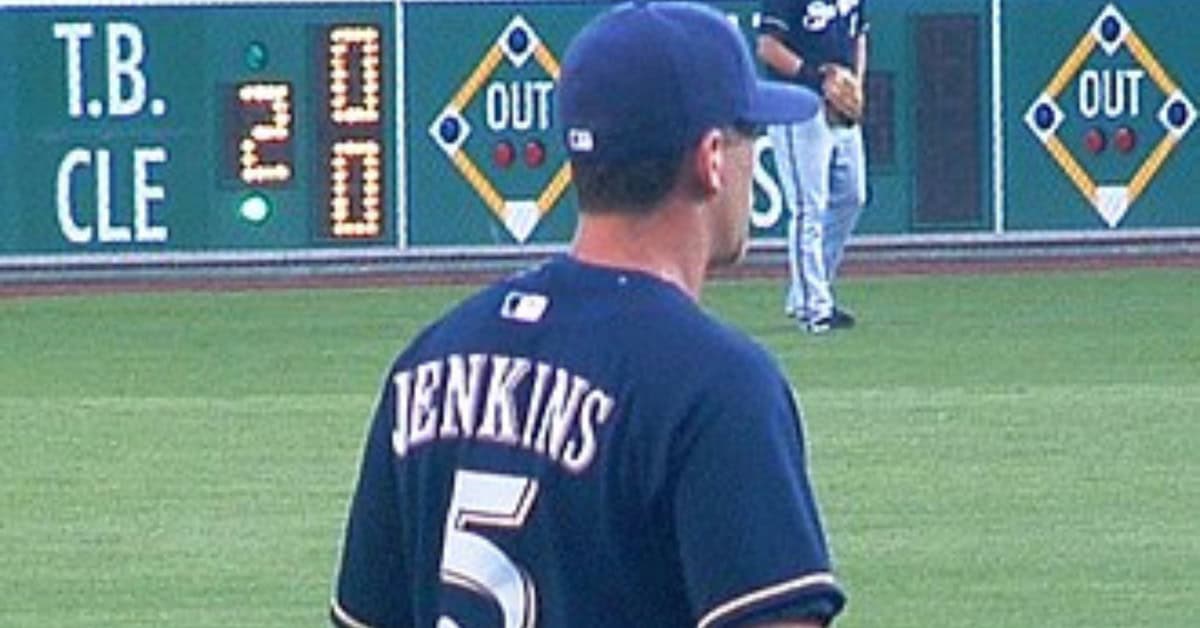
Geoff Jenkins was another overlooked Brewers player by the general public. His single All-Star selection does not reflect his ability to hit at least 20 home runs in seven seasons and more than 20 doubles in eight seasons of his 11-year career.
Jenkins had a solid .275 career batting average, and he spent all but one year in Milwaukee.
| Geoff Jenkins — Career | Total |
|---|---|
| G | 1349 |
| AB | 4700 |
| H | 1293 |
| HR | 221 |
| RBI | 733 |
| SB | 32 |
| AVG | .275 |
| OBP | .344 |
| SLG | .490 |
| OPS | .834 |
| All-Star selections | 1 |
| World Series titles | 1 |
11. Jim Gantner: Mr. Brewer and His 17-Year Love Affair
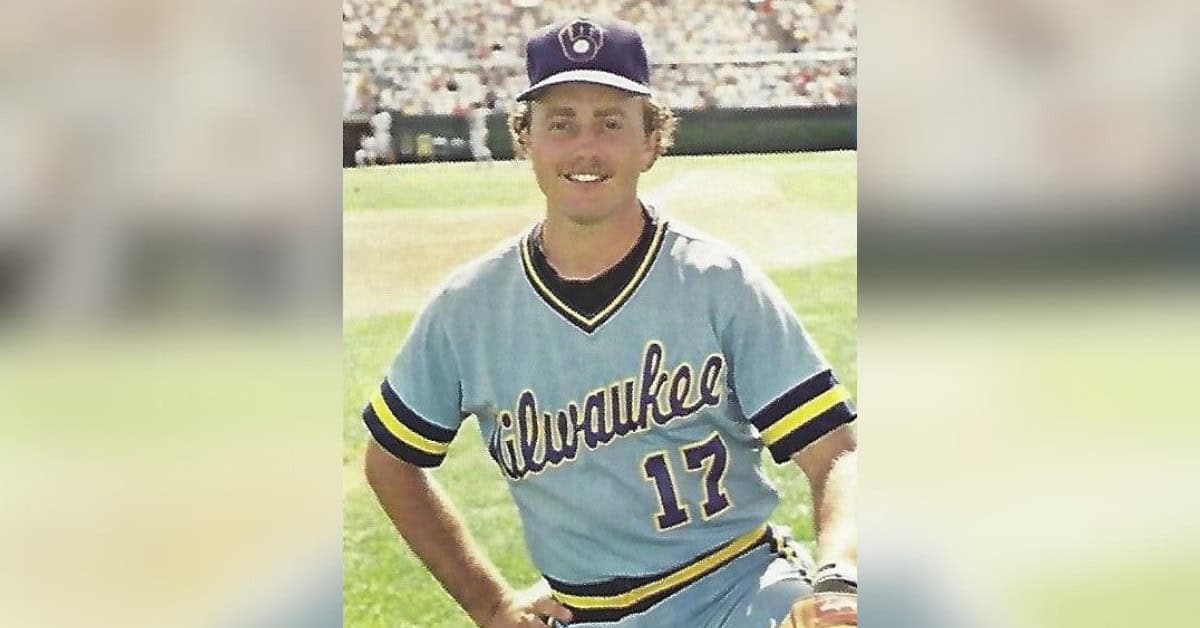
Jim Gantner was one of the most dedicated Brewers of all time. He spent all 17 years of his career in Milwaukee, tallying almost 1,700 hits as a well-used infielder. He never received All-Star recognition, but seemed to play like it day in and day out.
As a Wisconsin native, born in Fond du Lac, he was an easy player to cheer for inside County Stadium during his entire career.
| Jim Gantner — Career | Total |
|---|---|
| G | 1801 |
| AB | 6189 |
| H | 1696 |
| HR | 47 |
| RBI | 568 |
| SB | 137 |
| AVG | .274 |
| OBP | .319 |
| SLG | .351 |
| OPS | .670 |
10. Dan Plesac: Milwaukee’s Homegrown Relief Ace
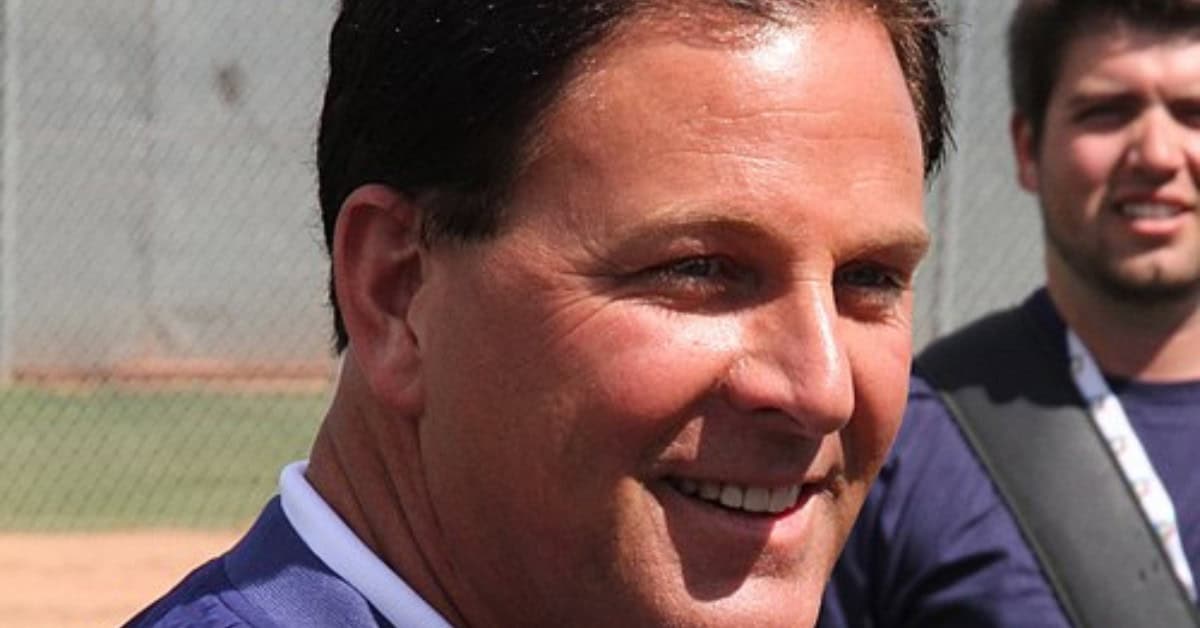
Dan Plesac carved out a nice 18-year career as a reliever. It all started in Milwaukee, where he spent seven of his best seasons. He earned three straight All-Star selections as he quickly became the Brewers' closer at the start of his career.
He recorded more than 20 saves in four straight seasons before becoming more of a middle reliever for the rest of his career.
| Dan Plesac — Career | Total |
|---|---|
| W | 65 |
| L | 71 |
| ERA | 3.64 |
| G | 1064 |
| IP | 1072.0 |
| SO | 1041 |
| WHIP | 1.29 |
| SV | 158 |
| All-Star selections | 3 |
9. Pete Vuckovich: The Mustached Menace of ’82
The Brewers were finding their stride in the 1980s and needed a pitcher who could help them get to the next level. Pete Vuckovich was just the guy, as he led the league in his first season in Milwaukee in the strike-shortened 1981 with 14 wins.
Then he won the AL Cy Young Award the following season when he had the best record at 18 – 6 with a 3.34 ERA.
| Pete Vuckovich — Career | Total |
|---|---|
| W | 93 |
| L | 69 |
| ERA | 3.66 |
| G | 286 |
| IP | 1455.1 |
| SO | 882 |
| WHIP | 1.37 |
| SV | 10 |
| Cy Young | 1 |
8. Ben Oglivie: From Jamaica to All-Star in Beer City
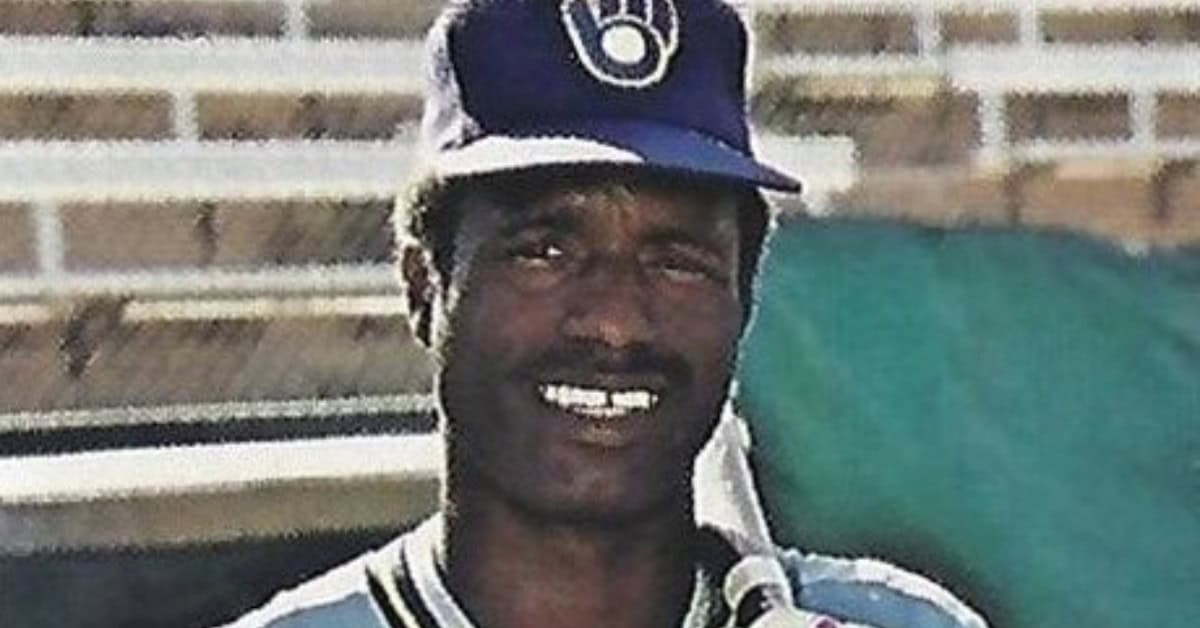
When Ben Oglivie came to Milwaukee, he was a foreign-born player who hadn't quite gotten the chance to excel.
The Brewers helped him get there as he saw an increase in playing time and an increase in production, getting over 1,100 hits and 175 home runs in his nine seasons with the franchise. He led the league with 41 home runs in 1980, which earned him his first of three All-Star selections.
| Ben Oglivie — Career | Total |
|---|---|
| G | 1754 |
| AB | 5913 |
| H | 1615 |
| HR | 235 |
| RBI | 901 |
| SB | 87 |
| AVG | .273 |
| OBP | .336 |
| SLG | .450 |
| OPS | .786 |
| All-Star selections | 3 |
| Silver Sluggers | 1 |
7. George Scott: The Boomer and His Famous Thumper

George Scott was a good slugger with a great personality. He earned three All-Star selections over his 14-year career. One of those came in Milwaukee, where he spent five seasons, leading the league with 36 home runs and 109 RBI in 1975.
He also earned a Gold Glove in all five seasons with the franchise, as he was known as one of the best defensive first basemen in baseball.
| George Scott — Career | Total |
|---|---|
| G | 2034 |
| AB | 7433 |
| H | 1992 |
| HR | 271 |
| RBI | 1051 |
| SB | 69 |
| AVG | .268 |
| OBP | .333 |
| SLG | .435 |
| OPS | .768 |
| All-Star selections | 3 |
| Gold Gloves | 8 |
6. Teddy Higuera: The Mexican Ace Who Almost Was
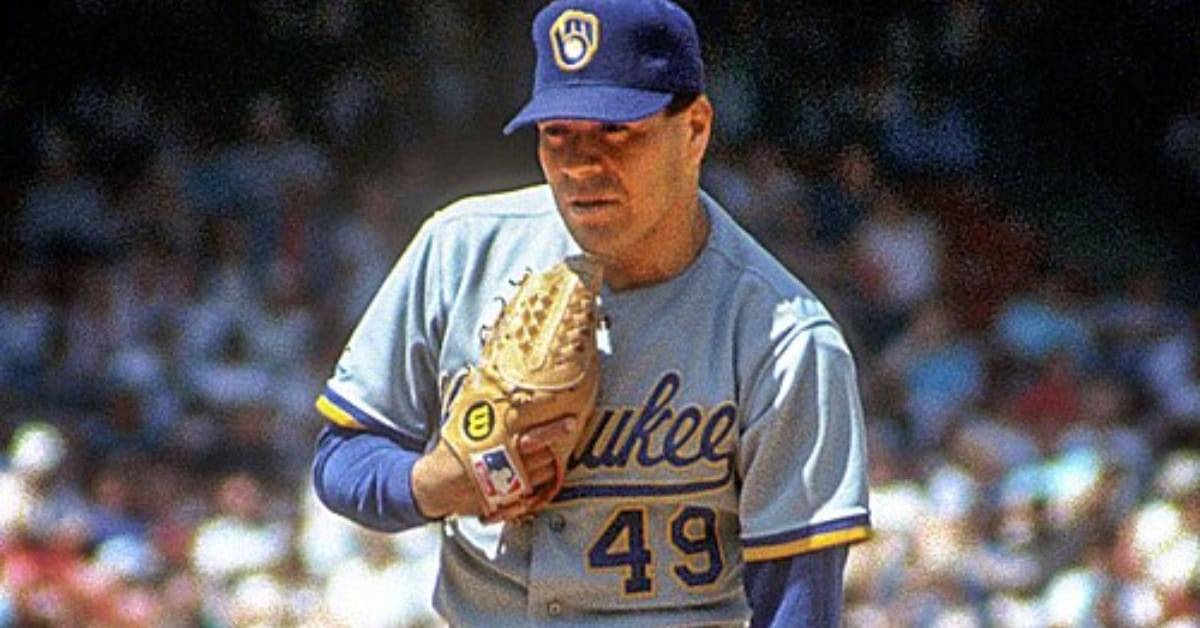
Teddy Higuera had an agonizingly short career as injuries took their toll before he could get to a full decade in the league. The pitcher born in Mexico followed the blueprint set by the great Fernando Valenzuela and dazzled immediately when he got his chance.
He had a memorable 1986, when he earned an All-Star selection and led all pitchers in WAR with 9.4. He would finish as the runner-up in Cy Young voting in that iconic season.
| Teddy Higuera — Career | Total |
|---|---|
| W | 94 |
| L | 64 |
| ERA | 3.61 |
| G | 213 |
| IP | 1380.0 |
| SO | 1081 |
| WHIP | 1.24 |
| SV | 0 |
| All-Star selections | 1 |
5. Don Money: The Most Underrated Glove of the ’70s
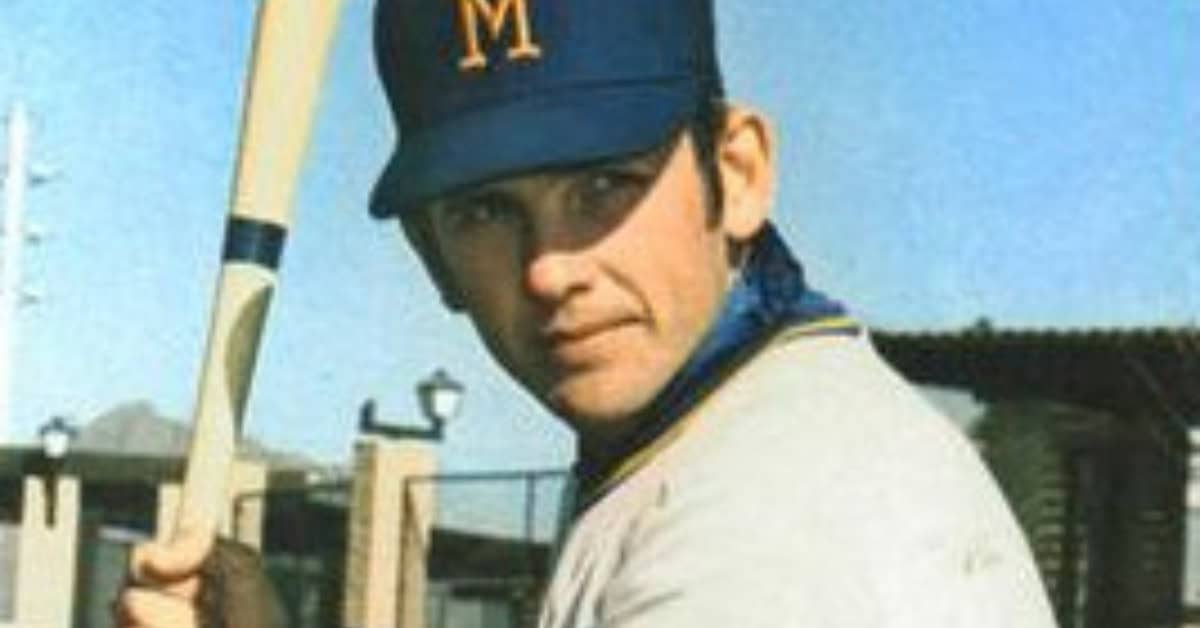
The four-time All-Star Don Money was a key infielder for over a decade in Milwaukee. He tallied over 1,100 hits with a solid .270 batting average in his 11 seasons with the Brewers.
I know it's funny to say, but it's true that Money brought serious value to the organization as he built up 28.4 WAR in his Milwaukee tenure.
| Don Money — Career | Total |
|---|---|
| G | 1720 |
| AB | 6214 |
| H | 1623 |
| HR | 176 |
| RBI | 729 |
| SB | 80 |
| AVG | .261 |
| OBP | .328 |
| SLG | .406 |
| OPS | .734 |
| All-Star selections | 4 |
4. Gorman Thomas: The Slugger Who Defined Milwaukee’s Blue-Collar Soul
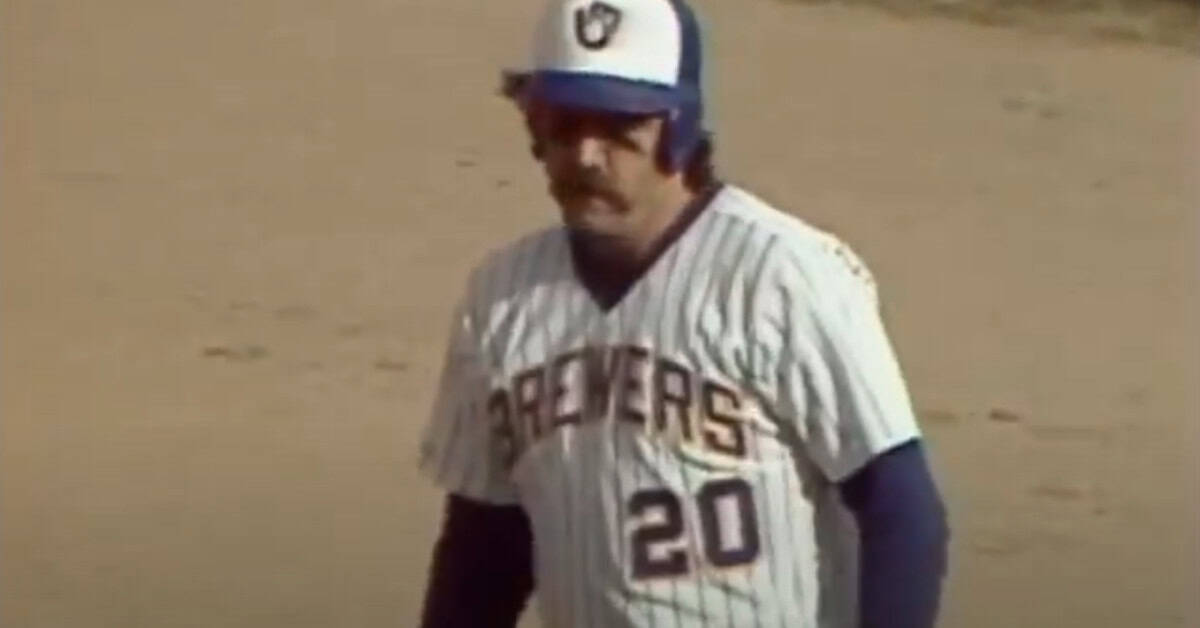
Gorman Thomas had a terrific handlebar mustache that gave him a blue-collar look to go with his blue-collar play.
The city of Milwaukee appreciated all of that as he entertained the fans by leading the league in home runs twice in his career. 11 years of his 13-year career came with the Brew Crew, and he slugged 208 home runs over that span of time.
| Gorman Thomas — Career | Total |
|---|---|
| G | 1436 |
| AB | 4677 |
| H | 1051 |
| HR | 268 |
| RBI | 782 |
| SB | 50 |
| AVG | .225 |
| OBP | .324 |
| SLG | .448 |
| OPS | .772 |
| All-Star selections | 1 |
3. Prince Fielder: When Baseball’s Biggest Smile Lit Up Miller Park
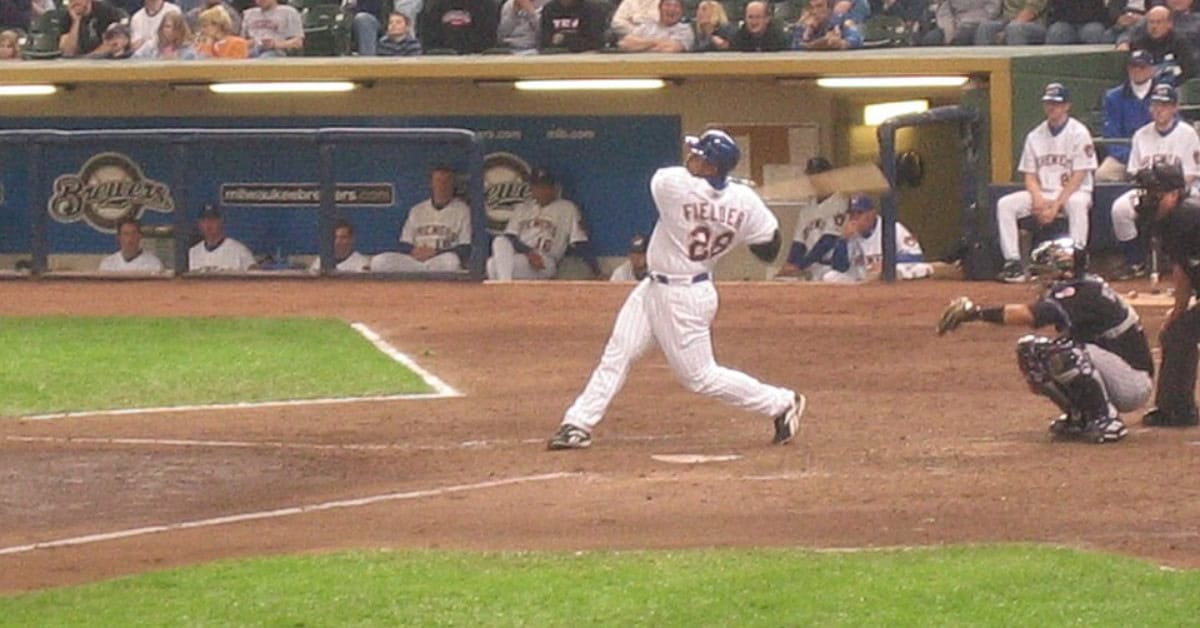
Following in his dad's footsteps, Prince Fielder was one of the premier sluggers in the MLB during his 12-year career. He spent seven seasons in Milwaukee and mashed an incredible 230 home runs over that time period.
He led the league with 50 home runs in 2007 and then in RBIs with 141 in 2009. Everyone's favorite stat is that Prince finished with 319 career home runs, which is the exact same amount his dad, Cecil, finished with.
| Prince Fielder — Career | Total |
|---|---|
| G | 1611 |
| AB | 5821 |
| H | 1645 |
| HR | 319 |
| RBI | 1028 |
| SB | 18 |
| AVG | .283 |
| OBP | .382 |
| SLG | .506 |
| OPS | .888 |
| All-Star selections | 6 |
| Silver Sluggers | 3 |
2. Ben Sheets: The Flame-Throwing Phenom of County Stadium
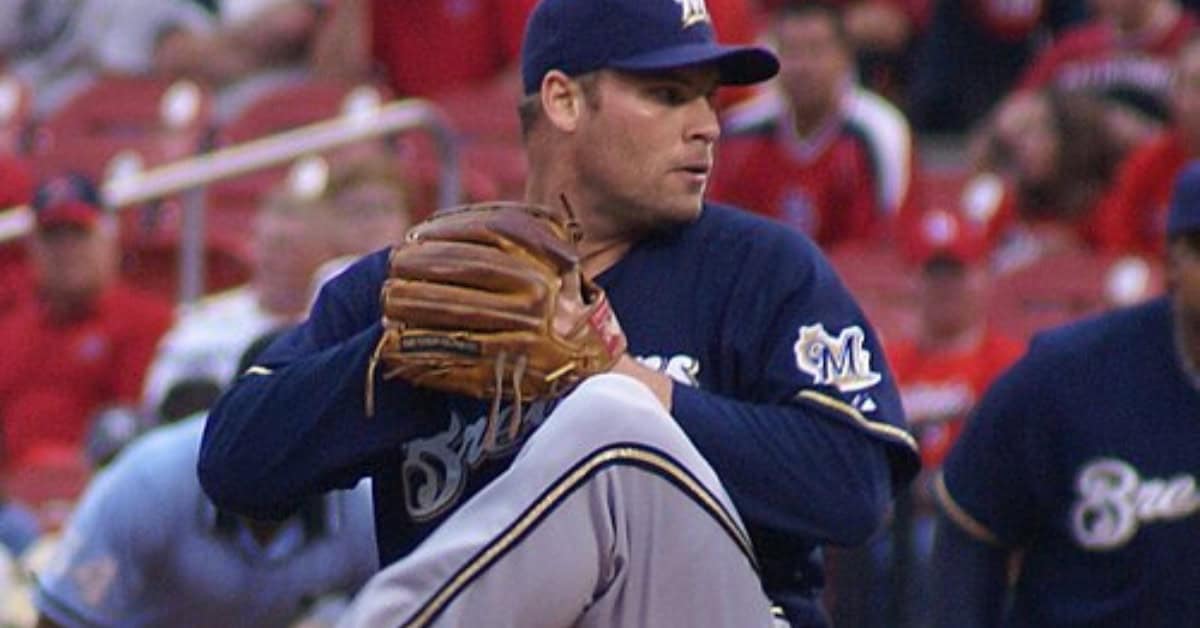
Ben Sheets had a tough career as injuries forced him to call it quits earlier than many fans would have liked. The four-time All-Star was the ace of the Brewers through a tough era to be a top pitcher.
He excelled in 2004 with a 2.70 ERA and an impressive 7.2 WAR. That was a glimpse of his talent that he couldn't consistently display throughout his injury-riddled career.
| Ben Sheets — Career | Total |
|---|---|
| W | 94 |
| L | 96 |
| ERA | 3.78 |
| G | 250 |
| IP | 1596.2 |
| SO | 1325 |
| WHIP | 1.22 |
| SV | 0 |
| All-Star selections | 4 |
1. Cecil Cooper: The Sweet-Swinging First Baseman Time Forgot
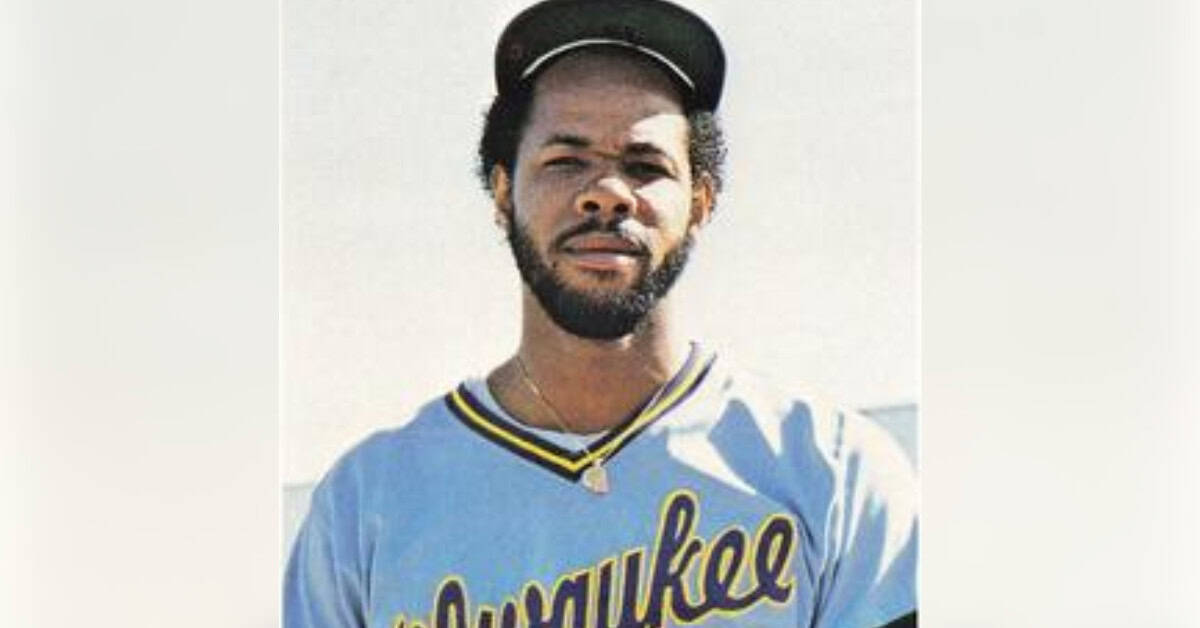
Cecil Cooper hit the ground running when he got to Milwaukee from Boston in 1977. He hit the first of seven 30-double seasons and became an offensive leader for the team. The five-time All-Star led the league in doubles and RBI twice while maintaining a .302 batting average over his 11 seasons with the Brewers.
Cooper would earn two Gold Gloves and two Silver Sluggers during his tenure, becoming one of the better first basemen in baseball at the time.
| Cecil Cooper — Career | Total |
|---|---|
| G | 1896 |
| AB | 7349 |
| H | 2192 |
| HR | 241 |
| RBI | 1125 |
| SB | 89 |
| AVG | .298 |
| OBP | .337 |
| SLG | .466 |
| OPS | .803 |
| All-Star selections | 5 |
| Gold Gloves | 2 |
| Silver Sluggers | 3 |