
Last Updated: August 28th, 2026 by Matthew Brown
From the early days in Los Angeles to the thunder sticks of Anaheim, the Angels franchise has seen its share of stars who never quite got the call from Cooperstown. While these heroes might not have bronze plaques, they live forever in the memories of fans who witnessed their magic under the Big A. Let’s celebrate 20 Halos who deserved more heavenly recognition.
Don't lose this article. Enter your email below, and I'll send it to you right now. Plus, we'll send you other unbelievable stories from baseball's past.
20. Tim Salmon: The Original Angel Fish
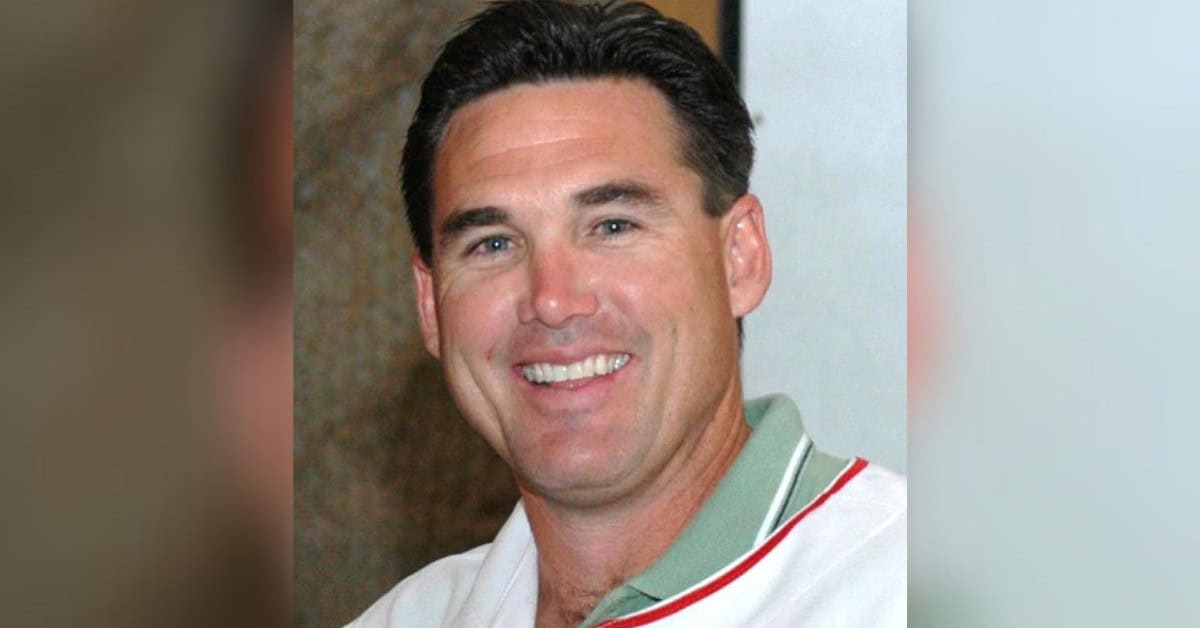
The original “King Fish” spent his entire 14-year career with the Angels, crushing 299 home runs without ever making an All-Star team—perhaps the most egregious snub in franchise history. His patient approach at the plate and rifle arm in right field made him the prototype for the modern power hitter, and his leadership during the 2002 World Series run finally brought him the spotlight he deserved.
| Tim Salmon — Career | Total |
|---|---|
| G | 1672 |
| AB | 5934 |
| H | 1674 |
| HR | 299 |
| RBI | 1016 |
| SB | 48 |
| AVG | .282 |
| OBP | .385 |
| SLG | .498 |
| OPS | .883 |
| Silver Sluggers | 1 |
| World Series titles | 1 |
| Rookie of the Year | 1 |
19. Jim Fregosi: The Franchise’s First Star
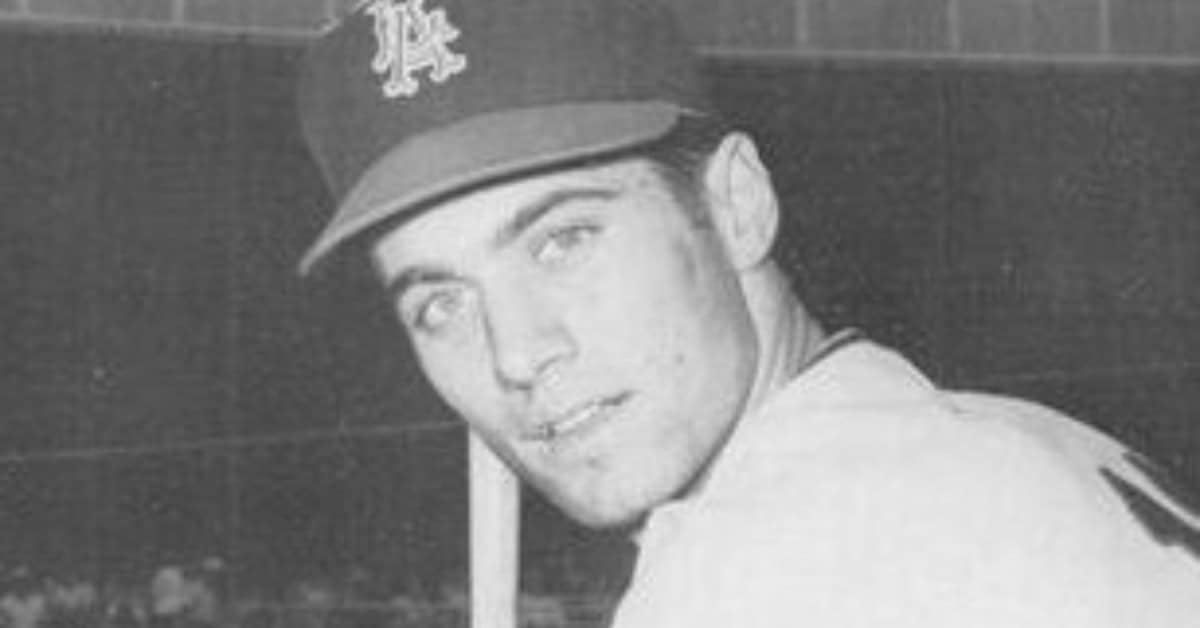
Before he was traded for Nolan Ryan, Fregosi was the franchise’s first true star, making six All-Star teams as a revolutionary offensive shortstop in the 1960s. His diving stops at shortstop and clutch hits made him the face of the franchise during its early years, setting standards that would take decades to match.
| Jim Fregosi — Career | Total |
|---|---|
| G | 1902 |
| AB | 6523 |
| H | 1726 |
| HR | 151 |
| RBI | 706 |
| SB | 76 |
| AVG | .265 |
| OBP | .338 |
| SLG | .398 |
| OPS | .736 |
| All-Star selections | 6 |
| Gold Gloves | 1 |
18. Bobby Grich: The Sabermetric Saint
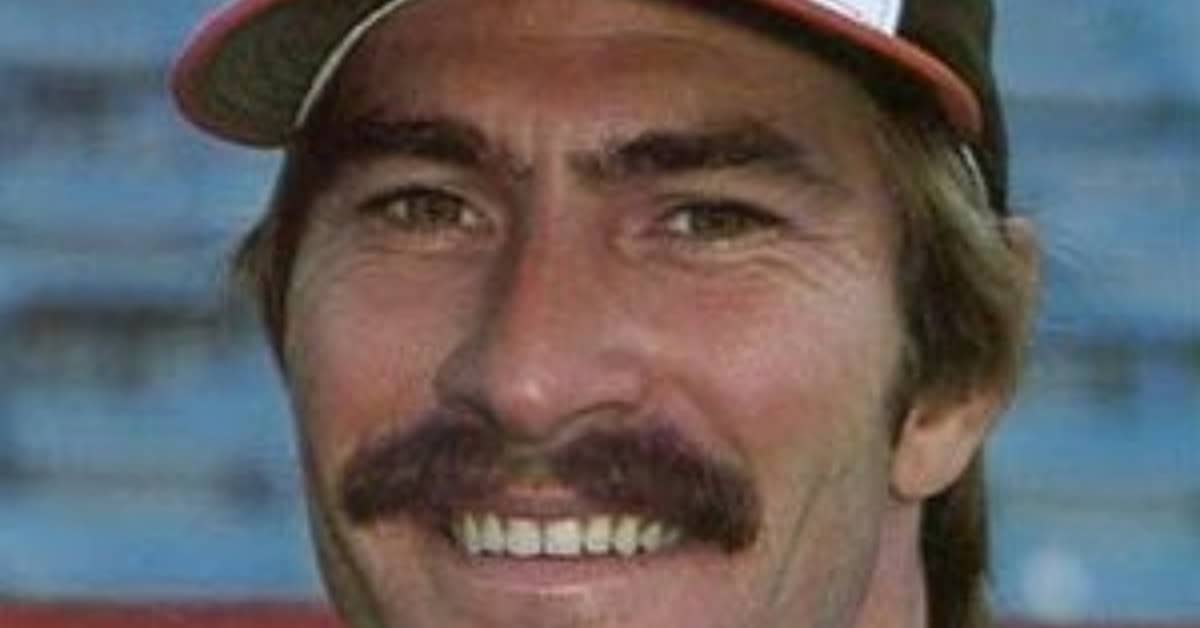
Modern analytics reveal what Angels fans knew all along—Grich was decades ahead of his time. His combination of power (224 career homers), patience (.371 career OBP), and slick fielding at second base would make him a $300 million player in today’s game. Still, in the 1970s and ’80s, he was simply a player’s player who made everyone around him better.
| Bobby Grich — Career | Total |
|---|---|
| G | 2008 |
| AB | 6890 |
| H | 1833 |
| HR | 224 |
| RBI | 864 |
| SB | 104 |
| AVG | .266 |
| OBP | .371 |
| SLG | .424 |
| OPS | .795 |
| All-Star selections | 6 |
| Gold Gloves | 4 |
| Silver Sluggers | 1 |
17. Brian Downing: The Weight Room Pioneer
Before protein shakes became clubhouse staples, Downing revolutionized baseball training with his fanatical weight-lifting regimen. His transformation from a light-hitting catcher to a muscled-up slugger with that iconic crouched stance made him the prototype for the modern player-athlete, while his .267/.370/.425 career slash line showed that old dogs could indeed learn new tricks.
| Brian Downing — Career | Total |
|---|---|
| G | 2344 |
| AB | 7853 |
| H | 2099 |
| HR | 275 |
| RBI | 1073 |
| SB | 50 |
| AVG | .267 |
| OBP | .370 |
| SLG | .425 |
| OPS | .795 |
| All-Star selections | 1 |
16. Chuck Finley: The Angels’ Workhorse Left-Hander
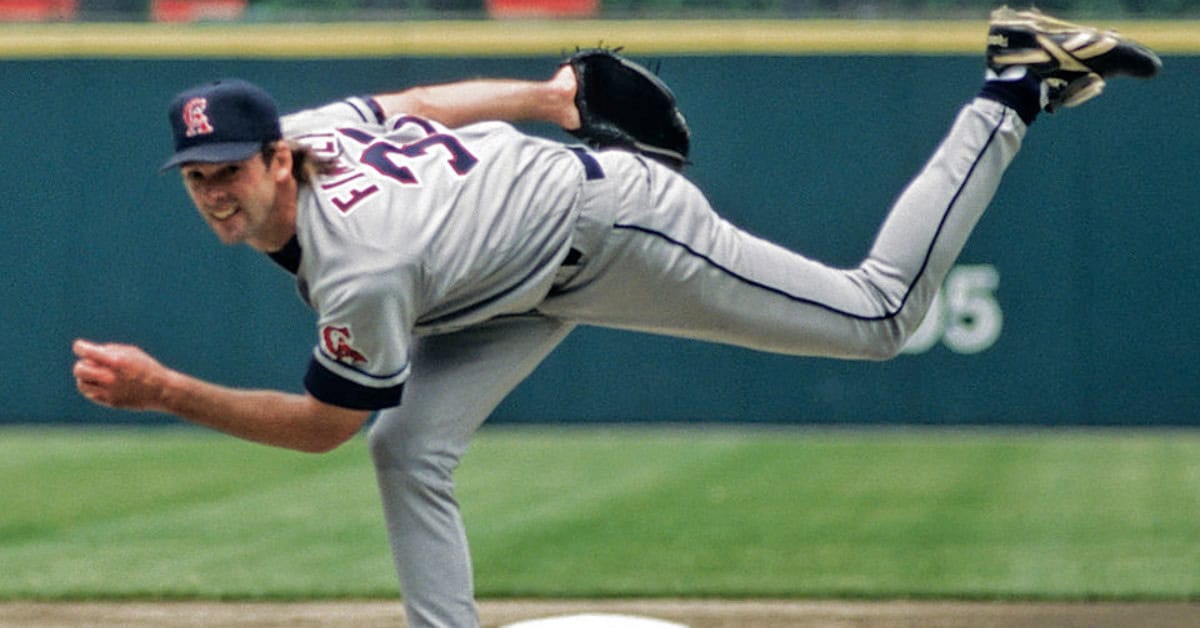
The big lefty won a franchise-record 165 games for the Angels and remains the club’s career leader in innings pitched. The five-time All-Star recorded four strikeouts in an inning three times and finished his durable 17-season career with 2,610 strikeouts.
| Chuck Finley — Career | Total |
|---|---|
| W | 200 |
| L | 173 |
| ERA | 3.85 |
| G | 524 |
| IP | 3197.1 |
| SO | 2610 |
| WHIP | 1.38 |
| SV | 0 |
| All-Star selections | 5 |
15. Garret Anderson: Mr. Consistency in Anaheim
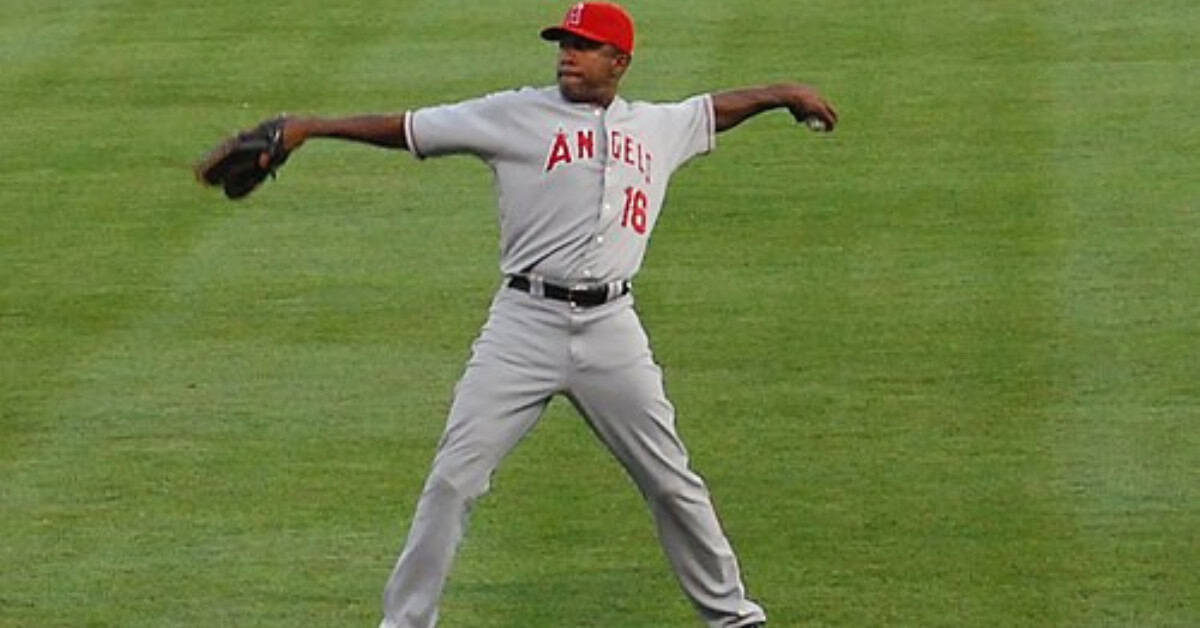
GA’s swing was smoother than a Southern California sunset, and his consistency was remarkable—he knocked in 100+ RBIs four times without ever calling attention to himself. His bases-clearing double in Game 7 of the 2002 World Series might be the biggest hit in franchise history, though you’d never know it from his typically understated celebration.
| Garret Anderson — Career | Total |
|---|---|
| G | 2228 |
| AB | 8640 |
| H | 2529 |
| HR | 287 |
| RBI | 1365 |
| SB | 80 |
| AVG | .293 |
| OBP | .324 |
| SLG | .461 |
| OPS | .785 |
| All-Star selections | 3 |
| Silver Sluggers | 2 |
| World Series titles | 1 |
14. Frank Tanana: From Fastball to Finesse

Before the arm troubles, Tanana’s fastball rivaled Nolan Ryan’s, forming baseball’s most intimidating pitching duo. After his heater disappeared, he reinvented himself as a crafty lefty, proving there was more to his success than pure velocity. His career transformation from “Frank and Nolan, then two days of strollin'” to clever veteran became a blueprint for pitching longevity.
| Frank Tanana — Career | Total |
|---|---|
| W | 240 |
| L | 236 |
| ERA | 3.66 |
| G | 638 |
| IP | 4188.1 |
| SO | 2773 |
| WHIP | 1.27 |
| SV | 1 |
| All-Star selections | 3 |
13. Troy Percival: The Glare Before the Storm
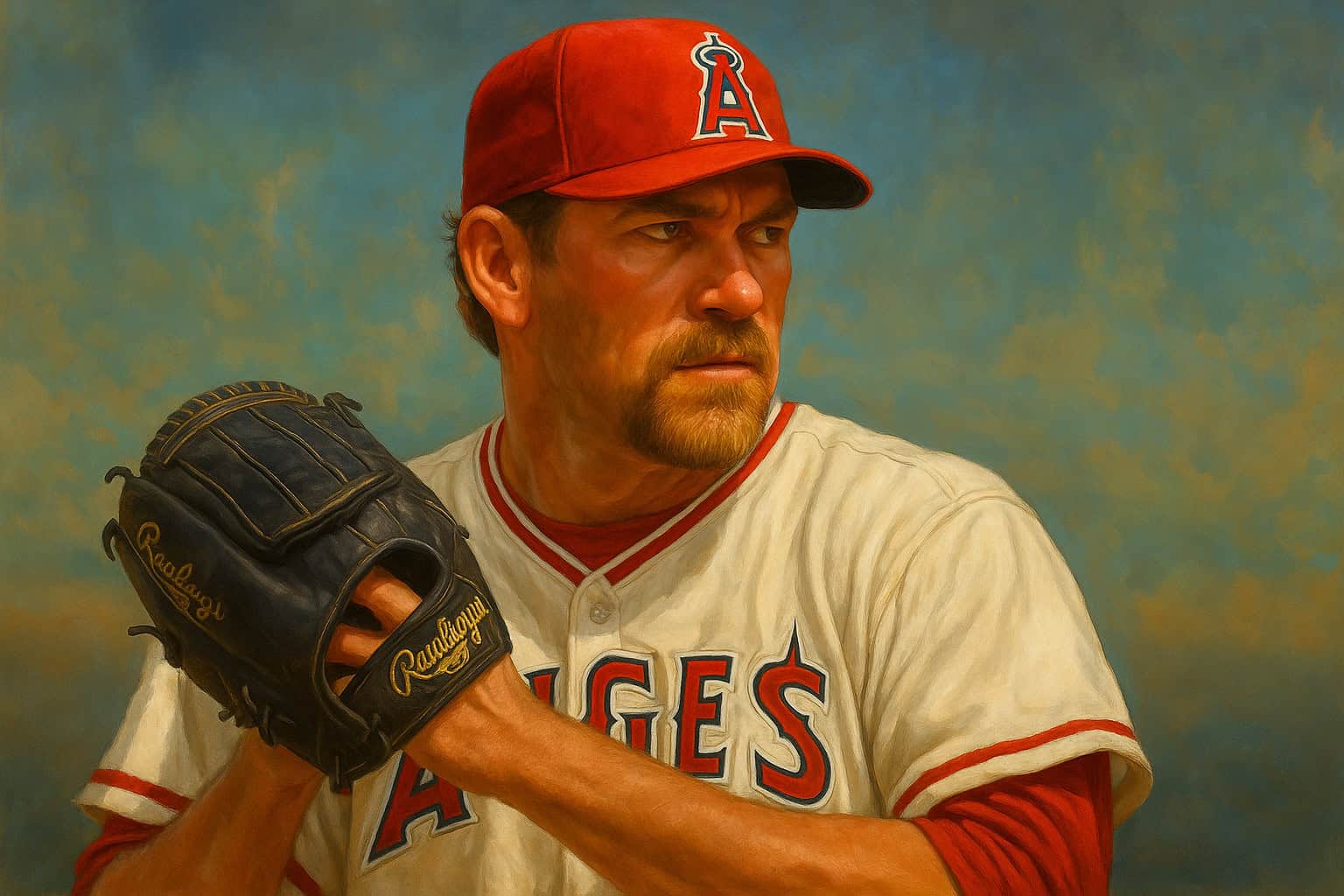
A converted catcher with a death stare that could freeze hell, Percy saved 316 games for the Angels with a high-90s fastball that seemed to rise as it approached home plate. His fist pump after securing the 2002 World Series remains one of the most iconic moments in franchise history, a perfect snapshot of intensity meeting jubilation.
| Troy Percival — Career | Total |
|---|---|
| W | 35 |
| L | 43 |
| ERA | 3.17 |
| G | 703 |
| IP | 708.2 |
| SO | 781 |
| WHIP | 1.11 |
| SV | 358 |
| All-Star selections | 4 |
| World Series titles | 1 |
12. Troy Glaus: The World Series Hero of ’02
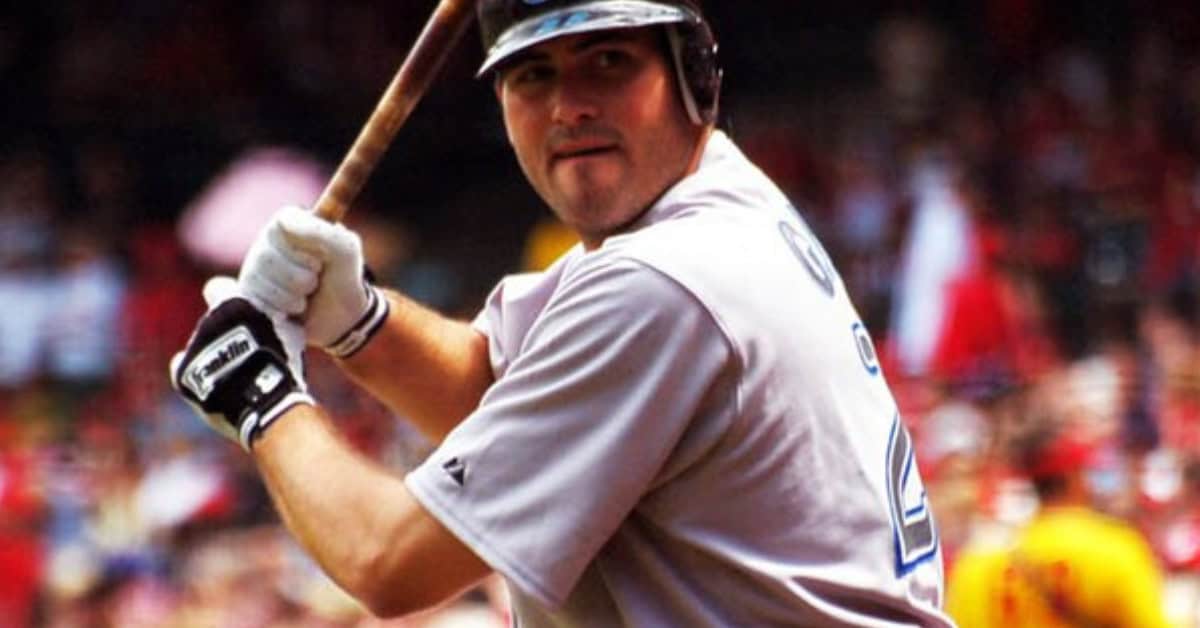
Built like a linebacker but blessed with a third baseman’s reflexes, Glaus terrorized pitchers during the Angels’ magical 2002 run. His World Series MVP performance (.385 with three home runs) and cannon arm at third base made him the cornerstone of the franchise’s only championship team, though injuries would later cut short what could have been a Cooperstown-worthy career.
| Troy Glaus — Career | Total |
|---|---|
| G | 1537 |
| AB | 5410 |
| H | 1375 |
| HR | 320 |
| RBI | 950 |
| SB | 56 |
| AVG | .254 |
| OBP | .358 |
| SLG | .489 |
| OPS | .847 |
| All-Star selections | 4 |
| Silver Sluggers | 2 |
| World Series titles | 1 |
11. Don Baylor: The Hit-By-Pitch King
The 1979 AL MVP never flinched at the plate, absorbing 267 hit-by-pitches over his career. Groove’s leadership in the clubhouse was as legendary as his pain tolerance, and his presence transformed the Angels from perpetual also-rans into their first playoff team in franchise history.
| Don Baylor — Career | Total |
|---|---|
| G | 2292 |
| AB | 8198 |
| H | 2135 |
| HR | 338 |
| RBI | 1276 |
| SB | 285 |
| AVG | .260 |
| OBP | .342 |
| SLG | .436 |
| OPS | .778 |
| MVP | 1 |
| All-Star selections | 1 |
| Silver Sluggers | 3 |
| World Series titles | 1 |
10. Dean Chance: The 1964 Cy Young Ace

In 1964, at age 23, Chance put together one of the most dominant pitching seasons ever: a 1.65 ERA and 11 shutouts en route to the Cy Young Award. His unique, twisting delivery, where he turned his back completely to home plate, became a signature move that batters dreaded but never quite solved.
| Dean Chance — Career | Total |
|---|---|
| W | 128 |
| L | 115 |
| ERA | 2.92 |
| G | 406 |
| IP | 2147.1 |
| SO | 1534 |
| WHIP | 1.21 |
| SV | 23 |
| Cy Young | 1 |
| All-Star selections | 2 |
9. Mike Witt: 94-Pitch Perfection
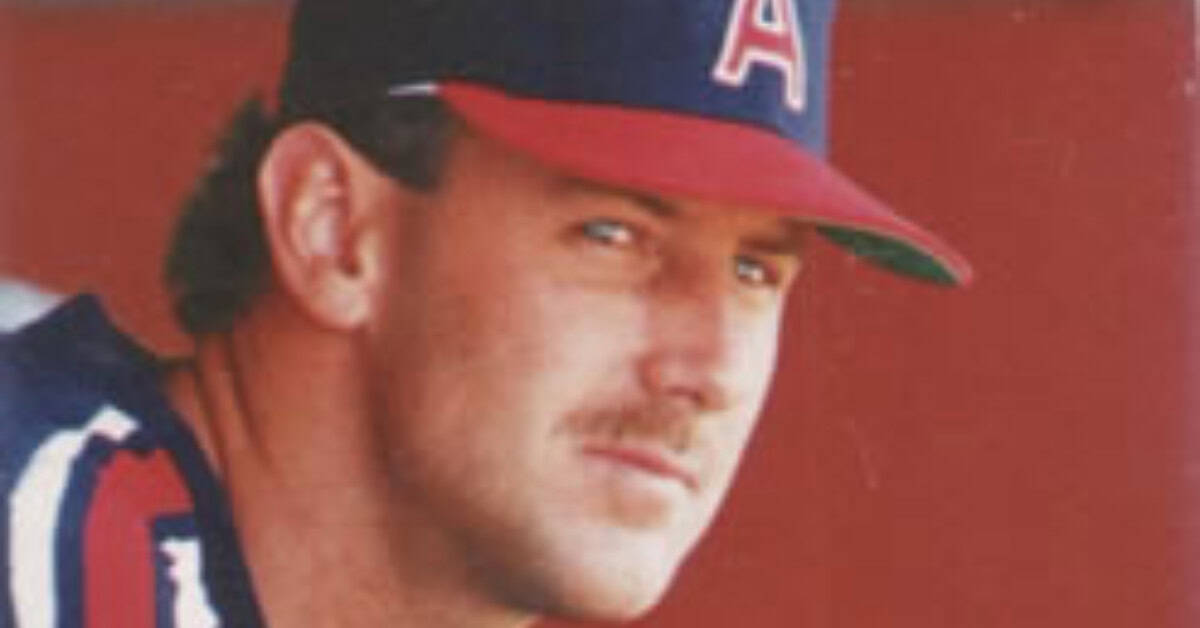
On the final day of the 1984 season, Witt painted his masterpiece: a perfect game against the Rangers with just 94 pitches. His curveball was so sharp that day that teammates swore it broke twice, and his calm demeanor on the mound made the impossible look routine.
| Mike Witt — Career | Total |
|---|---|
| W | 117 |
| L | 116 |
| ERA | 3.83 |
| G | 341 |
| IP | 2108.1 |
| SO | 1373 |
| WHIP | 1.32 |
| SV | 6 |
| All-Star selections | 2 |
8. Bob Boone: The Catching Dynasty’s Middle Man
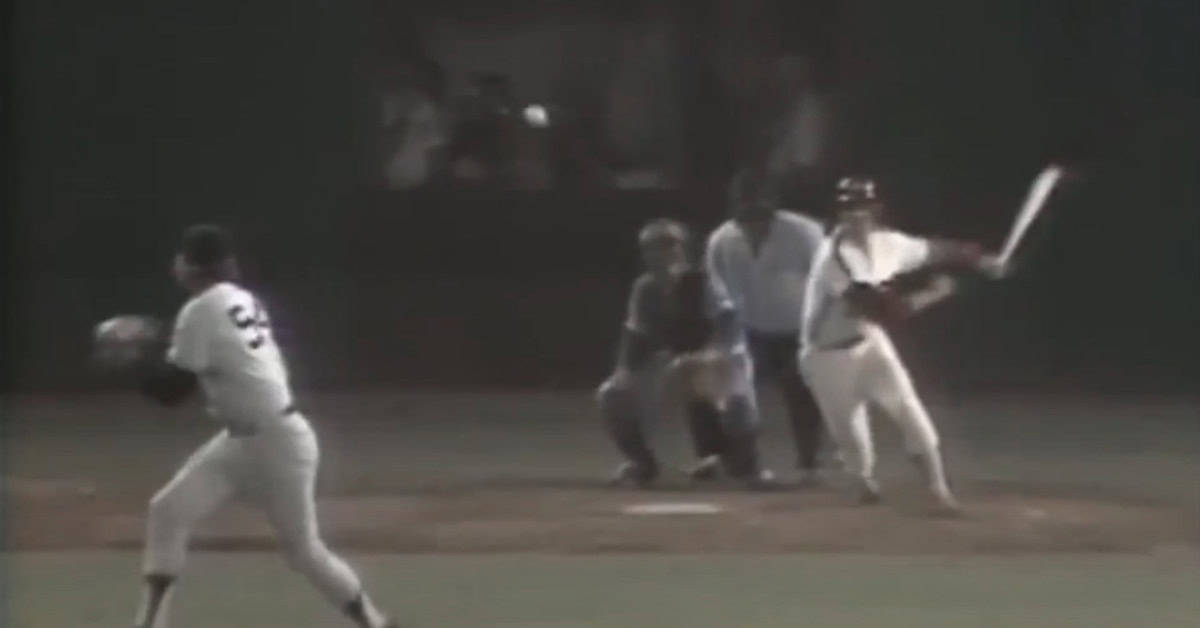
Part of baseball’s first three-generation family of major leaguers, Boone’s defense behind the plate was so good he won Gold Gloves at age 39 and 40. His game-calling expertise helped develop the Angels’ young pitching staff of the 1980s, while his famous one-handed catching style influenced a generation of backstops.
| Bob Boone — Career | Total |
|---|---|
| G | 2264 |
| AB | 7245 |
| H | 1838 |
| HR | 105 |
| RBI | 826 |
| SB | 38 |
| AVG | .254 |
| OBP | .315 |
| SLG | .346 |
| OPS | .661 |
| All-Star selections | 4 |
| Gold Gloves | 7 |
| World Series titles | 1 |
7. Gary DiSarcina: Anaheim’s Shortstop Warrior
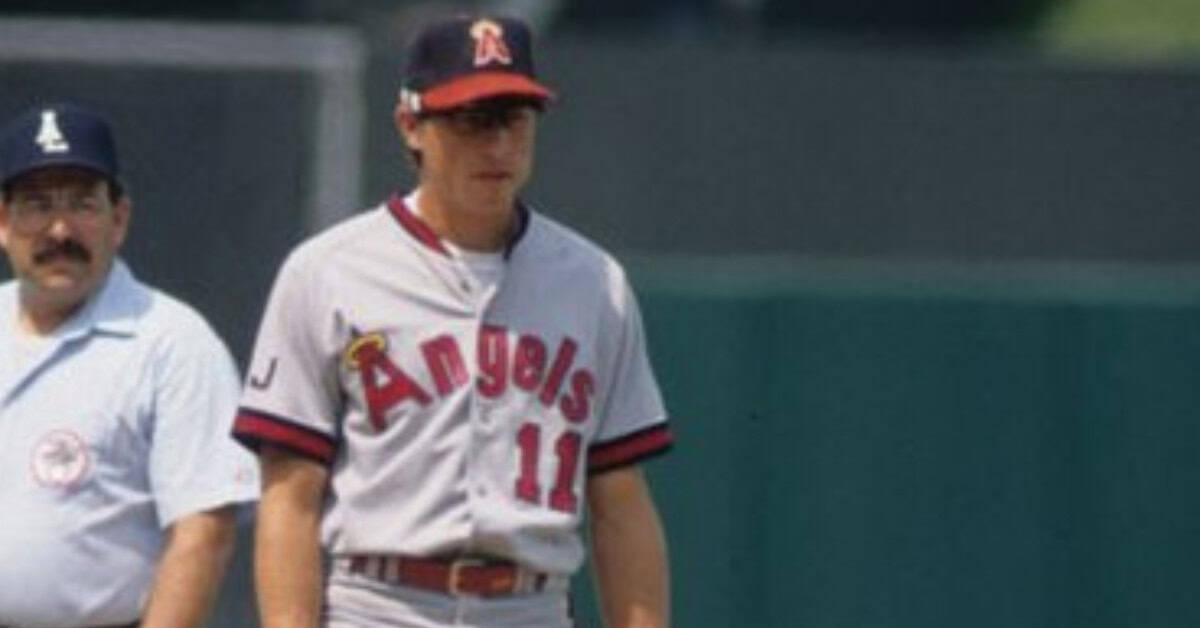
The gritty shortstop played every inning like it was Game 7, earning the respect of teammates and opponents alike with his blue-collar approach. His diving stops and clutch hits during the 1995 collapse-that-shall-not-be-named showed that heart sometimes matters more than hardware.
| Gary Disarcina — Career | Total |
|---|---|
| G | 1086 |
| AB | 3744 |
| H | 966 |
| HR | 28 |
| RBI | 355 |
| SB | 47 |
| AVG | .258 |
| OBP | .292 |
| SLG | .341 |
| OPS | .633 |
| All-Star selections | 1 |
6. Mark Langston: The $16 Million Man
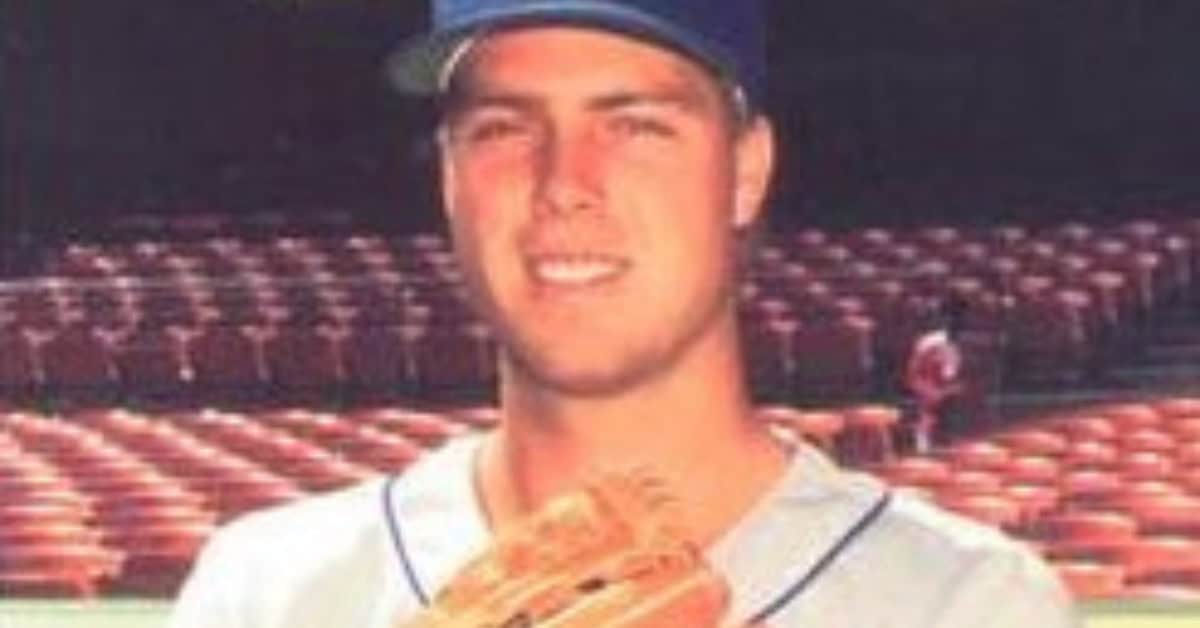
When he signed baseball’s richest contract in 1989, Langston proved worth every penny with eight seasons and five Gold Gloves. His pickoff move was so deceptive that baserunners often didn’t even bother trying to steal, and his competitive fire made him the perfect ace for a team on the rise.
| Mark Langston — Career | Total |
|---|---|
| W | 179 |
| L | 158 |
| ERA | 3.97 |
| G | 457 |
| IP | 2962.2 |
| SO | 2464 |
| WHIP | 1.35 |
| SV | 0 |
| All-Star selections | 4 |
| Gold Gloves | 7 |
5. Jim Abbott: One Hand, Countless Memories

Born without a right hand, Abbott inspired millions while winning 54 games for the Angels with his remarkable glove-switching technique. His seamless fielding motion and competitive spirit made his disability an afterthought, while his 1991 season (18 wins, 2.89 ERA) showed he was much more than just an inspiring story.
| Jim Abbott — Career | Total |
|---|---|
| W | 87 |
| L | 108 |
| ERA | 4.25 |
| G | 263 |
| IP | 1674.0 |
| SO | 888 |
| WHIP | 1.43 |
| SV | 0 |
4. Dick Schofield: The 1986 Shortstop Spark
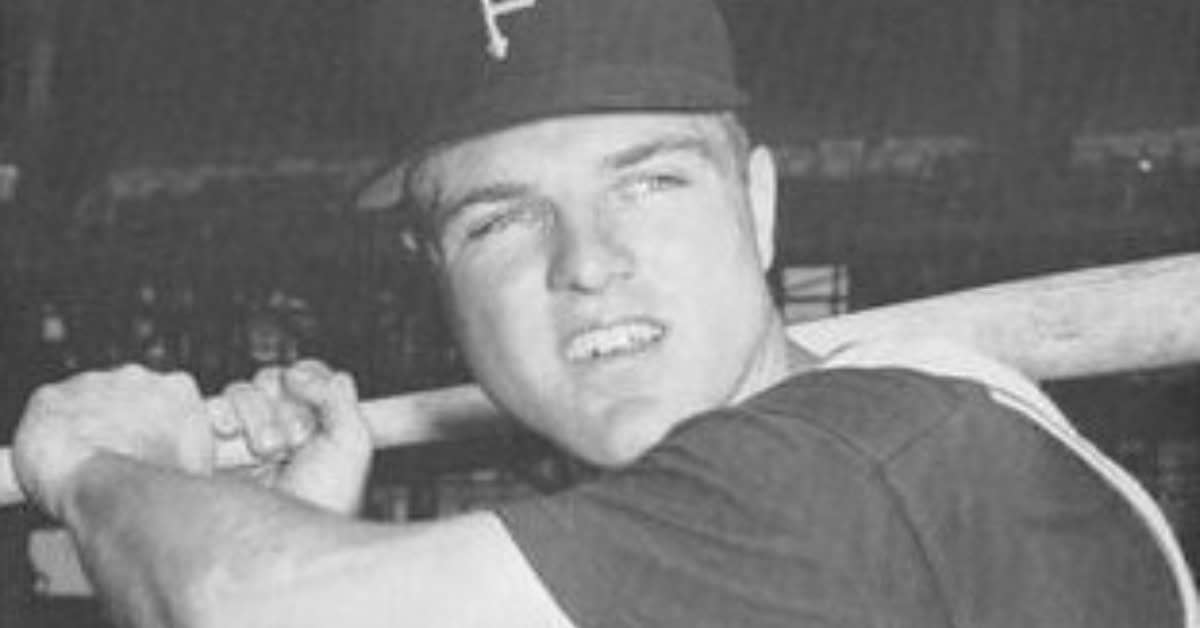
Dick Schofield played shortstop with fluid range and supplied an unexpected power surge during the 1986 pennant race. His 13 home runs and steady defense helped push the Angels to the AL West title; the nickname “Ducky” belonged to his father, not the Angels shortstop.
| Dick Schofield — Career | Total |
|---|---|
| G | 1368 |
| AB | 4299 |
| H | 989 |
| HR | 56 |
| RBI | 353 |
| SB | 120 |
| AVG | .230 |
| OBP | .308 |
| SLG | .316 |
| OPS | .624 |
3. Doug DeCinces: The Man After Brooks
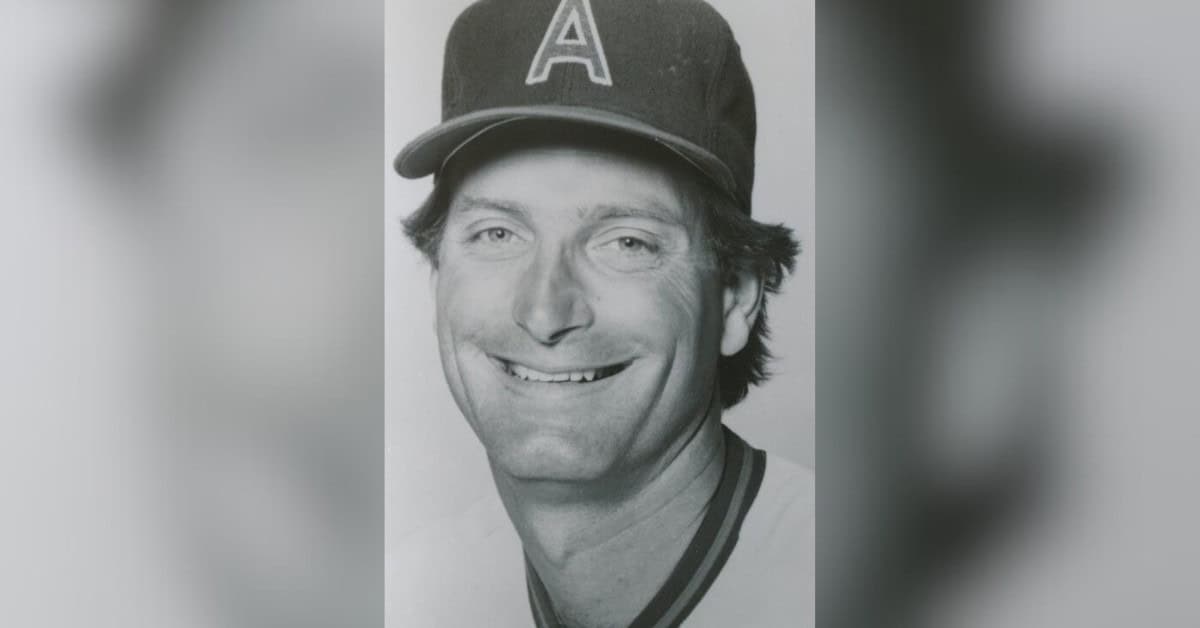
After the impossible task of replacing Brooks Robinson in Baltimore, DeCinces found his true home in Anaheim. His clutch hitting during the 1982 playoff push, including a walk-off homer that sparked “Yes We Can” fever, made him a franchise legend, while his slick fielding at the hot corner kept the Brooks comparisons alive.
| Doug DeCinces — Career | Total |
|---|---|
| G | 1649 |
| AB | 5809 |
| H | 1505 |
| HR | 237 |
| RBI | 879 |
| SB | 58 |
| AVG | .259 |
| OBP | .329 |
| SLG | .445 |
| OPS | .774 |
| All-Star selections | 1 |
| Silver Sluggers | 1 |
2. Darin Erstad: The Football Player’s Fury
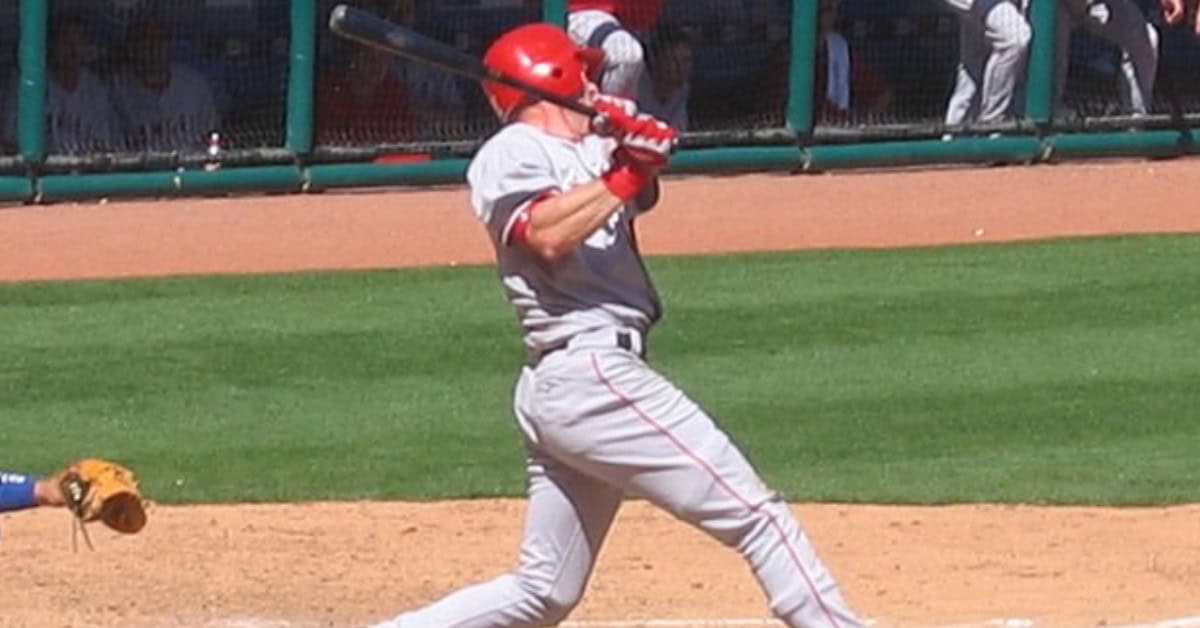
The former Nebraska punter brought gridiron intensity to center field, diving for balls others wouldn’t dare attempt. His 2000 season (.355 average, 240 hits, Gold Glove defense) was one for the ages, while his catch for the final out of the 2002 World Series perfectly symbolized his all-out style of play.
| Darin Erstad — Career | Total |
|---|---|
| G | 1654 |
| AB | 6024 |
| H | 1697 |
| HR | 124 |
| RBI | 699 |
| SB | 179 |
| AVG | .282 |
| OBP | .336 |
| SLG | .407 |
| OPS | .743 |
| All-Star selections | 2 |
| Gold Gloves | 3 |
| Silver Sluggers | 1 |
| World Series titles | 1 |
1. Chili Davis: The Switch-Hitting Sage
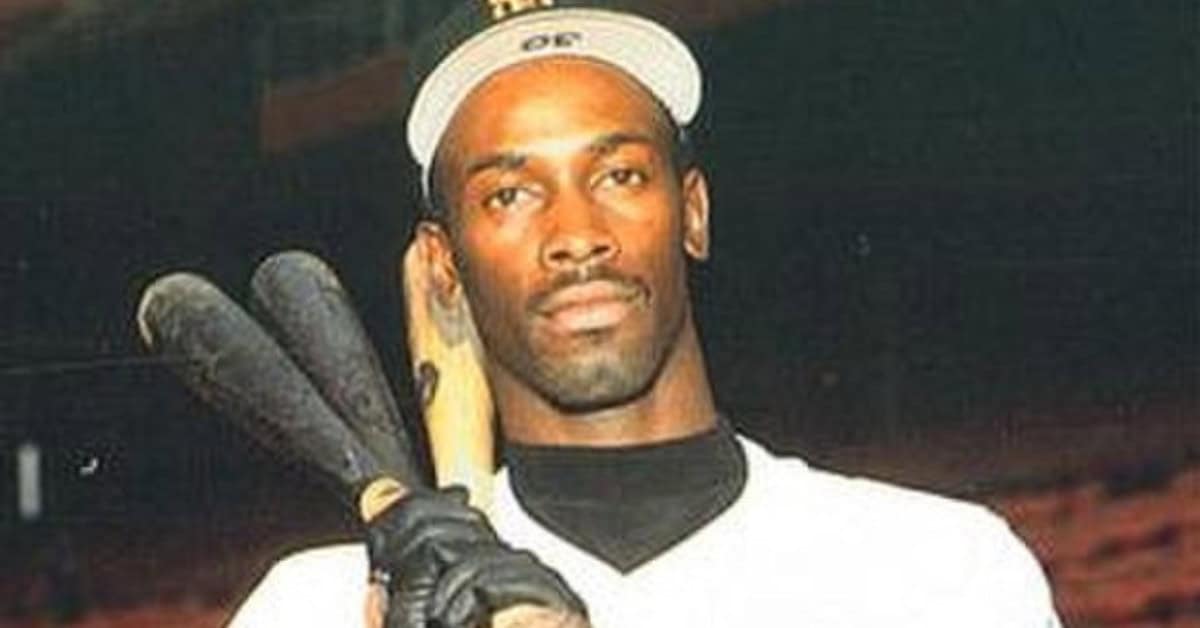
The man they called “Chili” brought Caribbean cool and clutch hitting to the Big A, mentoring young players while delivering big hits from both sides of the plate. His veteran presence during the 1994-95 seasons helped transform the Angels’ clubhouse culture, proving that sometimes the most valuable players don’t make their biggest impact in the box score.
| Chili Davis — Career | Total |
|---|---|
| G | 2436 |
| AB | 8673 |
| H | 2380 |
| HR | 350 |
| RBI | 1372 |
| SB | 142 |
| AVG | .274 |
| OBP | .360 |
| SLG | .451 |
| OPS | .811 |
| All-Star selections | 3 |
| World Series titles | 3 |