Last Updated: June 17th, 2026 by Matthew Brown
From the brown-and-yellow days at Jack Murphy Stadium to the modern beauty of Petco Park, the Padres franchise has seen its share of stars who never got their call to Cooperstown. While these heroes might not have bronze plaques, they live forever in the memories of fans who remember when baseball in San Diego meant fish tacos, beach balls, and the sound of marine layer-deadened fly balls. Let’s celebrate 20 Padres who deserved more recognition.
Don't lose this article. Enter your email below, and I'll send it to you right now. Plus, we'll send you other unbelievable stories from baseball's past.
20. Brian Giles: The On-Base Machine
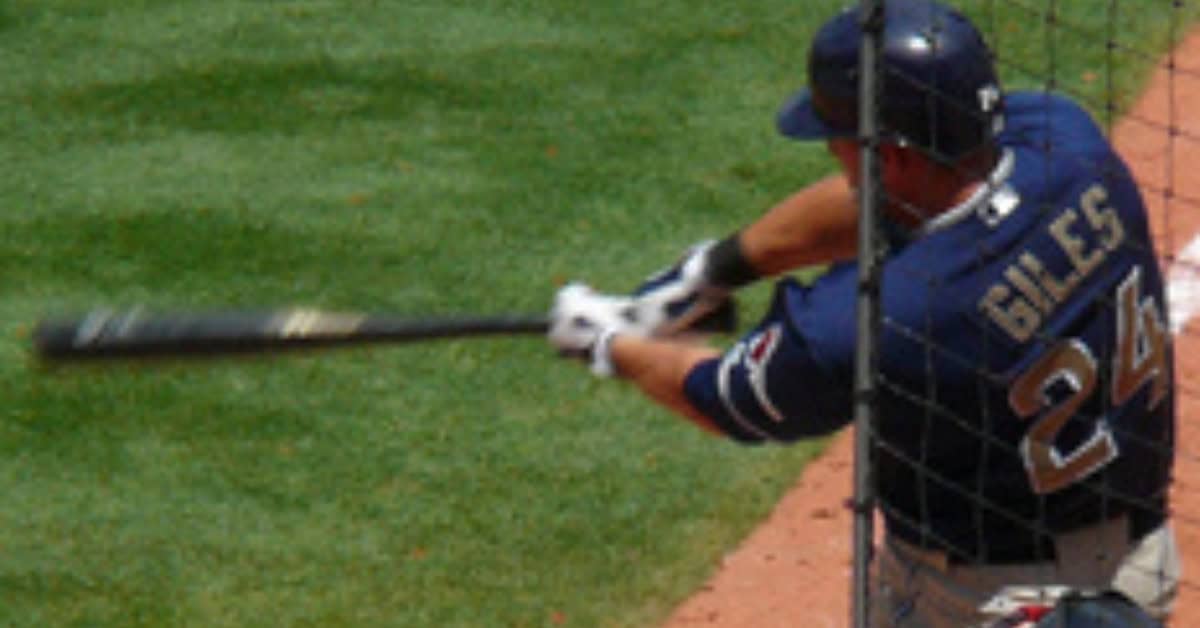
The hometown hero brought his patient approach and surprising power to Petco Park during its early years. His remarkable .404 on-base percentage as a Padre and ability to work counts made him the perfect player for the spacious new ballpark, while his local roots and clutch hitting helped ease the transition from Qualcomm Stadium to downtown.
| Brian Giles — Career | Total |
|---|---|
| G | 1847 |
| AB | 6527 |
| H | 1897 |
| HR | 287 |
| RBI | 1078 |
| SB | 109 |
| AVG | .291 |
| OBP | .400 |
| SLG | .502 |
| OPS | .902 |
| All-Star selections | 2 |
19. Andy Benes: The First Pick’s Promise
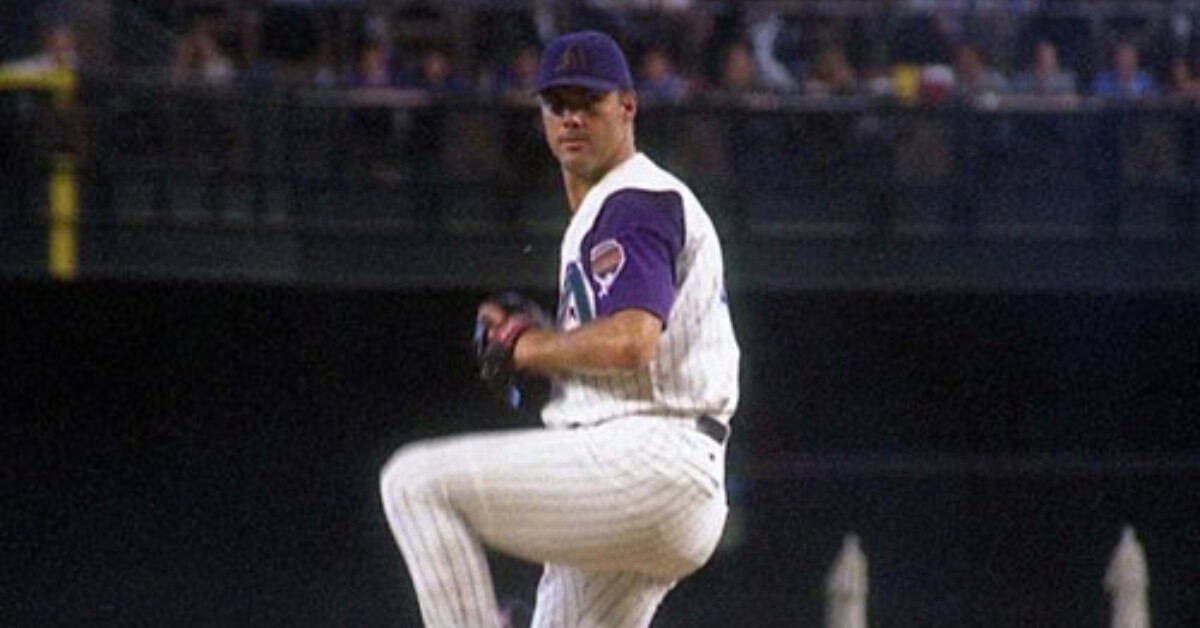
The first overall pick in the 1988 draft lived up to the hype, becoming the ace of the early ’90s Padres staff. His 1991 season (15-11, 3.03 ERA, league-leading 189 strikeouts) showed his dominant potential, while his towering presence on the mound made him the intimidating power pitcher the franchise had long sought.
| Andy Benes — Career | Total |
|---|---|
| W | 155 |
| L | 139 |
| ERA | 3.97 |
| G | 403 |
| IP | 2505.1 |
| SO | 2000 |
| WHIP | 1.31 |
| SV | 1 |
| All-Star selections | 1 |
18. Ryan Klesko: The Beach Bomber
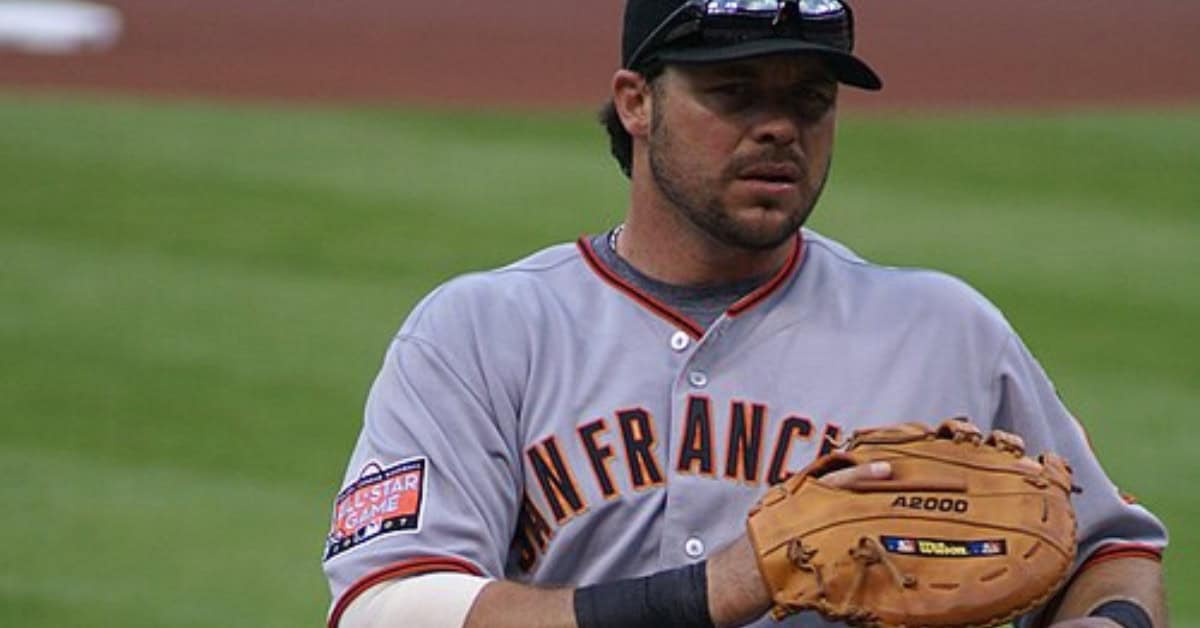
The surfing slugger brought his powerful left-handed swing and laid-back attitude to San Diego’s lineup for seven seasons. His ability to crush homers despite Petco Park’s imposing dimensions made him a fan favorite, while his beach-loving lifestyle perfectly matched the Southern California vibe.
| Ryan Klesko — Career | Total |
|---|---|
| G | 1736 |
| AB | 5611 |
| H | 1564 |
| HR | 278 |
| RBI | 987 |
| SB | 91 |
| AVG | .279 |
| OBP | .370 |
| SLG | .500 |
| OPS | .870 |
| All-Star selections | 1 |
| World Series titles | 1 |
17. Gene Tenace: The On-Base Pioneer
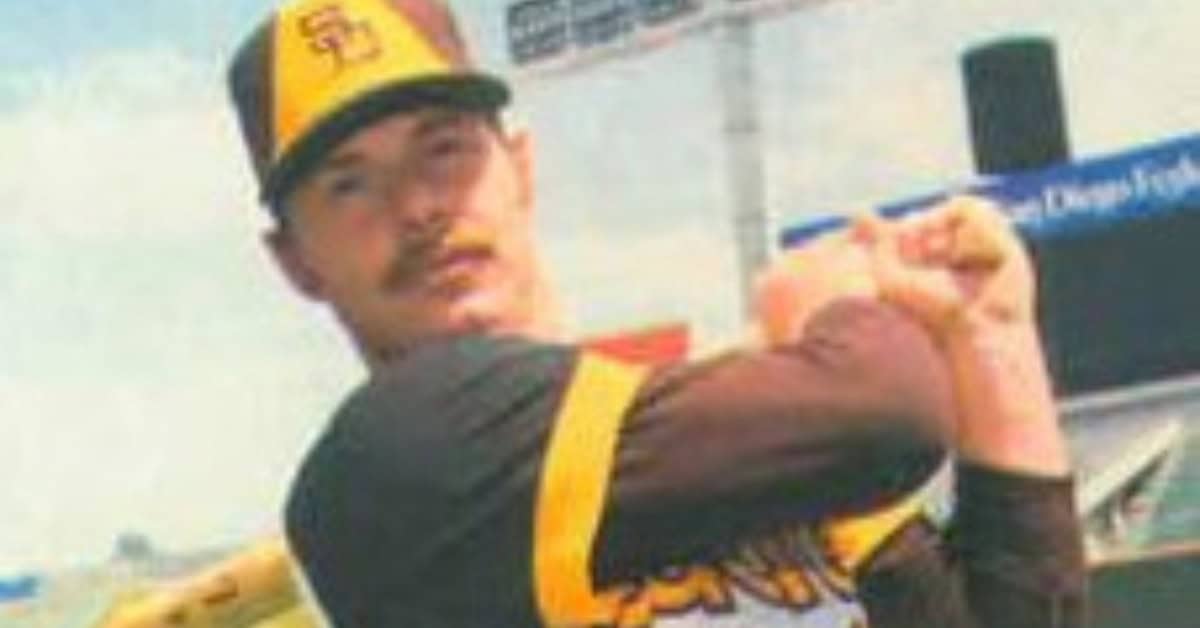
Before “Moneyball” made on-base percentage famous, Tenace was walking his way into scoring position for the late-’70s Padres. His patient approach at the plate (.403 OBP with San Diego) and power from the catcher position made him decades ahead of his time, while his veteran presence helped mentor a young Dave Winfield.
| Gene Tenace — Career | Total |
|---|---|
| G | 1555 |
| AB | 4390 |
| H | 1060 |
| HR | 201 |
| RBI | 674 |
| SB | 36 |
| AVG | .241 |
| OBP | .388 |
| SLG | .429 |
| OPS | .817 |
| All-Star selections | 1 |
| World Series titles | 4 |
16. Kevin Brown: The $100 Million Arm
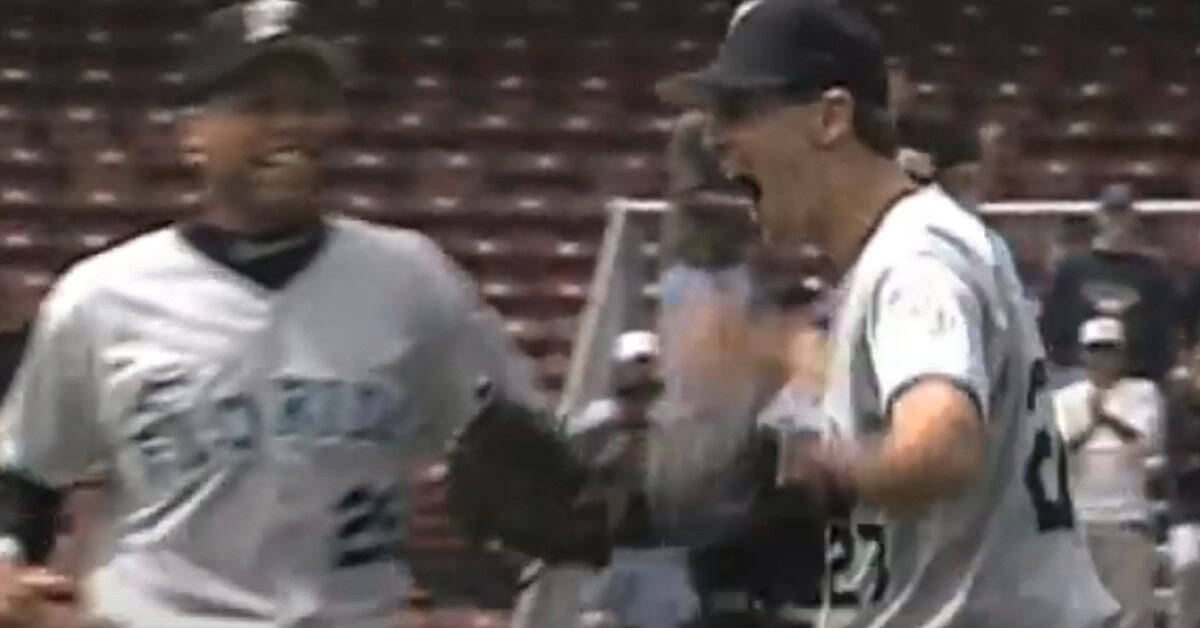
Though he only spent one season in San Diego, Brown’s 1998 campaign (18-7, 2.38 ERA) was one for the ages. His devastating sinker and intense competitive streak helped lead the Padres to the World Series, while his postseason performances earned him the distinction of becoming baseball’s first $100 million man that winter.
| Kevin Brown — Career | Total |
|---|---|
| W | 211 |
| L | 144 |
| ERA | 3.28 |
| G | 486 |
| IP | 3256.1 |
| SO | 2397 |
| WHIP | 1.22 |
| SV | 0 |
| All-Star selections | 6 |
| World Series titles | 1 |
15. Gary Sheffield: The Rookie Who Got Away
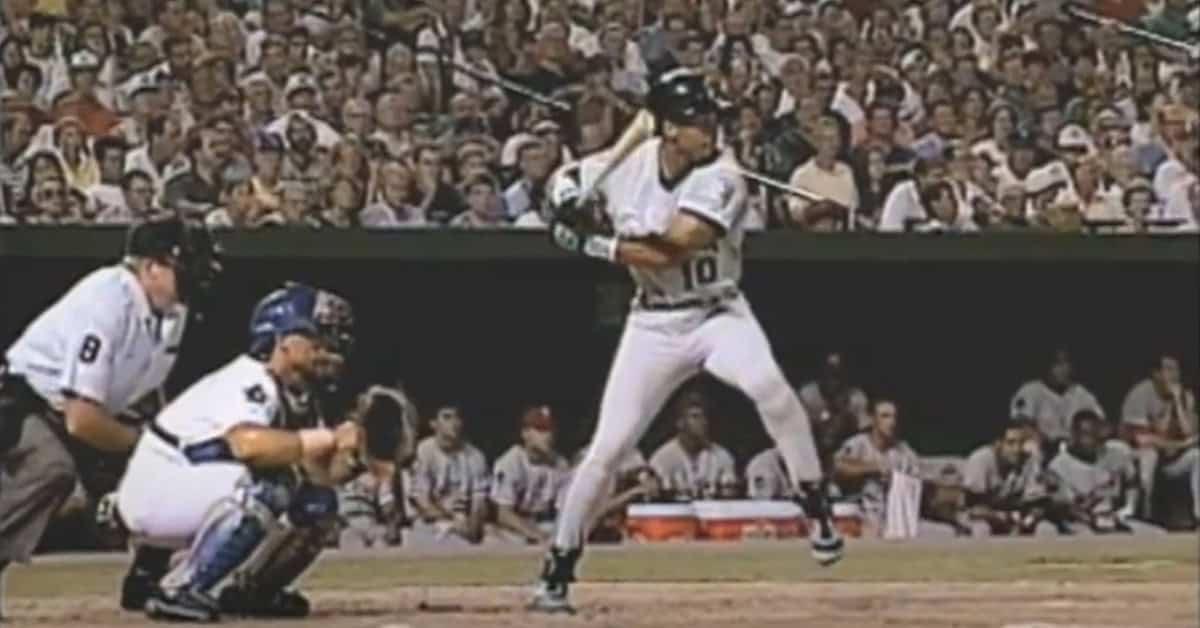
Before his controversial departure, Sheffield was San Diego’s brightest young star, a natural hitter with unprecedented bat speed. His 1992 batting title chase (.330) showed glimpses of the fearsome hitter he would become, though his time in San Diego ended too soon for comfort.
| Gary Sheffield — Career | Total |
|---|---|
| G | 2576 |
| AB | 9217 |
| H | 2689 |
| HR | 509 |
| RBI | 1676 |
| SB | 253 |
| AVG | .292 |
| OBP | .393 |
| SLG | .514 |
| OPS | .907 |
| All-Star selections | 9 |
| Silver Sluggers | 5 |
| World Series titles | 1 |
14. Benito Santiago: The Throwing Machine
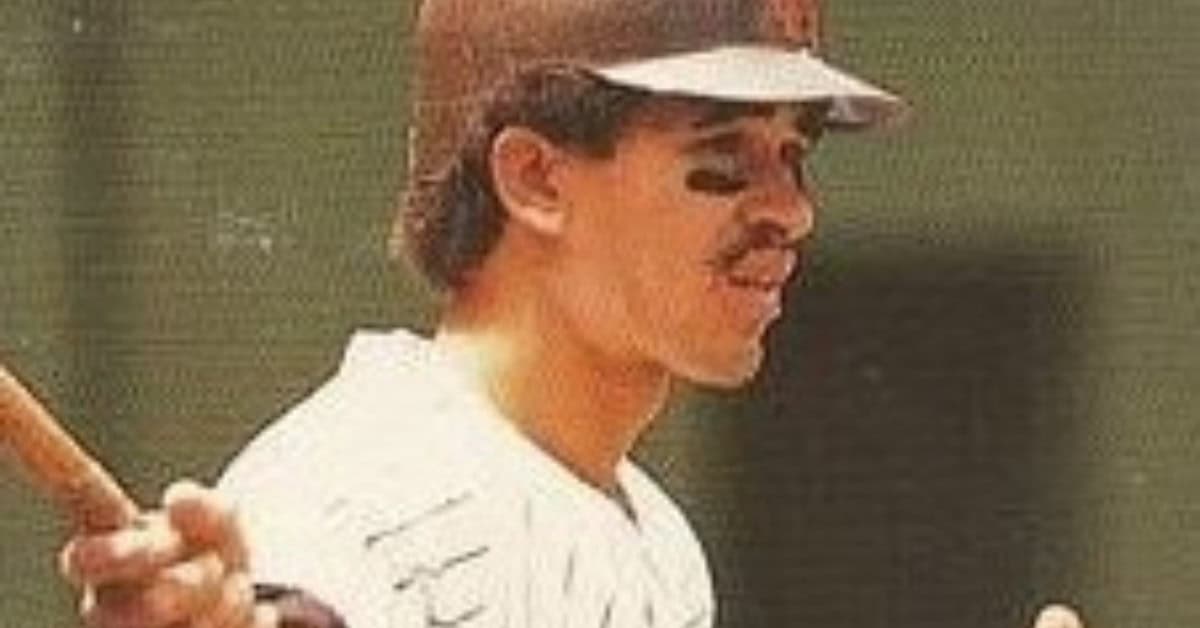
His trademark throws from his knees revolutionized the catching position and terrorized would-be base stealers. Santiago’s 34-game hitting streak in 1987 remains the longest ever by a rookie catcher, while his defensive wizardry behind the plate earned him four straight Gold Gloves in brown and orange.
| Benito Santiago — Career | Total |
|---|---|
| G | 1978 |
| AB | 6951 |
| H | 1830 |
| HR | 217 |
| RBI | 920 |
| SB | 91 |
| AVG | .263 |
| OBP | .307 |
| SLG | .415 |
| OPS | .722 |
| All-Star selections | 5 |
| Gold Gloves | 3 |
| Silver Sluggers | 4 |
13. John Kruk: Before the Phillies Fame
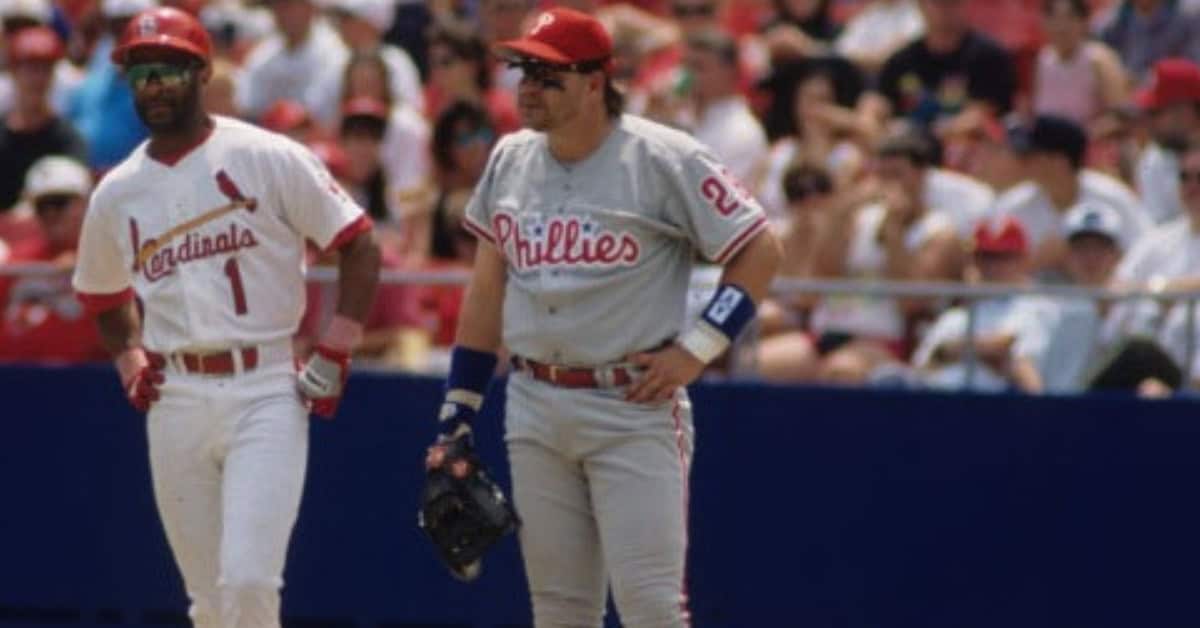
Before becoming a Phillies folk hero, Kruk was a hitting machine in San Diego, batting .313 in 1987. His unorthodox appearance belied one of the sweetest left-handed swings in baseball, while his quick wit and everyman persona made him a fan favorite during his brief Padres tenure.
| John Kruk — Career | Total |
|---|---|
| G | 1200 |
| AB | 3897 |
| H | 1170 |
| HR | 100 |
| RBI | 592 |
| SB | 58 |
| AVG | .300 |
| OBP | .397 |
| SLG | .446 |
| OPS | .843 |
| All-Star selections | 3 |
12. Gene Richards: The Speed Merchant
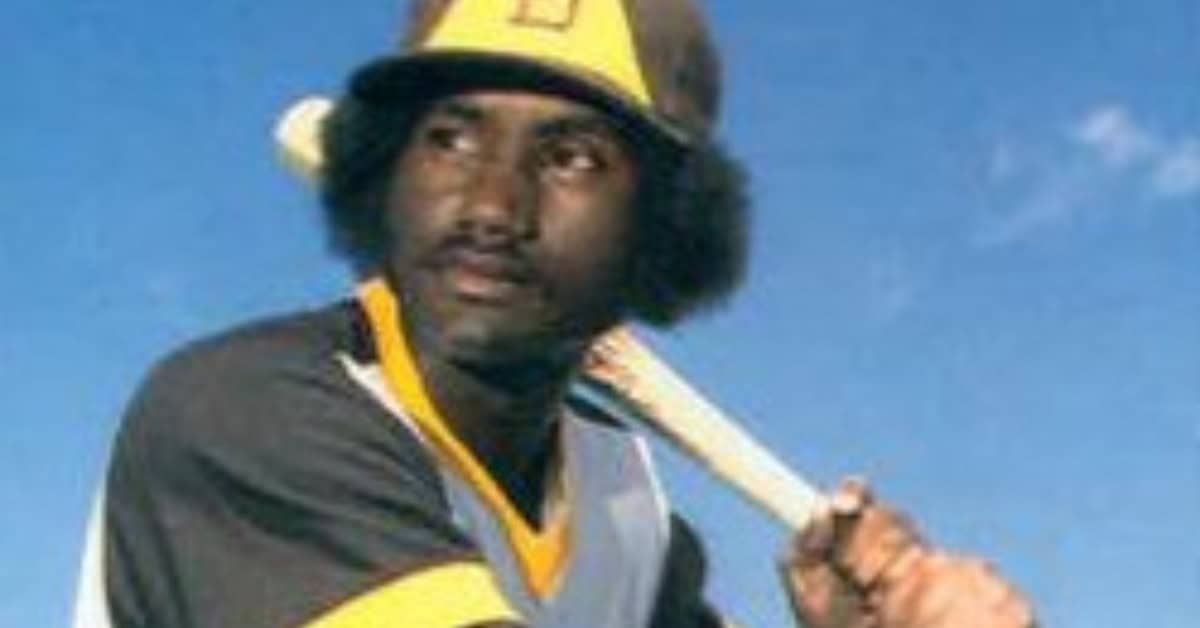
Before Tony Gwynn arrived, Richards was San Diego’s master of the hit-and-run, leading the team in stolen bases six straight seasons. His .291 career average and aggressive baserunning made him the prototype leadoff hitter for a team still finding its identity in the late ’70s and early ’80s.
| Gene Richards — Career | Total |
|---|---|
| G | 1026 |
| AB | 3549 |
| H | 1028 |
| HR | 26 |
| RBI | 255 |
| SB | 247 |
| AVG | .290 |
| OBP | .357 |
| SLG | .383 |
| OPS | .740 |
11. Terry Kennedy: The Backstop of the ’84 Run
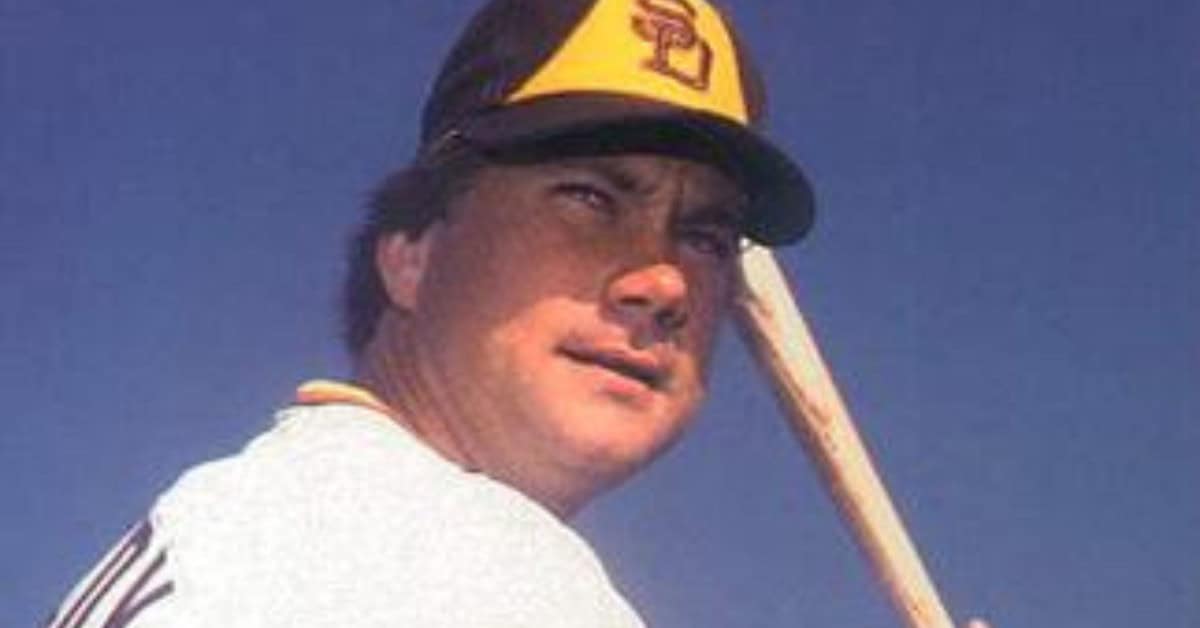
The four-time All-Star catcher brought both power and presence to the Padres’ first pennant-winning team. His handling of a young pitching staff and clutch hitting during the ’84 playoff run helped transform the franchise, while his toughness behind the plate embodied the gritty spirit of those breakthrough Padres teams.
| Terry Kennedy — Career | Total |
|---|---|
| G | 1491 |
| AB | 4979 |
| H | 1313 |
| HR | 113 |
| RBI | 628 |
| SB | 6 |
| AVG | .264 |
| OBP | .314 |
| SLG | .386 |
| OPS | .700 |
| All-Star selections | 4 |
| Silver Sluggers | 1 |
10. Andy Ashby: The Rotation Rock
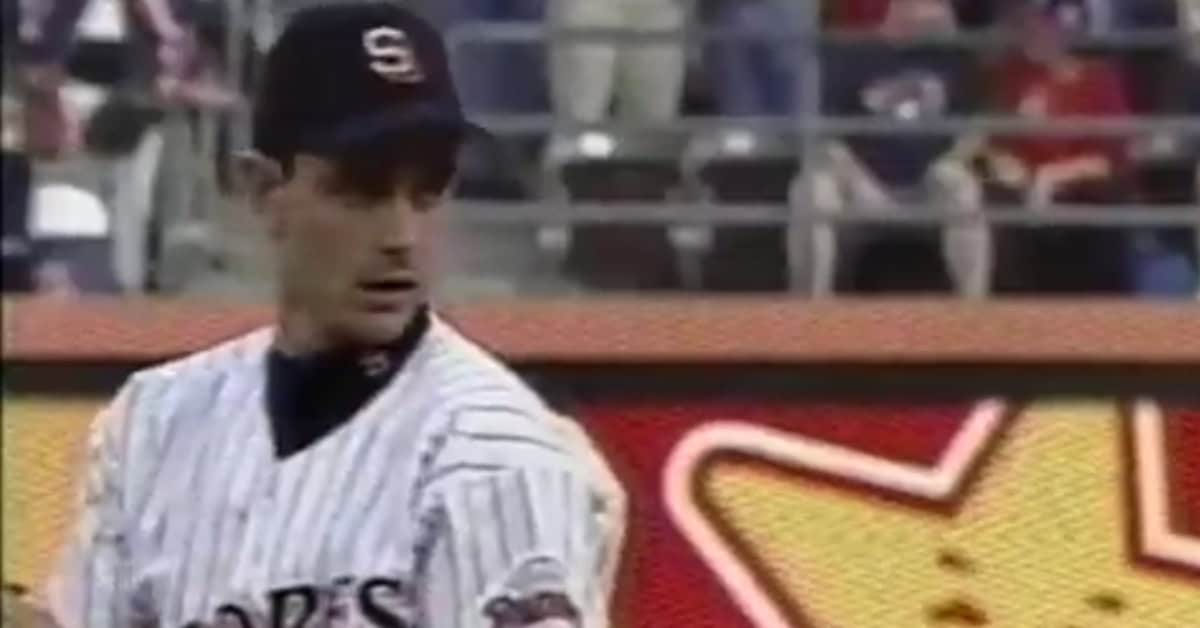
The steady workhorse of the late ’90s staff helped pitch San Diego to their second World Series appearance in 1998. His 17-win season that year made him a cornerstone of one of the franchise’s finest rotations, while his durability and consistency made him the perfect pitcher for the spacious confines of Qualcomm Stadium.
| Andy Ashby — Career | Total |
|---|---|
| W | 98 |
| L | 110 |
| ERA | 4.12 |
| G | 309 |
| IP | 1810.2 |
| SO | 1173 |
| WHIP | 1.32 |
| SV | 1 |
| All-Star selections | 2 |
9. Chris Brown: The Third Base Artist
Before injuries derailed his promising career, Brown brought extraordinary defensive skills to the hot corner during the mid-1980s. His smooth actions and strong arm drew comparisons to Brooks Robinson, while his brief peak showed what might have been for a player whose talent exceeded his availability.
| Chris Brown — Career | Total |
|---|---|
| G | 449 |
| AB | 1523 |
| H | 410 |
| HR | 38 |
| RBI | 184 |
| SB | 21 |
| AVG | .269 |
| OBP | .333 |
| SLG | .392 |
| OPS | .725 |
| All-Star selections | 1 |
8. Phil Nevin: The Man Before Jeter

Forever known as the player drafted ahead of Derek Jeter, Nevin found his home in San Diego with mammoth home runs that challenged the laws of physics. His 41-homer season in 2001 proved that even Qualcomm Stadium couldn’t contain his power, while his fiery personality made him the perfect complement to Tony Gwynn’s quiet excellence.
| Phil Nevin — Career | Total |
|---|---|
| G | 1217 |
| AB | 4188 |
| H | 1131 |
| HR | 208 |
| RBI | 743 |
| SB | 18 |
| AVG | .270 |
| OBP | .343 |
| SLG | .472 |
| OPS | .815 |
| All-Star selections | 1 |
7. Jake Peavy: The Bulldog of Balboa Park
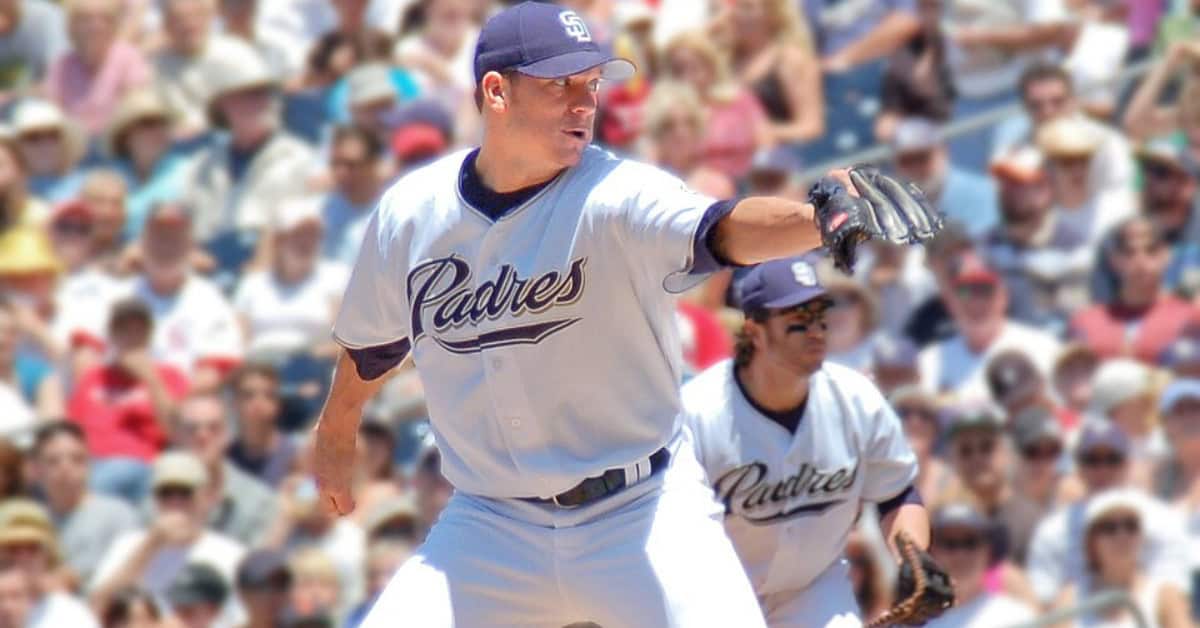
No pitcher ever competed with more intensity than Peavy, whose visible emotions on the mound made every start feel like Game 7. His 2007 Cy Young season (19-6, 2.54 ERA) and triple crown of pitching represented the peak of his powers, while his famous dugout conversations with himself became part of Padres lore.
| Jake Peavy — Career | Total |
|---|---|
| W | 152 |
| L | 126 |
| ERA | 3.63 |
| G | 388 |
| IP | 2377.0 |
| SO | 2207 |
| WHIP | 1.20 |
| SV | 0 |
| Cy Young | 1 |
| All-Star selections | 3 |
| Gold Gloves | 1 |
| World Series titles | 2 |
6. Adrian Gonzalez: The Hometown Hero
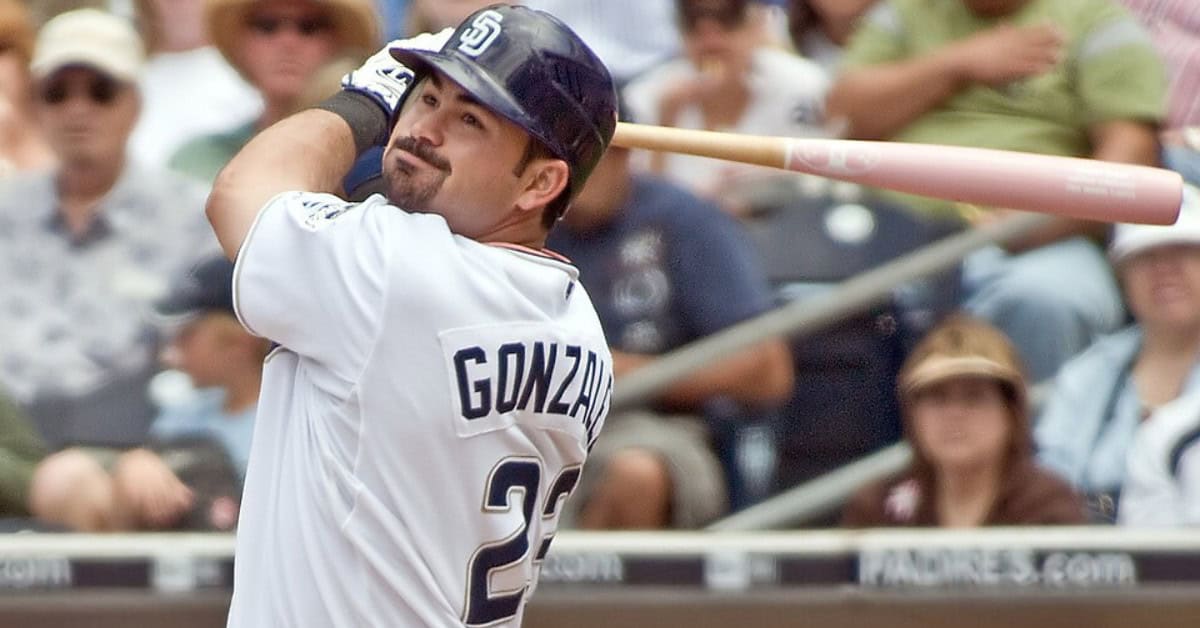
The San Diego native brought both power and pride to his hometown team, crushing homers despite Petco Park’s imposing dimensions. His sweet left-handed swing and Gold Glove defense made him the face of the franchise during the late 2000s, while his Mexican heritage helped strengthen the team’s connection with its cross-border fan base.
| Adrián González — Career | Total |
|---|---|
| G | 1929 |
| AB | 7139 |
| H | 2050 |
| HR | 317 |
| RBI | 1202 |
| SB | 6 |
| AVG | .287 |
| OBP | .358 |
| SLG | .485 |
| OPS | .843 |
| All-Star selections | 5 |
| Gold Gloves | 4 |
| Silver Sluggers | 2 |
5. Steve Finley: The Gold Glove Gazelle
His graceful stride in center field made the impossible look routine during the Padres’ 1998 World Series run. Finley’s combination of power (30 homers in ’96) and defense earned him two Gold Gloves in San Diego, while his leadership helped transform the Padres from pretenders to National League champions.
| Steve Finley — Career | Total |
|---|---|
| G | 2583 |
| AB | 9397 |
| H | 2548 |
| HR | 304 |
| RBI | 1167 |
| SB | 320 |
| AVG | .271 |
| OBP | .332 |
| SLG | .442 |
| OPS | .774 |
| All-Star selections | 2 |
| Gold Gloves | 5 |
| World Series titles | 1 |
4. Randy Jones: The Master of the Slow Ball

The 1976 Cy Young winner proved you didn’t need a blazing fastball to dominate, winning games with a sinker that barely broke 70 mph. His quick-working style and pinpoint control made him the perfect pitcher for those early Padres teams, while his BBQ sauce later became as much a part of San Diego culture as fish tacos.
| Randy Jones — Career | Total |
|---|---|
| W | 100 |
| L | 123 |
| ERA | 3.42 |
| G | 305 |
| IP | 1933.0 |
| SO | 735 |
| WHIP | 1.25 |
| SV | 2 |
| Cy Young | 1 |
| All-Star selections | 2 |
3. Nate Colbert: The Original Padre Power
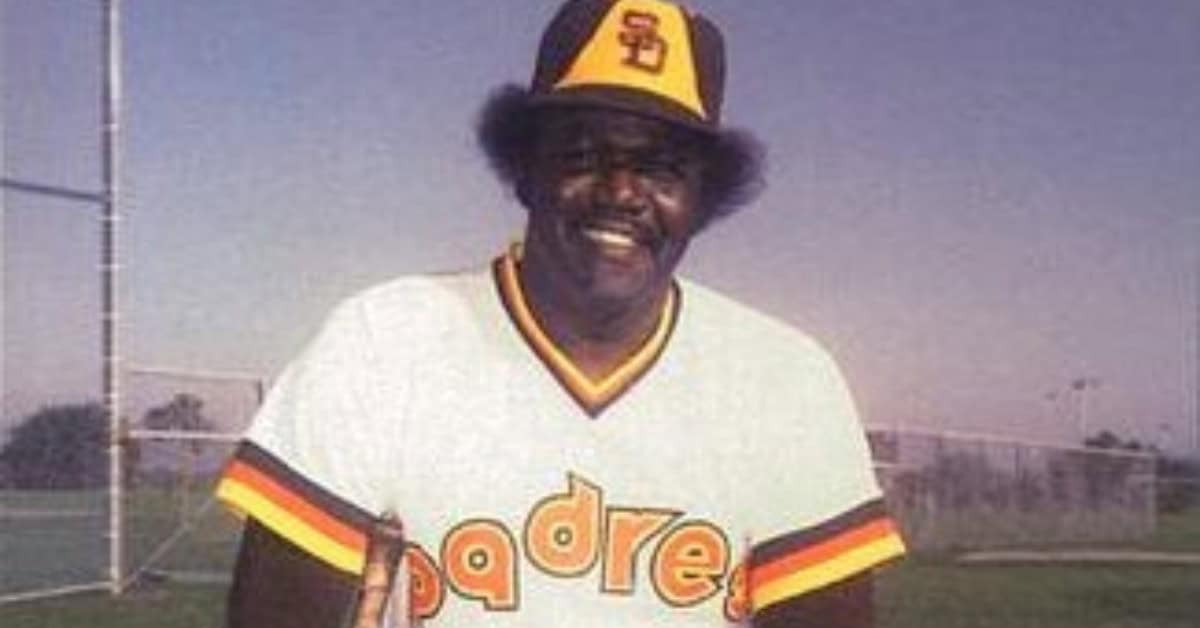
The franchise’s first true slugger set standards that would last decades, including his legendary five-homer doubleheader in 1972. His 163 home runs as a Padre seemed even more impressive considering he played half his games in the cavernous Jack Murphy Stadium, where power hitters went to see their dreams die.
| Nate Colbert — Career | Total |
|---|---|
| G | 1004 |
| AB | 3422 |
| H | 833 |
| HR | 173 |
| RBI | 520 |
| SB | 52 |
| AVG | .243 |
| OBP | .322 |
| SLG | .451 |
| OPS | .773 |
| All-Star selections | 3 |
2. Steve Garvey: Mr. Clean’s San Diego Chapter
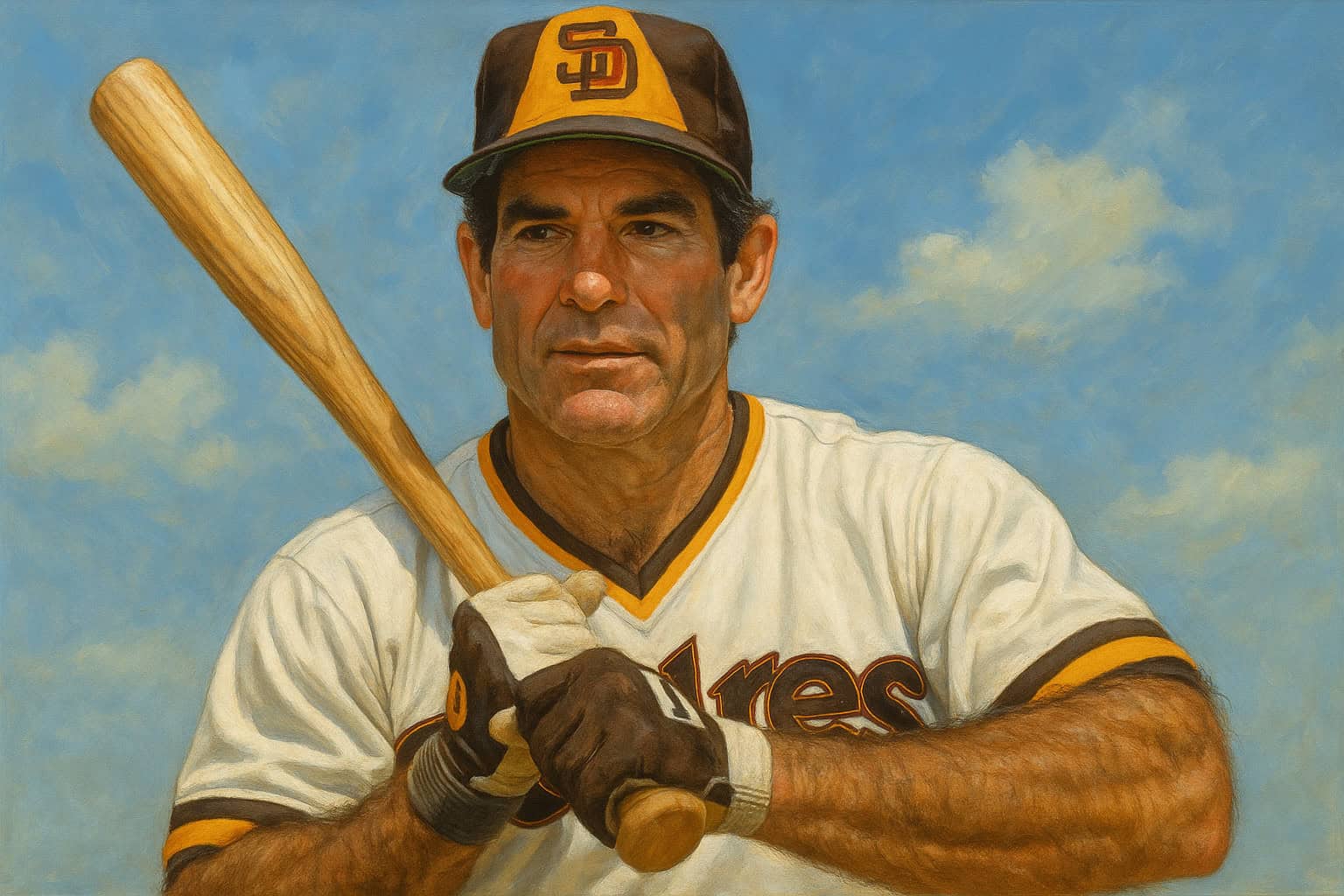
Before his walkoff homer in Game 4 of the 1984 NLCS, the Padres were just another expansion team. That one swing changed everything, transforming the franchise from lovable losers into legitimate contenders. His perfectly pressed uniform and Hollywood smile brought star power to a team that desperately needed it.
| Steve Garvey — Career | Total |
|---|---|
| G | 2332 |
| AB | 8835 |
| H | 2599 |
| HR | 272 |
| RBI | 1308 |
| SB | 83 |
| AVG | .294 |
| OBP | .329 |
| SLG | .446 |
| OPS | .775 |
| MVP | 1 |
| All-Star selections | 10 |
| Gold Gloves | 4 |
| World Series titles | 1 |
1. Ken Caminiti: The MVP Who Played on Broken Knees
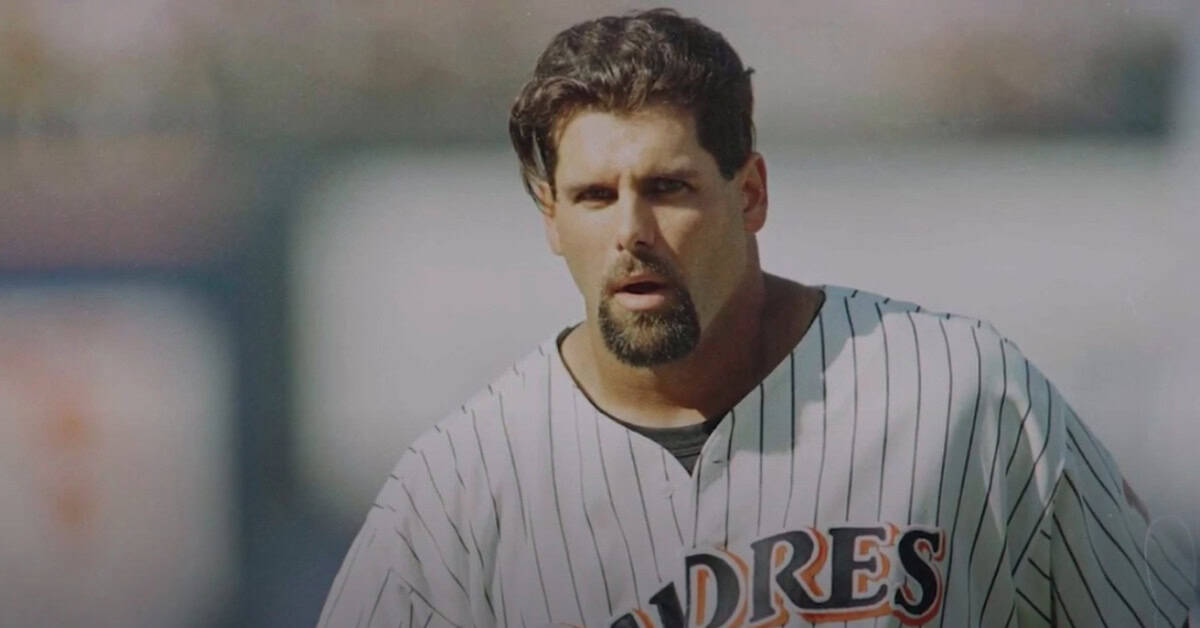
The 1996 NL MVP redefined toughness at the hot corner, famously playing through injuries that would sideline lesser men. His diving stops and rocket arm made him a human highlight reel, while that legendary game in Mexico when he took IV fluids and crushed two homers became instant San Diego folklore.
| Ken Caminiti — Career | Total |
|---|---|
| G | 1760 |
| AB | 6288 |
| H | 1710 |
| HR | 239 |
| RBI | 983 |
| SB | 88 |
| AVG | .272 |
| OBP | .347 |
| SLG | .447 |
| OPS | .794 |
| MVP | 1 |
| All-Star selections | 3 |
| Gold Gloves | 3 |
| Silver Sluggers | 1 |