Last Updated: August 18th, 2026 by Matthew Brown
I might as well admit at the top of this article that I am a Dodger fan. I grew up idolizing the boys in blue. There are so many Dodgers in history that I can talk about, and I'm sure many in Southern California can join me. But this list might be my favorite type of Dodgers list. It is the only time when the highest honor is disqualified.
Don't lose this article. Enter your email below, and I'll send it to you right now. Plus, we'll send you other unbelievable stories from baseball's past.
You can scroll through many of our articles and see the Hall of Famers that wore Dodger blue. But I hope that you can find some Dodgers on this list that won't be able to make it to any other. Sometimes those are people's favorites.
20. Charlie Neal: The Second Baseman Who Owned the ’59 Series
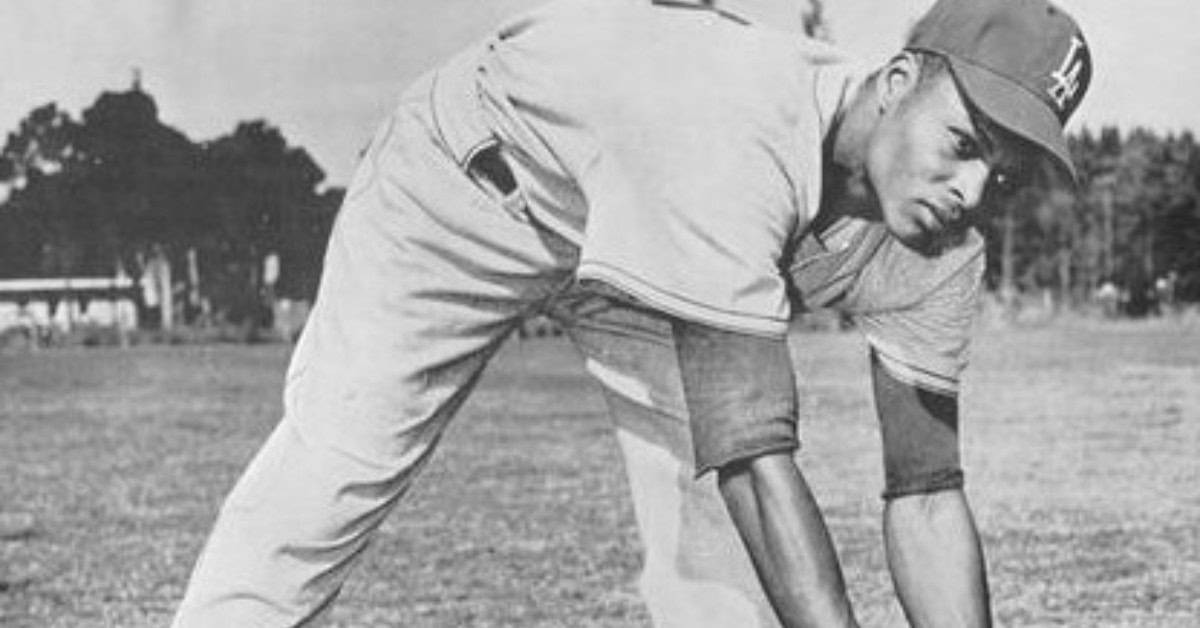
Sometimes a whole career isn't needed. Sometimes just one great season can make memories. Then you have Charlie Neal's one terrific series. The Dodgers won their first World Series in Los Angeles just one year after moving to the West Coast.
They may not have won that without Charlie Neal. He had a .370 batting average with two home runs (in the same game) and six RBIs in a memorable series performance.
| Charlie Neal — Career | Total |
|---|---|
| G | 970 |
| AB | 3316 |
| H | 858 |
| HR | 87 |
| RBI | 391 |
| SB | 48 |
| AVG | .259 |
| OBP | .329 |
| SLG | .394 |
| OPS | .723 |
| All-Star selections | 3 |
| Gold Gloves | 1 |
| World Series titles | 1 |
19. Dusty Baker: The Manager Who Was An Even Better Player
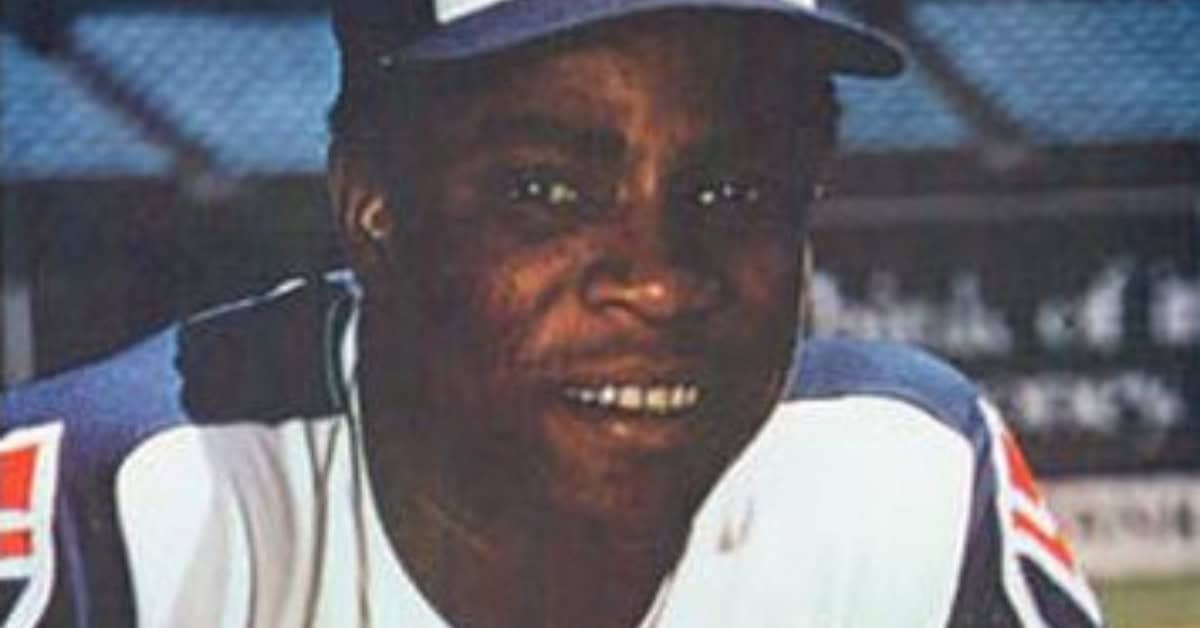
Dusty Baker has been a part of baseball for so long that many people forget how great an actual player he was. This legend was a powerful force in the Dodgers' lineup. He earned an All-Star selection, a Gold Glove, and a Silver Slugger all through his 1981 season. He helped the Dodgers win the World Series that year as well, by the way.
| Dusty Baker Jr. — Career | Total |
|---|---|
| G | 2039 |
| AB | 7117 |
| H | 1981 |
| HR | 242 |
| RBI | 1013 |
| SB | 137 |
| AVG | .278 |
| OBP | .347 |
| SLG | .432 |
| OPS | .779 |
| All-Star selections | 2 |
| Gold Gloves | 1 |
| Silver Sluggers | 2 |
| World Series titles | 1 |
18. Don Newcombe: More Than Just Jackie’s Teammate
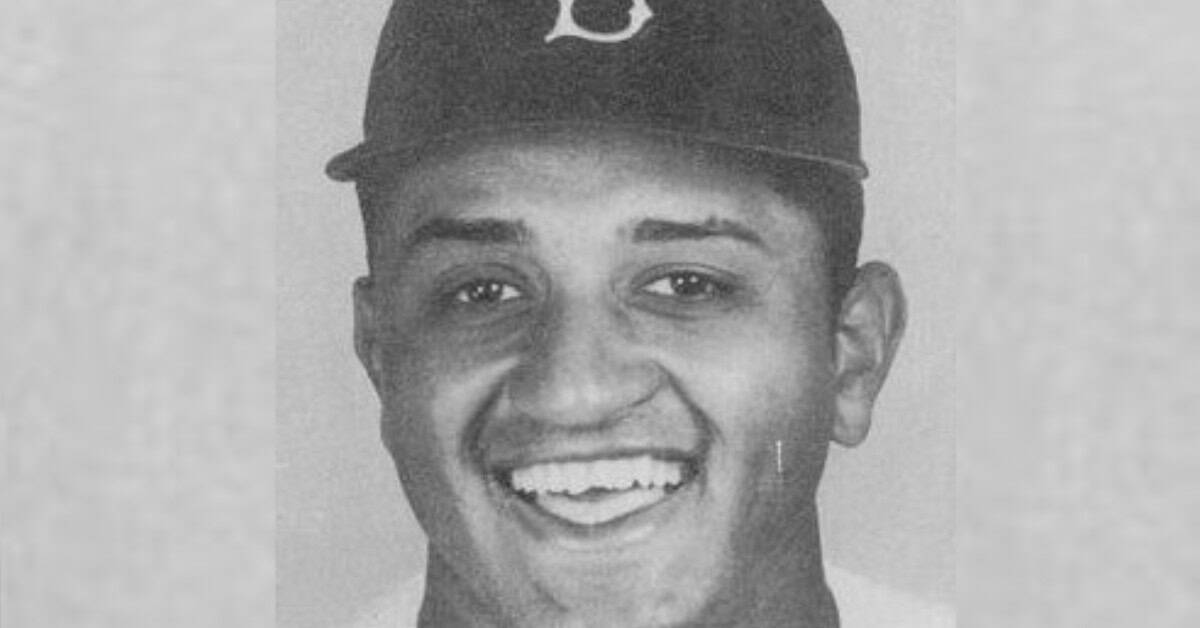
For all the legendary pitchers that have donned a Dodger jersey, I think Don Newcombe doesn't get mentioned enough on a national basis. Yeah, he had a short career, but it was a mighty one. Four All-Star selections, actually had a two-year interruption for military service.
Then he capped off his great run with a Cy Young and MVP season in 1956. "Newk" was absolutely dominant and helped blaze a trail that was started by his Hall of Fame teammate Jackie Robinson.
| Don Newcombe — Career | Total |
|---|---|
| W | 156 |
| L | 96 |
| ERA | 3.58 |
| G | 362 |
| IP | 2274.0 |
| SO | 1210 |
| WHIP | 1.21 |
| SV | 7 |
| MVP | 1 |
| Cy Young | 1 |
| All-Star selections | 4 |
| World Series titles | 1 |
17. Johnny Podres: The Boy Who Beat the Yankees

For all the times we talk about Don Drysdale and Sandy Koufax, we have to remember that Johnny Podres was right there with them the entire time. He won four World Series with the Dodgers, going all the way back to his heroic Game 7 complete-game shutout that gave Brooklyn their long-awaited World Series Championship at just 23 years old, beating the mighty Yankees.
| Johnny Podres — Career | Total |
|---|---|
| W | 148 |
| L | 116 |
| ERA | 3.68 |
| G | 440 |
| IP | 2265.0 |
| SO | 1435 |
| WHIP | 1.32 |
| SV | 11 |
| All-Star selections | 4 |
| World Series titles | 3 |
16. Ron Perranoski: The Original Bullpen Ace
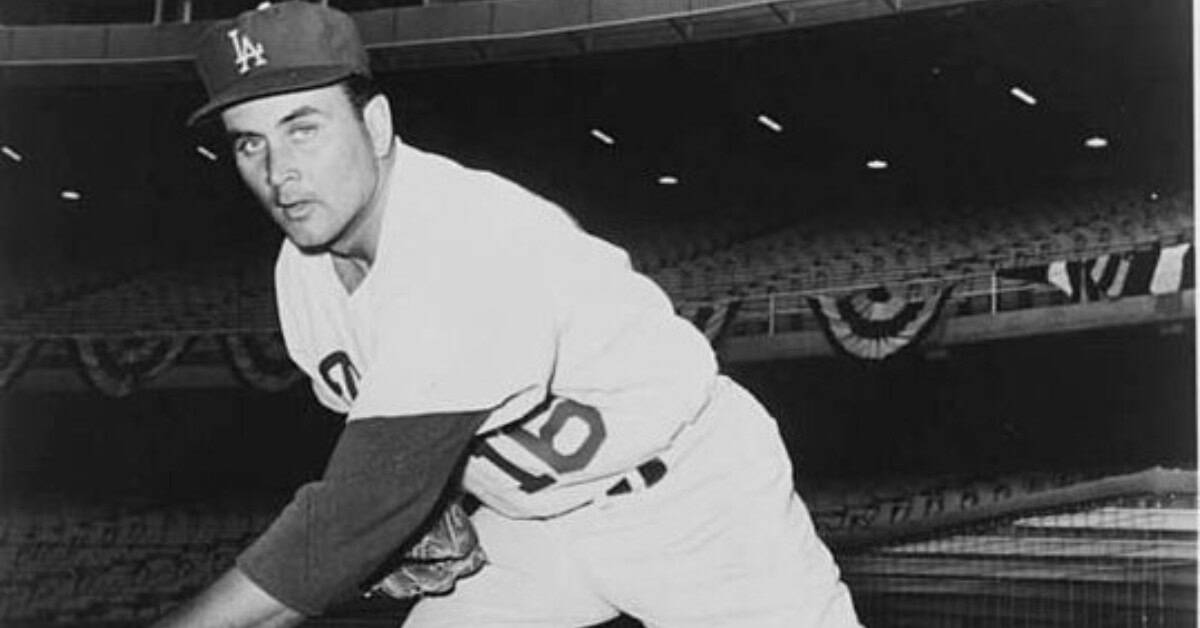
There wasn't a need for the position of the closer back in the era that Ron Perranoski played. But it's not like every single pitcher was throwing a complete game in the 60s and 70s.
They needed relievers to come in to pitch some crucial innings as well. Perranoski was the Dodgers' version of that. And he was able to basically have some stats that made him look like a starter. He went 16-3 in 1963 and received some MVP votes to boot. That's how good he was.
| Ron Perranoski — Career | Total |
|---|---|
| W | 79 |
| L | 74 |
| ERA | 2.79 |
| G | 737 |
| IP | 1174.2 |
| SO | 687 |
| WHIP | 1.33 |
| SV | 179 |
| World Series titles | 2 |
15. Bill Russell: The Quiet Captain of the Infield
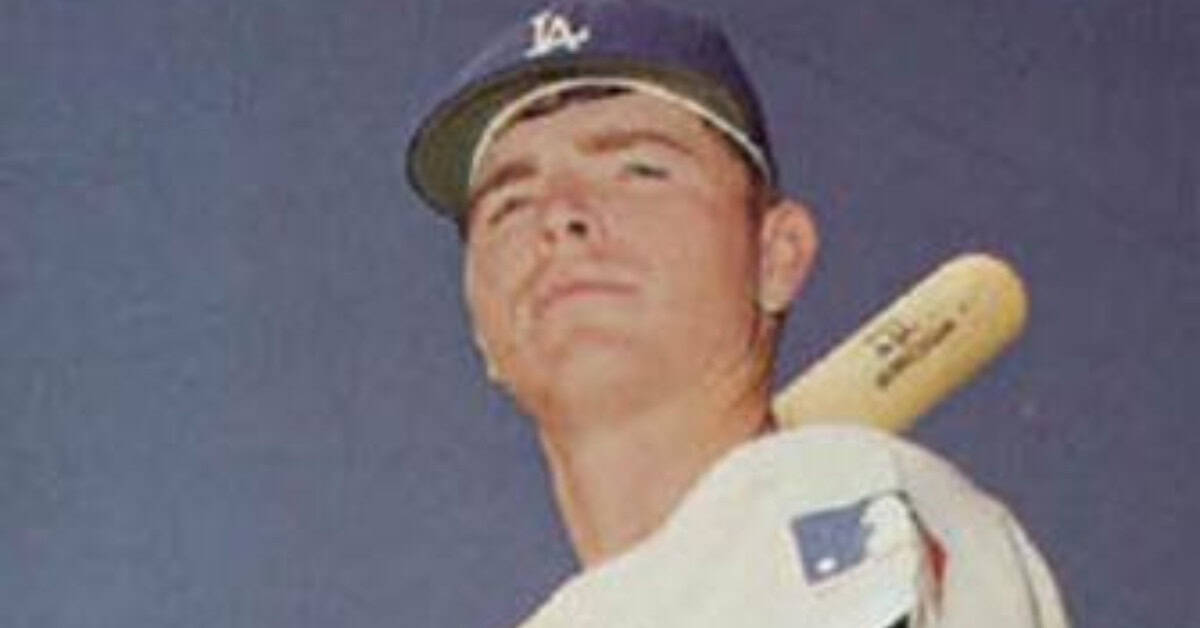
The shortstop is pretty much the star on the field. There can be so much attention surrounding the keystone infielder. But under all that attention, Bill Russell was that quiet constant for the Dodgers throughout his 18-year career.
He is a career Dodger and one we don't mention enough for committing his entire playing career to one team. Oh yeah, he helped lead them to a World Series championship in 1981 as well.
| Bill Russell — Career | Total |
|---|---|
| G | 2181 |
| AB | 7318 |
| H | 1926 |
| HR | 46 |
| RBI | 627 |
| SB | 167 |
| AVG | .263 |
| OBP | .310 |
| SLG | .338 |
| OPS | .648 |
| All-Star selections | 3 |
| World Series titles | 1 |
14. Shawn Green: The Slugger Who Made History on a Thursday

A fan's favorite player oftentimes has immense talent yet not enough accolades to be known by other fans from other teams. Shawn Green is a lot of Dodger fans' favorite player. He hit 162 home runs in just five years with a 130 OPS+ as a Dodger.
Somehow, he only got recognized with one All-Star selection during that time. His power gets lost amongst the enormous slugging seasons of that era, but Dodger fans remember their own slugger in Chavez Ravine.
| Shawn Green — Career | Total |
|---|---|
| G | 1951 |
| AB | 7082 |
| H | 2003 |
| HR | 328 |
| RBI | 1070 |
| SB | 162 |
| AVG | .283 |
| OBP | .355 |
| SLG | .494 |
| OPS | .849 |
| All-Star selections | 2 |
| Gold Gloves | 1 |
| Silver Sluggers | 1 |
13. Carl Furillo: The Reading Rifle Who Never Missed
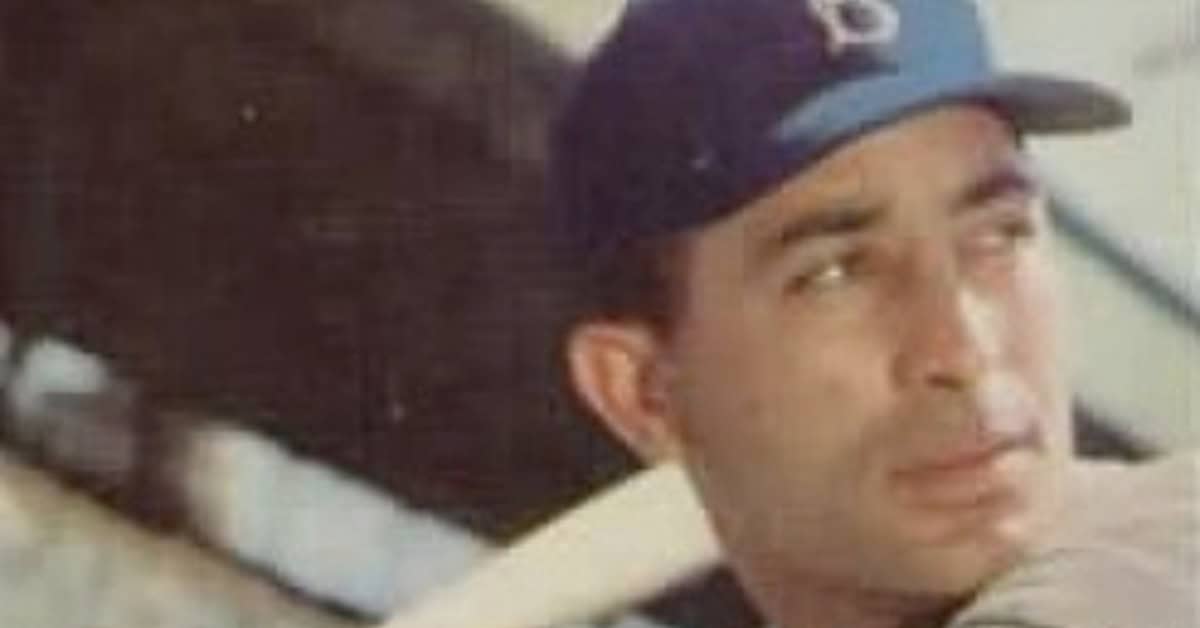
We continue with another great right fielder. This one is better known for his glove and arm. Carl Furillo couldn't begin playing Major League Baseball when he was ready. He had to enter the military first, but right after that, he spent his entire 15-year career in Dodger blue.
He mastered right field in Ebbets, then tagged along to Los Angeles to master the Coliseum. He even led the league with a .344 batting average in 1953 along the way.
| Carl Furillo — Career | Total |
|---|---|
| G | 1806 |
| AB | 6378 |
| H | 1910 |
| HR | 192 |
| RBI | 1058 |
| SB | 48 |
| AVG | .299 |
| OBP | .355 |
| SLG | .458 |
| OPS | .813 |
| All-Star selections | 2 |
| World Series titles | 2 |
12. Willie Davis: Three Gold Gloves and a Cloud of Dust
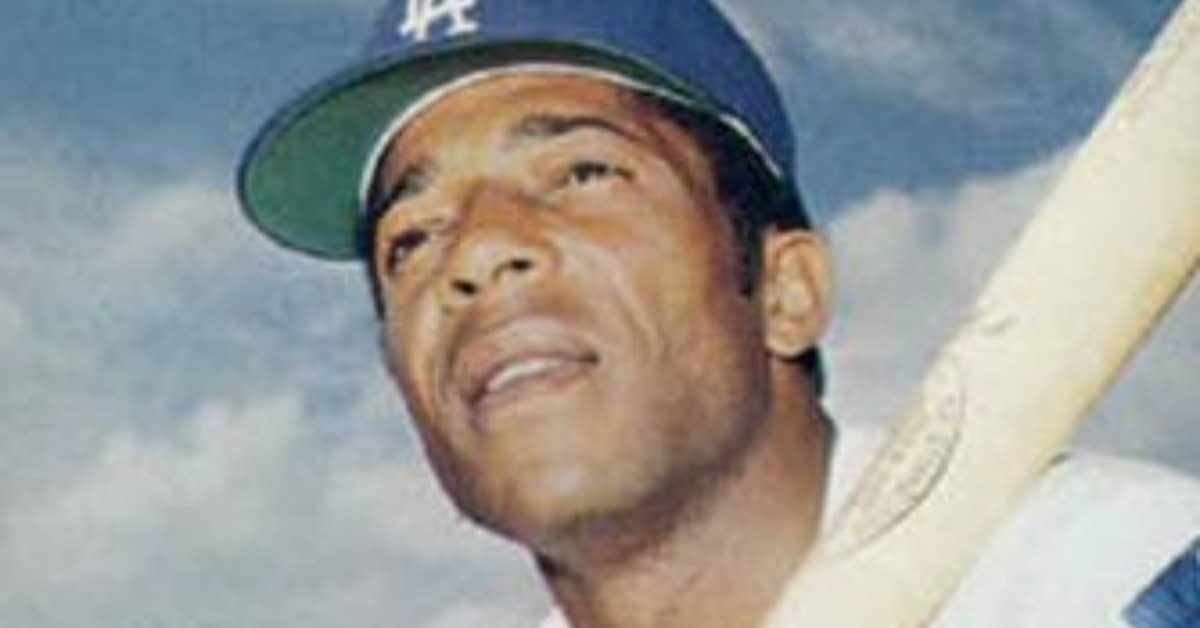
Let's move over to center, where I know everyone thinks of Duke Snider, but need I remind you that this is a non-Hall of Fame list, so we're trying to find the unsung greats. Willie Davis fits that bill perfectly. "3-Dog" had an exciting mix of speed and skill.
The two-time All-Star led the league in triples a couple of times while racking up almost 400 stolen bases in his career. All that said, defense was his calling card, winning three Gold Gloves all as a Dodger.
| Willie Davis — Career | Total |
|---|---|
| G | 2429 |
| AB | 9174 |
| H | 2561 |
| HR | 182 |
| RBI | 1053 |
| SB | 398 |
| AVG | .279 |
| OBP | .311 |
| SLG | .412 |
| OPS | .723 |
| All-Star selections | 2 |
| Gold Gloves | 3 |
| World Series titles | 2 |
11. Jeff Kent: The Greatest Power-Hitting Second Baseman Ever
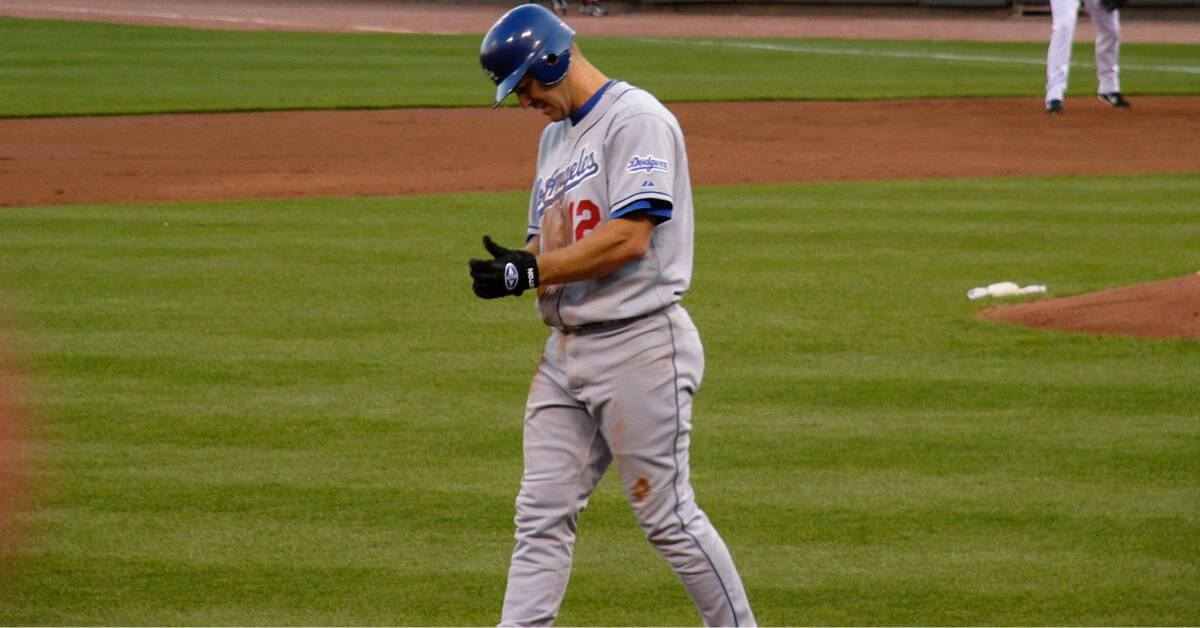
This is being written in 2025, so I have a feeling this is the closest of the guys on this list to reach Cooperstown. There aren't many second basemen in history who could anchor a lineup offensively.
But Jeff Kent could slug with the best of them. I hope I'm right in predicting that I will need to revisit this list in the near future, thanks to this man receiving a plaque.
| Jeff Kent — Career | Total |
|---|---|
| G | 2298 |
| AB | 8498 |
| H | 2461 |
| HR | 377 |
| RBI | 1518 |
| SB | 94 |
| AVG | .290 |
| OBP | .356 |
| SLG | .500 |
| OPS | .856 |
| MVP | 1 |
| All-Star selections | 5 |
| Silver Sluggers | 4 |
10. Reggie Smith: The Switch-Hitting Star of the ’70s
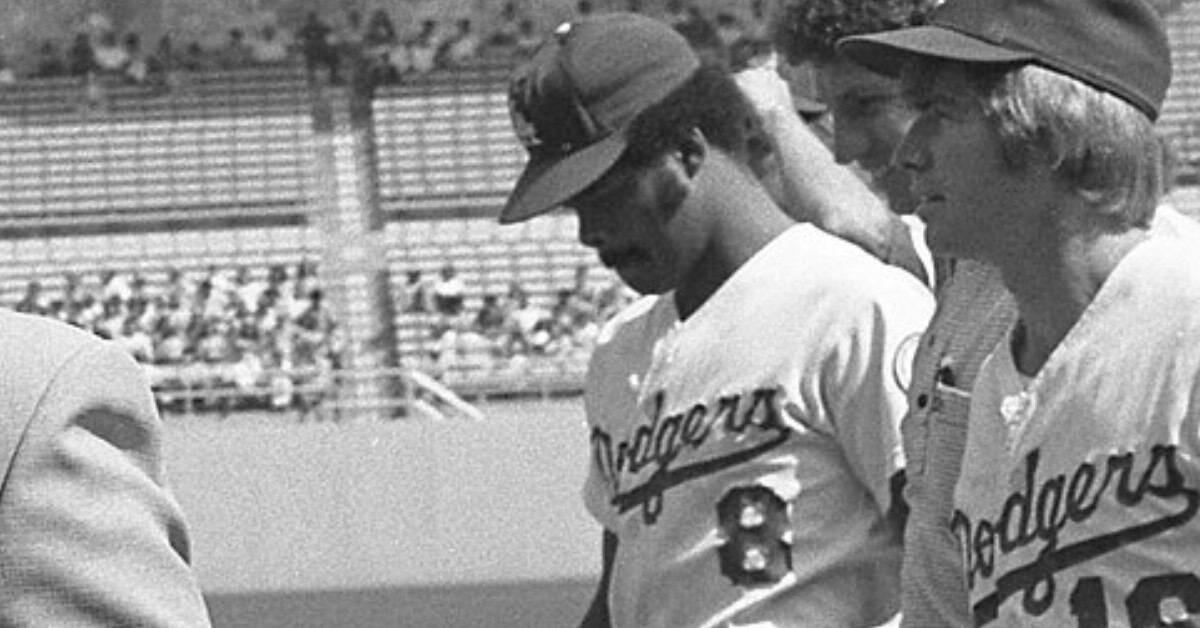
I know there are Reggie Smith believers out there. I've heard before that he has been criminally underrated for his powerful career. Smith is a multi-time All-Star for three different franchises. His time with the Dodgers toward the end of his career actually might be his best.
He was a hitter who could flat-out get on base while also hitting for some power. His OPS+ in his six years with the Dodgers was an astounding 152. If that is too small a sample size, his career OPS+ is 137. That is a Hall of Fame-level offensive career.
| Reggie Smith — Career | Total |
|---|---|
| G | 1987 |
| AB | 7033 |
| H | 2020 |
| HR | 314 |
| RBI | 1092 |
| SB | 137 |
| AVG | .287 |
| OBP | .366 |
| SLG | .489 |
| OPS | .855 |
| All-Star selections | 7 |
| Gold Gloves | 1 |
| World Series titles | 1 |
9. Jim Gilliam: Junior’s Legacy Lives Beyond the Numbers
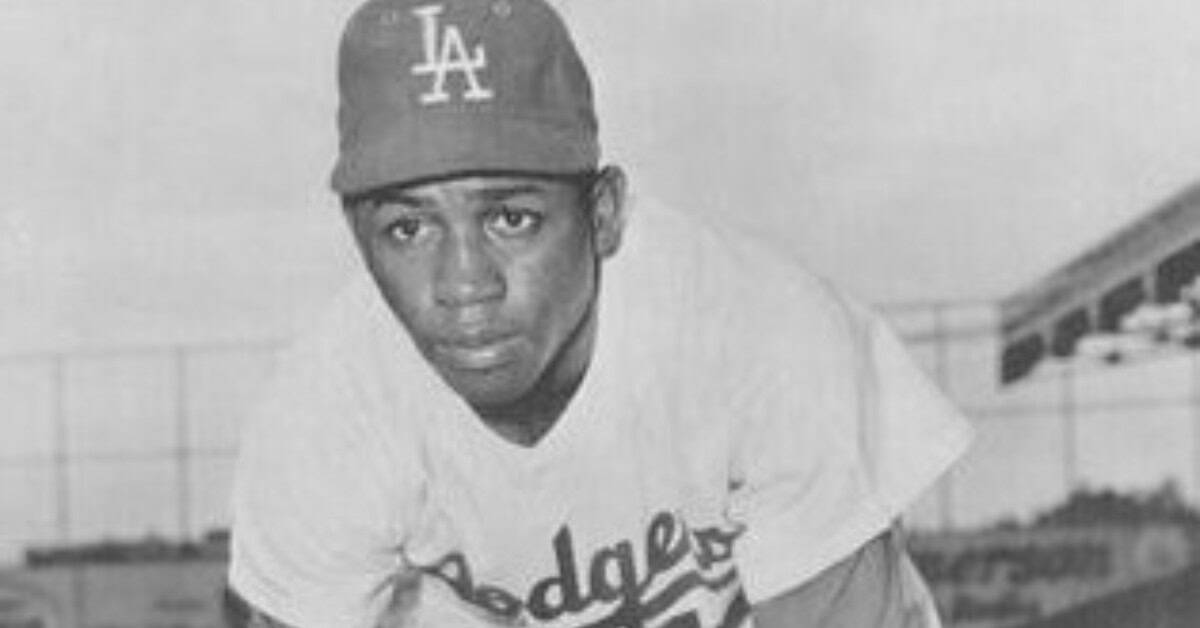
One of the rare retired numbers that you'll find at Dodger Stadium who is not in the Hall of Fame, Jim Gilliam's impact goes beyond his play. He took on the enormous task of taking over second base for Jackie Robinson, who was moving over to other positions at the end of his career.
"Junior" also carried on Robinson's mantle as a trailblazer who came over from the Negro Leagues. He played for 17 years and coached for more, all for the Dodgers, until his tragic passing.
| Jim Gilliam — Career | Total |
|---|---|
| G | 2095 |
| AB | 7600 |
| H | 2021 |
| HR | 65 |
| RBI | 624 |
| SB | 219 |
| AVG | .266 |
| OBP | .360 |
| SLG | .355 |
| OPS | .715 |
| All-Star selections | 2 |
| World Series titles | 4 |
8. Mike Marshall: The Doctor Who Revolutionized Relief Pitching
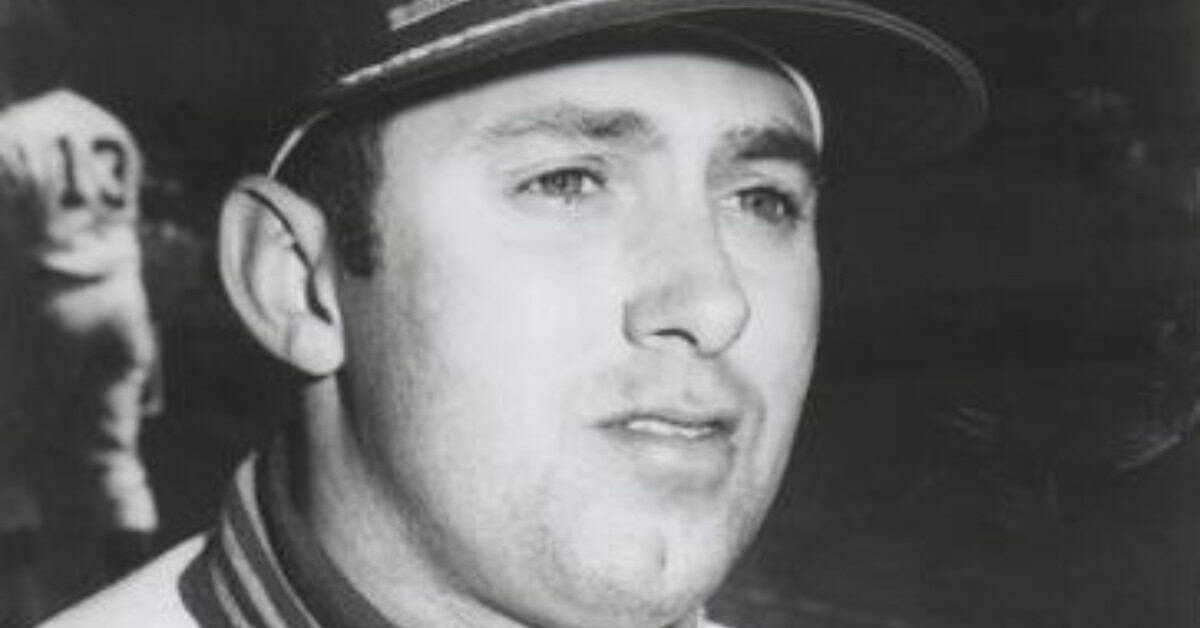
Funny enough, there are a couple of Mike Marshalls that we can celebrate here, but we'll focus on the former Cy Young Award winner in 1974. The Dodgers have a long history of great relievers, and Marshall earned his Cy Young Award after appearing in 106 games in a season. His revolutionary approach to pitching conserved his arm and enabled him to take the mound daily.
| Mike Marshall — Career | Total |
|---|---|
| W | 97 |
| L | 112 |
| ERA | 3.14 |
| G | 722 |
| IP | 1386.2 |
| SO | 880 |
| WHIP | 1.29 |
| SV | 188 |
| Cy Young | 1 |
| All-Star selections | 2 |
7. Pedro Guerrero: The Best Bat Nobody Remembers
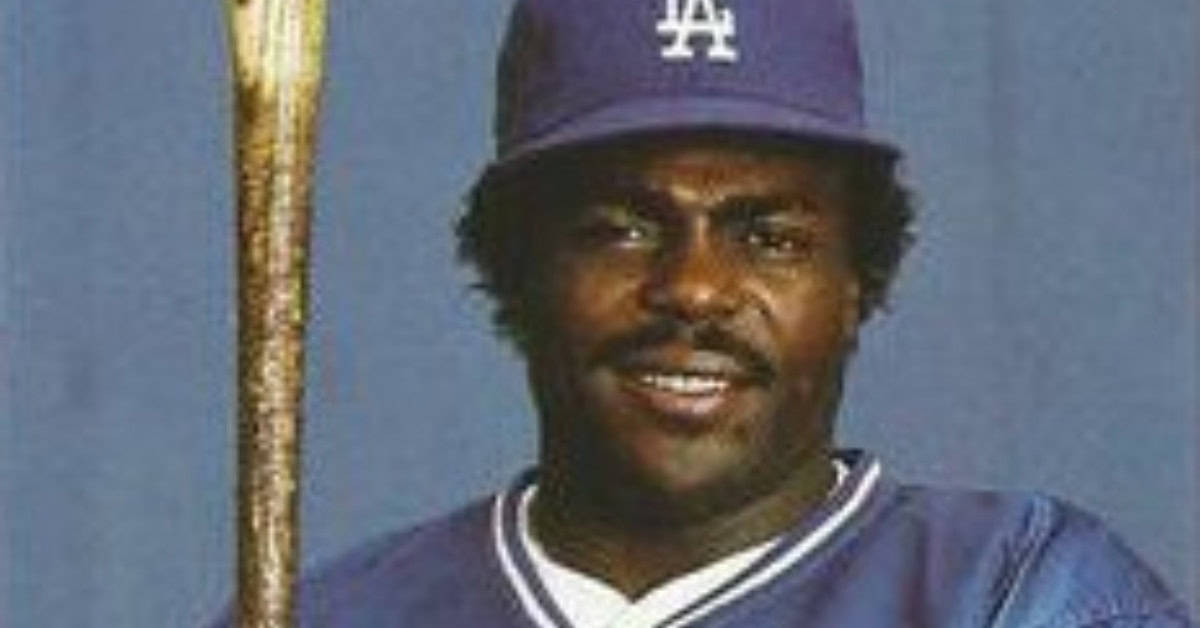
For all that hype I gave Reggie Smith earlier, I have to give similar hype to Pedro Guerrero here. He was tasked with replacing Smith when Smith was dealing with an arm injury one year. All Guerrero did in 1980 was become an All-Star. From there, he became one of the premier hitters in the Dodger lineup.
There were a couple of years where he just couldn't stay on the field due to injuries. But he sure made an impact. A career .300 hitter with an identical 137 career OPS+ to the aforementioned Smith. Guerrero is way too underrated.
| Pedro Guerrero — Career | Total |
|---|---|
| G | 1536 |
| AB | 5392 |
| H | 1618 |
| HR | 215 |
| RBI | 898 |
| SB | 97 |
| AVG | .300 |
| OBP | .370 |
| SLG | .480 |
| OPS | .850 |
| All-Star selections | 5 |
| Silver Sluggers | 1 |
| World Series titles | 1 |
6. Steve Garvey: Mr. Clean’s Quest for Cooperstown
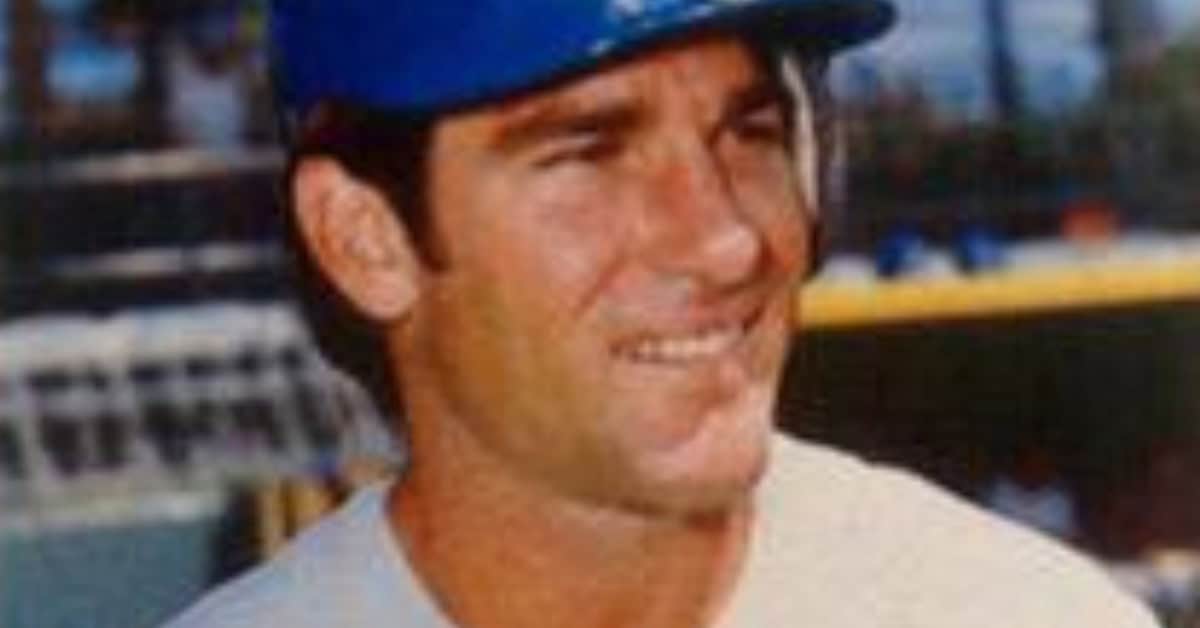
"Mr. Clean" is an obvious pick for this list. There have been many fans from that era who watched Steve Garvey and find it absolutely mind-boggling that he is not in the Hall of Fame. 10 times an all-star, four Gold Gloves, an MVP, a World Series ring, and a Roberto Clemente Award. There are no other accolades that Steve Garvey needs to be considered a Cooperstown member.
| Steve Garvey — Career | Total |
|---|---|
| G | 2332 |
| AB | 8835 |
| H | 2599 |
| HR | 272 |
| RBI | 1308 |
| SB | 83 |
| AVG | .294 |
| OBP | .329 |
| SLG | .446 |
| OPS | .775 |
| MVP | 1 |
| All-Star selections | 10 |
| Gold Gloves | 4 |
| World Series titles | 1 |
5. Orel Hershiser: The Bulldog Who Broke Records
One of the greatest playoff runs from a pitcher that baseball has ever seen, Orel Hershiser will be forever loved in Los Angeles. "Bulldog" helped make 1988 truly magical, and it was a year that Dodger fans had to cherish for decades before the franchise birthed a dynasty in the 2020s. He is not only an NLCS MVP and a World Series MVP, but also an MVP for the city of Los Angeles.
| Orel Hershiser — Career | Total |
|---|---|
| W | 204 |
| L | 150 |
| ERA | 3.48 |
| G | 510 |
| IP | 3130.1 |
| SO | 2014 |
| WHIP | 1.26 |
| SV | 5 |
| Cy Young | 1 |
| All-Star selections | 3 |
| Gold Gloves | 1 |
| Silver Sluggers | 1 |
| World Series titles | 1 |
4. Ron Cey: The Penguin Who Waddled Into Dodger History
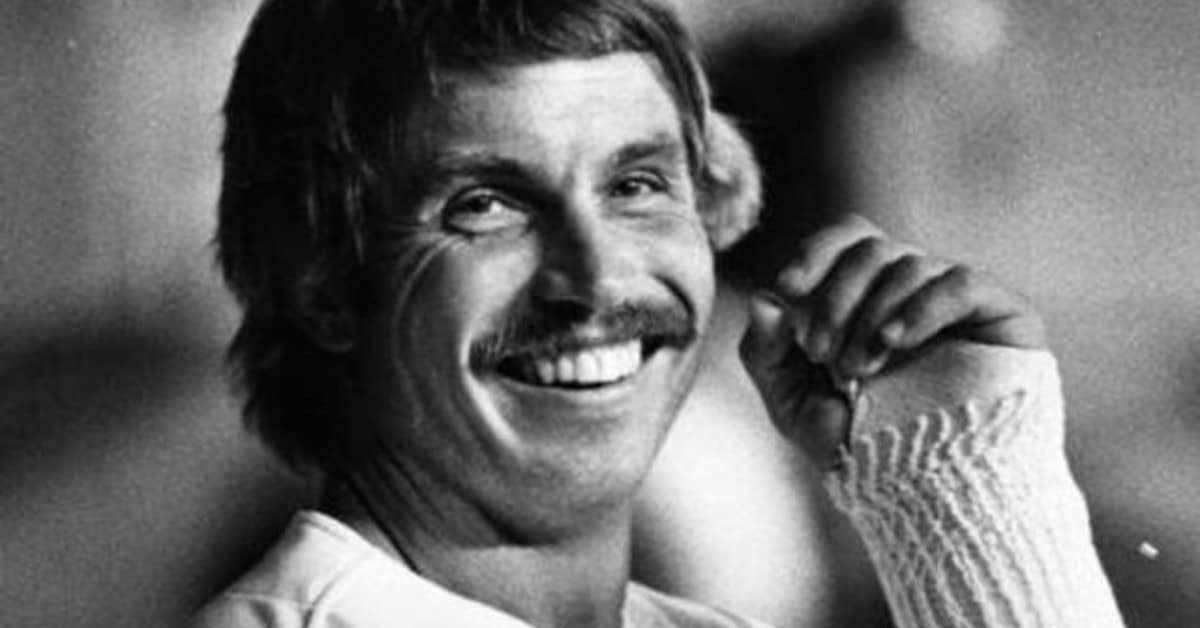
I recently watched a video of baseball content creators who, let's just say, are too young to remember the 1981 World Series. They had to answer a trivia question about how many times the World Series MVP was shared. They went through the answer after getting it wrong and said, "There were actually three MVPs. One of them was named Ron… See?"
I had to turn it off because that is one of the most iconic Dodger third basemen in history that they were talking about. "The Penguin" certainly earns his place in Dodger history.
| Ron Cey — Career | Total |
|---|---|
| G | 2073 |
| AB | 7162 |
| H | 1868 |
| HR | 316 |
| RBI | 1139 |
| SB | 24 |
| AVG | .261 |
| OBP | .354 |
| SLG | .445 |
| OPS | .799 |
| All-Star selections | 6 |
| World Series titles | 1 |
3. Tommy John: The Surgery That Changed Baseball Forever

I always like to point out to people who say Tommy John is just known for his surgery that it wouldn't be that well known if it didn't work. For Tommy, it definitely did work. I think we forget that he already had a 12-year career under his belt.
Then he had surgery in 1975 and pitched all the way until his retirement in 1989, at 46 years old. That's how well that surgery worked. That's also how good a pitcher Tommy John was.
| Tommy John — Career | Total |
|---|---|
| W | 288 |
| L | 231 |
| ERA | 3.34 |
| G | 760 |
| IP | 4710.1 |
| SO | 2245 |
| WHIP | 1.28 |
| SV | 4 |
| All-Star selections | 4 |
2. Maury Wills: The Man Who Stole Baseball’s Speed Record
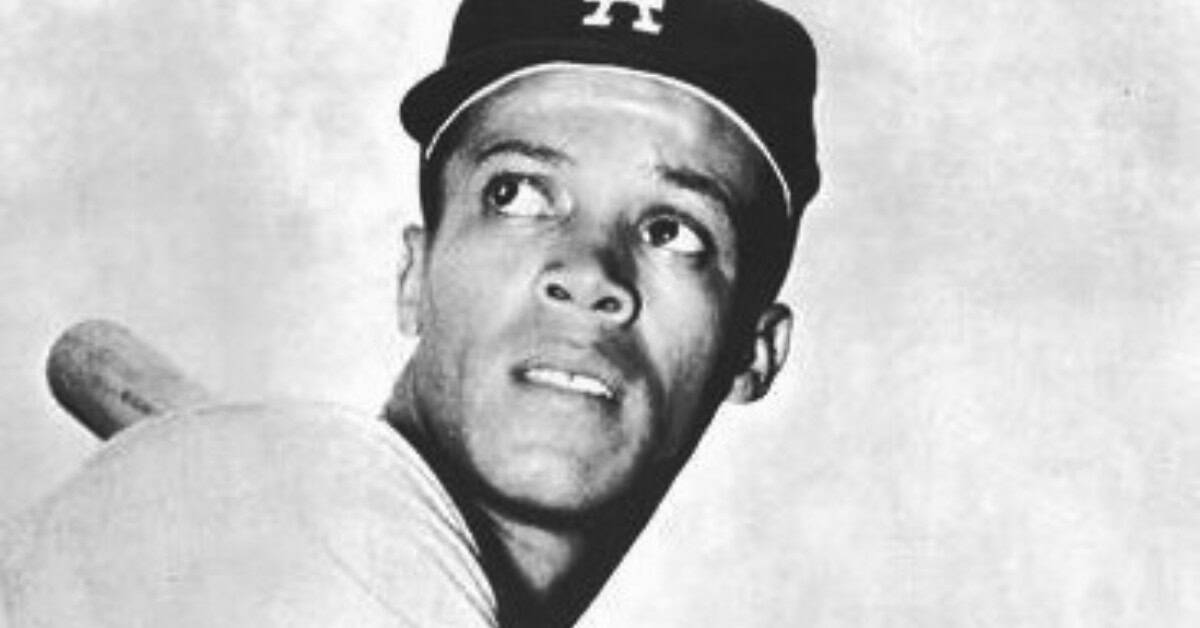
At one point, he was the fastest man baseball had ever seen. Maury Wills stole 104 bases on his way to MVP recognition in that World Series-winning 1962 season.
I personally love to watch speedsters in baseball. So if I were around to catch a game in person at that time, Maury Wills would have easily been my favorite player. Out of his 586 career stolen bases, 490 of them were as a Dodger.
| Maury Wills — Career | Total |
|---|---|
| G | 1942 |
| AB | 7588 |
| H | 2134 |
| HR | 20 |
| RBI | 458 |
| SB | 586 |
| AVG | .281 |
| OBP | .330 |
| SLG | .331 |
| OPS | .661 |
| MVP | 1 |
| All-Star selections | 7 |
| Gold Gloves | 2 |
| World Series titles | 3 |
1. Fernando Valenzuela: The Man Who Made Los Angeles Believe

We all know of Jackie Robinson's impact on Dodger baseball and baseball in general. But if Angelenos were asked to pick one player who had the biggest impact on the franchise after Jackie, I think a lot of them would say it's Fernando Valenzuela. Not many outside of Southern California are aware of the tensions that formed between the Mexican community and the Dodgers after the stadium displaced a large number of families in that community.
"Fernandomania" was a massive help in repairing severed connections. If you go to a random game at Dodger Stadium today, you'll see the Mexican culture shared throughout the ballpark, including a grand mural of the legendary Fernando who made it all happen.
| Fernando Valenzuela — Career | Total |
|---|---|
| W | 173 |
| L | 153 |
| ERA | 3.54 |
| G | 453 |
| IP | 2930.0 |
| SO | 2074 |
| WHIP | 1.32 |
| SV | 2 |
| Cy Young | 1 |
| All-Star selections | 6 |
| Gold Gloves | 1 |
| Silver Sluggers | 2 |
| World Series titles | 1 |