
Last Updated: June 17th, 2026 by Michael Schatz
The 1950s represented a golden era for first basemen in Major League Baseball. From powerful sluggers to defensive wizards, these athletes defined excellence at one of baseball’s most crucial positions. Journey back to a time when the crack of wooden bats and the roar of passionate crowds echoed through America’s beloved ballparks.
Don't lose this article. Enter your email below, and I'll send it to you right now. Plus, we'll send you other unbelievable stories from baseball's past.
20. Harry Agganis: The Golden Greek’s Brief Brilliance
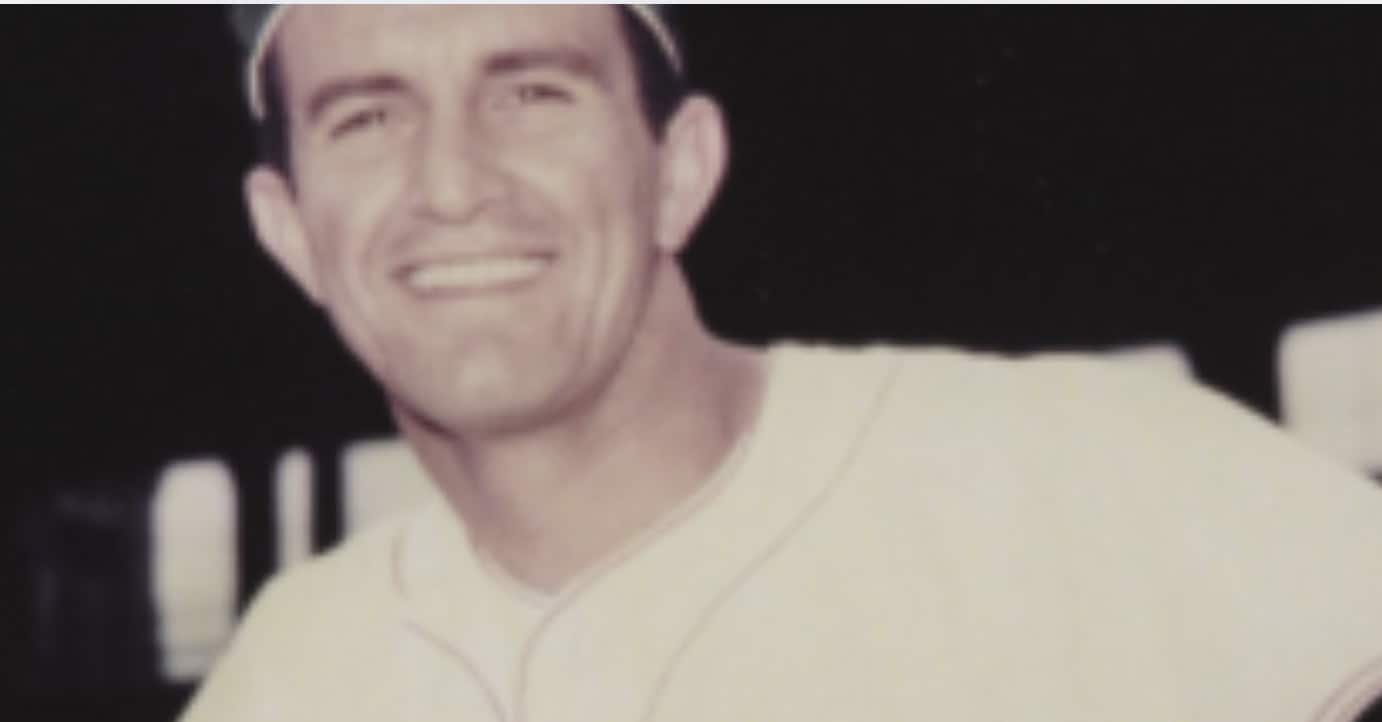
Harry “The Golden Greek” Agganis’s promising career was tragically cut short by his untimely death in 1955. In his brief time with the Red Sox, he showed tremendous potential both at the plate and in the field. His .313 batting average in 1954 hinted at the stellar career that might have been.
| Harry Agganis — Career | Total |
|---|---|
| G | 157 |
| AB | 517 |
| H | 135 |
| HR | 11 |
| RBI | 67 |
| SB | 8 |
| AVG | .261 |
| OBP | .331 |
| SLG | .404 |
| OPS | .735 |
19. Dee Fondy: Chicago’s Consistent Contributor

Dee Fondy provided steady production for the Cubs throughout the early 1950s. His best season came in 1953 when he hit .309 with 64 RBIs. Fondy’s consistent bat and reliable glove work made him a valuable member of the Cubs’ lineup during challenging years.
| Dee Fondy — Career | Total |
|---|---|
| G | 967 |
| AB | 3502 |
| H | 1000 |
| HR | 69 |
| RBI | 373 |
| SB | 84 |
| AVG | .286 |
| OBP | .324 |
| SLG | .413 |
| OPS | .737 |
18. Frank Kellert: The Pirates’ Power Source
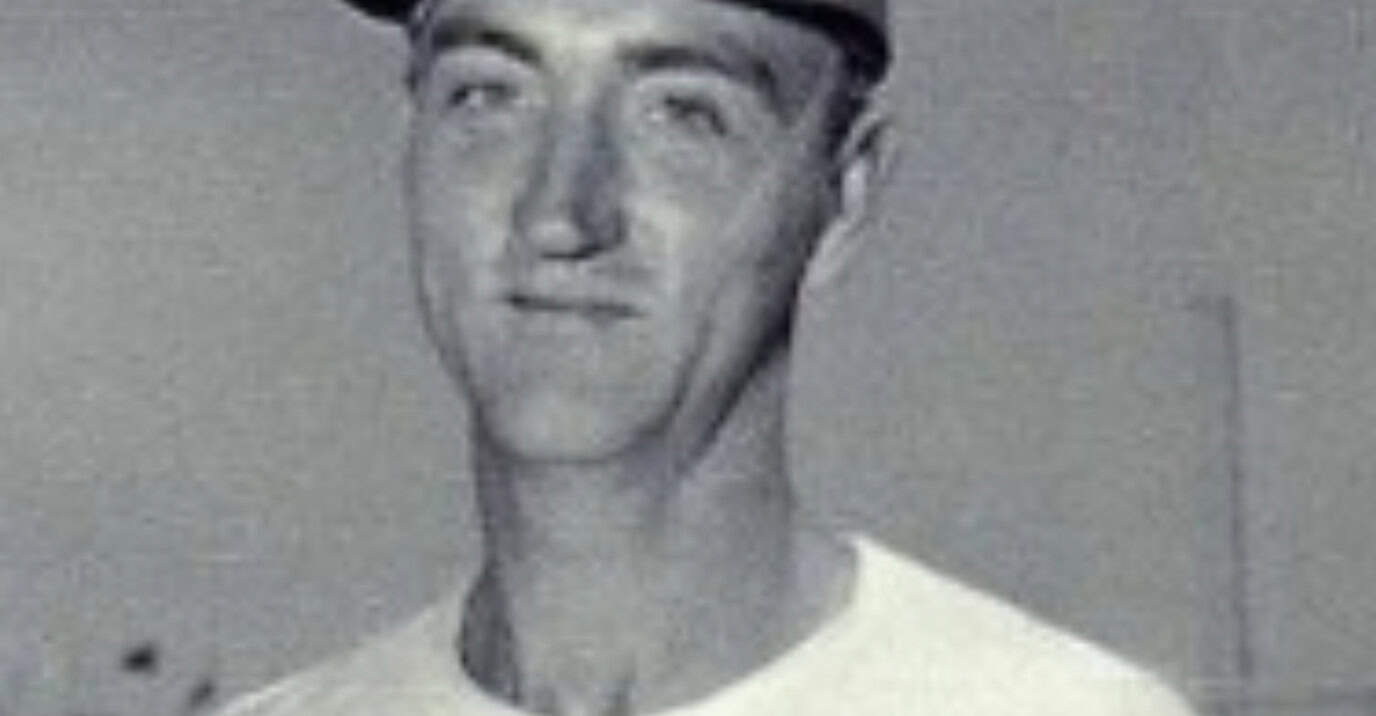
Frank Kellert provided solid production during his brief major league career in the mid-1950s. Though his time in the majors was limited, he showed promise with his power potential and defensive ability. His contributions helped strengthen the Pirates’ roster during their rebuilding years.
17. Dick Stuart: Dr. Strangeglove’s Early Days

Despite his notorious fielding struggles that earned him the nickname “Dr. Strangeglove,” Stuart’s powerful bat made him a valuable player. He debuted late in the decade but made an immediate impact with his prodigious power, setting the stage for his 1960s success.
| Dick Stuart — Career | Total |
|---|---|
| G | 1112 |
| AB | 3997 |
| H | 1055 |
| HR | 228 |
| RBI | 743 |
| SB | 2 |
| AVG | .264 |
| OBP | .316 |
| SLG | .489 |
| OPS | .805 |
| All-Star selections | 1 |
| World Series titles | 1 |
16. Joe Adcock: Milwaukee’s Slugging Star
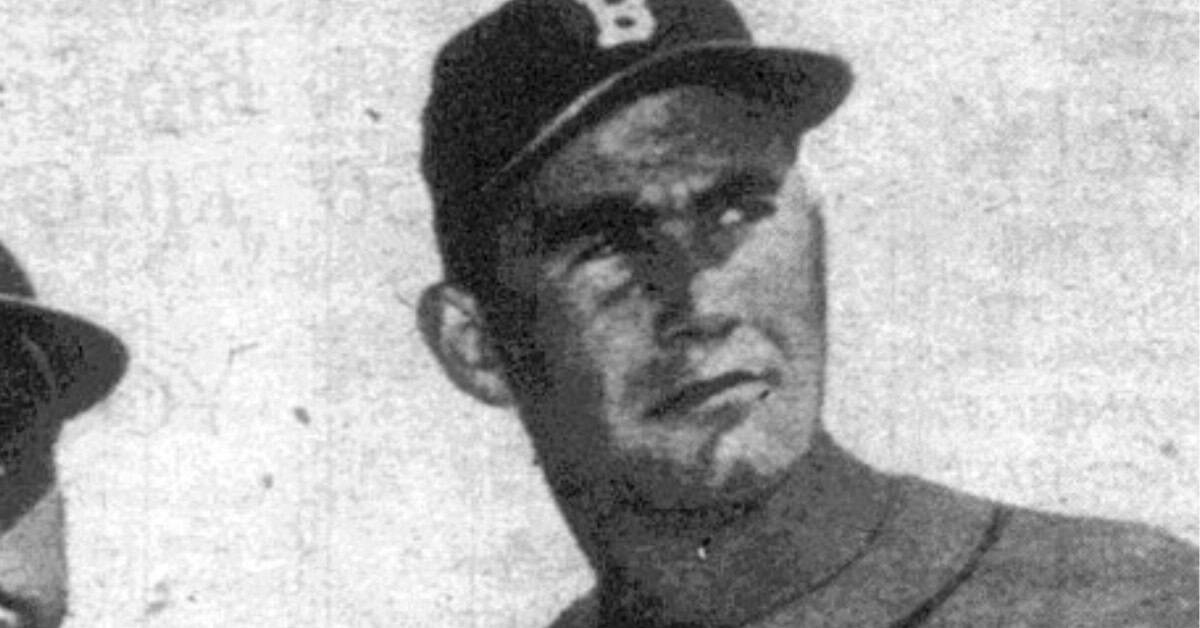
Joe Adcock’s power hitting made him a feared slugger for the Milwaukee Braves. He hit four home runs in one game in 1954, and famously broke up Harvey Haddix’s perfect game bid in the 13th inning. His consistent power hitting helped the Braves capture the 1957 World Series.
| Joe Adcock — Career | Total |
|---|---|
| G | 1959 |
| AB | 6606 |
| H | 1832 |
| HR | 336 |
| RBI | 1122 |
| SB | 20 |
| AVG | .277 |
| OBP | .337 |
| SLG | .485 |
| OPS | .822 |
| All-Star selections | 1 |
| World Series titles | 1 |
15. Bill Skowron: The Moose of the Bronx
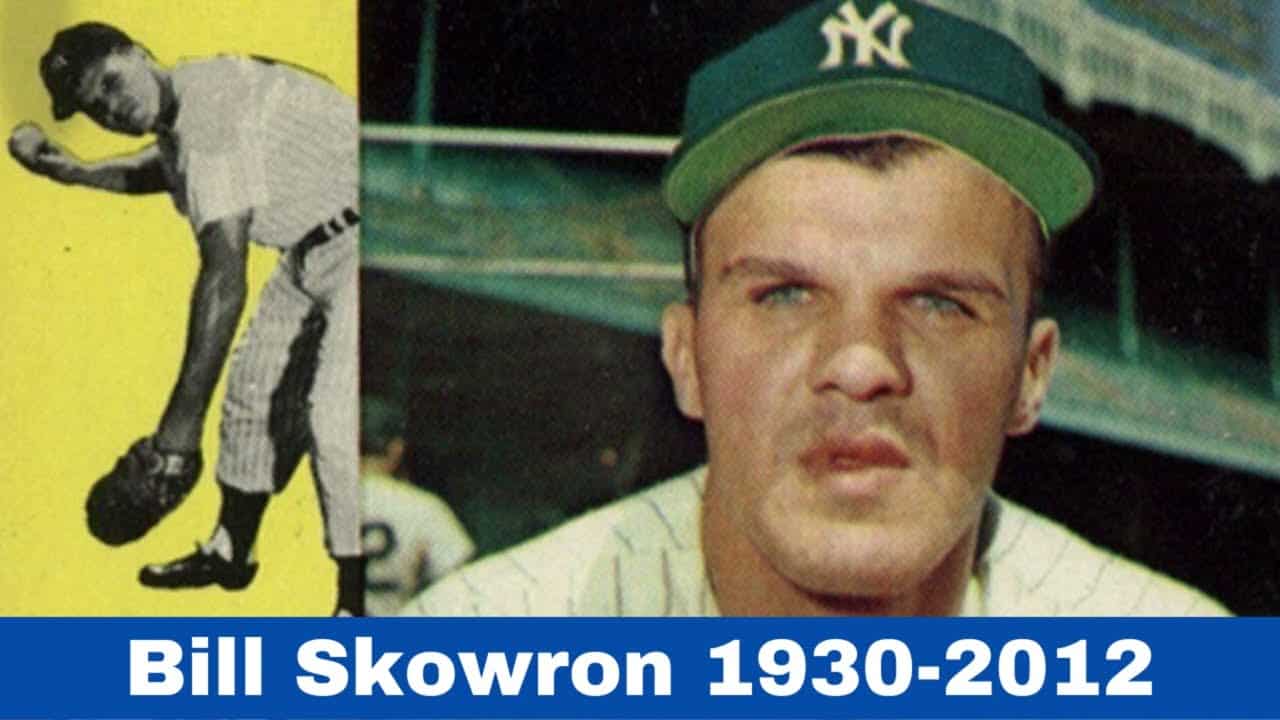
Bill “Moose” Skowron emerged as a key player for the Yankees in the latter half of the 1950s. His powerful right-handed bat and solid defense helped New York maintain their dynasty. Skowron earned five All-Star selections and was particularly effective in World Series play.
| Bill Skowron — Career | Total |
|---|---|
| G | 1658 |
| AB | 5547 |
| H | 1566 |
| HR | 211 |
| RBI | 888 |
| SB | 16 |
| AVG | .282 |
| OBP | .332 |
| SLG | .459 |
| OPS | .791 |
| All-Star selections | 6 |
| World Series titles | 5 |
14. Pete Runnels: Cincinnati’s Reliable Rock
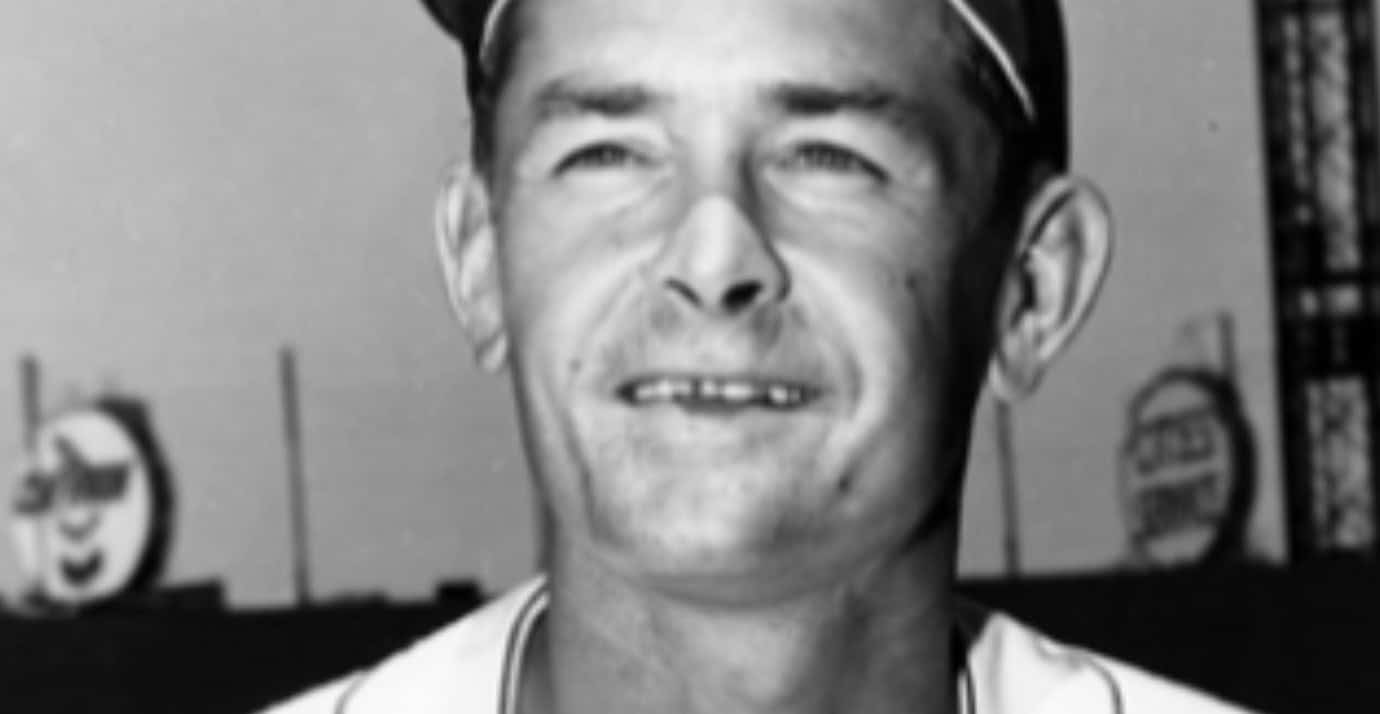
Though known for his years with the Washington Senators, Red Sox, and Colt .45s, Pete Runnels eventually joined the Cincinnati Reds in 1963, well after his early 1950s success. Throughout the decade, he proved his value with consistent hitting—finishing with a .291 career average—and dependable defense at first base and second base. Although not linked to the Reds in the early ’50s, Runnels’ reliability throughout his career is widely recognized, and he would go on to earn two AL batting titles later in his playing days.
13. Vic Power: The Defensive Wizard
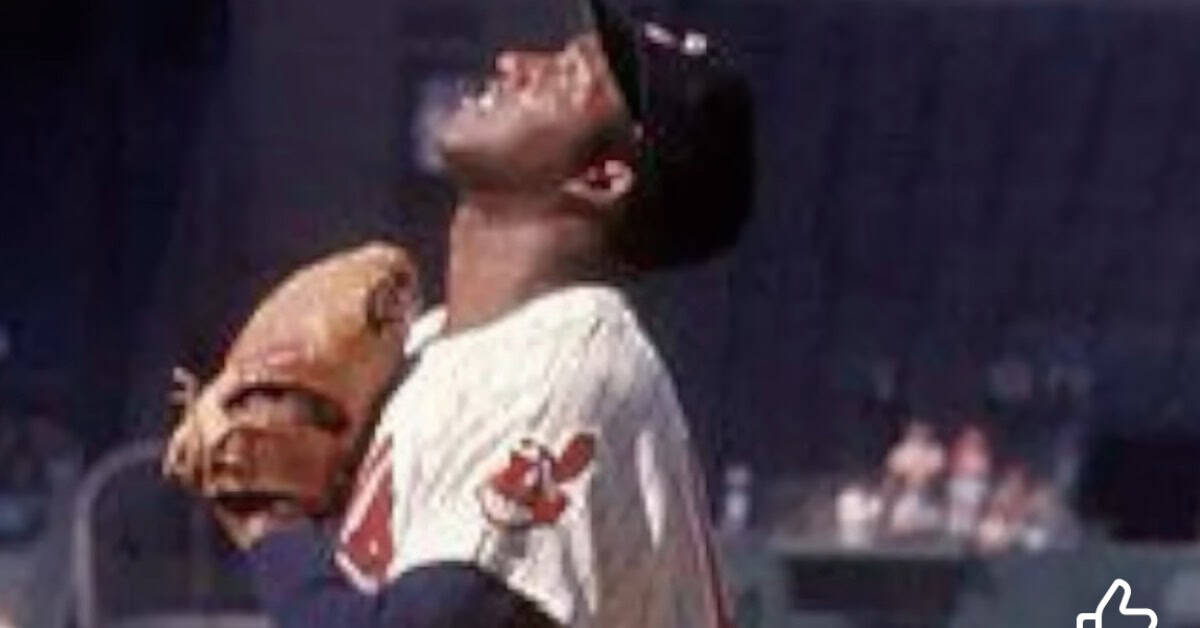
Vic Power revolutionized first base defense with his one-handed catching style and exceptional range. A seven-time Gold Glove winner, Power combined spectacular fielding with a solid batting average. His innovative defensive techniques influenced generations of first basemen who followed.
| Vic Power — Career | Total |
|---|---|
| G | 1627 |
| AB | 6046 |
| H | 1716 |
| HR | 126 |
| RBI | 658 |
| SB | 45 |
| AVG | .284 |
| OBP | .315 |
| SLG | .411 |
| OPS | .726 |
| All-Star selections | 4 |
| Gold Gloves | 7 |
12. George Crowe: Breaking Barriers at First

George Crowe was one of the pioneering African American players in MLB, making his mark with the Cincinnati Reds. His best season came in 1957, when he hit .271 with 31 home runs and earned an All-Star selection. Crowe’s powerful bat and defensive skills helped pave the way for future generations.
| George Crowe — Career | Total |
|---|---|
| G | 748 |
| AB | 1878 |
| H | 516 |
| HR | 86 |
| RBI | 332 |
| SB | 4 |
| AVG | .275 |
| OBP | .337 |
| SLG | .472 |
| OPS | .809 |
| All-Star selections | 1 |
11. Eddie Robinson: The Four-Time All-Star
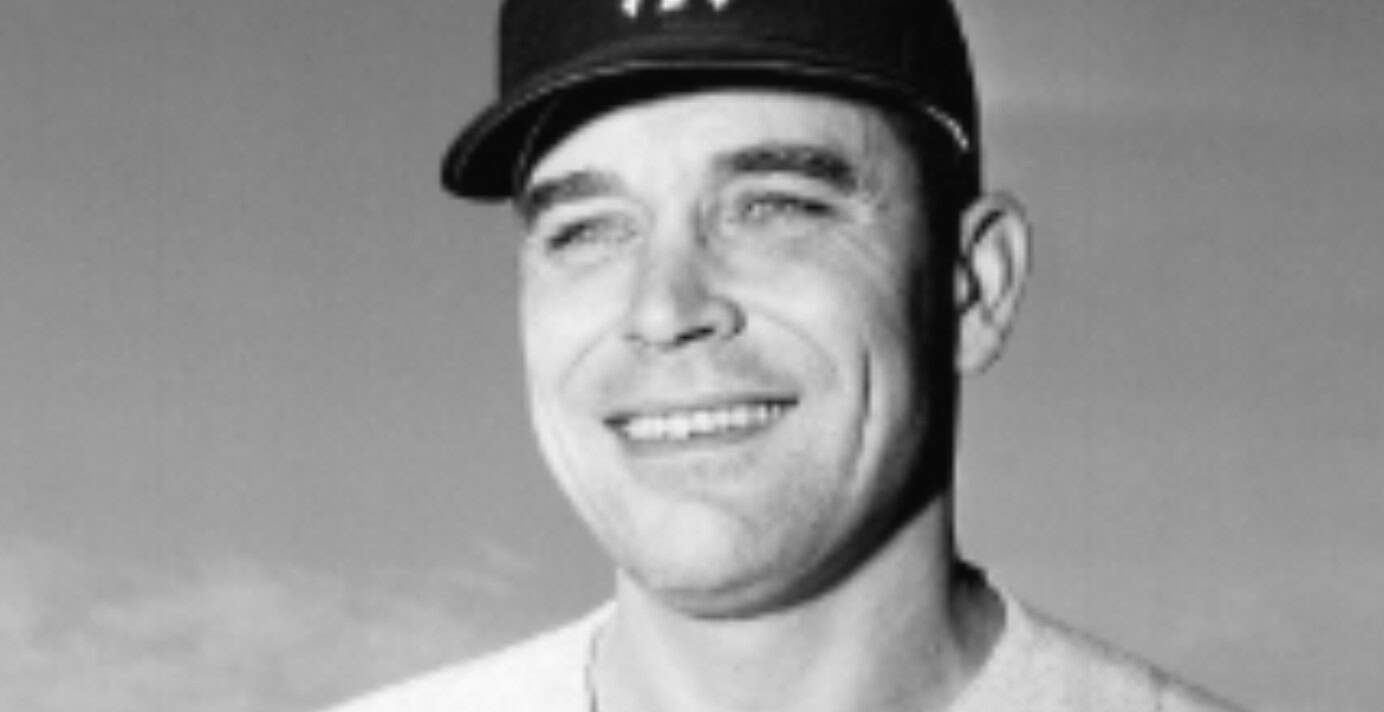
Eddie Robinson’s consistent play earned him four All-Star selections during his career. His best season came in 1951 with the White Sox, when he hit .282 with 29 home runs and 117 RBIs. Robinson’s steady presence at first base and reliable bat made him a valuable asset for multiple teams throughout the decade.
| Eddie Robinson — Career | Total |
|---|---|
| G | 1315 |
| AB | 4282 |
| H | 1146 |
| HR | 172 |
| RBI | 723 |
| SB | 10 |
| AVG | .268 |
| OBP | .353 |
| SLG | .440 |
| OPS | .793 |
| All-Star selections | 4 |
| World Series titles | 1 |
10. Walt Dropo: The Big Moose from Moosup
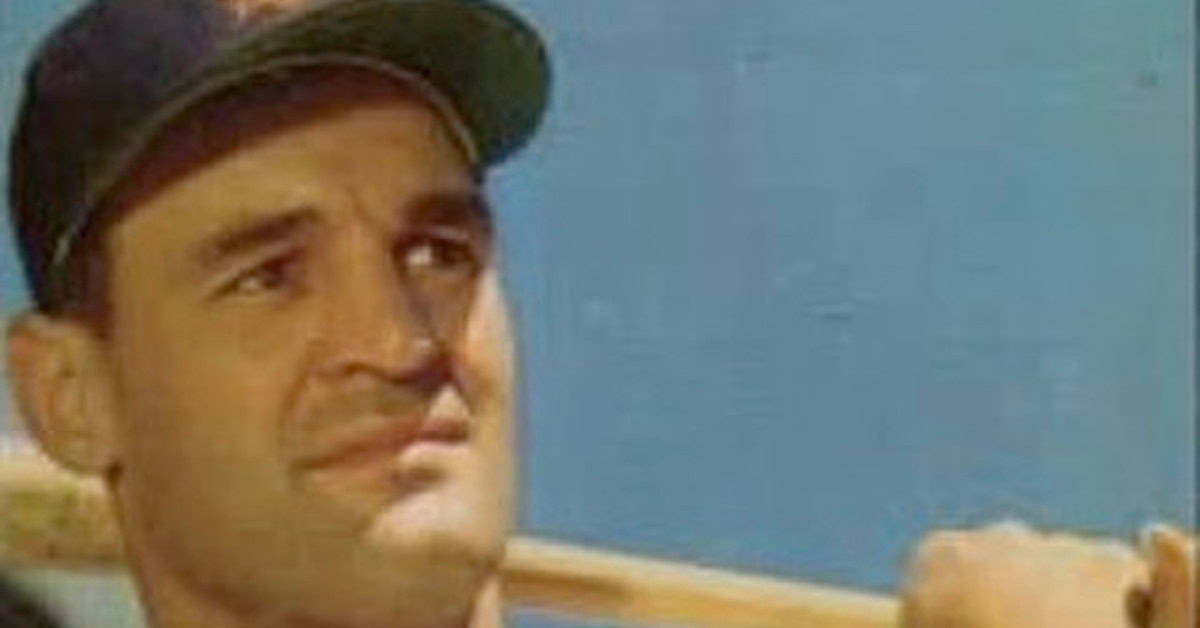
After his sensational 1950 Rookie of the Year campaign with the Red Sox, Dropo continued to provide solid production throughout the decade. His 6’5″ frame earned him his nickname, while his powerful right-handed bat made him a feared slugger. In 1952, he tied an American League record with hits in 12 consecutive at-bats.
| Walt Dropo — Career | Total |
|---|---|
| G | 1288 |
| AB | 4124 |
| H | 1113 |
| HR | 152 |
| RBI | 704 |
| SB | 5 |
| AVG | .270 |
| OBP | .326 |
| SLG | .432 |
| OPS | .758 |
| All-Star selections | 1 |
| Rookie of the Year | 1 |
9. Dale Long: The Home Run Record Setter
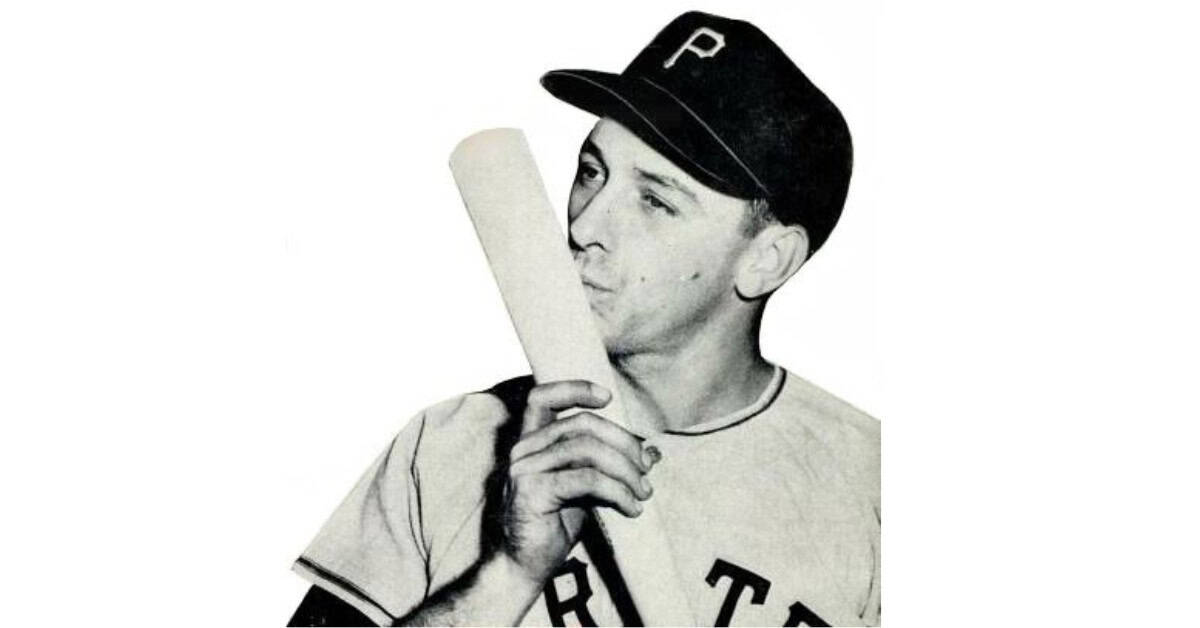
In 1956, Dale Long set a major league record by hitting home runs in eight consecutive games for the Pittsburgh Pirates. His left-handed power stroke was perfectly suited for Forbes Field’s short right-field porch. Long earned an All-Star selection that year and finished with 27 home runs for the season.
| Dale Long — Career | Total |
|---|---|
| G | 1014 |
| AB | 3020 |
| H | 805 |
| HR | 132 |
| RBI | 467 |
| SB | 10 |
| AVG | .267 |
| OBP | .341 |
| SLG | .464 |
| OPS | .805 |
| All-Star selections | 1 |
| World Series titles | 1 |
8. Earl Torgeson: Boston’s “Earl of Snohomish”

Known for his aggressive baserunning unusual for a first baseman, Torgeson stole 133 bases during his career. His versatility and speed made him a unique threat in the 1950s, playing key roles for the Braves, Tigers, and White Sox. The “Earl of Snohomish” was particularly effective during the 1950 season, batting .290 with 87 RBIs.
| Earl Torgeson — Career | Total |
|---|---|
| G | 1668 |
| AB | 4969 |
| H | 1318 |
| HR | 149 |
| RBI | 740 |
| SB | 133 |
| AVG | .265 |
| OBP | .385 |
| SLG | .417 |
| OPS | .802 |
7. Joe Collins: The Yankees’ Steady Hand
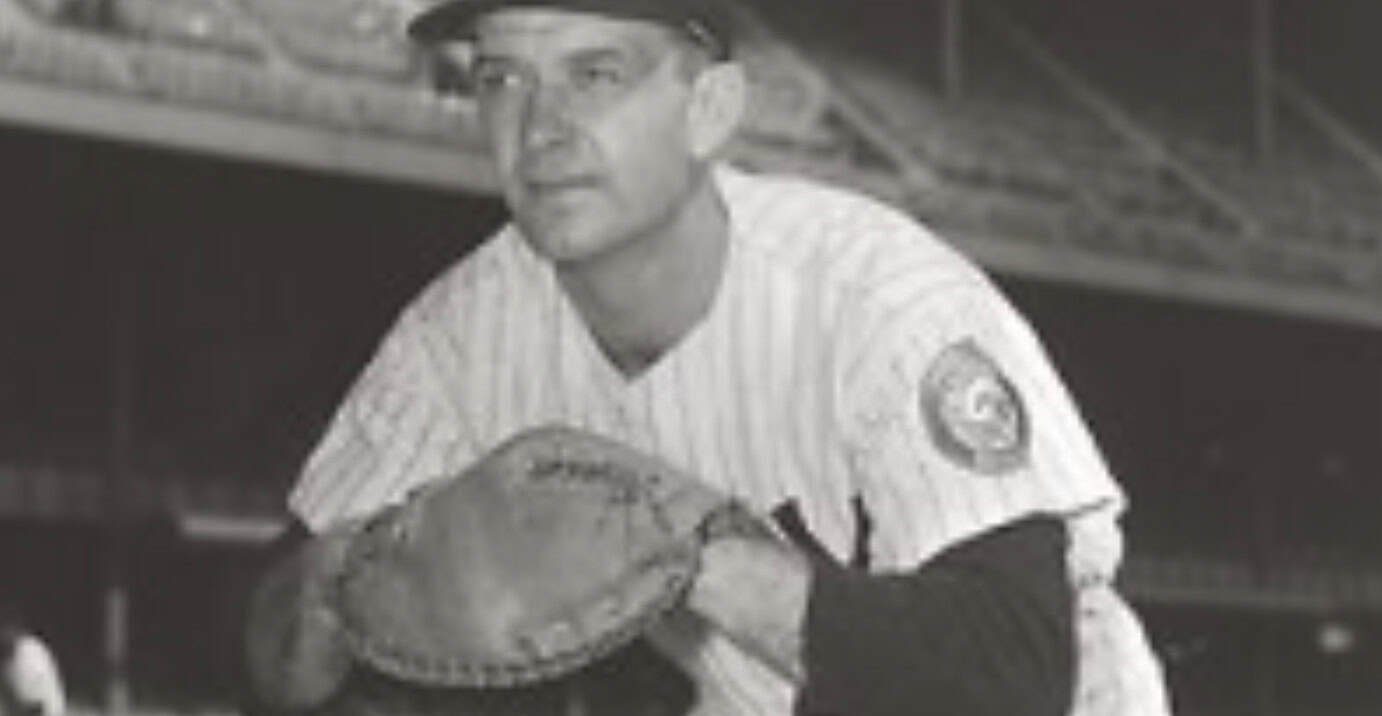
Joe Collins played a crucial role in the Yankees’ dynasty of the 1950s, participating in five World Series championships. His left-handed bat and reliable glove work made him an invaluable platoon player during New York’s dominant run. Collins’s clutch hitting in the 1955 World Series remains a highlight of his career.
| Joe Collins — Career | Total |
|---|---|
| G | 908 |
| AB | 2329 |
| H | 596 |
| HR | 86 |
| RBI | 329 |
| SB | 27 |
| AVG | .256 |
| OBP | .350 |
| SLG | .421 |
| OPS | .771 |
| World Series titles | 5 |
6. Roy Sievers: St. Louis’s Rookie Sensation

After winning Rookie of the Year in 1949, Sievers overcame a potentially career-ending arm injury to become one of the decade’s most reliable power hitters. His remarkable comeback included leading the American League with 42 home runs and 114 RBIs in 1957. His determination and powerful swing made him a fan favorite throughout the 1950s.
| Roy Sievers — Career | Total |
|---|---|
| G | 1887 |
| AB | 6387 |
| H | 1703 |
| HR | 318 |
| RBI | 1147 |
| SB | 14 |
| AVG | .267 |
| OBP | .354 |
| SLG | .475 |
| OPS | .829 |
| All-Star selections | 4 |
| Rookie of the Year | 1 |
5. Ferris Fain: The Forgotten Batting Champion
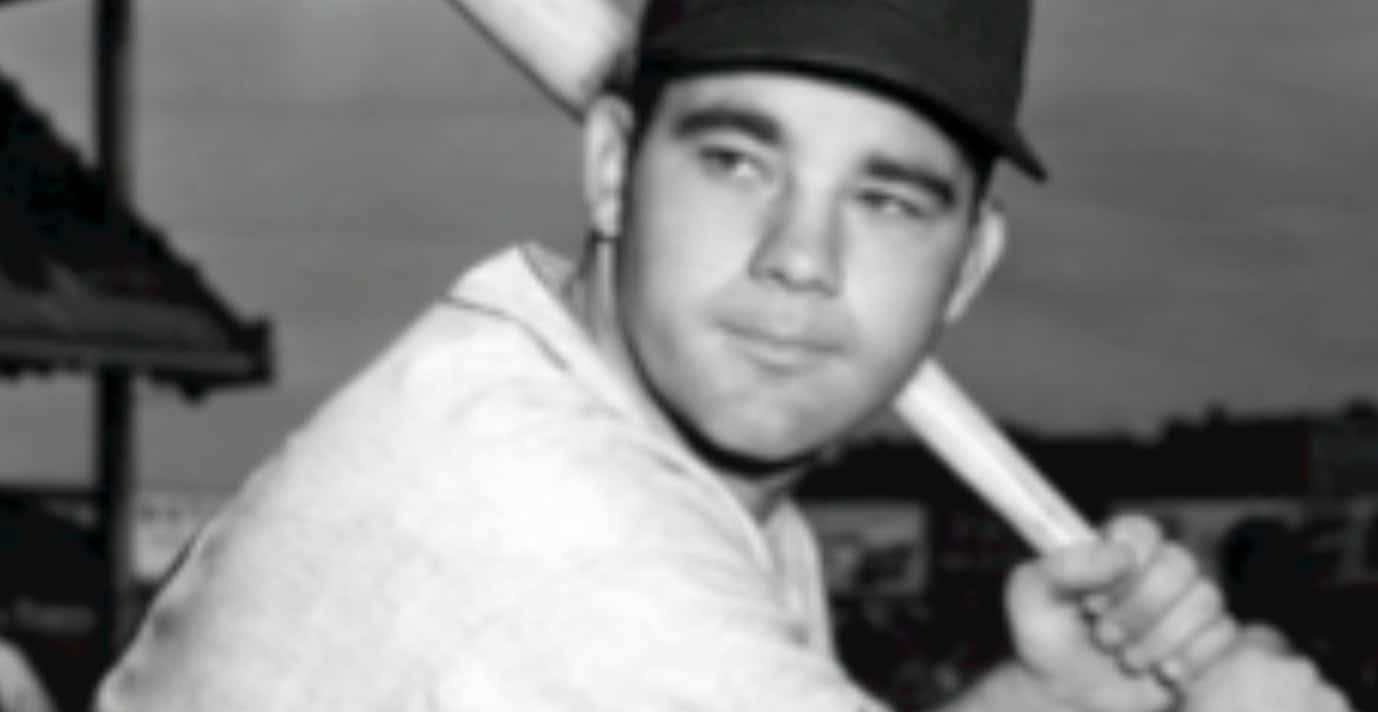
Ferris Fain’s remarkable achievements often go overlooked in baseball history. He won back-to-back American League batting titles in 1951 (.344) and 1952 (.327) while playing for the Philadelphia Athletics. His exceptional eye at the plate and stellar defense earned him five All-Star selections during his career.
| Ferris Fain — Career | Total |
|---|---|
| G | 1151 |
| AB | 3930 |
| H | 1139 |
| HR | 48 |
| RBI | 570 |
| SB | 46 |
| AVG | .290 |
| OBP | .424 |
| SLG | .396 |
| OPS | .820 |
| All-Star selections | 5 |
4. Mickey Vernon: The Smooth-Fielding Gentleman
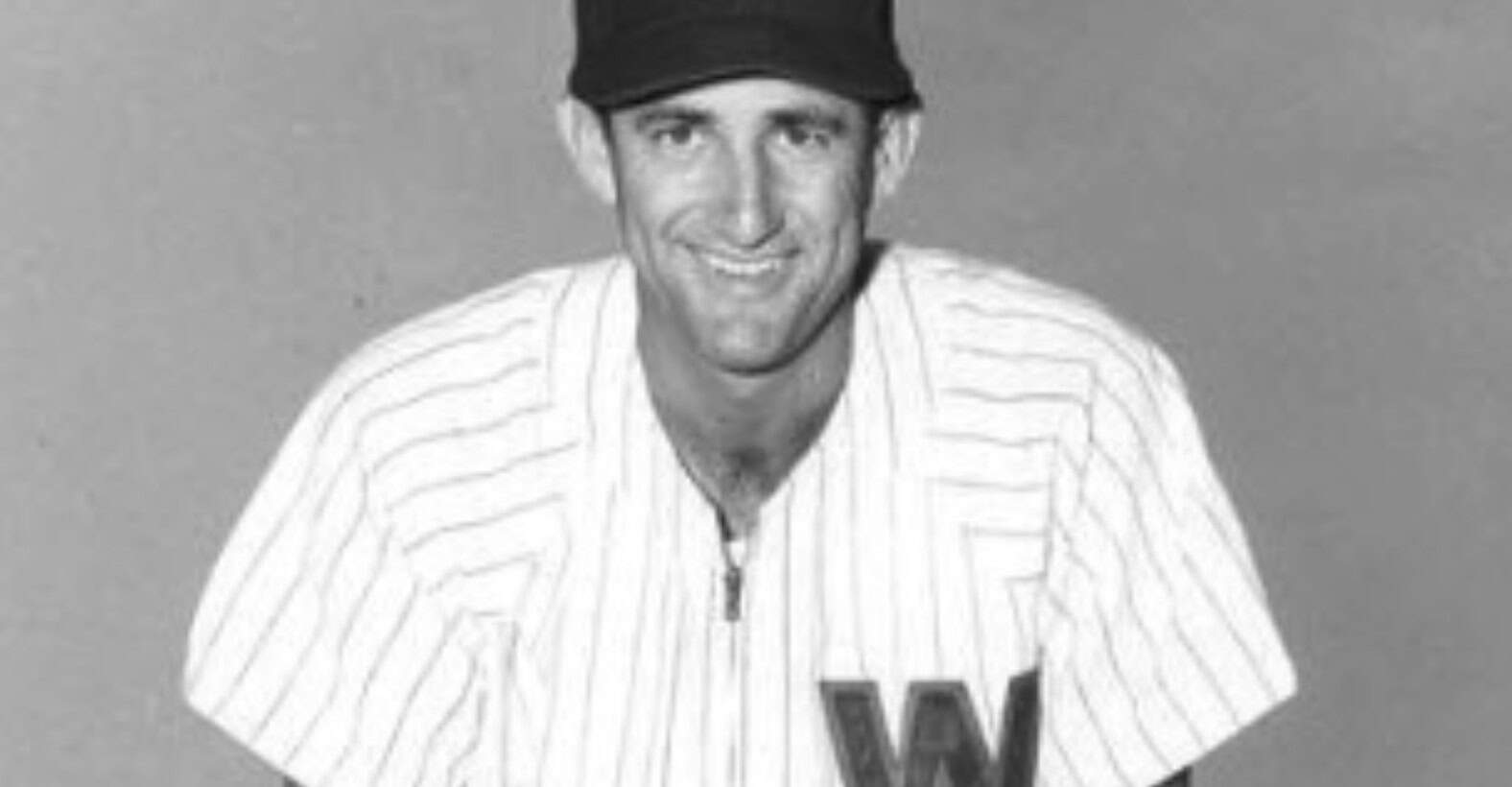
Mickey Vernon’s elegant defensive play and clutch hitting made him a standout for the Washington Senators. He captured his second batting title in 1953 at age 35, hitting .337, and earned All-Star selections in 1953 and 1955. Vernon’s smooth fielding and reliable bat made him one of the most consistent first basemen of the decade.
| Mickey Vernon — Career | Total |
|---|---|
| G | 2409 |
| AB | 8731 |
| H | 2495 |
| HR | 172 |
| RBI | 1311 |
| SB | 137 |
| AVG | .286 |
| OBP | .359 |
| SLG | .428 |
| OPS | .787 |
| All-Star selections | 7 |
3. Ted Kluszewski: The Man Who Made Sleeveless Cool
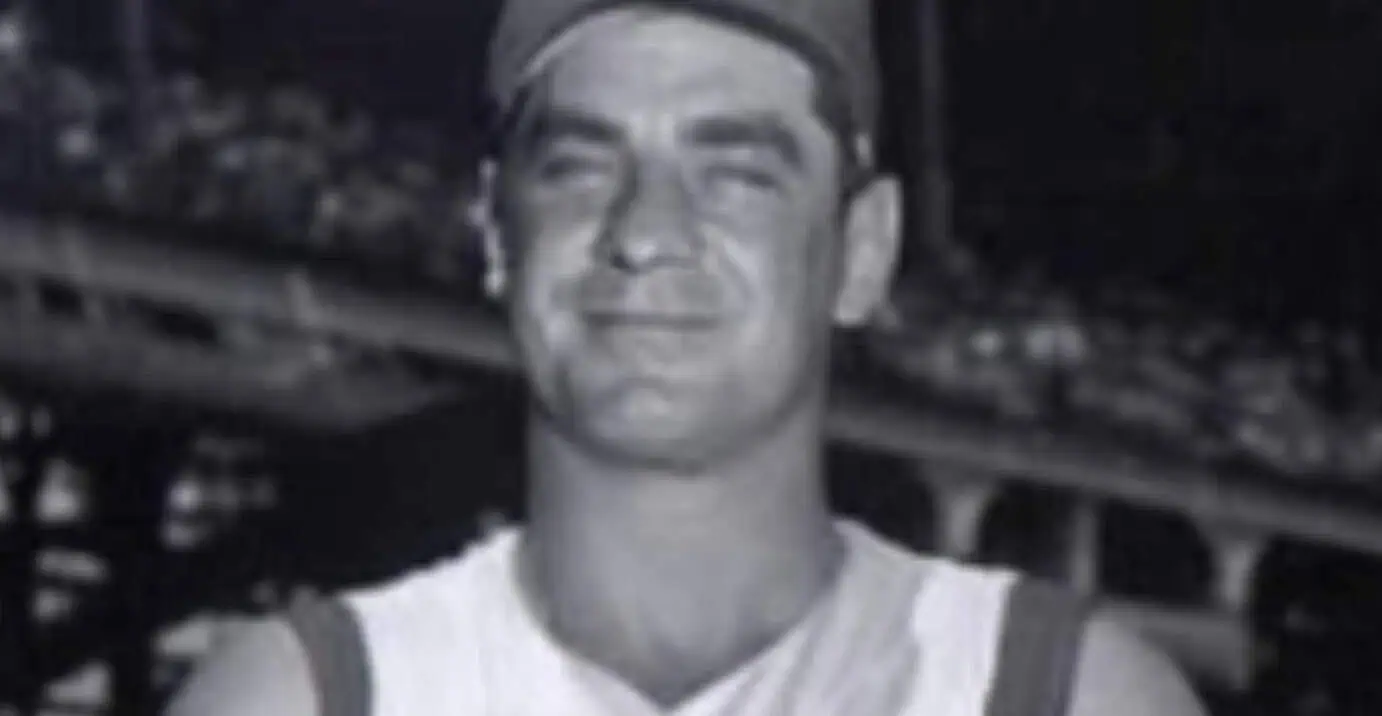
Big Klu revolutionized baseball fashion with his iconic sleeveless Cincinnati Reds uniform, showcasing his massive biceps. In 1954, he led the National League with 49 home runs and 141 RBIs, while maintaining an impressive .326 batting average. His combination of power and contact hitting made him one of the most feared sluggers of the era, earning four consecutive All-Star selections from 1953 to 1956.
| Ted Kluszewski — Career | Total |
|---|---|
| G | 1718 |
| AB | 5929 |
| H | 1766 |
| HR | 279 |
| RBI | 1028 |
| SB | 20 |
| AVG | .298 |
| OBP | .353 |
| SLG | .498 |
| OPS | .851 |
| All-Star selections | 4 |
2. Gil Hodges: Brooklyn’s Beloved Powerhouse

Gil Hodges defined excellence at first base throughout the 1950s, leading all players at his position with 310 home runs and 1,001 RBIs during the decade. His steady presence anchored the Brooklyn Dodgers’ infield during their golden years, including their historic 1955 World Series victory. Hodges combined powerful hitting with exceptional defensive skills, earning eight All-Star selections and three Gold Gloves.
| Gil Hodges — Career | Total |
|---|---|
| G | 2072 |
| AB | 7030 |
| H | 1921 |
| HR | 370 |
| RBI | 1274 |
| SB | 63 |
| AVG | .273 |
| OBP | .359 |
| SLG | .487 |
| OPS | .846 |
| All-Star selections | 8 |
| Gold Gloves | 3 |
| World Series titles | 2 |
1. Stan “The Man” Musial: Baseball’s Perfect Knight

Stan “The Man” Musial dominated the 1950s with unparalleled consistency and grace. While splitting time between first base and the outfield, he collected three batting titles in the decade and maintained a remarkable .331 career average. His unique corkscrew batting stance and incredible eye at the plate made him one of baseball’s most feared hitters, earning All-Star selections every year of the decade.
| Stan Musial — Career | Total |
|---|---|
| G | 3026 |
| AB | 10972 |
| H | 3630 |
| HR | 475 |
| RBI | 1951 |
| SB | 78 |
| AVG | .331 |
| OBP | .417 |
| SLG | .559 |
| OPS | .976 |
| MVP | 3 |
| All-Star selections | 20 |
| World Series titles | 3 |