Last Updated: June 17th, 2026 by Matthew Brown
Last Updated: May 26th, 2026 by Michael Schatz
Don't lose this article. Enter your email below, and I'll send it to you right now. Plus, we'll send you other unbelievable stories from baseball's past.
Second base has always been baseball’s most demanding position, requiring equal parts athleticism, intelligence, and grit. The men who master it become the heartbeat of their teams, orchestrating defense while providing offensive spark from a traditionally weak-hitting spot.
Cooperstown’s doors remained closed to many deserving candidates who spent careers making the difficult look routine. Tony Lazzeri had already been inducted in 1991, and Jeff Kent joined him in the Hall’s Class of 2026; the other eighteen remain outside. The ranking still offers a look at twenty notable second-base careers and the different ways Hall voters have evaluated them.
These keystone masters turned double plays into art. Eighteen remain outside Cooperstown, while Tony Lazzeri and Jeff Kent now have plaques.
We are counting down from #20 to #1, so the argument builds as the list gets closer to the top spot.
How We Made This List
We ranked these second basemen by peak performance, longevity, offense, defense, major awards, postseason impact, and influence on the position. The countdown preserves the source article's original editorial order rather than substituting a new ranking. Tony Lazzeri was inducted in 1991, and Jeff Kent joined the Hall's Class of 2026, so 18 of the 20 remain outside Cooperstown. Reasonable fans may disagree with both the selections and the order.
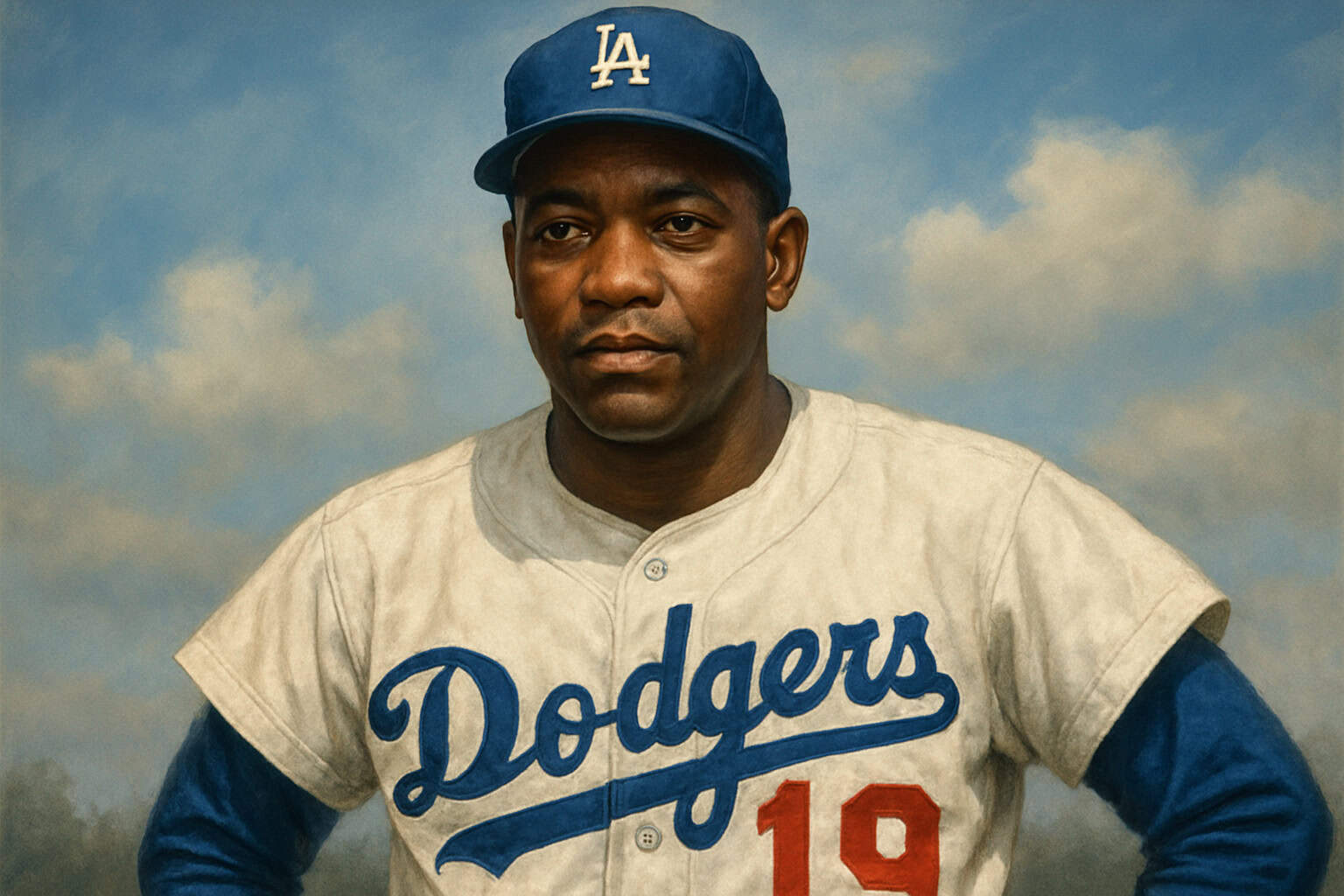
20. Jim Gilliam: Brooklyn's Quiet Champion
After Jackie Robinson broke Major League Baseball’s color barrier, Junior Gilliam became another essential Black player on the integrated Dodgers clubs of the 1950s and 1960s. The switch-hitting marvel played wherever Walter Alston needed him, from second to third to the outfield.
| Jim Gilliam — Career | Total |
|---|---|
| G | 2095 |
| AB | 7600 |
| H | 2021 |
| HR | 65 |
| RBI | 624 |
| SB | 219 |
| AVG | .266 |
| OBP | .360 |
| SLG | .355 |
| OPS | .715 |
| All-Star selections | 2 |
| World Series titles | 4 |
| Rookie of the Year | 1 |
His official major-league record now includes 2,021 hits and a .266 batting average, reflecting MLB’s recognition of Negro Leagues statistics. Gilliam’s ability to get on base and his defensive versatility made him indispensable to seven pennant-winning teams.
His number nineteen was the first retired by the Dodgers for a non-Hall of Famer, speaking volumes about his impact on both Brooklyn and Los Angeles. The quiet dignity he brought to the game deserves lasting recognition.
19. Buddy Myer: Washington's Batting King
When Myer won the American League batting title in 1935 with a .349 average, he did it in true Washington Senators style, quietly and efficiently. The Jewish baseball pioneer racked up 2,131 hits for mostly mediocre teams, proving that excellence could flourish even when the spotlight was dim.
| Buddy Myer — Career | Total |
|---|---|
| G | 1923 |
| AB | 7038 |
| H | 2131 |
| HR | 38 |
| RBI | 850 |
| SB | 156 |
| AVG | .303 |
| OBP | .389 |
| SLG | .406 |
| OPS | .795 |
| All-Star selections | 2 |
His career .303 average spoke of consistency in an era when second basemen were often just glove men. Two All-Star selections recognized his offensive prowess during the thirties.
Myer spent most of his seventeen-year career with Washington, apart from time with the Boston Red Sox in 1927 and 1928. His steady production gave Senators fans something to cheer about during lean years.
18. Del Pratt: The Dead-Ball Era's Hidden Gem
Before the live ball revolution, Pratt was revolutionizing second base play with his powerful arm and exceptional range. His .292 career average and 1,996 hits came in an era when middle infielders were expected to be glove-first players.
| Del Pratt — Career | Total |
|---|---|
| G | 1836 |
| AB | 6826 |
| H | 1996 |
| HR | 43 |
| RBI | 968 |
| SB | 247 |
| AVG | .292 |
| OBP | .345 |
| SLG | .403 |
| OPS | .748 |
Pratt’s offensive production from second base was remarkable for the dead-ball era. He drove in over 100 runs in 1916, a feat almost unheard of for the position at that time.
Those dusty box scores from the 1910s don’t tell the full story of a man who helped bridge baseball’s transition from small ball to the power game. His thirteen-year career deserves more recognition than it’s received.
17. Gil McDougald: The Yankee Who Walked Away
McDougald retired after the 1960 season at age thirty-two, ending a ten-year Yankees career. The five-time All-Star was a key member of five World Series champions, leaving fans to wonder what more seasons might have added to his record.
| Gil McDougald — Career | Total |
|---|---|
| G | 1336 |
| AB | 4676 |
| H | 1291 |
| HR | 112 |
| RBI | 576 |
| SB | 45 |
| AVG | .276 |
| OBP | .356 |
| SLG | .410 |
| OPS | .766 |
| All-Star selections | 5 |
| World Series titles | 5 |
| Rookie of the Year | 1 |
His versatility in playing three infield positions made him the Swiss Army knife of those mighty Yankee teams of the fifties. McDougald’s Rookie of the Year award in 1951 launched a brilliant but abbreviated career.
His .276 batting average and steady defense helped anchor a dynasty. The early retirement cost him counting stats that might have made his Hall of Fame case stronger.
16. Larry Doyle: The Giant Among Giants
When John McGraw declared Doyle the greatest second baseman ever to play the game, few argued with the legendary manager. Laughing Larry hit .290 lifetime and was the National League MVP in 1912, playing with a jubilant style that made the Polo Grounds rock.
| Larry Doyle — Career | Total |
|---|---|
| G | 1767 |
| AB | 6509 |
| H | 1887 |
| HR | 74 |
| RBI | 793 |
| SB | 298 |
| AVG | .290 |
| OBP | .357 |
| SLG | .408 |
| OPS | .765 |
His famous quote, It’s great to be young and a Giant, captured both his era and his infectious love for the game. Doyle’s 1,887 hits came during the dead-ball era when offense was at a premium.
Four pennants with the Giants demonstrated his value to winning teams. His combination of hitting ability and defensive skill made him the prototype for the modern complete second baseman.
15. Eddie Stanky: The Brat Who Could Walk
They called him The Brat for his pesky style of play, but Stanky was really baseball’s first analytics hero before anyone knew what analytics meant. His .410 career on-base percentage came from an uncanny ability to work walks and frustrate pitchers.
| Eddie Stanky — Career | Total |
|---|---|
| G | 1259 |
| AB | 4301 |
| H | 1154 |
| HR | 29 |
| RBI | 364 |
| SB | 48 |
| AVG | .268 |
| OBP | .410 |
| SLG | .348 |
| OPS | .758 |
| All-Star selections | 3 |
Leo Durocher famously said Stanky can’t run, can’t hit, can’t throw, but all he does is beat you. Three pennants with three different teams proved his winning impact transcended traditional statistics.
Stanky’s 996 walks in just eleven seasons demonstrated patience that modern front offices would covet. His scrappy, winning style made him invaluable to the Dodgers, Braves, and Giants.
14. Chuck Knoblauch: From Gold Glove to Yips
Before throwing problems struck, Knoblauch was the model of infield excellence in Minnesota. The 1991 Rookie of the Year could do it all, hitting for average, stealing bases, and turning the double play with mechanical precision.
| Chuck Knoblauch — Career | Total |
|---|---|
| G | 1632 |
| AB | 6366 |
| H | 1839 |
| HR | 98 |
| RBI | 615 |
| SB | 407 |
| AVG | .289 |
| OBP | .378 |
| SLG | .406 |
| OPS | .784 |
| All-Star selections | 4 |
| Gold Gloves | 1 |
| Silver Sluggers | 2 |
| World Series titles | 4 |
| Rookie of the Year | 1 |
Four All-Star selections and a Gold Glove demonstrated his peak brilliance. His story became baseball’s greatest mystery: how could an elite defender suddenly forget how to make the throw to first?
Despite the tragic ending, Knoblauch’s earlier brilliance shouldn’t be forgotten. He won four World Series rings and stole 407 bases, proving his value even after moving to left field.
13. Ben Zobrist: Baseball's Swiss Army Knife
Before utility player became baseball’s hottest job description, Zobrist was pioneering the position with Tampa Bay. His ability to play anywhere while maintaining a high on-base percentage made him Joe Maddon’s favorite chess piece.
| Ben Zobrist — Career | Total |
|---|---|
| G | 1651 |
| AB | 5880 |
| H | 1566 |
| HR | 167 |
| RBI | 768 |
| SB | 116 |
| AVG | .266 |
| OBP | .357 |
| SLG | .426 |
| OPS | .783 |
| All-Star selections | 3 |
| World Series titles | 2 |
Three All-Star selections and a World Series MVP award with the Cubs proved that jack of all trades could mean master of many. Zobrist’s switch-hitting ability and defensive versatility made him invaluable to contending teams.
His 1,566 hits and .357 on-base percentage came while playing seven different positions. The modern game’s emphasis on versatility owes much to Zobrist’s trailblazing career.
12. Tony Lazzeri: Before DiMaggio's Yankees (HOF)
Before Joe DiMaggio patrolled center field, Poosh ‘Em Up Tony was the Italian-American hero of the Bronx. Despite battling epilepsy in an era when the condition was poorly understood, Lazzeri drove in 100 runs seven times during the Yankees’ first dynasty.
| Tony Lazzeri — Career | Total |
|---|---|
| G | 1740 |
| AB | 6297 |
| H | 1840 |
| HR | 178 |
| RBI | 1191 |
| SB | 148 |
| AVG | .292 |
| OBP | .380 |
| SLG | .467 |
| OPS | .847 |
| All-Star selections | 1 |
| World Series titles | 5 |
His eleven RBIs in a single game stood as a record for decades, showcasing the power he brought to Murderers’ Row. Five World Series championships proved his value in baseball’s biggest moments.
Lazzeri’s 1,840 hits and .292 batting average came in an era when second basemen were expected to be glove-first players. His offensive production from the keystone position was revolutionary for its time, and the Veterans Committee elected him to the Hall of Fame in 1991.
11. Dick McAuliffe: Detroit's Unorthodox Warrior
With his distinctive no-stride batting stance and feet-together approach, McAuliffe looked like no other hitter in baseball. Yet his unorthodox style produced a .343 on-base percentage and surprising power for the Tigers’ pennant-winning teams.
| Dick McAuliffe — Career | Total |
|---|---|
| G | 1763 |
| AB | 6185 |
| H | 1530 |
| HR | 197 |
| RBI | 697 |
| SB | 63 |
| AVG | .247 |
| OBP | .343 |
| SLG | .403 |
| OPS | .746 |
| All-Star selections | 3 |
| World Series titles | 1 |
Three All-Star selections recognized his value during his Tigers career. McAuliffe’s ability to avoid double plays was legendary, grounding into just forty-five in his entire career.
His versatility allowed him to play both shortstop and second base at elite levels. The 1968 World Series championship team relied heavily on his unique skills and fiery competitive nature.
10. Frank White: Kansas City's Golden Glove
A graduate of the Royals’ innovative Baseball Academy, White turned second base into his personal art gallery, winning eight Gold Gloves. His statue outside Kauffman Stadium tells only part of the story of a hometown hero who never left.
| Frank White — Career | Total |
|---|---|
| G | 2324 |
| AB | 7859 |
| H | 2006 |
| HR | 160 |
| RBI | 886 |
| SB | 178 |
| AVG | .255 |
| OBP | .293 |
| SLG | .383 |
| OPS | .676 |
| All-Star selections | 5 |
| Gold Gloves | 8 |
| Silver Sluggers | 1 |
| World Series titles | 1 |
That sweet pivot on the artificial turf became Kansas City’s version of performance art during the Royals’ glory years. White’s 2,006 hits and steady presence helped define the franchise’s identity through the seventies and eighties.
Five All-Star selections and a World Series ring in 1985 capped a career spent entirely in Royal blue. His defensive brilliance may have overshadowed his offensive contributions, but Kansas City fans knew they were watching greatness.
9. Davey Johnson: The Thinking Man's Second Baseman
Long before he became a championship manager, Johnson was revolutionizing second base play with the Orioles. His 43 home runs in 1973 set a record for the position that stood for decades, proving middle infielders could provide serious power.
| Davey Johnson — Career | Total |
|---|---|
| G | 1435 |
| AB | 4797 |
| H | 1252 |
| HR | 136 |
| RBI | 609 |
| SB | 33 |
| AVG | .261 |
| OBP | .340 |
| SLG | .404 |
| OPS | .744 |
| All-Star selections | 4 |
| Gold Gloves | 3 |
| World Series titles | 2 |
Three Gold Gloves demonstrated his defensive prowess, while four All-Star selections recognized his complete game. Johnson’s intelligence on the field foreshadowed his success in the dugout, where he would win a World Series with the Mets.
His thirteen-year playing career produced solid numbers that look better through the lens of his era. Johnson’s impact on baseball extended far beyond his playing days, but his on-field contributions deserve recognition.
8. Dustin Pedroia: The Dirt Dog's Last Stand
Standing five-foot-nine in cleats, Pedroia played like he was six-foot-five in heart. The 2008 American League MVP embodied Boston’s scrappy spirit, turning every routine grounder into a war of attrition.
| Dustin Pedroia — Career | Total |
|---|---|
| G | 1512 |
| AB | 6031 |
| H | 1805 |
| HR | 140 |
| RBI | 725 |
| SB | 138 |
| AVG | .299 |
| OBP | .365 |
| SLG | .439 |
| OPS | .804 |
| MVP | 1 |
| All-Star selections | 4 |
| Gold Gloves | 4 |
| Silver Sluggers | 1 |
| World Series titles | 2 |
| Rookie of the Year | 1 |
After a 2017 slide injured his left knee, Pedroia appeared in only nine more major-league games. Four Gold Gloves, a Rookie of the Year award, and two World Series rings complemented the MVP award already on his résumé.
His career was cut short by injuries that robbed him of several prime years. What remains is a peak so brilliant that Red Sox fans will forever wonder what might have been if his body had held up.
7. Ian Kinsler: Texas' Hidden Treasure
A seventeenth-round draft pick who played like a first-rounder, Kinsler brought a perfect blend of power and speed to Arlington’s summer heat. His multiple 30-homer, 20-steal seasons made him one of the game’s most complete players.
| Ian Kinsler — Career | Total |
|---|---|
| G | 1888 |
| AB | 7423 |
| H | 1999 |
| HR | 257 |
| RBI | 909 |
| SB | 243 |
| AVG | .269 |
| OBP | .337 |
| SLG | .440 |
| OPS | .777 |
| All-Star selections | 4 |
| Gold Gloves | 2 |
| World Series titles | 1 |
Four All-Star selections and two Gold Gloves anchored those Rangers teams that reached back-to-back World Series. That distinctive bat waggle and home run pop became as familiar to Texas fans as Friday night lights.
Kinsler finished with 1,999 hits, 257 home runs, and 243 stolen bases, falling just short of round numbers that might have boosted his case. His consistent blend of power, speed, and defense built a strong all-around record.
6. Robinson Canó: From Pinstripes to Infamy
That sweet left-handed swing was poetry in motion, reminiscent of Rod Carew with a dash of Roberto Alomar’s flair. Before PED suspensions tarnished his legacy, Canó’s effortless style made even routine plays look like highlights.
| Robinson Canó — Career | Total |
|---|---|
| G | 2267 |
| AB | 8773 |
| H | 2639 |
| HR | 335 |
| RBI | 1306 |
| SB | 51 |
| AVG | .301 |
| OBP | .351 |
| SLG | .488 |
| OPS | .839 |
| All-Star selections | 8 |
| Gold Gloves | 2 |
| Silver Sluggers | 5 |
| World Series titles | 1 |
Eight All-Star selections, five Silver Sluggers, and two Gold Gloves built a résumé that screamed Cooperstown. His 2,639 hits and 335 home runs came with a batting stroke that made hitting look easier than breathing.
Two separate performance-enhancing drug suspensions reshaped his Cooperstown outlook. Because his most recent major-league season was 2022, he has not yet appeared on a Hall of Fame ballot; those suspensions will be central when he becomes eligible.
5. Willie Randolph: Yankees' Silent General
In the Bronx Zoo era of the late seventies and eighties, Randolph was the calm amid the storm. His steady presence anchored four pennant-winning Yankees teams, while his .373 career on-base percentage made him the perfect table-setter for the club.
| Willie Randolph — Career | Total |
|---|---|
| G | 2202 |
| AB | 8018 |
| H | 2210 |
| HR | 54 |
| RBI | 687 |
| SB | 271 |
| AVG | .276 |
| OBP | .373 |
| SLG | .351 |
| OPS | .724 |
Randolph’s 2,210 hits and 1,243 walks demonstrated patience and consistency over eighteen seasons. He made six All-Star teams and won two World Series rings, providing leadership when chaos swirled around him.
Those who remember the old Stadium can still see him starting double plays with the grace of a ballet dancer and the precision of a surgeon. His quiet excellence may have been too subtle for Hall of Fame voters seeking flashier credentials.
4. Jeff Kent: The Home Run King Who Rode Away (HOF)
Before he rode off into the sunset on his motorcycle, Kent redefined power hitting for second basemen with 377 career home runs. His intensity matched his swing, both capable of clearing a ballpark in seconds.
| Jeff Kent — Career | Total |
|---|---|
| G | 2298 |
| AB | 8498 |
| H | 2461 |
| HR | 377 |
| RBI | 1518 |
| SB | 94 |
| AVG | .290 |
| OBP | .356 |
| SLG | .500 |
| OPS | .856 |
| MVP | 1 |
| All-Star selections | 5 |
| Silver Sluggers | 4 |
The 2000 National League MVP proved that second basemen could be cleanup hitters, recording at least 20 home runs and 100 RBIs in eight seasons at the position. His 1,518 career RBIs rank fifth among players who spent at least half their games at second base or shortstop.
Kent was elected by the Contemporary Baseball Era Committee in December 2025 and inducted into the Hall of Fame on July 26, 2026. His record now sits on a Cooperstown plaque.
3. Chase Utley: Philadelphia's Silver Fox
The heart and soul of those fierce Phillies teams that dominated the late 2000s, Utley paired relentless intensity with a polished all-around game. His famous declaration at the World Series parade still echoes in Philly folklore, capturing a city’s championship hunger.
| Chase Utley — Career | Total |
|---|---|
| G | 1937 |
| AB | 6857 |
| H | 1885 |
| HR | 259 |
| RBI | 1025 |
| SB | 154 |
| AVG | .275 |
| OBP | .358 |
| SLG | .465 |
| OPS | .823 |
| All-Star selections | 6 |
| Silver Sluggers | 4 |
| World Series titles | 1 |
Between 2005 and 2009, Utley was arguably baseball’s best all-around second baseman, combining power, speed, and Gold Glove defense. His laser-focused intensity and those textbook hard slides embodied the city’s blue-collar spirit while playing with white-collar precision.
Six All-Star selections and a World Series ring tell only part of the story. Utley received 59.1 percent of the vote in his third year on the Hall of Fame ballot in January 2026 and remains an active candidate.
2. Bobby Grich: The Sabermetric Superstar
Before launch angles and exit velocity became baseball buzzwords, Bobby Grich was living proof that numbers don’t lie. His .371 career on-base percentage and stellar defense made him a darling of modern statistical analysis decades before Moneyball.
| Bobby Grich — Career | Total |
|---|---|
| G | 2008 |
| AB | 6890 |
| H | 1833 |
| HR | 224 |
| RBI | 864 |
| SB | 104 |
| AVG | .266 |
| OBP | .371 |
| SLG | .424 |
| OPS | .795 |
| All-Star selections | 6 |
| Gold Gloves | 4 |
| Silver Sluggers | 1 |
Grich won four Gold Gloves with Baltimore and continued his excellence after moving to California, combining power and patience in equal measure. His 71 career WAR places him among the elite second basemen in history, though traditional voters overlooked his complete game.
Those who watched him patrol second base for the Orioles and Angels in the seventies and eighties knew they were watching greatness, even if batting average couldn’t capture his true value. His case grows stronger every year as analytics reveal what the eye test already knew.
1. Lou Whitaker: Detroit's Forgotten Diamond
For nineteen seasons, Sweet Lou turned the Tigers’ infield into his personal canvas, painting masterpieces alongside Alan Trammell. His silky-smooth left-handed swing produced 2,369 hits and 244 home runs, while his quiet excellence earned him Rookie of the Year honors and five All-Star selections.
| Lou Whitaker — Career | Total |
|---|---|
| G | 2390 |
| AB | 8570 |
| H | 2369 |
| HR | 244 |
| RBI | 1084 |
| SB | 143 |
| AVG | .276 |
| OBP | .363 |
| SLG | .426 |
| OPS | .789 |
| All-Star selections | 5 |
| Gold Gloves | 3 |
| Silver Sluggers | 4 |
| World Series titles | 1 |
| Rookie of the Year | 1 |
Whitaker’s 75 career WAR ranks among the best ever at the position, yet he received just 2.9 percent of the vote in his only year on the ballot. His defensive wizardry and consistent offensive production made him the complete package during Detroit’s glory years.
Detroit fans still shake their heads at the Hall of Fame snub, remembering those summer nights when Whitaker made the impossible look routine at Tiger Stadium. The partnership with Trammell remains one of baseball’s greatest middle infield duos, yet only one has been honored.
Final Thoughts
These twenty second basemen represent a wide range of careers at a demanding position. Eighteen remain outside Cooperstown, while Tony Lazzeri and Jeff Kent are now Hall of Famers.
From Whitaker’s smooth excellence to Gilliam’s quiet dignity, each brought something special to the diamond. Their legacies live on in the memories of fans who watched them turn double plays and in the record books that document their achievements, bronze plaque or not.