
Last Updated: August 27th, 2026 by Matthew Brown
I have no problem saying this: third base is the coolest position in baseball. I know that shortstop is where superstars go to work, first base is where power is supplied, and center field displays all five tools on a regular basis, but third, for my money, is the coolest of them all. It requires a certain swagger to play it at a high level. It's about having pure baseball instincts to go along with quick reaction and top-notch skill to play the hot corner.
Don't lose this article. Enter your email below, and I'll send it to you right now. Plus, we'll send you other unbelievable stories from baseball's past.
I wanted to create a list of some of my favorite third basemen who are not in the Hall of Fame. I'm not saying they all should be, but we should celebrate their accomplishments at least a little bit.
20. Eric Chavez: The Gold Glove Machine
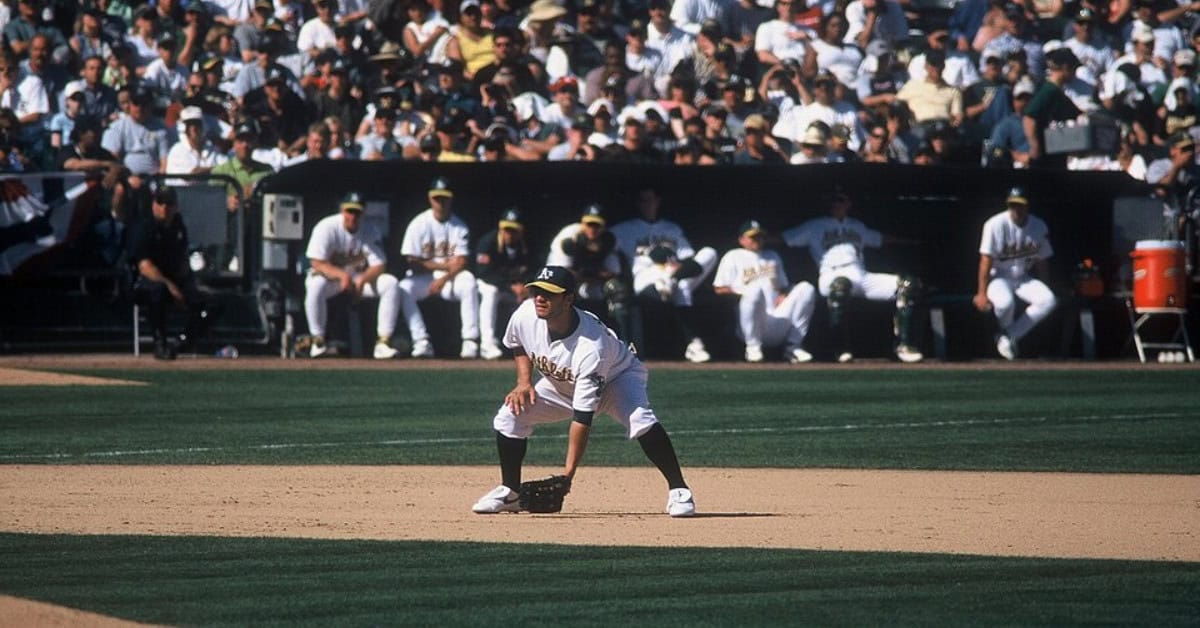
There are MVP seasons by Jason Giambi and Miguel Tejada, but I would say Eric Chavez was the golden boy of the Moneyball era in the early 2000s for the Oakland Athletics. Chavez brought a smooth style to third that earned him six Gold Gloves.
He combined that with a Silver Slugger in 2002 as he hit 34 home runs and brought in 109 RBI. He flashed the leather like few could during that time while showing his sweet swing on a regular basis.
| Eric Chavez — Career | Total |
|---|---|
| G | 1615 |
| AB | 5518 |
| H | 1477 |
| HR | 260 |
| RBI | 902 |
| SB | 50 |
| AVG | .268 |
| OBP | .342 |
| SLG | .475 |
| OPS | .817 |
| Gold Gloves | 6 |
| Silver Sluggers | 1 |
19. Ken Caminiti: San Diego’s Switch-Hitting Storm
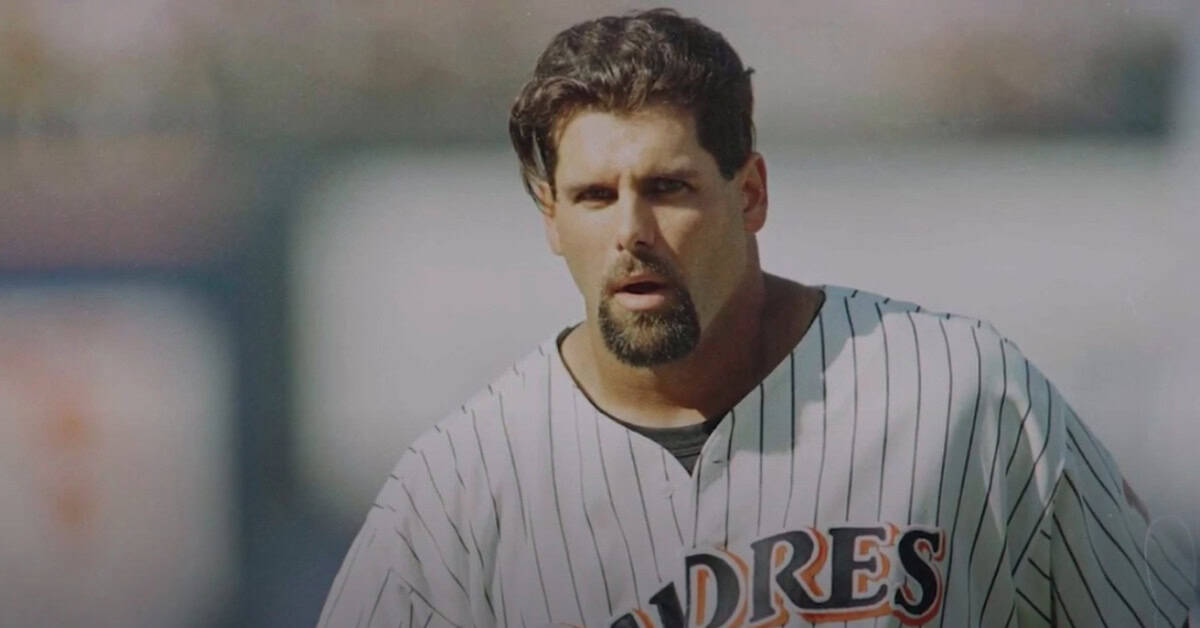
Some peaks are higher than others. Ken Caminiti's had a steep incline from 1995 to 1996. He was already an All-Star caliber player, but he just tore through opposing pitching in 1996 on his way to an MVP award. He mashed 40 home runs and drove in 130 RBI to the tune of a 1.028 OPS.
Yes, those numbers couldn't be replicated throughout the rest of his career, but he was still well above average as an offensive force at third base.
| Ken Caminiti — Career | Total |
|---|---|
| G | 1760 |
| AB | 6288 |
| H | 1710 |
| HR | 239 |
| RBI | 983 |
| SB | 88 |
| AVG | .272 |
| OBP | .347 |
| SLG | .447 |
| OPS | .794 |
| MVP | 1 |
| All-Star selections | 3 |
| Gold Gloves | 3 |
| Silver Sluggers | 1 |
18. Tim Wallach: Montreal’s Mountain Man
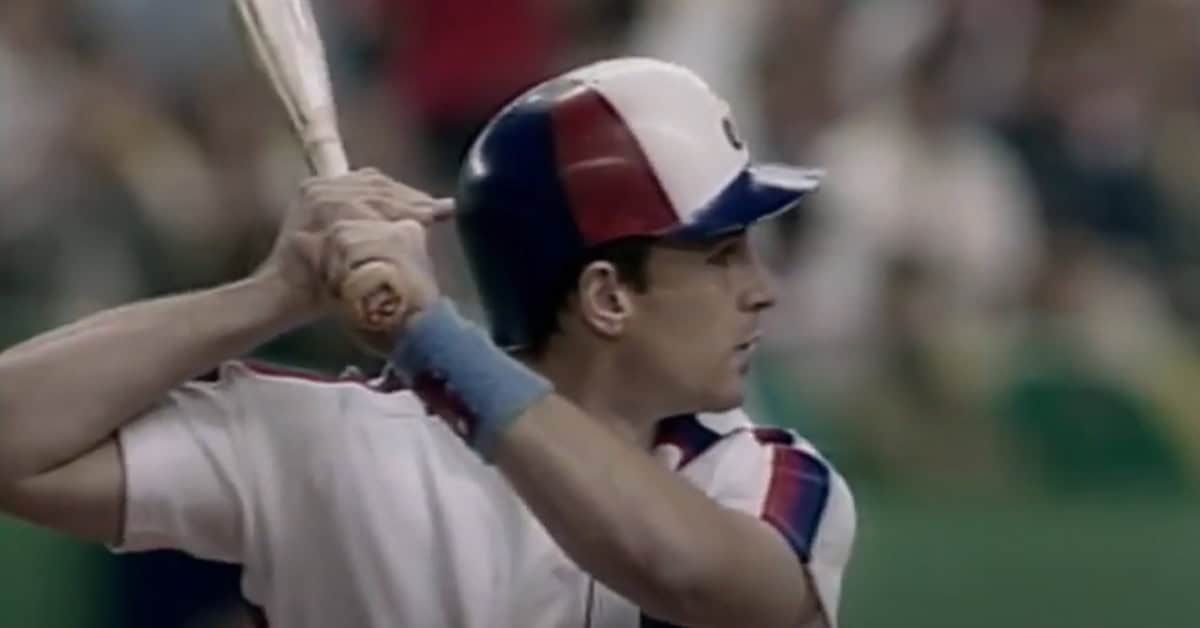
Olympic Stadium was a tough ballpark to play in. Tim Wallach navigated the turf well as he earned three Gold Gloves as the Expos' third baseman. He accumulated five All-Star selections in his 17-year career. His career total of 2,085 hits provides good proof that Wallach was a good balance of offense and defense during his prime.
| Tim Wallach — Career | Total |
|---|---|
| G | 2212 |
| AB | 8099 |
| H | 2085 |
| HR | 260 |
| RBI | 1125 |
| SB | 51 |
| AVG | .257 |
| OBP | .316 |
| SLG | .416 |
| OPS | .732 |
| All-Star selections | 5 |
| Gold Gloves | 3 |
| Silver Sluggers | 2 |
17. Troy Glaus: The Angels’ Power Tower
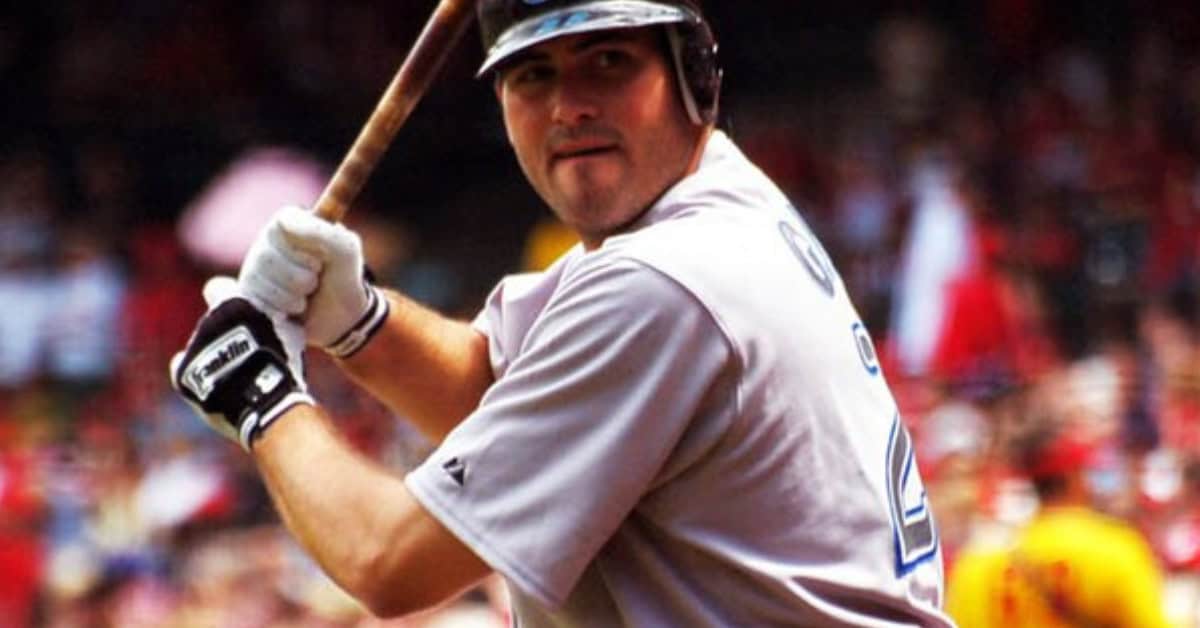
13 seasons isn't a long time to amass 320 home runs in a career. That's how powerful Troy Glaus was. He crushed 30 home runs or more in five different seasons as he earned four All-Star selections. A 119 career OPS+ suggests that he was well above average.
It's too bad Glaus had to retire early due to injuries, or maybe we'd be omitting him from this list due to his enshrinement.
| Troy Glaus — Career | Total |
|---|---|
| G | 1537 |
| AB | 5410 |
| H | 1375 |
| HR | 320 |
| RBI | 950 |
| SB | 56 |
| AVG | .254 |
| OBP | .358 |
| SLG | .489 |
| OPS | .847 |
| All-Star selections | 4 |
| Silver Sluggers | 2 |
| World Series titles | 1 |
16. Gary Gaetti: Minnesota’s Rat Patrol
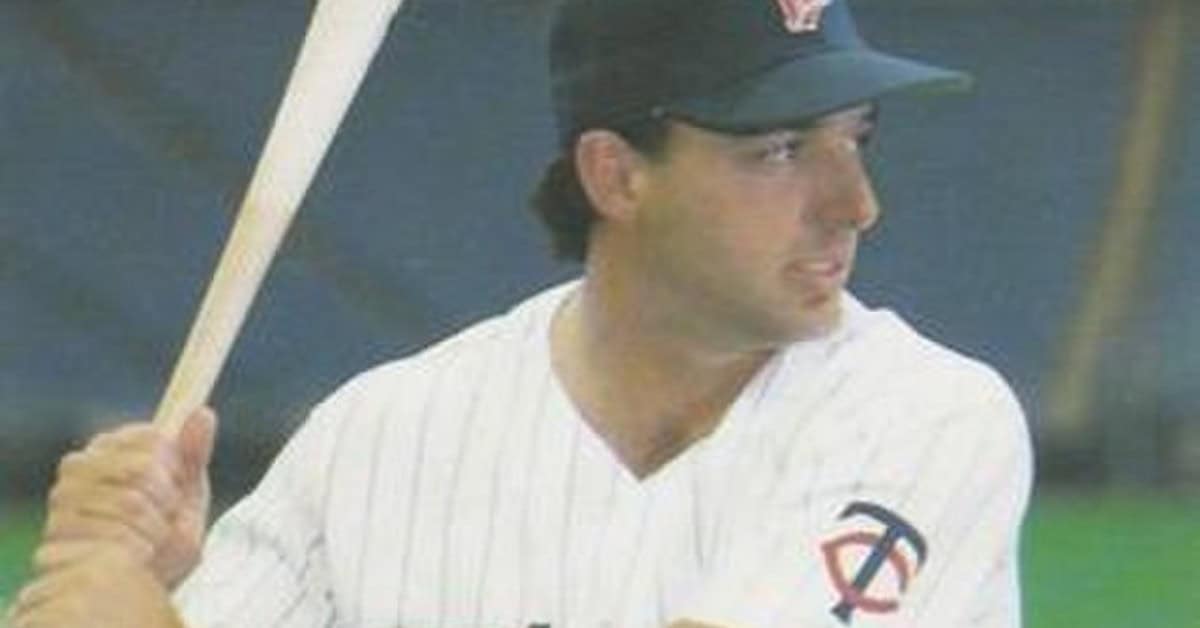
I usually like to use modern stats like OPS+ to measure players from different decades. However, Gaetti's 97 OPS+ for his career doesn't seem to give him enough credit. The fabled Twins third baseman knocked at least 25 doubles in 11 different seasons while mashing 20 home runs on a yearly basis at his peak.
Those numbers were just complementary to his defense, where he consistently led the league in assists and earned four straight Gold Gloves.
| Gary Gaetti — Career | Total |
|---|---|
| G | 2507 |
| AB | 8951 |
| H | 2280 |
| HR | 360 |
| RBI | 1341 |
| SB | 96 |
| AVG | .255 |
| OBP | .308 |
| SLG | .434 |
| OPS | .742 |
| All-Star selections | 2 |
| Gold Gloves | 4 |
| Silver Sluggers | 1 |
| World Series titles | 1 |
15. Robin Ventura: The Grand Slam Master
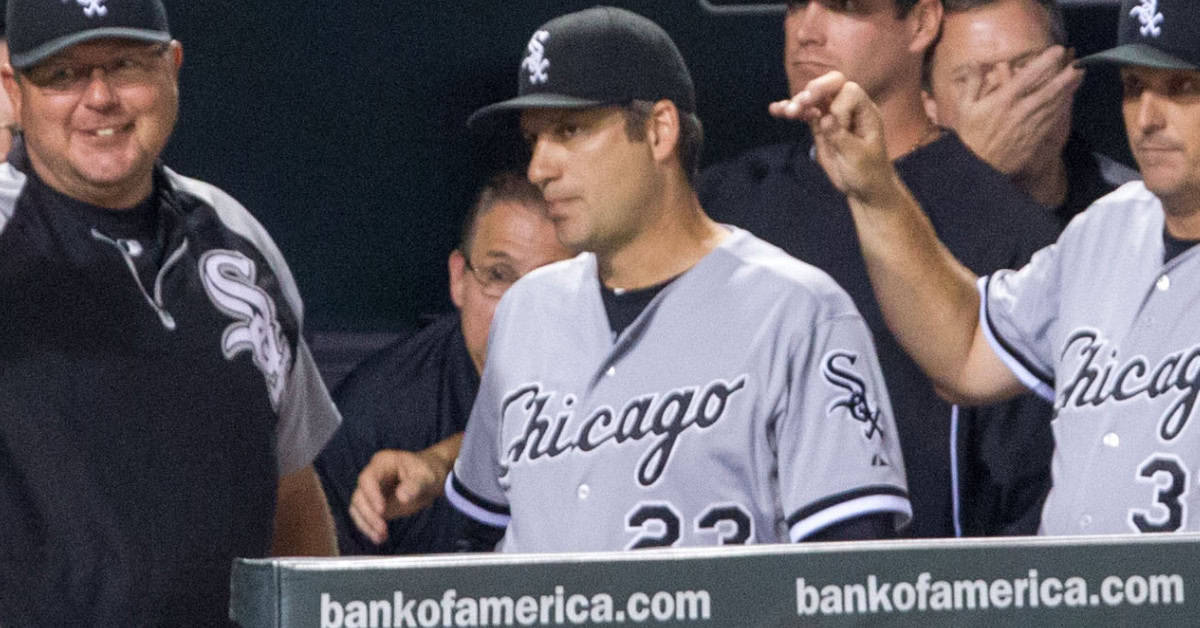
When Scott Rolen was elected to the Hall of Fame, I know there were a good number of fans who thought it was undeserved. I don't really have much of a problem with it, but I do think that some of the other guys from his era deserve at least a little bit of recognition too. Robin Ventura is definitely one of them.
He earned six Gold Gloves and was a consistently above-average hitter. He was famous for his 18 career grand slams as he found ways to come up clutch for his teams. Ventura is easily one of my favorite third basemen from that era.
| Robin Ventura — Career | Total |
|---|---|
| G | 2079 |
| AB | 7064 |
| H | 1885 |
| HR | 294 |
| RBI | 1182 |
| SB | 24 |
| AVG | .267 |
| OBP | .362 |
| SLG | .444 |
| OPS | .806 |
| All-Star selections | 2 |
| Gold Gloves | 6 |
14. Al Rosen: Cleveland’s Hebrew Hammer
1948 is known for being Cleveland's last World Series season. Al Rosen was on that team. He didn't play much at the time, but boy, did he explode in the coming years. Once he was given the chance, Rosen started to slug consistently over .500. His 1953 MVP season is a great one. 43 home runs and an MLB-leading 145 RBI.
His OPS was 1.034 that season. It's too bad that injuries shortened his career to just a decade, as Al Rosen is more remembered as one of baseball's great what-ifs.
| Al Rosen — Career | Total |
|---|---|
| G | 1044 |
| AB | 3725 |
| H | 1063 |
| HR | 192 |
| RBI | 717 |
| SB | 39 |
| AVG | .285 |
| OBP | .384 |
| SLG | .495 |
| OPS | .879 |
| MVP | 1 |
| All-Star selections | 4 |
| World Series titles | 1 |
13. Howard Johnson: HoJo’s Mets Magic
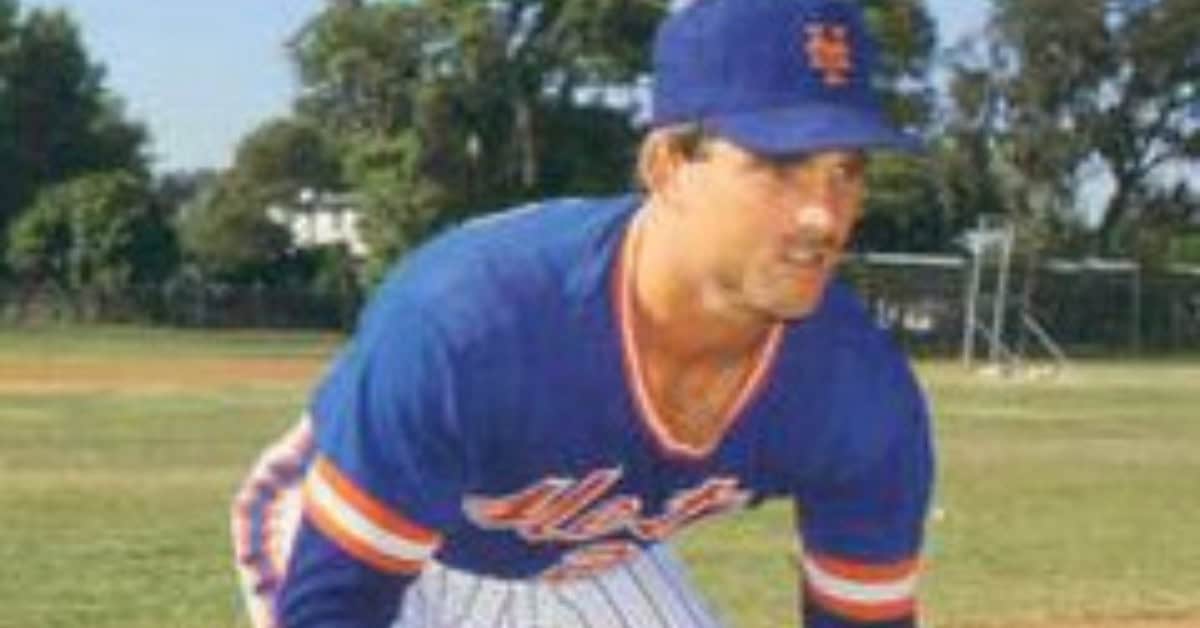
Third base in Shea Stadium has a certain allure to me. Maybe it's because of the great third basemen who have occupied that spot. The aforementioned Robin Ventura was one of them. Howard Johnson is even more iconic. His first season playing in over 100 games was in 1984 in Detroit, where they won the World Series.
All of a sudden, two years later, he's in Queens as a World Series champion again. He hadn't even gotten to his prime yet. He earned two All-Star selections, two Silver Sluggers, and two top-five MVP finishes for his hard work in New York.
| Howard Johnson — Career | Total |
|---|---|
| G | 1531 |
| AB | 4940 |
| H | 1229 |
| HR | 228 |
| RBI | 760 |
| SB | 231 |
| AVG | .249 |
| OBP | .340 |
| SLG | .446 |
| OPS | .786 |
| All-Star selections | 2 |
| Silver Sluggers | 2 |
| World Series titles | 2 |
12. Doug DeCinces: After Brooks’ Shadow
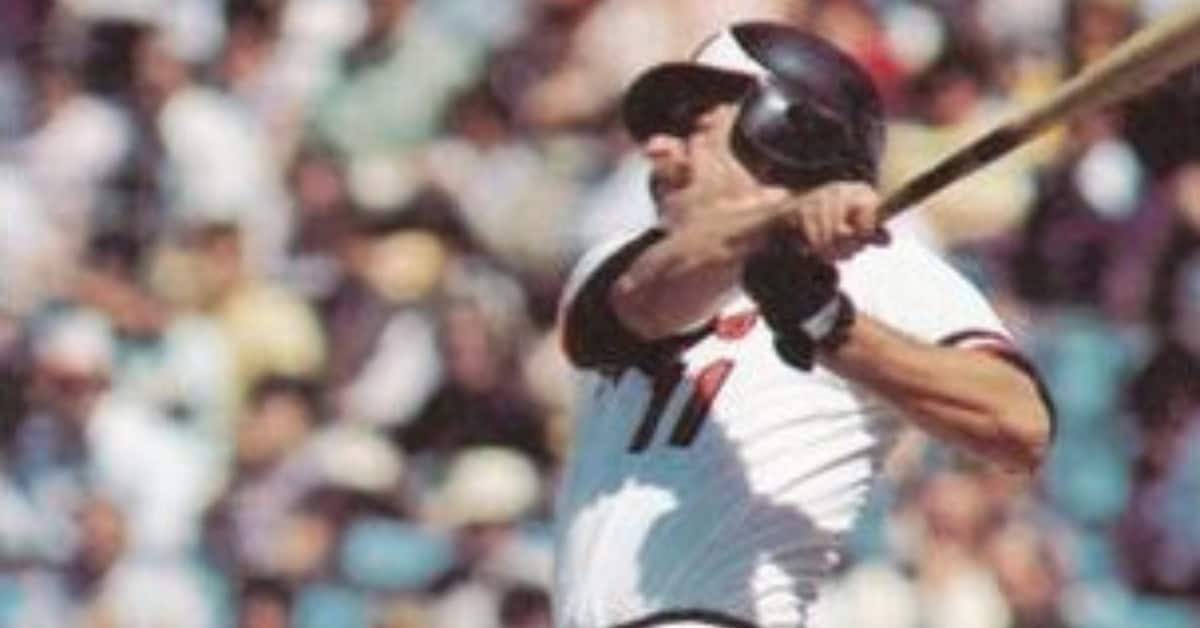
It's not easy replacing an all-time legend like Brooks Robinson at third base. For Doug DeCinces, that's the hard task that was given to him at the end of Robinson's career. He found success pretty quickly, posting a .286 average with 37 doubles and 28 home runs.
That's good enough for a 149 OPS+ in 1978. Down the line, in Anaheim, DeCinces became a household name as he earned a Silver Slugger and finished third in MVP voting in 1982 as he led the California Angels to win the AL West.
| Doug DeCinces — Career | Total |
|---|---|
| G | 1649 |
| AB | 5809 |
| H | 1505 |
| HR | 237 |
| RBI | 879 |
| SB | 58 |
| AVG | .259 |
| OBP | .329 |
| SLG | .445 |
| OPS | .774 |
| All-Star selections | 1 |
| Silver Sluggers | 1 |
11. Bill Madlock: The Mad Dog’s Four Crowns
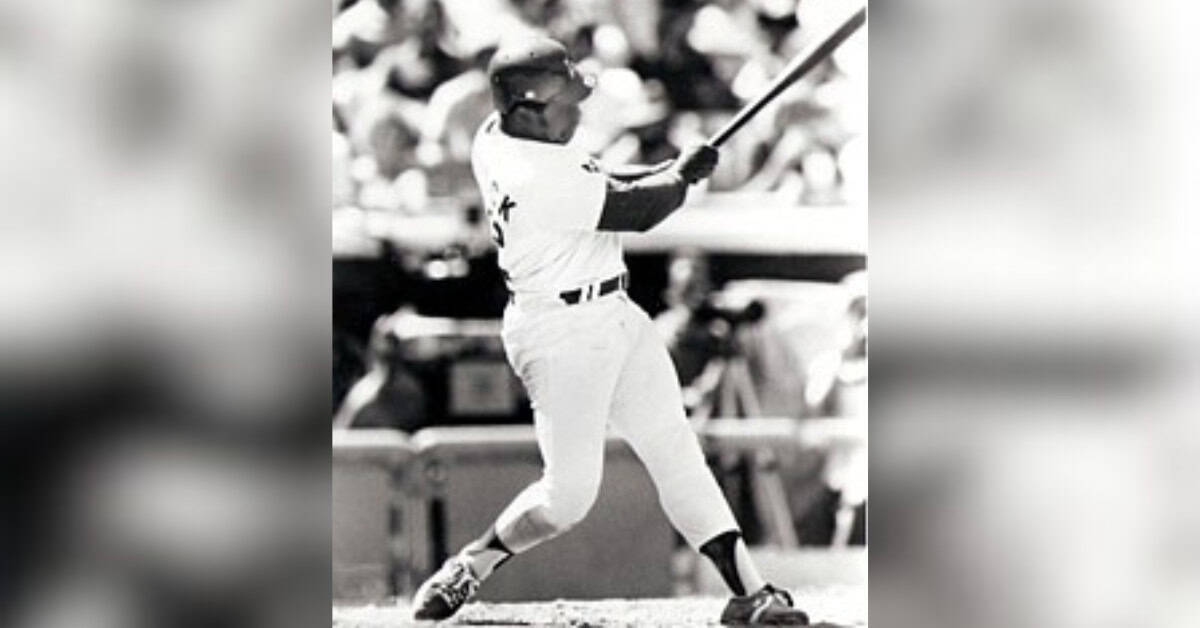
Mad Dog had mad skills with the bat. He won the batting title four times during his 15-year career. He accumulated 2,008 hits with a .305 career batting average. Madlock had an OPS+ of 123 over his career, which suggests that he was just below a Hall of Fame-level talent at the plate.
His legacy really grew when he was traded to the Pirates in 1979 and instantly contributed as an everyday starter, helping the We Are Family Pirates win the World Series.
| Bill Madlock — Career | Total |
|---|---|
| G | 1806 |
| AB | 6594 |
| H | 2008 |
| HR | 163 |
| RBI | 860 |
| SB | 174 |
| AVG | .305 |
| OBP | .365 |
| SLG | .442 |
| OPS | .807 |
| All-Star selections | 3 |
| World Series titles | 1 |
10. Bob Elliott: Boston’s Forgotten MVP
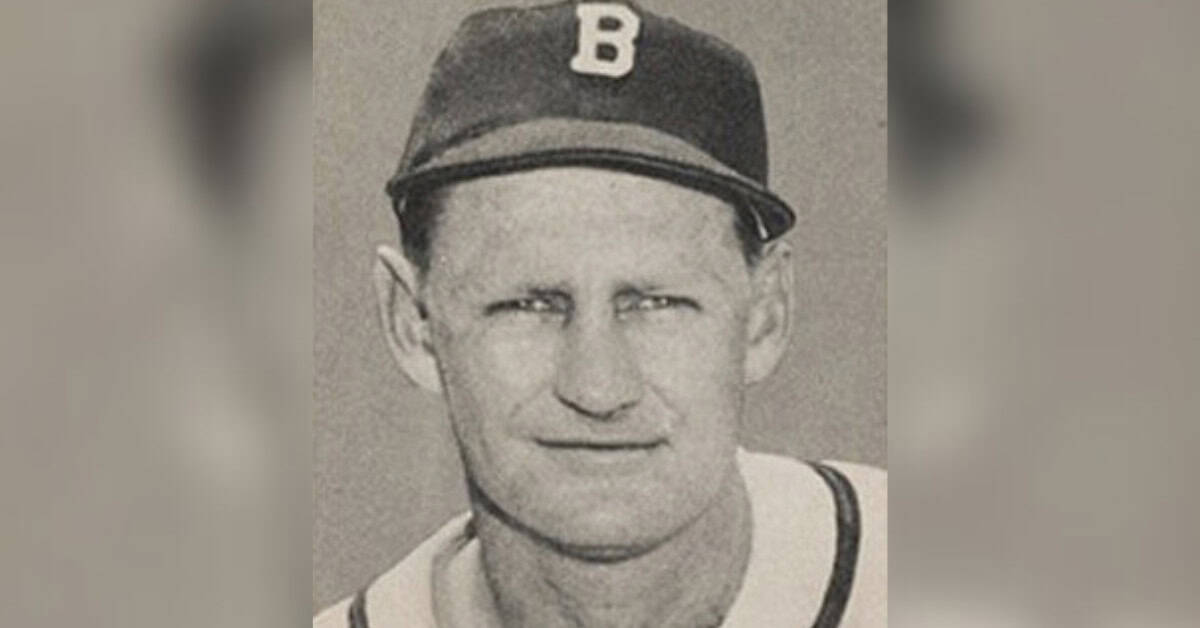
The Boston Braves aren't a greatly remembered team in MLB history. I'm sure most of us associate them more with Milwaukee and Atlanta.
Unfortunately, Bob Elliott was with Boston when he won the NL MVP in the same year that Jackie Robinson debuted. All eyes were fixated on the rookie in Brooklyn while Elliott was quietly putting up an MVP season and then leading his team to a National League Pennant the following year.
| Bob Elliott — Career | Total |
|---|---|
| G | 1978 |
| AB | 7141 |
| H | 2061 |
| HR | 170 |
| RBI | 1195 |
| SB | 60 |
| AVG | .289 |
| OBP | .375 |
| SLG | .440 |
| OPS | .815 |
| MVP | 1 |
| All-Star selections | 6 |
9. Stan Hack: Mr. Cub Before Banks
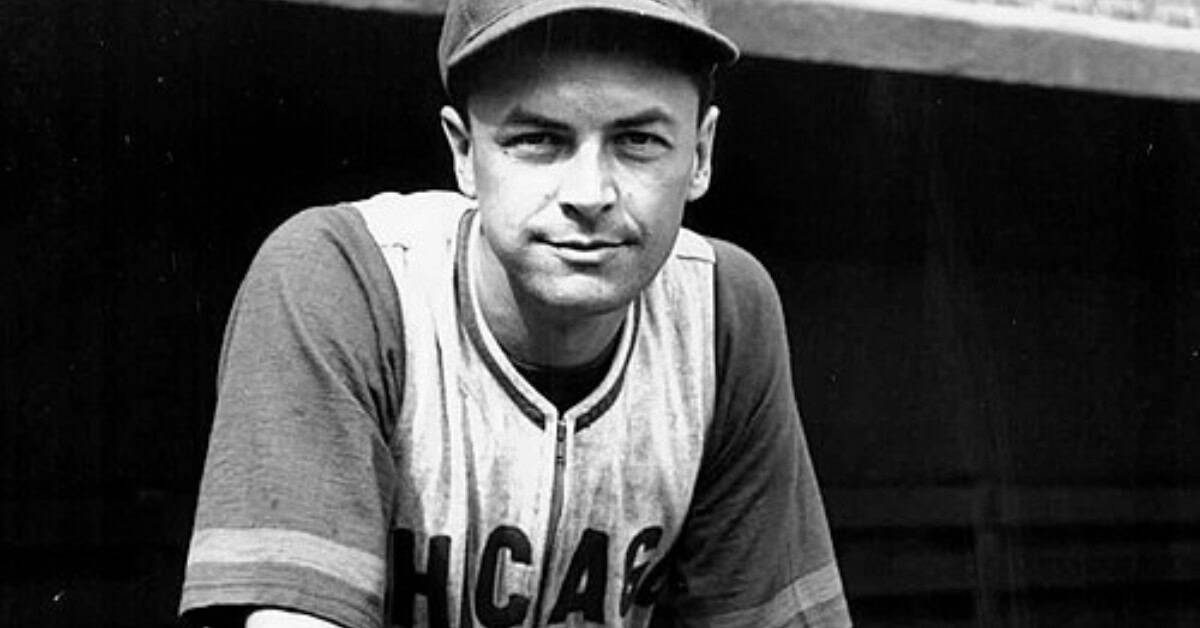
Stan Hack is one of the greatest Cubs of all time and one of the better players of his generation. He whacked 2,193 career hits with a .301 career batting average.
His four All-Star selections are low for the number of quality seasons he produced in Chicago. His name would at least touch the MVP ballot for eight straight years, which illustrates how much his play was at the forefront of minds during his career.
| Stan Hack — Career | Total |
|---|---|
| G | 1938 |
| AB | 7278 |
| H | 2193 |
| HR | 57 |
| RBI | 642 |
| SB | 165 |
| AVG | .301 |
| OBP | .394 |
| SLG | .397 |
| OPS | .791 |
8. Buddy Bell: The Rangers’ Golden Touch
Now we've reached a player with some real longevity. I know it's still well under 3,000, but Buddy Bell's 2,514 career hits just seem significant enough for me to think about his impact on the game. Those hits include 425 doubles, which is also a pretty good number to me.
Bell didn't just collect hits in his 18-year career; he collected Gold Gloves to the tune of six in six straight years. His 66.3 career WAR puts him right behind Edgar Martinez and ahead of Hall of Famers Home Run Baker and Dick Allen.
| Buddy Bell — Career | Total |
|---|---|
| G | 2405 |
| AB | 8995 |
| H | 2514 |
| HR | 201 |
| RBI | 1106 |
| SB | 55 |
| AVG | .279 |
| OBP | .341 |
| SLG | .406 |
| OPS | .747 |
| All-Star selections | 5 |
| Gold Gloves | 6 |
| Silver Sluggers | 1 |
7. David Wright: Captain America in Queens
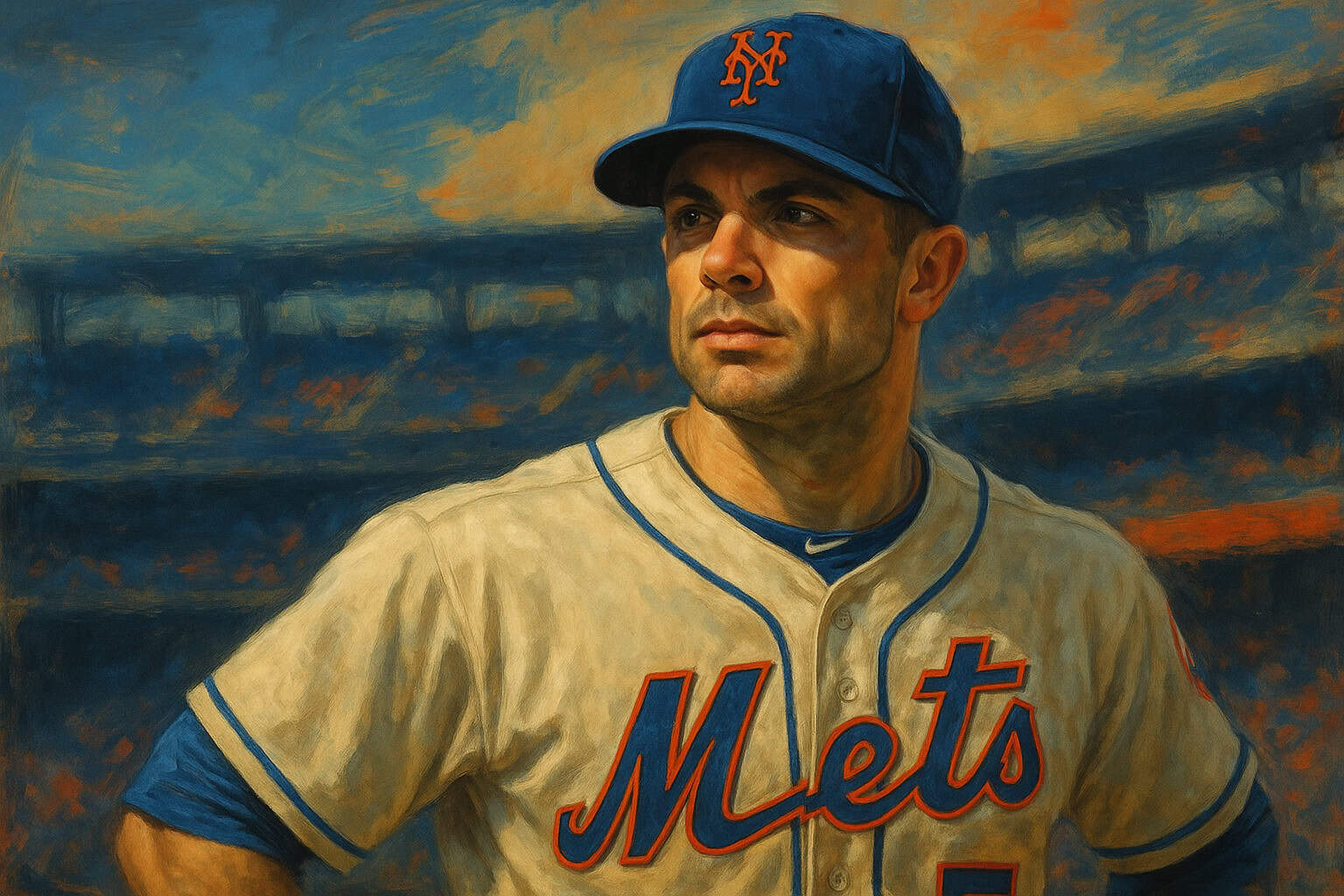
It's tough to reflect on David Wright's 14-year career. When he was going well, he was as good a third baseman as any in the league. His 133 OPS+ for his career suggests that he was playing at a Hall of Fame level most of the time. He could hit 30 home runs and steal 30 bases in the same season while hitting .325 and earning a Gold Glove. That's how good David Wright was.
Unfortunately, spinal stenosis had to come in the way of Wright continuing his career. We may never know what heights he could have reached.
| David Wright — Career | Total |
|---|---|
| G | 1585 |
| AB | 5998 |
| H | 1777 |
| HR | 242 |
| RBI | 970 |
| SB | 196 |
| AVG | .296 |
| OBP | .376 |
| SLG | .491 |
| OPS | .867 |
| All-Star selections | 7 |
| Gold Gloves | 2 |
| Silver Sluggers | 2 |
6. Sal Bando: The Mustache Gang’s General

Sal Bando is the perfect illustration of a really good player who quietly put together solid seasons at the plate as he locked down the hot corner. Bando just did what was needed from him, and it was exactly what his teams needed. He ended up winning three World Series championships while producing similar numbers on a yearly basis.
| Sal Bando — Career | Total |
|---|---|
| G | 2019 |
| AB | 7061 |
| H | 1790 |
| HR | 242 |
| RBI | 1039 |
| SB | 75 |
| AVG | .254 |
| OBP | .352 |
| SLG | .408 |
| OPS | .760 |
| All-Star selections | 4 |
| World Series titles | 3 |
5. Matt Williams: San Francisco’s Big Matt
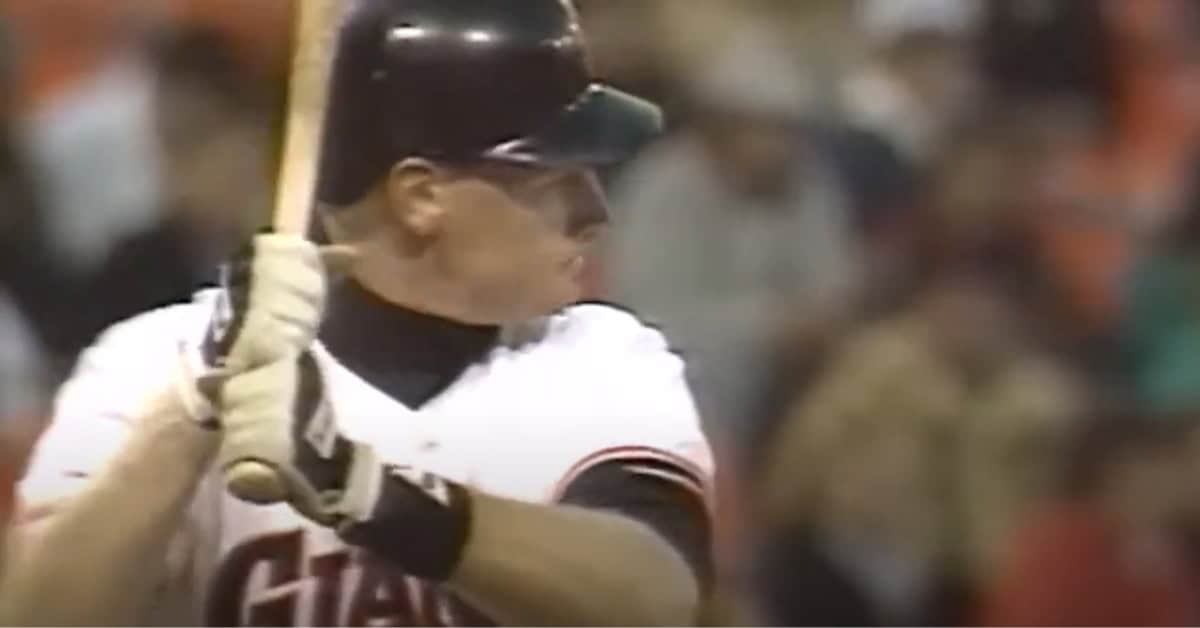
Matt Williams gets lost in the shuffle of the steroid era, but he should be recognized for his strong performances. 43 home runs to lead all of baseball is impressive for a season. The fact that Williams did that in 1994 is staggering.
Remember, that's when a strike happened that cut the season short. Who knows how many he could have hit if he had 50 more games. It's also a wonder how he didn't win the MVP.
| Matt Williams — Career | Total |
|---|---|
| G | 1866 |
| AB | 7000 |
| H | 1878 |
| HR | 378 |
| RBI | 1218 |
| SB | 53 |
| AVG | .268 |
| OBP | .317 |
| SLG | .489 |
| OPS | .806 |
| All-Star selections | 5 |
| Gold Gloves | 4 |
| Silver Sluggers | 4 |
| World Series titles | 1 |
4. Ron Cey: The Penguin’s Paradise
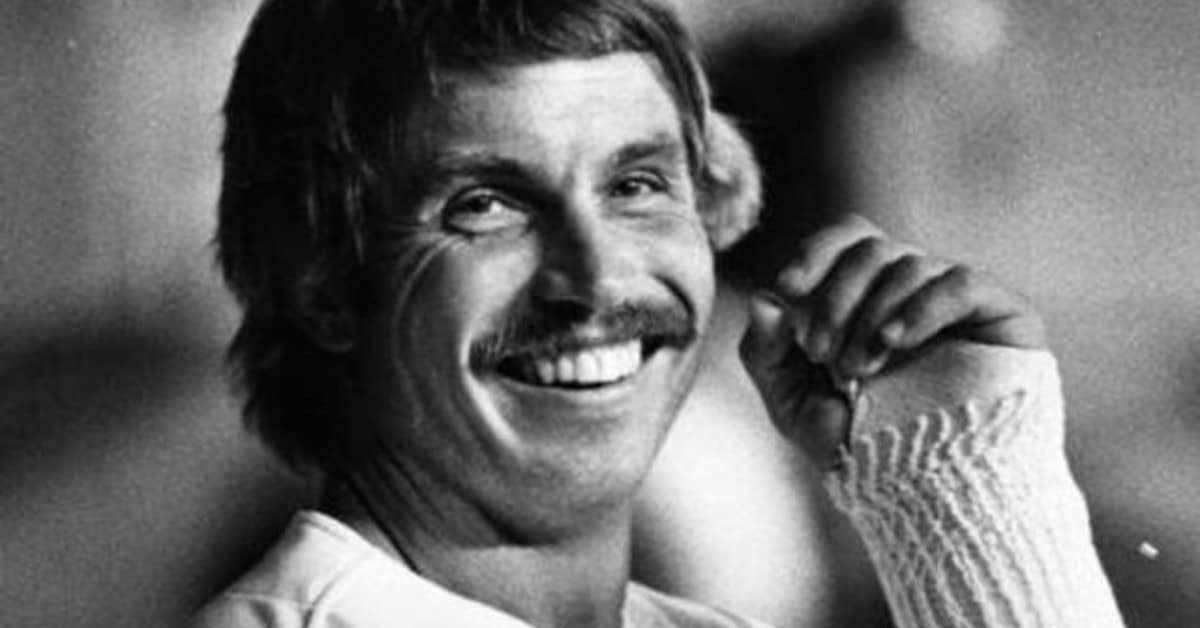
Ron Cey is one of the most decorated third basemen on this list. The Penguin earned six All-Star selections to go along with his 1981 World Series co-MVP. He was a key cog of a team that just played together. Cey was a mainstay at third base for most of his 17-year career.
With the way he ran and the heart he played with, I don't know if there will ever be a third baseman quite like Ron Cey.
| Ron Cey — Career | Total |
|---|---|
| G | 2073 |
| AB | 7162 |
| H | 1868 |
| HR | 316 |
| RBI | 1139 |
| SB | 24 |
| AVG | .261 |
| OBP | .354 |
| SLG | .445 |
| OPS | .799 |
| All-Star selections | 6 |
| World Series titles | 1 |
3. Darrell Evans: Detroit’s Silent Slugger
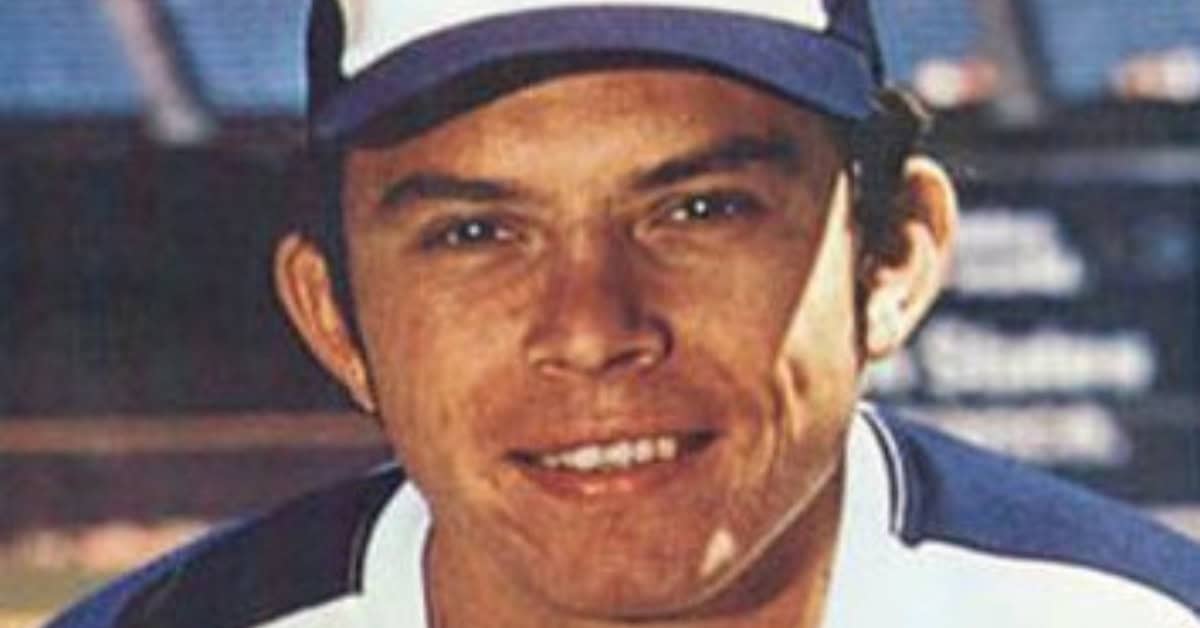
For all the great third basemen in history, Darrell Evans was unique in that he provided great offense from the left side of the plate. His 414 career home runs are normally enough to get a long look for entry into the Hall of Fame.
However, his two All-Star nods are criminally low for a player who performed at the level that he did for 21 years. Evans also has one of the best strikeout-to-walk rates of his era. He collected 1,605 walks in his career while striking out only 1,410 times.
| Darrell Evans — Career | Total |
|---|---|
| G | 2687 |
| AB | 8973 |
| H | 2223 |
| HR | 414 |
| RBI | 1354 |
| SB | 99 |
| AVG | .248 |
| OBP | .361 |
| SLG | .431 |
| OPS | .792 |
| All-Star selections | 2 |
| World Series titles | 1 |
2. Graig Nettles: The Bronx Vacuum Cleaner
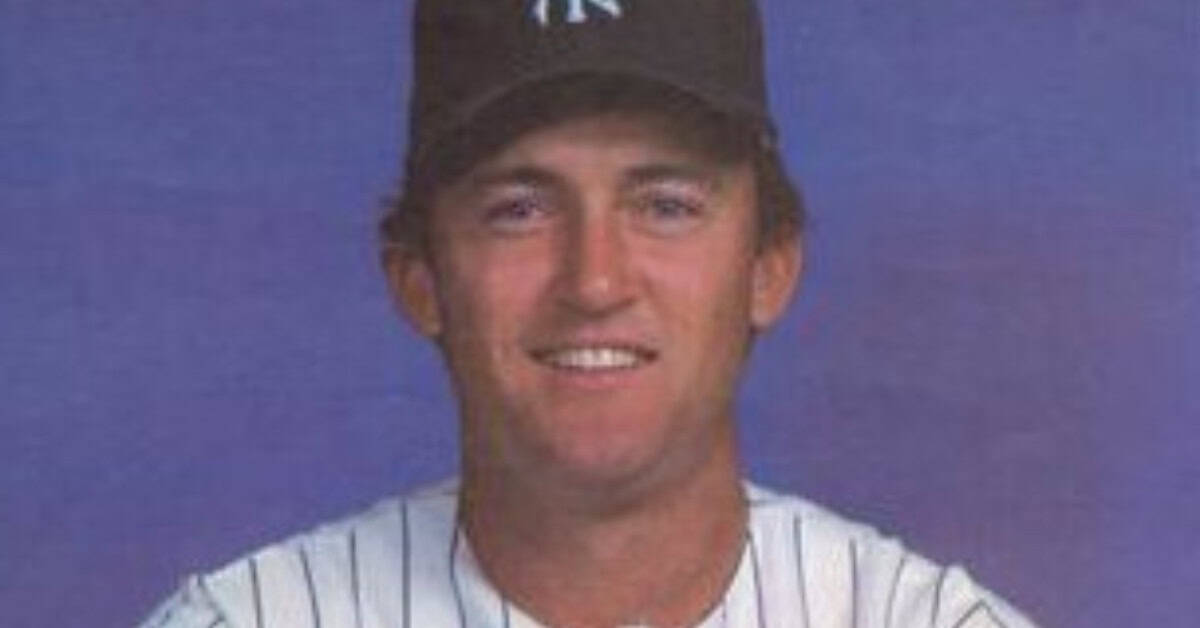
I like to watch some content creators do baseball guessing games online at times. Naturally, a lot of them are Yankee fans. Not enough of them have the memory or knowledge of the great Graig Nettles because that would make their trivia answering much easier. Nettles was selected to the All-Star Game six times in his 22-year career.
He collected 2,225 hits while playing Gold Glove defense, earning that recognition in back-to-back seasons. His career WAR of 68.0 is the highest of any player on this list, which means that it is really too bad that we have to see him on this list and not in Cooperstown.
| Graig Nettles — Career | Total |
|---|---|
| G | 2700 |
| AB | 8986 |
| H | 2225 |
| HR | 390 |
| RBI | 1314 |
| SB | 32 |
| AVG | .248 |
| OBP | .329 |
| SLG | .421 |
| OPS | .750 |
| All-Star selections | 6 |
| Gold Gloves | 2 |
| World Series titles | 2 |
1. Ken Boyer: The Cardinals’ Forgotten Captain
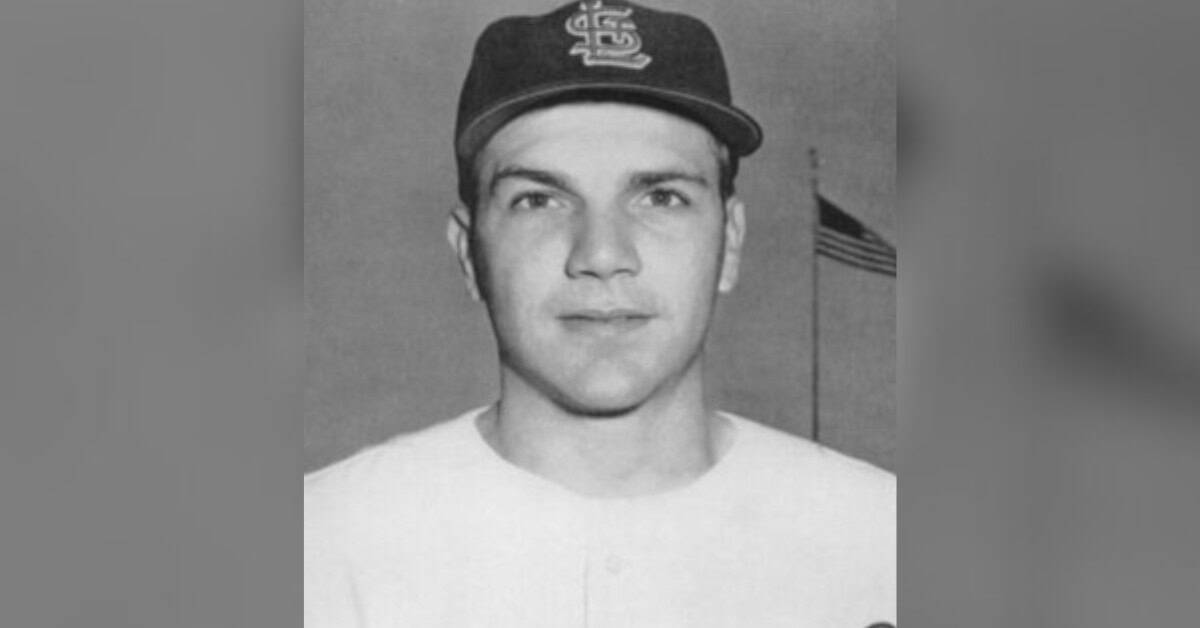
There are Hall of Famers who are in based on merit rather than numbers. I don't mind that kind of thinking. However, I think that can be employed on a more consistent basis. Ken Boyer is the most accomplished player on this list. He was an 11-time All-Star with five Gold Gloves. He earned the 1964 MVP while leading his Cardinals to a World Series championship.
Those accolades check off almost every box for any player who dreams of playing this great game. We leave it up to the Veterans Committee to vote Ken Boyer into the Hall of Fame in the near future, as that is the only way for it to happen.
| Ken Boyer — Career | Total |
|---|---|
| G | 2034 |
| AB | 7455 |
| H | 2143 |
| HR | 282 |
| RBI | 1141 |
| SB | 105 |
| AVG | .287 |
| OBP | .349 |
| SLG | .462 |
| OPS | .811 |
| MVP | 1 |
| All-Star selections | 7 |
| Gold Gloves | 5 |
| World Series titles | 1 |