

Last Updated: June 17th, 2026 by Matthew Brown
Baseball has always loved its heroes, but it’s loved making fun of them even more. In an era when sportswriters carried typewriters and wit like switchblades, no legend was safe from the sharp tongue of ridicule, especially when their most human flaws were exposed under the unforgiving lights of the diamond. These moments of mockery remind us that even the gods of summer were gloriously, hilariously human.
Don't lose this article. Enter your email below, and I'll send it to you right now. Plus, we'll send you other unbelievable stories from baseball's past.
Casey Stengel: The Old Professor Whose “Stengelese” Baffled Press and Players
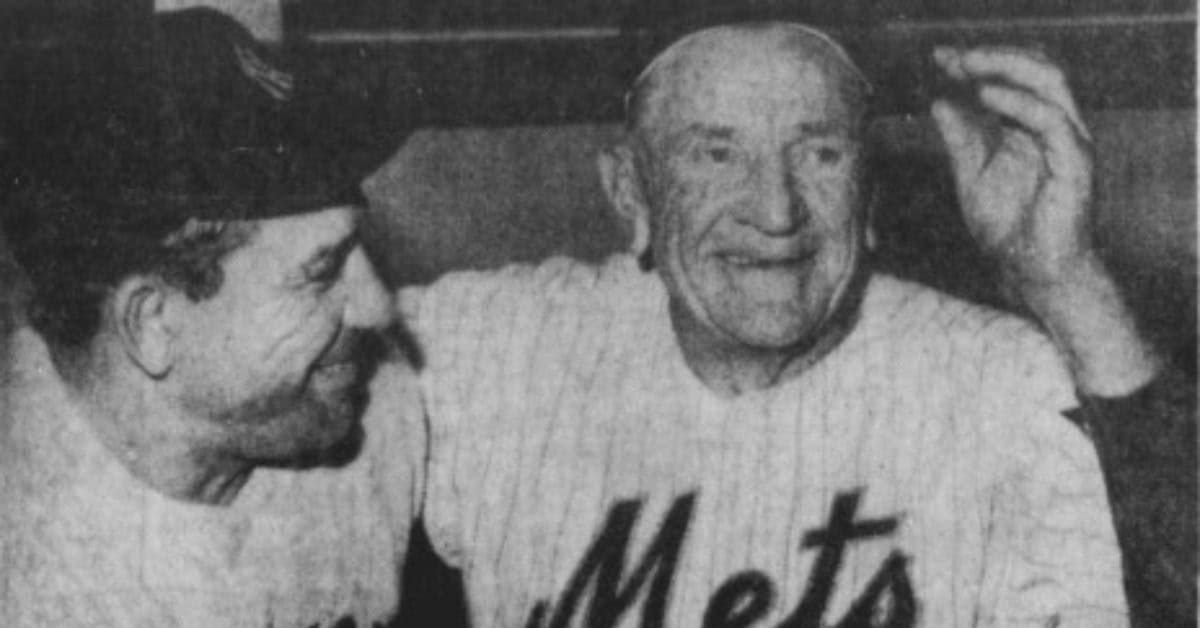
Casey Stengel spoke in riddles wrapped in mysteries—his rambling sentences circled back on themselves like a dog chasing its tail, leaving reporters scratching their heads and wondering if they’d just witnessed genius or gibberish. His “Stengelese” became so famous that sportswriters would quote him verbatim just to watch readers try to decode what he actually meant. The Old Professor turned confusion into an art form, proving that sometimes the best way to handle the press is to speak in a language only you understand.
Bill Buckner: The All-Star Whose Legs Became a National Punchline Overnight
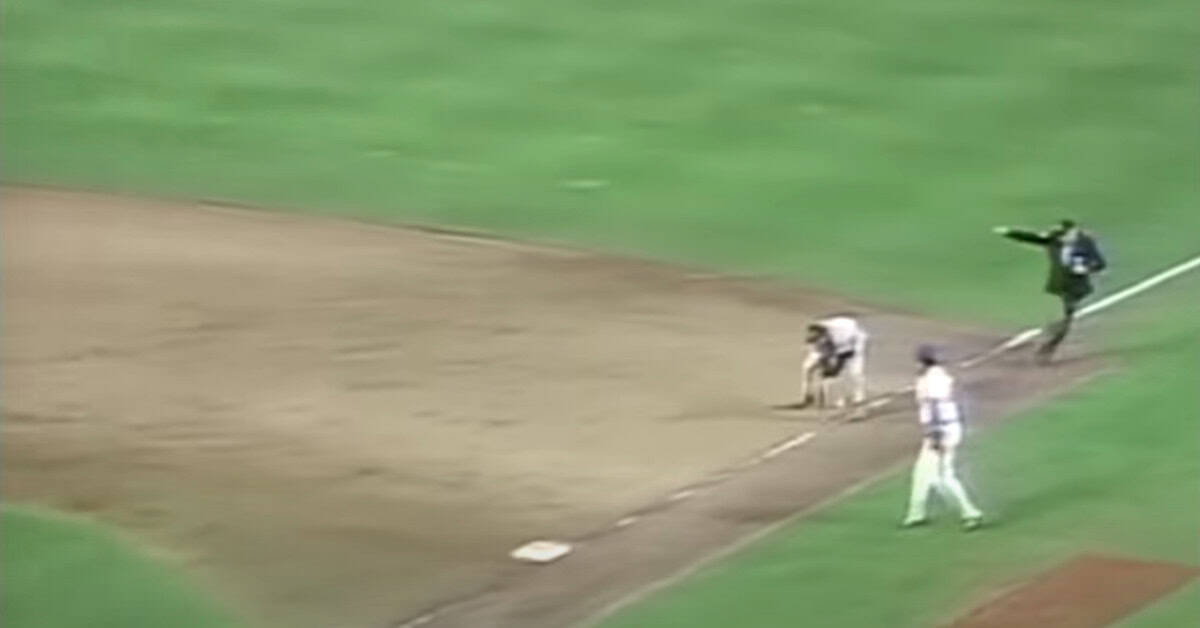
Bill Buckner had fielded thousands of ground balls in his 22-year career, but one slow roller in Game 6 of the 1986 World Series turned his legs into a national joke and his name into a verb for choking under pressure. The cruel irony was that his hobbled ankles, which contributed to the error, were the result of playing through pain for decades—making him a warrior who got mocked for the very sacrifice that defined his career. Buckner’s story became baseball’s cruelest reminder that sometimes one moment of vulnerability can overshadow a lifetime of excellence.
Chuck Knoblauch: The Gold Glover Who Suddenly Couldn’t Throw to First Base
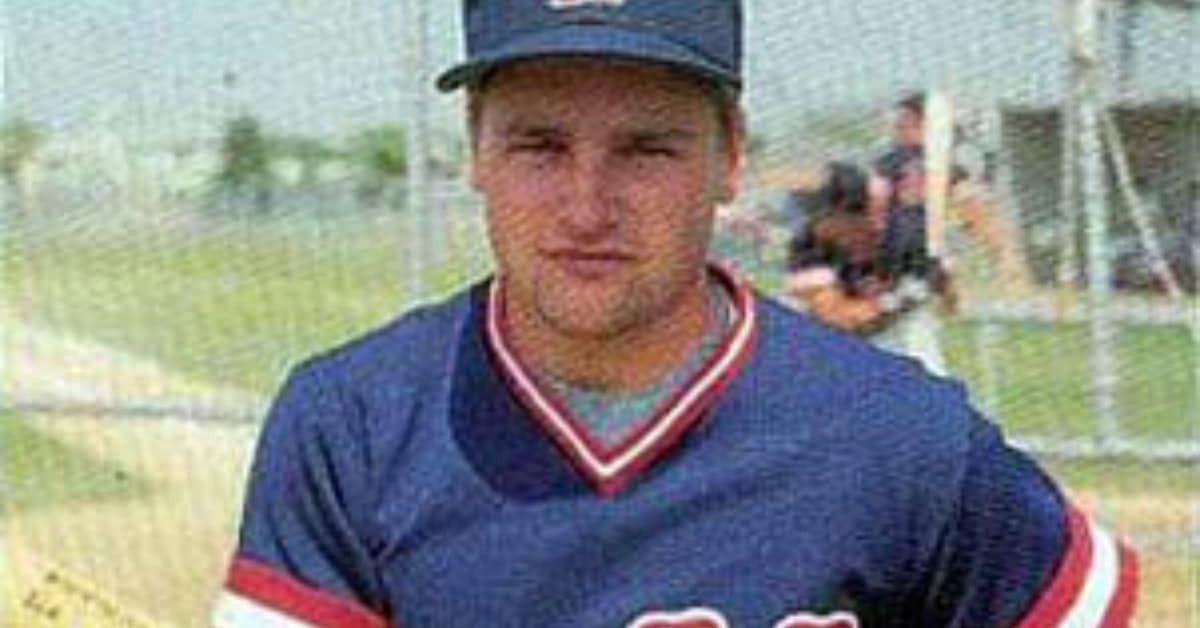
Chuck Knoblauch was a Gold Glove second baseman who could turn double plays in his sleep—until the yips struck like lightning and suddenly he couldn’t make the routine 90-foot throw to first base without it sailing into the stands. His mental block became so notorious that Yankees fans would hold their breath on every ground ball, and opposing teams started bunting just to watch him squirm. Knoblauch’s struggle was tragic and hilarious in equal measure, proving that sometimes the mind can be baseball’s cruelest opponent.
Jose Canseco: When His Head Became an Unintentional Home Run Ramp
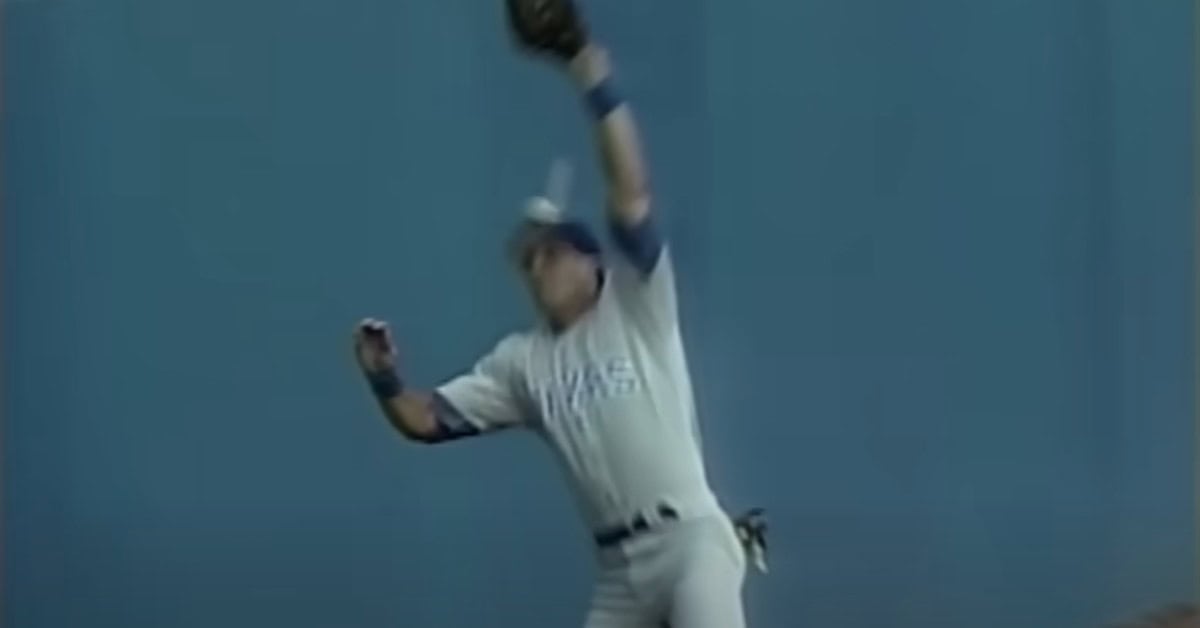
Jose Canseco was trying to make a routine catch when Carlos Martinez’s fly ball bounced off his head and over the fence for the most embarrassing home run in baseball history, turning the Bash Brother into an unwilling launching pad. The incident became an instant blooper reel classic, replayed endlessly on sports shows and cementing Canseco’s reputation as baseball’s most unintentionally hilarious superstar. His head-assisted homer proved that sometimes even the most muscular athletes can become human pinball machines when physics and poor judgment collide.
Fred Merkle: The “Bonehead” Whose Baserunning Blunder Lived for Decades

Fred Merkle was just 19 years old when he failed to touch second base in a crucial 1908 game—a mental lapse that cost the Giants the pennant and earned him the cruel nickname “Bonehead” that followed him like a shadow for the rest of his life. The poor kid was following common practice at the time, but that didn’t stop fans and newspapers from turning his name into a synonym for stupidity. Merkle’s “boner” became baseball’s original viral moment, proving that some mistakes are so perfectly timed they achieve a kind of immortal infamy.
“Marvelous Marv” Throneberry: The Mascot of Haplessness for the ’62 Mets
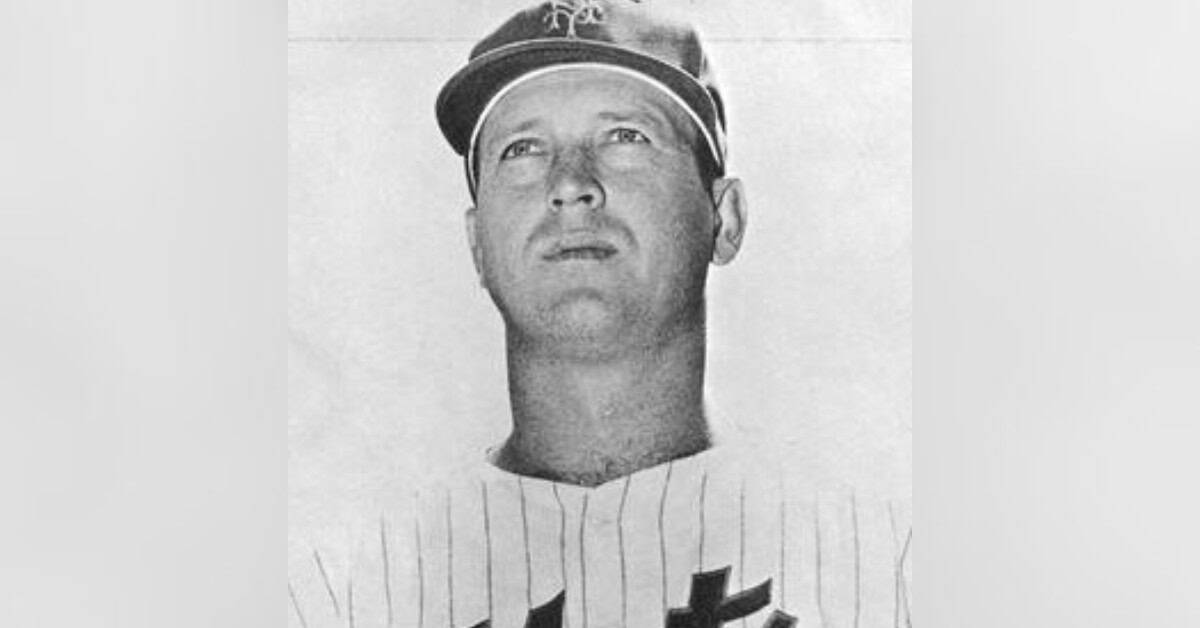
Marv Throneberry became the lovable symbol of the historically awful 1962 Mets—a team so inept that his fielding errors and baserunning blunders were almost performance art. His nickname “Marvelous Marv” was delivered with the kind of sarcasm that could cut glass, but New York fans embraced him as the perfect mascot for their perfectly imperfect team. Throneberry proved that sometimes being spectacularly bad at something can make you more beloved than being merely good, especially when you’re bad with such consistent, almost artistic flair.
Ted Williams: The Splinter Who Spat at Fans and Got Booed for Not Tipping His Cap
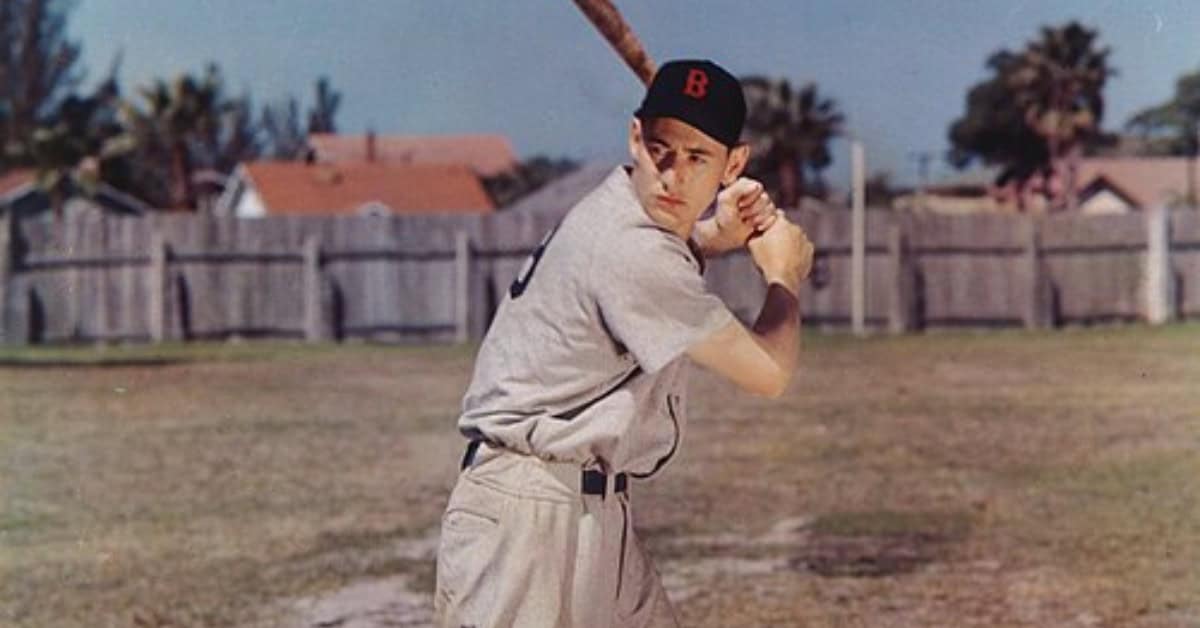
Ted Williams was the greatest pure hitter who ever lived, but his refusal to tip his cap to fans and his occasional spitting incidents made him Boston’s most beloved and most hated player simultaneously. The press crucified him for his perceived arrogance, and fans booed him mercilessly, even as he hit .400 and served his country in two wars. Williams proved that sometimes being a perfectionist and a patriot isn’t enough if you won’t play the popularity game, and that the most talented athletes can also be the most stubborn about being themselves.
Babe Herman: The Dodger Who Famously “Doubled Into a Double Play”
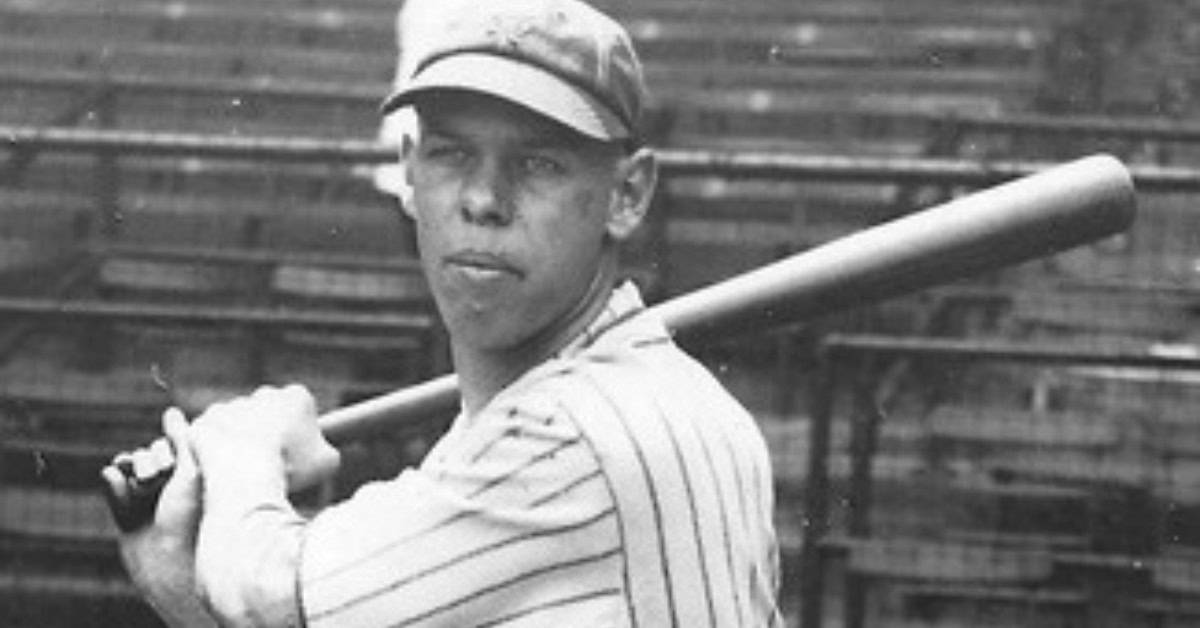
Babe Herman was a hitting machine for the “Daffiness Boys” Dodgers, but his baserunning was so spectacularly awful that he once managed to be the third teammate to end up on third base simultaneously—creating the kind of chaos that made vaudeville look organized. His most famous gaffe involved hitting what should have been a routine double but somehow getting himself and a teammate tagged out in a play so confusing that even the umpires needed a conference to sort it out. Herman’s baserunning adventures became the stuff of legend, proving that you can hit .340 and still be remembered primarily for running into an out.
Smead Jolley: The Outfielder Whose Glove Was More Myth Than Leather
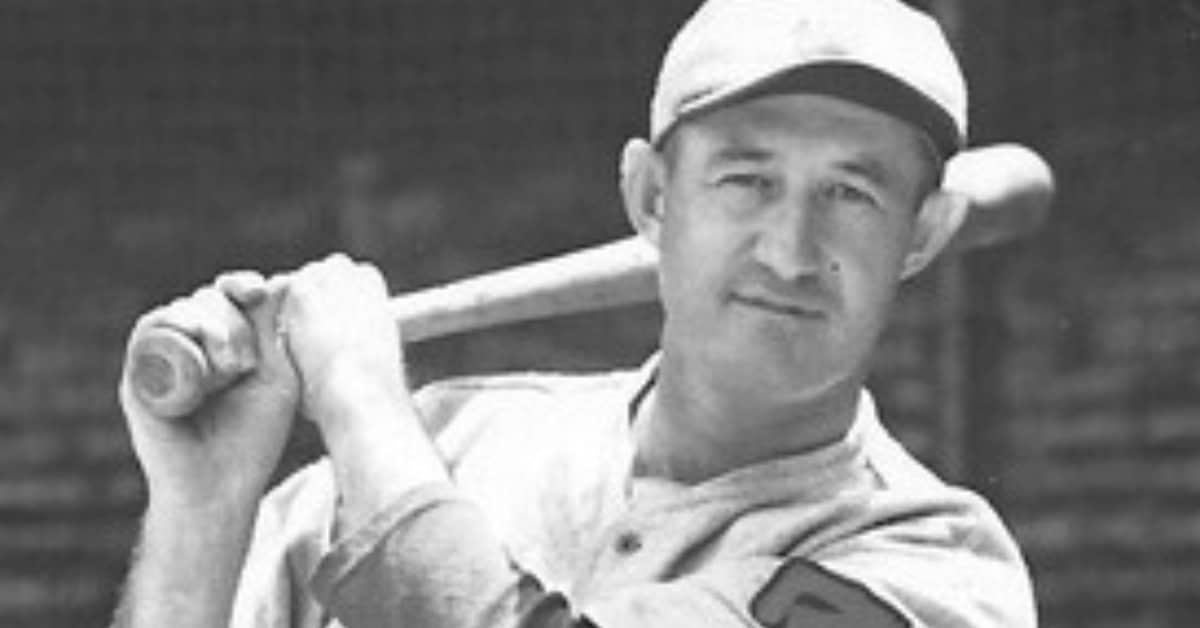
Smead Jolley could hit a baseball like he was born to do it, but his defensive skills were so legendarily bad that opposing teams would intentionally hit fly balls his way just to watch the ensuing comedy show. His glove work was so poor that sportswriters joked he needed a butterfly net instead of a mitt, and his outfield adventures became the stuff of Depression-era entertainment when laughs were hard to come by. Jolley’s defensive disasters proved that sometimes being hilariously bad at half your job can make you more memorable than being merely competent at all of it—creating a legacy built on the beautiful chaos of athletic incompetence.
Yogi Berra: The Catcher Who “Looked Funny” But Outsmarted Everyone

Yogi Berra’s unconventional looks made him an easy target for wisecracks, with sportswriters comparing him to everything from a cartoon character to a lovable ape. But Casey Stengel had the perfect comeback: “They say he’s funny looking, but he’s funny looking with the bases loaded.” His malapropisms became legendary (“It ain’t over ’til it’s over”), turning what started as mockery into endearing folklore. Yogi proved that sometimes the best response to ridicule is simply being so good at what you do that the laughter turns to applause.