
Last Updated: October 13th, 2026 by Matthew Brown
The captain of a sports team is always respected and beloved by fans. More often than not, the captain on a baseball diamond is the shortstop. They hold a big role in the dugout and are regularly looked to by teammates as the heartbeat of the team.
Don't lose this article. Enter your email below, and I'll send it to you right now. Plus, we'll send you other unbelievable stories from baseball's past.
The Hall of Fame has a number of shortstops, but there are so many more that deserve recognition. Let's go through what should be a fun list of stars that helped define the position.
20. Dave Concepcion: The Big Red Machine’s Forgotten Cog

For all the offense that the Big Red Machine was known for, they needed great defense as well to secure their championships. Davey Concepcion was the defensive star they needed throughout his great 19-year career.
A devoted Red, Concepcion earned nine All-Star selections, five Gold Gloves, and even two Silver Sluggers. His bat came up big when it mattered most, hitting .357 in the 1976 World Series win.
19. Rafael Furcal: The Switch-Hitting Speedster Atlanta Never Forgot
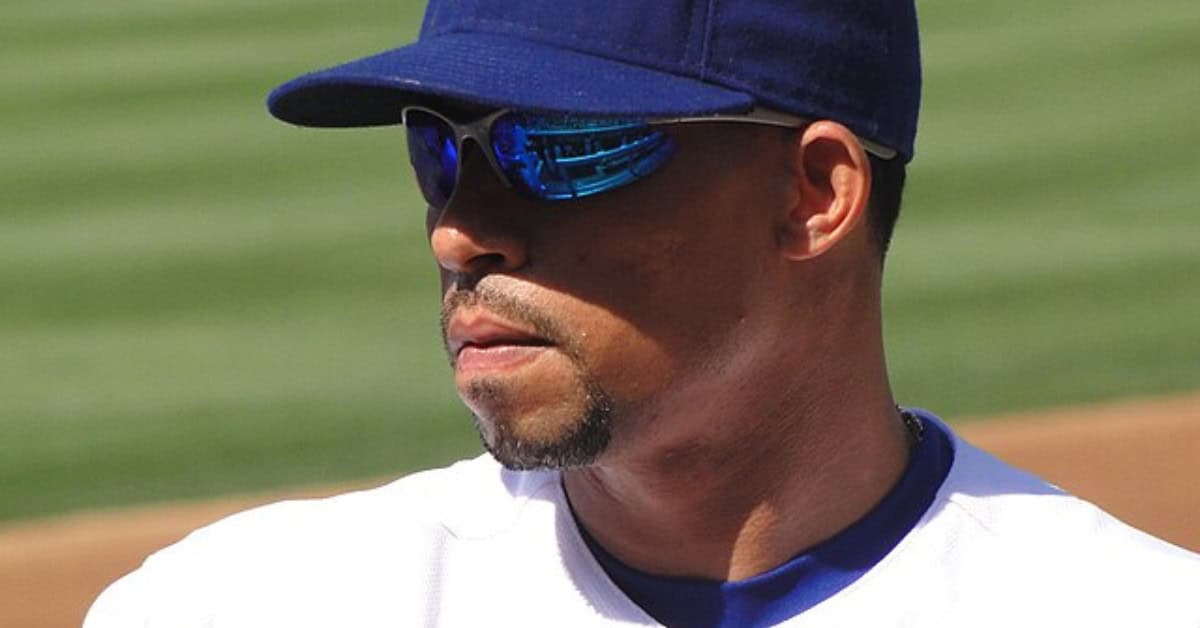
Rafael Furcal is one of my favorite shortstops from the 2000s. He played the game with an underdog mentality that made his 5'8 stature look taller than 6'0. He kept up a .281 lifetime batting average, earning three All-Star selections.
At the end of his career, after successful stints with the Braves and the Dodgers, Furcal reached the pinnacle, being a part of the 2011 St. Louis Cardinals World Series-winning team.
18. Maury Wills: The Base Thief Who Rewrote the Rulebook
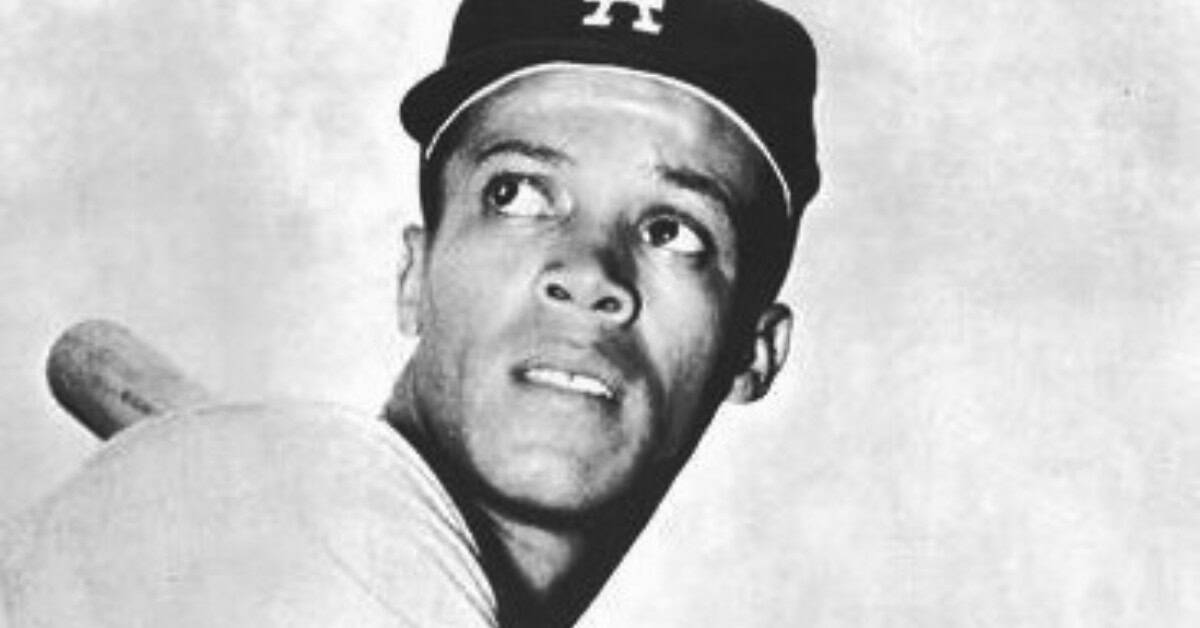
The Los Angeles Dodgers have seen some great middle infielders throughout their history. Maury Wills has been a part of that gold standard as he brought a strong speed dimension to the shortstop position. His historic 1962 season saw him steal an incredible 104 bases on a .299 batting average with a league-leading 10 triples.
Those steals were in the middle of six consecutive seasons in which Wills led the league in that category.
17. Jose Reyes: When Stolen Bases Still Mattered More Than Launch Angles
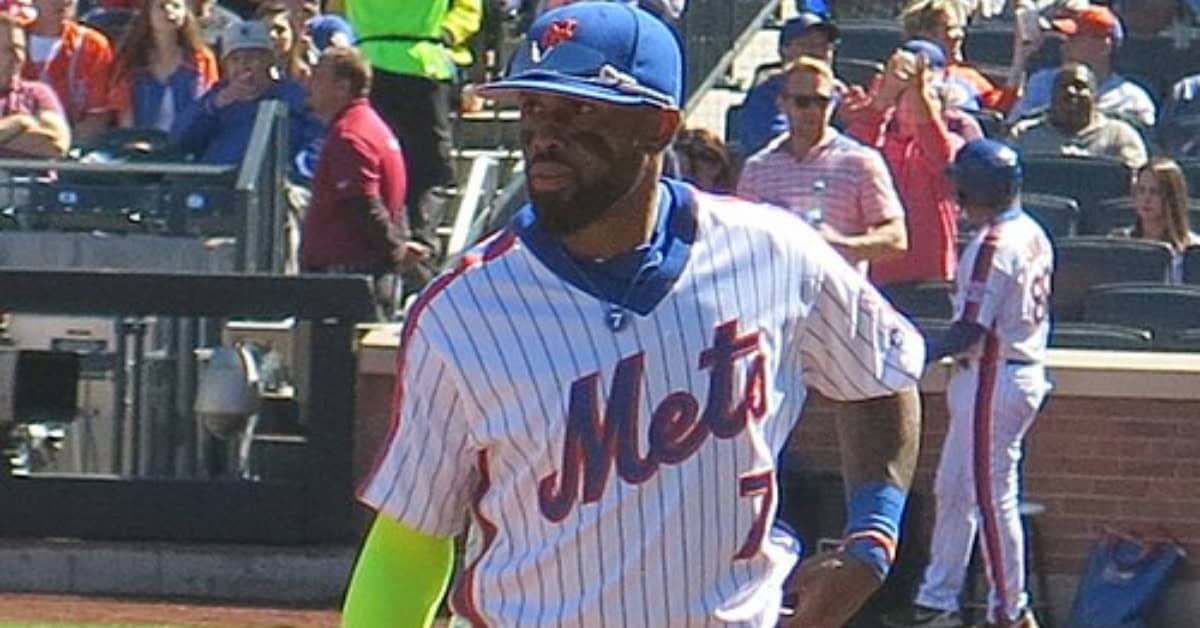
A four-time All-Star, Jose Reyes had a great mix of speed and power. He led the league in stolen bases three times and led in triples in four seasons. He led in hits for a season, won a batting title in another, and earned a Silver Slugger in a separate year.
His accomplishments are spread throughout his 16-year career, where he accumulated 2,138 career hits as one of the premier shortstops of his time.
16. Bill Dahlen: The 19th Century Star Lost to Time
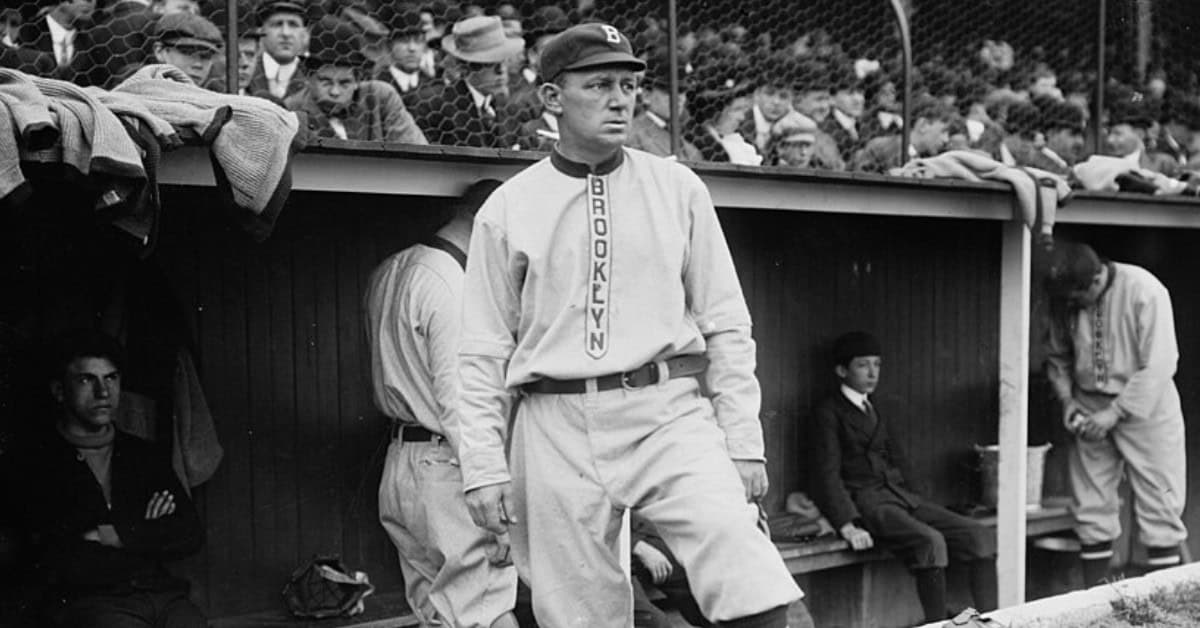
One of the great shortstops in the early days of baseball, Bill Dahlen played 21 years for some cornerstone franchises like the Cubs, Dodgers, Giants, and Braves. The only thing is that he didn't know those teams under those names.
The Cubs were known as the Colts, the Dodgers were the Superbas, among a number of names, and the Braves were known as the Doves. Through all of that, Dahlen built up a 74.9 career WAR. He is the only shortstop in history with 70 WAR or more and not in the Hall of Fame.
15. Jimmy Rollins: Philadelphia’s Loudmouth Who Backed It All Up
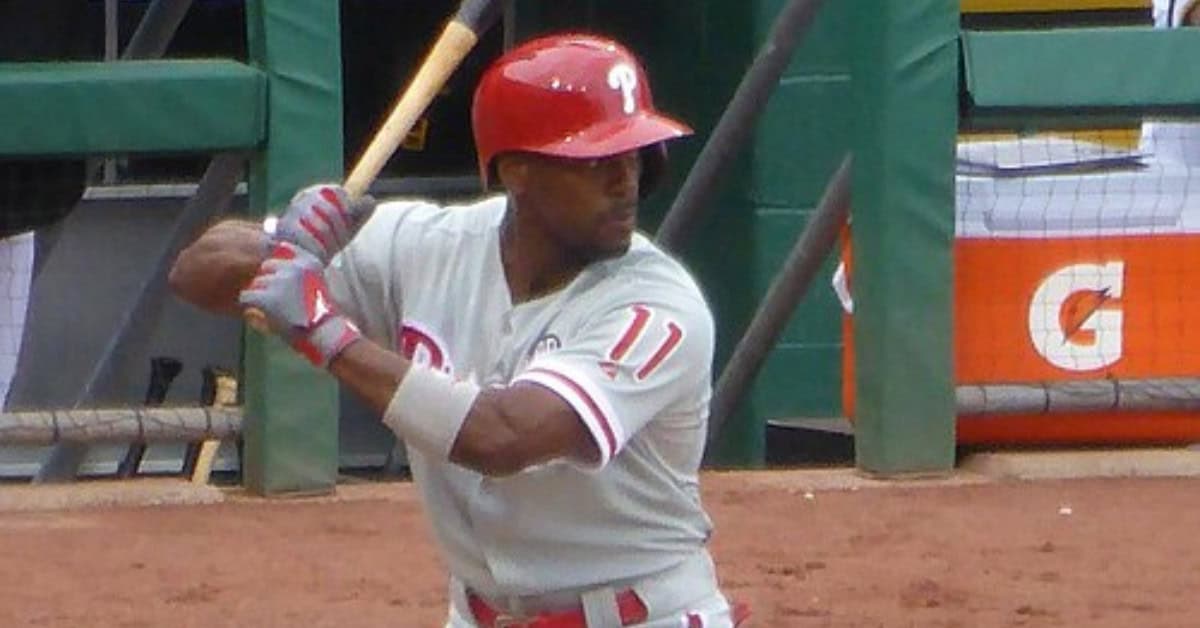
J-Roll was an icon in Philadelphia as one of the great shortstops in the league. He led the league for four seasons in triples and led in stolen bases once. He took the most at-bats in the league four times as one of the premier lead-off hitters during his 17-year career.
He tallied 2,455 hits with a good 511 career doubles.
Rollins earned an MVP in 2007, which verified his great play even though he was robbed of All-Star selections for most of his career.
14. Omar Vizquel: The Gold Glove Wizard Whose Legacy Got Complicated
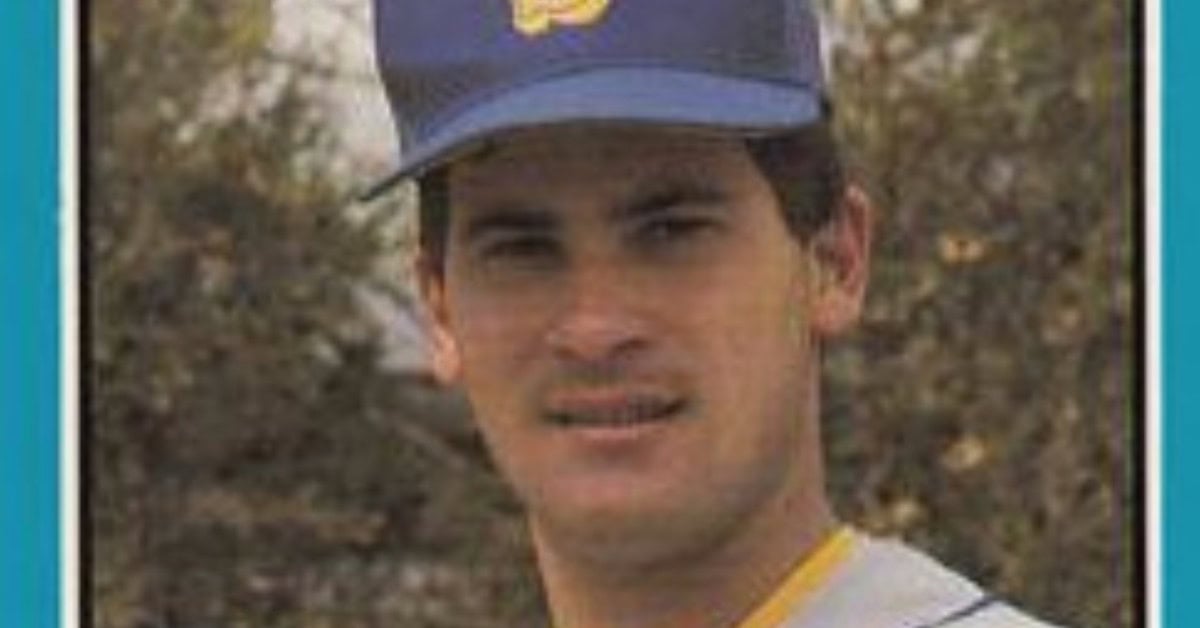
Easily the greatest defensive shortstop not enshrined in Cooperstown, Omar Vizquel made magic on the field for 24 years. He collected 11 Gold Gloves over his illustrious career with three All-Star selections.
His 2,877 career hits put him in the upper echelon of shortstops in that category, making it puzzling as to why he's been passed up by voters for so long.
13. Bert Campaneris: Oakland’s Cuban Speedster Who Did It All
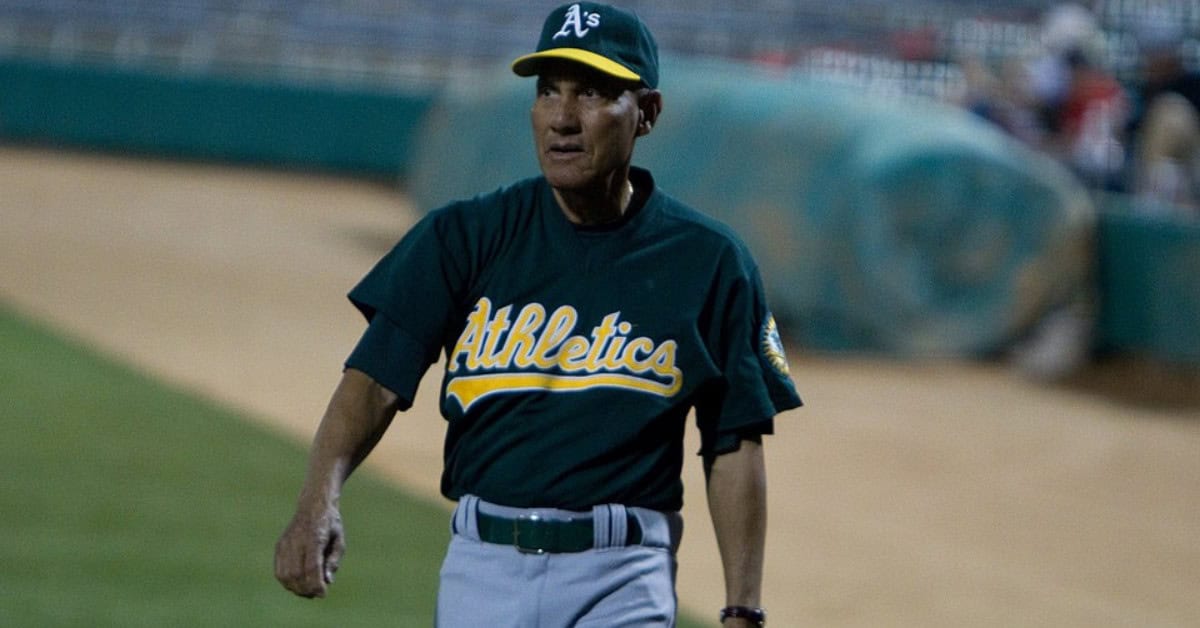
For 19 seasons, Bert Campaneris was as productive a shortstop as any in the MLB. He was a six-time All-Star and a part of the A's dynasty in the 1970s. He led the league in stolen bases six times in his career, creating run-scoring opportunities for the strong hitters behind him.
Campy will always be a legend in Cuba, as he helped inspire many players who excelled in the league after his playing days were over.
12. Jim Fregosi: The Angels’ First Star Before They Knew What Stars Were
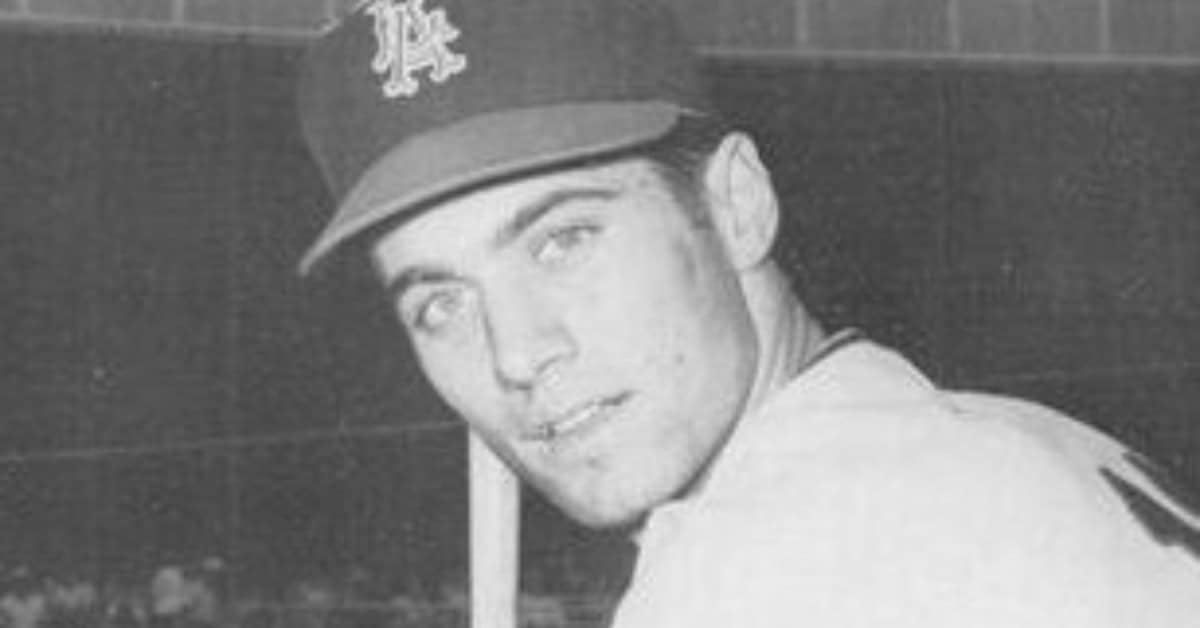
The Angels have had their ups and downs through the years, but Jim Fregosi was a steady hand at short throughout his 18-year career. He was a six-time All-Star and built up an impressive 45.9 WAR in the 11 seasons he spent in Anaheim.
Fregosi's defense was solid as he earned a Gold Glove in 1967, one of his best all-around seasons.
11. Nomar Garciaparra: Boston’s Batting Champion Who Made Wrist Guards Cool
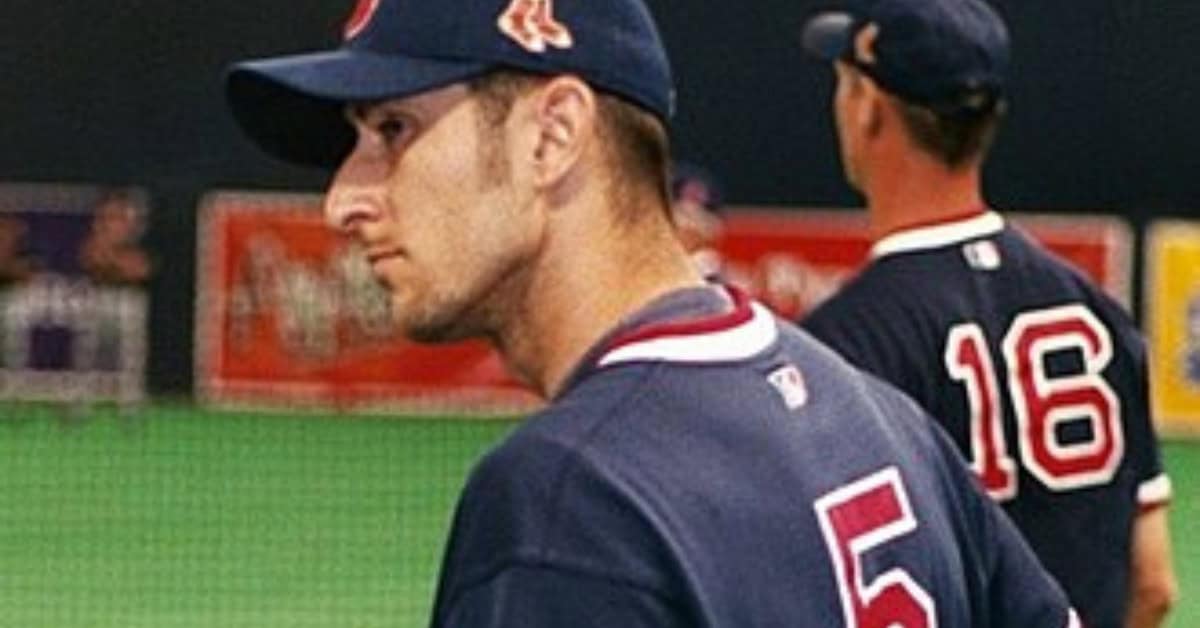
The 1997 Rookie of the Year was arguably the most intriguing shortstop in baseball as he led the league with 209 hits and 11 triples. His popularity skyrocketed to a point where most fans just knew him by his first name.
Nomar maintained an impressive .313 lifetime batting average, hitting 20 or more home runs and over 30 doubles in seven different seasons. Though injuries derailed the back half of his career, Nomar is still remembered as an icon of the time.
10. Miguel Tejada: The MVP Who Carried Oakland’s Moneyball Dreams
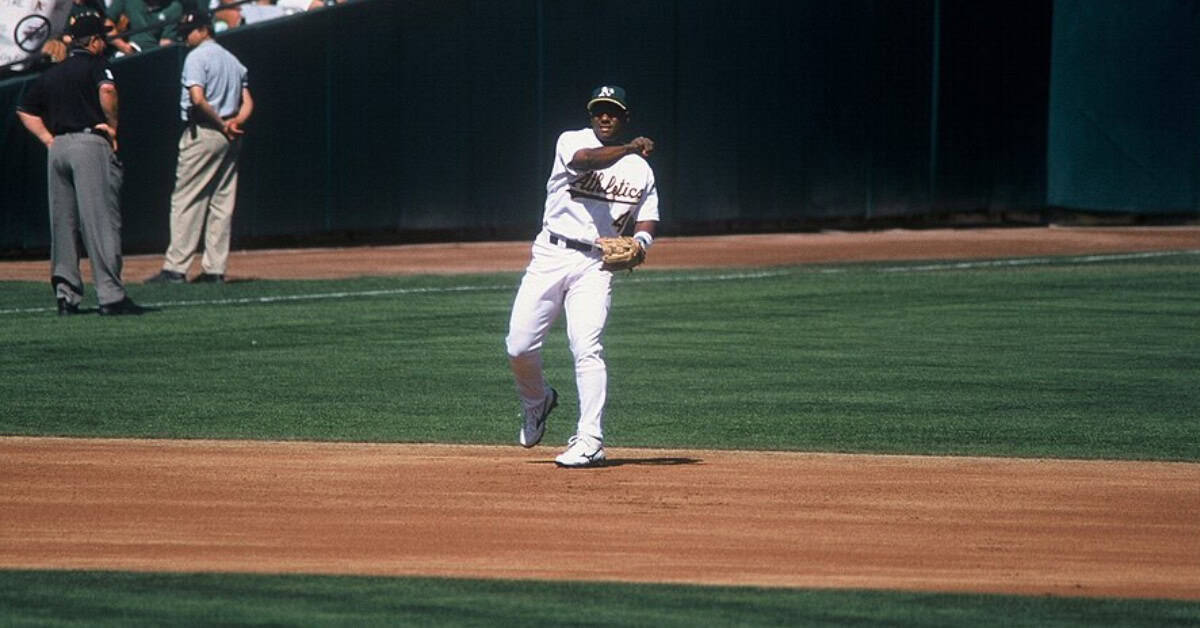
The 2002 AL MVP was the engine of the iconic Moneyball A's. Miguel Tejada was not only a great player, but a durable one. He played in all 162 games in six straight seasons.
That provided so much value to the value-hunting franchise.
He earned six All-Star selections across three teams, leading the league in RBI once and doubles twice. Tejada's 2,407 career hits are a testament to his durability and skill.
9. Mark Belanger: Baltimore’s Defensive Artist in the Brooks Robinson Era

As the Hall of Famer Brooks Robinson was in the back half of his career, Mark Belanger joined him on the left side of the Orioles infield to create a tandem that would terrorize the league for years.
Belanger earned eight Gold Gloves in his career, locking down the shortstop position for 18 years. I understand that ballplayers have to be able to hit too, but Belanger's defense was simply elite and grounds for Hall consideration.
8. Tony Fernandez: Toronto’s Smooth-Fielding Dominican
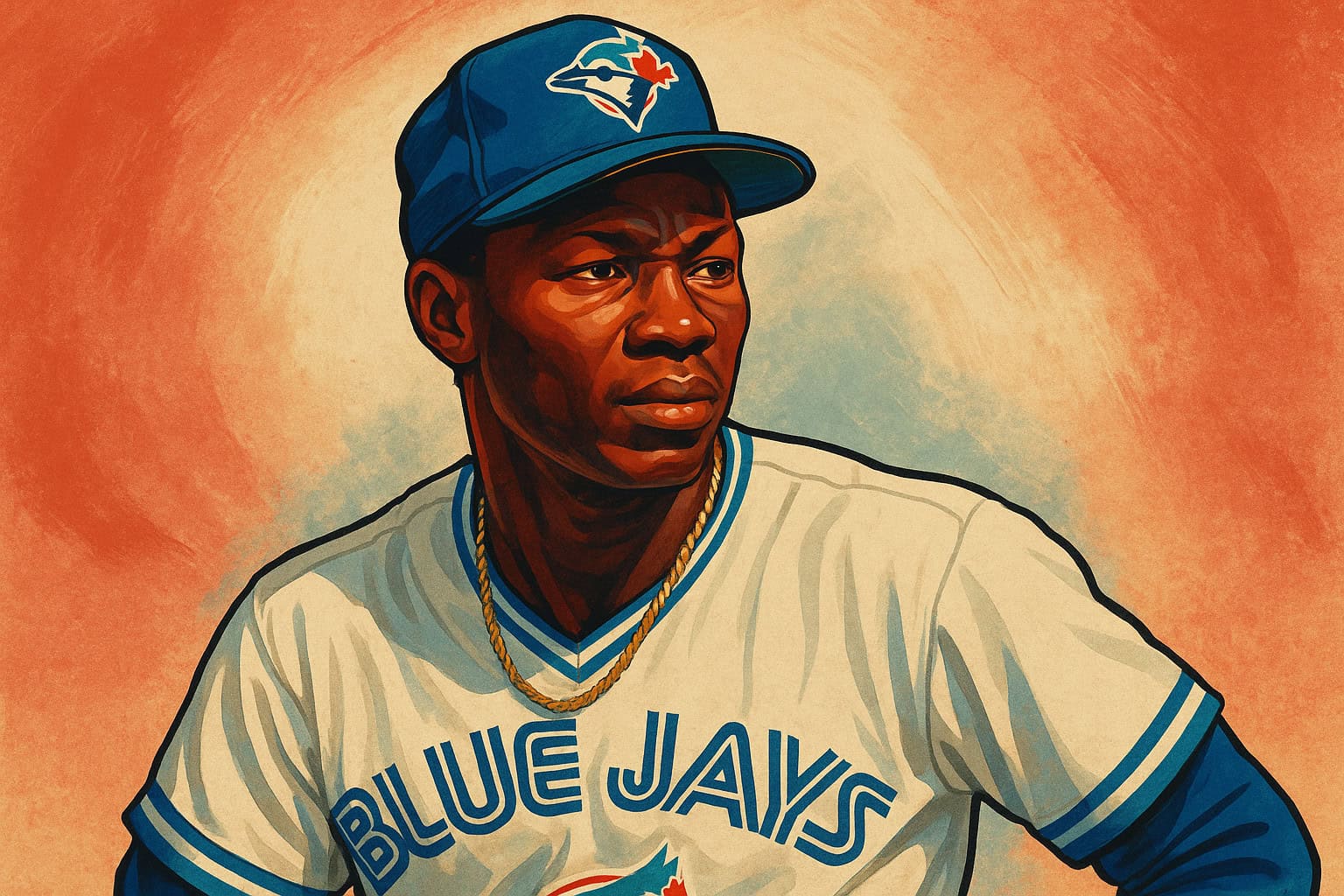
We continue with more great defense on this list, as Tony Fernandez was as smooth as anyone in the diamond. The five-time All-Star earned four Gold Gloves and helped lead the Toronto Blue Jays to their World Series title in 1993.
Fernandez was a major contributor in that six-game series as well, hitting .333 and driving in a whopping nine RBI.
7. Julio Franco: The Ageless Wonder Who Made 40 Look Like 25
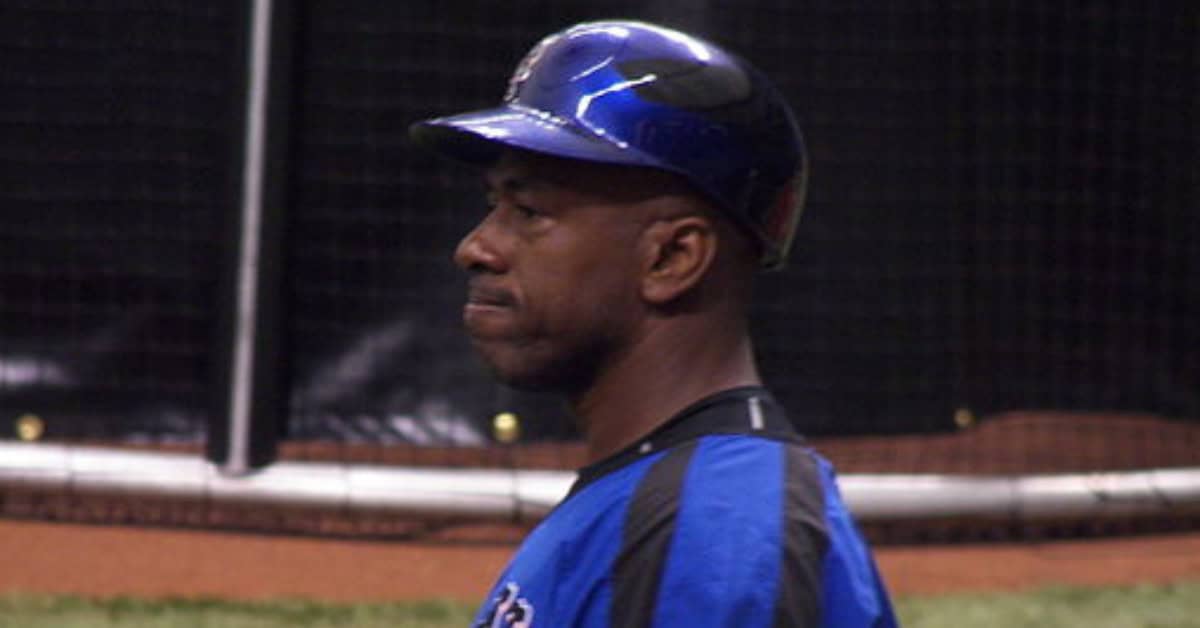
For all the different positions that Julio Franco saw time at during his long 23-year career, he actually played and started the most games of his career at shortstop. Of course, he wasn't playing shortstop by the time he was 48 and still in the league.
It was actually a spry 24-year-old Franco who found himself in Cleveland getting everyday starts at the position to begin his career, which led to three All-Star selections and five Silver Sluggers.
6. Troy Tulowitzki: The What-If Story That Still Haunts Colorado
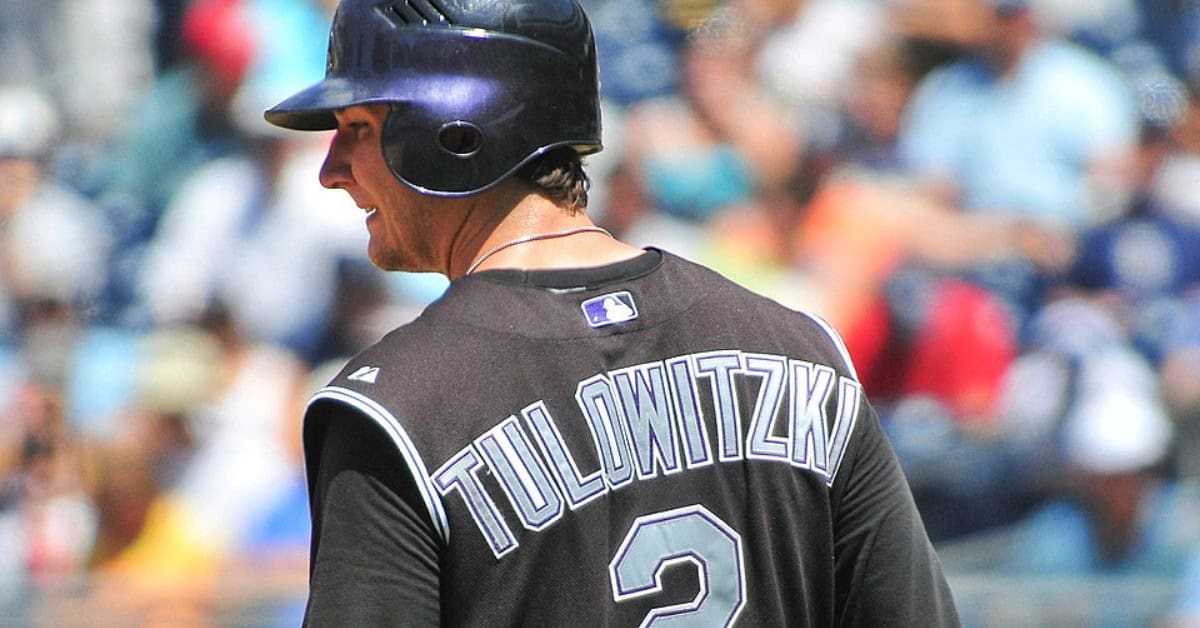
Even though playing in Colorado inflates some stats, Troy Tulowitzki is still known as one of the elite hitting shortstops of his time. He earned five All-Star selections with two Gold Gloves and two Silver Sluggers.
He was as dynamic as any player in the league, and it just came down to staying healthy. Unfortunately, injuries prevented his career from going longer than 13 years, or else he may not have been on this list.
5. Dick Groat: Pittsburgh’s Two-Sport Star

Dick Groat might be the best athlete on this list. He legitimately started his career as a two-sport athlete, making his debut with the Pittsburgh Pirates and playing for the Ft. Wayne Zollner Pistons in the NBA.
Then he paused for two seasons to enlist in the Army and came back and focused on baseball.
He did so in a big way, earning eight All-Star selections and the 1960 NL MVP. The star shortstop was also instrumental in two World Series titles between the Pirates and the St. Louis Cardinals.
4. Garry Templeton: The Switch-Hitter Who Could Do Everything
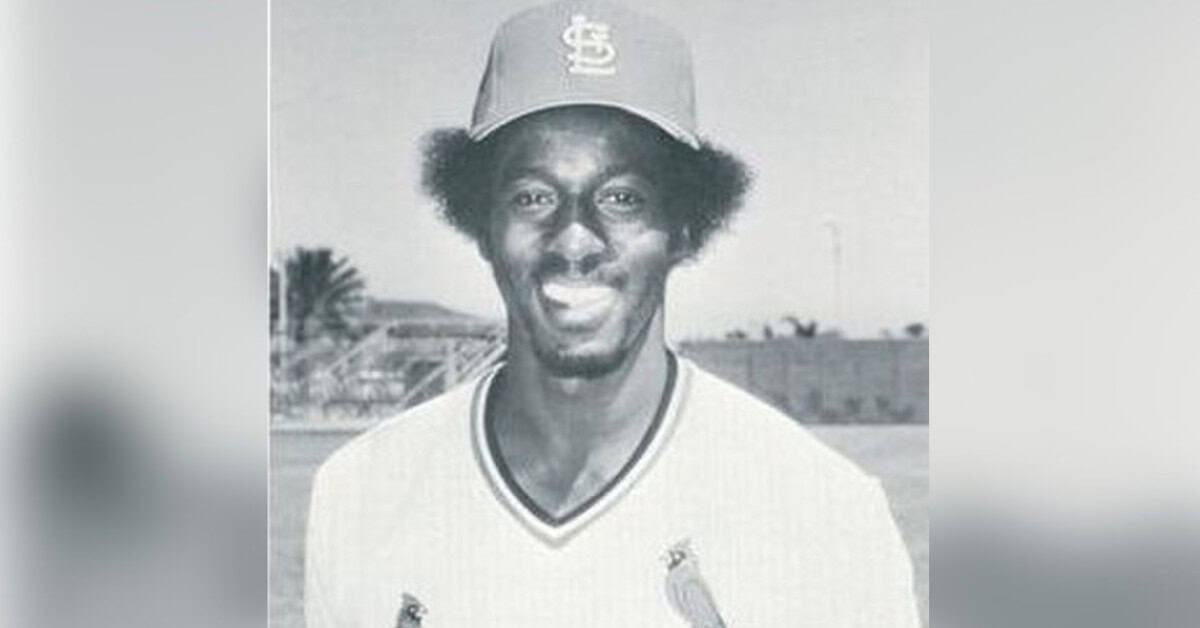
Garry Templeton has the ability to say that he was traded for a Hall of Famer. He was one of the most dynamic shortstops in all of baseball when he burst onto the scene with the Cardinals, leading the league in hits in 1979 and triples in three straight seasons.
His tumultuous relationship with the organization led to him being traded to the Padres for Ozzie Smith. He held his own compared to Ozzie, as Templeton earned three All-Star selections in his career with two Silver Sluggers.
3. Edgar Renteria: Two World Series Rings, Two Hall of Fame Votes
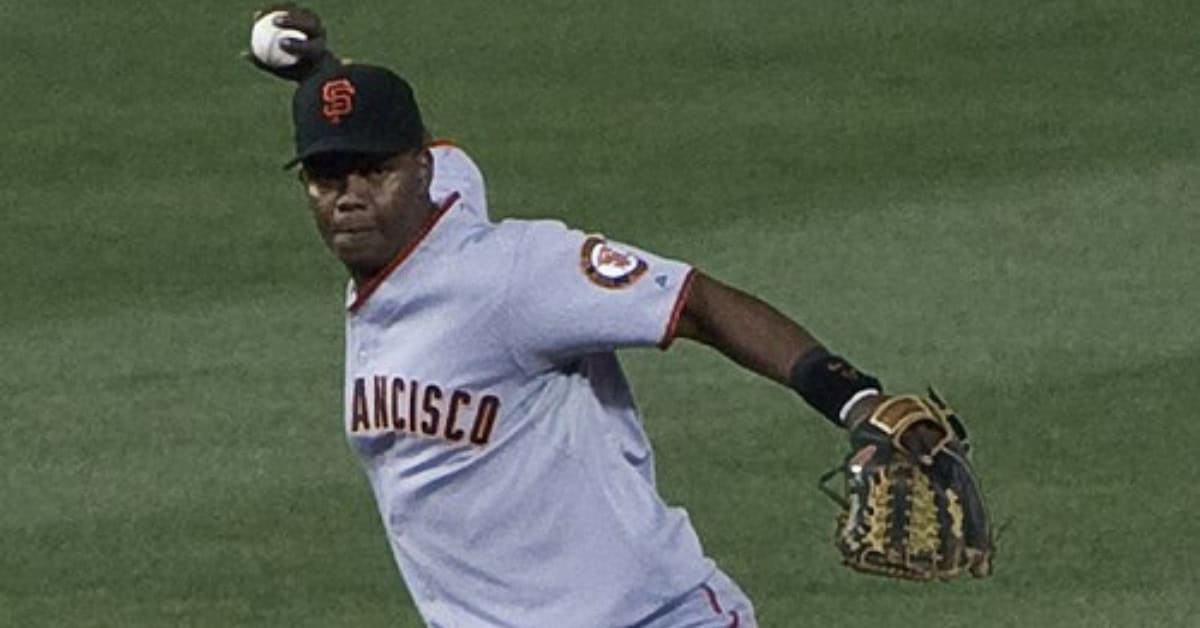
A consistent contributor for 16 years, Edgar Renteria was simply a winner. The five-time All-Star quietly accumulated 2,327 hits across seven different teams, earning two Gold Gloves and three Silver Sluggers. He was just 20 years old when he started at short for the 1997 World Series-winning Florida Marlins.
He hit .290 in that legendary seven-game series. He would be even more important 13 years later when he hit .412 with two home runs, six RBI, and six runs for the 2010 World Series-winning San Francisco Giants.
2. Alex Rodriguez: The Tainted Talent Who Could’ve Been the Greatest
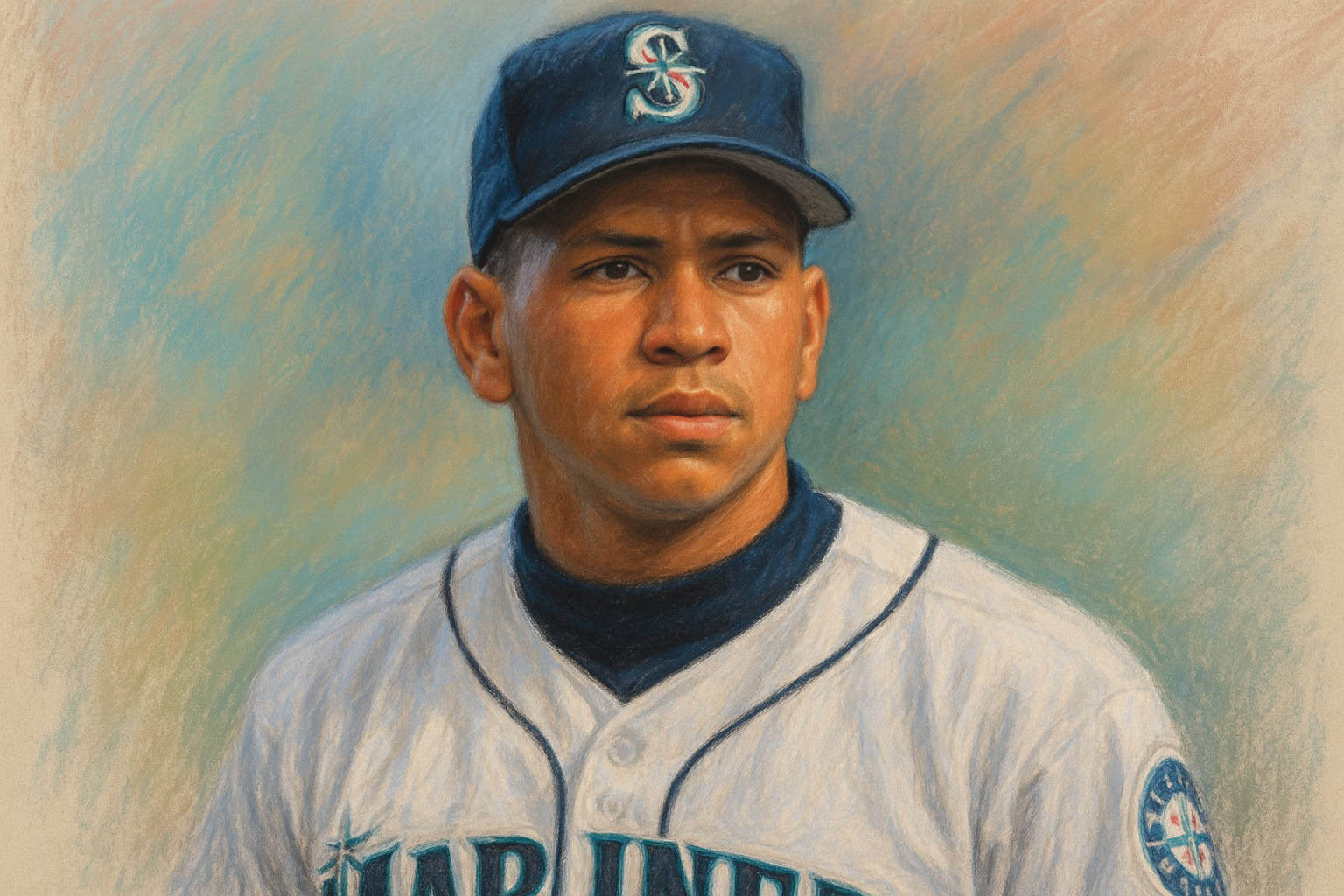
There is no player on this list and barely any shortstops in history that can match the production of Alex Rodriguez. He is easily the most accomplished player at the position not to be inducted into the Hall of Fame. The reason is obvious, so I don't have to get into it here.
I'll just pick a cool fact.
No other shortstop in history has hit 300 home runs and stolen 300 bases. It's just A-Rod, and he hit more than double that number of home runs in his illustrious career.
1. Roger Peckinpaugh: The MVP Shortstop History Overlooked
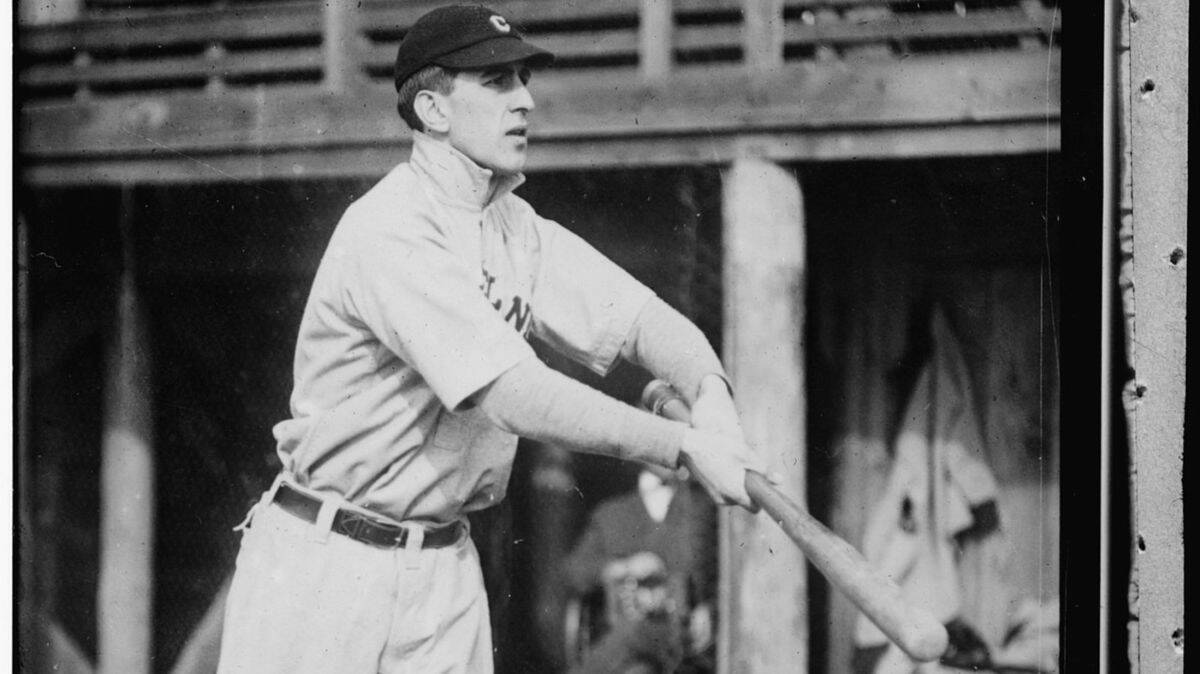
Playing for the New York Yankees back in the day was a boost to anyone's legacy. It almost guaranteed a World Series opportunity. For Roger Peckinpaugh, he actually found more success elsewhere.
He was a solid shortstop in the Bronx for nine years, but they had yet to trade for Babe Ruth until his final two seasons there.
Then he went to the Washington Nationals and won a World Series in 1924, contributing a .417 batting average and two RBI in the seven-game series. He followed that up with an MVP season in 1925, being recognized for his stellar defense and consistent offense.