Last Updated: October 8th, 2026 by Matthew Brown
Pitchers are such a unique type of star in sports. Few other positions function as a defensive position but have to attack in order to gain success. We've got a list of legends who you may be surprised at the missing accolades or number thresholds in their careers.
Don't lose this article. Enter your email below, and I'll send it to you right now. Plus, we'll send you other unbelievable stories from baseball's past.
That doesn't mean that they don't have that legendary perception from the public. It's just looking into the stuff that is probably assumed of the greats and why these ones don't have them.
10. Nolan Ryan: The Strikeout King Who Never Won a Cy Young
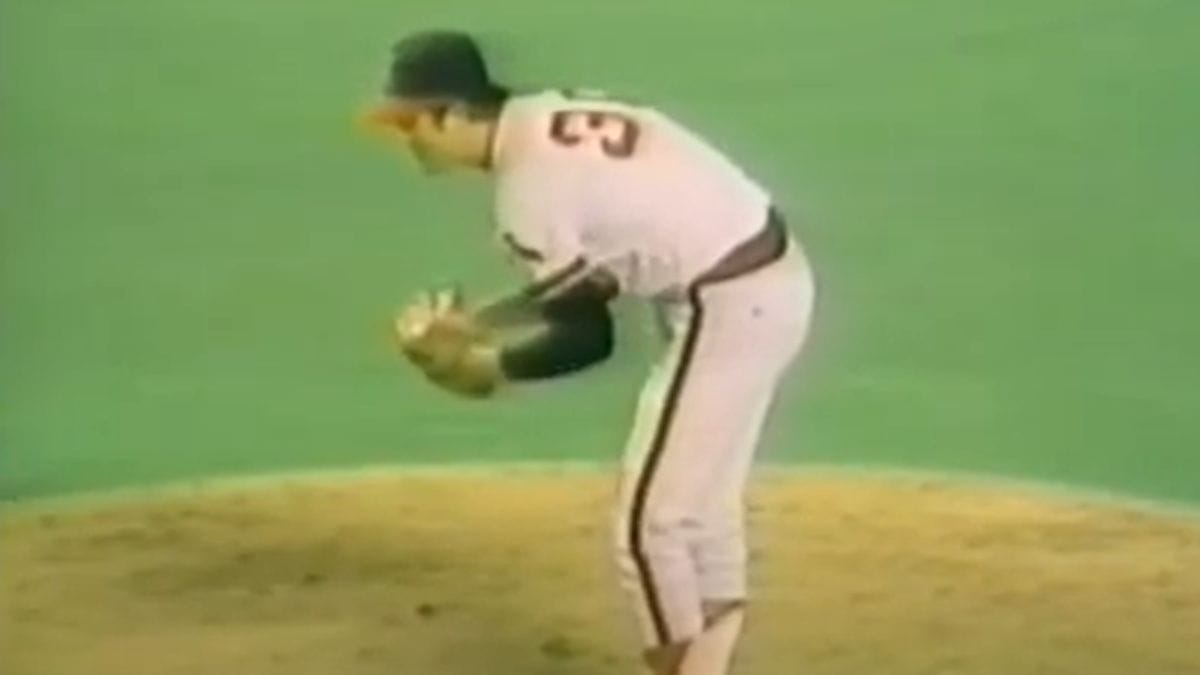
I have to reiterate that I am not saying Nolan Ryan was anything short of a legend. This is to highlight one of the most infamous pieces of trivia in history. The all-time leader in strikeouts received zero Cy Young awards in his illustrious 27-year career.
As more generations of fans join, I'm finding that there are more people who need to be caught up on the biggest omission in baseball's highest annual honor for pitchers.
9. Jack Morris: The Hall of Fame Candidate Who Wasn’t Actually That Great
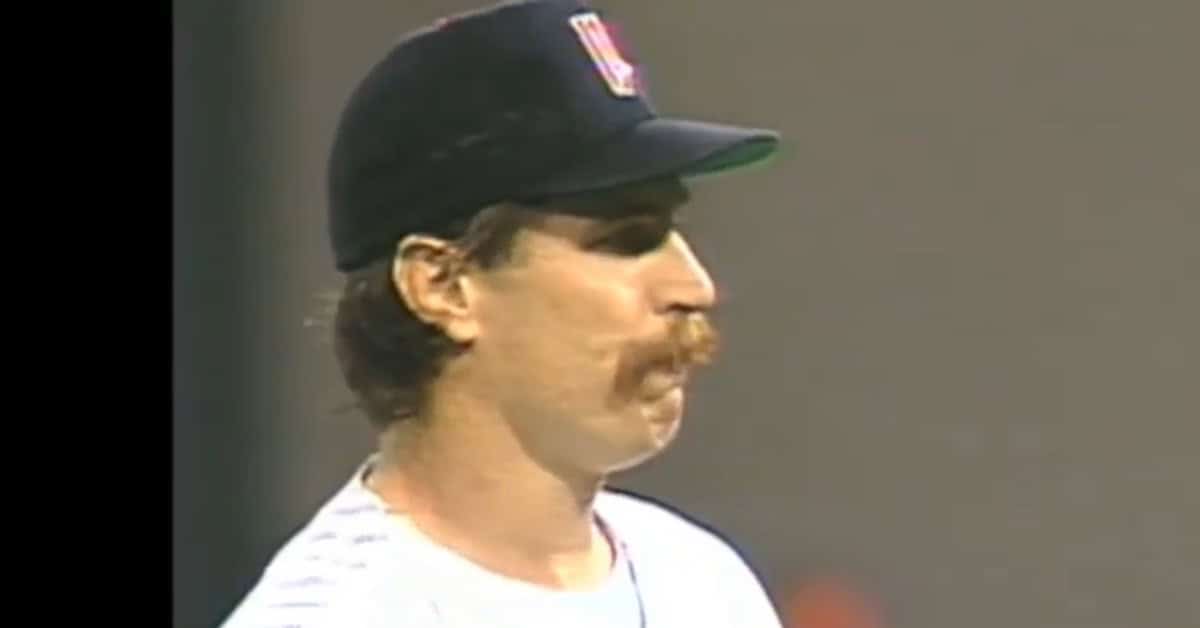
When Jack Morris was announced as an inductee into the hallowed halls of Cooperstown, I remember wondering if his career stats were really enough to be comparable to the rest of the Hall of Fame field.
Considering the fact that the career stats we see are only from the regular season, Morris is definitely in for his performances in the postseason. His 3.90 career ERA is the highest of any pitcher who is immortalized in bronze.
8. Don Drysdale: The Dodger Legend Who Rode Reputation Over Results
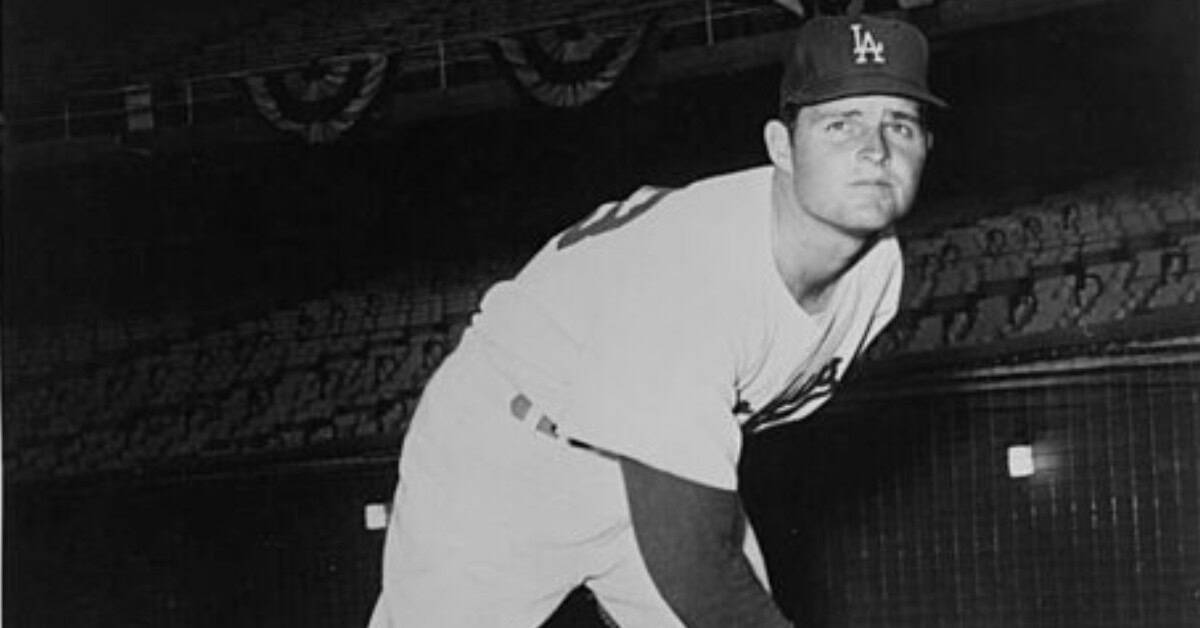
Don Drysdale's reputation precedes him. It always has. He was a fearless hurler who commanded the plate with forceful inside fastballs.
However, those don't necessarily result in all-time stats.
Drysdale ended with 209 wins and 166 losses in his career, not exactly the dominance that you would expect from the tales you'd hear from fans of the era. It may have helped that he was part of one of the greatest pitching duos in history with Sandy Koufax, increasing his legendary status.
7. Catfish Hunter: Five Great Years Don’t Make a Hall of Fame Career

There is definitely something to be said about the prime of a pitcher's career. For Catfish Hunter, you could say he is enshrined in Cooperstown solely for his prime. The superstar starter won more than 20 games in five straight seasons, winning a Cy Young in one of them.
It was definitely as great a five-year stretch as any pitcher can have, but his 36.3 career WAR suggests that he didn't contribute as much the rest of his 15-year career. Most pitchers in the Hall of Fame have at least 60 WAR.
6. Fernando Valenzuela: Fernandomania Was More Hype Than Substance

Fernandomania was unlike anything else in baseball history. It catapulted Fernando Valenzuela to superstardom and made him a legend forever. I think those who hear how good he was would assume that he's in the Hall of Fame.
Granted, many fans of his will argue that. However, they might be surprised to find out that he only had a 173-153 career record. His six consecutive All-Star seasons were great, but he really struggled in the second half of his career.
5. Denny McLain: Two Phenomenal Seasons Covering Up a Mediocre Career
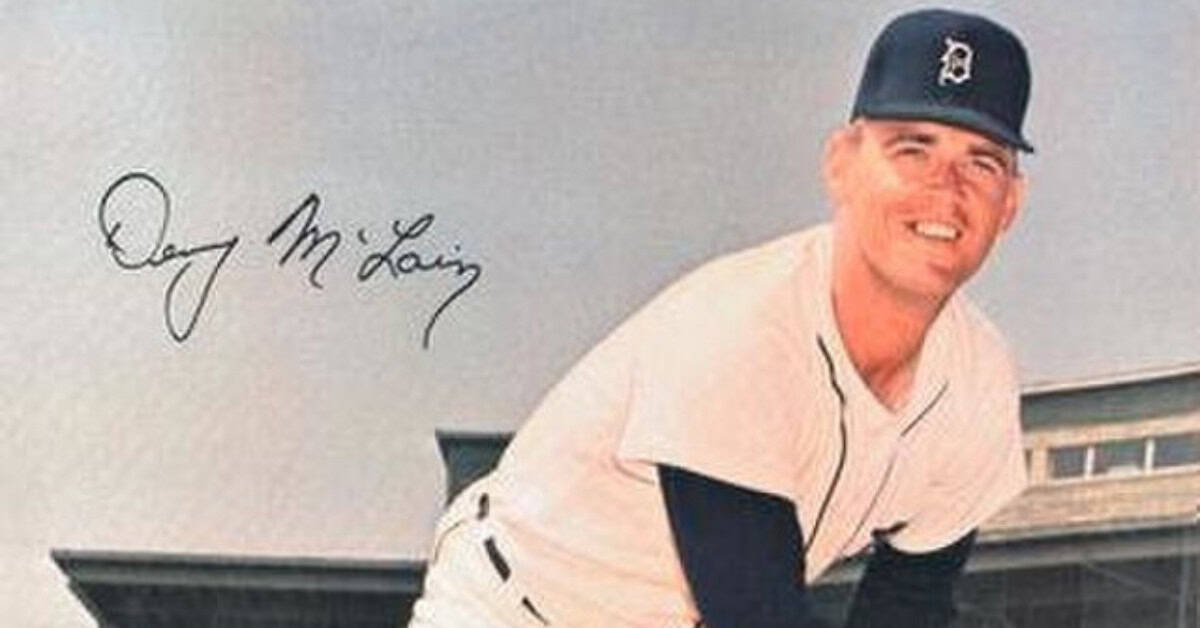
Anyone who has heard of Denny McLain probably knows that he won back-to-back Cy Young awards, with one of those years being a 31-win MVP season. If that's all they knew, I'm sure they'd say he's a surefire Hall of Famer.
Unfortunately, injuries got in the way of those dreams, and McLain had to retire after just 10 seasons, with one of them sporting a league-worst 22 losses.
4. Dennis Eckersley: The Dual-Threat Who Gets Credit for Both Roles
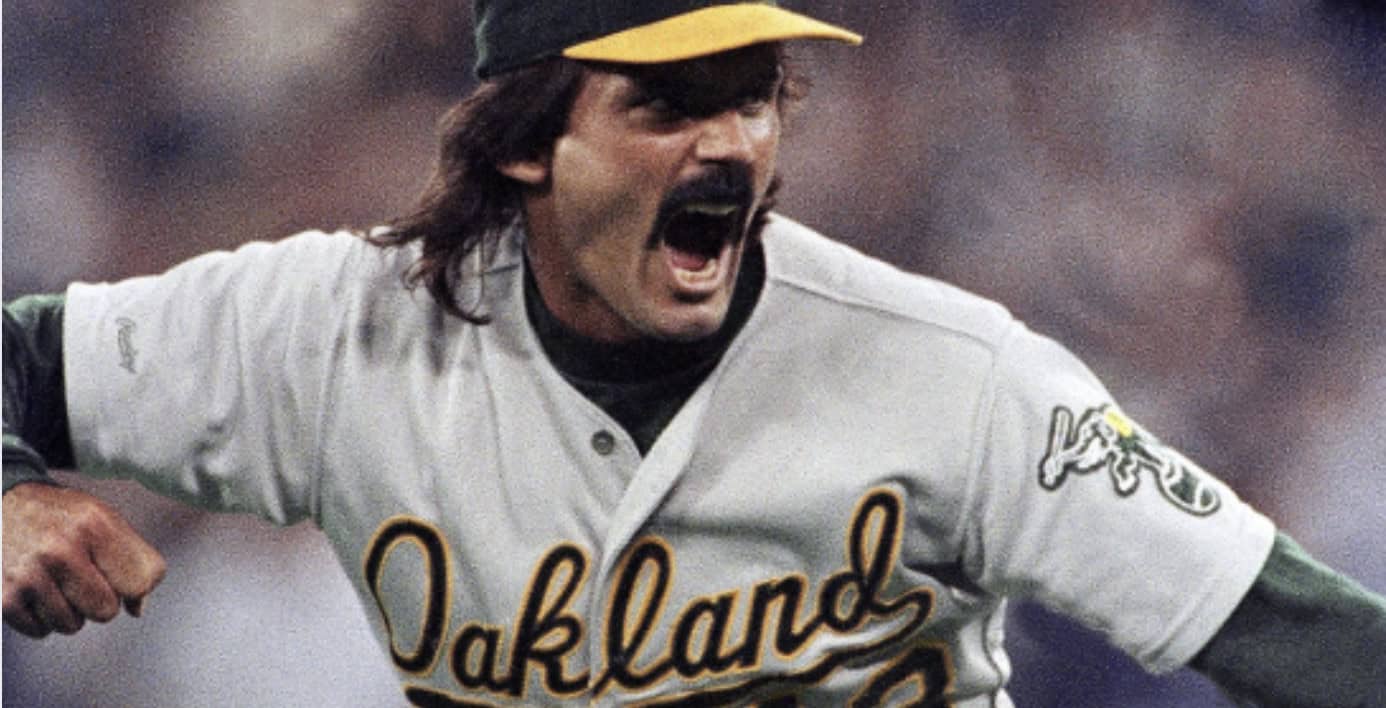
Dennis Eckersley is certainly an iconic closer and easily one of the greatest of his era. So much so that he is probably forgotten as a starting pitcher.
The thing is, he was pretty good for a time as a starter, but had a lot of mediocre years that led to his transition to the bullpen. Even with his elite years as a reliever, Eckersley's career ERA stands at 3.50, one of the highest in the Hall of Fame.
3. Jim Palmer: The Baltimore Beauty Who’s Ranked Too High Among Legends
Okay, we're getting a little more creative with this one. The numbers do support Jim Palmer's greatness, but we have to at least wonder how much he was helped by the defense behind him.
I understand pitchers and position players work hand-in-hand, but you have to wonder what it was like looking back and seeing Brooks Robinson at third, Mark Belanger at short, and Paul Blair in center. That's a combined 32 Gold Gloves at key defensive positions.
2. Gaylord Perry: The Spitball King Who Accumulated Stats Through Longevity
For all the steroid users who have been prevented from getting into the Hall of Fame, we have to highlight one admitted cheater who is currently in Cooperstown. Gaylord Perry won 314 games in his career by primarily using a spitball.
That pitch was banned by the time he was playing, but he found ways to secretly use it throughout his 22-year career. This is an absolute known fact because he has admitted to it by writing his own book, Me and the Spitter: An Autobiographical Confession.
1. Don Larsen: Forever Famous for One Perfect Game
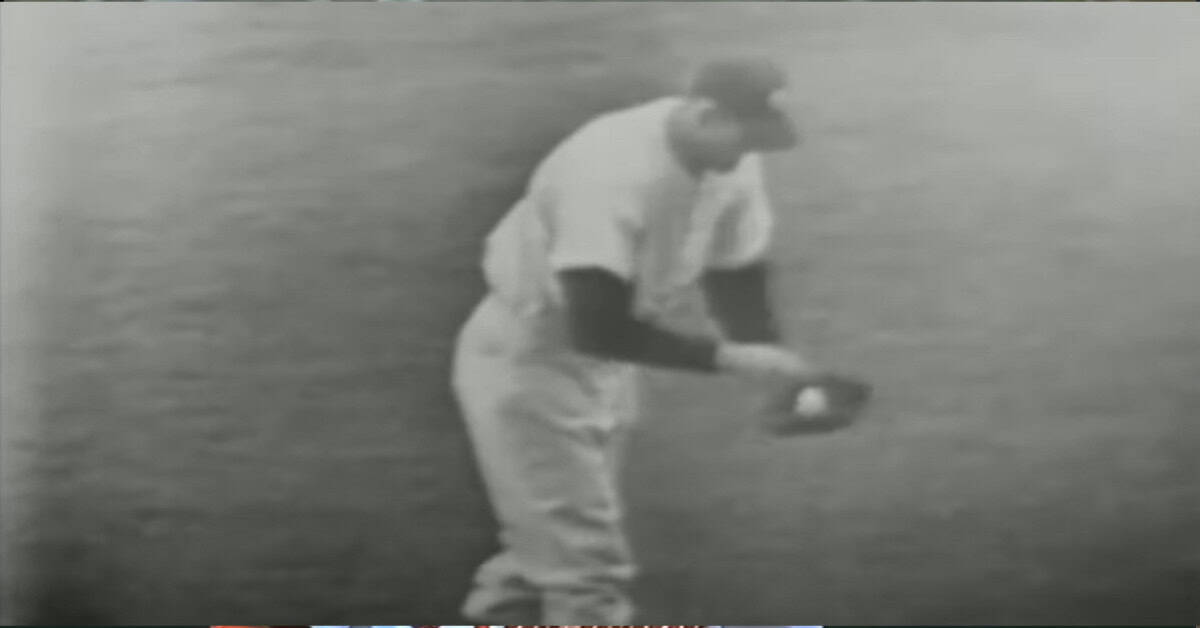
This is one that I personally connect with. Don Larsen has long been revered as a legend of the game. Yes, his 1956 perfect game in the World Series was great, but as a kid, I thought he was being talked about like a legitimate Hall of Famer.
This was well after he retired, too.
I just assumed that this Yankee legend was up there with Whitey Ford as the best of that time. In fact, I'd mix them up sometimes. Then, I looked it up and Larsen doesn't even have a winning record for his career!
It's one thing to be a playoff performer, but it's completely different to have a regular season career where you bounce between being a starter and a reliever because of ERAs over 4.00.