
Last Updated: June 17th, 2026 by Michael Schatz
Remember when baseball cards were worth more than Bitcoin and every dad in America thought they knew who belonged in Cooperstown? Those were simpler times, when hype could carry a player’s reputation for decades. Here are the 10 most overrated hitters who somehow convinced us they were legends.
Don't lose this article. Enter your email below, and I'll send it to you right now. Plus, we'll send you other unbelievable stories from baseball's past.
10. Derek Jeter: The Captain Who Fooled Us

Sure, Derek Jeter had five World Series rings and that trademark jump-throw, but advanced metrics reveal a harsh truth: he was arguably one of the worst defensive shortstops of his generation. His career defensive metrics consistently ranked him well below average, costing his team significant runs over his career. While his .310 career batting average sparkles, it masks a player who, while a good contact hitter, hit for little power relative to other offensive stars and whose defensive shortcomings were often overlooked. The Captain’s mystique was built on clutch moments and Yankee pinstripes, not overall statistical excellence when compared to the very best.
9. Pete Rose: Hit King With Hollow Numbers

Charlie Hustle accumulated 4,256 hits through sheer longevity, not dominance. His .303 career batting average, while good, doesn’t place him in the uppermost echelon of hitters, and his defensive metrics were problematic, with Baseball-Reference showing a career Total Zone Runs (Rtot) across all positions of -197. Rose never led the league in home runs or RBIs, and while he did draw a good number of walks (even leading the league once), his OPS+ of 118 is pedestrian for a supposed superstar. Strip away the gambling scandal and headfirst slides, and you’re left with a compiler who played 24 seasons to reach numbers that truly great hitters achieve much faster and with more all-around impact.
8. Roger Maris: One Season Wonder With 61 Asterisks
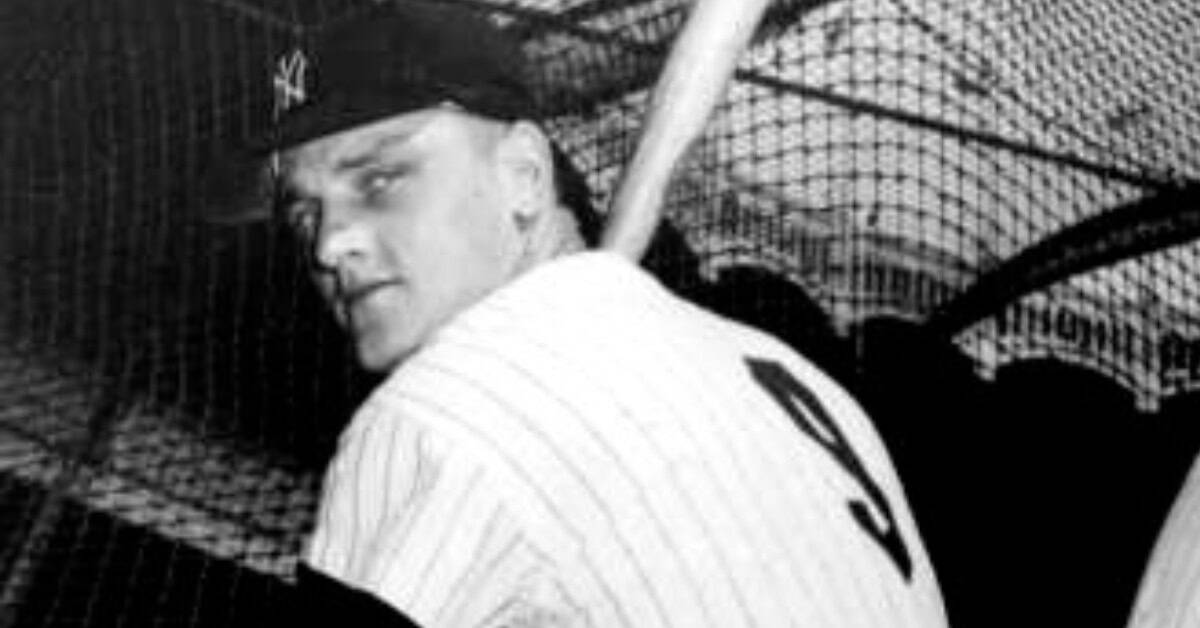
Roger Maris hit 61 home runs in 1961 and spent the rest of his career proving it was a fluke. His career .260 batting average and 275 total home runs pale compared to the legends, yet that single season made him immortal. Before 1961, his career high was 39 homers; after it, he never hit more than 33. Maris was a solid player who caught lightning in a bottle during baseball’s expansion era, benefiting from a 162-game schedule and Yankee Stadium’s short right field. One magical summer doesn’t make a Hall of Famer.
7. Alfonso Soriano: $136 Million Swing-and-Miss Machine
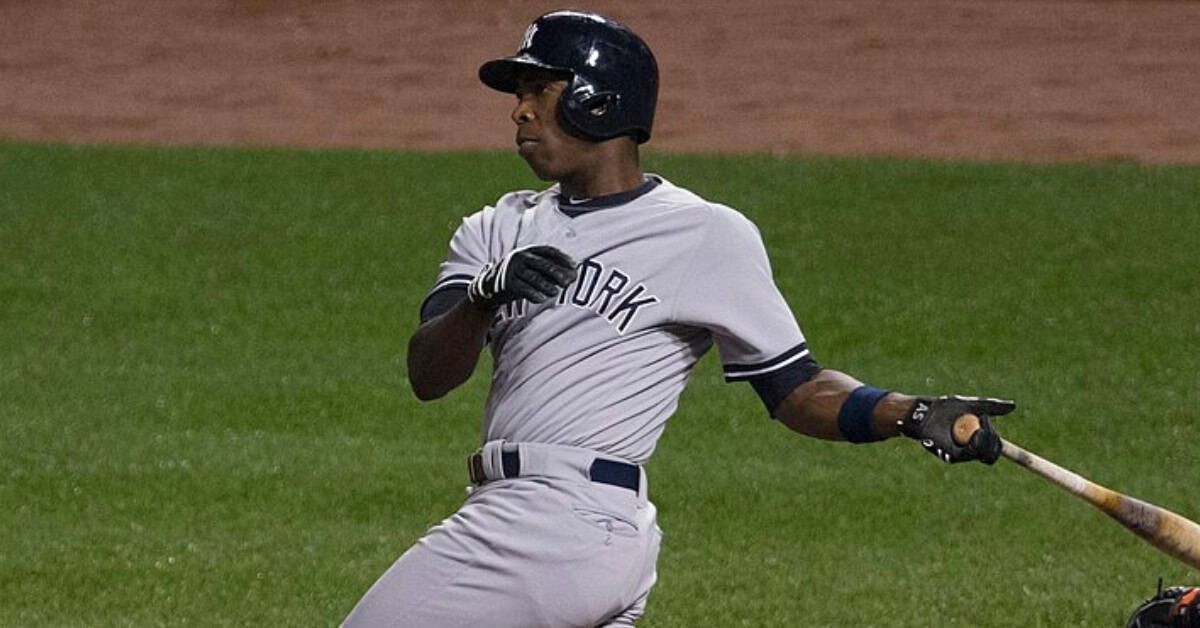
Alfonso Soriano’s eight-year, $136 million Cubs contract stands as one of baseball’s worst investments. Despite a 40-40 season and flashy power numbers, Soriano was a one-dimensional player who struck out 1,803 times while walking just 550 times in his career. His defensive metrics were atrocious at every position, and his inability to take a pitch made him predictable. Teams kept paying for his home run potential while ignoring his massive holes—a .270 career average with terrible plate discipline and Gold Glove-level bad defense. He was fool’s gold wrapped in pinstripes and Cubbie blue.
6. Brady Anderson: The 50-Homer Fluke That Fooled Everyone
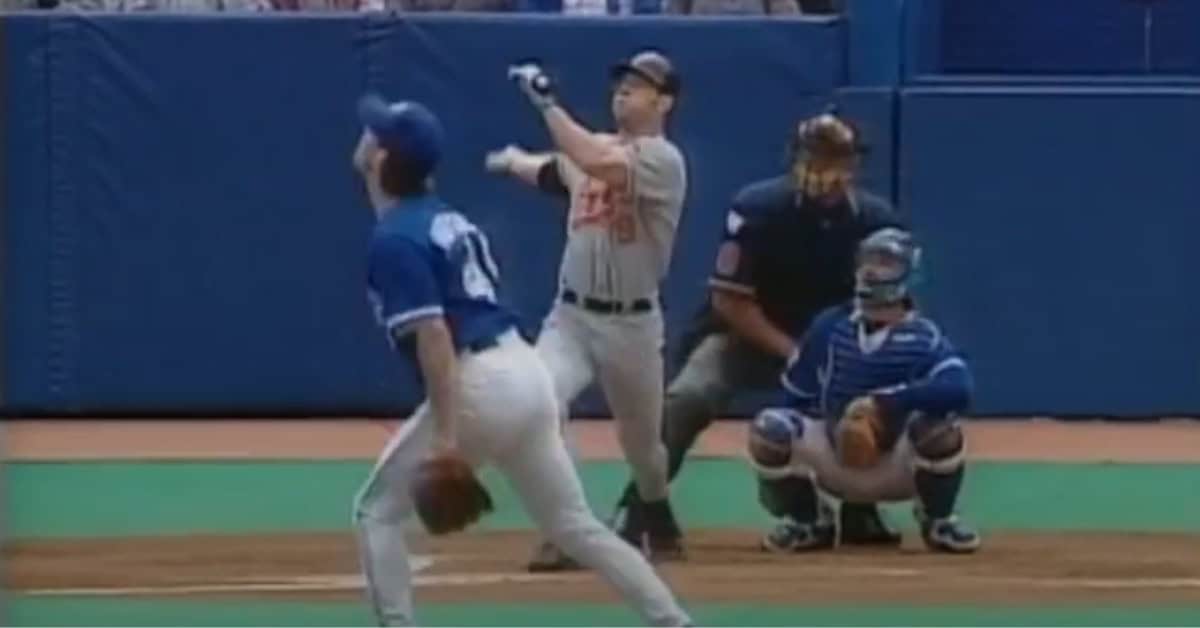
Brady Anderson’s 1996 season—50 home runs from a guy who never hit more than 24 in any other year—remains baseball’s most suspicious outlier. The leadoff hitter suddenly developed Mark McGwire power for exactly one season, then returned to his normal 12-20 homer range. His career .256 average and 210 total home runs scream “role player,” yet that single campaign made him a household name. Anderson benefited from the steroid era’s inflated offensive environment and Camden Yards’ hitter-friendly dimensions. One freakish season doesn’t erase 14 years of mediocrity.
5. Will Clark: “The Thrill” That Never Quite Delivered
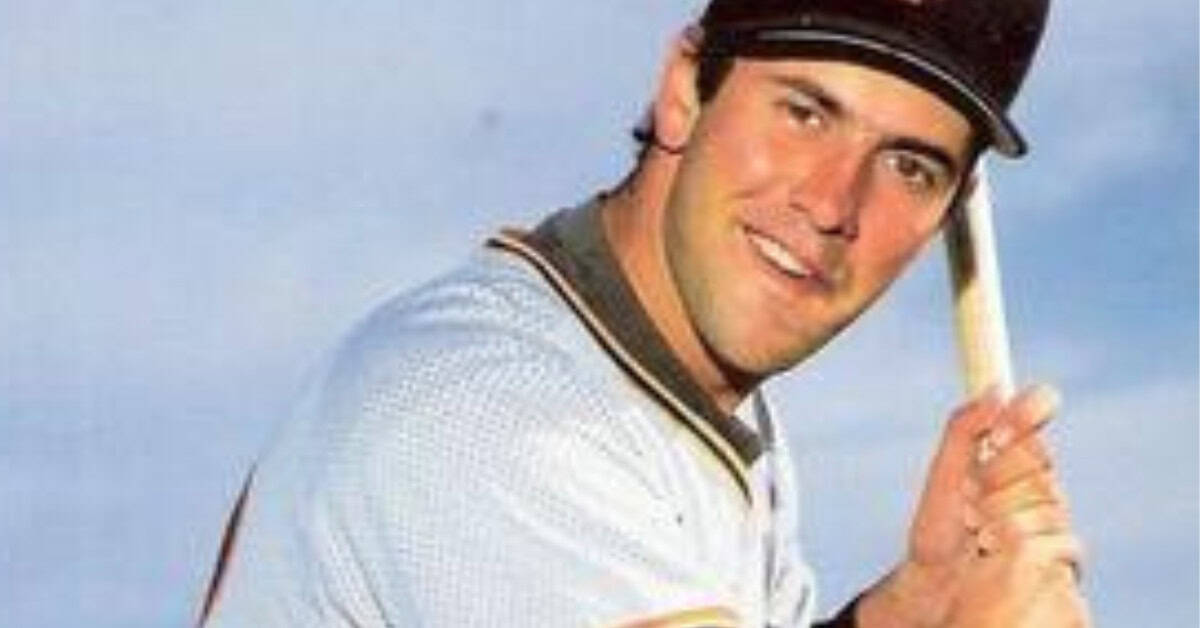
Will “The Thrill” Clark had the swing, the stance, and the swagger of a superstar, but his numbers tell a different story. Despite playing a significant portion of his early career in the notoriously pitcher-friendly Candlestick Park, Clark managed 284 career home runs and never drove in 120 runs in a season. His .303 career average looks nice until you realize he played first base—a position where .300 is often considered a baseline expectation for offensive stars. Clark was a very good player who benefited from playing in big markets and memorable postseason moments, but he was never the dominant force his nickname suggested.
4. Jim Rice: Hall of Fame Hype Over Substance
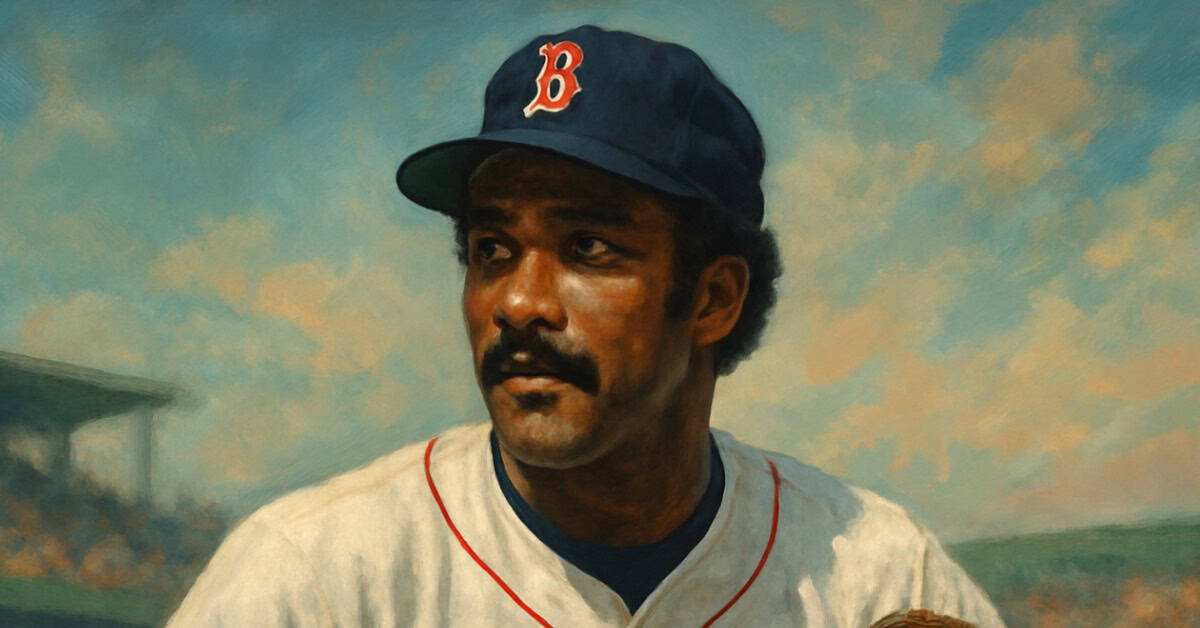
Jim Rice’s Hall of Fame induction in 2009 proved that Boston media influence and Fenway Park dimensions can overcome mediocre statistics. Rice’s .298 career average and 382 home runs were impressive for the 1970s, but he was essentially a designated hitter playing left field poorly. His defensive numbers were brutal, he rarely walked, and he struck out frequently for his era. Rice benefited from playing in a bandbox ballpark during his prime and having a powerful Red Sox lineup around him. Without the Green Monster, Rice would be remembered as a decent slugger, not a Hall of Famer.
3. Robinson Cano: The PED-Powered Pretender
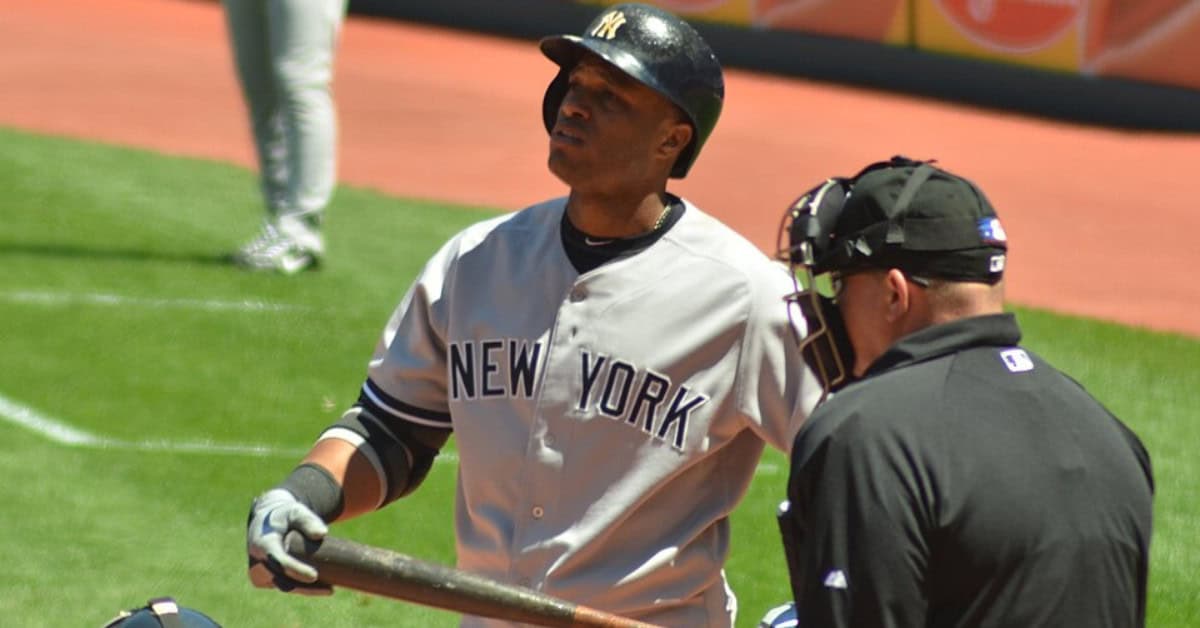
Robinson Cano’s smooth swing and eight All-Star appearances masked a player who was chemically enhanced for much of his career. His two PED suspensions—80 games in 2018 and a full season in 2021—reveal that his impressive numbers were artificially inflated. Strip away the steroids, and Cano’s lazy defensive reputation and declining performance in his 30s make more sense. His $240 million Mariners contract became an albatross as his production cratered without pharmaceutical assistance. Cano had legitimate talent, but his legacy is forever tainted by his need to cheat to maintain elite performance.
2. Jason Bay: Boston Hero to New York Zero

Jason Bay’s two solid seasons in Boston (2008-2009) earned him a four-year, $66 million Mets contract that became one of baseball’s biggest disasters. Bay hit .234 with 26 home runs over three injury-plagued seasons at Citi Field, proving he was a Fenway Park creation. His career .266 average and tendency to strike out 150+ times per season were overlooked because of his brief Red Sox success. Bay was a streaky player who looked like a star in the right environment but couldn’t sustain excellence anywhere else. The Mets learned the hard way that Green Monster magic doesn’t travel.
1. Joe Charboneau: Super Joe’s Super Letdown

Joe Charboneau’s 1980 Rookie of the Year season in Cleveland created a legend that lasted exactly one year. “Super Joe” hit .289 with 23 home runs and became a folk hero with his beer-opening-with-his-eye-socket party tricks. Then reality hit: back injuries and opposing pitchers figuring him out led to a .210 average in 1981 and out of baseball by 1982. Charboneau’s 201 career games prove that one magical season can create a mythology that far exceeds actual ability. He was the ultimate flash in the pan, a cautionary tale about mistaking a hot streak for sustainable talent.