
Last Updated: August 13th, 2026 by Michael Schatz
I was at a bar recently talking with some of my friends who are baseball fans but are still young in their journey of learning about the history of the game. They asked me how good some of their favorite players were compared to players of the past, and I said it is so hard to compare and contrast. Different eras brought different versions of the game, and hindsight will always be 20/20.
Don't lose this article. Enter your email below, and I'll send it to you right now. Plus, we'll send you other unbelievable stories from baseball's past.
That being said, modern baseball junkies can look back on certain players with more negativity than you may have initially thought when they were in their primes. You might find some of your favorite players on this list, but I assure you I will look at both sides of the argument for each one.
11. Derek Jeter: The Defensive Liability Behind the Legend
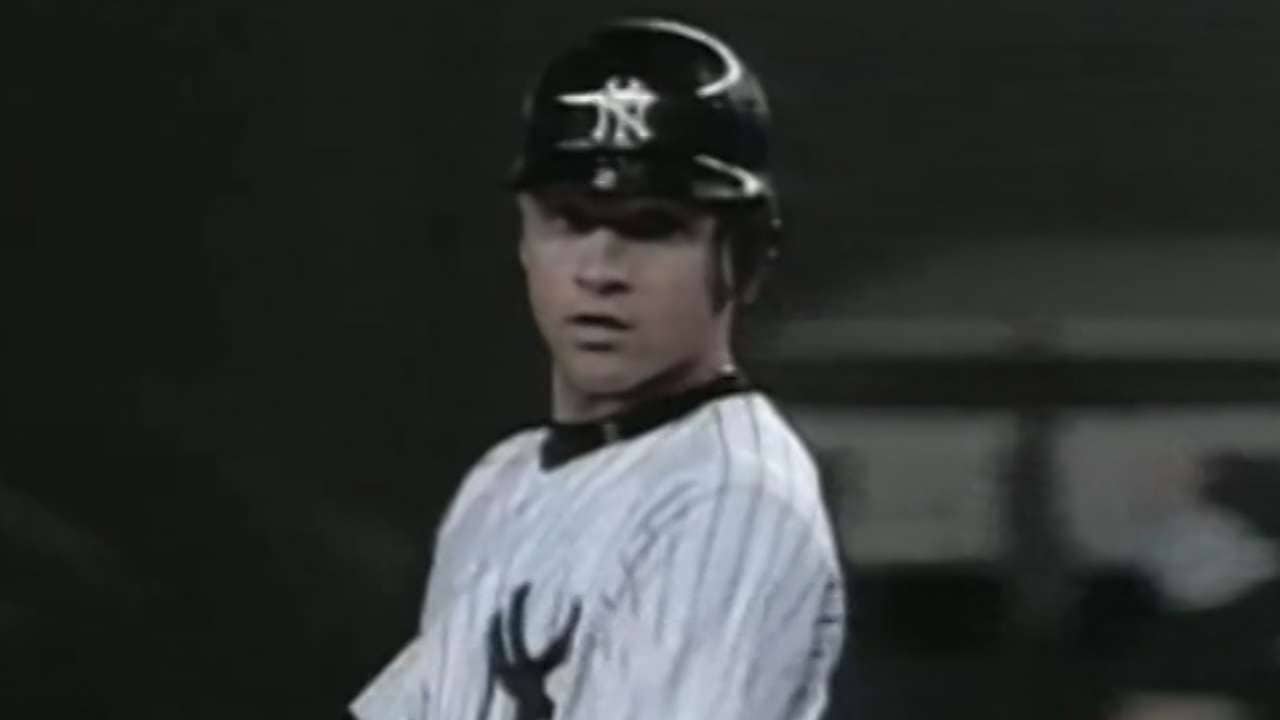
This is one of the first names that I can think of when coming up with a list like this. Even towards the end of his career, Derek Jeter had those critics who would dig through the numbers and look at the amount of Defensive Runs Saved and see that it was worse than -150. In short, that is not good for a shortstop.
So many kids growing up during his prime remember those jump throws and clutch defensive plays. I say keep remembering those moments because those moments helped you fall in love with this game, and the Captain always found a way to deliver in the biggest moments.
10. Jack Morris: One Game Doesn’t Make a Hall of Famer
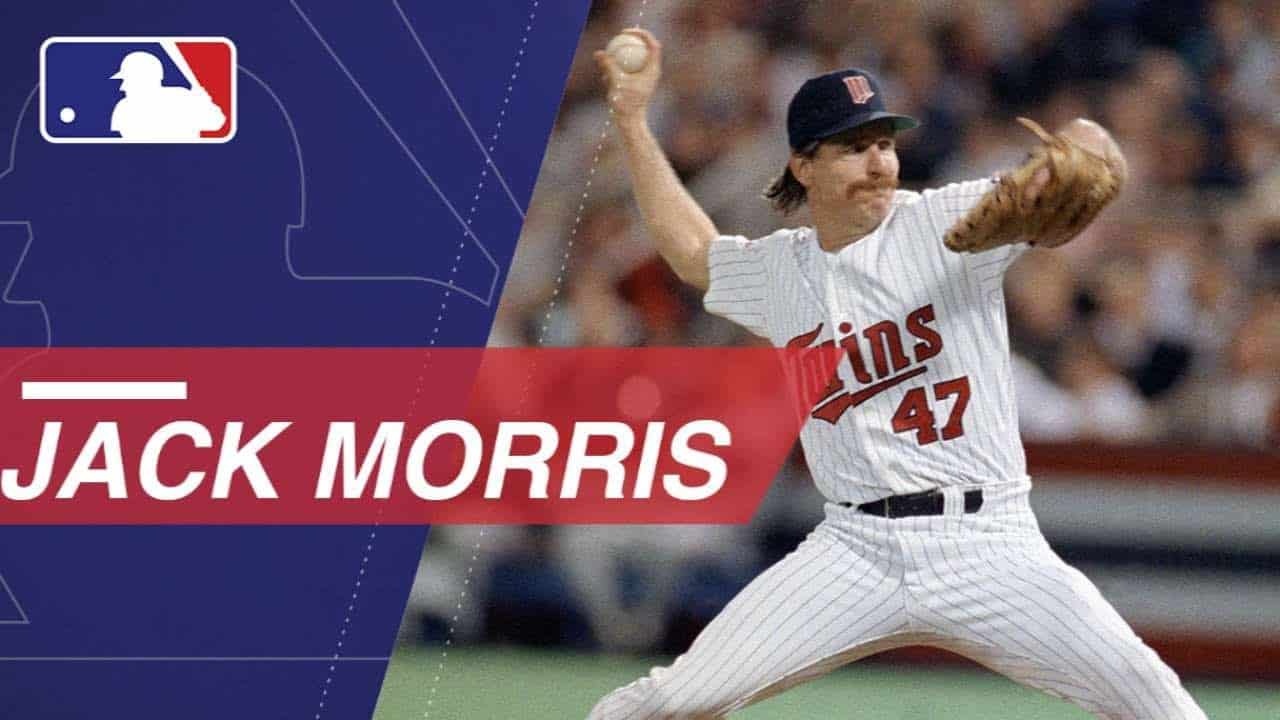
There are so many great pitchers who are enshrined in Cooperstown. Jack Morris was finally able to join them. However, the argument against him will always remain. He had a career 3.90 ERA. That's as high as it gets among Hall of Fame pitchers. His career ERA+ suggests he was closer to league-average.
But I know that everyone remembers his legendary performances. He could step up and hurl against any of those he is enshrined with. He had no fear, and that was a Hall-of-Fame mentality.
9. Jim Rice: A Product of Fenway’s Friendly Confines
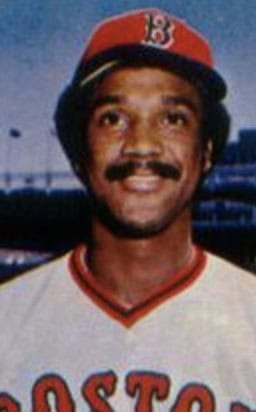
It is an old-school mentality to think that loyalty to a team is a plus toward perceived greatness. But for Jim Rice, his loyalty to the city of Boston has brought critics to his stats page for years. He tallied almost 2,500 hits and had a career batting average just under .300. But many have pointed to his sixteen years of playing in Fenway as a boon to his career.
The Green Monster in left and an ample amount of space in center give hitters such a big advantage. I say that he had to be on the road just as much as he was at home, and he still put up Hall of Fame-worthy numbers.
8. Phil Rizzuto: Broadcasting Fame Overshadowed Playing Career
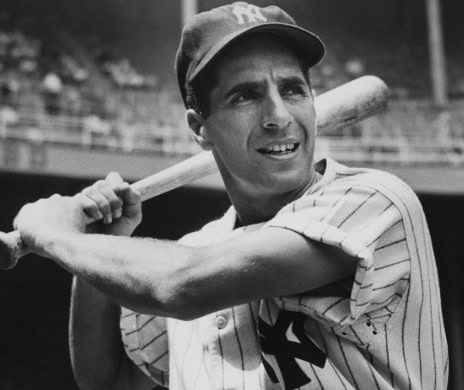
"Scooter" finds himself among the greatest shortstops to ever live. Some say his Hall of Fame case is much weaker than the rest. His career .273 average and 93 OPS+ are not just below Hall of Fame standards but below an average major league player of his time.
Was he really remembered for his broadcasting ability after playing and lifted up by the great play of his teammates? For me, he just missed out on getting defensive accolades that could help his case since he retired right before Gold Gloves were first given out. Also, the 1950 MVP speaks for itself.
7. Bruce Sutter: Revolutionary But Brief
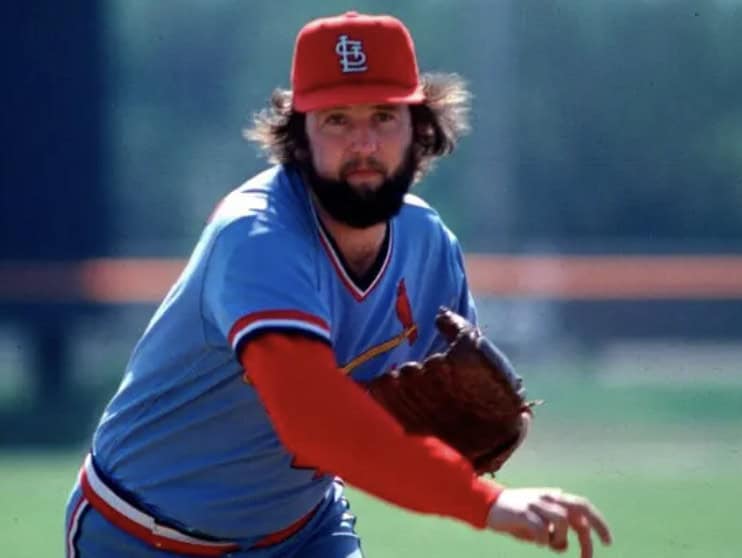
Relievers have always had a weird place in baseball history. Bruce Sutter is one of those who have been celebrated to the point of enshrinement in Cooperstown. He was able to earn 300 saves in his career, but compared to some of the other great closers, that is a little low.
Also, his career spanned only 12 years. For Hall of Famers, that is on the short side. I say he was able to pioneer like some of those others that are in the Hall of Fame from the 1800s. Sutter was one of the very first guys that you would fear when it came to the ninth inning.
6. Bill Mazeroski: More Than Just One Home Run?
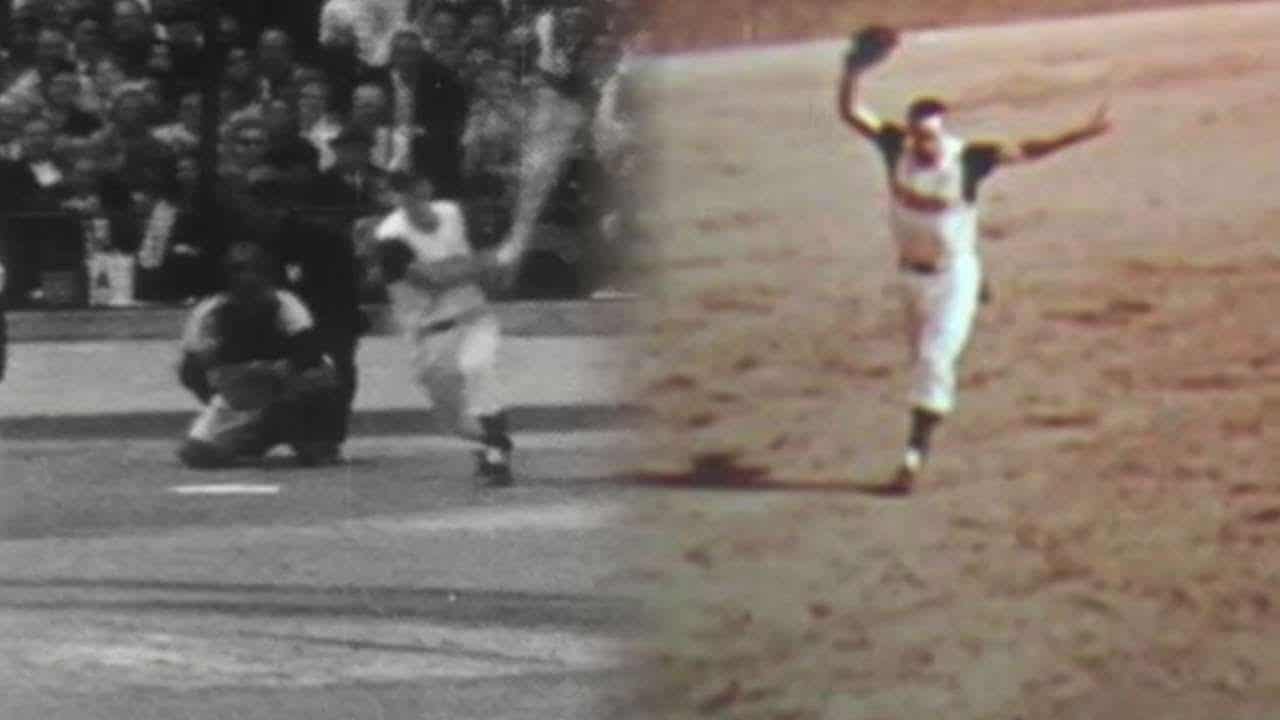
Sometimes one moment looms larger than an entire career; critics of Bill Mazeroski say that moment is the only reason he is in the Hall of Fame. He is one of the weakest hitters that you will find in Cooperstown, with his career .260 average and 84 OPS+.
I will say, though, he racked up the accolades: 10 All-Star selections and eight Gold Gloves, along with those two World Series championships, prove that he was a valuable member of the game of baseball.
5. Harold Baines: Longevity Over Excellence
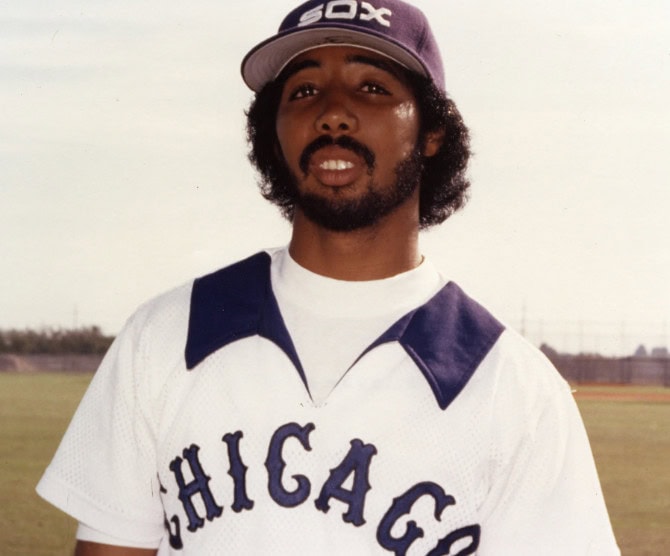
Now we have an argument about longevity over productivity. Harold Baines played baseball for a long time; there is no doubt about it. Over 22 years, he accumulated 2,866 hits, 384 home runs, and 1,628 RBIs. His career wins above replacement (WAR) is much lower than you would think, as it's under 40.
The fact that he was predominantly the designated hitter leaves a lot of defensive value to be desired. I say don't forget that the DH is still an important spot to fill, and he did that at a high level for a long time. He earned an All-Star nod at the age of 40 as a DH.
4. Steve Garvey: Popular But Not Dominant
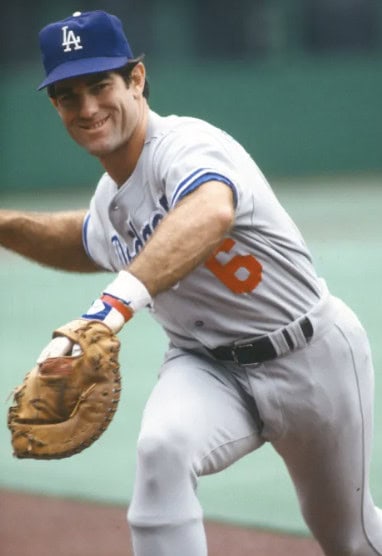
Okay, this one isn't about the player being in the Hall of Fame. This one is more about the perception of greatness from fans. Really, it is more about popularity than elite play. Throughout his 19-year career, "Mr. Clean" garnered so much fandom and could have been regarded as one of the faces of the league.
But his career numbers are a little bit lower in spots than you might remember. His career 117 OPS+ and 38.1 WAR are not elite for his position. But I'd say they're above average, and his eight straight All-Star selections prove his perennial prominence.
3. Lou Brock: Speed Over Complete Skills

Lou Brock was speed personified. No one is arguing that. However, many argue that that was the only thing he personified. His career .343 on-base percentage is pretty low for Hall of Fame standards. His defensive metrics show negative value.
There is something to be said for the fact that his legs sprinted into the Hall of Fame themselves. I will say that you can't forget he has over 3,000 career hits, which is usually enough of a case to be immortalized in the Hall.
2. Catfish Hunter: A Product of His Teams
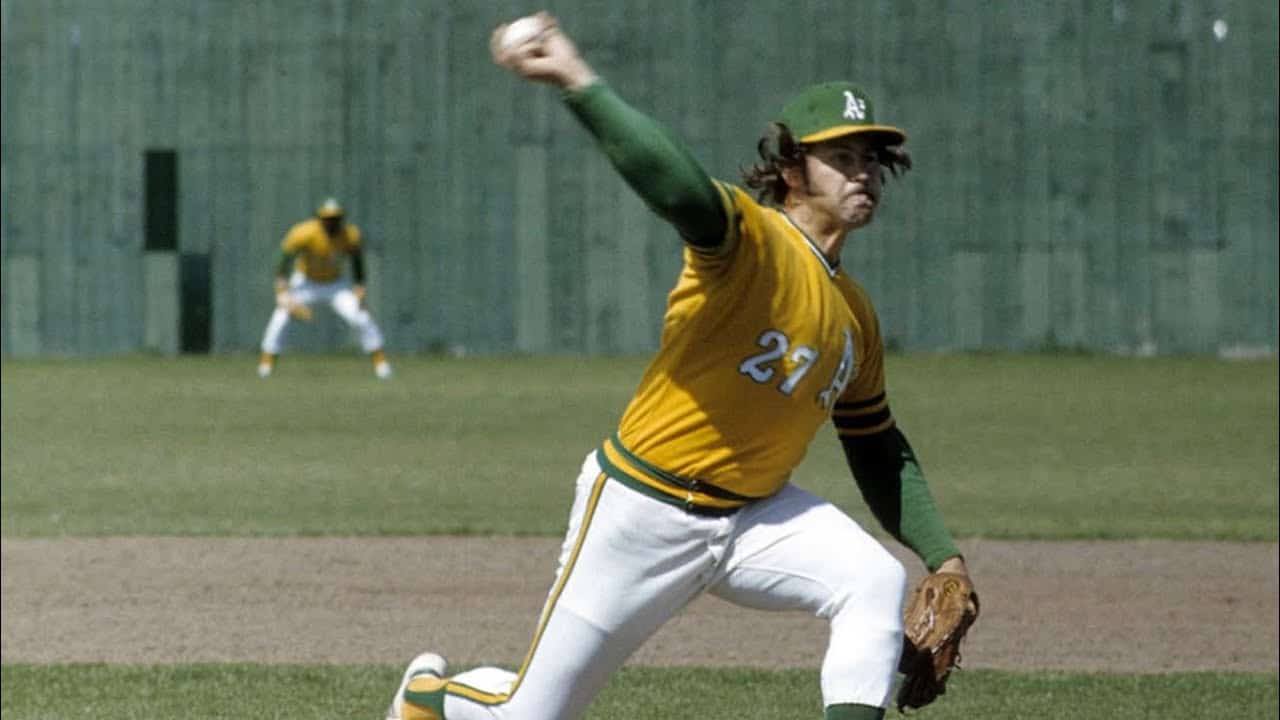
Pitcher wins have been a stat that has received more negative attention as the years have gone by. Catfish Hunter may not have 300 career wins, but his career has been helped by that stat. He won 20 games in five straight seasons. Critics will point out that those were with some of the best Oakland teams and the Yankees powerhouse.
I will say that he also was pitching at an elite level during those seasons. He was top four in Cy Young voting four straight times, and there aren't many left out of Cooperstown who can say that.
1. Don Mattingly: A Peak Cut Short
Maybe one of the loudest arguments among baseball fans is whether Don Mattingly should be in the Hall of Fame. So many will say that he is, and so many will point to his shorter 14-year career as a big culprit. He barely brought in over 1,000 RBI and barely scored more than 1,000 runs.
Those are numbers that are usually much higher for Hall of Famers. I say his career .307 batting average, 127 OPS+, and 2,153 hits in such a short span are a lot of proof for his case.