

Last Updated: June 17th, 2026 by Michael Schatz
In the golden age of baseball, when the crack of the bat echoed through intimate ballparks and heroes wore flannel, Edwin “Duke” Snider reigned supreme in center field for the Brooklyn Dodgers. The Silver Fox of Flatbush didn’t just play baseball—he painted masterpieces with his swing, creating memories that still warm the hearts of fans who remember when October meant everything and every game felt like destiny.
Don't lose this article. Enter your email below, and I'll send it to you right now. Plus, we'll send you other unbelievable stories from baseball's past.
Most Home Runs in the 1950s: 326 Dingers When Baseball Was Pure
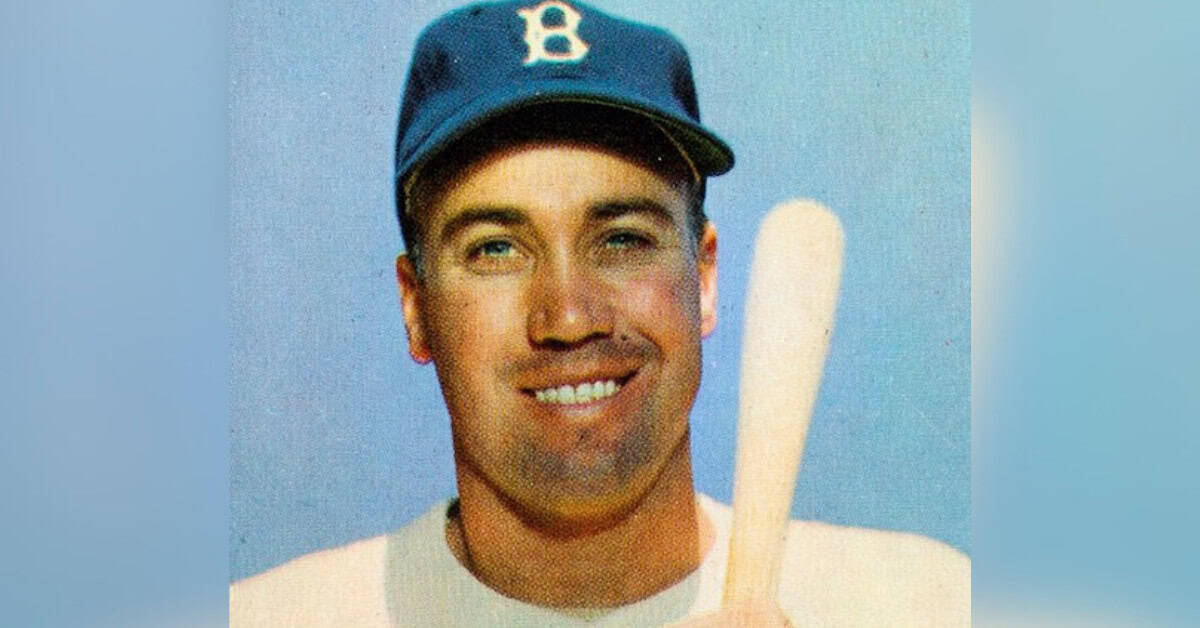
Duke Snider owned the 1950s like Elvis owned rock and roll. His 326 home runs during that magical decade topped every slugger in baseball, including Willie Mays and Mickey Mantle. While America was discovering suburbia and television, Snider was launching baseballs into the Brooklyn twilight with a swing so sweet it could make grown men weep. This wasn’t just statistical dominance—it was poetry in motion during baseball’s most romantic era.
19 Home Runs Off Robin Roberts: The Ultimate Pitcher Tormentor
Poor Robin Roberts. The Hall of Fame pitcher was masterful against nearly everyone—except Duke Snider, who treated Roberts’ fastball like a personal piñata. Snider’s 19 career home runs off Roberts stands as one of the highest totals any batter has ever accumulated against a single pitcher. Every time Roberts took the mound against Brooklyn, Dodger fans would lean forward in anticipation, knowing they might witness another chapter in this epic personal rivalry that defined 1950s National League baseball.
Five Straight 40+ Home Run Seasons: Power That Defined an Era
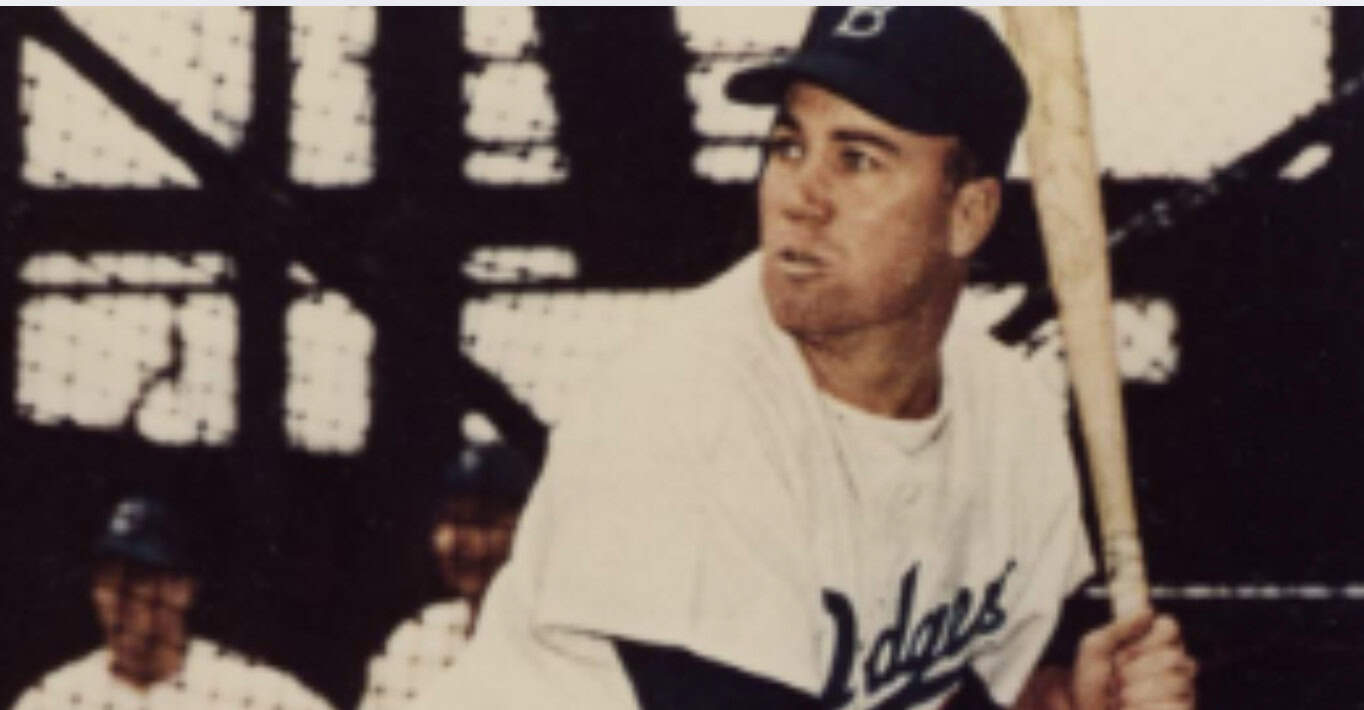
From 1953 to 1957, Duke Snider was baseball’s most reliable power source, hitting 40 or more home runs in five consecutive seasons. This wasn’t just consistency—it was a masterclass in sustained excellence during baseball’s golden age. While Eisenhower was president and “I Love Lucy” dominated television, Snider was launching moonshots with clockwork precision. His average of over 41 homers during this stretch made him the most feared hitter in the National League, turning every at-bat into must-see theater.
11 World Series Home Runs: October’s Most Dangerous Dodger
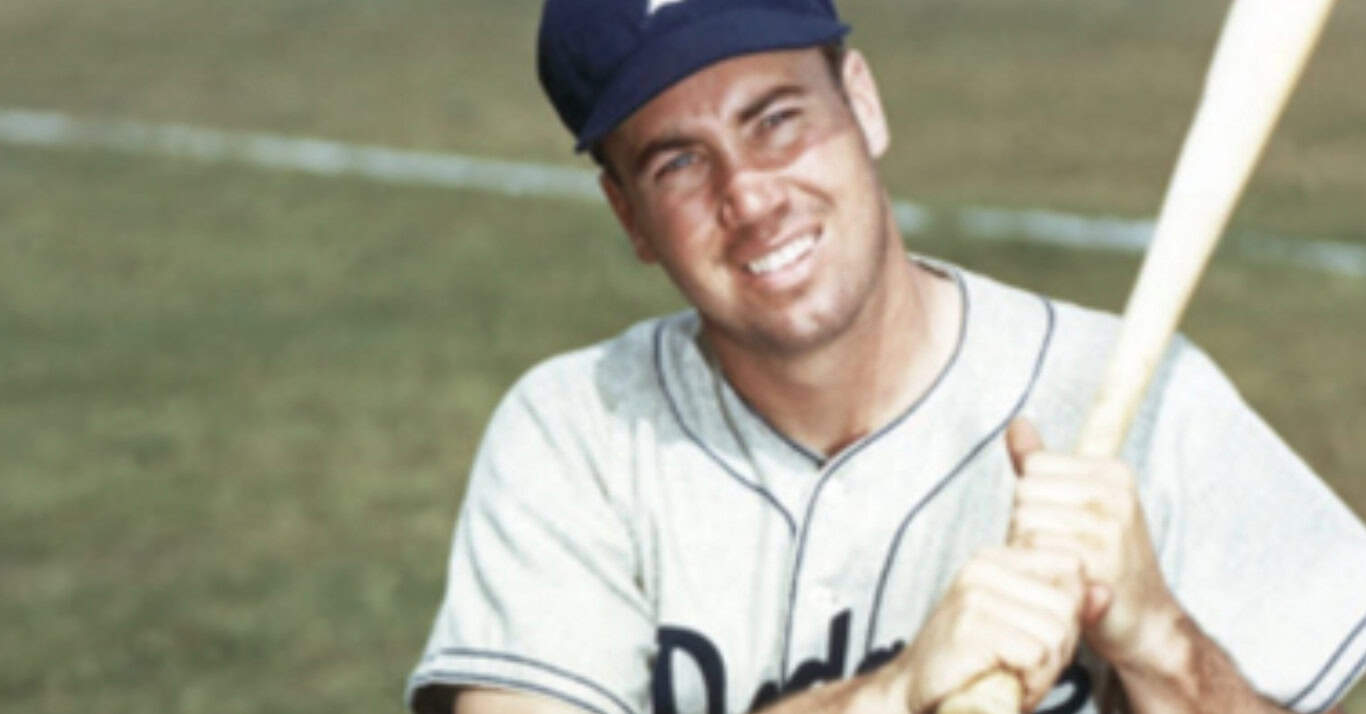
When October arrived and the stakes couldn’t be higher, Duke Snider transformed into baseball’s ultimate clutch performer. His 11 World Series home runs led all National League players at the time and placed him among the greatest postseason performers in baseball history. Only Mickey Mantle, Babe Ruth, and Yogi Berra had hit more October homers when Snider retired. Snider became the first National League player to hit four home runs in a World Series—and he did it twice, in 1952 and 1955, proving that when the lights burned brightest, the Duke shined even brighter.
407 Career Home Runs: Sweet Swing That Echoed Through Ebbets

Duke Snider’s 407 career home runs represented more than just statistical achievement—they were 407 moments of pure joy for Brooklyn fans who lived and died with every swing. Each homer carried the weight of neighborhood pride, echoing off the intimate confines of Ebbets Field like thunder in a summer storm. This total placed him among the elite power hitters of his generation, a left-handed slugger whose smooth swing and effortless power made him the perfect embodiment of Brooklyn’s blue-collar dreams reaching for the sky.
Eight All-Star Selections: The Duke’s Royal Treatment
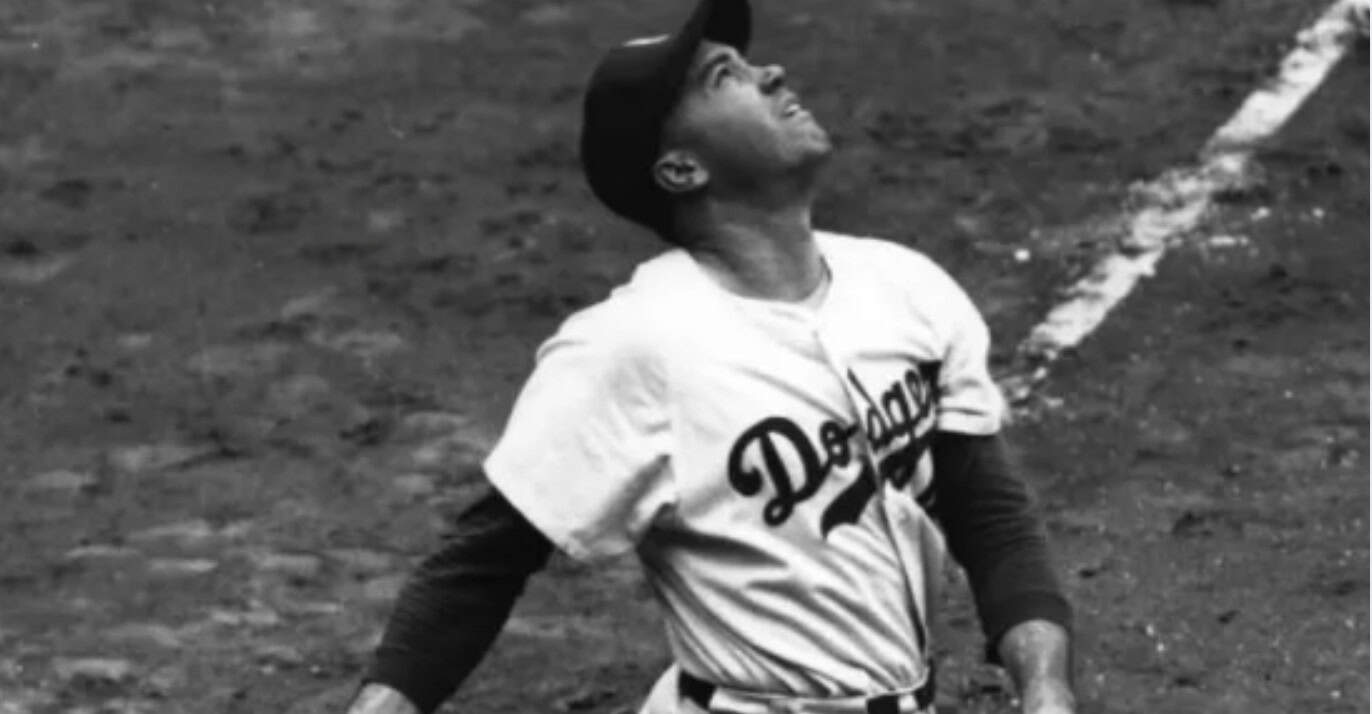
Eight All-Star selections from 1950 to 1956 proved that Duke Snider wasn’t just Brooklyn’s hero—he was baseball royalty. In an era when the All-Star Game truly meant something, when players and fans treated it like a sacred honor, Snider’s consistent selection demonstrated his standing among the game’s elite. These weren’t just ceremonial appearances; they were validation that the kid from Compton had become one of baseball’s most respected and feared competitors, earning his crown as the Duke of center field.
Hall of Fame Induction 1980: 33 Years After His Rookie Season

Thirty-three years after his 1947 rookie season, Duke Snider finally received baseball’s ultimate honor when he was inducted into the Hall of Fame in 1980. The long wait only made the moment sweeter, as baseball finally recognized what Brooklyn fans had known all along—that their Duke was truly one of the game’s immortals. Standing in Cooperstown, Snider’s bronze plaque ensured that future generations would remember the graceful center fielder who embodied the spirit of the Boys of Summer and made baseball poetry with every swing.
777 Combined Home Runs with Gil Hodges: Brooklyn’s Dynamic Duo
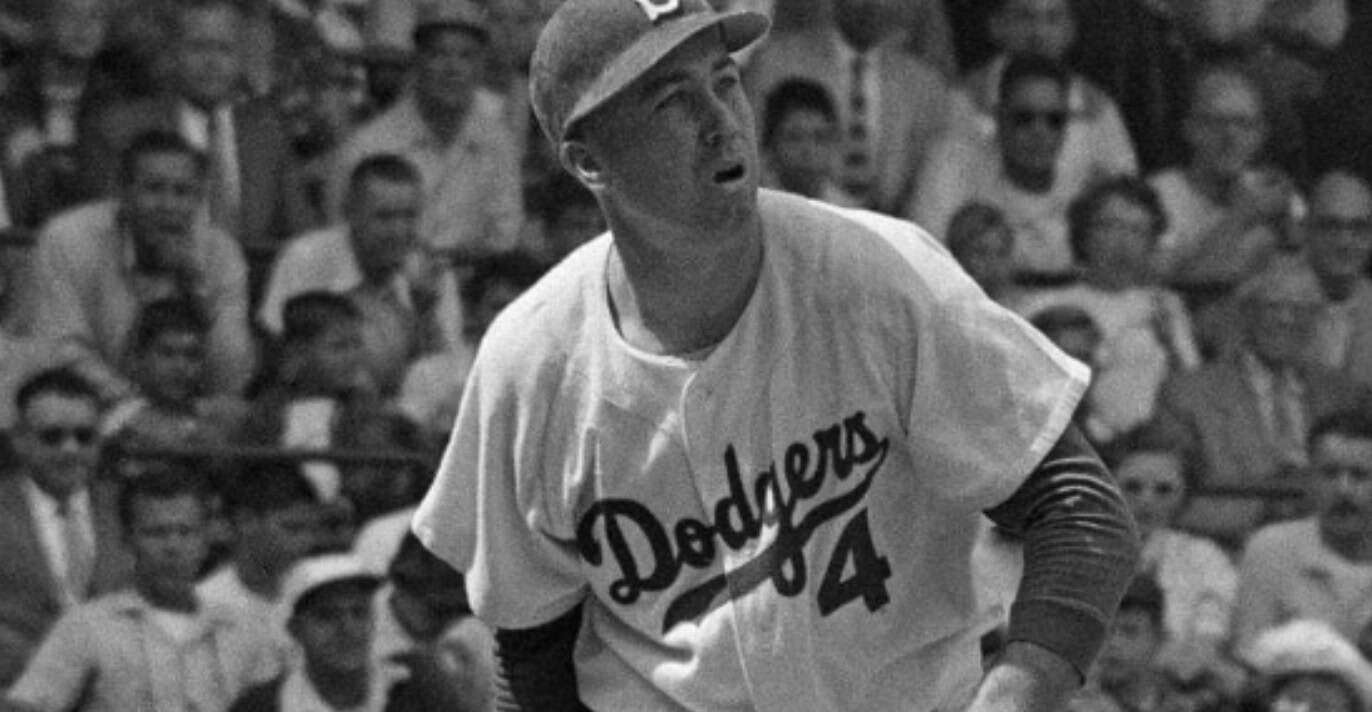
Together, Duke Snider and Gil Hodges combined for 777 home runs, forming one of baseball’s most devastating power tandems. While Snider patrolled center field with grace, Hodges anchored first base with quiet strength, and together they provided the thunder that made Brooklyn’s lineup legendary. Their partnership represented the heart of the Boys of Summer, two players whose complementary styles and shared dedication to excellence made them the perfect symbols of Brooklyn’s golden age, when every game felt like a neighborhood celebration.
Last Hit at Ebbets Field: His 40th Homer Closed the Book
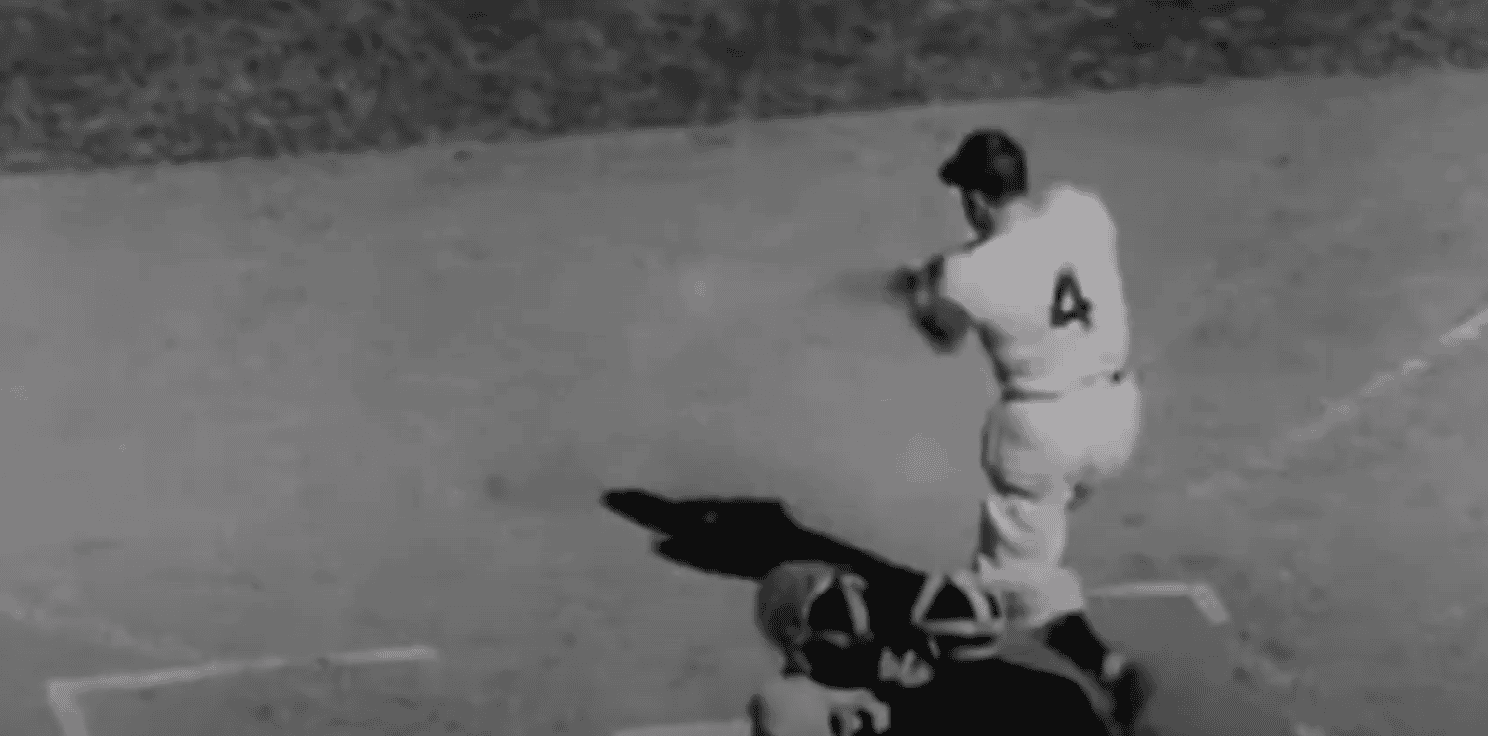
In one of baseball’s most poetic moments, Duke Snider’s final hit at beloved Ebbets Field was his 40th home run of the 1957 season, a fitting farewell to the ballpark that had been his kingdom. As the ball sailed over the wall one last time, it carried with it the dreams and memories of an entire borough, the crack of the bat serving as both celebration and eulogy. That homer wasn’t just a statistic—it was the final note in a love song between a player, a ballpark, and a community that would never be the same.
.295 Career Batting Average: Consistency That Crowned a King
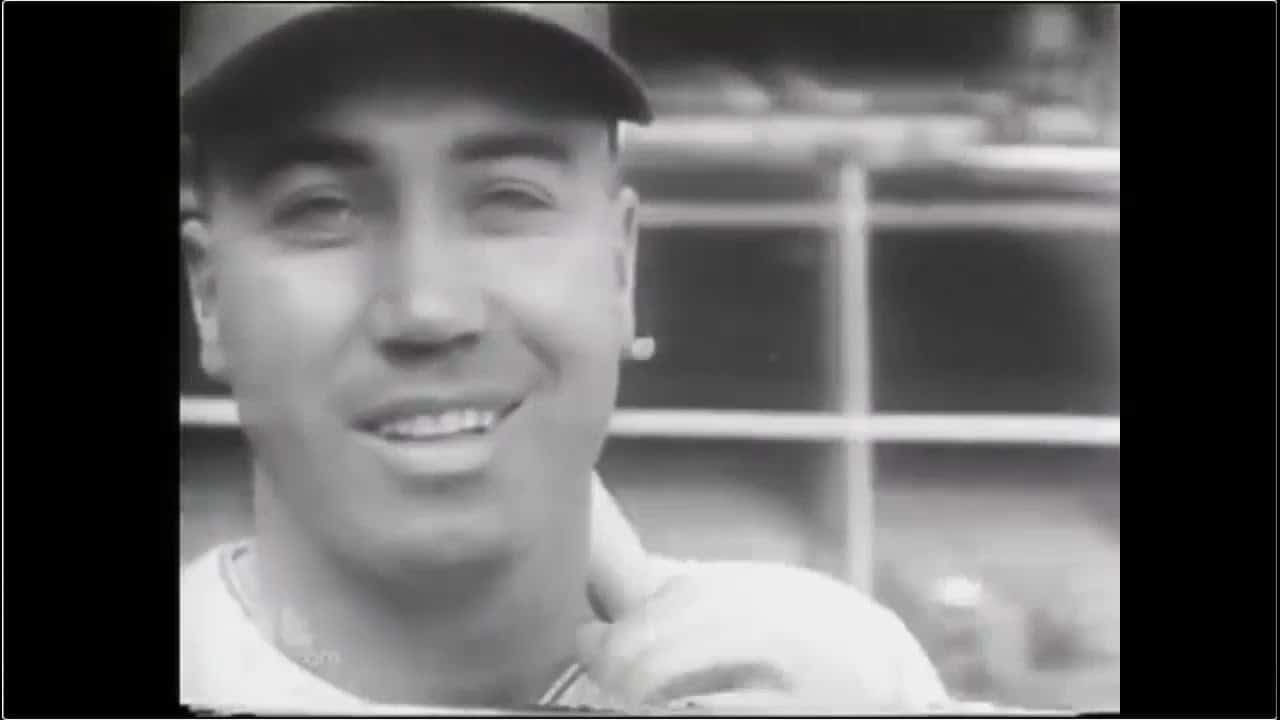
Duke Snider’s .295 career batting average proved he was far more than just a home run hitter—he was a complete player who combined power with precision. In an era when batting average truly mattered, when every point represented the difference between greatness and mediocrity, Snider’s consistency at the plate made him one of baseball’s most reliable performers. This wasn’t just statistical excellence; it was the mark of a craftsman who understood that true greatness comes from mastering every aspect of the game, making him worthy of the royal nickname that would follow him forever.