


Last Updated: June 17th, 2026 by Michael Schatz
The 1970s were baseball’s golden age of grit and personality, when players wore their uniforms dirty and their hearts on their sleeves. While everyone remembers the era’s superstars, a treasure trove of incredible talents got lost in the shuffle of history. These forgotten heroes deserve their moment in the spotlight again.
Don't lose this article. Enter your email below, and I'll send it to you right now. Plus, we'll send you other unbelievable stories from baseball's past.
Cesar Cedeno: The Dominican Dynamo Who Should’ve Been Willie Mays

Cesar Cedeno was the five-tool marvel who made the Astrodome electric in the early ’70s, hitting for the cycle at age 21 and stealing bases like a man possessed. With his .320 batting average, 20-plus homers, and 50-plus steals in back-to-back seasons, he had Willie Mays’ tools wrapped in Dominican flair. Tragically, legal troubles and injuries derailed what should have been a Hall of Fame trajectory, leaving us to wonder what might have been.
Thurman Munson: The Gritty Captain Who Made Pinstripes Proud
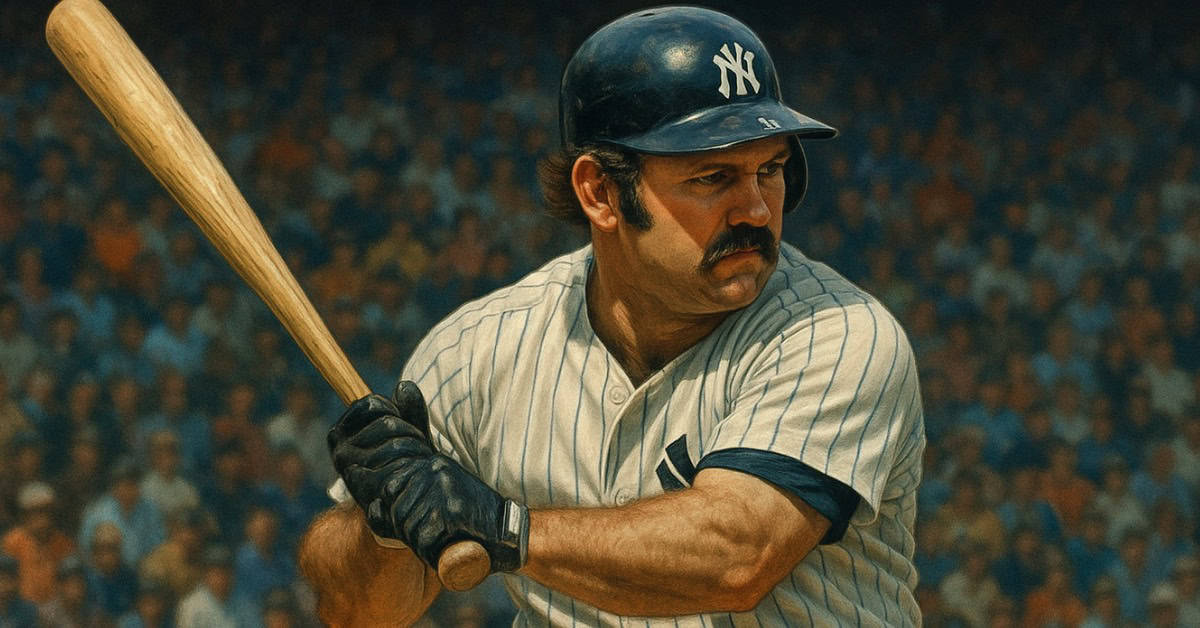
Thurman Munson was the heart and soul of those late-’70s Yankees championship teams, a catcher who blocked home plate like his life depended on it and hit clutch shots when October arrived. His .373 batting average across three World Series spoke to his championship mettle, while his leadership earned him the title of team captain. His tragic death in a plane crash at age 32 robbed baseball of a certain Hall of Famer and the Yankees of their emotional core.
Bobby Grich: The Gold Glove Wizard Who Hit Like a Slugger
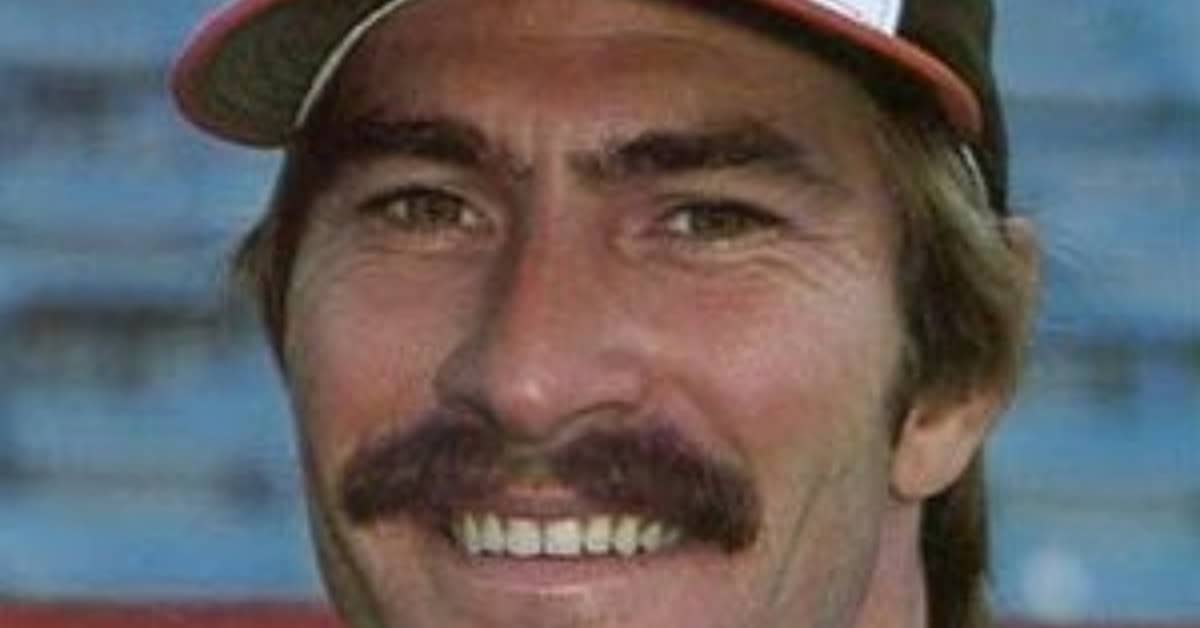
Bobby Grich revolutionized the second base position with his rocket arm and ballet-like footwork, winning four consecutive Gold Gloves while setting fielding percentage records that stood for decades. But he wasn’t just a defensive specialist—Grich could rake, posting a .371 on-base percentage and surprising power numbers that made him one of the most complete players of his generation. His 71.1 career WAR screams Hall of Fame, yet he remains criminally overlooked in Cooperstown discussions.
Luis Tiant: The Twisting Cuban Who Nearly Stole a World Series
Luis Tiant’s pretzel-like windup and theatrical delivery made him Fenway Park’s most beloved showman, a Cuban maestro who could paint corners and steal hearts simultaneously. His 1.60 ERA in 1968 and dominant 1975 World Series performance (including a shutout in Game 1) showcased his artistry on baseball’s biggest stage. With his 229 career wins and 2,416 strikeouts, El Tiante proved that style and substance could coexist beautifully on the mound.
Dick Allen: The Troubled Genius Who Hit Moonshots in Chicago
Dick Allen was baseball’s most enigmatic superstar, a man who could launch 500-foot home runs and disappear for days, keeping fans and managers guessing his next move. His 1972 MVP season in Chicago (.308, 37 HRs, 113 RBIs) showcased the raw talent that made him one of the era’s most feared hitters. Despite the controversies and conflicts, Allen’s 351 career homers and .534 slugging percentage have led to strong, though thus far unsuccessful, consideration for the Hall of Fame by various committees, with many supporters championing his case.
Toby Harrah: The Versatile Cowboy Who Did Everything Well
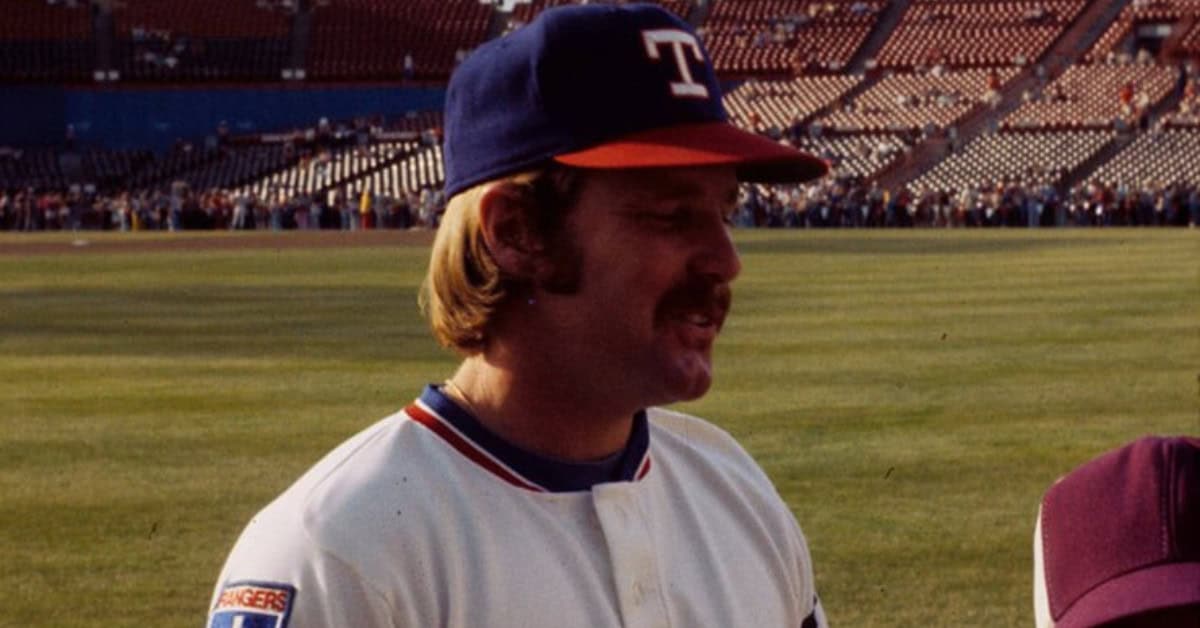
Toby Harrah was the Swiss Army knife of ’70s baseball, a Texas Ranger who could play shortstop, third base, or second with equal skill while providing surprising pop at the plate. His patient approach at the plate (twice leading the AL in walks) and steady glove work made him the ultimate utility player before that term became fashionable. Harrah’s 195 career homers and defensive versatility embodied the scrappy, blue-collar ethos that defined baseball in the decade.
Amos Otis: The Royals’ Smooth Centerfield Magician
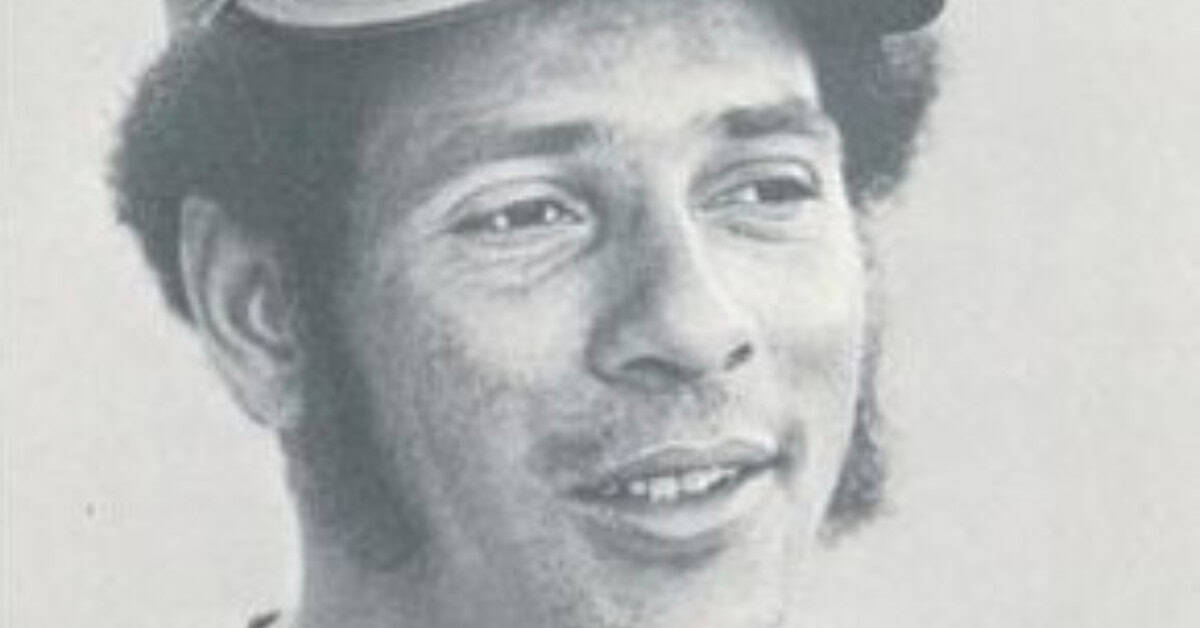
Amos Otis glided across Kauffman Stadium’s artificial turf like he was born to play center field, covering ground with an effortless grace that made impossible catches look routine. His three Gold Gloves and 341 career steals anchored those great Royals teams of the mid-’70s, while his clutch hitting in big moments earned him five All-Star selections. Otis represented the perfect blend of speed, defense, and timely hitting that defined championship baseball in Kansas City.
Reggie Smith: The Switch-Hitting Star Lost in Boston’s Shadow

Reggie Smith was the switch-hitting perfectionist who could turn on a fastball from either side of the plate, launching 314 career home runs while playing stellar defense in the outfield. His seven All-Star selections and World Series appearances with both the Boston Red Sox (1967) and the Los Angeles Dodgers (1977, 1978) showcased his consistent excellence, although he often got overshadowed by flashier teammates. Smith’s ability to hit for power and average (.287 career) while switching sides made him one of the most complete hitters of his generation.
Ken Singleton: The Patient Perfectionist Baltimore Forgot

Ken Singleton mastered the art of patience at the plate, drawing walks like a chess master planning his next move and turning those opportunities into runs for Baltimore’s championship teams. His switch-hitting prowess and keen eye (.388 career OBP) made him the ideal leadoff man, while his 246 career homers provided unexpected power. Singleton’s three All-Star selections barely scratched the surface of his value to those great Orioles clubs of the late ’70s.
Rusty Staub: Le Grand Orange Who Conquered Two Countries

Rusty Staub became Montreal’s first baseball hero, earning the nickname “Le Grand Orange” for his red hair and larger-than-life personality that transcended language barriers in Quebec. His smooth left-handed swing produced 2,716 career hits and six All-Star selections, while his clutch hitting in the 1973 World Series (.423 average) nearly carried the Mets to an unlikely championship. Staub’s 23-year career and ability to connect with fans in two countries made him one of baseball’s most beloved ambassadors during the game’s international expansion.