
Last Updated: June 17th, 2026 by Matthew Brown
Before launch angles and spin rates ruled the diamond, there was a pitch that dropped off the table like a stone falling through water. The forkball—and its modern descendant, the split-finger fastball—has been fooling hitters for over a century, from smoky ballparks where spittoons lined the dugouts to today’s high-tech stadiums. These twenty masters of the disappearing act turned two fingers spread wide into pure magic, leaving batters grasping at air and fans shaking their heads in wonder.
Don't lose this article. Enter your email below, and I'll send it to you right now. Plus, we'll send you other unbelievable stories from baseball's past.
Bullet Joe Bush’s Ancient Forkball That Predated the Babe Ruth Era
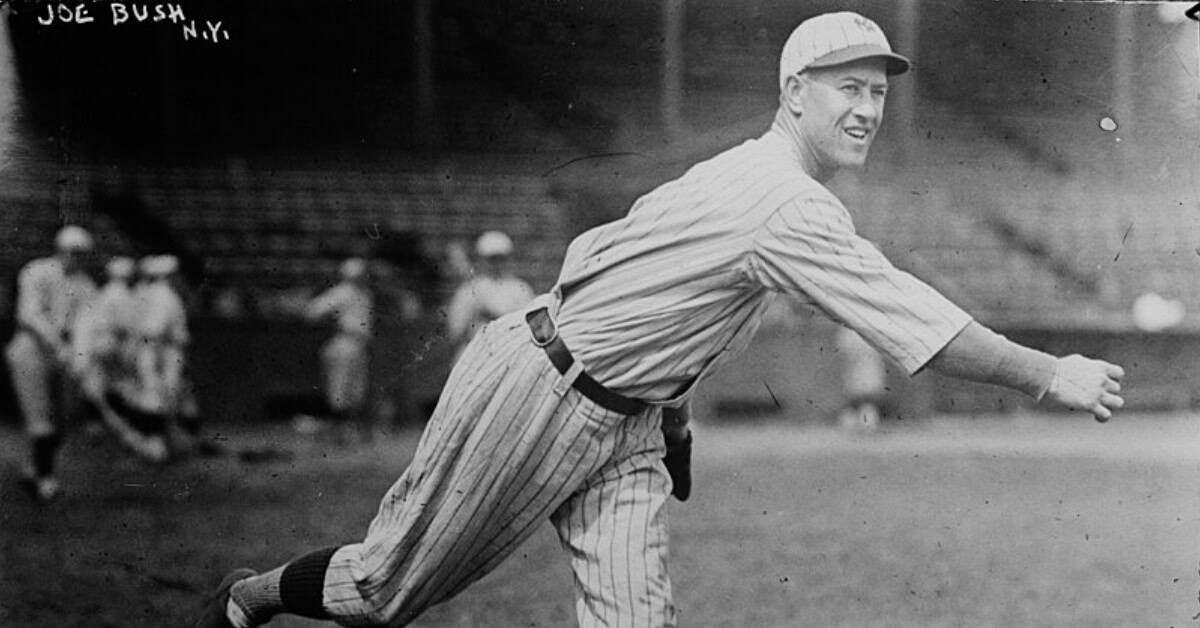
Long before anyone had heard of Babe Ruth’s called shot, Bullet Joe Bush was firing forkballs past deadball era hitters with the precision of a Civil War marksman. Bush’s forkball was a relic from baseball’s rougher days, when pitchers threw with tobacco juice staining their fingers and catchers caught barehanded behind wooden backstops. His grip on the ball was like holding a prayer between two fingers—simple, pure, and devastatingly effective against hitters who had never seen anything drop quite like that.
Roy Face’s Forkball That Made Pittsburgh Believe in Magic

Roy Face’s forkball was the stuff of Steel City legend, helping the diminutive reliever post an impossible 18-1 record in 1959 that still makes statisticians do double-takes. Face’s forkball didn’t just drop—it vanished like smoke from the blast furnaces, leaving hitters swinging at ghosts while Forbes Field erupted in disbelief. When the 5’8″ right-hander wound up and split his fingers around that baseball, Pittsburgh fans knew they were witnessing something special, a magic trick performed 60 feet and 6 inches away.
Lindy McDaniel’s Knuckleball-Forkball Combo That Confused Two Generations
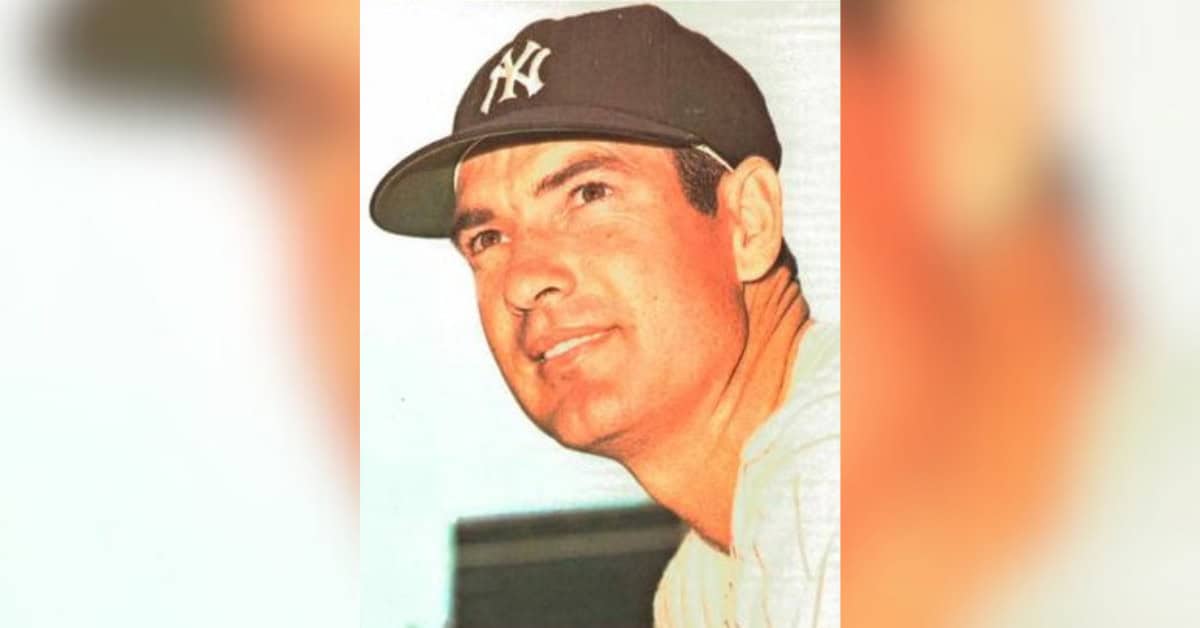
Lindy McDaniel was baseball’s ultimate trickster, mixing a dancing knuckleball with a diving forkball in a combination that left hitters looking like they were trying to hit butterflies with a flyswatter. His forkball was the perfect complement to his floater, giving batters two completely different kinds of confusion to worry about with each at-bat. McDaniel’s dual-threat approach was like facing a pitcher who spoke two different languages—when you thought you understood one, he’d switch to the other and leave you speechless.
Bruce Sutter’s Hall of Fame Forkball That Launched a Revolution

Bruce Sutter’s split-finger fastball was the bridge between the old forkball and the modern splitter, a pitch so effective it earned him a bronze plaque in Cooperstown and spawned countless imitators. Sutter’s splitter looked like a fastball leaving his hand but dropped like a stone hitting water, creating that magical moment when hitters’ faces went from confident to confused in the span of 60 feet. When Sutter gripped that ball with his fingers spread wide, he wasn’t just throwing a pitch—he was launching a revolution that would change relief pitching forever.
Roger Craig’s Split-Finger Teaching That Spawned a Generation

Roger Craig didn’t just throw a split-finger fastball—he became its evangelist, spreading the gospel of the splitter throughout baseball like a traveling preacher with a leather-bound playbook. Craig’s teaching turned the Giants into Splitter University, where young pitchers learned to make baseballs disappear faster than you could say “Humm Baby.” His split-finger philosophy was simple: throw it hard, throw it down, and watch hitters turn into statue collections as they froze on pitches that looked perfect until they weren’t.
Dave Righetti’s Yankee Stadium Forkball That Terrorized the Bronx
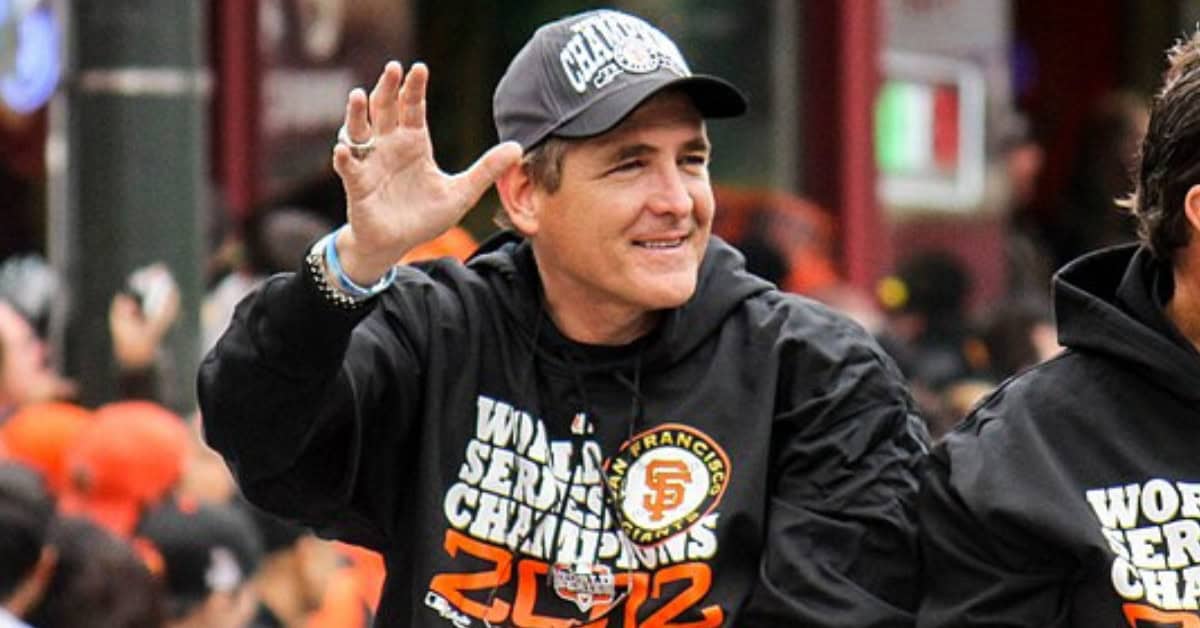
Dave Righetti’s transition from starter to closer was powered by a forkball that made Yankee Stadium’s short porch irrelevant—hitters couldn’t reach the seats if they couldn’t make contact. Rags’ forkball was like a trapdoor opening beneath unsuspecting batters, dropping them into strikeout hell while the Bleacher Creatures roared their approval. When Righetti wound up in the ninth inning with that forkball ready to fire, opposing hitters knew they were about to become part of Yankee Stadium folklore, just not in the way they had hoped.
Mike Scott’s Cy Young Forkball That Delivered Houston’s Dream Season

Mike Scott’s split-finger fastball transformed him from journeyman pitcher to Cy Young winner overnight, leading the Astros to their first division title while making the Astrodome feel like a house of horrors for visiting hitters. Scott’s splitter was like lightning in a bottle—unpredictable, devastating, and impossible to replicate, even though everyone tried. When Scott took the mound in 1986 with his split-finger working, Houston fans knew they were watching something special unfold, a season where one man’s mastery of two fingers could carry an entire city’s dreams.
Jack Morris’s World Series Splitter That Silenced Atlanta in Game 7
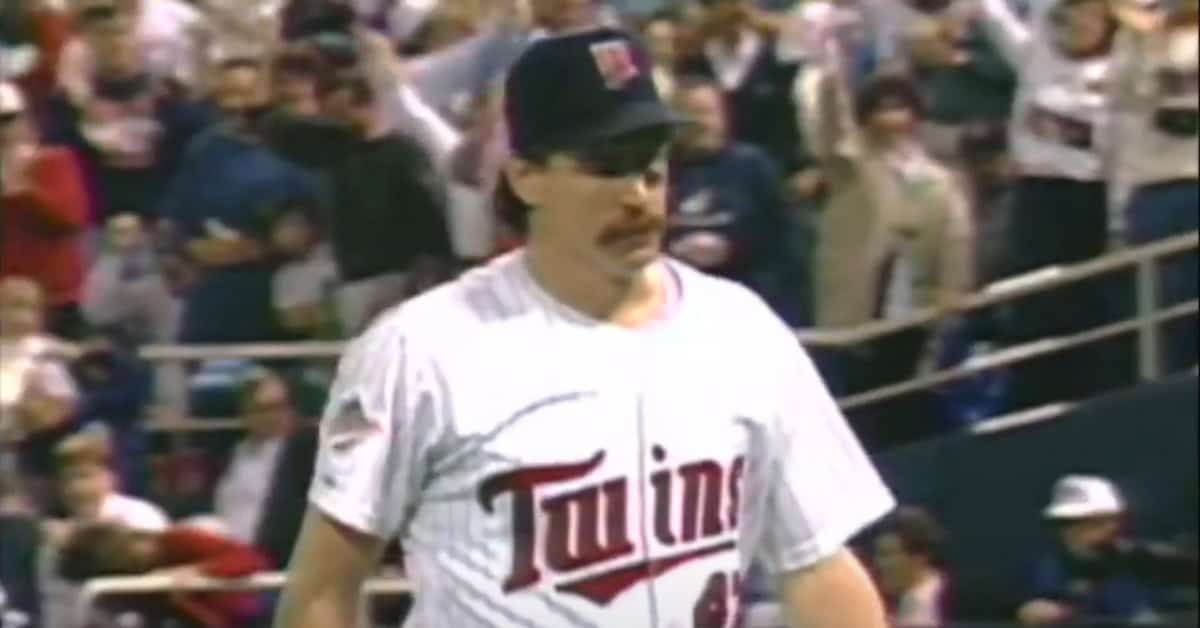
Jack Morris’s split-finger fastball was the exclamation point on one of the greatest World Series performances in history, carrying him through ten shutout innings in Game 7 against Atlanta like a warrior’s trusted sword. Morris’s splitter didn’t just fool hitters—it fooled Father Time, giving the veteran right-hander the strength to pitch deeper into games than men half his age. When Morris reached back for that splitter in the late innings of the 1991 World Series, he wasn’t just throwing a baseball—he was throwing pure determination wrapped in cowhide.
Dave Stewart’s Oakland Forkball That Anchored the Bash Brothers Era
Dave Stewart’s forkball was the perfect complement to Oakland’s Bash Brothers lineup, providing the pitching foundation that turned the Athletics into a dynasty while McGwire and Canseco provided the power. Stewart’s forkball had the same intimidating presence as its owner—mean, effective, and completely unforgiving to hitters who dared challenge it. When Stewart glared in from the mound with his forkball ready to deploy, opposing batters knew they were facing more than just a pitch—they were facing the embodiment of Oakland’s championship attitude.
Tom Henke’s Terminator Forkball That Closed Out Toronto’s Glory Days
Tom Henke’s forkball was the final word in Toronto’s back-to-back World Series championships, with “The Terminator” using his devastating split-finger to close out games with the efficiency of a machine. Henke’s forkball didn’t just end at-bats—it terminated hope, dropping through the strike zone like a meteor crashing to earth while SkyDome erupted in celebration. When Henke took the mound in the ninth inning with his forkball locked and loaded, Blue Jays fans knew the game was over before the first pitch was thrown.
Roger Clemens’ Split-Finger Fastball That Made Batters Look Foolish

Roger Clemens’ split-finger fastball was the perfect complement to his blazing fastball, giving “The Rocket” another weapon in his arsenal that made even the best hitters look like they were swinging underwater. Clemens’ splitter was delivered with the same intensity as everything else he threw, a pitch that seemed to accelerate toward the plate before diving away like a fighter jet pulling a sudden maneuver. When Clemens mixed his splitter with his heater, batters faced an impossible choice—gear up for 95 mph heat or prepare for a pitch that would disappear just as they swung.
Randy Johnson’s Big Unit Splitter That Terrorized Left-Handed Batters
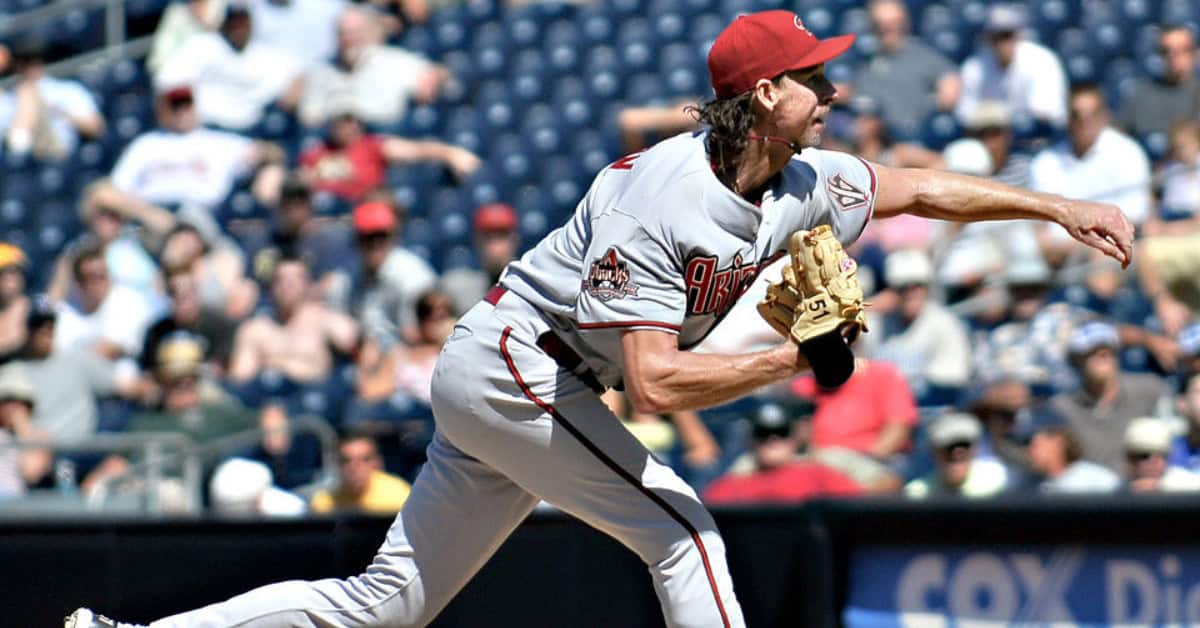
Randy Johnson’s splitter was like a meteorite launched from his 6’10” frame, creating a terrifying combination of size, speed, and movement that left left-handed batters questioning their career choices. The Big Unit’s splitter complemented his slider perfectly, giving him two pitches that broke in different directions while both arrived with the fury of a desert windstorm. When Johnson reared back and fired his splitter from that impossibly high release point, it looked like a fastball until the last moment when it would dive toward earth, leaving batters swinging at shadows cast by Chase Field’s lights.
John Smoltz’s Atlanta Splitter That Dominated the ’90s
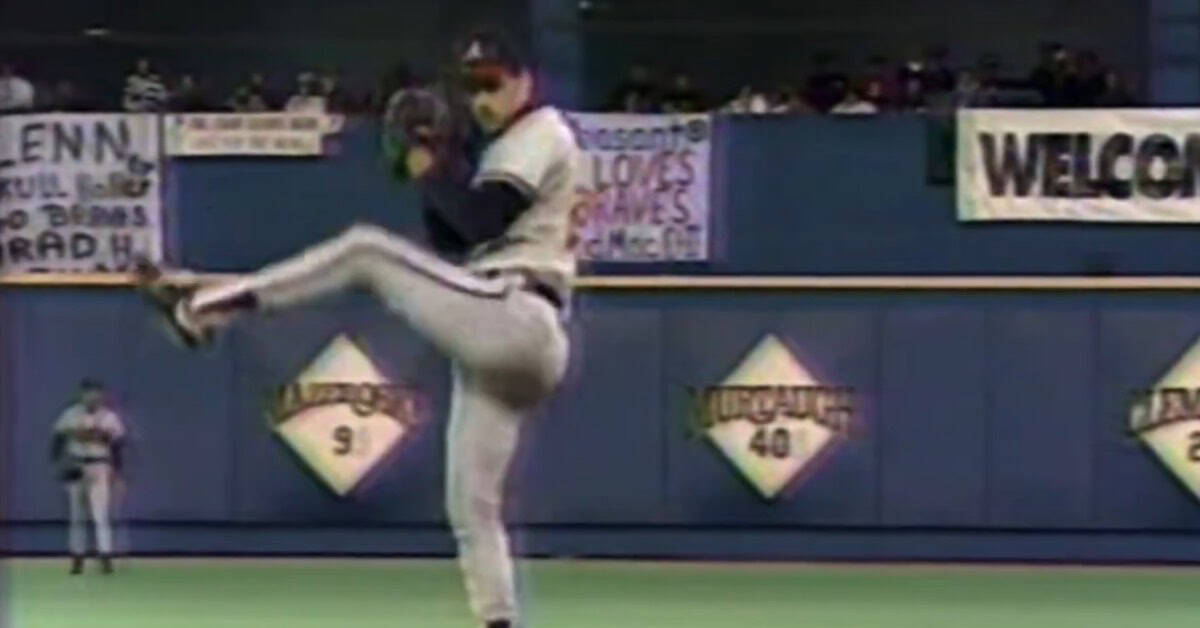
John Smoltz’s splitter was the third member of Atlanta’s Big Three rotation, a pitch so effective it helped anchor one of the greatest pitching staffs in baseball history while Fulton County Stadium rocked with tomahawk chops. Smoltz’s splitter was like a magician’s final trick—it looked ordinary until the moment it wasn’t, dropping out of the strike zone just as hitters committed to their swings. When Smoltz wound up with his splitter ready to fire, opposing batters knew they were facing more than just a pitch—they were facing the embodiment of Atlanta’s championship aspirations.
Hideo Nomo’s Tornado Forkball That Spun Japan Into MLB Hearts
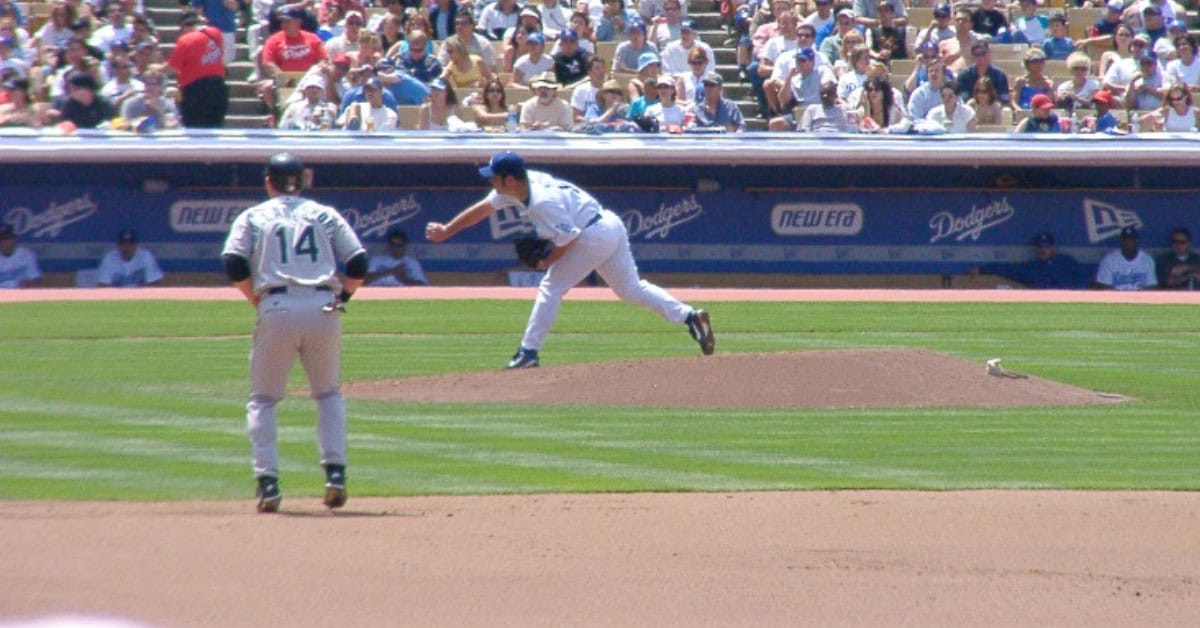
Hideo Nomo’s forkball was the pitch that opened baseball’s doors to Japan, delivered with a tornado windup that had Dodger Stadium fans holding their breath before the ball even left his hand. Nomo’s forkball was like a cultural ambassador wrapped in cowhide, introducing American fans to a level of precision and artistry they had never seen before. When Nomo went into his distinctive windup and unleashed that devastating forkball, he wasn’t just striking out major league hitters—he was striking a blow for international baseball that would echo for generations.
Curt Schilling’s Bloody Sock Split-Finger That Bled Championships

Curt Schilling’s split-finger fastball was the pitch that helped break the Curse of the Bambino, delivered with the same gritty determination that had him pitching through a bloody sock in the 2004 playoffs. Schilling’s splitter was like his personality—intense, uncompromising, and absolutely devastating when it mattered most. When Schilling reached back for his splitter in clutch situations, Red Sox fans knew they were watching a warrior in pinstripes, a pitcher who would literally bleed for a championship ring.
Kazuhiro Sasaki’s Samurai Splitter That Conquered Seattle
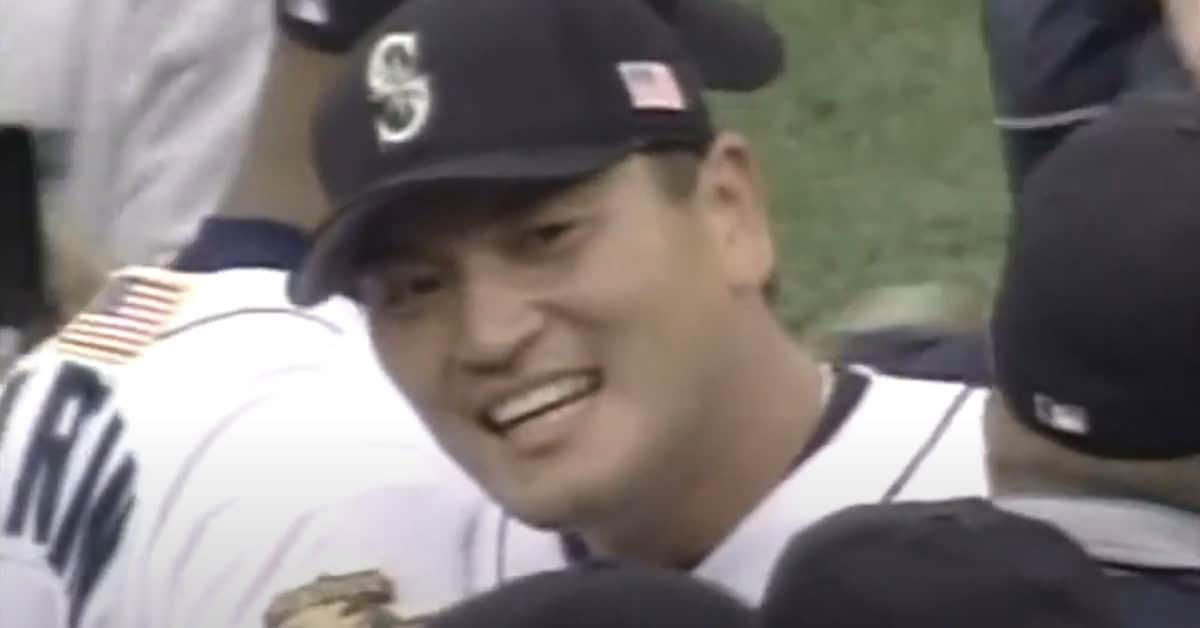
Kazuhiro Sasaki’s splitter was delivered with the precision of a samurai sword, cutting through American League lineups with the same efficiency that made him a legend in Japan. Sasaki’s splitter was like watching ancient artistry applied to modern baseball, a pitch that seemed to defy physics as it dove away from helpless hitters. When Sasaki took the mound at Safeco Field with his splitter ready to deploy, Mariners fans witnessed the perfect marriage of Japanese precision and American baseball, a combination that produced pure magic 60 feet and 6 inches away.
Tim Lincecum’s Freak Show Splitter That Made Giants Fans Believe
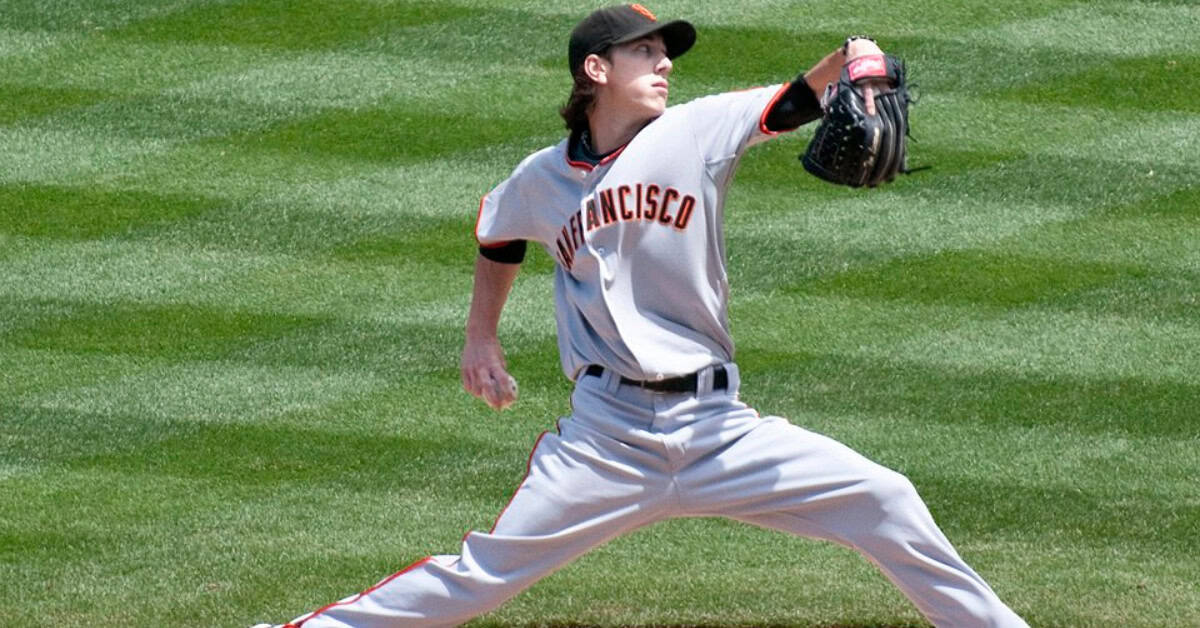
Tim Lincecum’s splitter was the perfect complement to his freakish delivery, a pitch that seemed to materialize from thin air before diving through the strike zone like a hummingbird changing direction mid-flight. The Freak’s splitter defied conventional wisdom about what a 5’11” pitcher could accomplish, proving that heart and technique could overcome size and strength. When Lincecum wound up with his splitter ready to fire, AT&T Park erupted in anticipation, knowing they were about to witness another masterpiece from baseball’s most unlikely superstar.
Koji Uehara’s Pristine Splitter That Made 2013 Magic in Boston
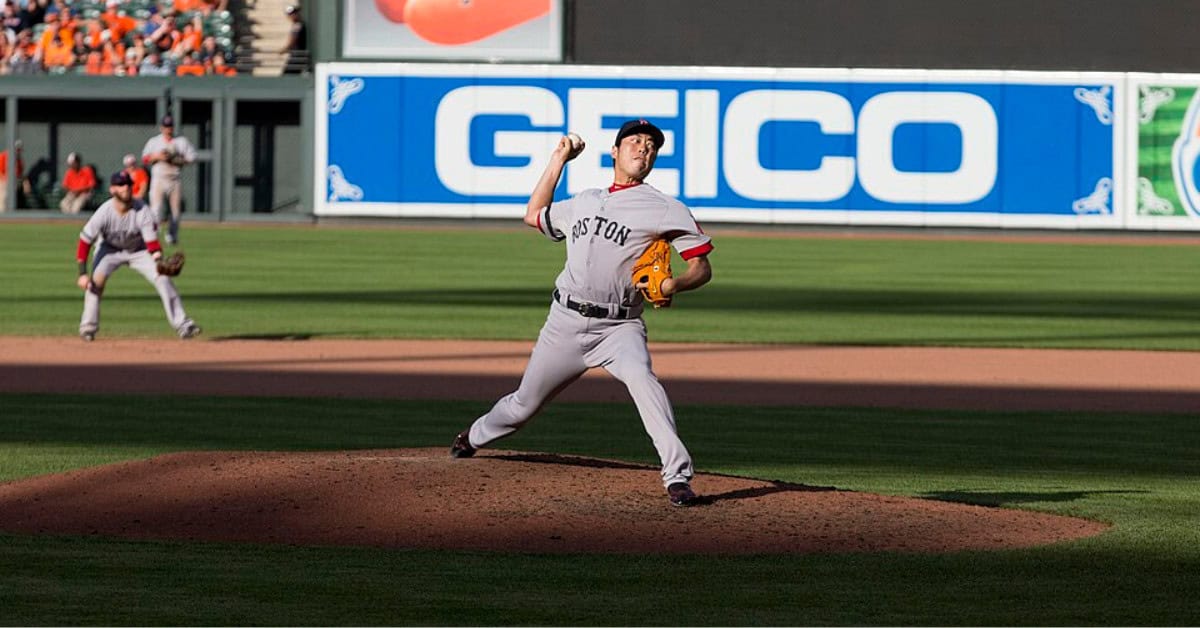
Koji Uehara’s splitter was a thing of beauty, delivered with the precision of a Swiss watchmaker and the effectiveness of a heat-seeking missile during Boston’s magical 2013 championship run. Uehara’s splitter was like poetry in motion—smooth, elegant, and absolutely devastating to opposing hitters who found themselves waving at pitches that seemed to vanish into the Fenway night. When Uehara took the mound with his splitter working, Red Sox fans knew they were watching artistry at its finest, a master craftsman plying his trade on baseball’s biggest stage.
Masahiro Tanaka’s Japanese Splitter That Crossed the Pacific
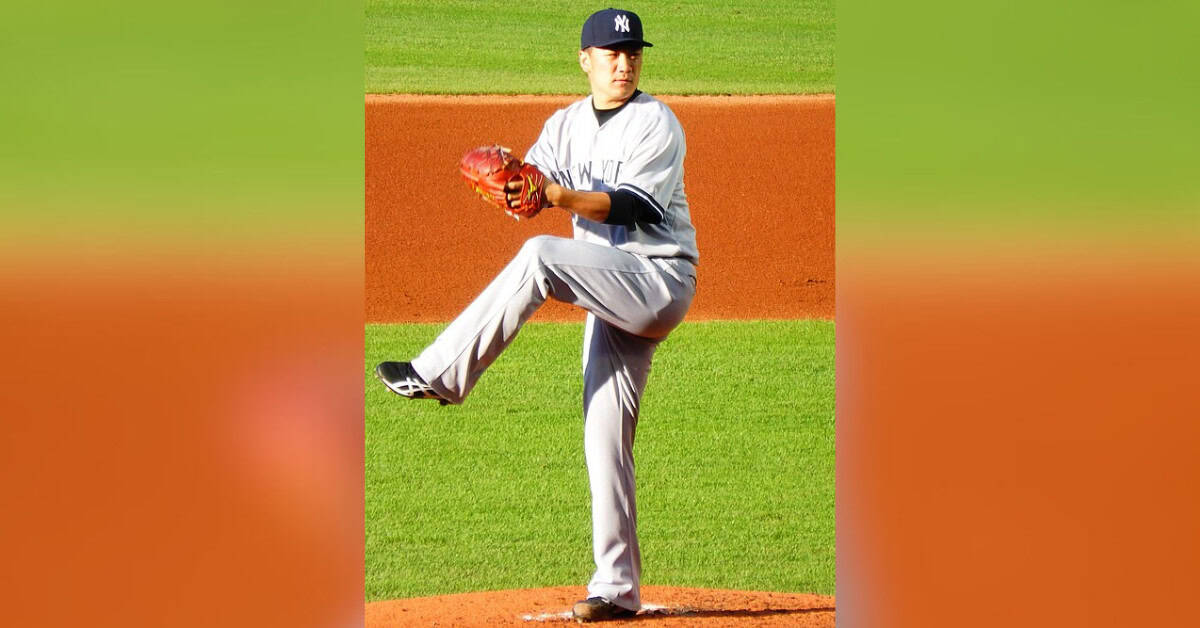
Masahiro Tanaka’s splitter brought Japanese precision to the Bronx, a pitch so perfectly executed it made Yankee Stadium feel like a dojo where opposing hitters came to learn painful lessons about humility. Tanaka’s splitter was like a bridge between two baseball cultures—combining the technical mastery of Japanese baseball with the power and intensity of the American game. When Tanaka wound up and delivered his signature splitter, he wasn’t just throwing a baseball—he was throwing a masterpiece that reminded everyone why the pitch had traveled across an ocean to find a new home.
Kodai Senga’s Ghost Forkball That Haunts Modern Hitters
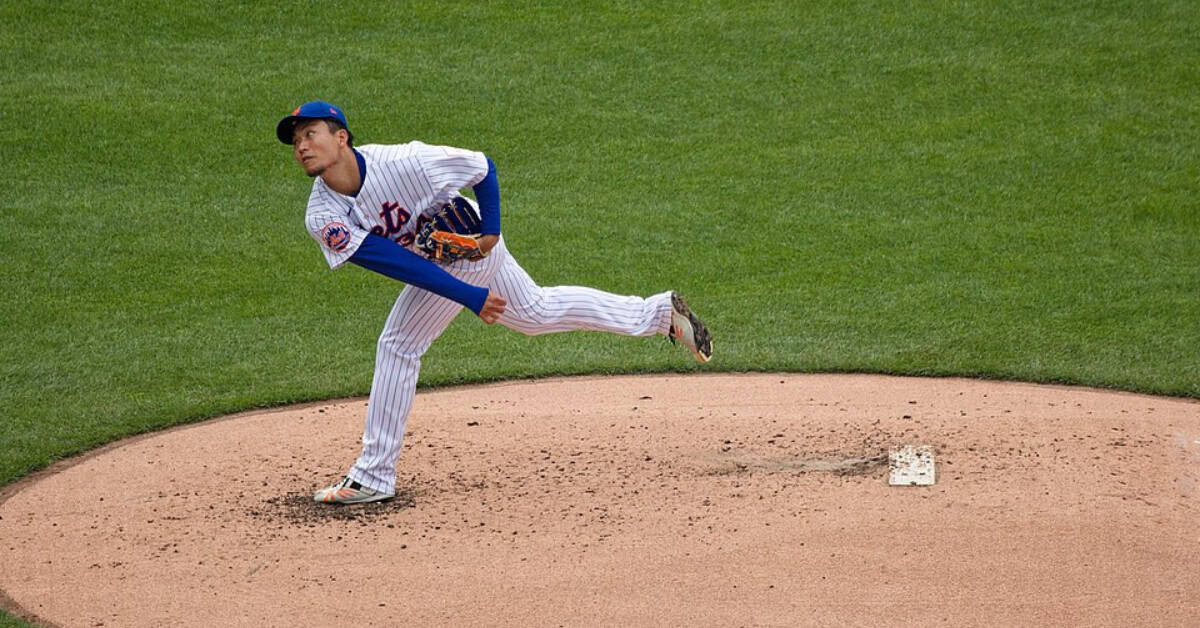
Kodai Senga’s “ghost forkball” represents the latest evolution of the pitch, a modern masterpiece that seems to disappear and reappear like a phantom haunting the corridors of Citi Field. Senga’s forkball is the perfect marriage of old-school artistry and new-school analytics, a pitch that honors the tradition of Face and Sutter while embracing the technological advances of today’s game. When Senga grips that ball with his fingers spread wide and fires his ghost forkball toward home plate, he’s not just continuing a century-old tradition—he’s writing the next chapter in the ongoing story of baseball’s most mystifying disappearing act.