Last Updated: October 15th, 2026 by Matthew Brown
Baseball has seen many different personalities over the years. It's a reflection of the fans who watch this great game. For every great player, there's a die-hard fan who believes in him.
Don't lose this article. Enter your email below, and I'll send it to you right now. Plus, we'll send you other unbelievable stories from baseball's past.
For better or for worse, those fans keep that belief strong.
We want to take a look at those players who required dedicated fanbases as the rest of the public soured on them.
10. Pete Rose: Baseball’s Hit King and Gambling Pariah
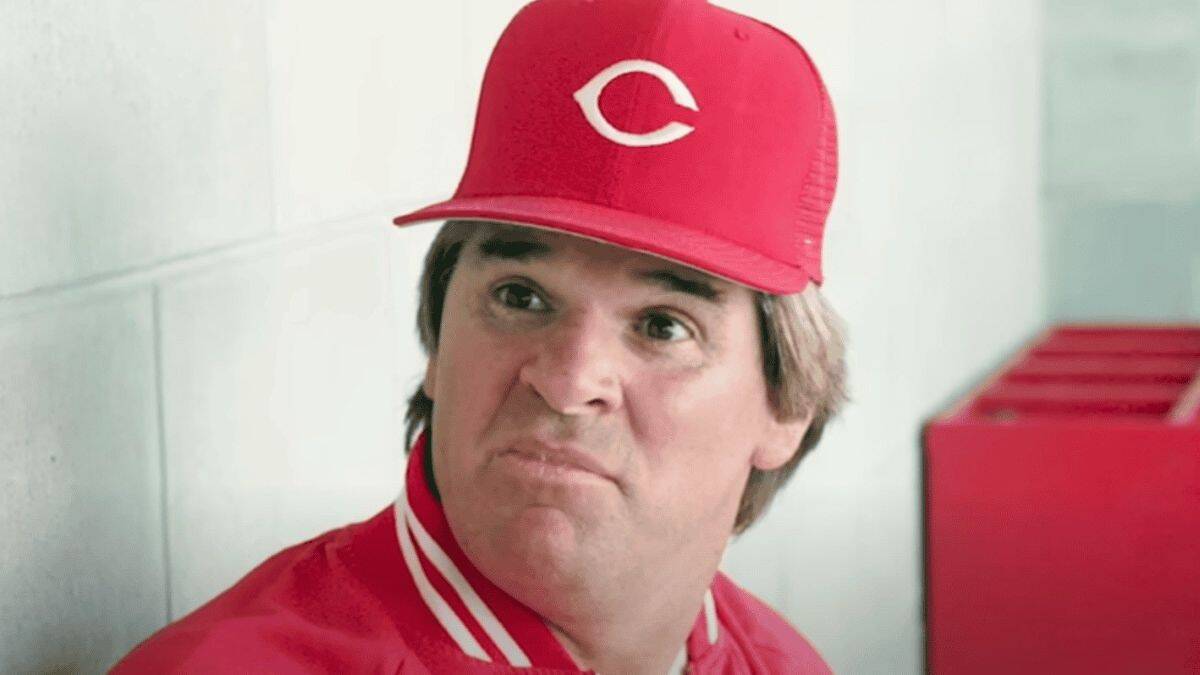
Pete Rose had a career that was destined for the Hall of Fame. However, he was caught gambling on the game before he could be inducted, and it changed everything. He was banned for the rest of his life, basically only seeing some dedicated fans come to his non-sanctioned autograph signings at small setups.
He finally got a little bit more leeway when he appeared on television talking about the game as an analyst for FOX Sports.
9. Barry Bonds: Home Run King with an Asterisk

I've met a number of people who will passionately say that Barry Bonds should be in the Hall of Fame. Whether you agree or not, you can't deny the impact he had on baseball. His attitude, though, is part of the reason why other fans have no problem with his denial so far from Cooperstown.
For every fan who says that steroids shouldn't affect his induction, there is a fan who was rudely denied an autograph by this superstar.
8. Alex Rodriguez: From Phenom to Fallen Star

I don't know of any other baseball player who had such a fast rise in popularity that fell rapidly with the realization of his affiliation with steroids. A-Rod was seriously as popular a shortstop as any when he burst onto the scene in Seattle.
By the time his career shifted to Texas and New York, it was harder to even find a fan who remotely liked him. Even now, he isn't well-received in his broadcasting and ownership ventures.
7. Ty Cobb: The Georgia Peach’s Thorny Legacy

Usually, the Georgia Peach name includes good ol' southern hospitality and kind treatment of others. Ty Cobb was anything but that.
For fans, it wasn't hard to realize that he was one of the greatest players to ever play up until that point. But his reputation for dirty play and derogatory remarks made him a disliked superstar even during that time.
6. Roger Clemens: The Rocket’s Controversial Flight

Roger Clemens is the most decorated pitcher in the history of baseball. The number of fans who were driven to believe in his incredible abilities grew fast as he rose to stardom in Boston.
He was still highly respected in Toronto as his accomplishments were undeniable, but his days as a Yankee and Astro are mired in controversy. The steroid allegations grew, and it became evident as he looked almost artificially too good towards the end of his career.
5. Reggie Jackson: Mr. October’s Year-Round Drama
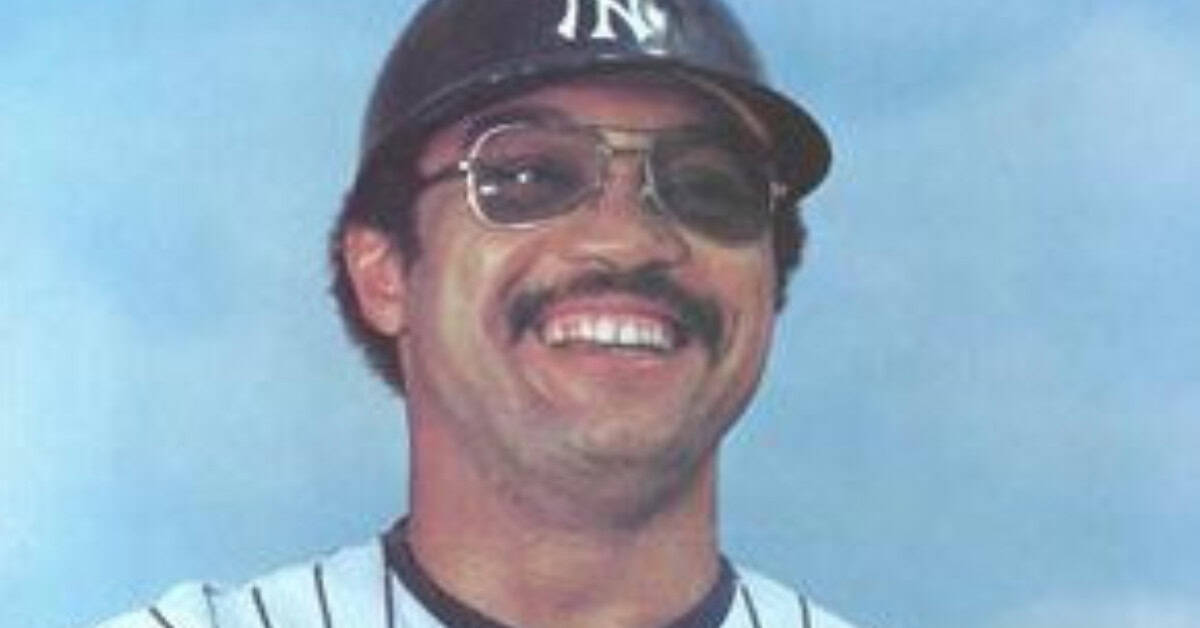
I think we all know of stars and celebrities who believe in their own hype. That was definitely Reggie Jackson. He wasn't wrong in doing so, as his Mr. October nickname was certainly deserved.
But his personality was a lot in the Yankee clubhouse, as he contributed to it being named the Bronx Zoo. He is even credited with the quote of the "straw that stirs the drink," which has been used to describe other divas in pop culture,
4. Shoeless Joe Jackson: The Black Sox’s Eternal Question

I think there has been more compassion shown towards Shoeless Joe, which makes his reputation seem more positive than that of others on this list. Still, he couldn't escape the initial hatred, as he was named as part of the 1919 Black Sox scandal.
Either way, he was banned from baseball and has relied on movies and media to tell his story of an unwilling participant, which has swayed some opinions.
3. Albert Belle: Baseball’s Angry Young Man
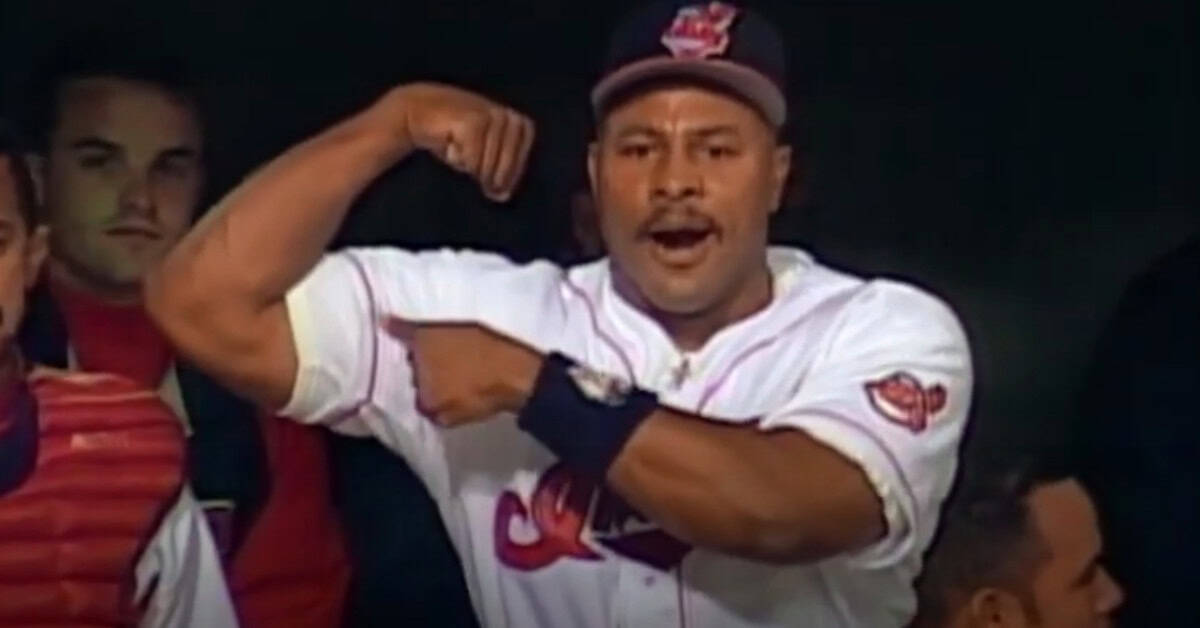
Anger management couldn't soften this man. Albert Belle put so much violence into every swing that there was a natural separation of fans who loved the way he played and others who hated it.
There was no doubting the production as he drove in 100 RBI in five straight seasons, but it still wasn't enough for fans who couldn't look past the tantrums and confrontations that riddled his career.
2. Curt Schilling: From Bloody Sock to Social Media Lightning Rod
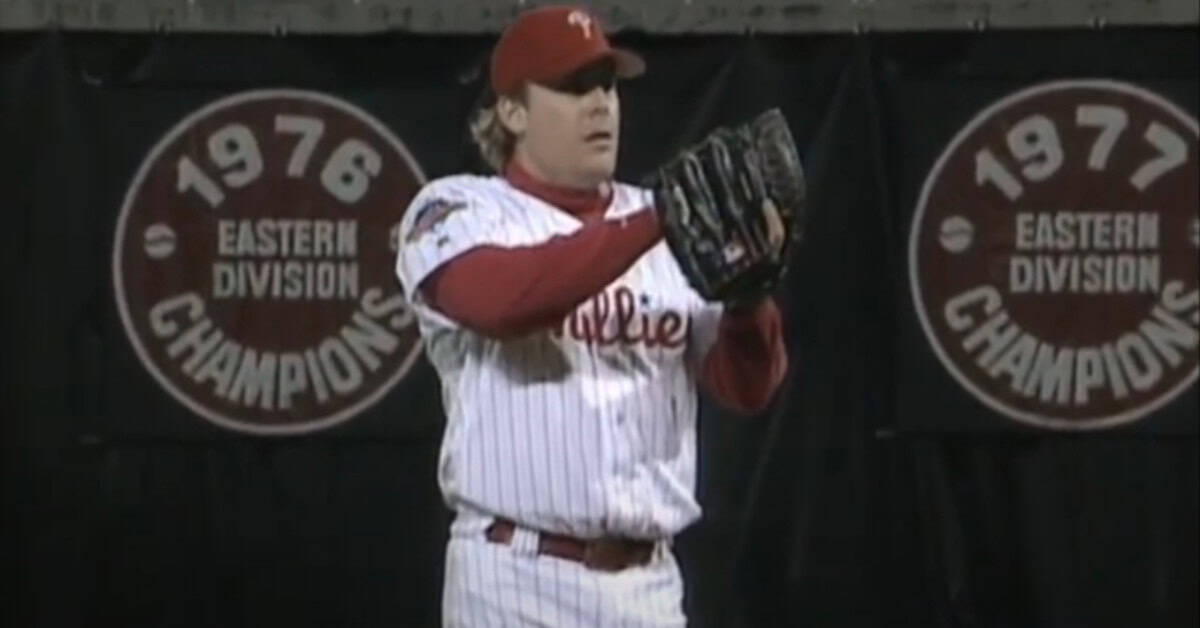
I've seen the bloody sock that Curt Schilling wore in the 2004 playoffs on display inside the Hall of Fame. His sock made it before he did, and his unpopular attitude might keep him out for the foreseeable future.
He's a legendary postseason performer, and the city of Boston will never forget that, but his outspoken opinions have made fans turn away.
1. Jose Canseco: The Steroid Era’s Whistleblower

As one of the Bash Brothers, Jose Canseco was one of the more famous sluggers in baseball. Steroids helped him become baseball's first 40-40 player during a time when fewer fans were aware of what exactly was going on.
His book "Juiced" exposed what he and other great players of the time were doing and made him a controversial whistleblower. I think his personal-life antics after his career have also contributed to the negative perception he's had.