


Last Updated: June 17th, 2026 by Michael Schatz
The 1970s were a golden age of baseball, where legends weren’t just made—they were forged in the summer heat of packed stadiums, through epic battles that still echo in America’s collective memory. These 20 players didn’t just play the game; they transformed it, leaving an indelible mark on our national pastime that resonates decades later.
Don't lose this article. Enter your email below, and I'll send it to you right now. Plus, we'll send you other unbelievable stories from baseball's past.
“Hammerin’ Hank” Aaron: Baseball’s New Home Run King
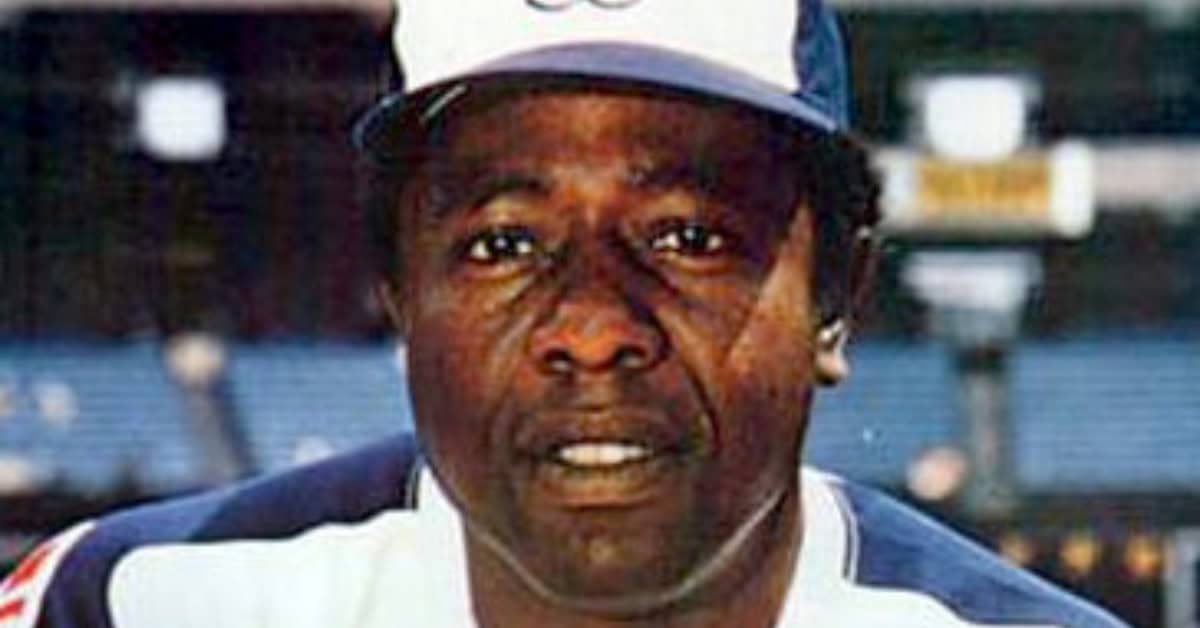
On April 8, 1974, Hank Aaron crushed Al Downing’s pitch into the Atlanta night, surpassing Babe Ruth’s seemingly untouchable record of 714 home runs. Despite facing death threats and racial hatred, Aaron remained a model of dignity and consistency throughout the decade, finishing his career with 755 home runs. His pursuit of Ruth’s record captured America’s imagination and represented more than just a sporting achievement—it was a triumph of the human spirit.
Pete Rose: Charlie Hustle’s Relentless Pursuit
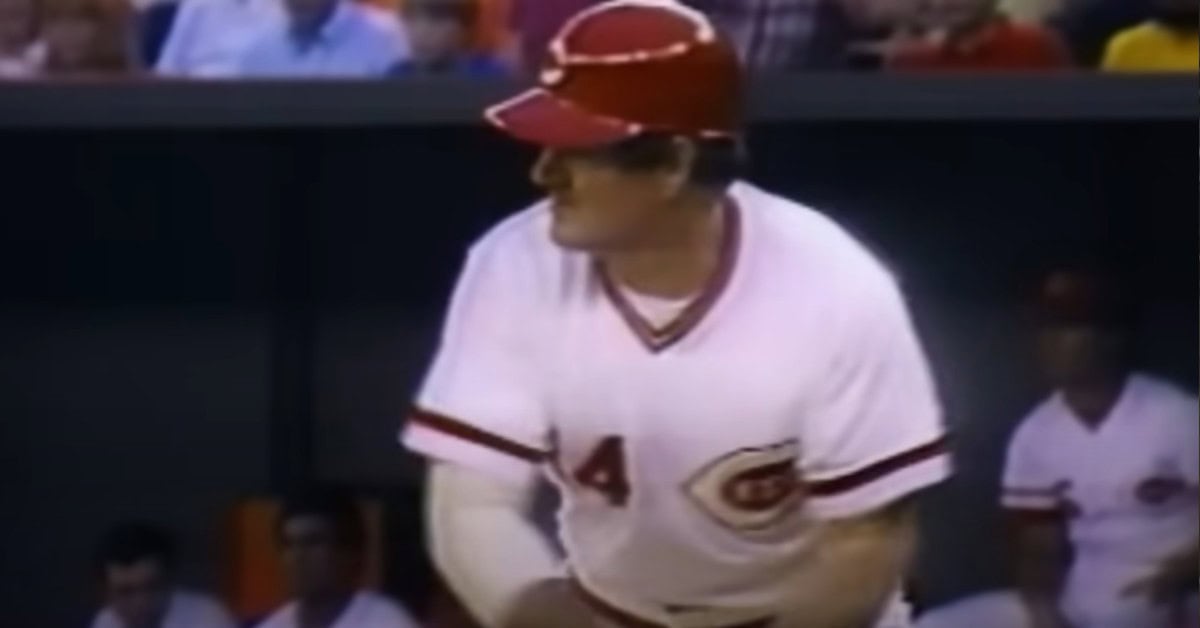
The face of Cincinnati’s Big Red Machine, Pete Rose earned his “Charlie Hustle” nickname with an all-out style that defined 1970s baseball. He collected over 2,000 hits during the decade alone, won two World Series rings, and was the spark plug of baseball’s most dominant team. His head-first slides and relentless approach to every at-bat made him the embodiment of old-school baseball.
Reggie Jackson: Mr. October’s World Series Magic
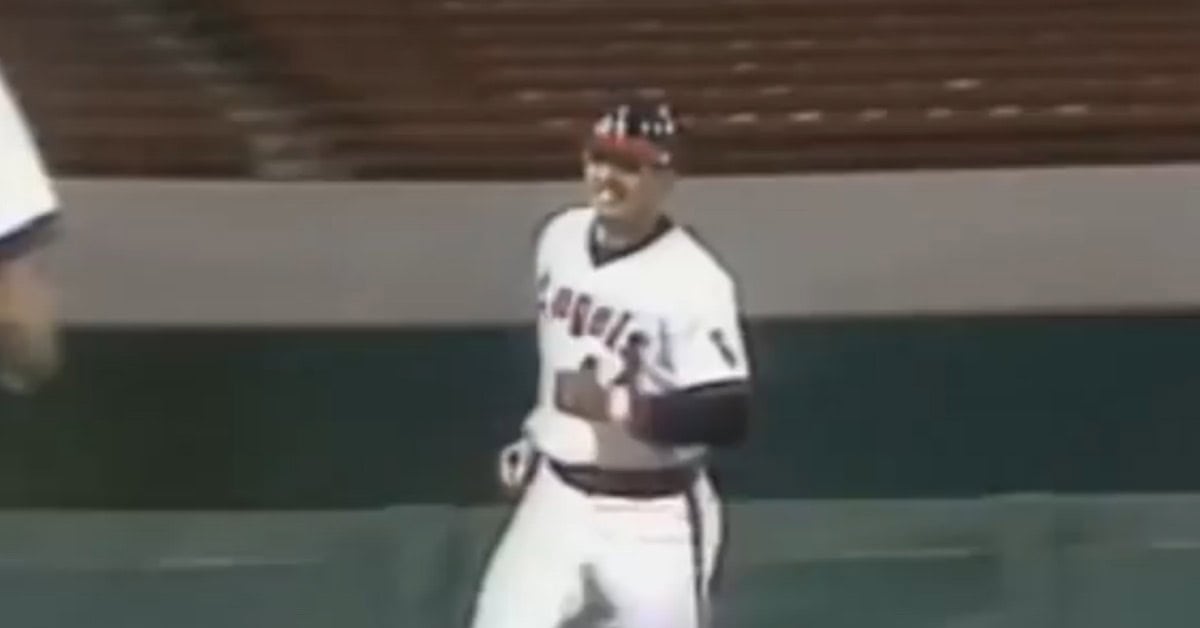
Reggie Jackson earned his “Mr. October” moniker with an unforgettable performance in the 1977 World Series, smashing three home runs on three consecutive pitches in Game 6. His flair for the dramatic and clutch performances defined the Yankees’ late-70s dynasty. Jackson’s larger-than-life personality and postseason heroics made him baseball’s first modern superstar.
Tom Seaver: The Franchise’s Perfect Form

Tom Seaver’s drop-and-drive delivery was poetry in motion, earning him the nickname “The Franchise” with the Miracle Mets. He dominated the decade with over 2,000 strikeouts, three Cy Young Awards, and a mastery of pitching that set the standard for generations. His perfect mechanics and intellectual approach to pitching made him the thinking man’s ace.
Rod Carew: Master of the Art of Hitting

Rod Carew turned hitting into an art form during the 1970s, winning seven batting titles and flirting with .400 in 1977. His unique stance and ability to place the ball anywhere made him baseball’s premier pure hitter. Carew’s .388 average in 1977 remains the closest any player has come to the magical .400 mark since Ted Williams.
Johnny Bench: Redefining the Catcher Position
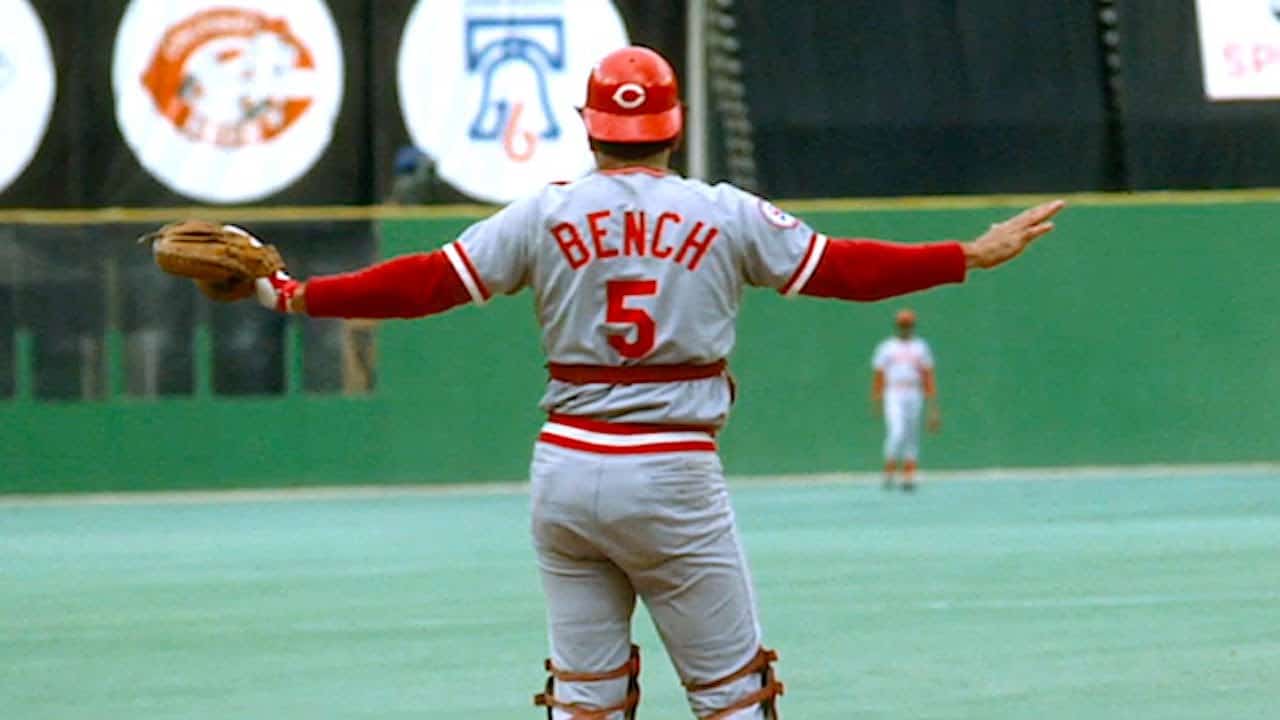
Johnny Bench revolutionized catching with his one-handed style and unprecedented power at the plate. The cornerstone of the Big Red Machine won two MVPs and set new standards for catchers both offensively and defensively. His ability to handle pitchers and control the running game made him the prototype for modern catchers.
Joe Morgan: The Little Giant of the Big Red Machine
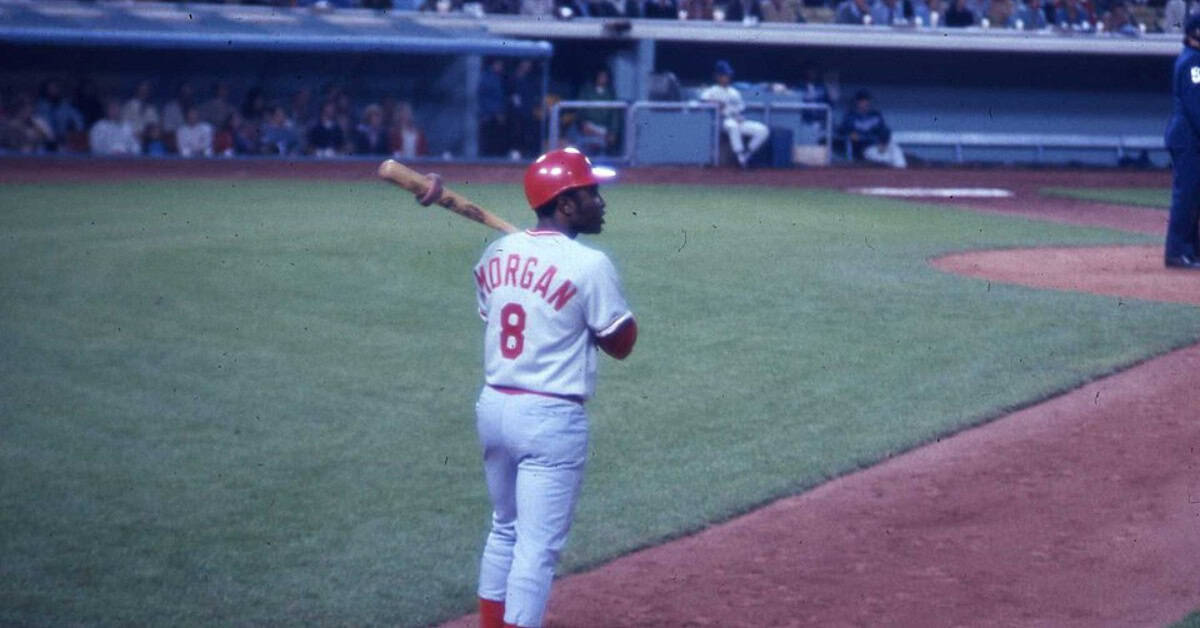
Joe Morgan’s distinctive arm-flap batting stance became iconic as he dominated the mid-70s, winning back-to-back MVP awards in 1975 and 1976. His combination of power, speed, and baseball IQ made him the complete player. Morgan’s ability to impact games in every facet revolutionized the second base position.
Nolan Ryan: The Express Throws Heat
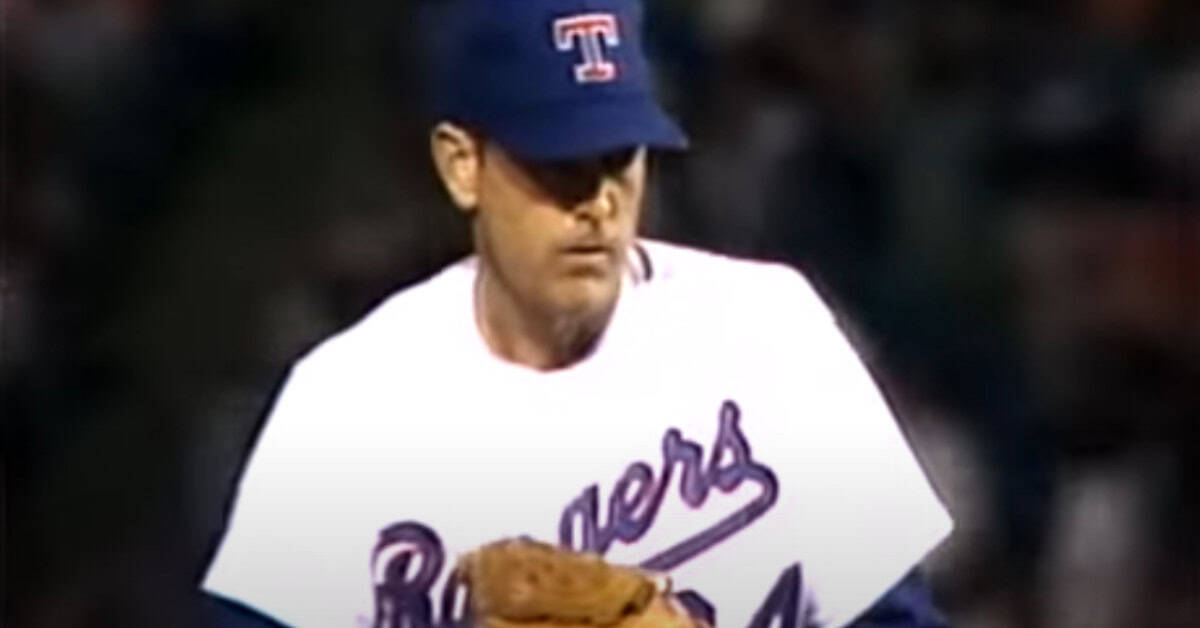
The Ryan Express terrorized hitters throughout the 1970s with his blazing fastball and devastating curve. He threw four no-hitters during the decade and led the league in strikeouts seven times. His 383 strikeouts in 1973 set a modern-era record that still stands today.
Willie Stargell: Pops Leads the Family

Willie “Pops” Stargell led the “We Are Family” Pirates to the 1979 World Series title, winning both MVP awards that year. His tape-measure home runs and father-figure leadership made him the heart and soul of Pittsburgh baseball. Stargell’s famous stars on his cap became symbols of excellence for his teammates.
Carlton Fisk: The Wave Seen ‘Round the World

Carlton Fisk’s dramatic wave-it-fair home run in Game 6 of the 1975 World Series became one of baseball’s most iconic moments. His durability and excellence behind the plate made him Boston’s cornerstone throughout the decade. Fisk’s intensity and preparation set new standards for catching excellence.
Steve Carlton: Lefty’s Legendary 1972

Steve Carlton’s 1972 season remains one of baseball’s greatest pitching performances, winning 27 games for a last-place Phillies team. His slider became the most feared pitch of the decade. Lefty’s workout regimen and mental preparation revolutionized how pitchers approached their craft.
Brooks Robinson: The Human Vacuum Cleaner
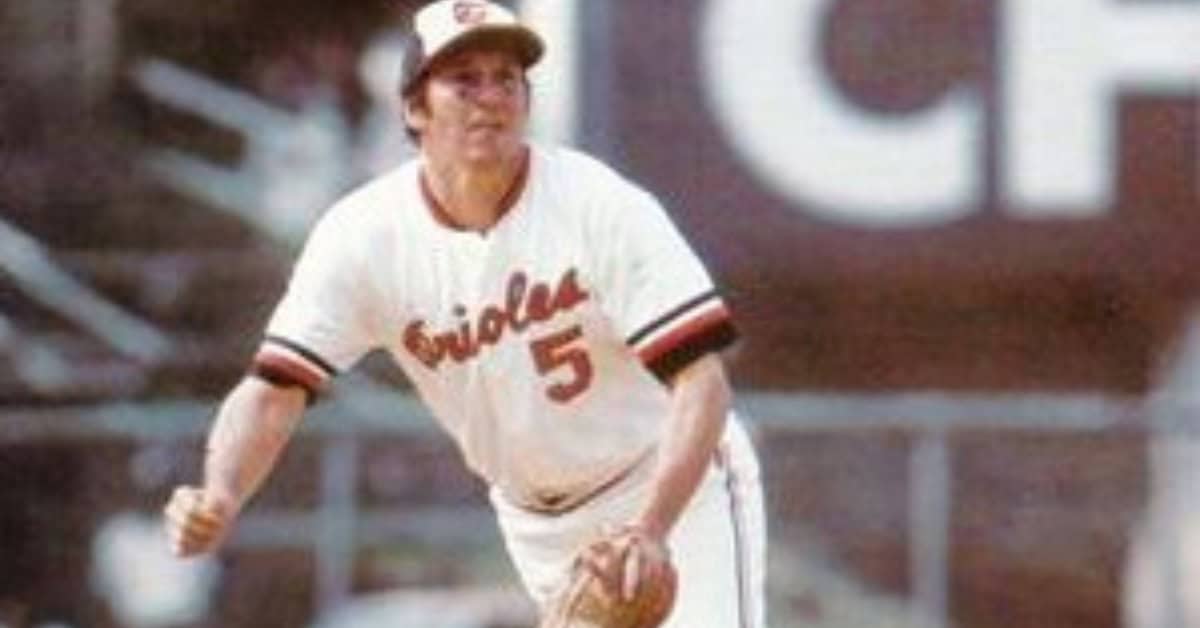
Brooks Robinson’s defensive wizardry at third base earned him the nickname “The Human Vacuum Cleaner.” His performance in the 1970 World Series, making impossible plays look routine, remains the gold standard for defensive excellence. Robinson’s 16 Gold Gloves redefined what was possible at the hot corner.
Lou Brock: Speed Demon on the Basepaths
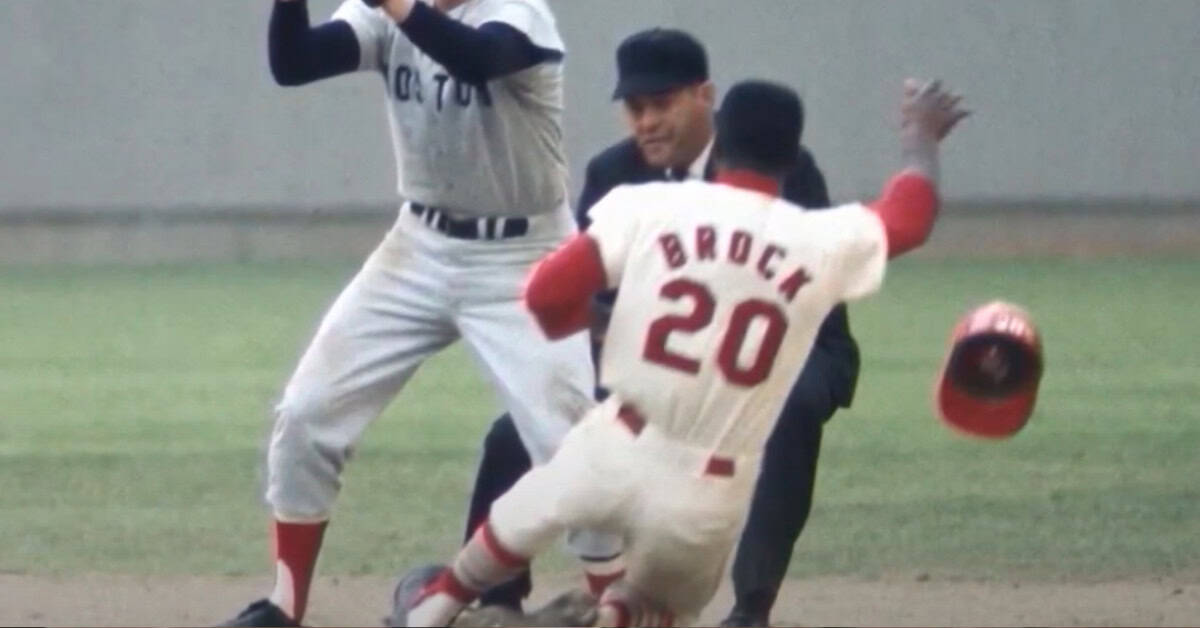
Lou Brock terrorized pitchers throughout the decade, breaking Maury Wills’ single-season stolen base record with 118 in 1974. His combination of speed and hitting made him the premier leadoff man of his era. Brock’s base-stealing technique became the template for future generations.
Catfish Hunter: The Million Dollar Arm

Jim “Catfish” Hunter became baseball’s first big-money free agent, signing with the Yankees for $3.75 million in 1975. His perfect game in 1968 and consistent excellence helped build both the A’s and Yankees dynasties. Hunter’s control and big-game performances made him the pitcher everyone wanted on the mound.
Jim Palmer: The Face of the Orioles Dynasty
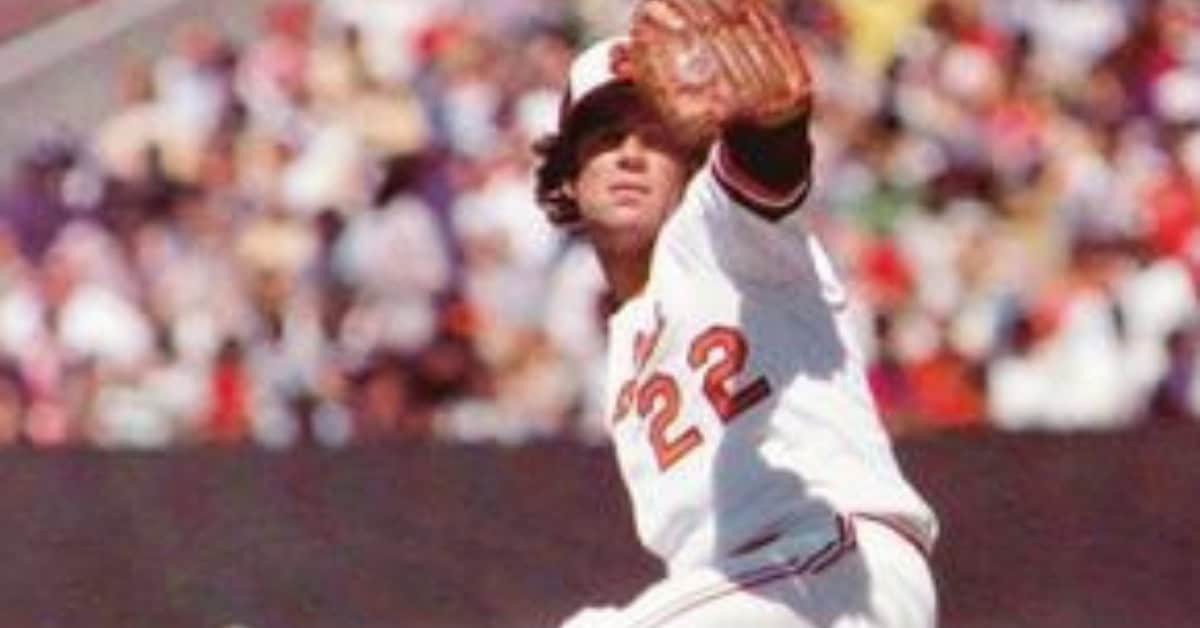
Jim Palmer’s high leg kick and model good looks made him the face of Baltimore’s dominant pitching staff. He won three Cy Young Awards and never gave up a grand slam in his entire career. Palmer’s consistency and competitive fire epitomized the Oriole Way.
Willie McCovey: Stretch’s Mighty Swing
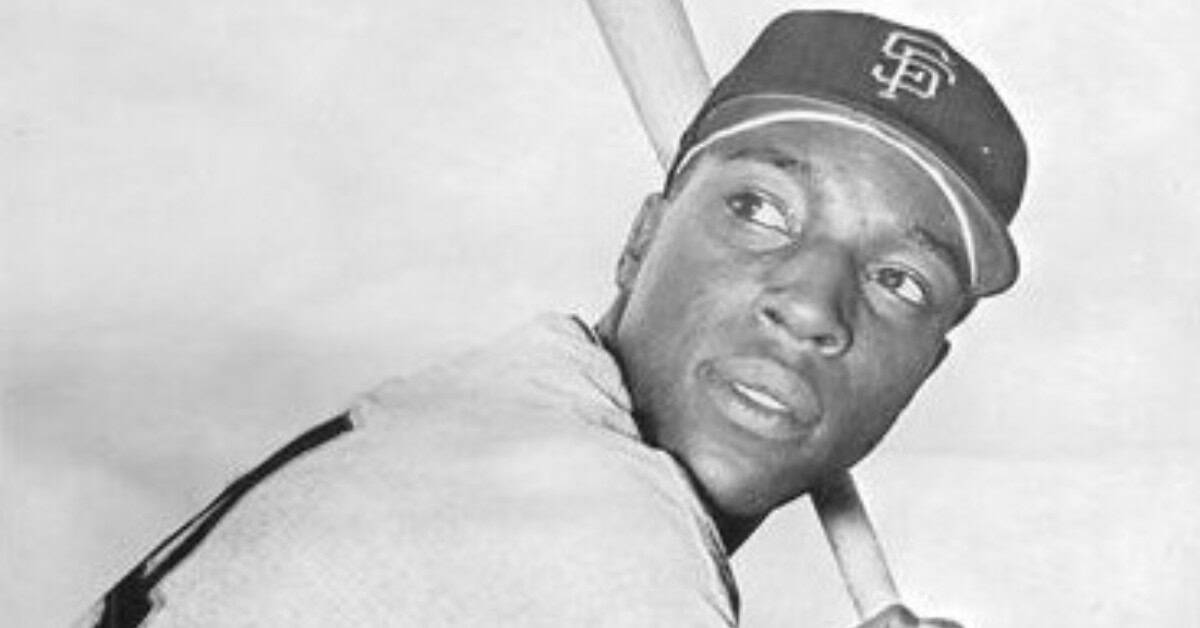
Willie McCovey’s towering home runs into San Francisco Bay gave birth to “McCovey Cove.” His smooth left-handed swing and quiet dignity made him one of the game’s most respected sluggers. Stretch’s power remained legendary even as injuries slowed him in the latter part of the decade.
Gaylord Perry: The Spitball Specialist
Gaylord Perry’s reputation for doctoring the baseball made every pitch an adventure. He won Cy Young Awards in both leagues and kept batters guessing with his famous “spitball.” Perry’s mind games and crafty pitching style represented a dying breed of hurlers.
Thurman Munson: The Heart of the Yankees
Thurman Munson’s grit and leadership guided the Yankees back to prominence in the late 1970s. His tragic death in 1979 stunned the baseball world and ended a career that epitomized old-school toughness. Munson’s intensity and clutch hitting made him the perfect Yankees captain.
Phil Niekro: Mastering the Knuckleball
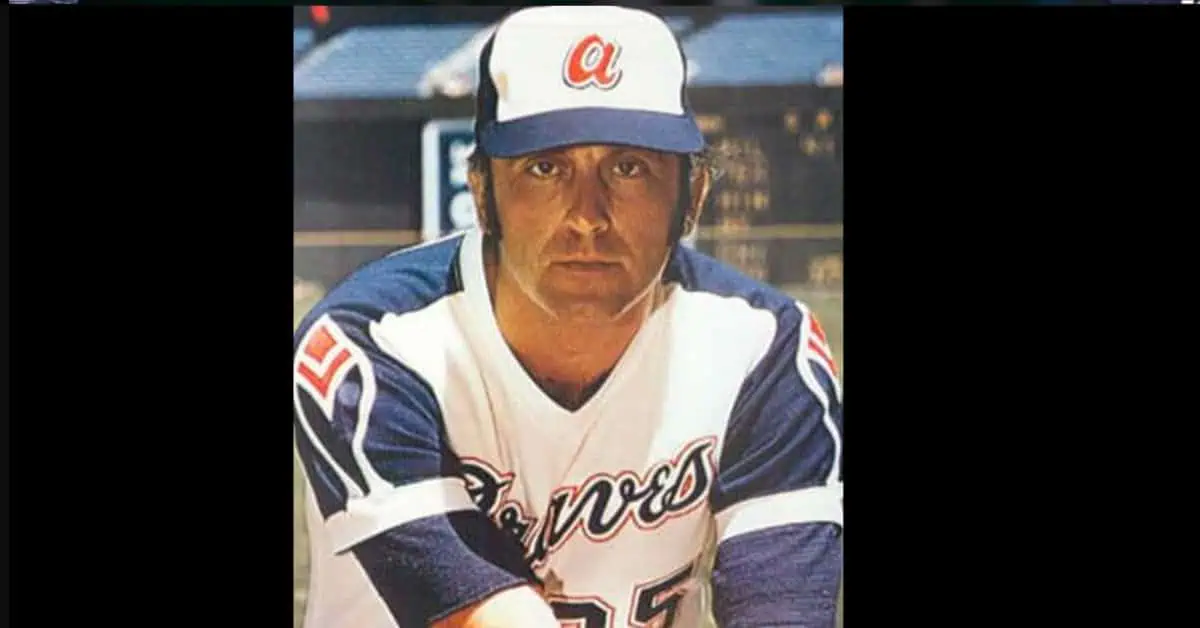
Phil Niekro’s dancing knuckleball baffled hitters throughout the decade, helping him win 221 games after turning 30. His durability and mastery of baseball’s most unpredictable pitch made him a legend. Knucksie’s ability to eat innings and fool hitters well into his 40s made him unique in baseball history.
Roberto Clemente: The Great One’s Final Act
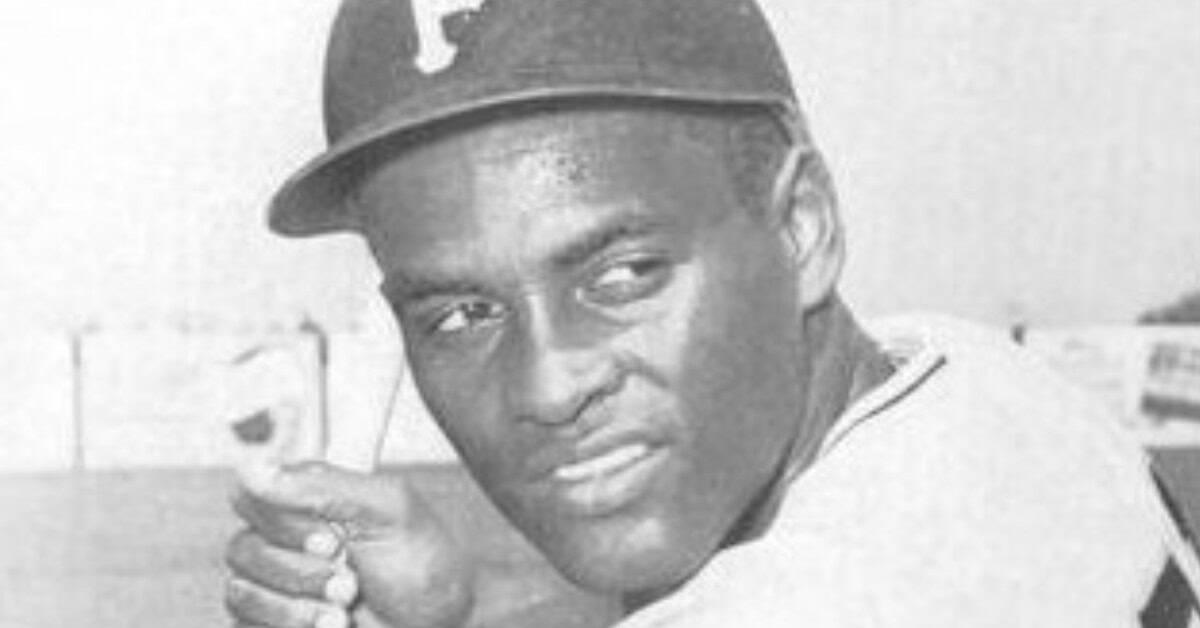
Though his life was cut tragically short on New Year’s Eve 1972, Roberto Clemente’s impact on baseball in the early 1970s was profound. His 3,000th hit in his final at-bat provided a fitting culmination to a career marked by excellence and humanitarian spirit. Clemente’s legacy as both a player and humanitarian continues to inspire generations.