

Last Updated: June 17th, 2026 by Matthew Brown
Before the upward swings and exit velocity focus, baseball was taught through handed-down wisdom and regional quirks. Nowhere was this truer than in the Midwest, where the game’s fundamentals were forged in county fairgrounds and factory leagues. From George Brett’s line drives to Harvey Kuenn’s sluggers, these distinctly Midwestern approaches didn’t just win games—they changed how baseball was played.
Don't lose this article. Enter your email below, and I'll send it to you right now. Plus, we'll send you other unbelievable stories from baseball's past.
The St. Louis Choke: How George Sisler’s Grip Changed Hitting Forever
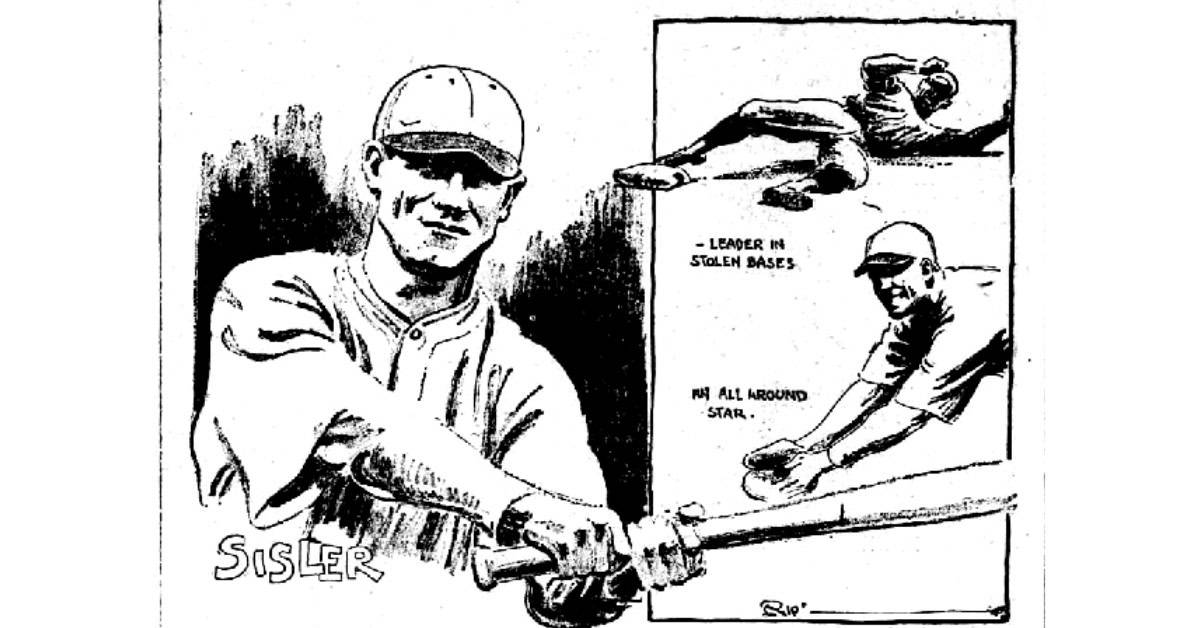
Before Ted Williams wrote “The Science of Hitting,” George Sisler was teaching St. Louis players to choke up on the bat and focus on contact. His revolutionary grip, developed during the dead-ball era but effective well into the live-ball years, produced a .340 lifetime average and influenced generations of Midwest hitters. Even today, youth coaches in St. Louis teach the “Sisler Grip” to their players.
The Kansas City Line Drive: George Brett’s Flat Bat

Before launch angles became gospel, George Brett was teaching Kansas City a different way to hit. His flat bat path through the zone, learned under Charlie Lau and perfected at Royals Stadium, produced line drives that defied defensive shifts and batting averages that modern analysts still struggle to explain. That level swing through the zone became the template for a generation of pure hitters.
Detroit’s Hook Slide: The Ty Cobb Legacy That Changed Base Running
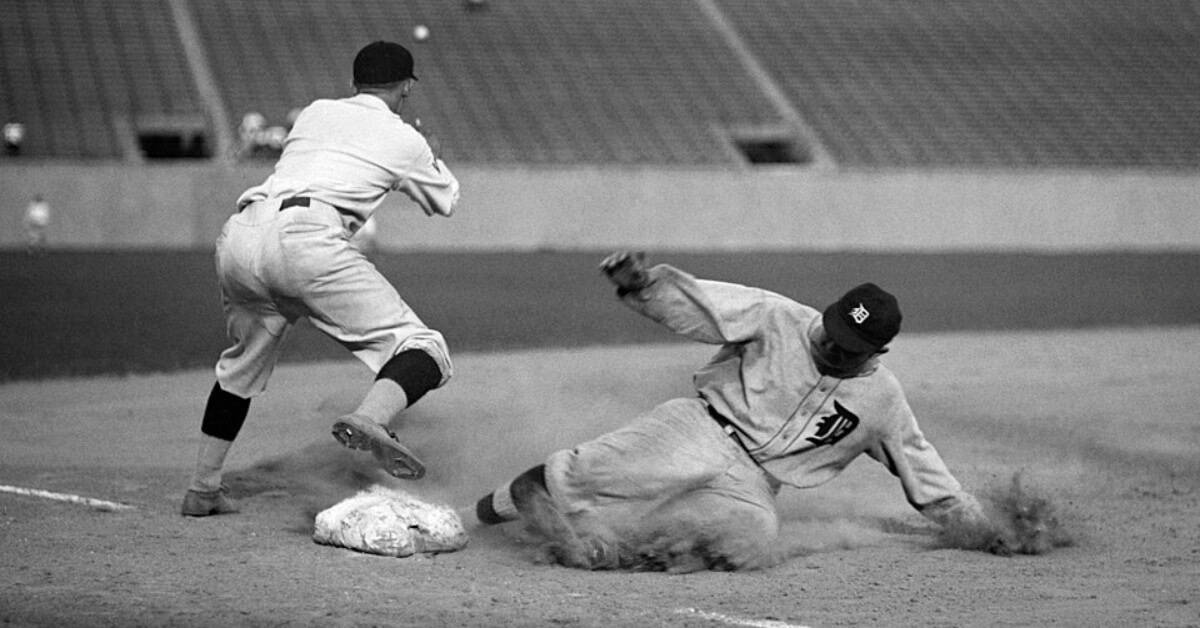
The Georgia Peach might have brought his fierce style north, but it was in Detroit where his hook slide became an art form. Cobb’s technique, perfected on the hard Midwest infields, changed how players approached the bases. Even after metal spikes were banned, Detroit base-running coaches taught the “Tiger Hook” well into the 1960s, making Midwest baseball synonymous with aggressive base running.
The Crosley Shift: Cincinnati’s Answer to Pull Hitters

Before Ted Williams faced the Boudreau Shift, Cincinnati manager Bill McKechnie was experimenting with defensive alignments at Crosley Field. The park’s short left field and steep incline created a unique laboratory for defensive innovation. McKechnie’s shifting strategies, developed to combat pull hitters in the tight confines of Crosley, predated modern defensive alignments by decades.
Chicago’s Scientific Baseball: Comiskey’s Small Ball Revolution
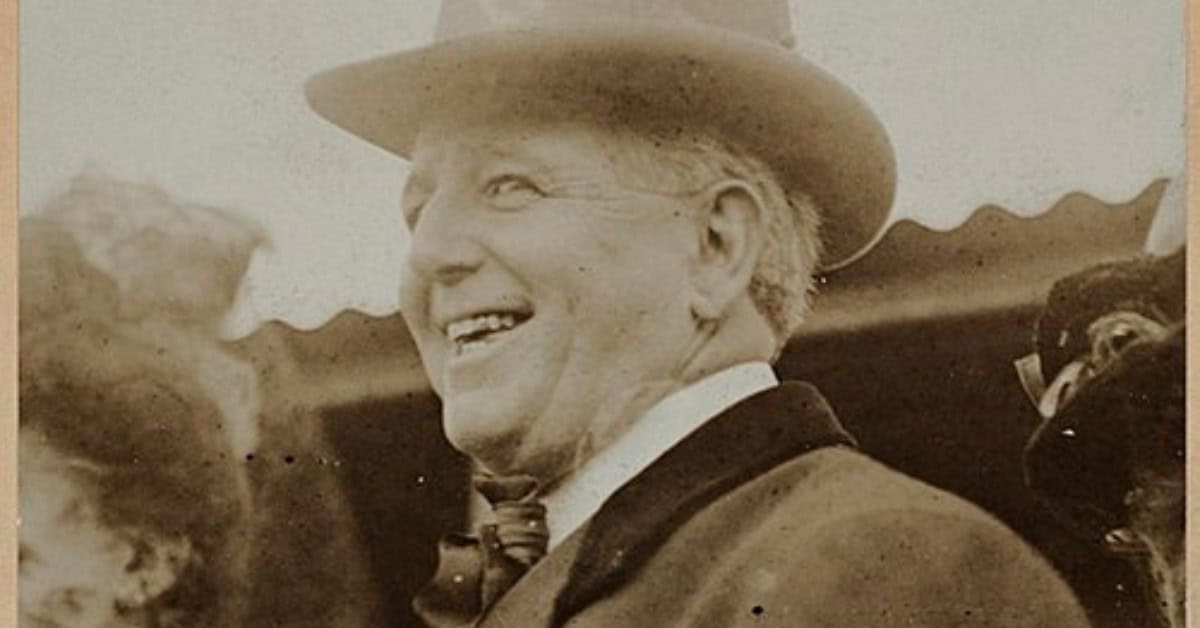
Before “Moneyball” made statistics sexy, Charles Comiskey was applying science to baseball on Chicago’s South Side. His “Scientific Baseball” approach emphasized sacrifice bunts, hit-and-runs, and precise defensive positioning—strategies that would define Midwest baseball for generations. That methodical style became known as “White Sox Baseball,” influencing teams across the American League.
Harvey’s Wallbangers: How Milwaukee Made Power Cool in the Midwest
In 1982, Harvey Kuenn’s Brewers shattered the myth that Midwest teams had to play small ball to win. With Gorman Thomas, Ben Oglivie, and Cecil Cooper launching bombs, Milwaukee proved power could play in the heartland. The team’s “let it fly” philosophy changed how Midwest teams were built, ushering in a new era of slugging baseball between the coasts.
The Metrodome Bounce: Minnesota’s Artificial Advantage

When the Twins moved indoors in 1982, they didn’t just escape the weather—they created a whole new style of baseball. The Metrodome’s artificial turf and quirky bounces forced teams to rethink everything from outfield positioning to infield practice. Those rock-hard hops and lightning-fast rollers created a generation of Minnesota infielders who could handle anything hit their way.
St. Louis’s Cardinal Way: The Midwest Factory of Fundamentals
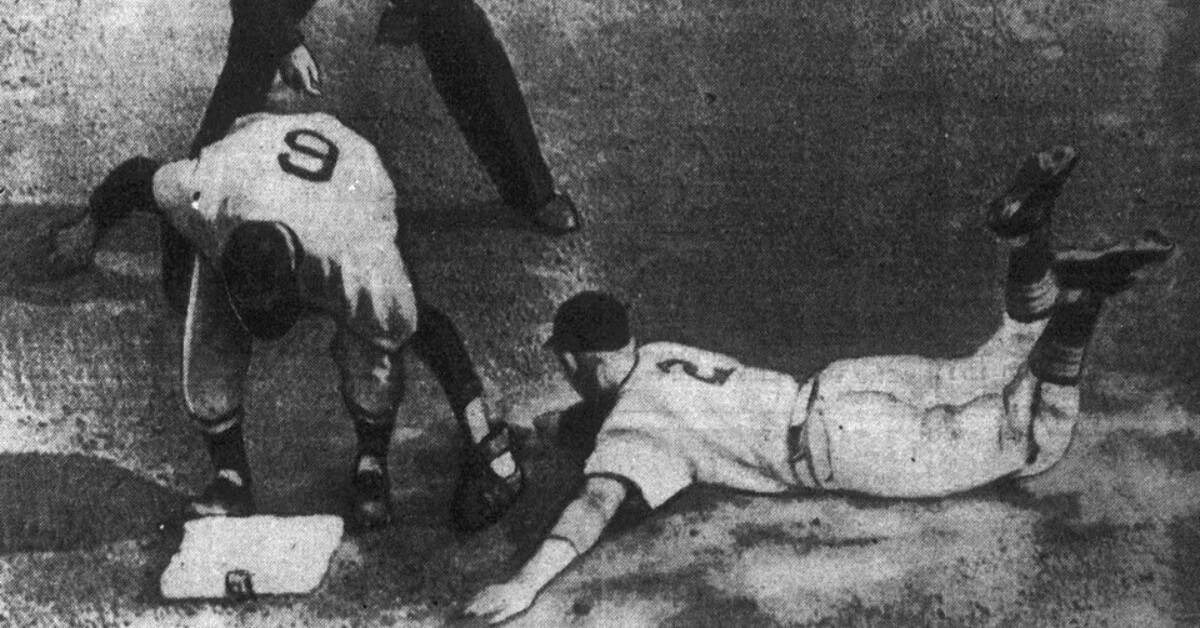
Long before teams had detailed player development manuals, the Cardinals created “The Cardinal Way”—a comprehensive system for teaching baseball fundamentals. From George Kissell’s infield drills to Red Schoendienst’s base-running wisdom, this methodical approach to player development became the gold standard across baseball. Even today, organizations still study the Cardinals’ time-tested methods.
Cleveland’s Pitch-and-Run: The Speaker Style That Changed Outfield Play
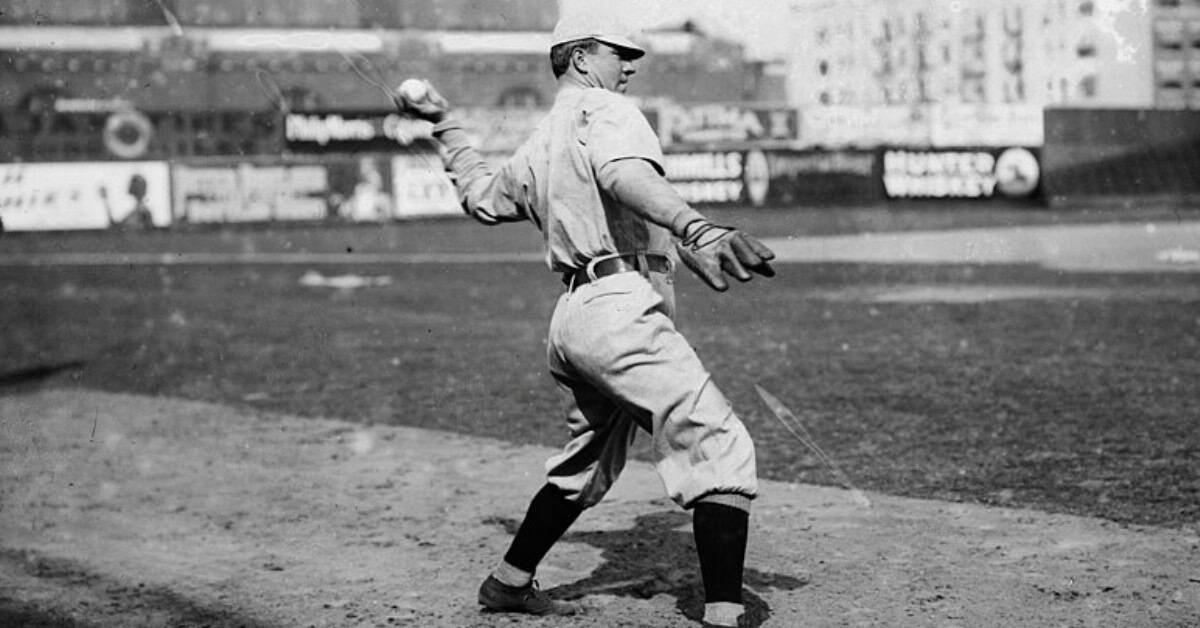
Before advanced defensive metrics, Tris Speaker revolutionized outfield play on the shores of Lake Erie. His shallow center field positioning at League Park, combined with an uncanny ability to go back on balls, changed how the position was played. Speaker’s “pitch-and-run” style—anticipating where balls would be hit based on the pitch selection—became required learning for every Cleveland outfielder for decades to come.
Chicago’s Wrigley Wind: How Mother Nature Created a Hitting Philosophy

The famous wind patterns at Wrigley Field didn’t just frustrate pitchers—they created a unique hitting approach that defined Cubs baseball for generations. Batters learned to adjust their swings based on the flags, while pitchers developed new strategies for days when the breeze turned their best stuff into souvenirs. This daily battle with Mother Nature produced a distinctly Chicago style of baseball that visitors had to master or suffer the consequences.