
Last Updated: June 17th, 2026 by Matthew Brown
Before the I-5 freeway became a congested nightmare and gas prices made the drive between LA and San Diego feel like a luxury, this rivalry burned bright along California’s coast. These are the players who made that 120-mile stretch of asphalt feel like a bridge between two different baseball worlds, one swing at a time.
Don't lose this article. Enter your email below, and I'll send it to you right now. Plus, we'll send you other unbelievable stories from baseball's past.
Tony Gwynn’s Sweet Swing That Dodgers Fans Secretly Loved
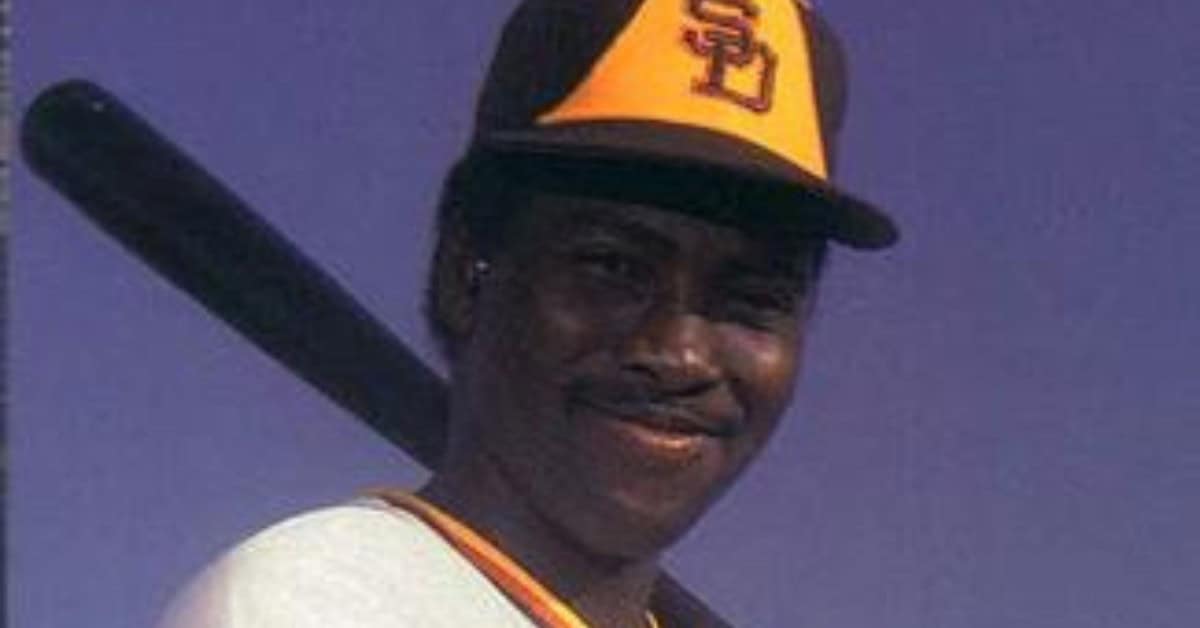
Mr. Padre’s picture-perfect stroke and .338 lifetime average made him impossible to hate, even for Dodgers fans. Gwynn’s ability to spray line drives to all fields—famously hitting .394 in 1994—created the rare player who transcended rivalry, making even the most bitter LA supporters tip their caps to pure hitting excellence.
Steve Garvey’s Hollywood Smile That Crossed County Lines
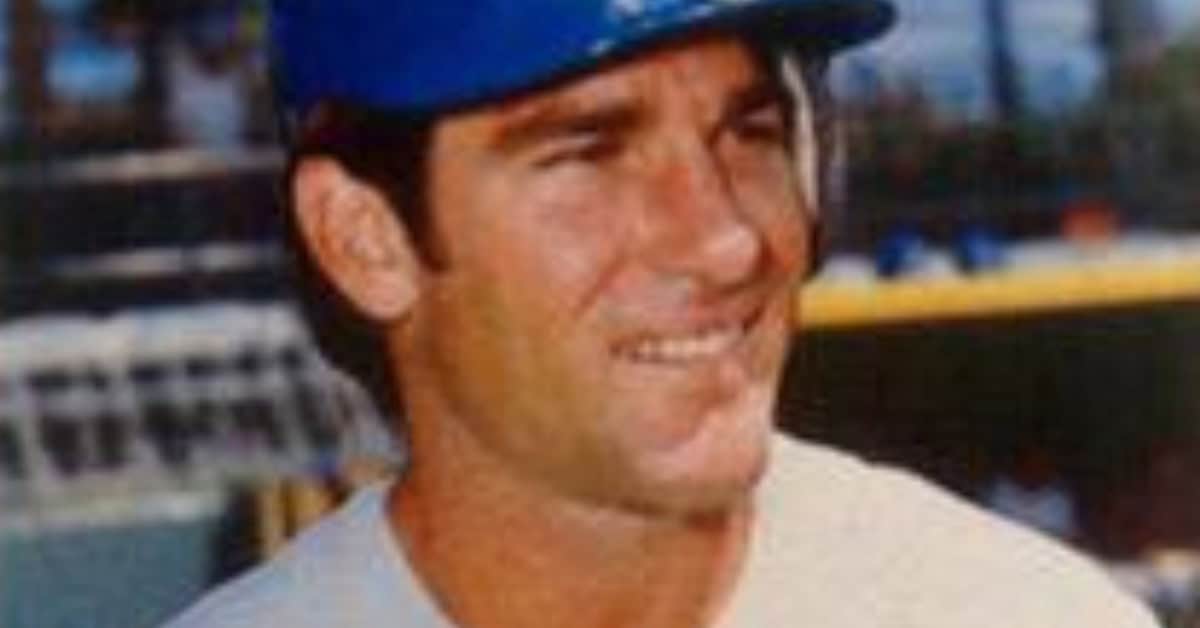
Mr. Clean’s perfect teeth and squeaky-clean image made him the ideal ambassador for Dodgers baseball during the 1970s, his All-American persona embodying LA glamour. Garvey’s consistent production gave Dodgers fans a superstar who could represent their franchise with class during those early I-5 matchups when the rivalry was still finding its identity.
Trevor Hoffman’s “Hells Bells” That Silenced LA Dreams
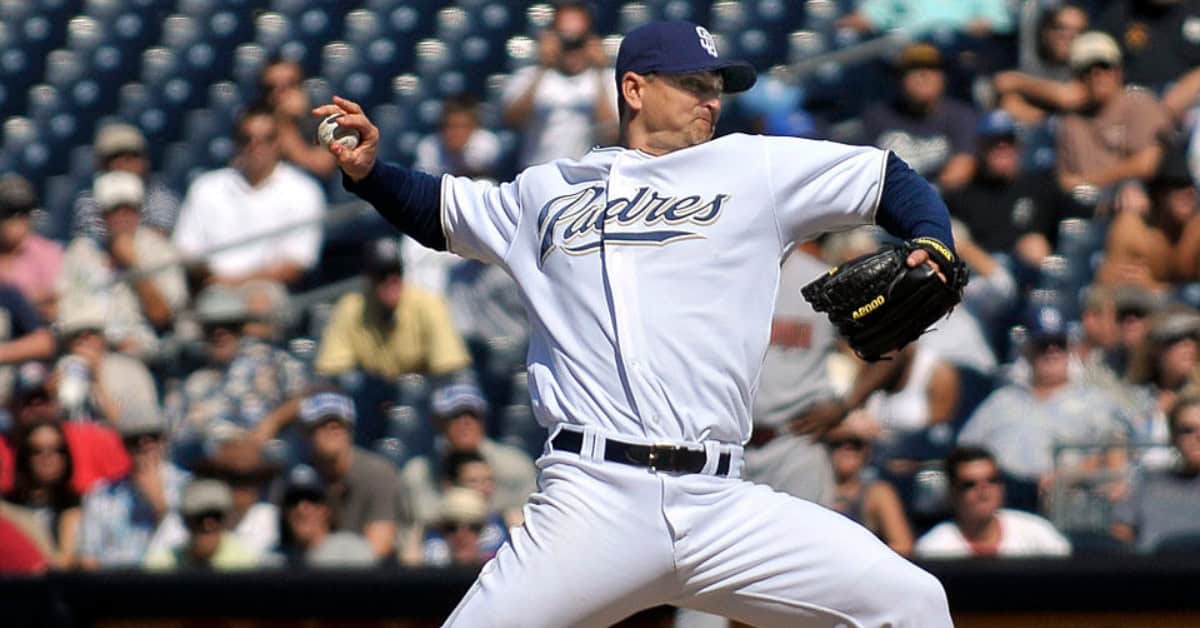
The toll of AC/DC’s “Hells Bells” and that devastating changeup made Hoffman the most feared closer in Padres history. His iconic entrance created an atmosphere at Qualcomm Stadium that even Dodgers fans had to respect. His 601 saves and ability to slam the door on LA rallies gave San Diego their first legitimate weapon in the I-5 arms race, proving that small-market teams could still produce Hall of Fame closers.
Adrian Gonzalez’s Hometown Return That Broke Padre Hearts
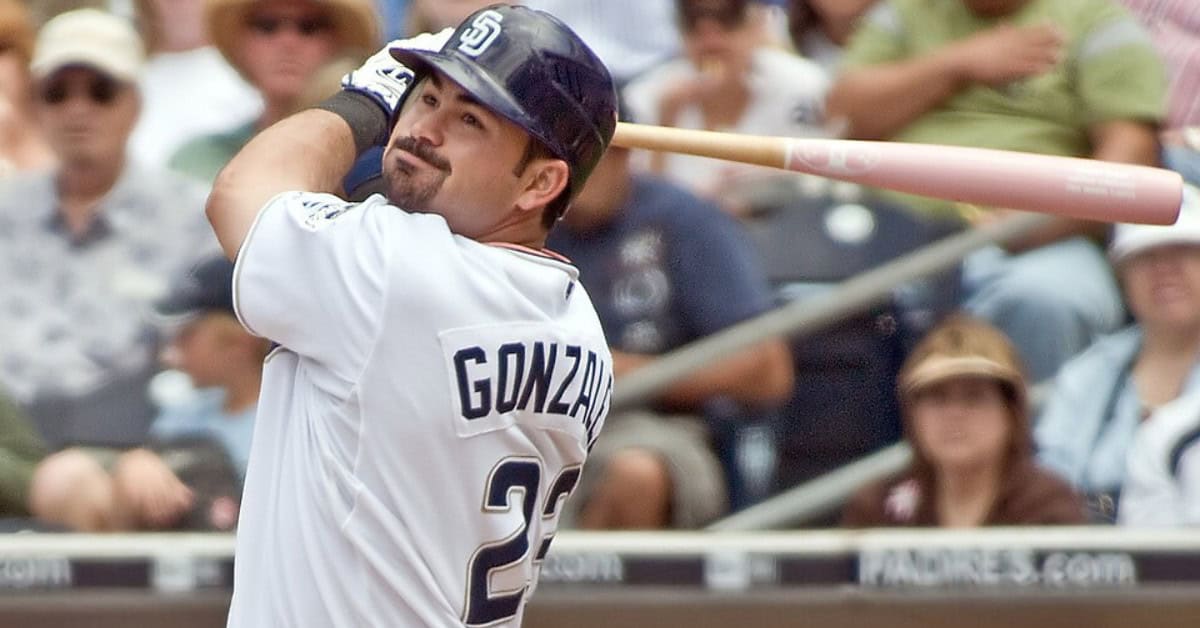
A-Gon’s trade from San Diego to Boston—and his eventual arrival in Los Angeles—felt like the ultimate betrayal to Padres fans who had watched their homegrown star become one of baseball’s best first basemen. His smooth swing and Gold Glove defense looked spectacular in Dodger blue, a painful reminder that small-market teams often can’t afford to keep their stars when the big boys come calling.
Randy Jones’ Cy Young Season That Put Padres on the Map

The Junkman’s 1976 Cy Young award gave the expansion Padres their first legitimate superstar, his crafty left-handed approach proving that finesse could triumph over power in the National League West. Jones’ ability to change speeds and hit his spots made Dodgers hitters look foolish while establishing San Diego as more than just a warm-weather afterthought.
Mike Piazza’s Cannon Arm That Padres Runners Feared

Piazza’s rocket arm and 427 career home runs made him the most dangerous offensive catcher in baseball history, his ability to hit for power while controlling the running game giving the Dodgers a legitimate superstar behind the plate. His Hall of Fame career proved that late-round draft picks can become franchise cornerstones who terrorize division rivals for a decade.
Ken Caminiti’s MVP Season That Made Dodgers Take Notice
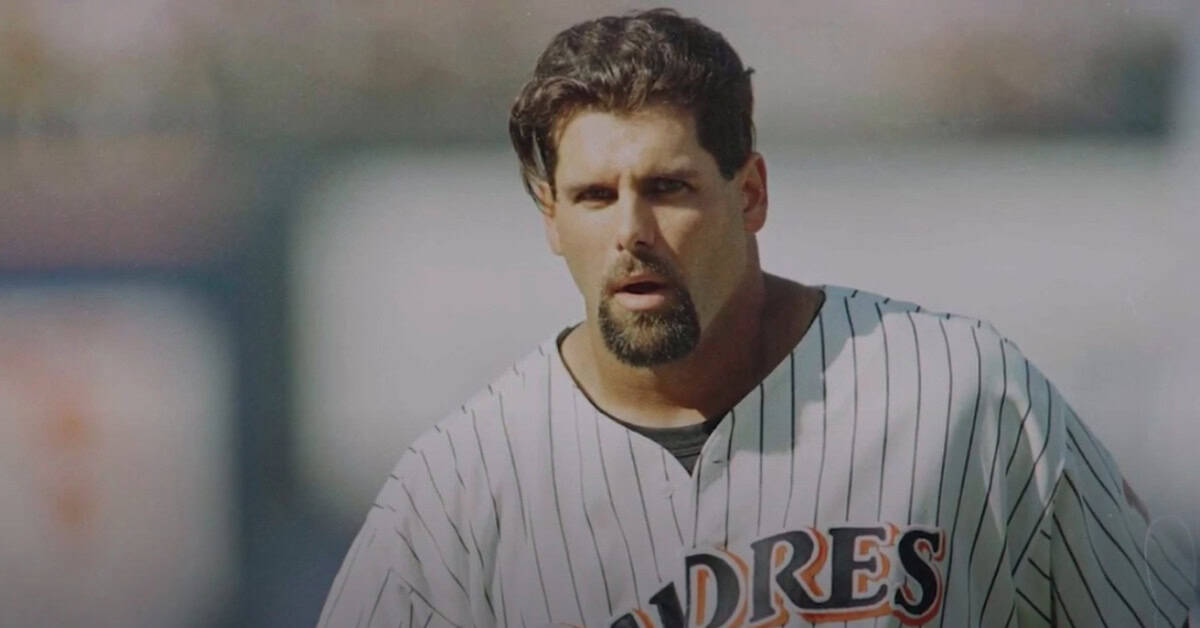
Cammy’s 1996 MVP season gave the Padres their first legitimate power threat, his transformation from slap hitter to slugger coinciding with San Diego’s most successful era. His ability to drive in runs while playing Gold Glove defense at third base made Dodgers fans realize their I-5 rivals had finally found a superstar who could carry a team to the postseason.
Johnny Podres: The Dodgers Hero Who Switched Sides

The 1955 World Series hero for the Dodgers, Johnny Podres, created a poignant moment when he joined the expansion Padres. His veteran presence gave the fledgling franchise instant credibility. More importantly, he later served as San Diego’s long-time pitching coach, using the knowledge that made him a Dodgers legend against his former team for years.
Dave Winfield’s Towering Frame That Intimidated Dodger Stadium
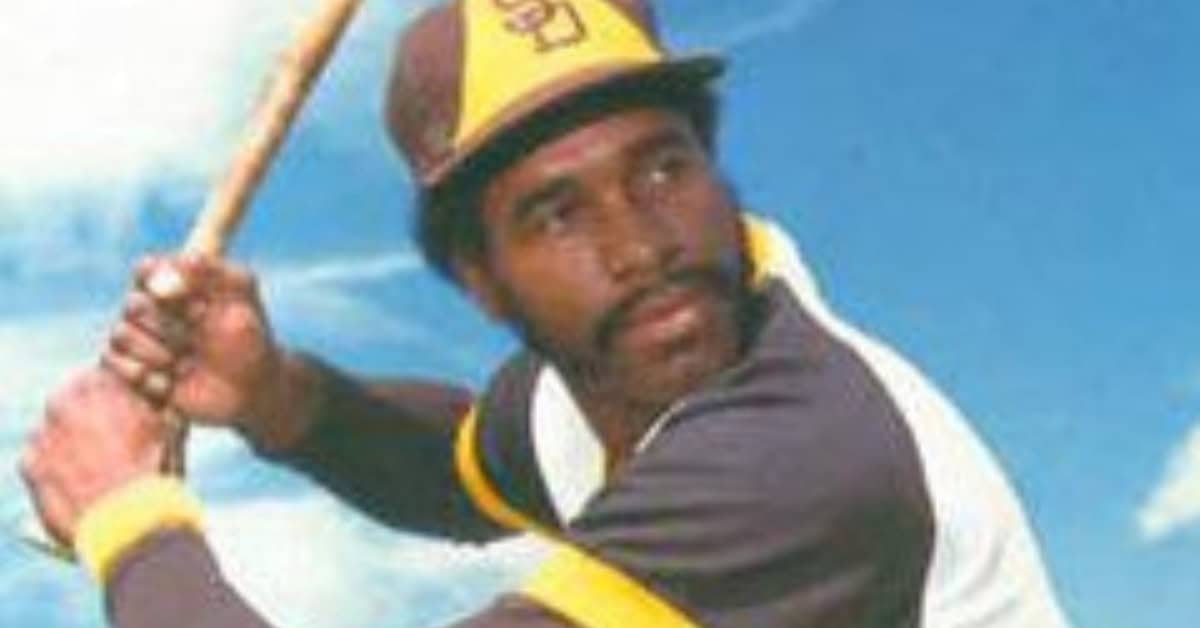
Winfield’s 6’6″ frame and smooth swing made him the most imposing figure in early Padres history, his combination of power and athleticism giving San Diego fans their first true superstar. His ability to hit for average and power while playing Gold Glove defense made Dodgers pitchers approach him with the kind of respect usually reserved for Hall of Fame talents, which he eventually became.
Manny Machado’s Hustle Controversy That Divided Both Cities
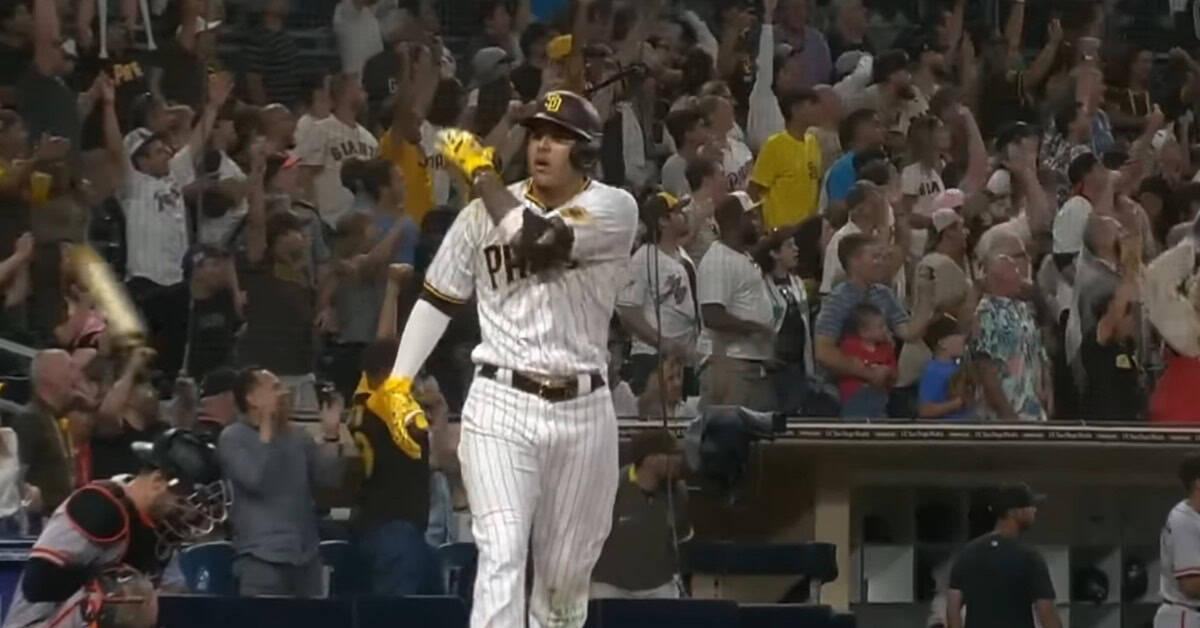
Machado’s “I’m not the type of player who’s going to be ‘Johnny Hustle'” comment during his brief Dodgers stint created the perfect controversy for the I-5 rivalry, his subsequent signing with San Diego adding fuel to the fire. His undeniable talent and questionable effort made him a polarizing figure who could unite both fan bases in their opinions about what baseball should represent, even if they disagreed on everything else.
Andre Ethier’s Clutch Gene That Made San Diego Nervous
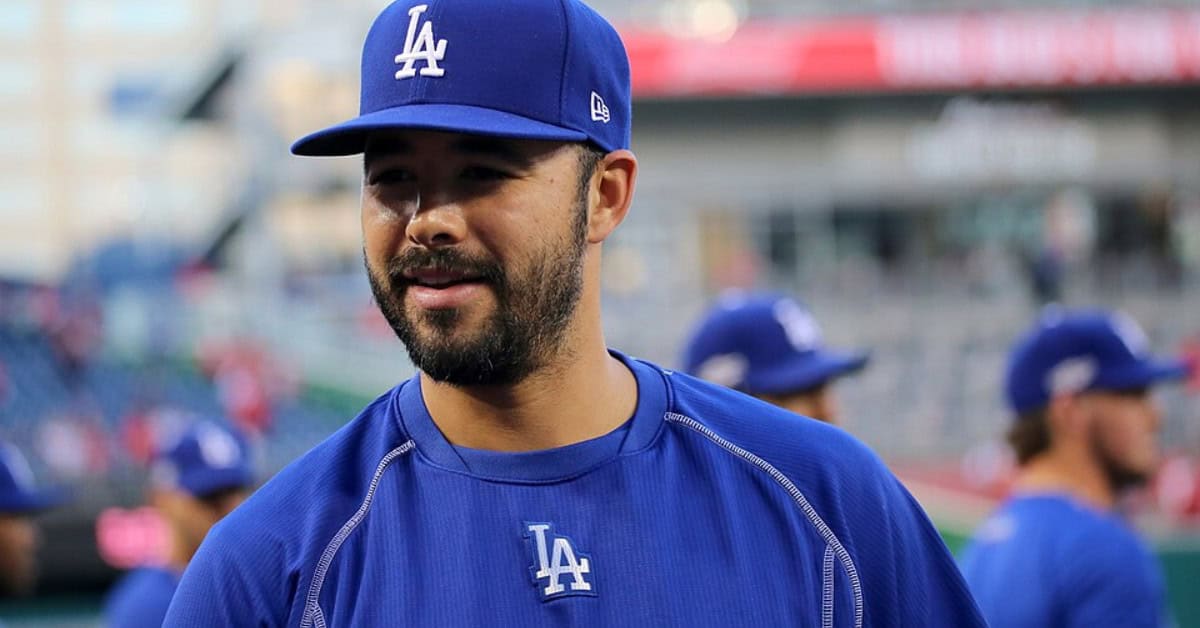
Captain Clutch’s ability to deliver in pressure situations made him a nightmare for Padres pitchers; his smooth swing embodied everything that made Dodgers baseball successful. Ethier’s knack for coming through when it mattered most gave LA fans a reliable weapon in their I-5 battles, the kind of player who could turn routine games into memorable victories with one swing.
Jake Peavy’s Cy Young Stuff That Frustrated Hollywood
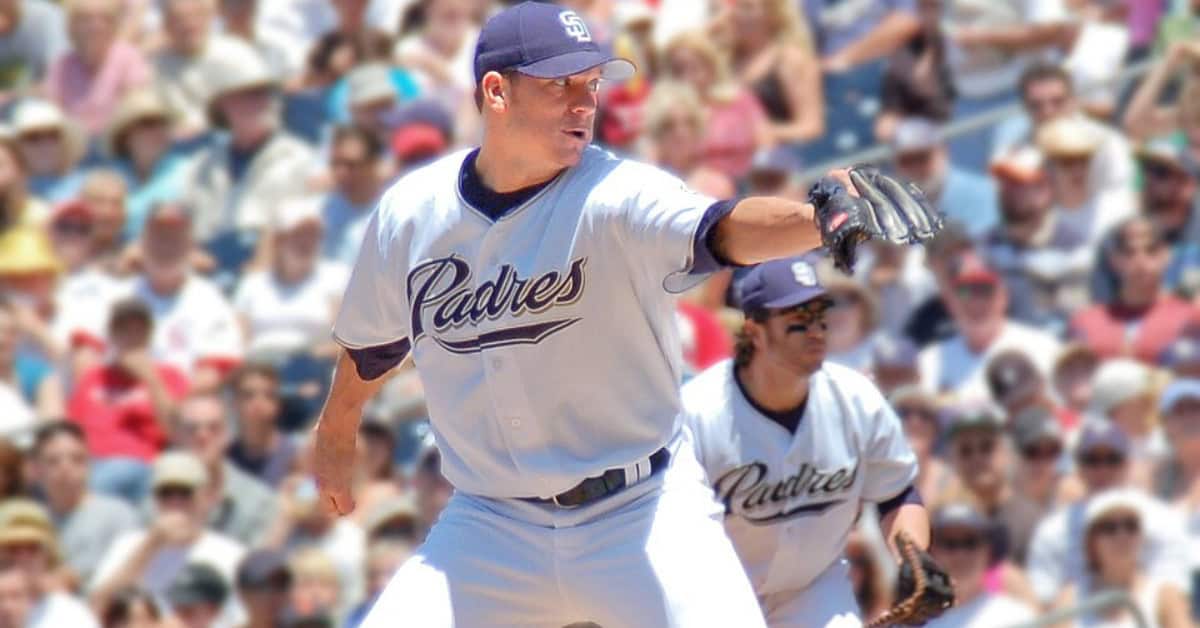
Peavy’s 2007 Cy Young award and devastating slider made him the ace that Padres fans had been waiting for, his ability to dominate Dodgers lineups giving San Diego a legitimate weapon. His competitive fire and strikeout stuff proved that small-market teams could still develop elite pitching, even if they couldn’t always afford to keep it when free agency arrived.
Clayton Kershaw’s Curveball That Made Petco Park Quiet
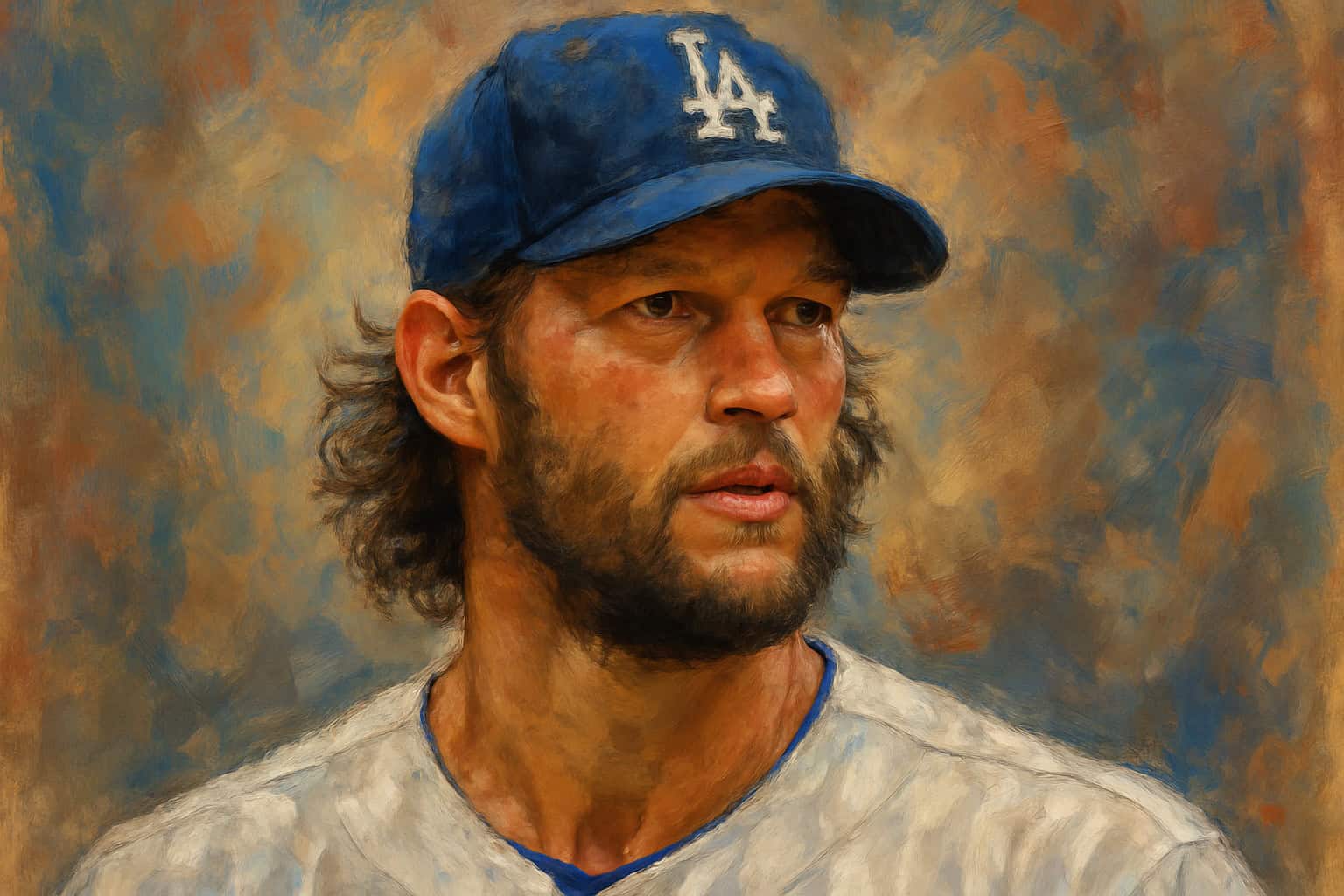
Kershaw’s devastating curveball and three Cy Young awards made him the perfect symbol of Dodgers dominance, his ability to make Padres hitters look foolish serving as a painful reminder of the talent gap between the franchises. His postseason struggles never diminished the fear he struck in San Diego hearts during regular season matchups when his 12-to-6 curve made Petco Park feel like a mausoleum.
Phil Nevin’s Power That Echoed Through Qualcomm Stadium

Nevin’s tape-measure home runs gave the Padres a legitimate middle-of-the-order threat during their late-1990s resurgence, his ability to turn any mistake pitch into a souvenir making Dodgers pitchers approach him with caution. His power stroke represented the kind of consistent offensive production that San Diego had been searching for since the franchise’s inception.
Ron Cey’s Power Stroke That Terrorized San Diego Pitching
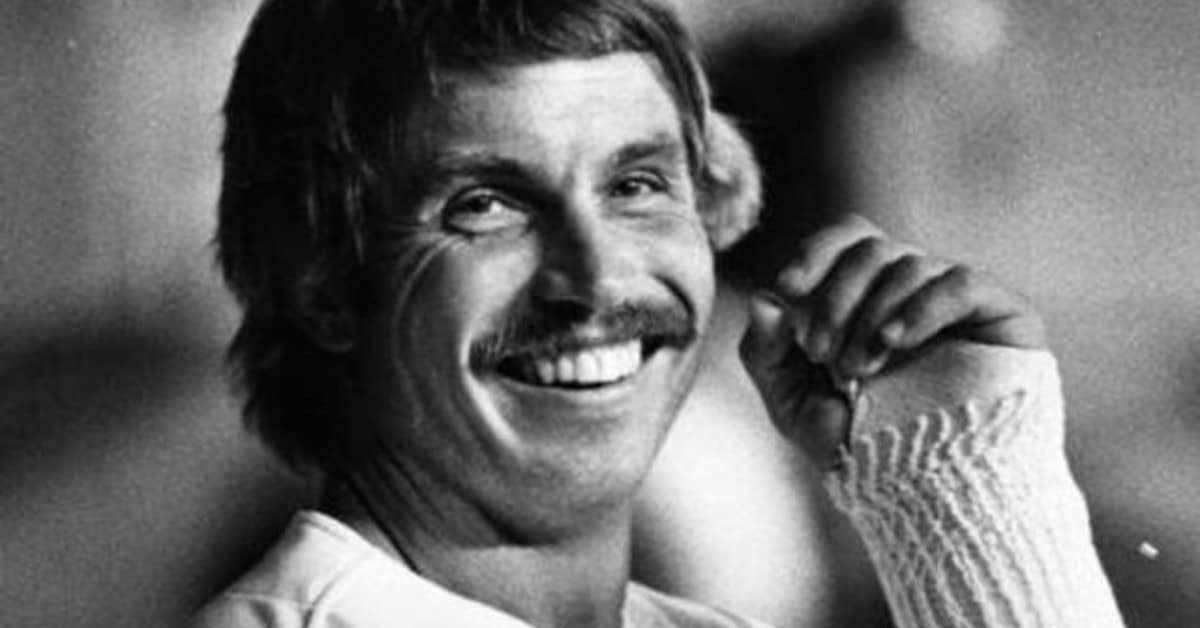
The Penguin’s compact swing made him a nightmare for Padres pitchers during the early years of the I-5 rivalry, his ability to hit for power while playing solid defense at third base giving Dodgers fans a legitimate star. Cey’s consistent production embodied the kind of steady excellence that made LA baseball successful throughout the 1970s.
Khalil Greene’s Glove That Made Dodger Hits Disappear

Greene’s spectacular defensive plays at shortstop turned routine ground balls into highlight-reel outs, his range and arm strength making Dodgers hitters think twice about pulling the ball to the left side. His Gold Glove-caliber defense gave Padres fans something to cheer about during lean offensive years, proving that great fielding can be just as exciting as home runs.
Steve Finley’s Center Field Excellence That Both Cities Appreciated
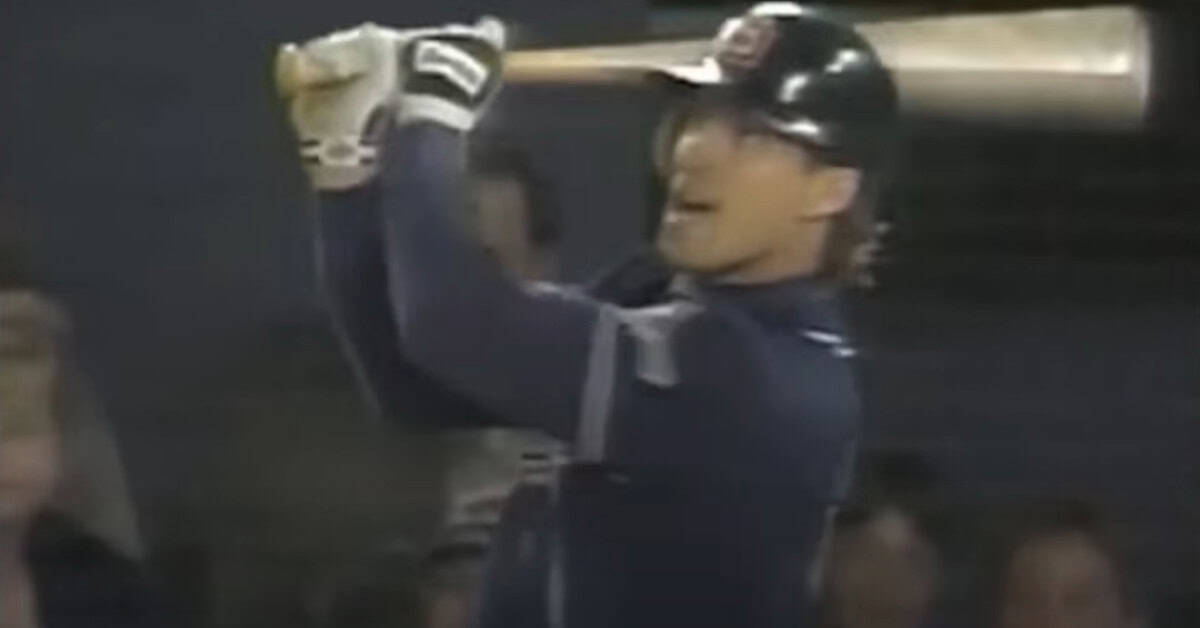
Finley’s graceful defense and consistent production made him one of the few players who earned respect from both sides of the I-5 rivalry, his professional approach transcending team loyalty. His combination of speed, power, and defensive excellence represented the kind of complete player that both Dodgers and Padres fans could appreciate, regardless of uniform color.
Matt Kemp’s MVP Chase That San Diego Couldn’t Ignore
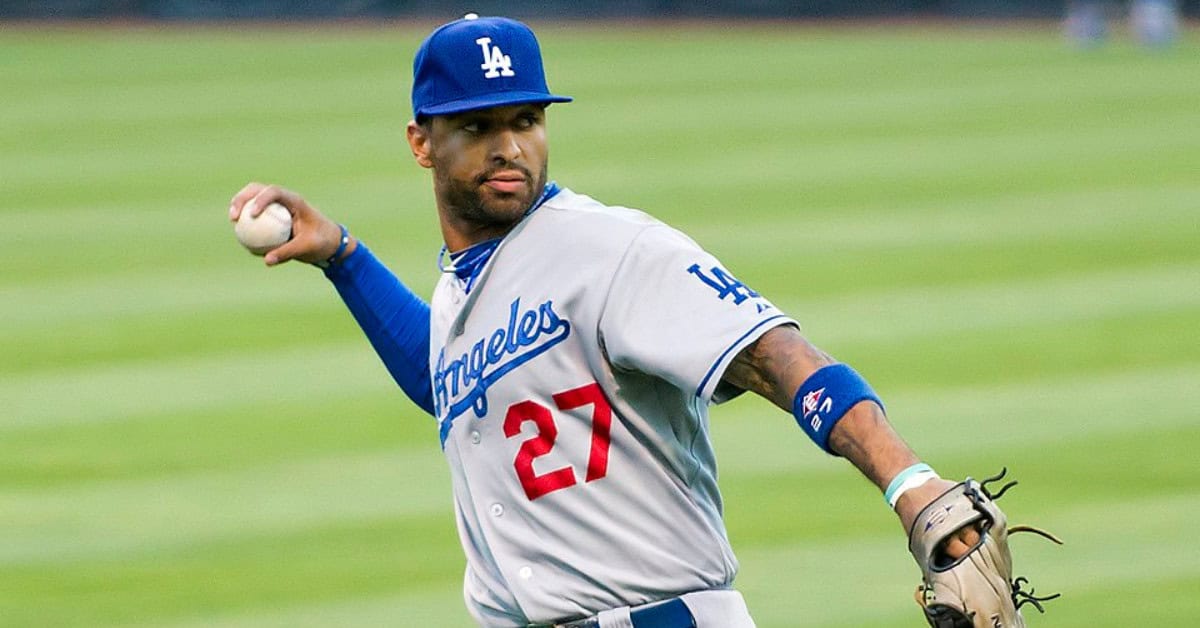
Kemp’s monster 2011 season made him the most exciting player in the I-5 rivalry, his combination of power, speed, and defense giving Dodgers fans a legitimate superstar. His 39 home runs and 40 stolen bases created a kind of five-tool excellence that even Padres supporters had to acknowledge, making every at-bat appointment television for Southern California baseball fans.
Shawn Green’s Consistent Production That Dodger Fans Treasured

Green’s smooth left-handed stroke and reliable production made him the kind of steady performer that Dodgers fans could count on; his ability to hit for average and power represented everything LA wanted in a franchise player. His four-homer game and consistent 30-homer seasons gave Dodgers supporters a star who could match anything San Diego put on the field.
Fernando Valenzuela’s Screwball That Made San Diego Swoon

El Toro’s impossible screwball and 1981 Rookie of the Year campaign launched Fernandomania throughout Southern California, his dominance transcending the I-5 rivalry to unite Mexican-American fans on both sides of the freeway. His ability to make major league hitters look foolish with that physics-defying pitch created a cultural phenomenon that made even Padres supporters appreciate greatness, proving that some talents are too special to be contained by geography or team loyalty.