

Last Updated: June 17th, 2026 by Matthew Brown
Before launch angles and exit velocity, baseball was a game of cunning and craft. In the Dead Ball Era (1900-1919), players manufactured runs with speed, defense, and precise bat control. While today’s game celebrates the long ball, these modern stars have skillsets that would have made them legends in baseball’s strategic age, when a single, stolen base, and sacrifice bunt could win the day.
Don't lose this article. Enter your email below, and I'll send it to you right now. Plus, we'll send you other unbelievable stories from baseball's past.
Mookie Betts: The Perfect Dead Ball Era Superstar
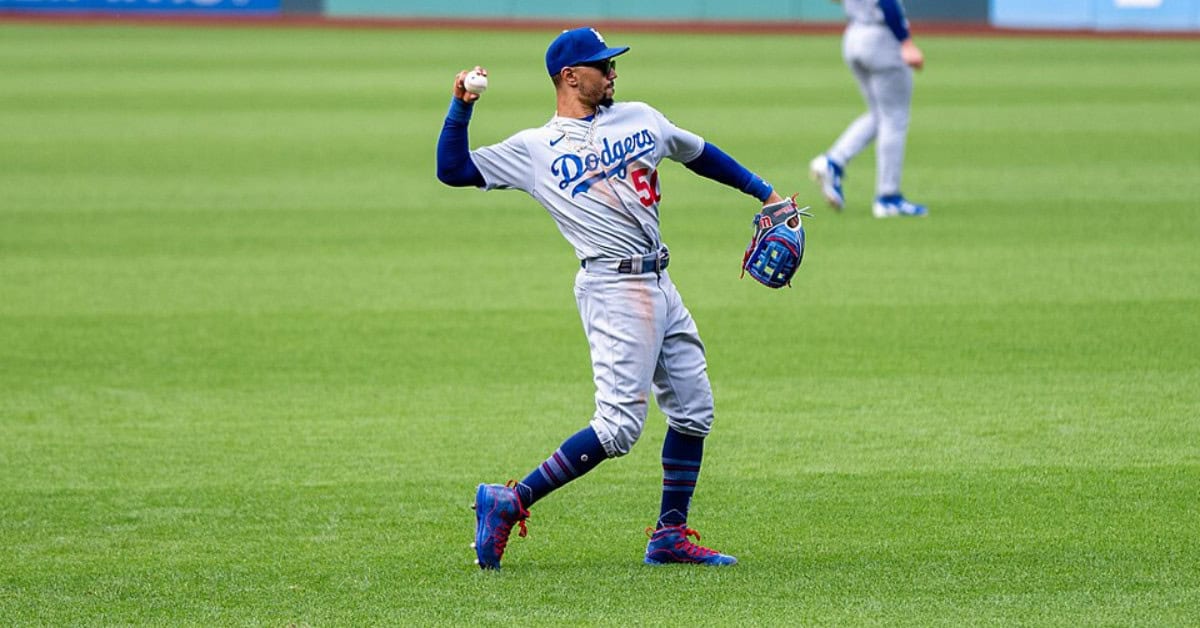
Betts embodies everything that made Dead Ball Era stars special – elite defense, smart baserunning, and the ability to spray hits to all fields. His compact swing and extraordinary baseball IQ would have made him a sensation in an era when manufacturing runs was an art form. Picture Mookie dashing from first to third on a single to right field, turning doubles into triples, and making impossible catches in the vast outfields of 1910s ballparks.
Ronald Acuña Jr.: Speed and Strategy in Modern Form
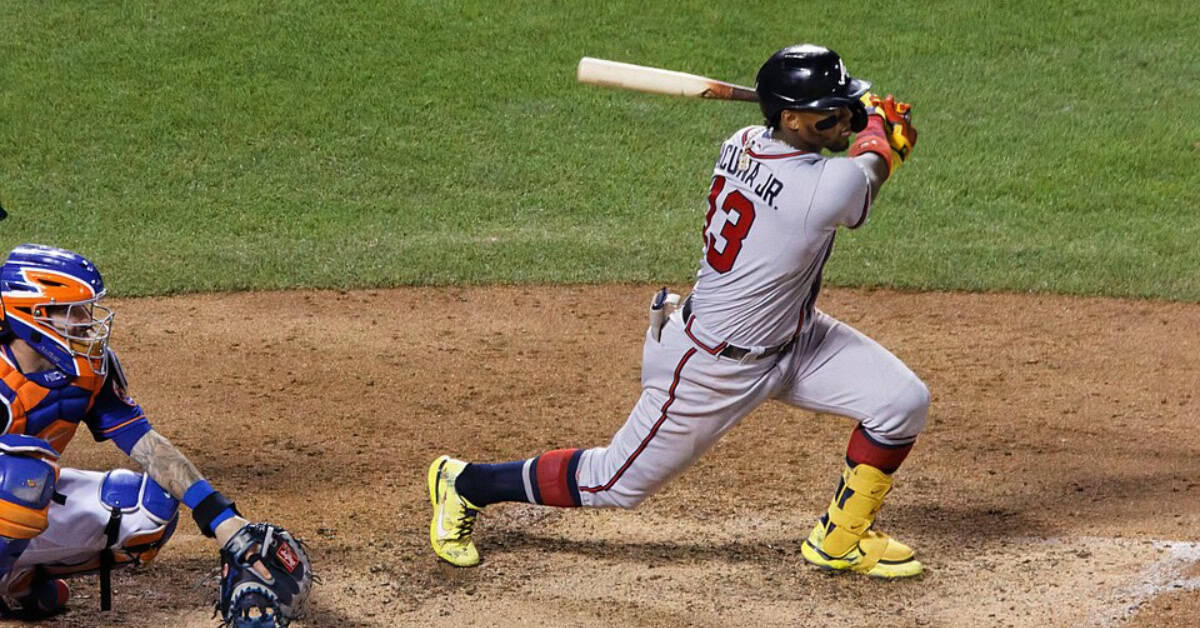
In an era when stolen bases could win pennants, Acuña’s blazing speed would have been worth its weight in gold. His ability to beat out infield hits and take extra bases would have made him a nightmare for the leather-gloved defenders of the 1910s. Those 40-40 abilities would have translated into 80-stolen-base seasons when catchers used primitive equipment and outfields seemed endless.
Trea Turner’s Base Path Magic Meets 1910s Baseball
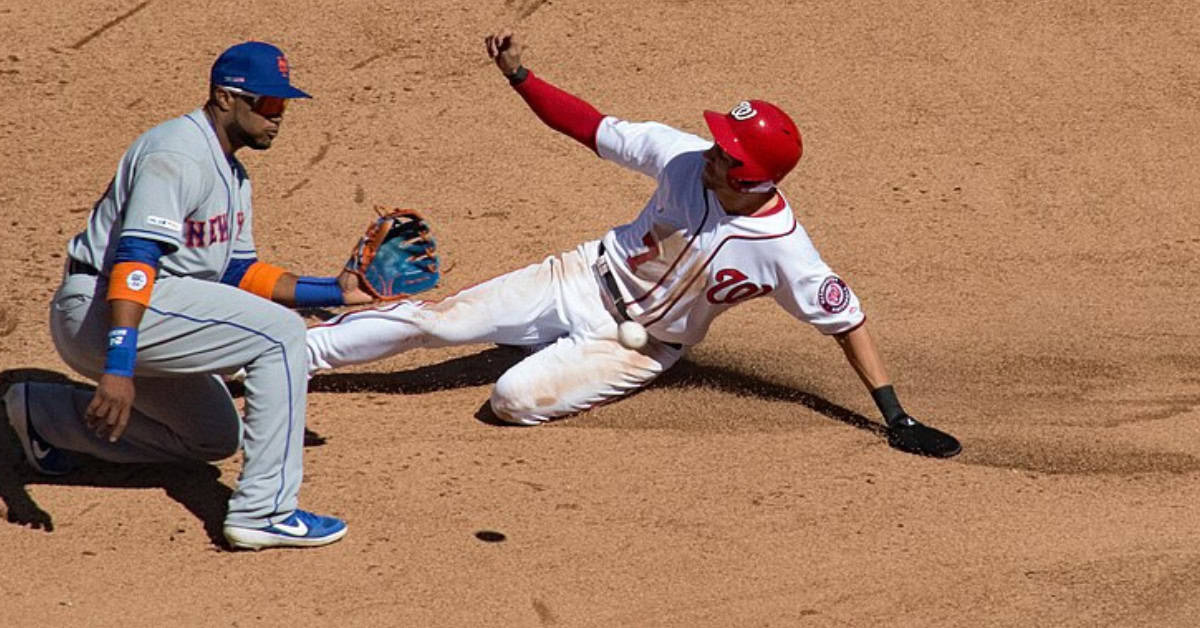
That signature smooth slide would have been even more devastating on the unmanicured infields of the Dead Ball Era. Turner’s combination of speed and contact hitting would have made him a superstar when teams needed to scratch out runs one base at a time. His ability to disrupt defenses with pure speed would have been amplified in an era when fielders’ gloves looked more like padded mittens.
Jose Ramirez: The Dead Ball Era’s Dream Switch-Hitter
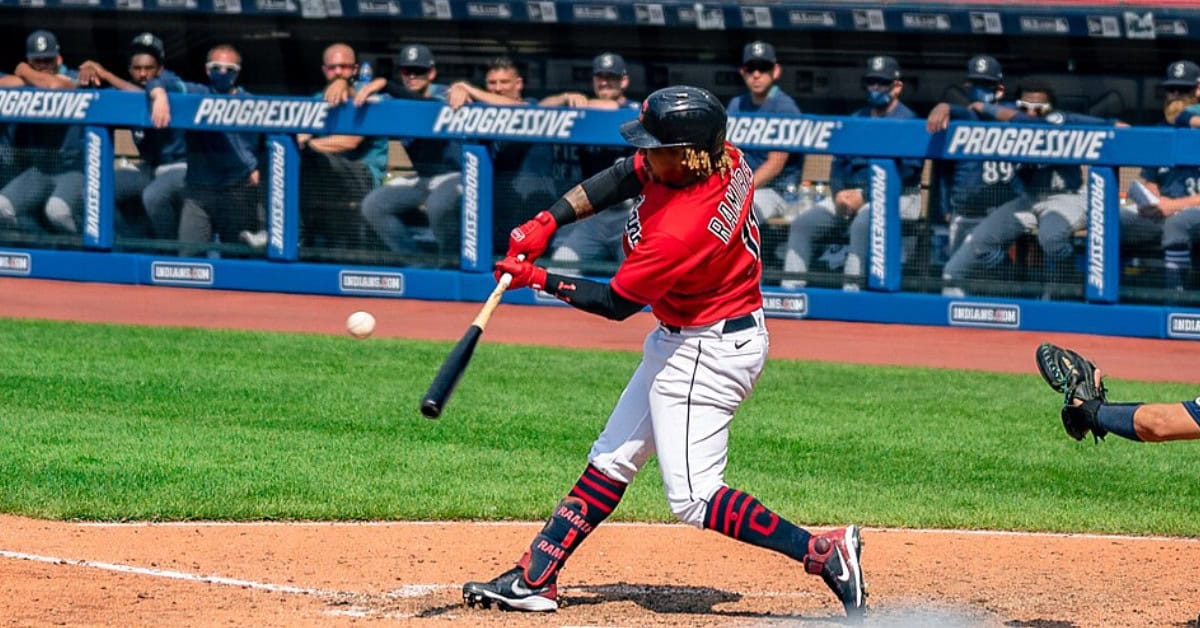
Ramirez’s compact swing and gap-to-gap approach would have been perfectly suited for the expansive fields of the Dead Ball Era. His switch-hitting ability and knack for finding holes in the defense would have made him a terror when placing hits was more valuable than launching them. Add in his aggressive baserunning, and you have a player who could have dominated without ever hitting the ball over the fence.
Tommy Edman: Born a Century Too Late
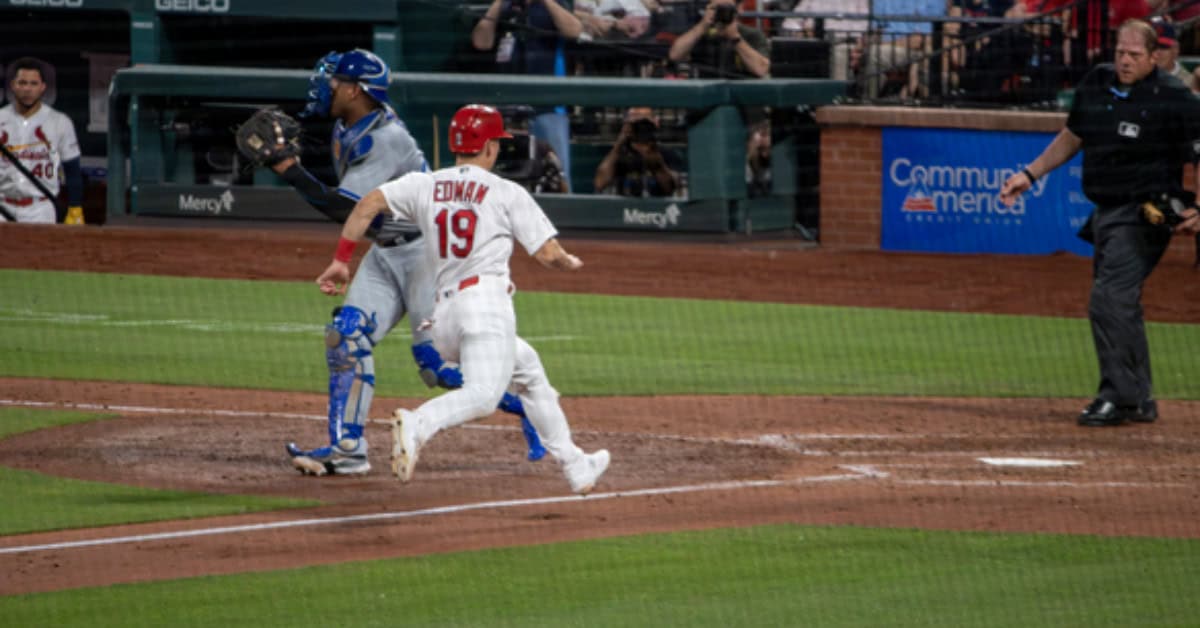
Edman’s versatile defense and smart baserunning seem lifted straight from baseball’s strategic age. His ability to handle multiple positions with excellence and manufacture offense through speed and guile would have made him invaluable when runs were at a premium. In an era when versatility and baseball intelligence were crucial, Edman would have been every Dead Ball manager’s dream player.
Luis Arraez: When Batting Average Was Everything
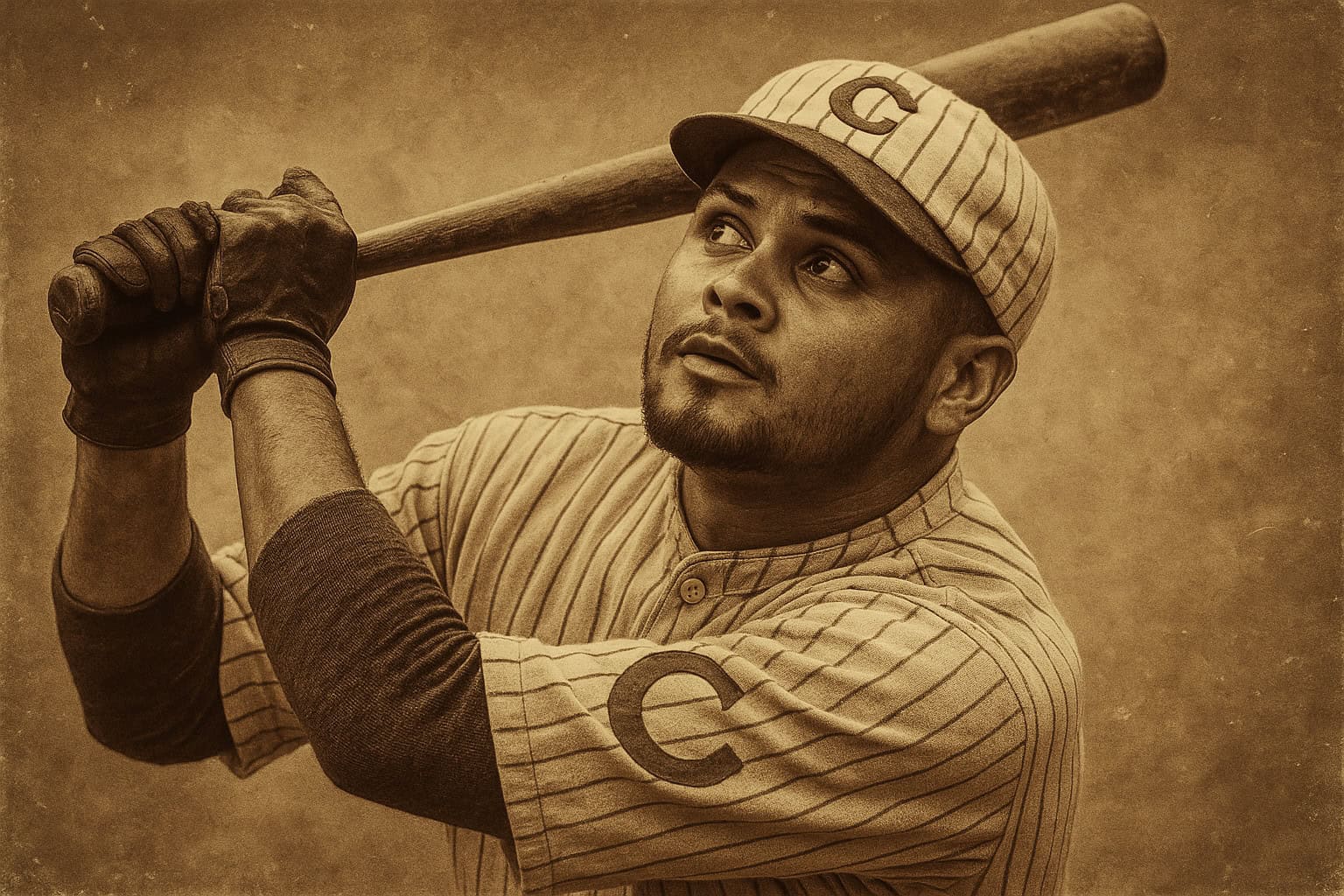
Arraez’s batting title approach would have been worth its weight in gold during the Dead Ball Era. His ability to spray the ball to all fields and his exceptional bat control would have made him a superstar when putting the ball in play was the name of the game. That .320 batting average would have looked right at home in box scores next to Ty Cobb and Tris Speaker.
Steven Kwan: Dead Ball Era Contact Hitting Returns
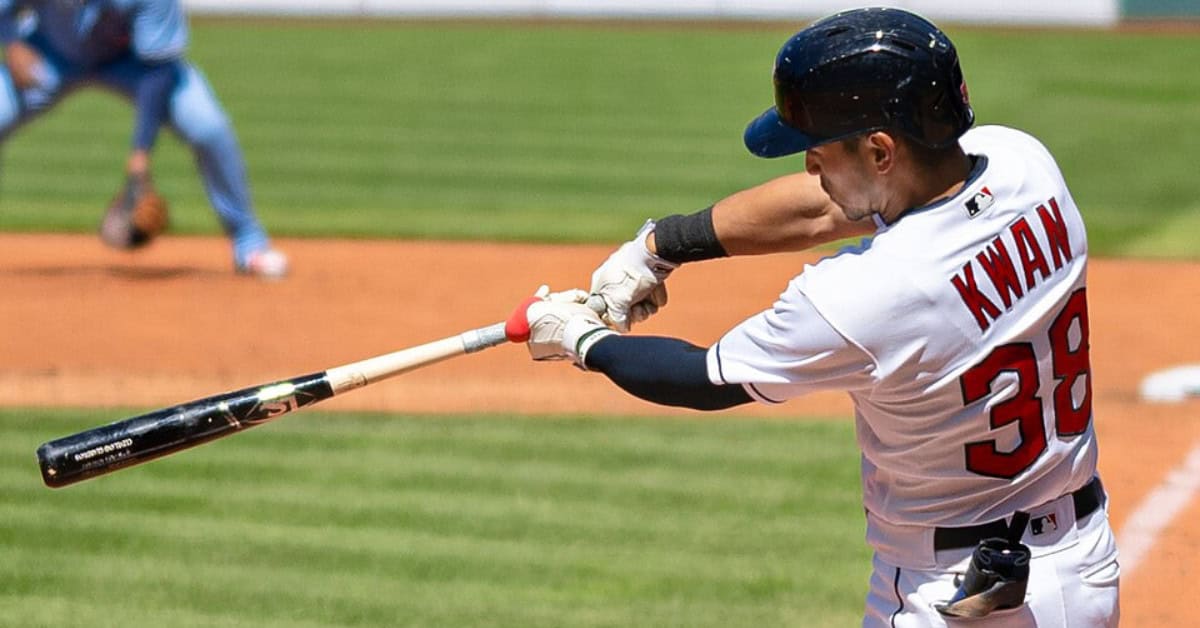
Kwan’s elite contact skills and plate discipline would have been revolutionary in an era when striking out was considered a cardinal sin. His ability to foul off tough pitches and work walks would have been even more valuable when pitchers could use tobacco juice and dirt to doctor the baseball.
Harrison Bader: Center Field Defense Like It’s 1915
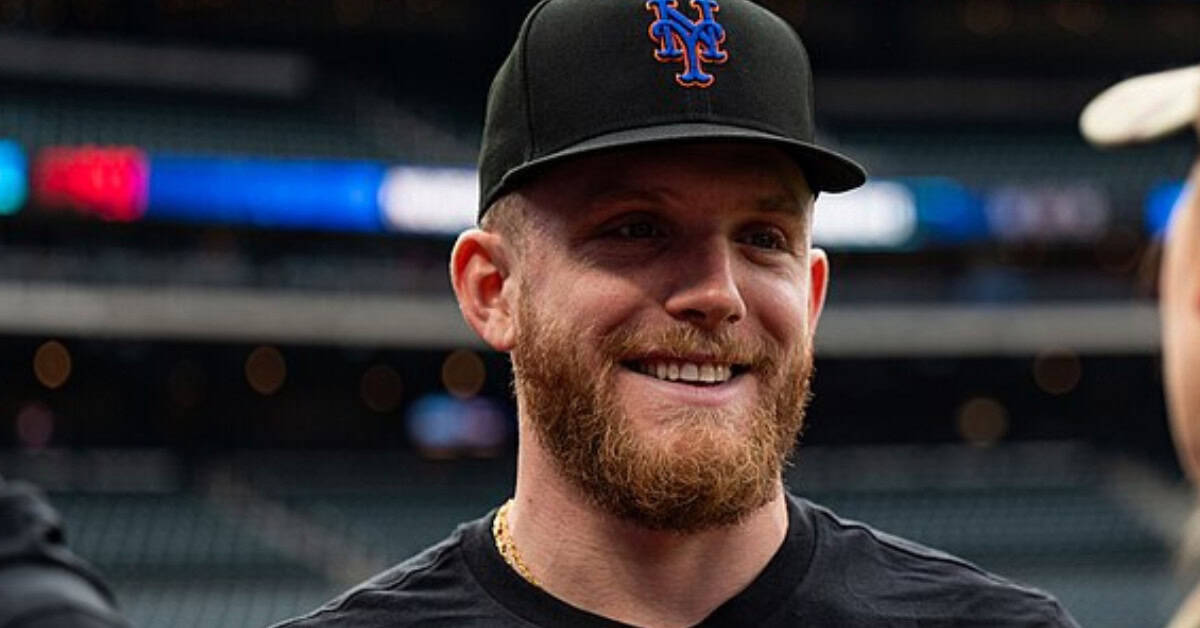
Bader’s spectacular center field defense would have been even more valuable in an era of vast outfields and uneven playing surfaces. His ability to cover massive amounts of ground would have turned extra-base hits into routine outs when outfield fences were a distant dream. Those diving catches would have been even more impressive on fields that sometimes featured actual sheep grazing in the outfield.
Nico Hoerner: The Modern Dead Ball Era Shortstop
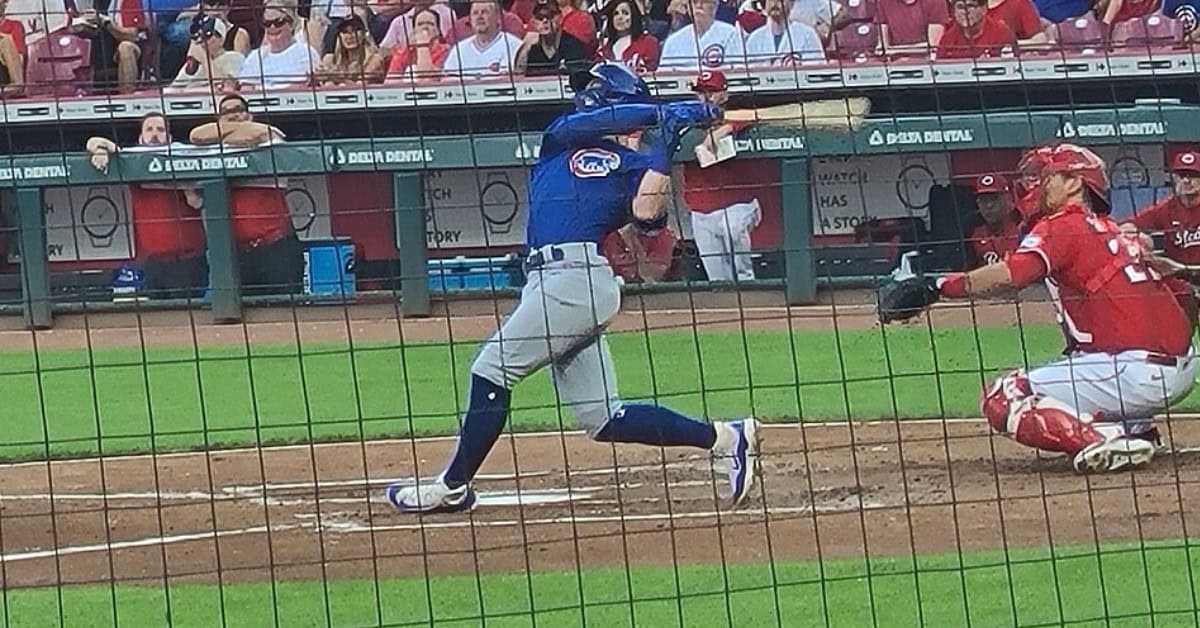
Hoerner’s slick fielding and contact-first approach would have fit perfectly in baseball’s strategic age. His ability to handle the bat, run the bases intelligently, and play premium defense would have made him a cornerstone player when fundamentals meant everything. The way he approaches each at-bat – focused on putting the ball in play and using the whole field – is straight out of the Dead Ball Era playbook.
Whit Merrifield: Small Ball Mastery in a Power Age
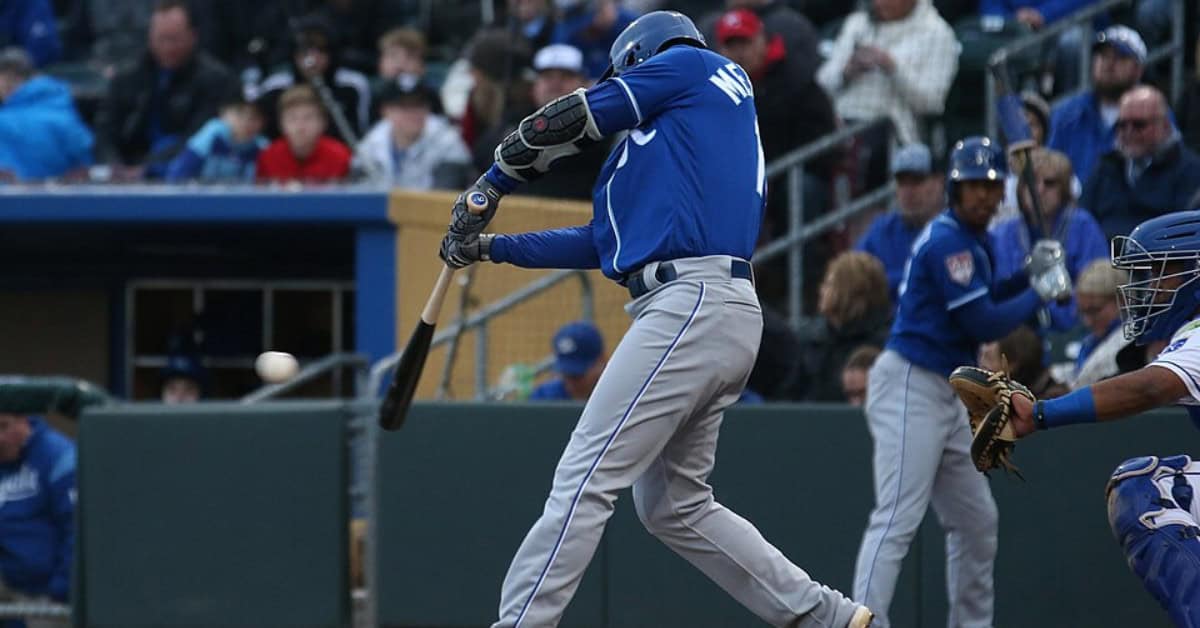
Merrifield’s throwback style would have made him a sensation in the Dead Ball Era. His ability to steal bases, hit behind runners, and play multiple positions would have been worth even more when strategy and versatility were paramount. In an era when players often had to manufacture their own runs, Merrifield’s complete offensive toolkit would have made him an MVP candidate every year.