

Last Updated: June 17th, 2026 by Michael Schatz
The 1980s were baseball’s golden age of swagger, when left fielders didn’t just play their position—they owned it. From Rickey Henderson’s stolen base theatrics to Jim Rice’s Green Monster moonshots, these were the players who made you forget your troubles and remember why you fell in love with America’s pastime. Here are the 20 greatest left fielders who defined the decade when baseball cards still came with that perfect pink rectangle of gum.
Don't lose this article. Enter your email below, and I'll send it to you right now. Plus, we'll send you other unbelievable stories from baseball's past.
Rickey Henderson – The Human Highlight Reel Who Redefined “Showtime”

Henderson didn’t just steal bases—he put on a clinic every time he reached first, turning routine singles into psychological warfare. His 130 stolen bases in 1982 broke Lou Brock’s record, and his theatrical leadoff stance became as iconic as his post-steal celebrations. The “Man of Steal” redefined what it meant to be a catalyst, proving that sometimes the most dangerous weapon in baseball wasn’t a bat, but a pair of legs and the confidence to use them.
Tim Raines – Montreal’s Speed Demon Who Made Stealing Bases Look Easy

“Rock” Raines was Henderson’s only real competition in the stolen base department, swiping 70 or more bases six times during the decade. His smooth left-handed swing and patient approach made him the perfect leadoff hitter for Montreal’s underrated Expos teams. While Henderson got the headlines, Raines quietly put together a Hall of Fame career with a higher stolen base success rate and a level of consistent excellence that made Olympic Stadium electric every time he stepped in the box.
Jim Rice – Boston’s Power Hitter Who Made Fenway’s Green Monster Tremble

Rice’s compact swing generated tremendous power, leading the AL in home runs three times and total bases four times during the 1980s. His 39 homers and 126 RBIs in 1983 epitomized the kind of middle-of-the-order production that made Fenway Park a launching pad. The eight-time All-Star had forearms like tree trunks and a presence in the batter’s box that made pitchers think twice about challenging him over the plate.
George Foster – Cincinnati’s RBI Machine Who Crushed 149 in ’77
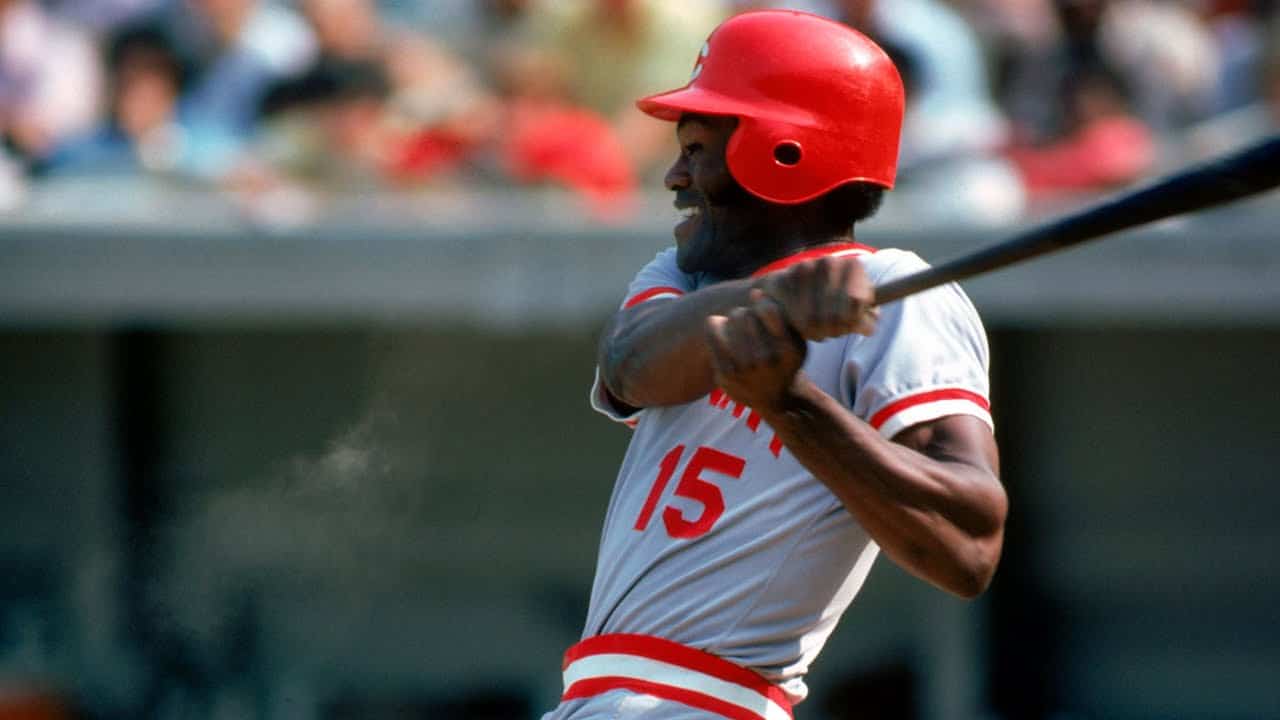
Though his legendary 1977 MVP season came before the ’80s, Foster remained a force early in the decade with his signature black bat and intimidating presence. His 25 homers and 93 RBIs in 1980 proved he could still drive in runs even as the Big Red Machine era wound down. Foster’s uppercut swing was perfectly designed for Riverfront Stadium’s dimensions, and his quiet intensity made him the kind of clutch hitter who thrived in October.
Gary Ward – Minnesota’s Consistent Contact King

Ward was the definition of steady production, hitting .289 with 78 RBIs in 1982 and following with 19 homers and 88 RBIs in 1983. His line-drive swing and professional approach made him a perfect fit for Minnesota’s Metrodome, where his gap power played well on the artificial turf. Ward represented the blue-collar reliability that Twins fans appreciated—no flash, just consistent at-bats and solid defense that anchored some competitive Minnesota teams.
Joe Carter – The Future World Series Hero Learning His Trade
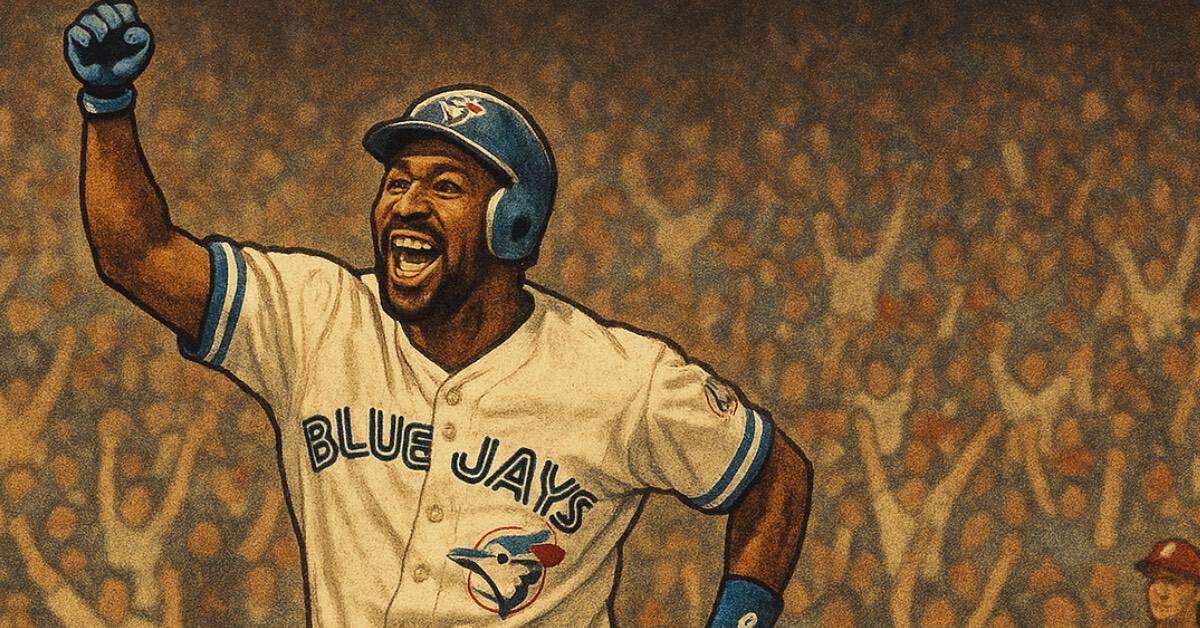
Before his World Series-winning heroics in Toronto, Carter was developing his skills in Chicago and Cleveland, showing flashes of the power that would make him famous. His 32 homers and 121 RBIs in 1986 with Cleveland demonstrated his ability to drive in runs, while his athletic build suggested he was just beginning to realize his potential. Carter’s aggressive swing and infectious smile made him a fan favorite wherever he played, setting the stage for his legendary 1990s success.
Leon Durham – Chicago’s Sweet-Swinging Southpaw
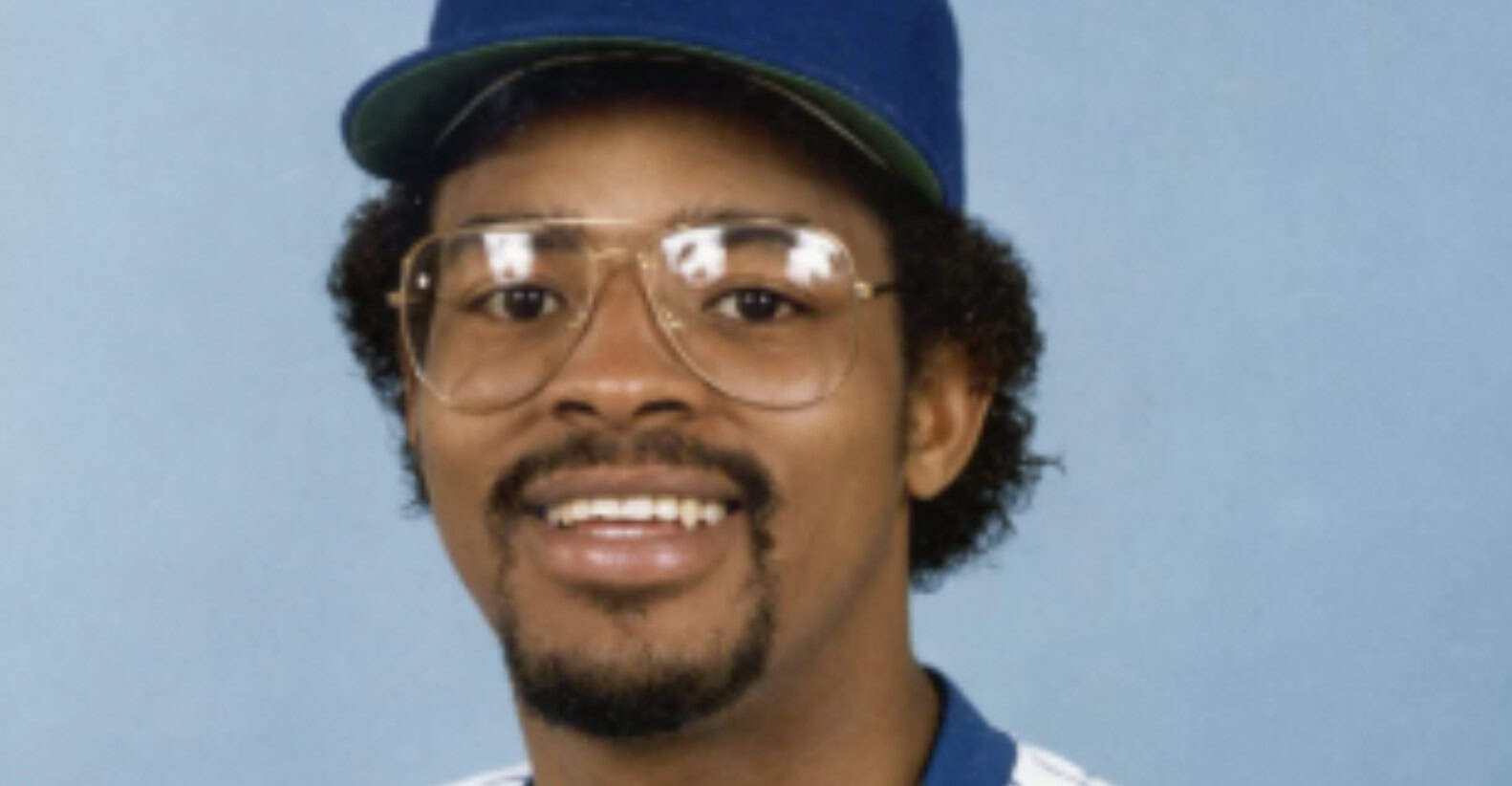
“Bull” Durham’s smooth left-handed swing was tailor-made for Wrigley Field’s friendly confines, and his 23 homers and 96 RBIs in 1982 proved he could be a middle-of-the-order threat. His versatility allowed him to play both first base and left field effectively, giving manager Dallas Green valuable flexibility. Durham’s patient approach and gap power made him a key contributor to the Cubs’ 1984 division championship team, though one infamous error in the NLCS would overshadow his otherwise solid offensive contributions.
Kevin McReynolds – San Diego’s Quiet Superstar
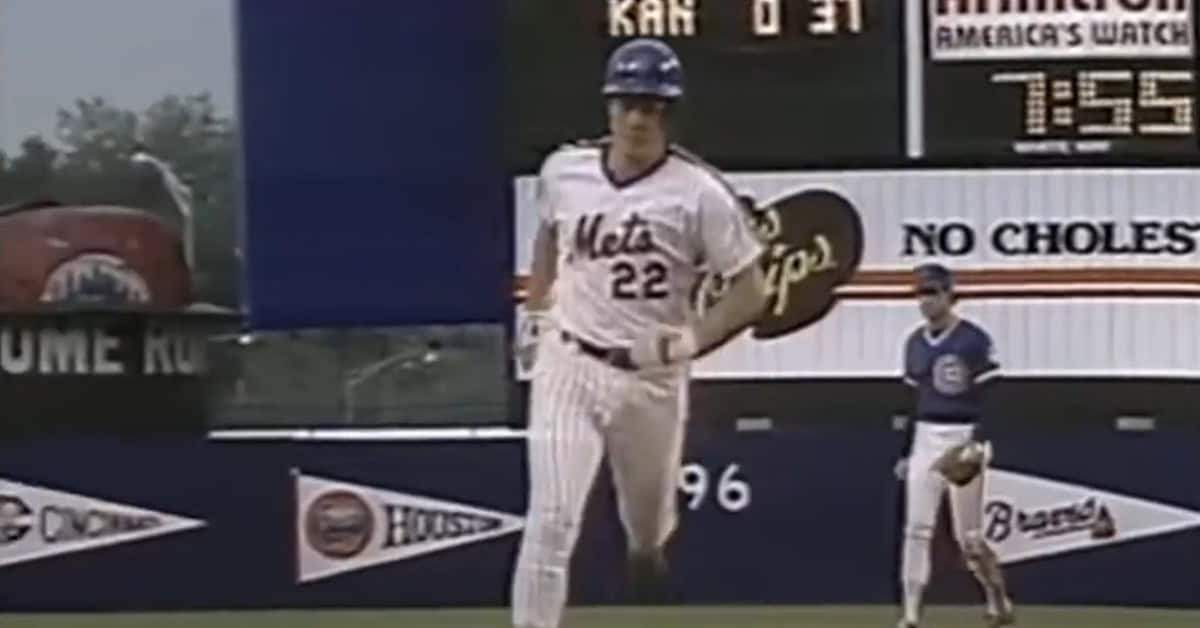
McReynolds was the epitome of steady production—never flashy, always reliable, with his compact swing and solid defense. His 26 homers and 96 RBIs for San Diego in 1985 showcased his ability to produce in a pitcher-friendly park, while his strong arm kept runners honest. The Arkansas native played the game with quiet professionalism, letting his bat do the talking while anchoring the Padres’ outfield during their competitive mid-’80s run.
Kirk Gibson – Detroit’s Fiery Competitor Who Willed Teams to Victory
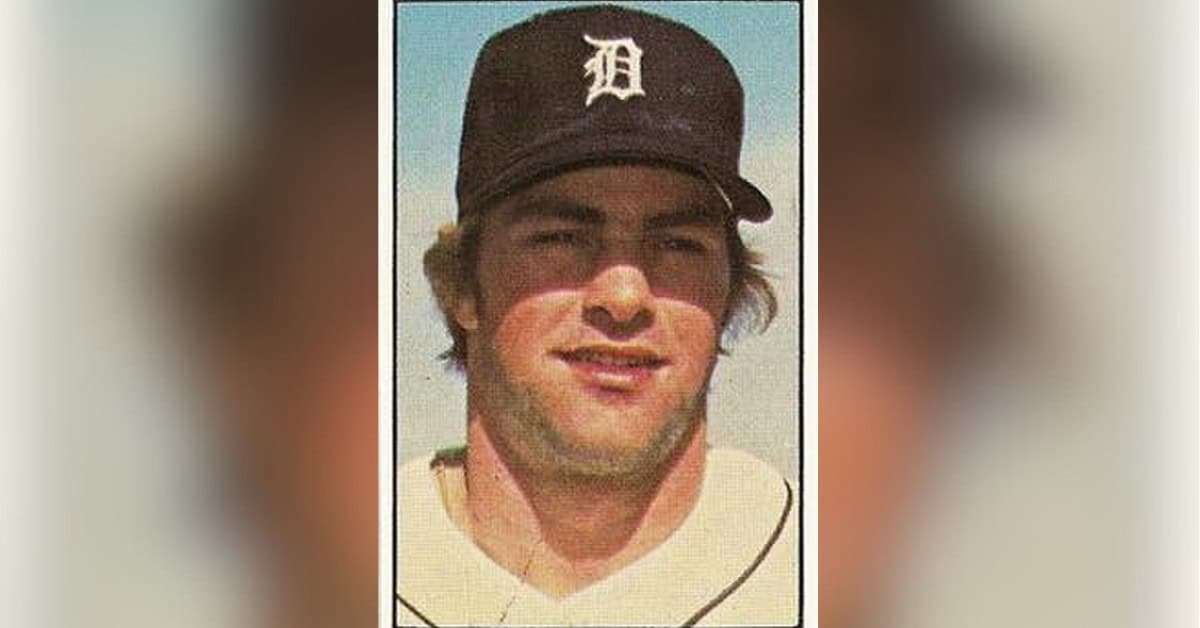
Gibson’s intensity was legendary, and his 27 homers and 91 RBIs in 1984 helped power Detroit to a World Series championship. His football background showed in his aggressive baserunning and fearless approach to the game, making him the kind of player who elevated everyone around him. Gibson’s clutch hitting and emotional leadership made him the heart and soul of the Tigers’ championship team, proving that sometimes the most valuable stat is the fire in a player’s belly.
Jesse Barfield – Toronto’s Cannon-Armed Slugger

Though primarily a right fielder, Barfield’s occasional stints in left field showcased the same rocket arm that made him famous. His 40 homers in 1986 led the American League and demonstrated the kind of power that made Exhibition Stadium a launching pad. Barfield’s combination of power and defense made him one of the most complete outfielders of the decade, with an arm so strong that runners thought twice about testing him from any corner.
Pedro Guerrero – LA’s Dominican Dynamo
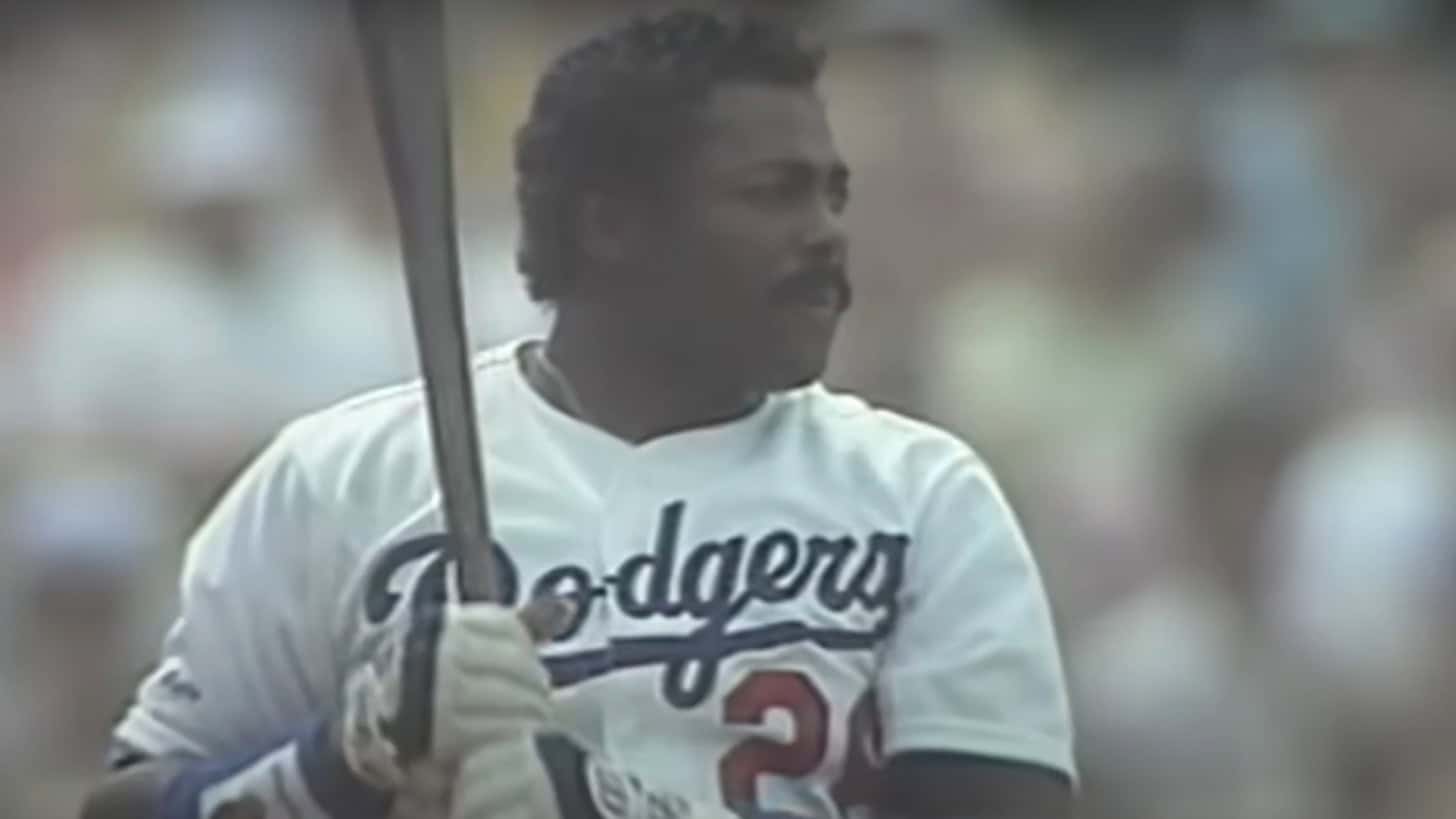
Guerrero’s sweet swing produced consistent power throughout the ’80s, including a standout 1985 season with 33 homers and 87 RBIs. His ability to turn on any fastball made him a constant threat, while his infectious personality made him a fan favorite at Dodger Stadium. The Dominican slugger’s versatility allowed him to play multiple positions effectively, but his natural hitting ability made him dangerous no matter where Tommy Lasorda penciled him into the lineup.
Ben Oglivie – Milwaukee’s Underrated Power Source
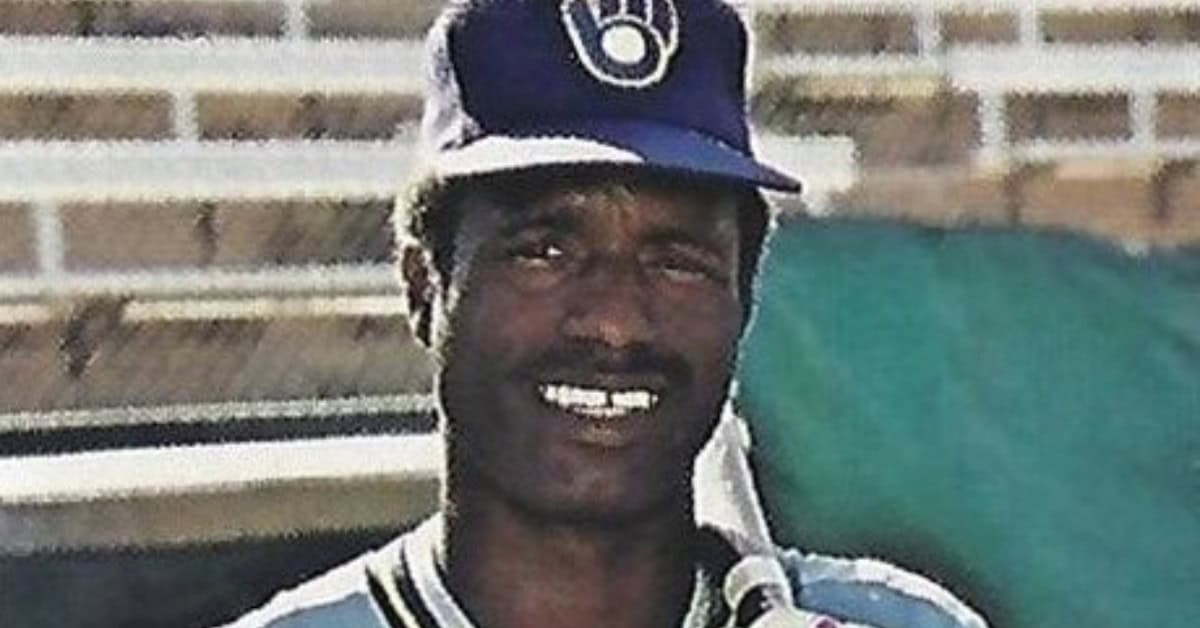
Oglivie’s smooth left-handed swing generated surprising power, including 41 homers in 1980 that tied him for the AL lead. His patient approach and ability to work the count made him a perfect fit for Milwaukee’s “Harvey’s Wallbangers” lineup, where his gap power played perfectly in County Stadium. The former Boston prospect found his groove in Milwaukee, becoming one of the most consistent run producers in the American League while flying under the national radar.
Lonnie Smith – The Speedy Switch-Hitter Who Could Fly
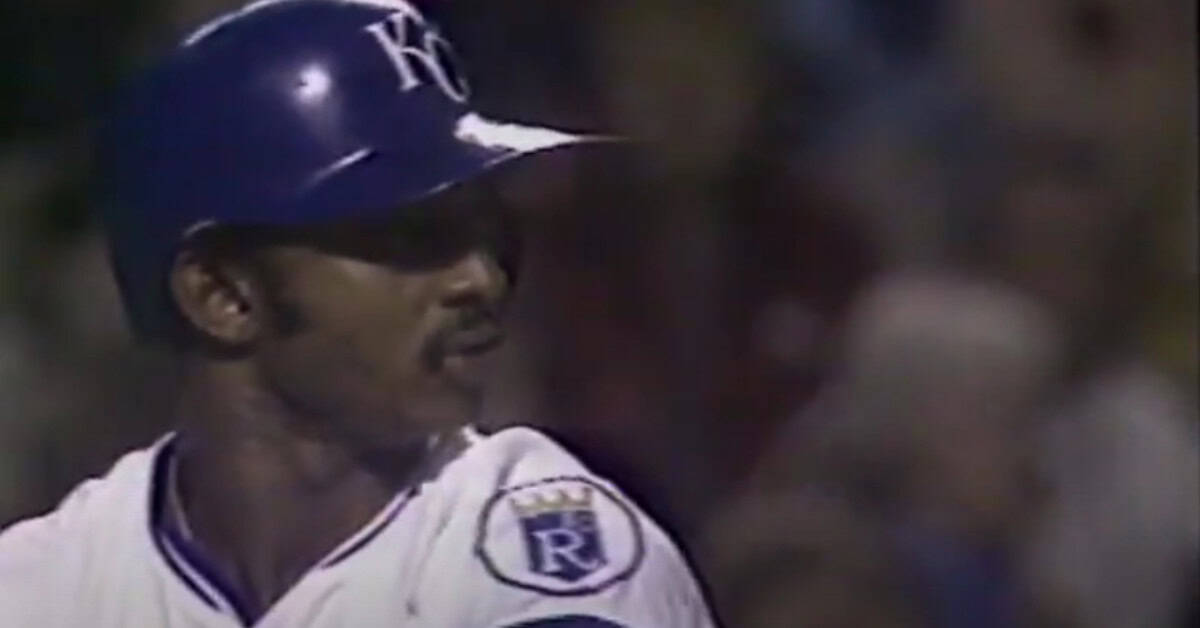
“Skates” Smith was a catalyst at the top of the lineup, using his speed and switch-hitting ability to create havoc for opposing defenses. His 68 stolen bases in 1982 helped power St. Louis to a World Series championship, while his ability to hit from both sides of the plate made him a matchup nightmare. Smith’s aggressive baserunning and clutch hitting made him the ideal leadoff man for Whitey Herzog’s running Cardinals, proving that speed kills in October.
Claudell Washington – The Smooth Operator Who Played for Everyone

Washington’s effortless swing and natural athleticism made him a valuable contributor wherever he landed during his nomadic career. His 17 homers and 80 RBIs for Atlanta in 1982 showed his ability to provide steady production, while his outfield versatility made him a manager’s dream. The California native played for 11 different teams during his career, but his smooth style and professional approach remained constant throughout his travels around the majors.
Dave Winfield – The Athletic Marvel Who Dominated Multiple Sports

Though he played more right field than left, Winfield’s occasional appearances in left showed the same athletic brilliance that made him a superstar. His 37 homers and 116 RBIs in 1982 demonstrated the kind of production that justified his massive Yankees contract, while his 6’6″ frame made him an imposing presence in any outfield corner. The former basketball and football star brought unprecedented athleticism to baseball, proving that sometimes the best baseball players are simply the best athletes, period.
Al Oliver – The Consistent Hitting Machine of the 1980s

“Scoop” Oliver was a pure hitter who could find gaps anywhere on the field, finishing his career with over 2,700 hits and a .303 lifetime average. In the 1980s, he starred with the Expos and Rangers, hitting over .300 multiple times and providing valuable veteran leadership. Oliver’s ability to hit for both average and power made him one of the most complete hitters of his generation, earning respect from teammates and opponents alike.
Dusty Baker – The Future Manager Who Could Still Rake
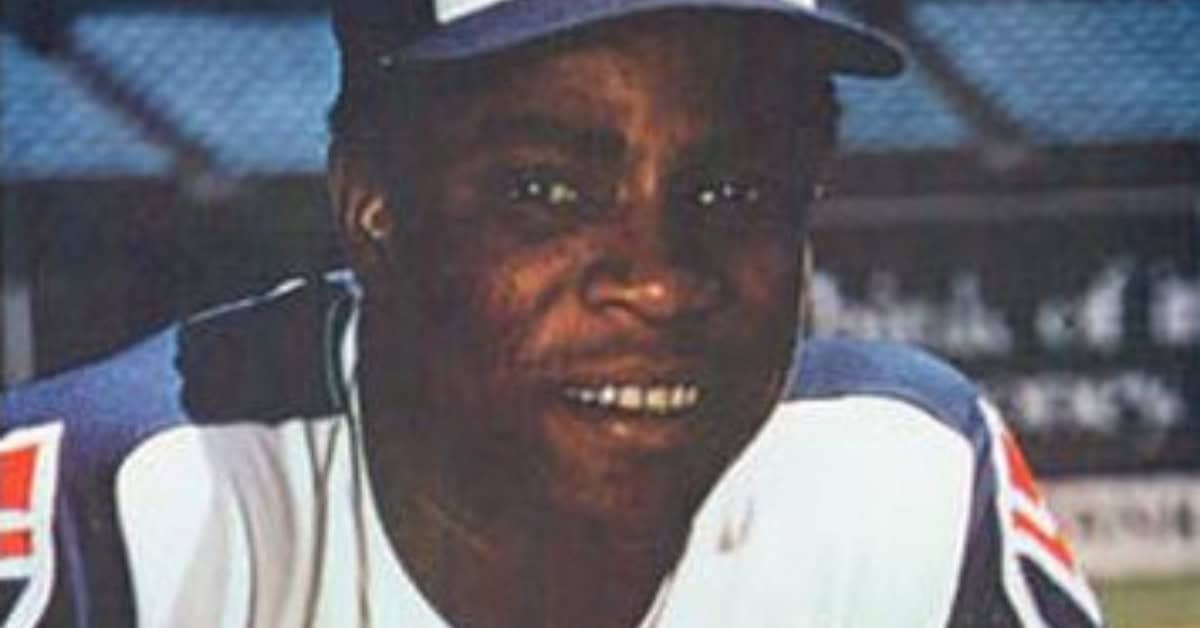
Baker’s smooth left-handed swing and clutch hitting made him a key contributor to the Dodgers’ 1981 World Series championship team. His nine homers and 49 RBIs in the strike-shortened season showed his ability to produce in limited opportunities, while his veteran leadership made him invaluable in the clubhouse. The future manager’s baseball IQ was evident even as a player, making smart decisions on the basepaths and in the field that would serve him well in his post-playing career.
Jose Cruz – Houston’s Reliable Run Producer
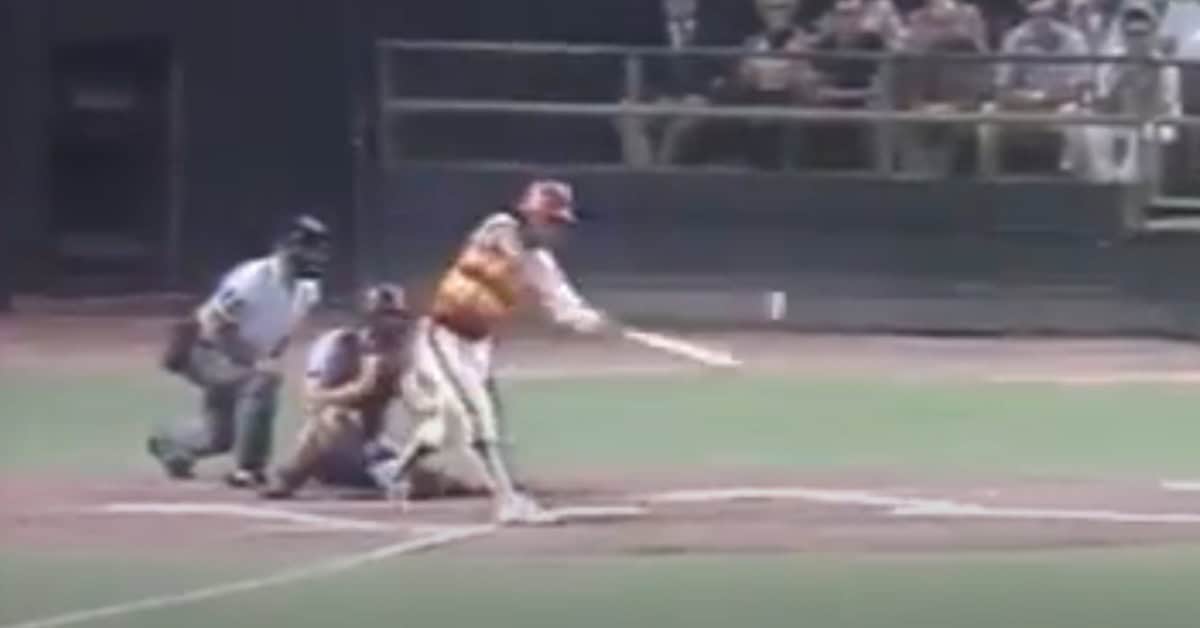
Cruz was the steady heartbeat of Houston’s lineup throughout the ’80s, using his line-drive swing and patient approach to consistently get on base. His 13 homers and 91 RBIs in 1983 exemplified his ability to drive in runs without relying on pure power, while his outfield defense covered the Astrodome’s spacious dimensions. The Puerto Rican veteran’s professional approach and clutch hitting made him one of the most underrated players of the decade, quietly producing year after year in the Astrodome’s pitcher-friendly environment.
Greg Luzinski – Philadelphia’s “Bull” Who Terrorized Pitchers
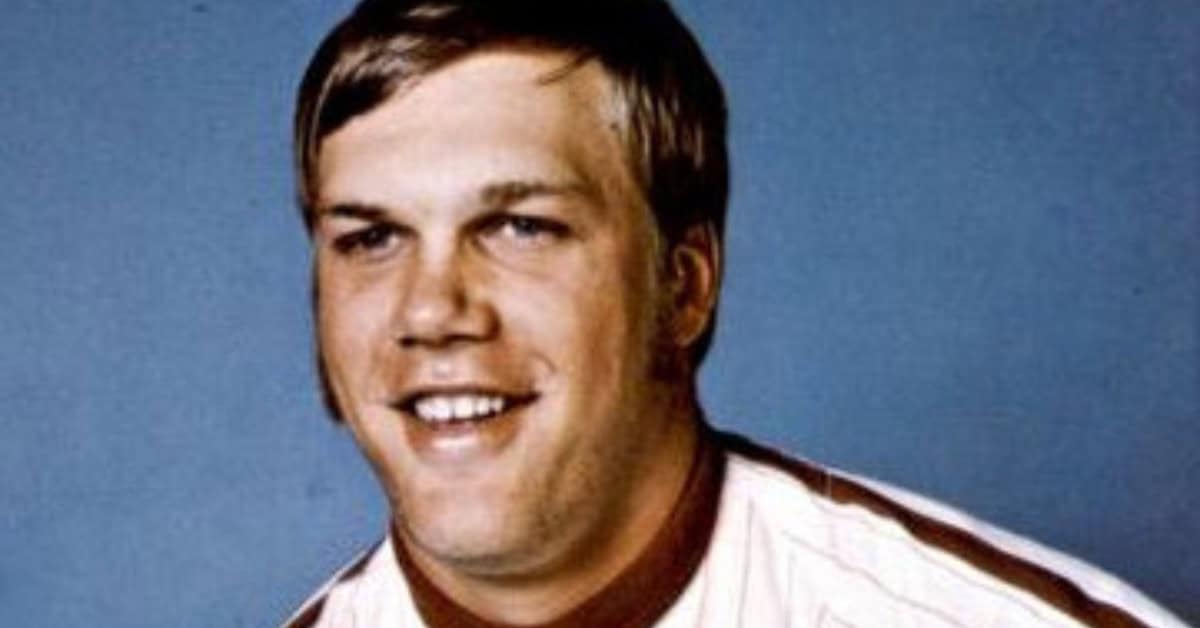
Though his prime was in the ’70s, “The Bull” still had plenty left in the tank to contribute 19 homers and 56 RBIs for the White Sox in 1981. His massive frame and uppercut swing made him a constant home run threat, while his intimidating presence in the batter’s box made pitchers hesitant to challenge him. Luzinski’s transition from Philadelphia icon to Chicago DH proved that pure power never goes out of style, even as a player ages.
Willie Wilson – Kansas City’s Table-Setter Supreme
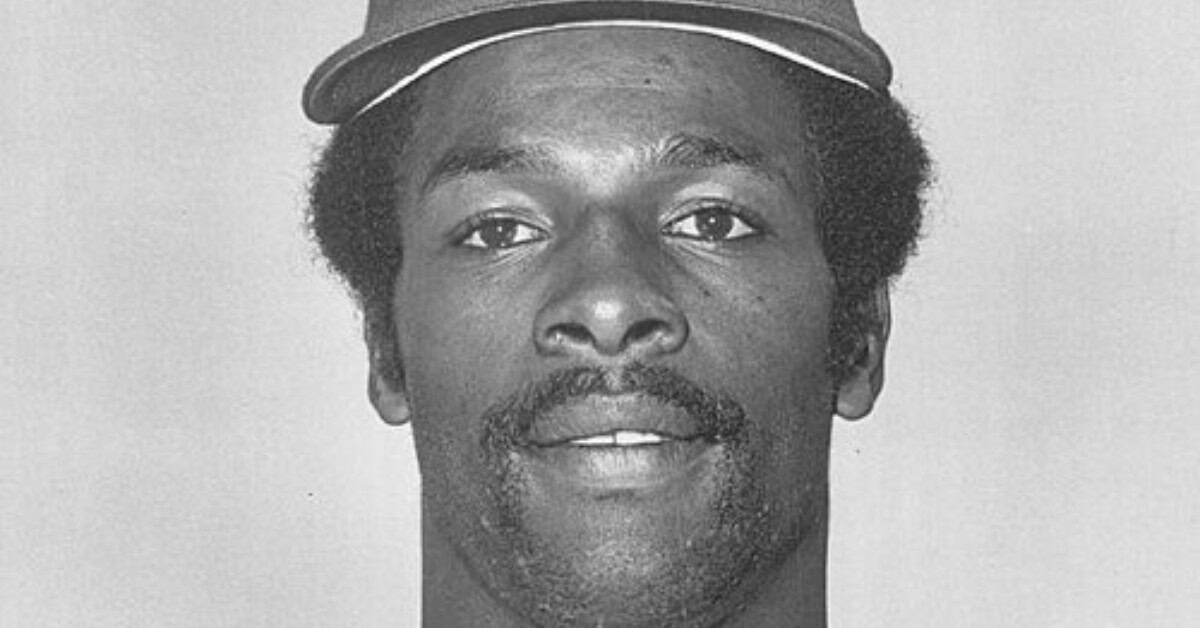
Wilson’s speed was his calling card, swiping 83 bases in 1980 while hitting .326 to win the AL batting title. His slap-hitting style and blazing speed made him the perfect catalyst for Kansas City’s aggressive offense, turning routine grounders into infield hits and stretching singles into doubles. The switch-hitter’s ability to set the table made him invaluable to the Royals’ 1985 World Series championship team, proving that sometimes the most important offensive weapon is speed paired with intelligence on the bases.