

Last Updated: June 17th, 2026 by Michael Schatz
The 1970s were a golden age of shortstop wizardry, when fans watched defensive artists turn difficult plays into poetry. These were the men who made double plays look like ballet and bare-handed grabs seem almost routine. Here are some of the greatest shortstops who defined the decade when baseball was a cornerstone of American culture.
Don't lose this article. Enter your email below, and I'll send it to you right now. Plus, we'll send you other unbelievable stories from baseball's past.
Toby Harrah – The Decade’s Underrated Wizard
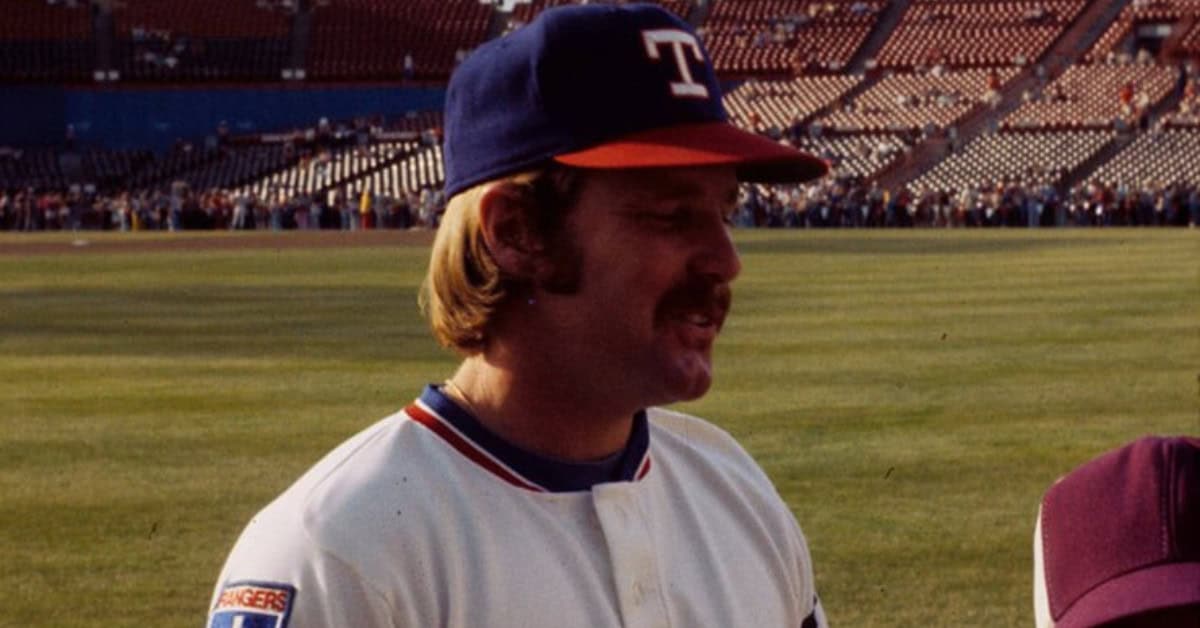
Toby Harrah was a shortstop highly respected by his peers, known for his sound footwork and reliable glove. Playing for the Washington Senators/Texas Rangers and later the Cleveland Indians in the 1970s, Harrah combined smooth hands with surprising pop for the position, hitting 133 home runs during the decade and twice reaching the 20-homer mark. A four-time All-Star in the ’70s, he anchored some developing teams and remains a significant, if sometimes overlooked, figure from the era.
Mark Belanger – Defense So Pretty It Made Grown Men Weep

Mark Belanger turned Memorial Stadium’s infield into his personal art gallery, winning eight Gold Gloves (six in the 1970s) while hitting .228 lifetime—and for many, the offensive output hardly mattered. “The Blade” was so smooth at shortstop that legendary manager Earl Weaver famously said he’d rather have Belanger’s glove than most players’ bats. Watching him turn two was like witnessing a magic trick, every movement deliberate and perfect.
Dave Concepcion – The Big Red Machine’s Slick-Fielding Heart

While Pete Rose grabbed headlines and Johnny Bench caught the glory, Dave Concepcion quietly became the defensive backbone of Cincinnati’s Big Red Machine. The Venezuelan master was renowned for his cannon arm and acrobatic range, particularly his skill with the one-hop throw from the hole on artificial turf, making plays that left Riverfront Stadium crowds gasping. His five Gold Gloves and clutch World Series performances in the 1970s proved that championship teams are often built from the middle of the diamond outward.
Larry Bowa – Philadelphia’s Fiery Sparkplug with Golden Glove

Larry Bowa played shortstop like his hair was on fire, diving for everything and arguing every close call with the intensity of a man defending his family honor. The scrappy Philadelphian, a two-time Gold Glove winner in the ’70s, led the league in fielding percentage multiple times while serving as the emotional catalyst for those great Phillies teams. Veterans Stadium fans loved his hustle almost as much as they loved his ability to turn a seemingly impossible grounder into a routine out.
Rick Burleson – “Rooster” Turned Double Plays Like Poetry
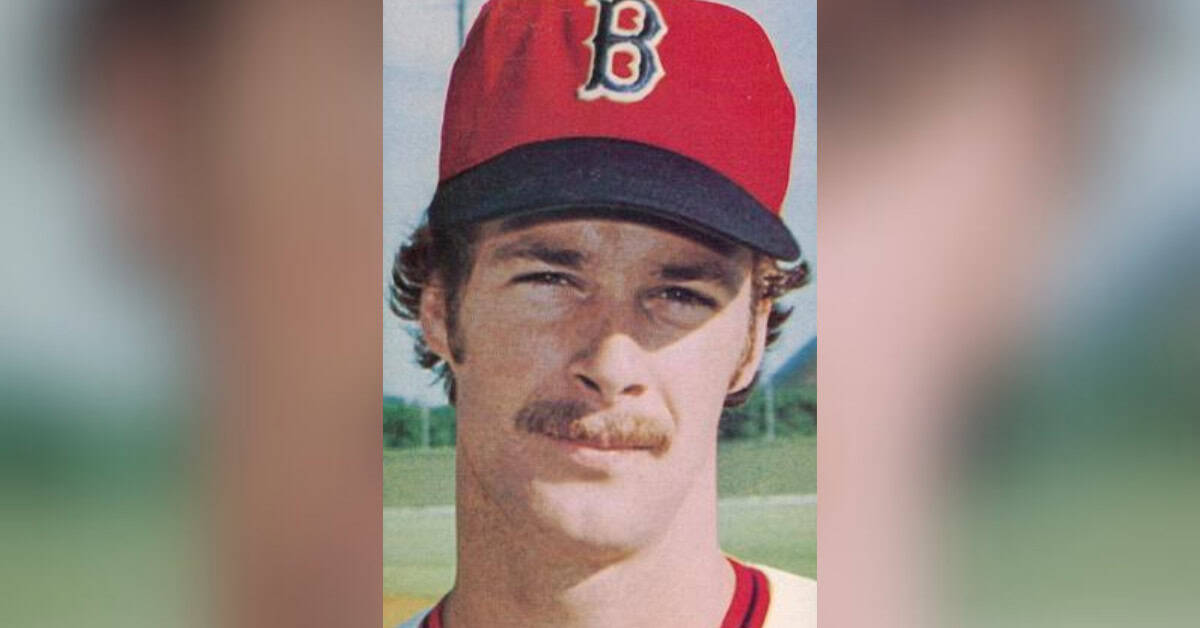
Rick “Rooster” Burleson strutted around Fenway’s infield with the confidence of a man who knew he belonged, his compact frame belying the strong arm attached to his right shoulder. The Boston favorite combined Gold Glove defense (winning one in 1979) with clutch hitting, becoming the heart and soul of memorable Red Sox teams that often contended but faced October heartbreak. His quick release and fearless play up the middle made him a fan favorite in a city that appreciated blue-collar excellence.
Don Kessinger – The Cubs’ Smooth Operator in Wrigley’s Wind
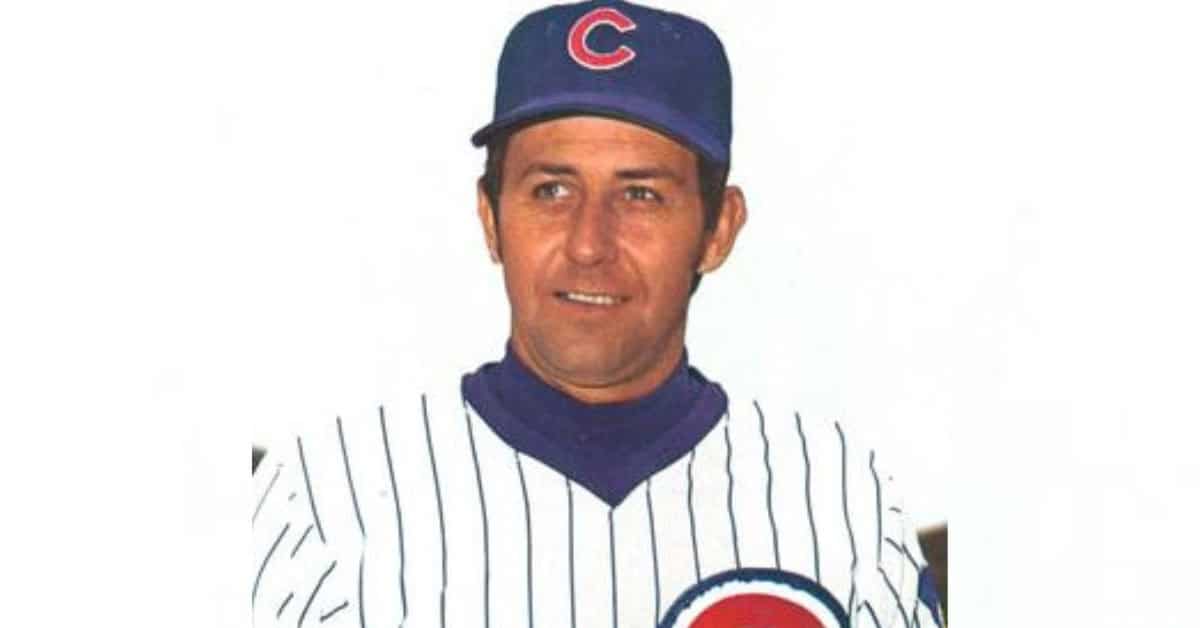
Don Kessinger mastered the art of fielding in Wrigley Field’s swirling winds, reading hops and judging flies with remarkable skill. The six-time All-Star (four times in the 1970s) and two-time Gold Glove winner anchored Chicago’s infield, providing steady defense and timely hitting. His smooth style and professional demeanor made him a consistent performer, particularly during day baseball when every play was under the unforgiving afternoon sun.
Luis Aparicio – The Venezuelan Vacuum Cleaner’s Final Act
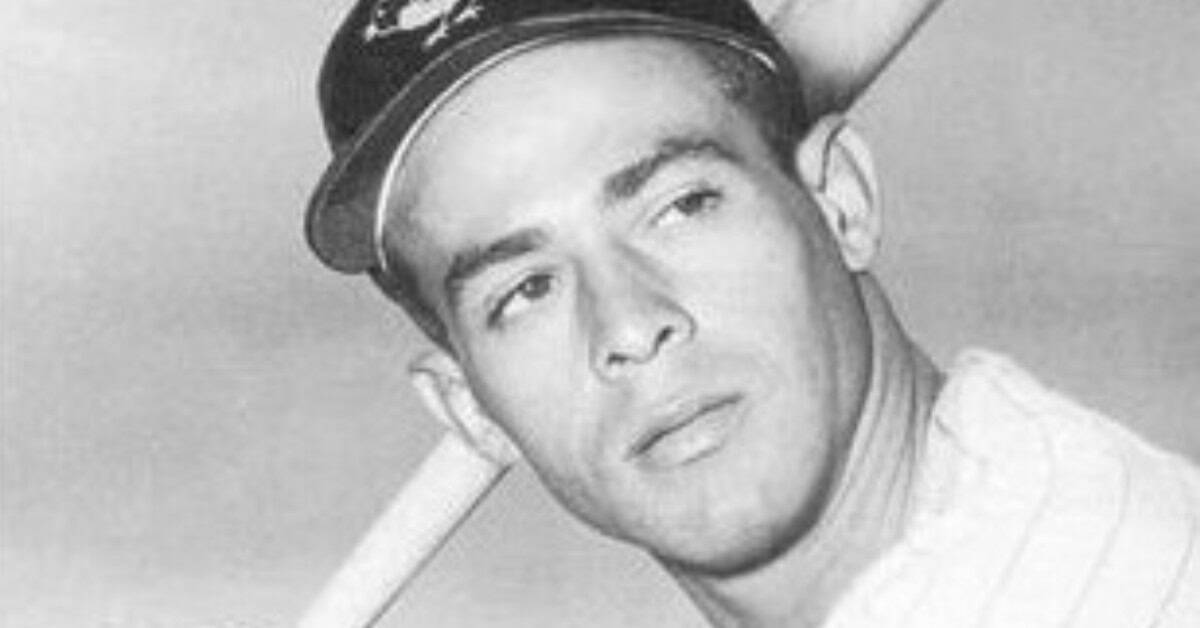
Luis Aparicio spent the early 1970s with the Red Sox, capping off his Hall of Fame career with the same grace that made him famous in the 1950s and 60s. While his base-stealing prowess had diminished, the Venezuelan legend could still turn double plays with veteran savvy, serving as a mentor to younger players and demonstrating how the position should be played. His final seasons were a testament to professional excellence, proving that true greatness transcends generations.
Roger Metzger – Houston’s Human Highlight Reel
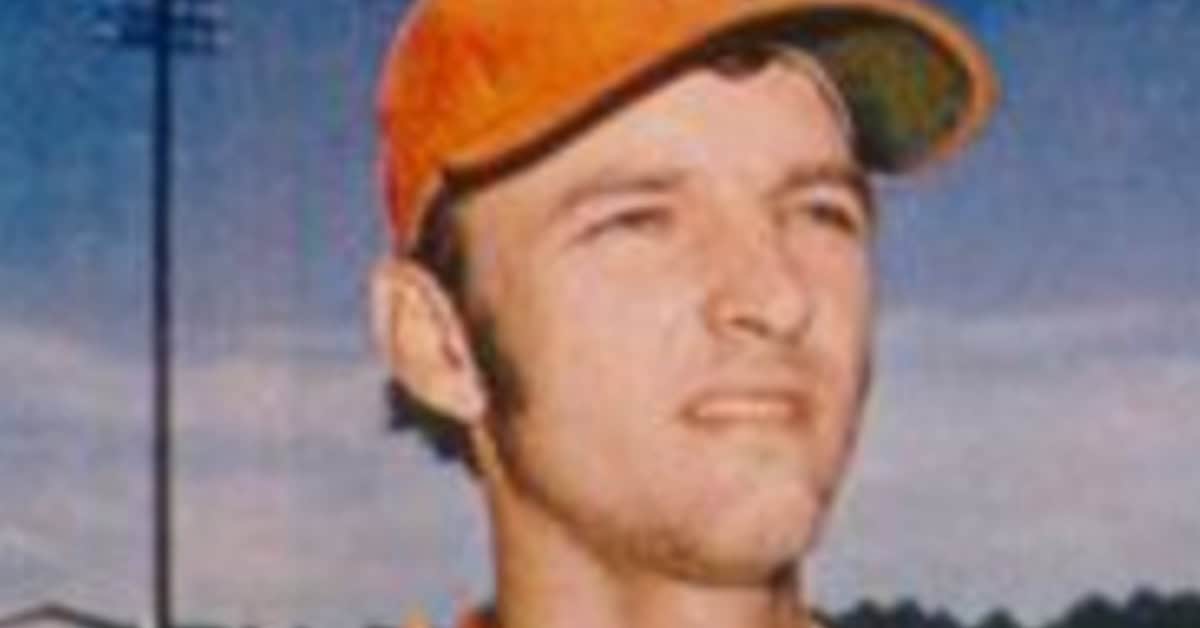
Roger Metzger turned the Astrodome’s artificial turf into his personal playground, using the carpet’s predictable bounces to make plays that seemed challenging on natural grass. The lanky Texan possessed incredible range and a strong arm, winning a Gold Glove in 1973 and leading the National League in assists multiple times while providing steady defense for Houston’s improving teams. His acrobatic style and clutch performances made him a fan favorite in a city embracing its baseball team.
Bud Harrelson – The Scrappy Soul of Shea Stadium
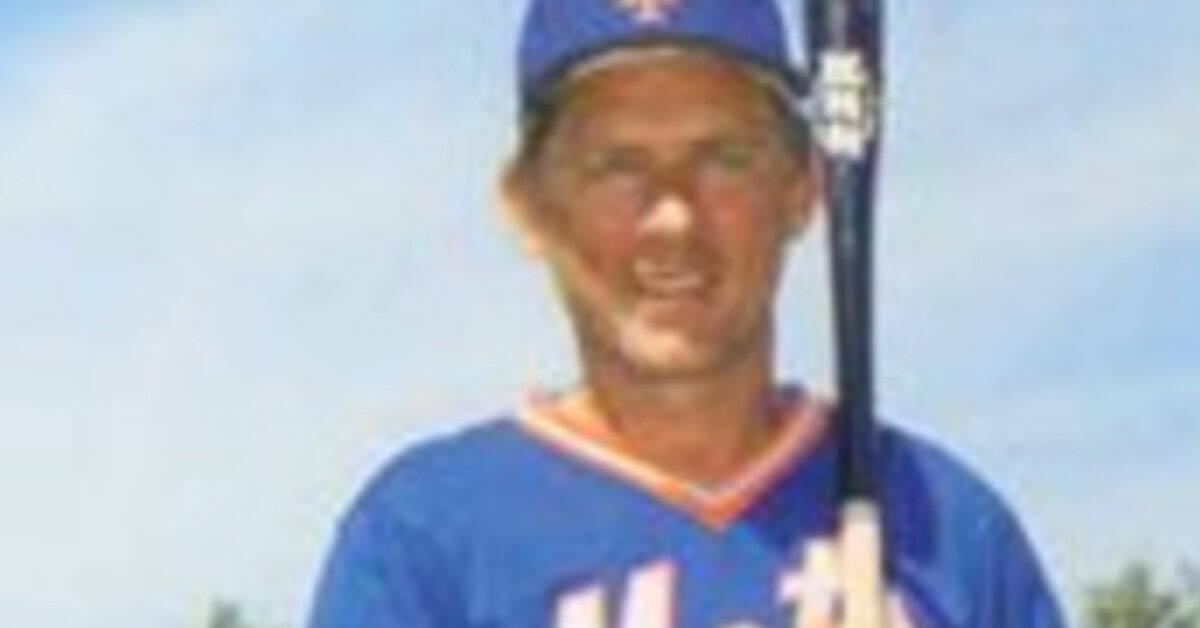
Bud Harrelson embodied the scrappy spirit of the New York Mets teams, playing shortstop with the heart of a giant in a middle infielder’s body. His famous brawl with Pete Rose in the 1973 NLCS showed his competitive fire, but it was his Gold Glove-winning defense (1971) and timely contributions that made him indispensable to New York’s success. Shea Stadium fans appreciated his workmanlike approach and never-say-die attitude during some of the franchise’s most memorable seasons.
Ed Brinkman – Washington & Detroit’s Defensive Magician
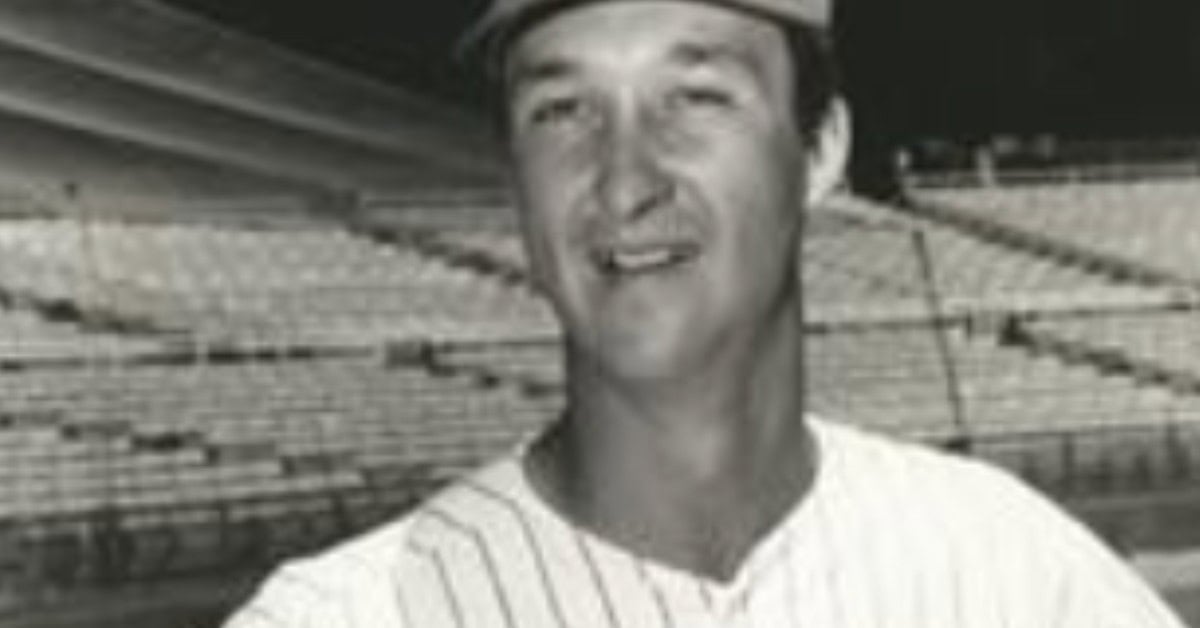
Ed Brinkman made defense look effortless, first for Washington and then notably for the Detroit Tigers. The sure-handed shortstop won a Gold Glove in 1972 with Detroit, a season in which he made just seven errors in 154 games at shortstop, setting an American League record with a .990 fielding percentage. This defensive masterpiece, achieved while also providing offensive contributions, is still discussed with reverence by baseball purists.
Garry Templeton – The Switch-Hitting Sensation from St. Louis
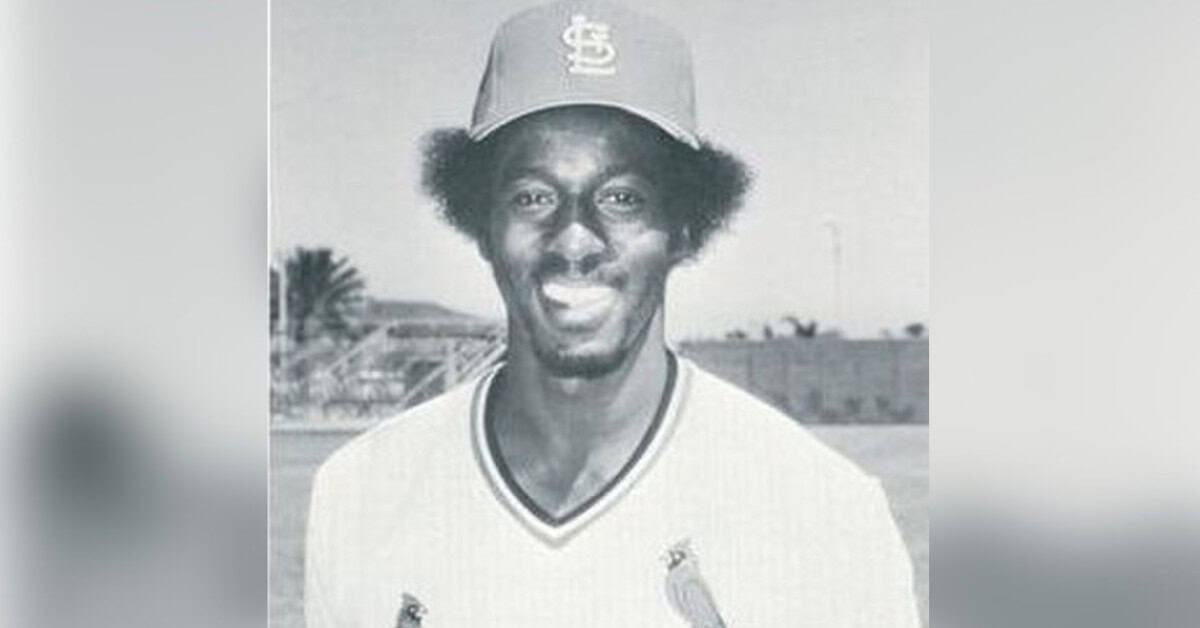
Garry Templeton burst onto the scene in the late 1970s with the St. Louis Cardinals as one of baseball’s most exciting young shortstops, combining blazing speed with switch-hitting prowess that made him a constant threat. In 1979, the young Cardinal became the first switch-hitter to collect 100 hits from each side of the plate in a single season. His range and arm strength were exceptional, and his electric play energized Busch Stadium crowds who hadn’t seen this kind of shortstop excitement in years.
Roy Smalley III – Minnesota’s Towering Presence at Short
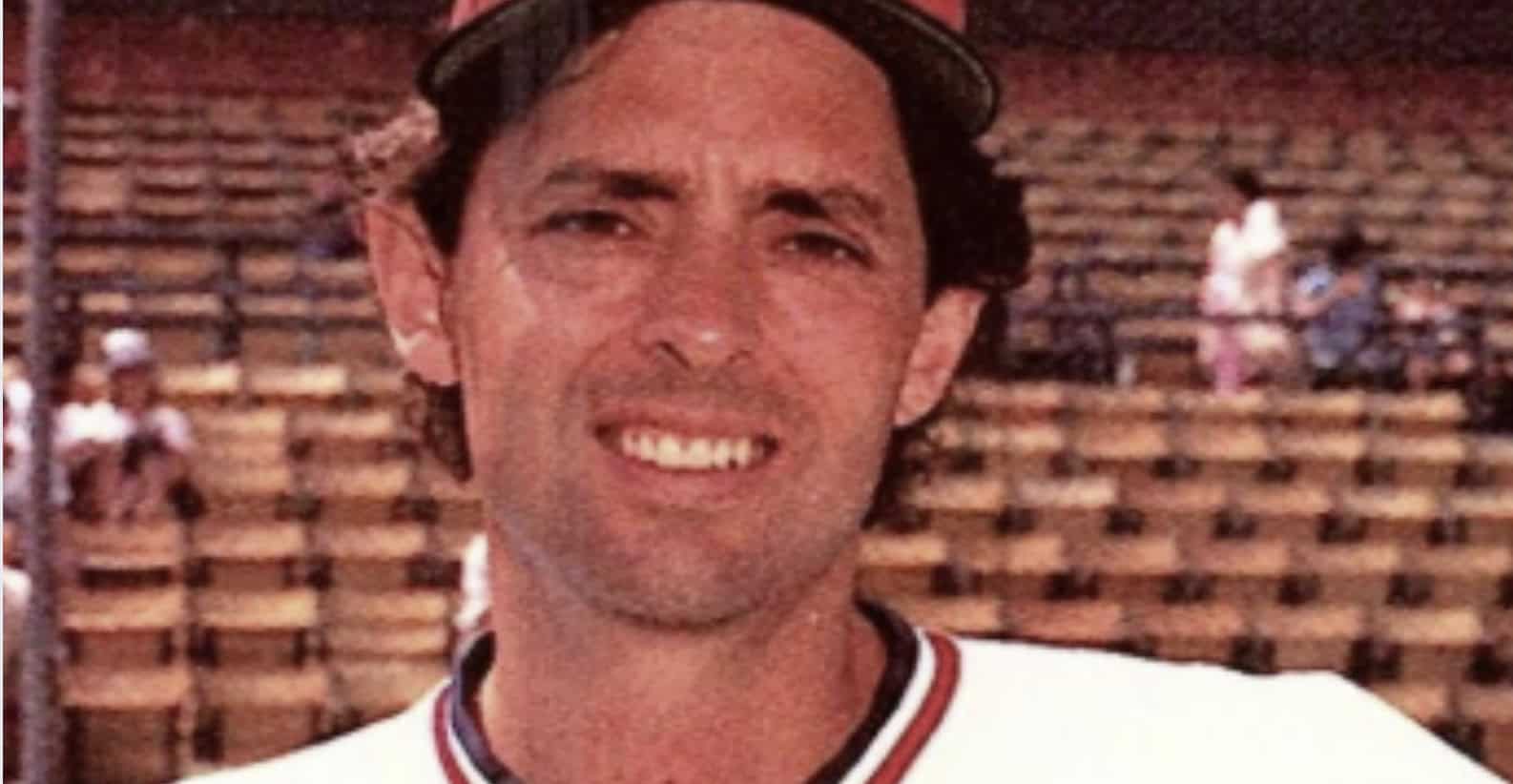
Roy Smalley III brought an unusual combination of size (6’1″) and power to the shortstop position for the Minnesota Twins and later the Texas Rangers in the 1970s. He could turn two with the best of them and showed significant power for a shortstop, hitting 24 home runs in 1979 and 19 in 1978, making him a unique weapon. Metropolitan Stadium fans appreciated his professional approach and clutch hitting during some lean years for the franchise.
Chris Speier – San Francisco’s Steady Hand in the Fog
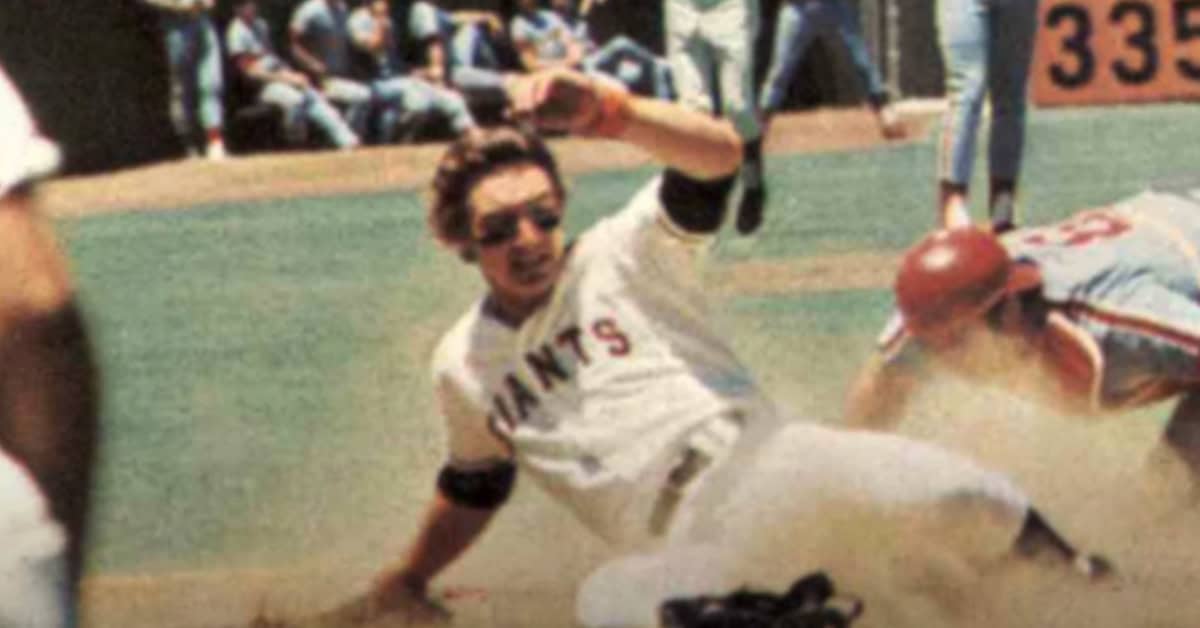
Chris Speier mastered the art of fielding in Candlestick Park’s swirling winds and afternoon fog, becoming one of the most reliable shortstops for the San Francisco Giants. The three-time All-Star in the 1970s combined steady defense with respectable power, providing San Francisco fans with consistent excellence during a decade of rebuilding. His professional demeanor and clutch performances made him a favorite among teammates and fans who appreciated fundamental baseball played the right way.
Denis Menke – Houston & Cincinnati’s Versatile Veteran
Denis Menke brought veteran leadership and versatility to the Houston Astros and Cincinnati Reds in the early 1970s. While with the Reds (1970-1971), he shared shortstop duties with the emerging Dave Concepcion in 1970 and played multiple infield positions. The former Milwaukee star provided clutch hitting and professional at-bats in key situations. His experience and baseball IQ made him a valuable asset, proving that successful teams often need reliable veterans who understand their roles.
Jim Fregosi – The Angel Who Transitioned in the ’70s

Jim Fregosi, a star shortstop for the California Angels in the 1960s (winning a Gold Glove in 1967), continued his career into the 1970s. He made his final All-Star team with the Angels in 1970. Traded to the New York Mets after 1971, he later played for the Texas Rangers and Pittsburgh Pirates, often shifting to other infield positions as his career progressed. While his peak shortstop years were behind him, Fregosi’s baseball acumen and leadership remained evident throughout the decade.
Bert Campaneris – Oakland’s Speedy World Series Hero
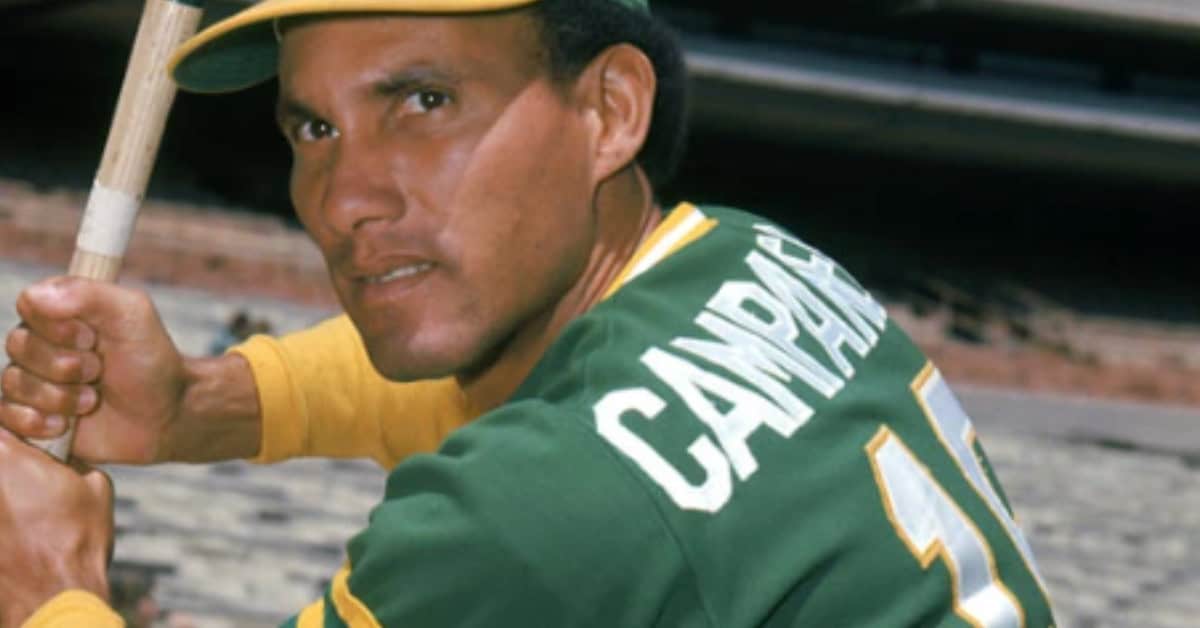
Bert Campaneris brought blazing speed and clutch defense to Oakland’s three consecutive World Series championship teams (1972-1974), proving that great shortstops could change games with their legs as much as their gloves. The Cuban speedster led the American League in stolen bases twice in the 1970s (part of six career titles) while providing steady defense for Charlie Finley’s colorful Athletics. His postseason heroics and professional approach made him an essential component of one of baseball’s greatest dynasties.
Ivan DeJesus – The Cubs’ Reliable Range Master
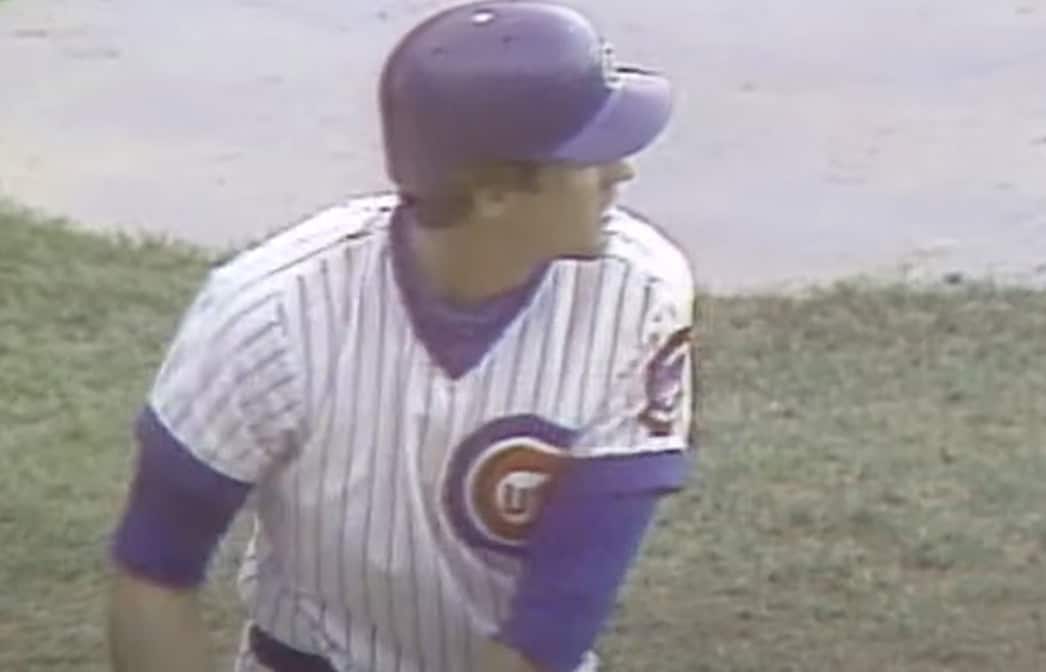
Ivan DeJesus emerged in the late 1970s with the Chicago Cubs as one of the National League’s most promising young shortstops, combining exceptional range with a strong arm that made him a natural at the position. After coming over from the Dodgers, the Puerto Rican star could cover ground like few others while providing steady offensive production for Chicago’s rebuilding teams. Wrigley Field fans appreciated his hustle and professional approach during some difficult seasons for the franchise.
Leo Cardenas – Veteran Glove in New Uniforms
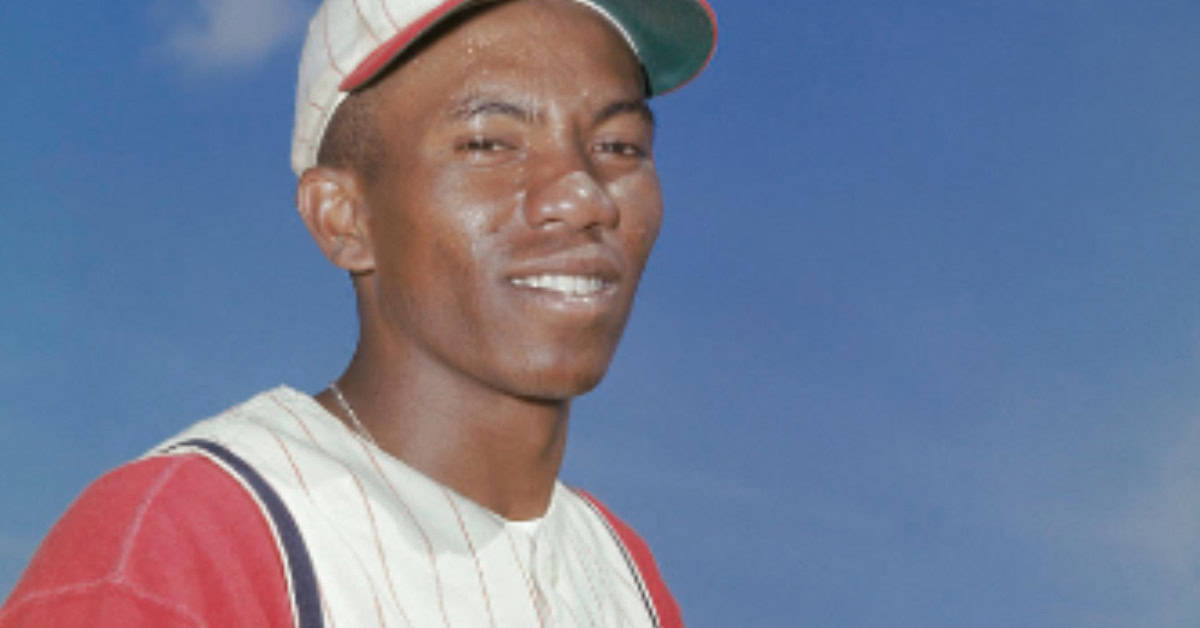
Leo Cardenas, a Gold Glove shortstop and multiple All-Star for the Cincinnati Reds in the 1960s, continued his career into the 1970s with several American League teams: the Minnesota Twins, California Angels, Cleveland Indians, and Texas Rangers. While past his prime, the Cuban veteran still provided sure-handed defense and a knowledgeable presence in the infield. His experience was valued as he contributed to these clubs during the first half of the decade, closing out a distinguished career.
Freddie Patek – The Mighty Mite Who Played Huge
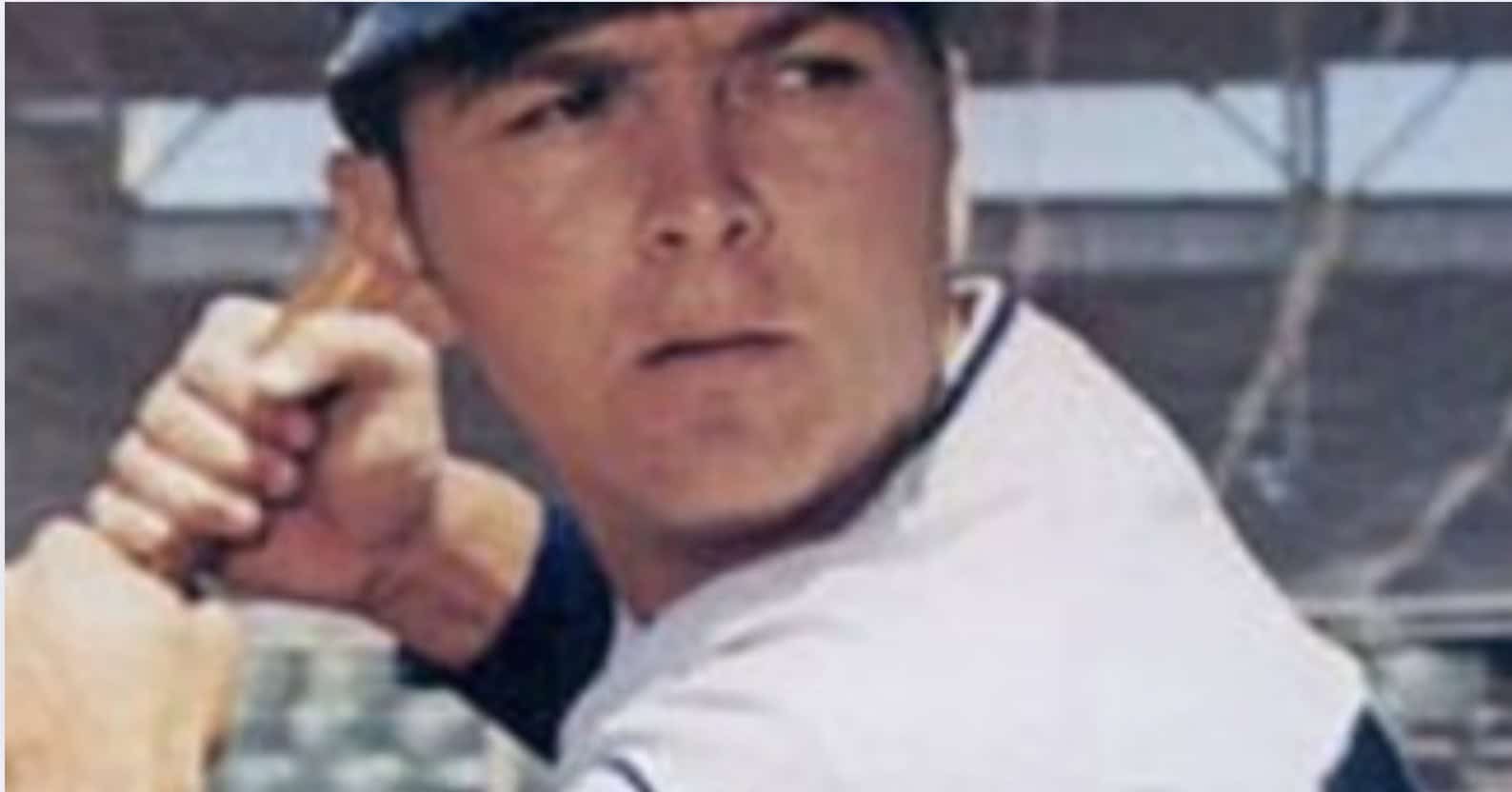
Freddie Patek proved that heart and skill mattered more than size, standing just 5’5″ while playing shortstop with the intensity and range of players seemingly twice his size. The Kansas City Royals favorite could turn two with lightning speed while providing surprising pop and speed from the leadoff spot, making him one of the most unique and beloved players in Royals history during the 1970s. His scrappy play and never-quit attitude endeared him to fans who appreciated players who maximized their natural abilities through pure determination.
Danny Thompson – Minnesota’s Tragic Hero with Heart
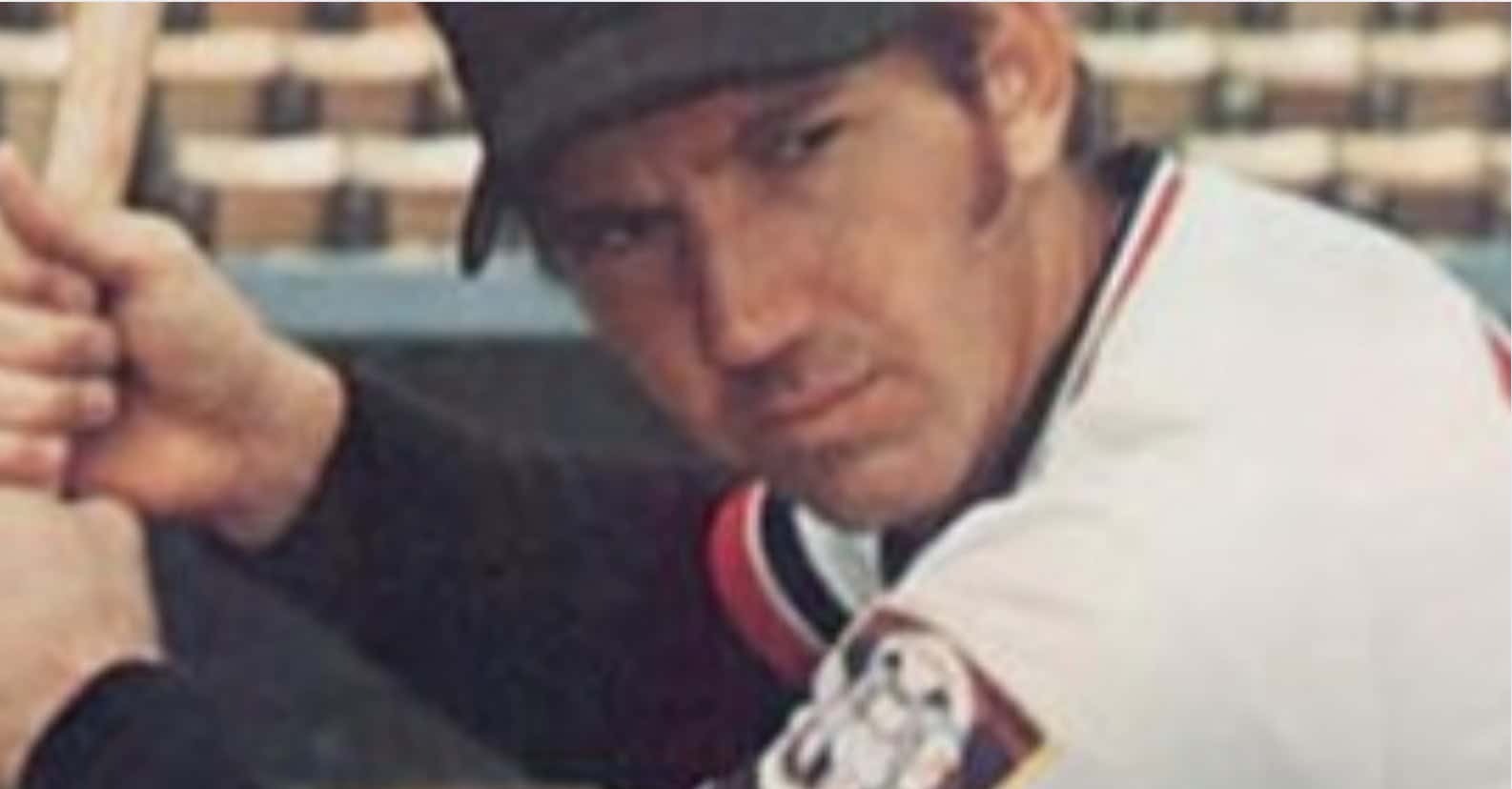
Danny Thompson’s courage in the face of leukemia made him one of baseball’s most inspiring figures of the 1970s. He continued to play shortstop for the Minnesota Twins and later the Texas Rangers while battling the disease that would eventually claim his life in late 1976. The gritty infielder never let his illness overtly affect his play, providing steady defense and clutch hitting while serving as an example of grace under pressure. His tragic story and professional excellence made him a beloved figure among teammates and fans who understood they were witnessing something special during his final seasons.