
Last Updated: June 17th, 2026 by Matthew Brown
The 1940s were baseball’s golden age, when heroes wore flannel uniforms and the crack of the bat echoed through ballparks filled with cigarette smoke and the dreams of a nation emerging from war. These champions didn’t just win World Series rings—they carved their names into the soul of America’s pastime. From the Bronx to the Gateway City, these legends turned October into magic.
Don't lose this article. Enter your email below, and I'll send it to you right now. Plus, we'll send you other unbelievable stories from baseball's past.
Joe DiMaggio: The Yankee Clipper’s Coffee-Scented Championship Streak
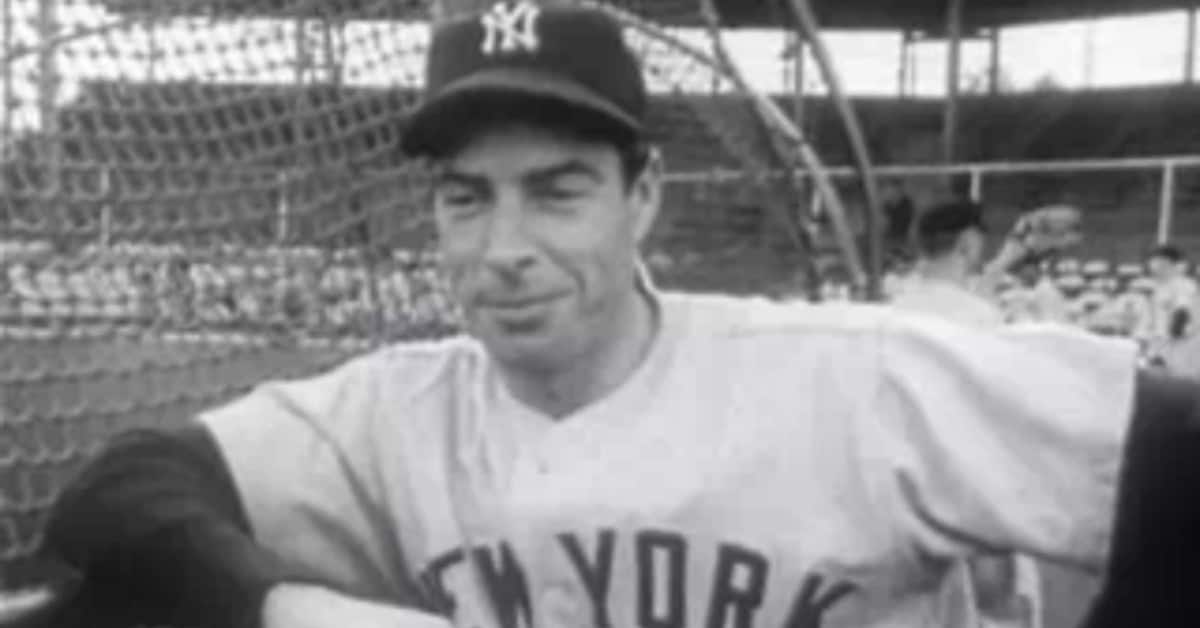
Joe DiMaggio won three World Series rings in the 1940s, but it was the morning ritual that made him legendary—sipping coffee in the clubhouse while teammates nervously chain-smoked before big games. The Yankee Clipper’s calm demeanor masked a fierce competitor who hit .271 in World Series play during the decade. His grace under pressure became the template for championship composure.
Bucky Walters: The Farmer’s World Series Harvest

Bucky Walters brought his Pennsylvania farm boy work ethic to Cincinnati’s 1940 World Series triumph, the franchise’s first championship in 21 years. The converted third baseman turned ace pitcher won 22 games that season and threw two complete games in the World Series victory over Detroit. His knuckleball danced like wheat in the wind, baffling hitters who expected fastballs from his sturdy frame.
Hank Greenberg: The Hebrew Hammer’s Homecoming Ring
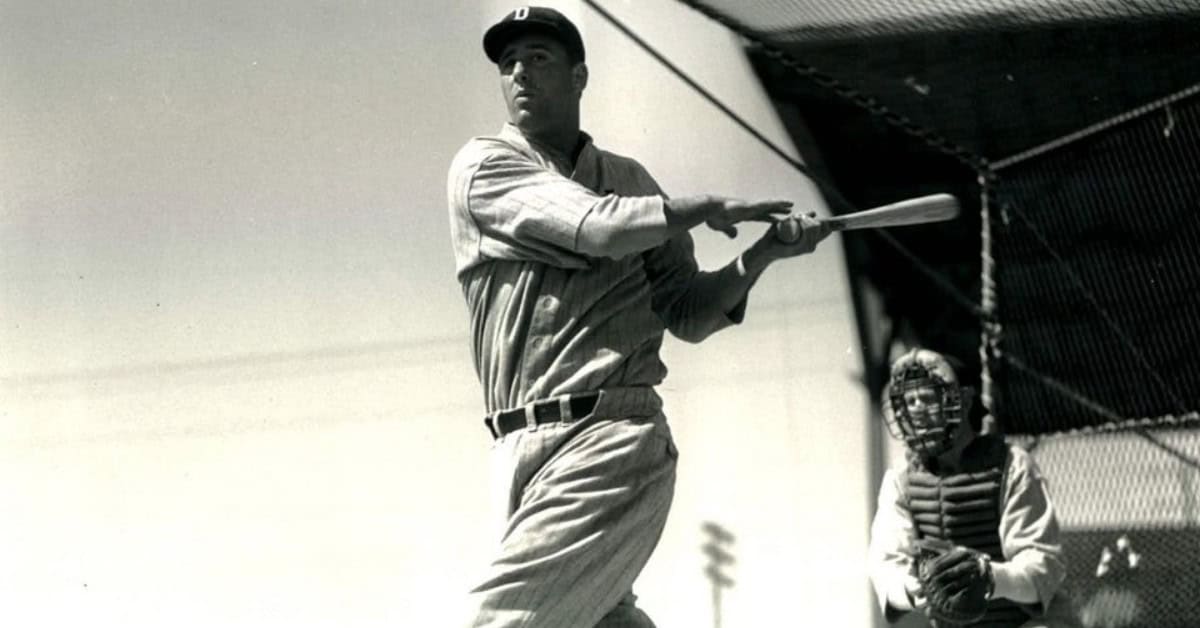
Hank Greenberg returned from four years of military service to help Detroit capture the 1945 World Series, hitting a pennant-clinching grand slam on the final day of the season. The Hebrew Hammer’s championship ring carried extra weight—it represented not just personal triumph but the hopes of a community that had faced persecution abroad. His clutch hitting in the World Series against Chicago proved that some things, like greatness, never rust.
Ernie Lombardi: Big Ernie’s Schnozz and the Reds’ Ring
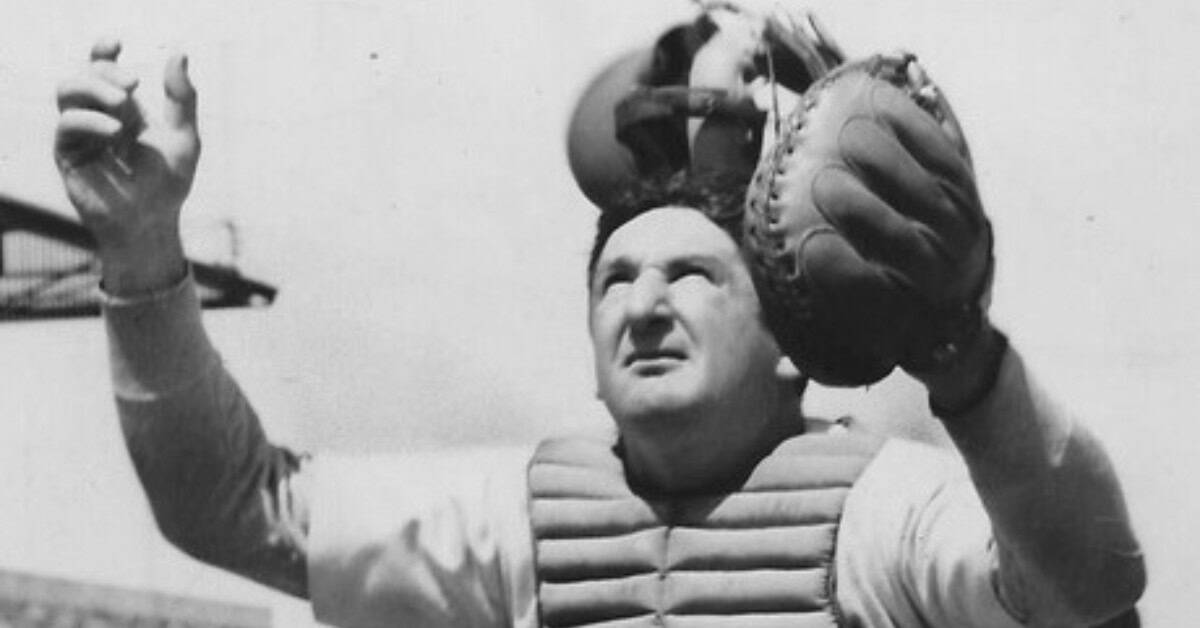
Ernie Lombardi’s massive schnozz was as legendary as his bat, and both helped Cincinnati win the 1940 World Series. The slowest runner in baseball history somehow won two batting titles, proving that pure hitting ability could overcome any physical limitation. His championship ring fit perfectly on fingers that had gripped more foul tips than any catcher of his era.
Frank McCormick: Buckeye Buck’s Championship Swing

Frank McCormick’s steady play at first base anchored Cincinnati’s 1940 championship team, earning him the nickname “Buckeye Buck” for his Ohio roots and reliable glove work. The three-time All-Star hit .309 in the World Series, driving in crucial runs with the same methodical approach he brought to every at-bat. His championship ring represented the reward for years of grinding out hits and picking throws out of the dirt.
Charlie Keller: King Kong’s Wartime Slugging Spree
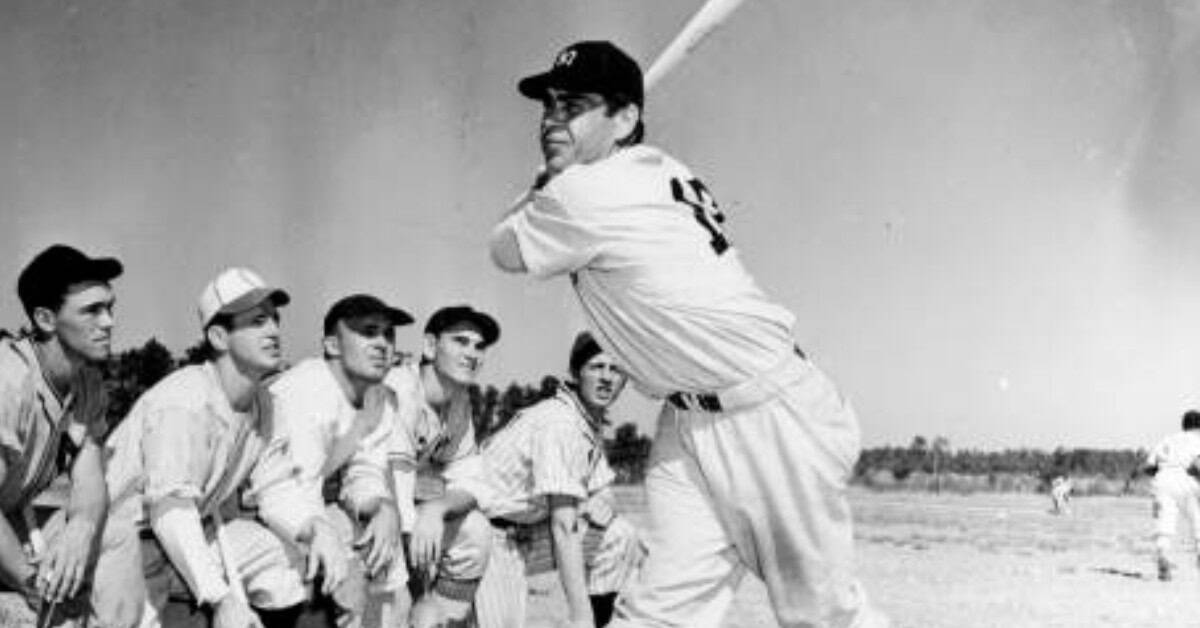
Charlie Keller’s muscular frame earned him the “King Kong” nickname, and his power helped the Yankees win four World Series in the 1940s. The Maryland native’s compact swing generated tremendous force, launching balls over stadium walls while teammates marveled at his quiet intensity. His championship rings were fitting jewelry for hands that could crush baseballs and opposing pitchers’ dreams with equal ease.
Red Ruffing: The Pitcher Who Threw with One Good Leg
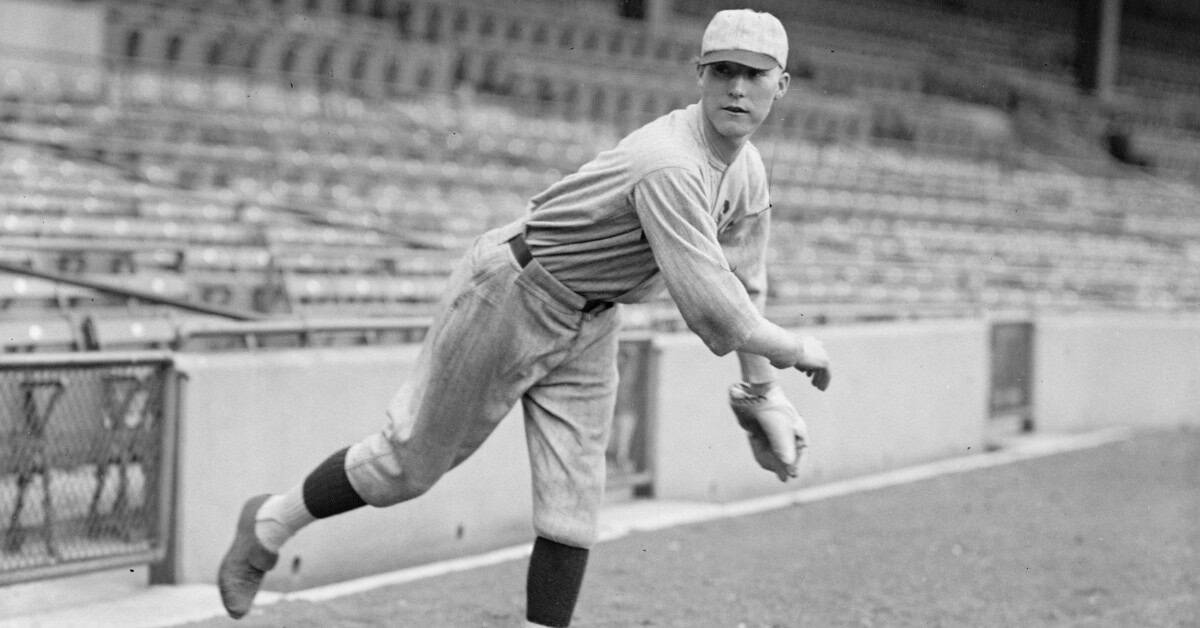
Red Ruffing lost four toes in a mining accident as a teenager but still won a World Series ring in 1941 with his devastating curveball and fierce competitive spirit. The right-hander’s modified delivery, compensating for his damaged foot, became one of baseball’s most recognizable motions. His championship ring proved that greatness isn’t about physical perfection—it’s about refusing to let limitations define you.
Bill Dickey: The Catcher Who Taught Yogi Everything
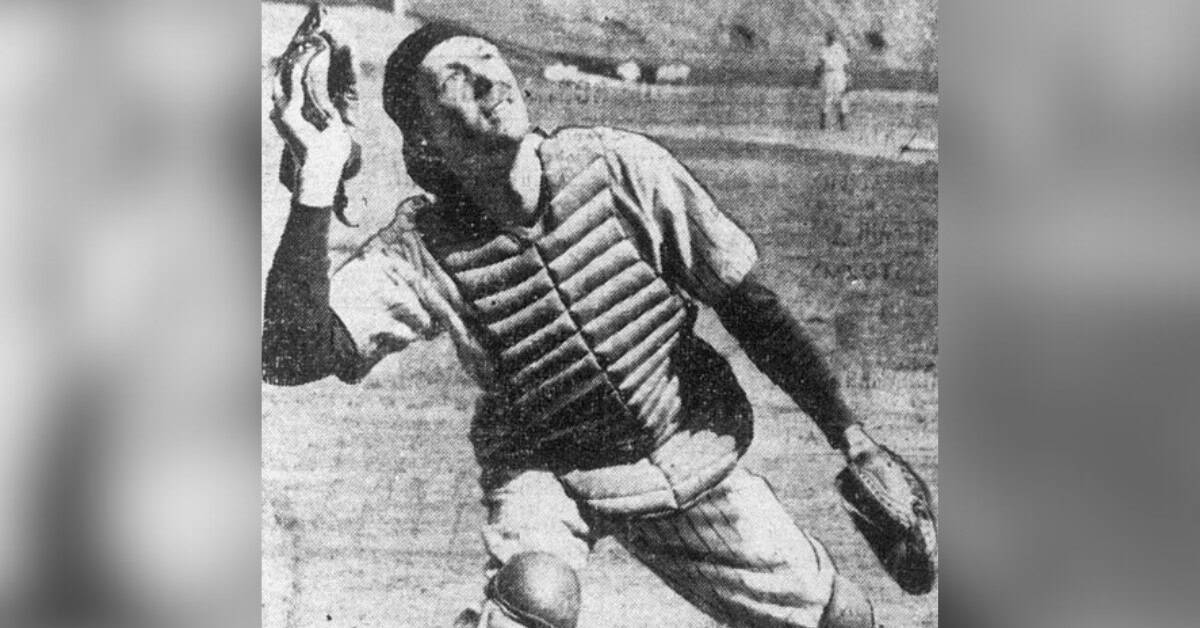
Bill Dickey’s patient mentoring of young Yogi Berra became baseball legend, but his own championship credentials were already established with two World Series rings in the 1940s as a player. The Arkansas native’s textbook catching technique and clutch hitting made him the Yankees’ field general during their dynasty years. His championship legacy lived on through every lesson he taught Berra about calling pitches and handling pressure.
Frank Crosetti: The Crow’s Silent Championship Collection
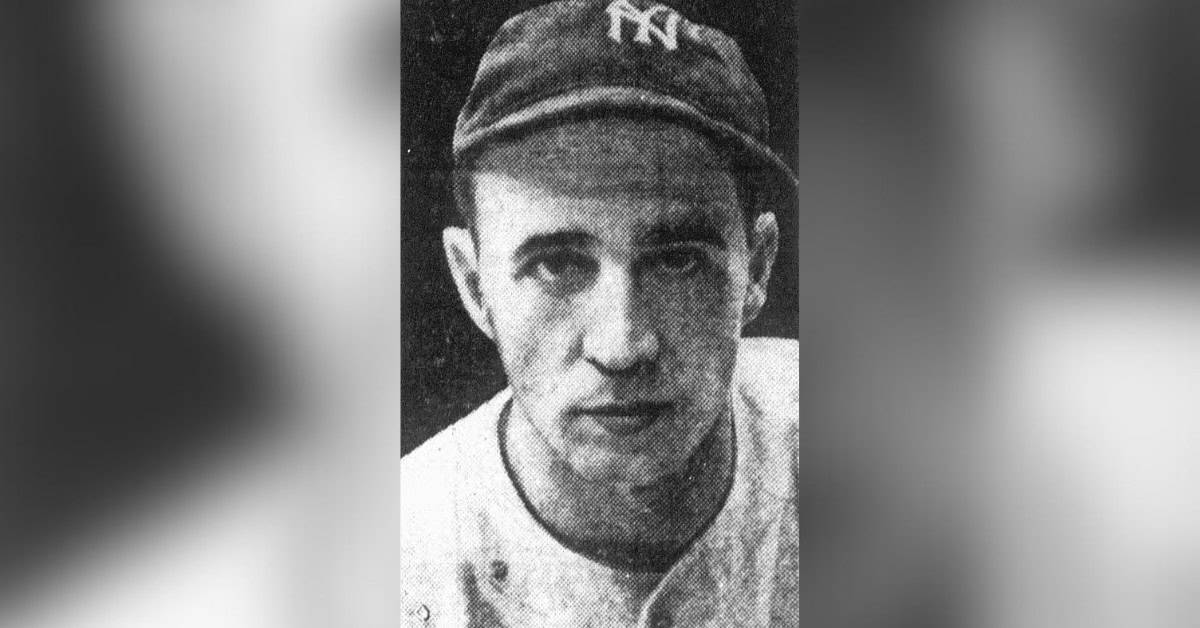
Frank Crosetti earned the nickname “The Crow” for his sharp features and keen baseball instincts, collecting four World Series rings in the 1940s as the Yankees’ reliable shortstop. The San Francisco native rarely spoke to reporters but let his glove do the talking, turning double plays with mechanical precision. His championship rings represented the quiet excellence that championship teams are built upon.
Enos Slaughter: Mad Dash That Made Cardinals History
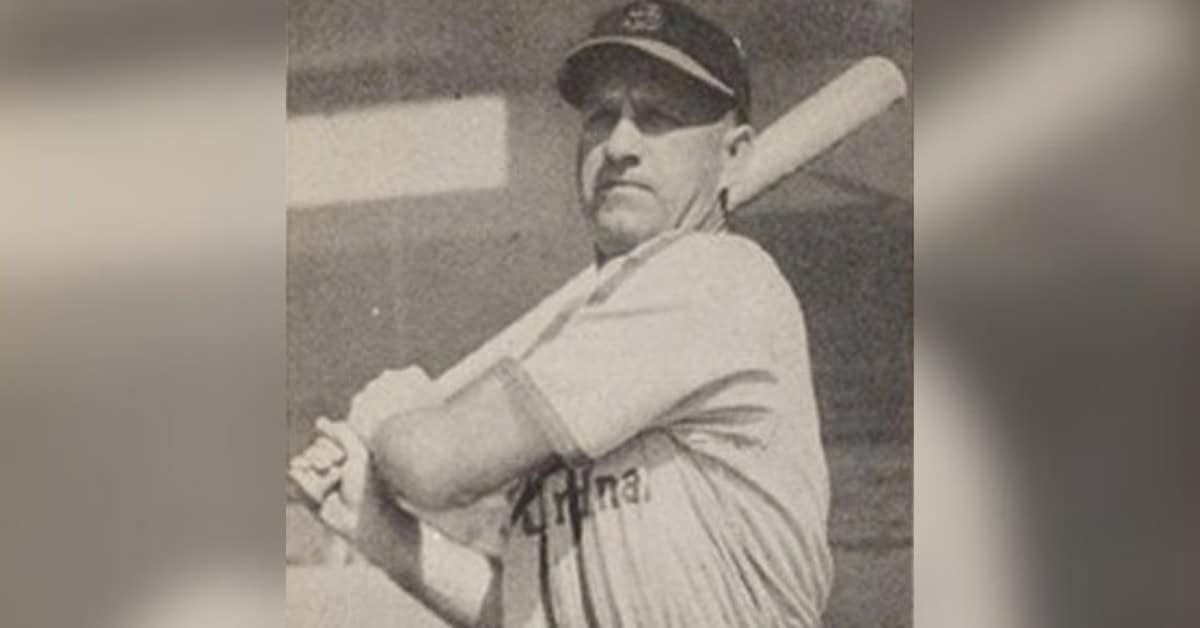
Enos Slaughter’s “Mad Dash” from first base to home plate in the 1946 World Series became the stuff of legend, capping off a decade where he won three championships with St. Louis. The North Carolina native’s hustle on every play embodied the Cardinals’ scrappy spirit during their 1940s dynasty. His championship rings were earned through pure determination and the belief that every base could be stolen if you wanted it badly enough.
Johnny Mize: The Big Cat’s Cardinal and Yankee Purr

Johnny Mize’s smooth swing earned him the “Big Cat” nickname and helped both the Cardinals and Yankees win World Series rings in the 1940s. The Georgia native’s graceful approach to hitting contrasted with his imposing 6’2″ frame, producing line drives that seemed to purr off his bat. His championship rings from both St. Louis and New York proved that true greatness transcends team loyalty.
Tommy Henrich: Old Reliable’s Walk-Off Magic
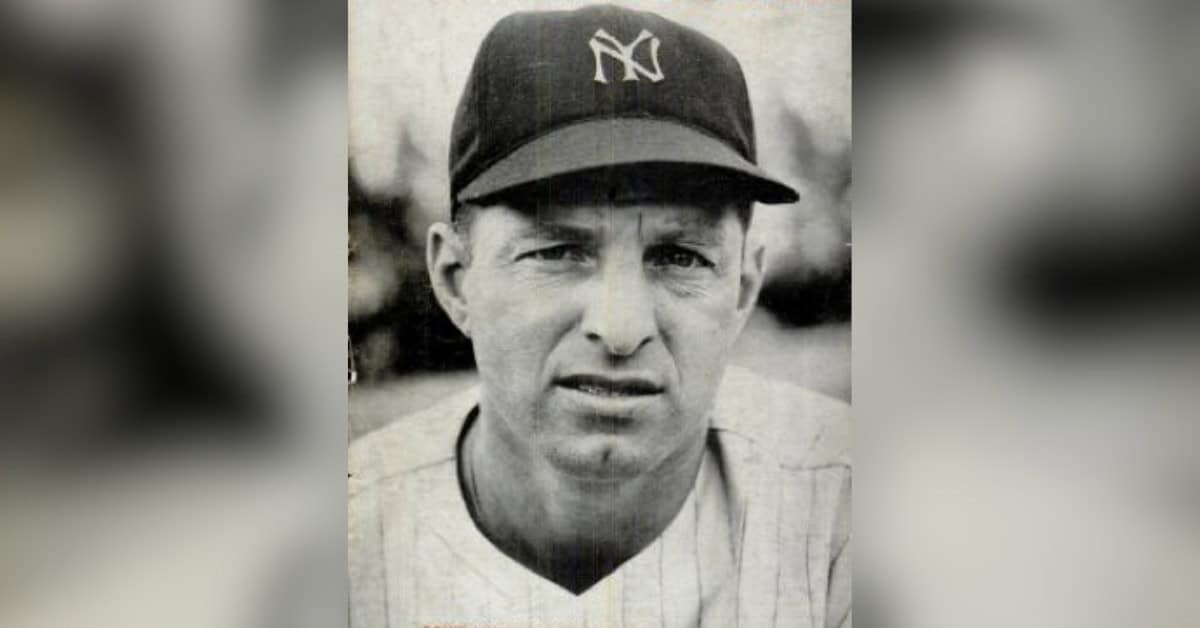
Tommy Henrich earned the “Old Reliable” nickname for his clutch hitting, including the first walk-off home run in World Series history during the Yankees’ 1949 championship run. The Ohio native’s steady presence in right field and timely hitting helped New York win three World Series rings in the 1940s. His championship legacy was built on the simple philosophy that pressure situations were just opportunities to be the hero.
Hal Newhouser: Prince Hal’s Motor City Magic
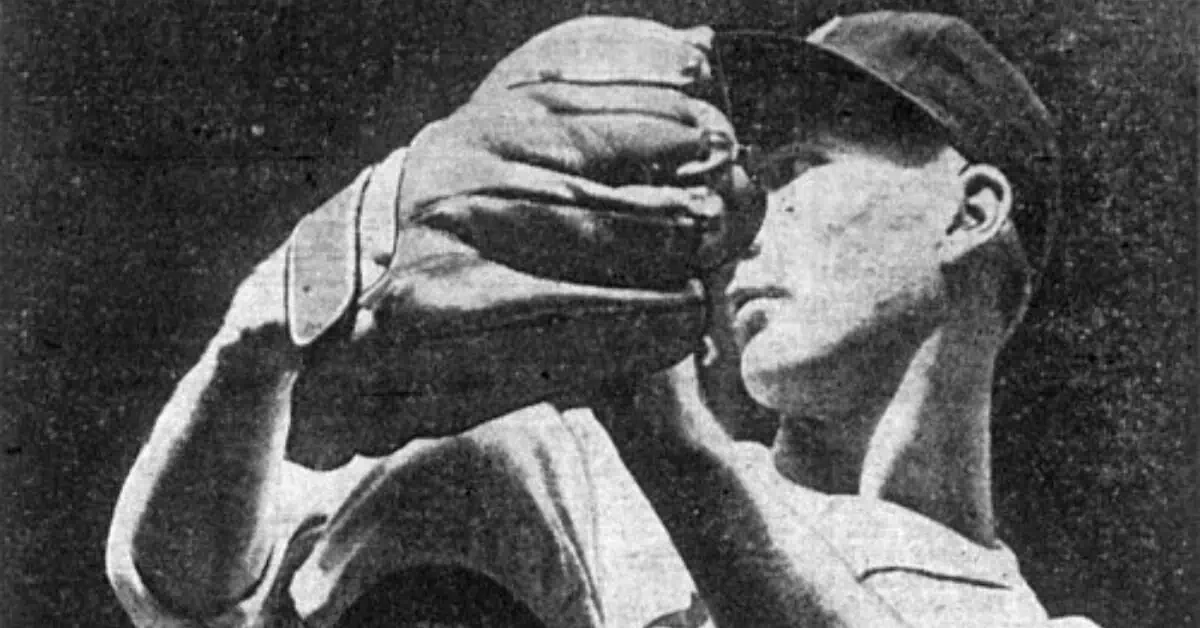
Hal Newhouser’s fastball and curveball combination made him “Prince Hal” to Detroit fans and helped deliver the Tigers’ 1945 World Series championship. The Michigan native won back-to-back MVP awards in 1944 and 1945, dominating hitters with a repertoire that seemed to defy physics. His championship ring represented the pinnacle of wartime baseball excellence, when he was simply the best pitcher in the game.
Bob Feller: Rapid Robert’s Long-Awaited October Glory
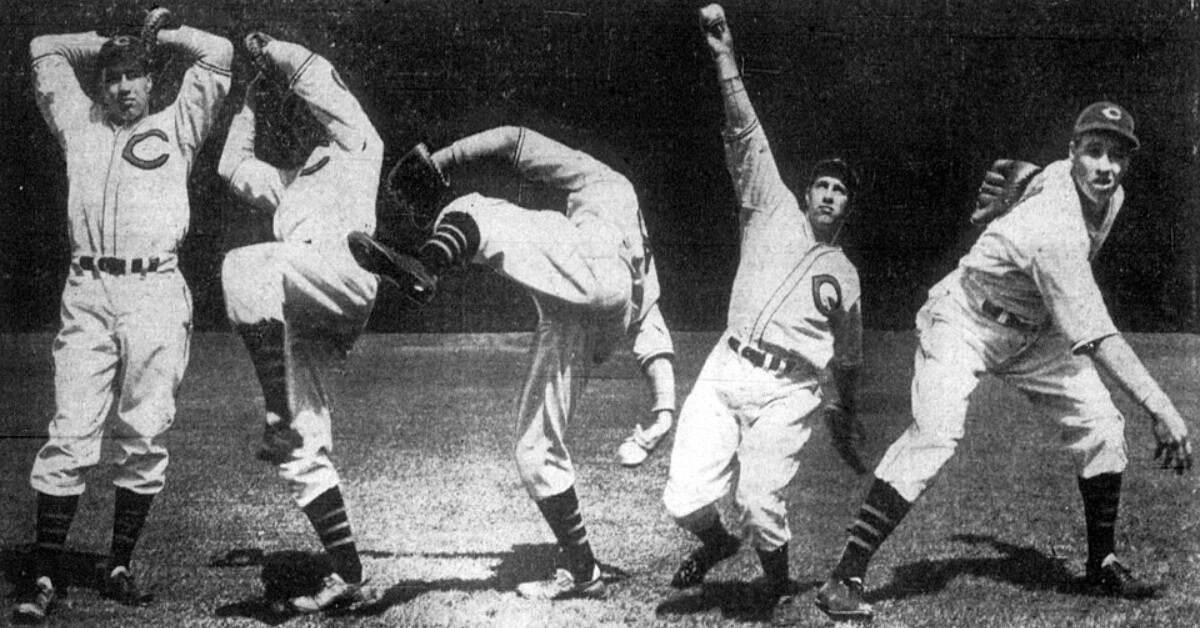
Bob Feller’s 100-mph fastball finally earned him a World Series ring in 1948 with Cleveland, after years of near misses and military service interrupted his prime. “Rapid Robert” was one of the most dominant pitchers of his era, famously striking out 348 batters in 1946. His championship ring was the sweetest reward for a career spent throwing harder than anyone else in the game.
Lou Boudreau: The Boy Manager’s Player-Manager Masterpiece
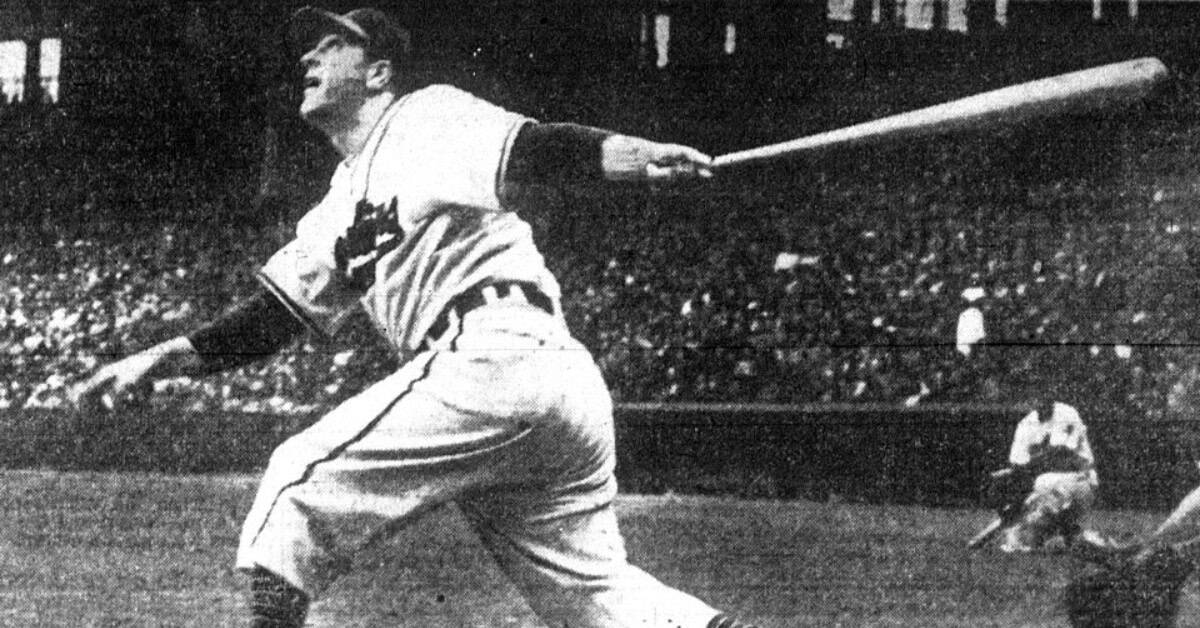
Lou Boudreau became the youngest player-manager in baseball history at age 24, then led Cleveland to their 1948 World Series championship while winning the MVP award. The Illinois native’s innovative defensive strategies and clutch hitting proved that leadership comes in many forms. His championship ring represented the ultimate validation of his belief that intelligence and preparation could overcome any disadvantage.
Larry Doby: Breaking Barriers in Cleveland’s Championship Season

Larry Doby became the first Black player in the American League in 1947, then helped Cleveland win the 1948 World Series with his powerful bat and graceful center field play. The South Carolina native’s championship ring carried the weight of history and the hopes of a community that had waited too long for recognition. His October heroics proved that talent and character know no color barriers.
Joe Gordon: Flash Gordon’s Double-Play Poetry
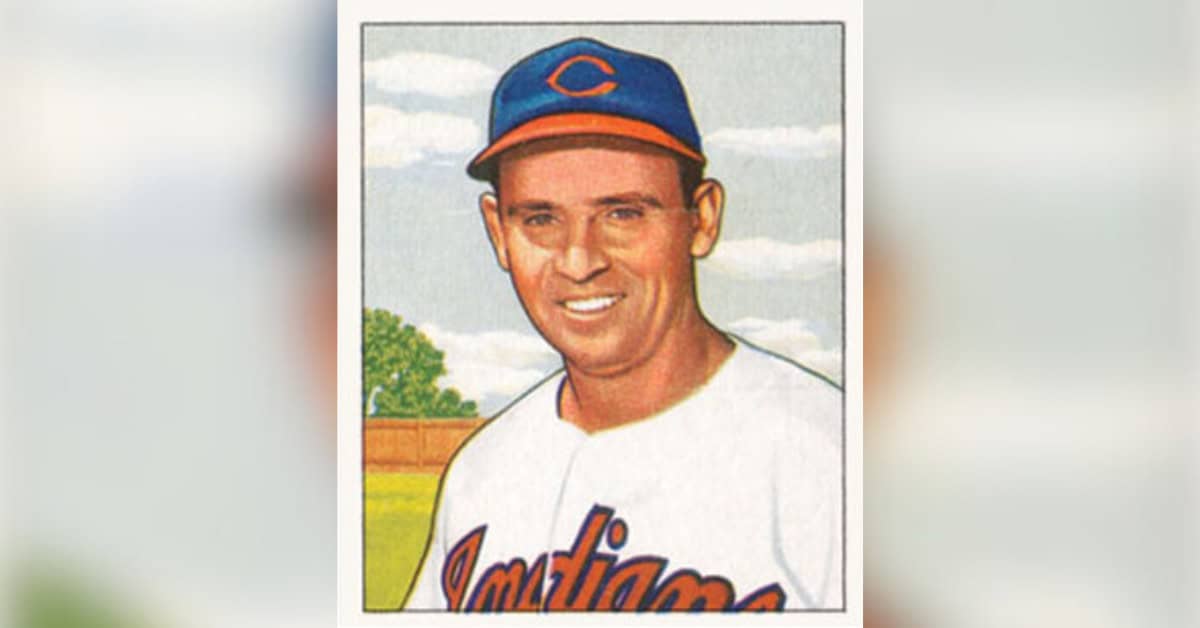
Joe Gordon’s acrobatic fielding at second base earned him the “Flash Gordon” nickname and helped both the Yankees and Indians win World Series rings in the 1940s. The California native’s double-play combinations with various shortstops became poetry in motion, turning routine grounders into works of art. His championship rings from both New York and Cleveland proved that defensive excellence travels well.
Phil Rizzuto: The Scooter Who Made Holy Cow History

Phil Rizzuto’s diminutive stature and lightning-quick reflexes earned him the “Scooter” nickname and three World Series rings with the Yankees in the 1940s. The Brooklyn native’s signature “Holy Cow!” exclamation wouldn’t come until his broadcasting days, but his championship performances were already legendary. His World Series rings proved that heart and hustle could overcome any physical limitation.
Yogi Berra: From Normandy Beach to World Series Glory

Yogi Berra served on a Navy gunboat at D-Day, then returned to help the Yankees win two World Series rings in the 1940s with his clutch hitting and improved defense. The St. Louis native’s malapropisms were still years away, but his championship instincts were already fully developed. His World Series rings represented the American dream realized—from war hero to baseball legend in the span of a decade.
Stan Musial: The Man Who Made St. Louis Sing

Stan Musial’s sweet swing and humble demeanor made him “The Man” to Cardinals fans, helping St. Louis win three World Series rings in the 1940s. The Pennsylvania native’s consistent excellence—he hit .346 for the decade—embodied the blue-collar values of his adopted city. His championship rings were earned through pure hitting ability and a work ethic that made every at-bat look effortless, turning Sportsman’s Park into a cathedral of baseball perfection.