

Last Updated: June 17th, 2026 by Matthew Brown
Long before interleague play and wild card races complicated everything, there were players who made you care about baseball in ways that had nothing to do with pennant races or playoff hopes. These were the guys who made you remember why you fell in love with the game during those lazy summer afternoons when the only thing that mattered was whether someone could turn two or drive in a run when it counted.
Don't lose this article. Enter your email below, and I'll send it to you right now. Plus, we'll send you other unbelievable stories from baseball's past.
Brad Wilkerson’s Swing Looked Like He Was Chopping Firewood
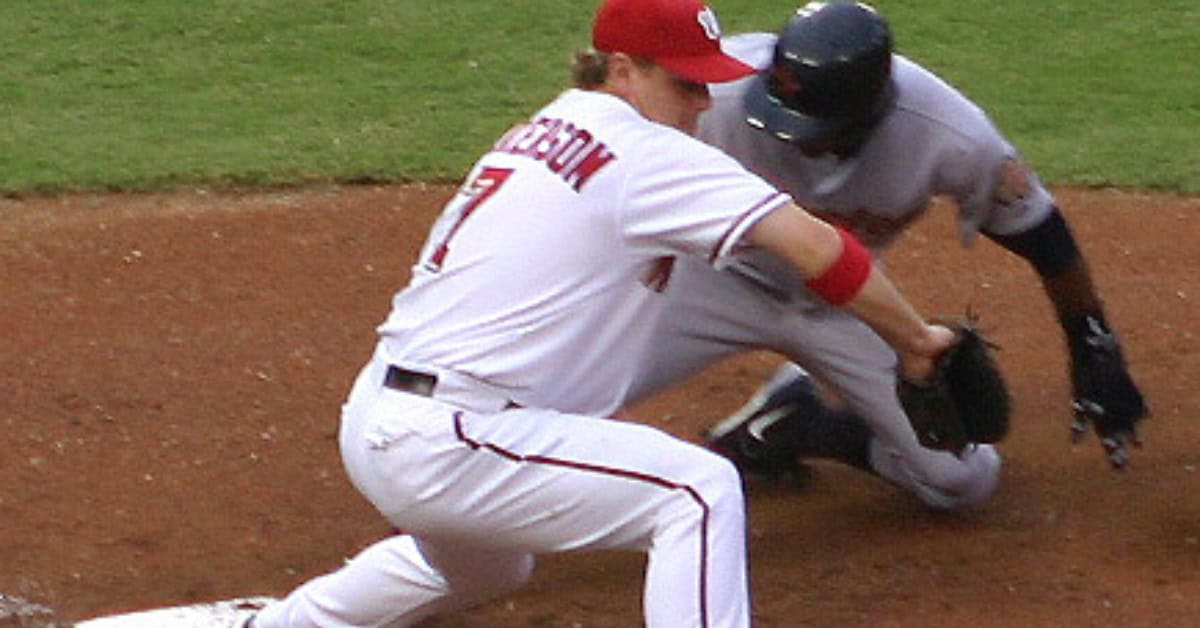
Brad Wilkerson approached every at-bat like he was preparing for a long Canadian winter, swinging with the kind of determined chop that made you wonder if he was trying to split logs instead of baseballs. His stance was all business, no frills—the kind of workmanlike approach that reminded you of your neighbor clearing his driveway at 6 AM. When he connected, the ball didn’t just fly; it got launched with the same purposeful force he brought to everything else.
Warren Cromartie’s Mustache Made Every Dad in Quebec Jealous
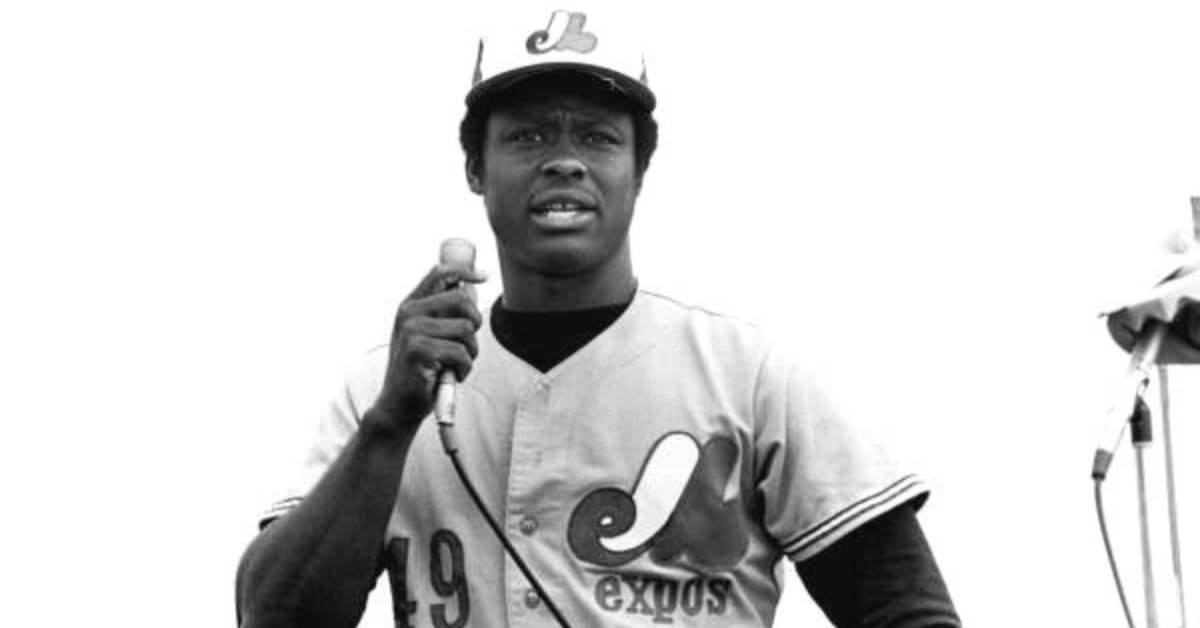
Warren Cromartie’s mustache wasn’t just facial hair—it was a statement piece that made every father in Montreal question their grooming choices. The thing had more personality than most players’ entire careers, perfectly waxed and maintained like a prize-winning garden. Watching him patrol the outfield, you couldn’t help but notice how that mustache seemed to give him extra confidence, like it was his secret weapon against both fastballs and fashion critics.
Mike Lansing’s Double Plays Were Smoother Than Maple Syrup
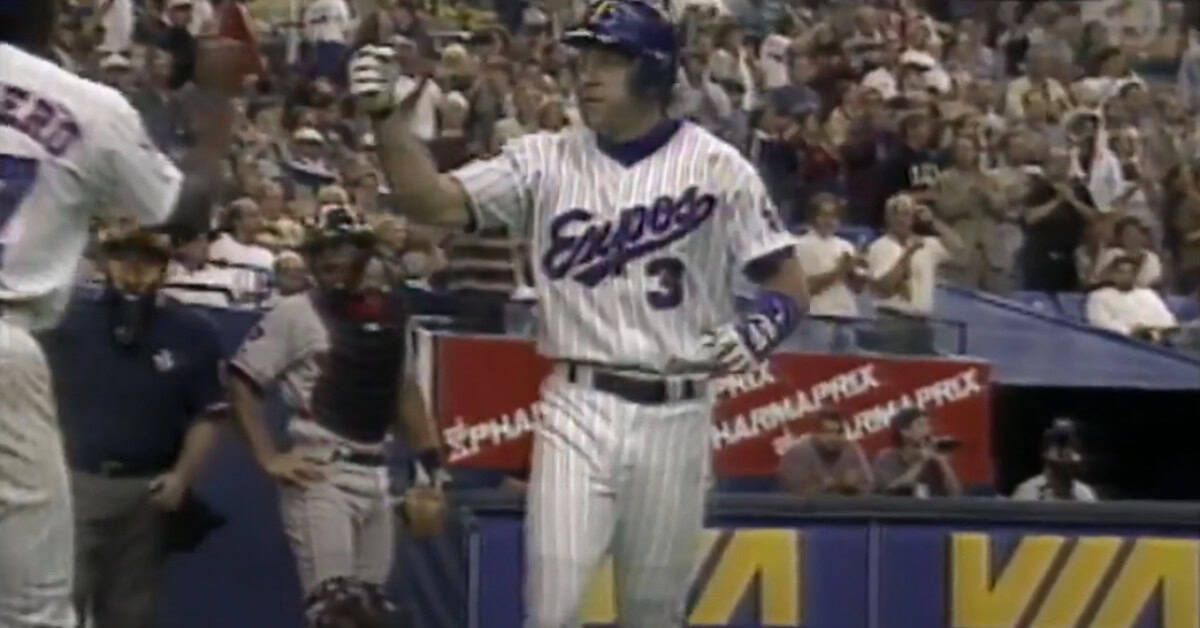
Mike Lansing turned double plays with the kind of fluid grace that made you think he’d been practicing ballet in the off-season. His pivot at second base was poetry in motion—smooth, effortless, and perfectly timed like Sunday morning pancakes. Watching him field a grounder and flip to first was like witnessing a master craftsman at work, each movement deliberate and beautiful in its simplicity.
Orlando Cabrera’s Glove Made Impossible Plays Look Like Grocery Shopping
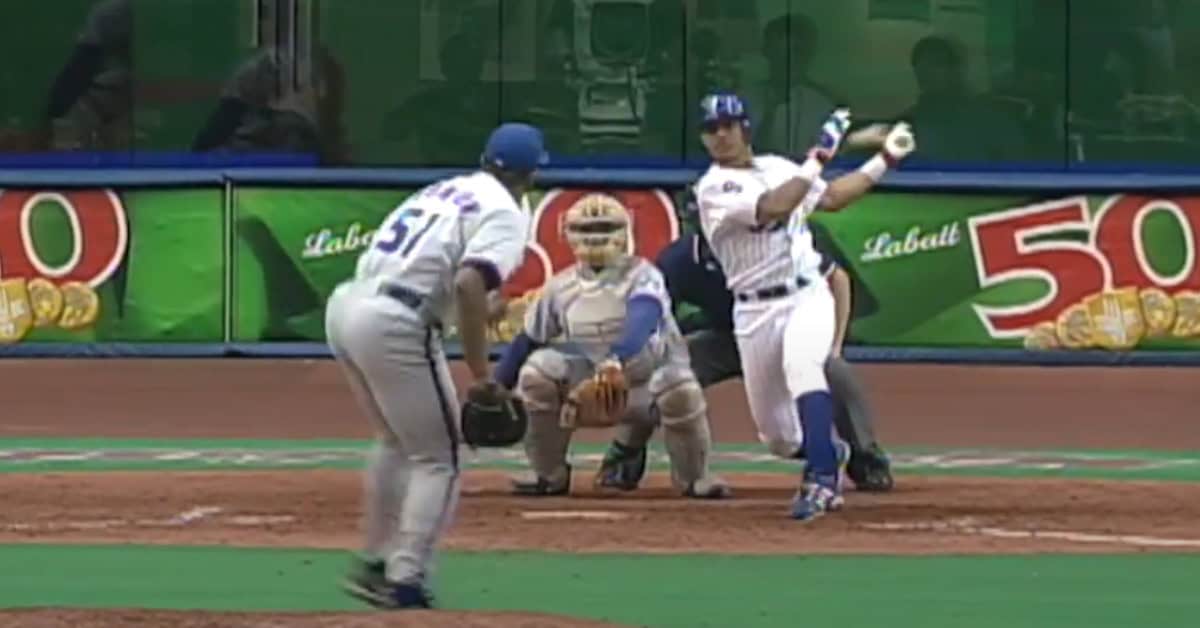
Orlando Cabrera had the kind of casual excellence that made diving catches look as routine as picking up milk at the corner store. His glove work was so effortless that you’d forget how difficult those plays actually were until you saw other shortstops struggle with the same situations. The way he ranged to his left and fired across his body made you believe that maybe, just maybe, defense could be more exciting than offense.
Delino DeShields’ Speed Made You Check Your Watch Twice
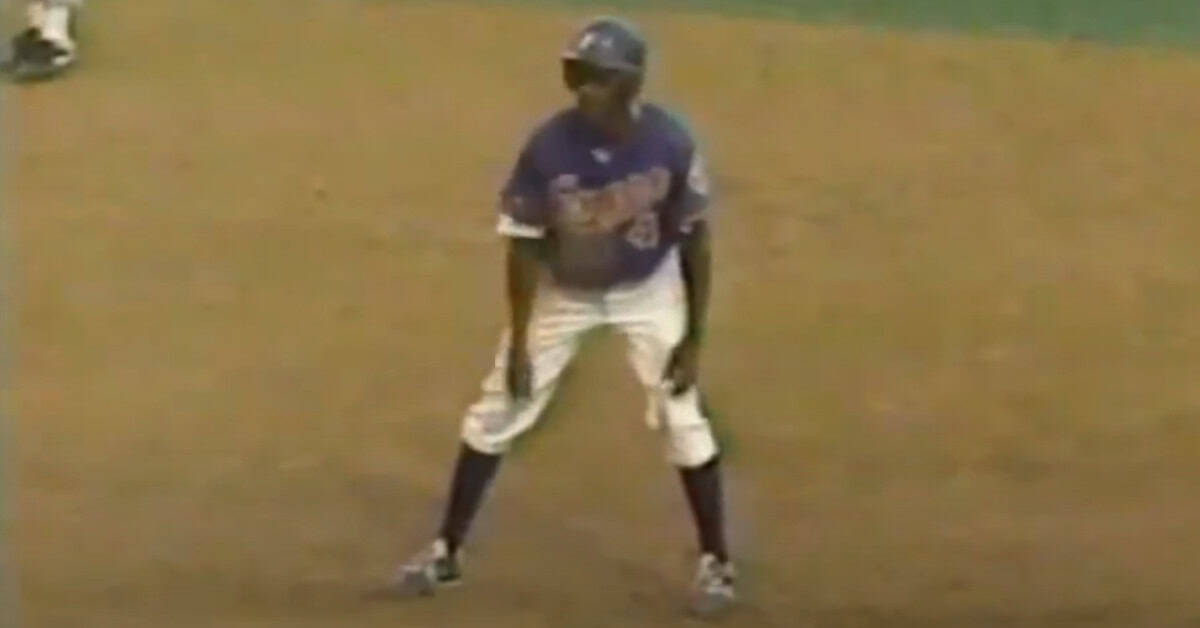
Delino DeShields was so fast that he made you question whether time was moving at normal speed or if someone had hit the fast-forward button on your VCR. His stolen bases weren’t just athletic achievements—they were optical illusions that left catchers wondering if they’d blinked and missed something important. Watching him take off for second base was like watching a magic trick where the magician forgot to explain how he did it.
Nick Johnson’s Eye for Balls Made Umpires Question Their Vision
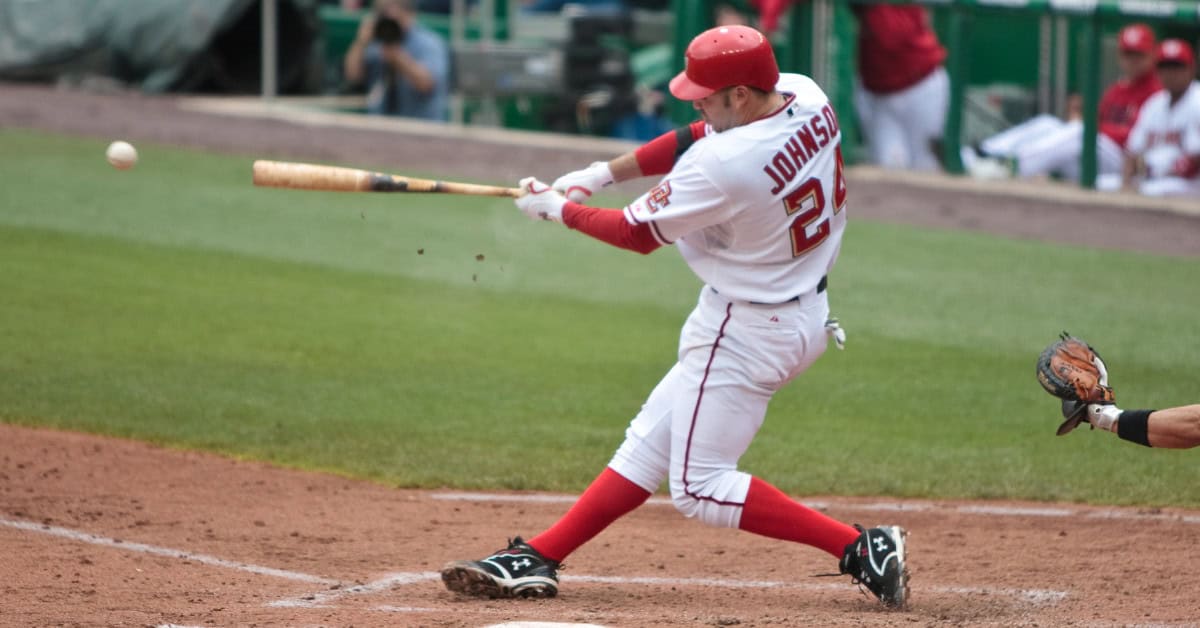
Nick Johnson had the kind of plate discipline that made you wonder if he’d been born with a built-in strike zone detector. His ability to lay off borderline pitches was so precise that umpires would sometimes pause mid-call, as if Johnson’s patience was making them reconsider their own judgment. Watching him work a count was like watching a chess master think three moves ahead, except the chess pieces were 95-mph fastballs.
Mike Jorgensen’s Veteran Presence Felt Like Having Your Uncle Coach
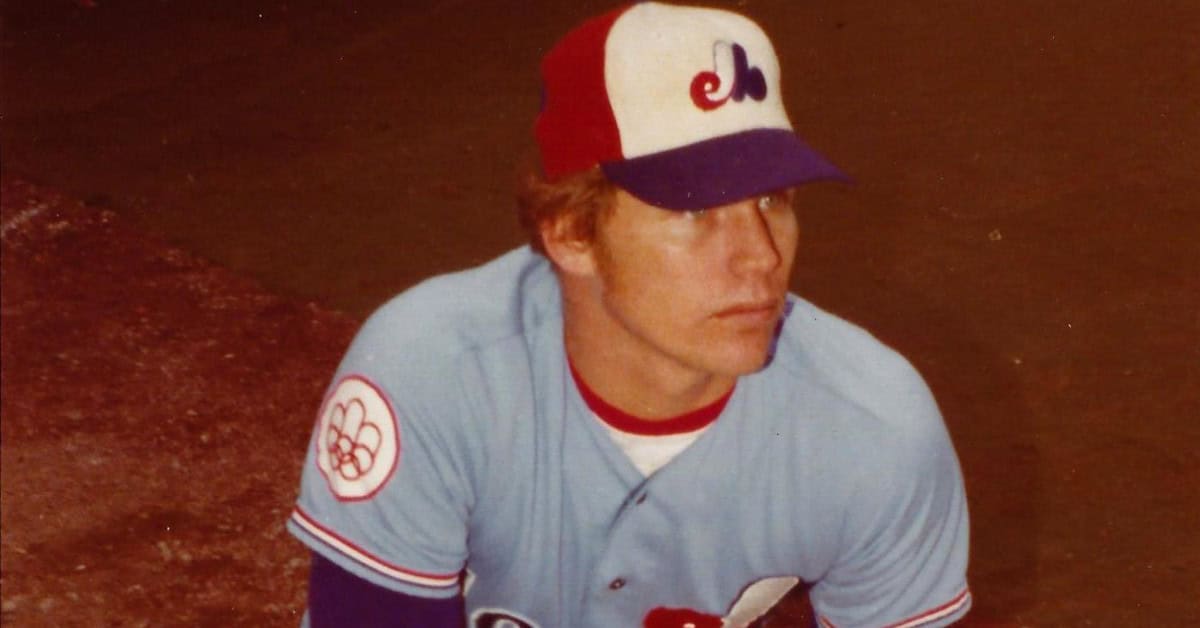
Mike Jorgensen brought the kind of steady, reassuring presence to the clubhouse that made you feel like everything was going to be okay, even when the team was struggling. His veteran leadership wasn’t flashy or dramatic—it was the quiet confidence of someone who’d seen it all and knew that baseball, like life, had a way of working itself out. Having him on the roster felt like having that wise uncle who always knew exactly what to say when things got tough.
Bryn Smith’s Curveball Dropped Like a Broken Zamboni
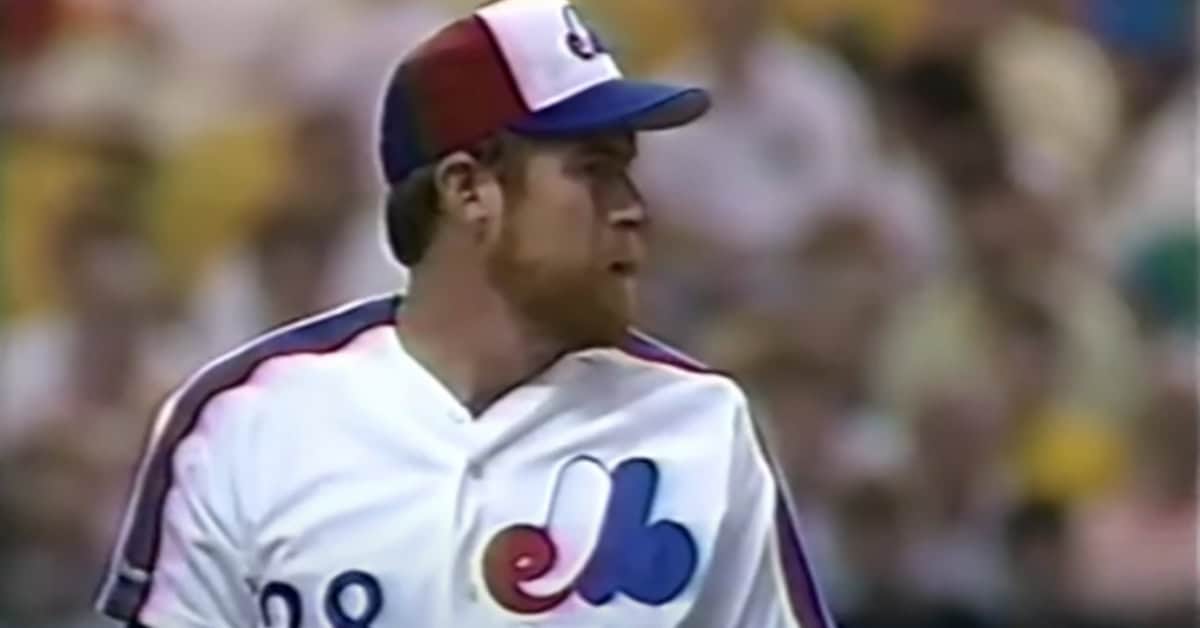
Bryn Smith’s curveball had the kind of sudden, mechanical breakdown that reminded you of Olympic Stadium’s roof on a bad day. The pitch would start its journey looking perfectly normal. Suddenly plummet like it had forgotten how to fly, leaving batters swinging at air with the same confused expression you’d see on tourists trying to figure out Montreal’s subway system. His breaking ball didn’t just curve—it collapsed with the dramatic flair of a French-Canadian soap opera.
Jeff Fassero’s Slider Made Batters Look Like They Were Swatting at Snowflakes
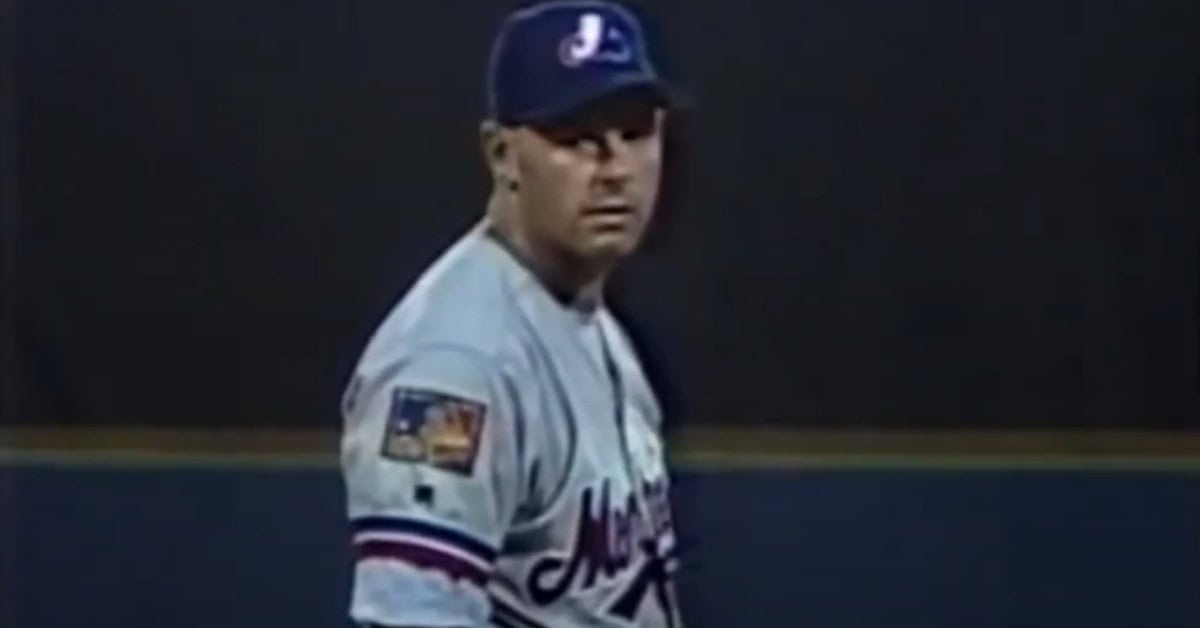
Jeff Fassero’s slider danced through the strike zone with the unpredictable movement of snowflakes in a Montreal winter storm. Batters would start their swing with confidence, only to find themselves waving at a pitch that had mysteriously changed direction mid-flight, like it was being controlled by some invisible hand. His slider didn’t just move—it performed a disappearing act that left hitters looking as bewildered as someone trying to catch snowflakes with their bare hands.
Fernando Tatis’s Quiet Consistency Made You Appreciate the Little Things
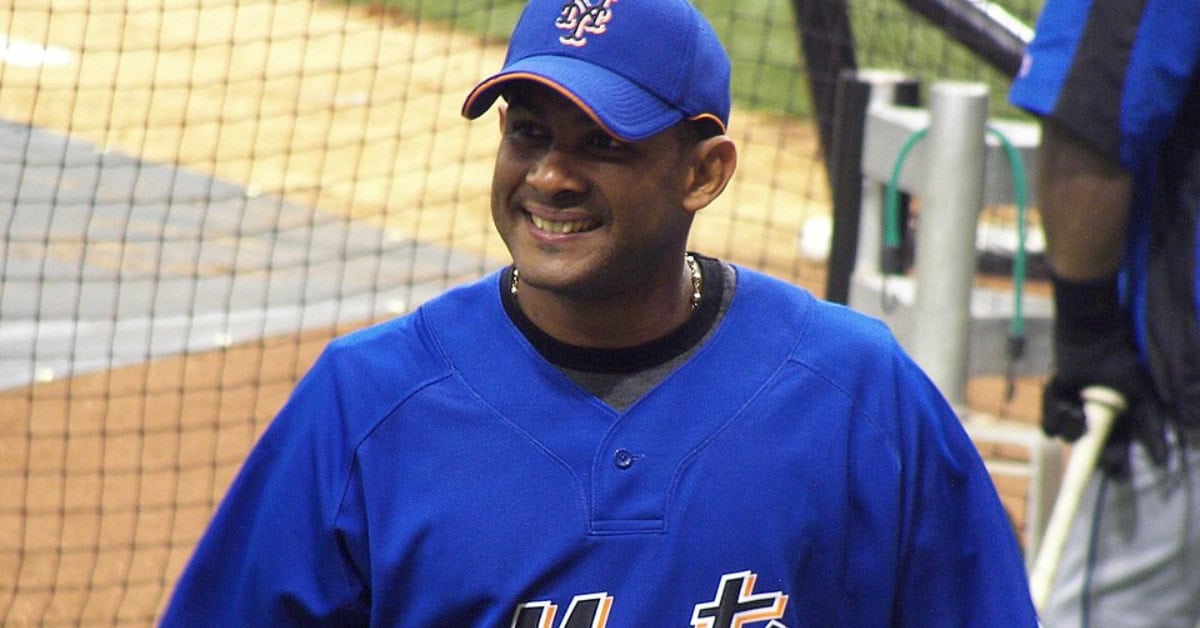
Fernando Tatis Sr. was the kind of steady, workmanlike player who made you appreciate baseball’s quieter moments during his time with the Expos. His approach at the plate was all business—no flash, no theatrics, just solid fundamentals and the kind of reliable production that kept rallies alive. Watching Tatis work counts and find ways to get on base reminded you that sometimes the most valuable players were the ones who did their job without needing a spotlight.
Tomo Ohka’s Changeup Floated Like a Paper Airplane in a Blizzard
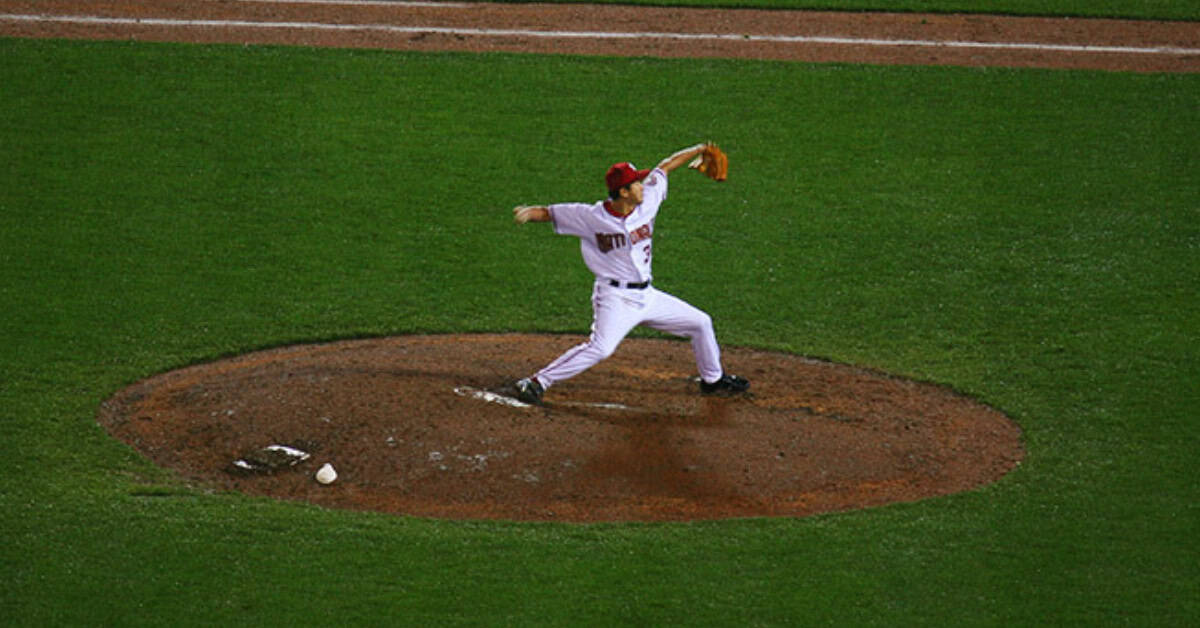
Tomo Ohka’s changeup had the kind of delicate, unpredictable movement that made you think of a paper airplane caught in a snowstorm—you knew it was coming down, but you had no idea where it would land. His off-speed pitch floated toward home plate with such deceptive gentleness that batters would start their swing expecting a fastball, only to find themselves completely fooled by something that looked like it was thrown underwater. The pitch didn’t just change speeds—it changed the laws of physics.
Bob Bailey’s Home Run Swing Had More Arc Than the St. Lawrence Seaway
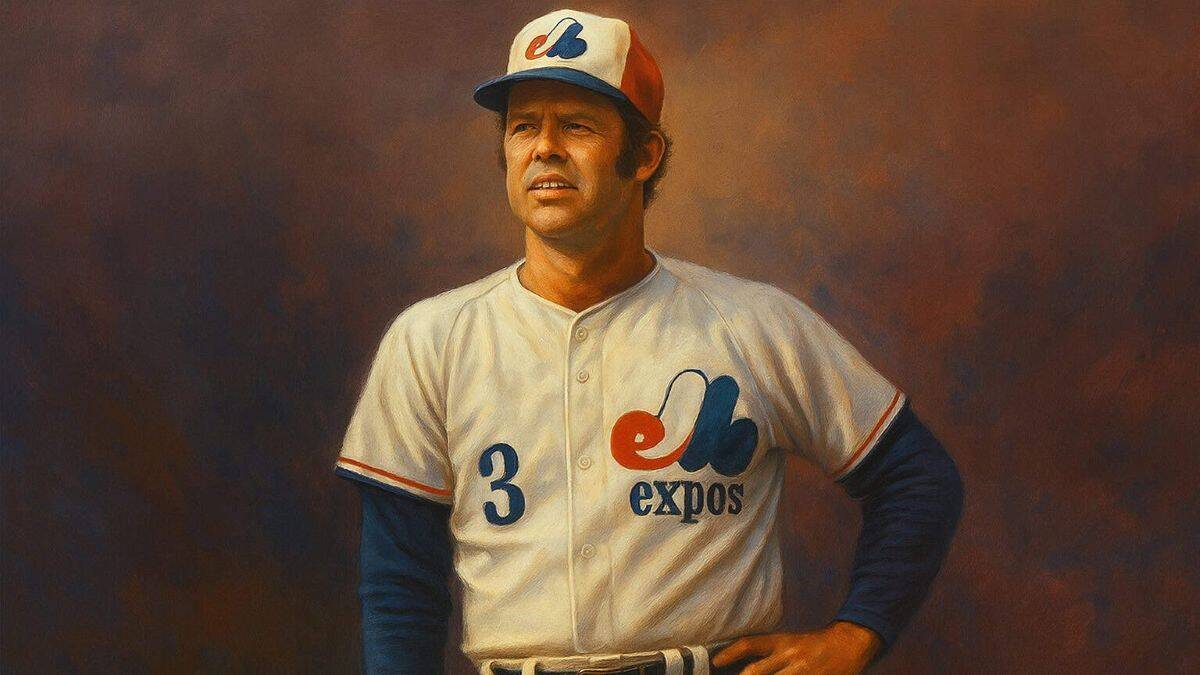
Bob Bailey’s home run swing was a thing of beauty that traced a perfect arc through the Montreal sky, higher and more graceful than the ships navigating the St. Lawrence Seaway below. His uppercut was so pronounced that you could practically chart the trajectory before the ball even left his bat, each swing a masterpiece of physics and timing. When Bailey connected, the ball didn’t just leave the park—it embarked on a scenic tour of the Montreal skyline, giving fans enough time to admire the view before it finally came down somewhere near the Olympic Village.