
Last Updated: June 17th, 2026 by Matthew Brown
To most of the world, American baseball stadiums were architectural anomalies that defied every logical principle of sports venue design. While football pitches and basketball courts maintained rigid standardization across continents, baseball parks celebrated chaos, asymmetry, and local eccentricity in ways that baffled international visitors. These uniquely American features made baseball stadiums unlike any sporting venue on Earth—and most of them have vanished forever.
Don't lose this article. Enter your email below, and I'll send it to you right now. Plus, we'll send you other unbelievable stories from baseball's past.
Asymmetrical Fields Where Every Stadium Had Different Dimensions
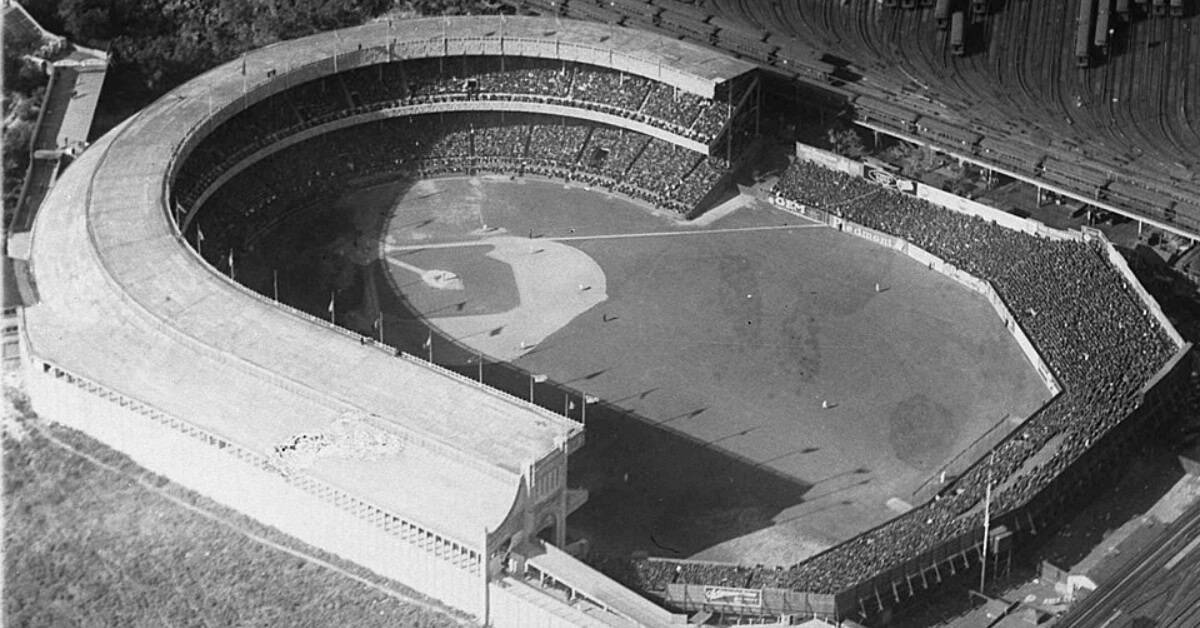
Unlike every other major sport where playing surfaces are identical worldwide, baseball stadiums featured wildly different dimensions that could turn routine plays into home runs or transform sure hits into easy outs depending on which city you visited. Fenway Park’s left field wall stood just 310 feet from home plate while the Polo Grounds’ center field stretched an absurd 483 feet, creating completely different games within the same sport. This architectural anarchy meant that strategies, player values, and even team construction varied dramatically based on your home stadium’s unique geometry, a concept that would seem insane to soccer fans accustomed to perfectly standardized pitches from Manchester to Madrid.
Foul Territory That Meant Half the Action Happened Outside the Playing Field
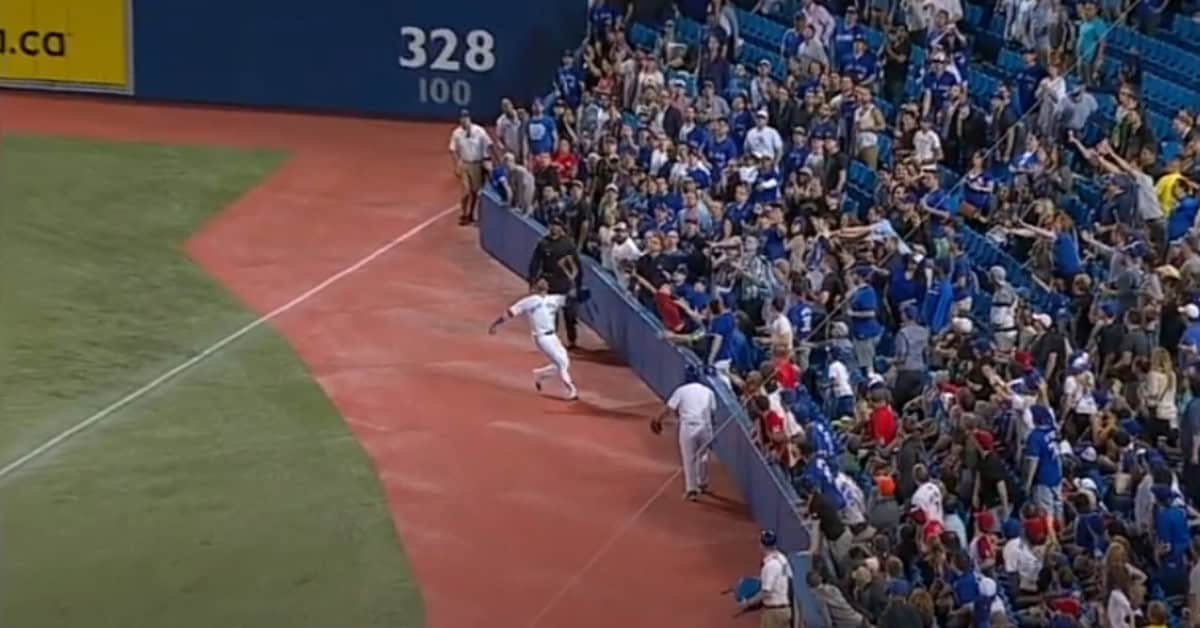
Baseball’s concept of “foul territory” created a bizarre sporting reality where balls hit outside the playing area remained live and catchable, turning spectator areas into extensions of the field that could dramatically affect game outcomes. Players would sprint into stands, crash into railings, and dive among hot dog vendors to catch balls that in any other sport would simply be considered out of bounds and dead. This uniquely American innovation meant that fans sitting in “foul territory” were essentially occupying an active playing surface, creating a level of spectator involvement that would terrify safety officials in countries where clear boundaries separate players from paying customers.
Players Who Could Argue With Referees Without Getting Ejected Immediately
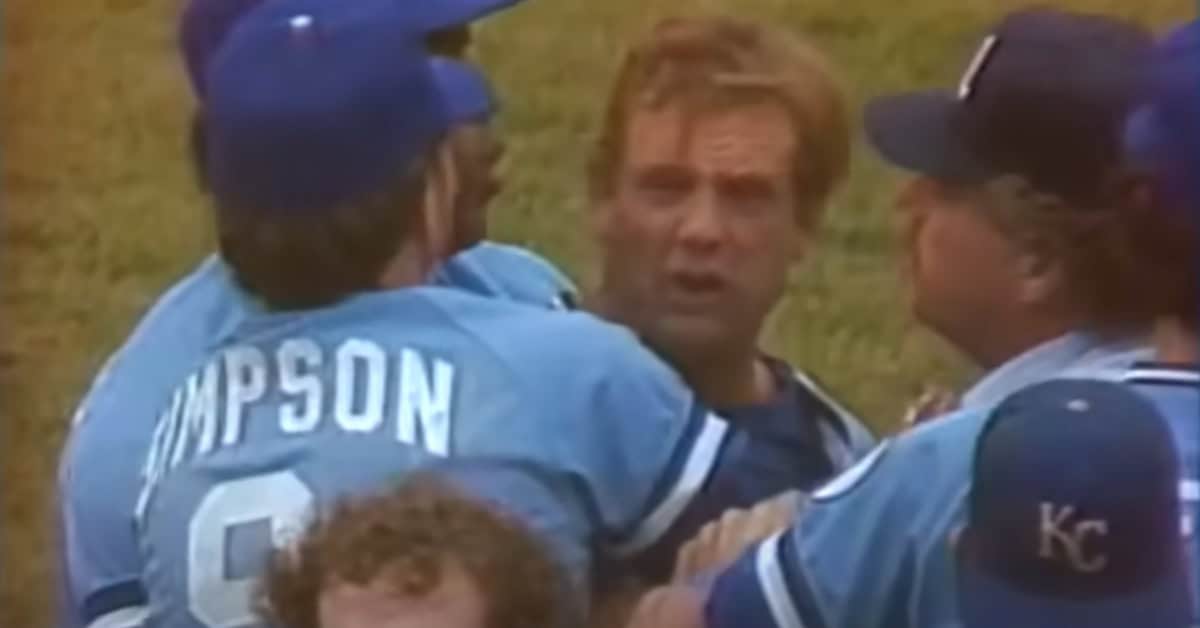
Baseball’s tolerance for extended arguments between players and umpires created theatrical confrontations that would result in immediate red cards in soccer or technical fouls in basketball, but were considered normal entertainment in American ballparks. Managers could storm onto the field, kick dirt, wave their arms wildly, and engage in face-to-face screaming matches with officials while crowds cheered the spectacle, treating referee abuse as legitimate sporting drama rather than unsportsmanlike conduct. This cultural acceptance of authority-challenging behavior reflected a uniquely American approach to sports officiating that prioritized emotional expression over rigid respect for referees, creating some of baseball’s most memorable moments through what other countries would consider embarrassing breaches of sporting etiquette.
Fans Who Could Keep Their Own Official Score During Games
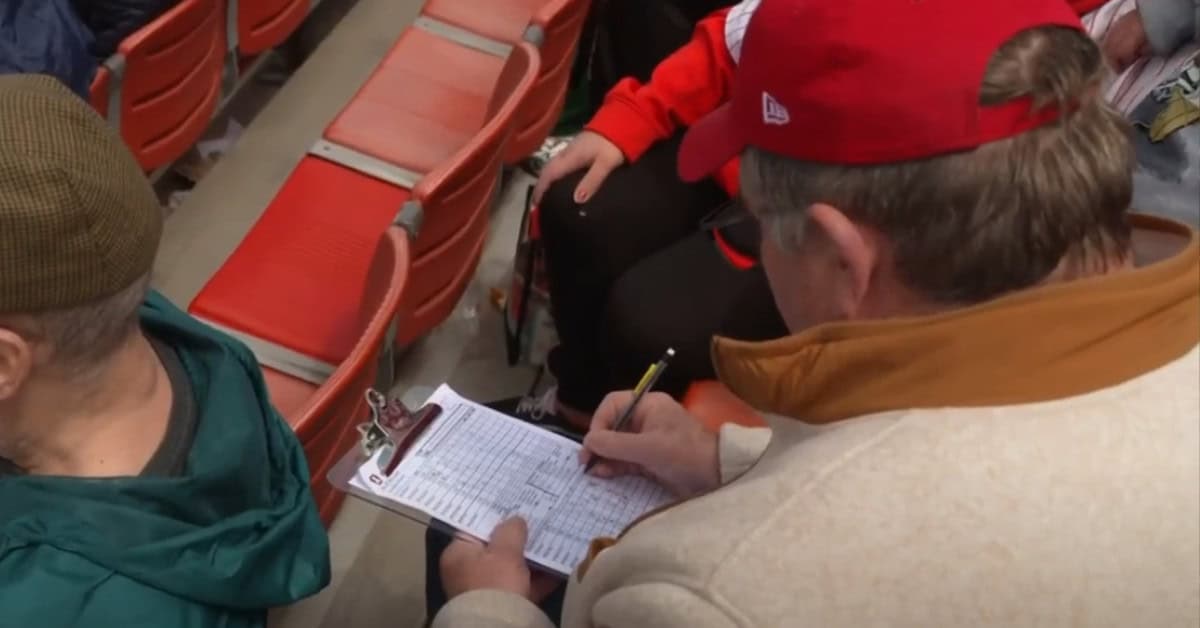
Baseball’s tradition of fan scorekeeping created a unique participatory experience where spectators could maintain their own official record of the game using a complex system of symbols, abbreviations, and statistical tracking that rivaled professional bookkeeping. Armed with scorecards and pencils, fans would meticulously record every at-bat, defensive play, and strategic decision, creating personal archives that served as both memory aids and mathematical puzzles that enhanced their understanding of the game’s intricate details. This level of fan engagement went far beyond passive spectating, transforming attendees into active participants who could reconstruct entire games from their handwritten notes, a concept that would seem obsessively analytical to international sports fans accustomed to simply watching and cheering.
Spectators Allowed to Keep Balls Hit Into the Stands as Souvenirs

Baseball’s “finders keepers” policy for balls hit into the stands created a unique form of legalized sporting theft where spectators could permanently claim official game equipment simply by being in the right place at the right time. Fans would bring gloves to games, dive over railings, and engage in aggressive scrambles for foul balls and home runs, treating these leather spheres as valuable trophies worth fighting strangers to possess. This American tradition would seem bizarre to international sports fans accustomed to security guards immediately retrieving any balls that leave the playing area, making baseball stadiums the only major sporting venues where paying customers could walk away with actual pieces of the game they just witnessed.
Outfield Walls of Wildly Different Heights Creating Unique Bounces
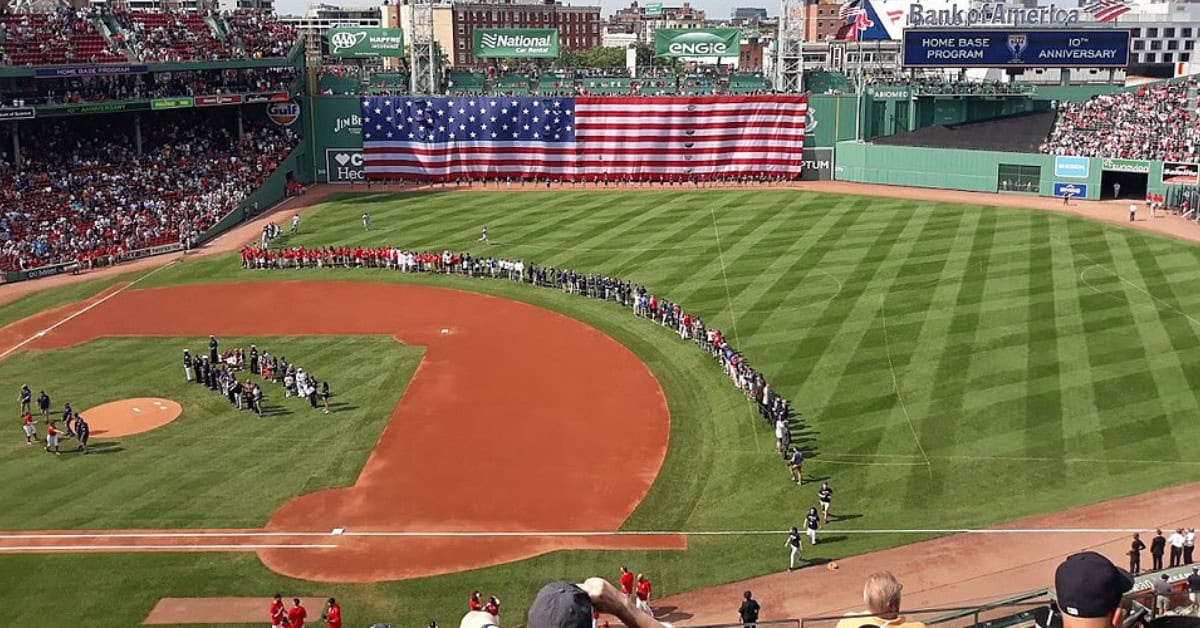
Baseball’s outfield walls ranged from intimate 3-foot barriers to towering 37-foot monsters, creating dramatically different playing conditions that could turn identical hits into completely different outcomes depending on which stadium hosted the game. Players had to master the specific caroms, angles, and bounces of their home park’s unique wall configuration, developing specialized skills that became useless when playing in venues with different architectural personalities. This wall variety meant that a player could be a defensive genius at home and a complete liability on the road, as each ballpark’s outfield geometry required its own set of positioning, timing, and anticipation skills that took years to master and had no application anywhere else in the sporting world.
Stadium Quirks Like Poles and Hills That Were Part of the Playing Field
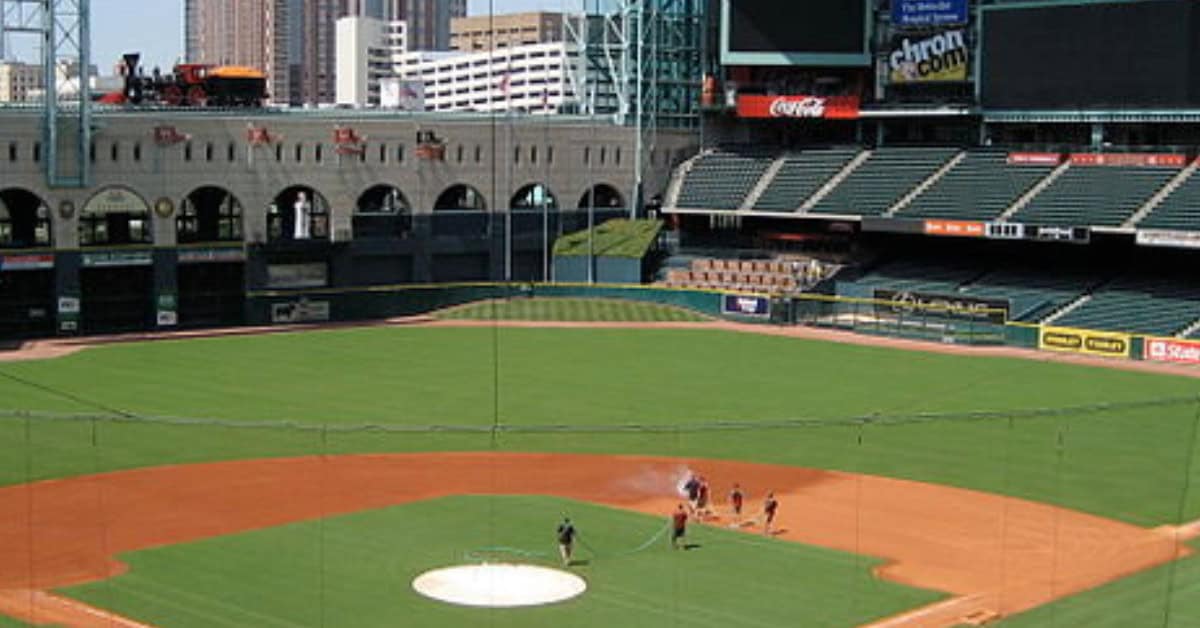
Some baseball stadiums featured architectural obstacles that would be considered design flaws in any other sport but were celebrated as charming quirks that added character and unpredictability to the game. Houston’s Minute Maid Park included a hill in center field complete with a flagpole that players had to navigate while chasing fly balls, while Fenway Park’s Pesky Pole created situations where 300-foot pop flies could become home runs due to its proximity to the foul line. These permanent obstacles meant that routine plays could become adventures in spatial navigation, requiring outfielders to develop mountain climbing skills alongside their baseball abilities and creating highlight reels that looked more like obstacle course competitions than professional sporting events.
Rooftop Seating on Buildings Outside the Stadium That Counted as Tickets
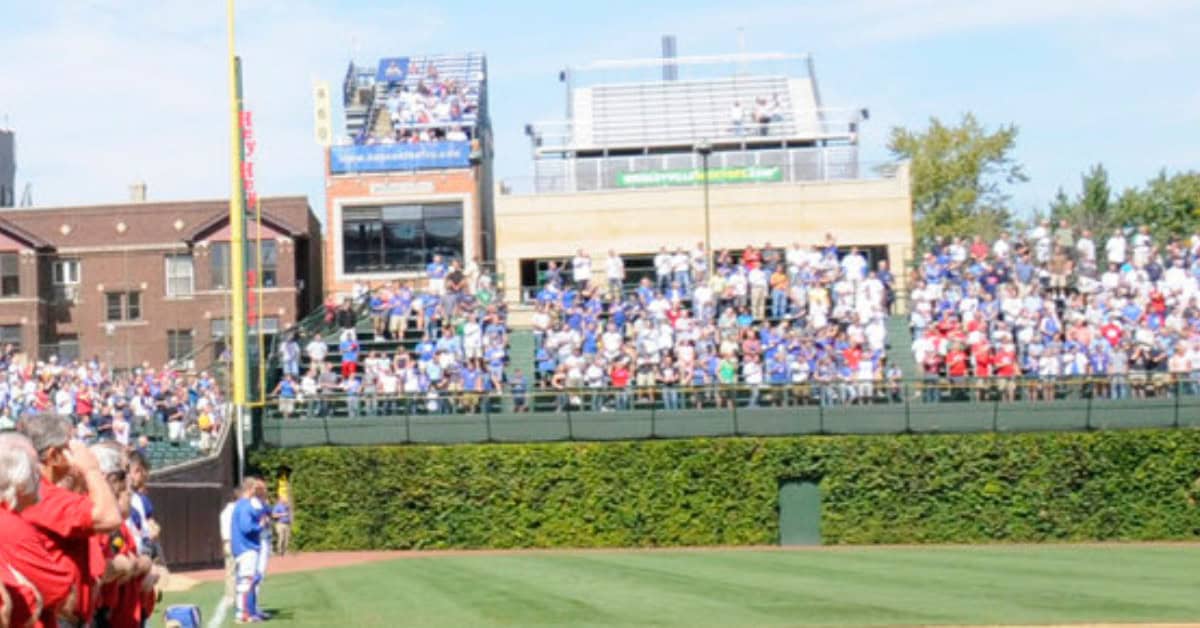
Chicago’s Wrigley Field created the bizarre phenomenon of rooftop seating where fans could purchase tickets to watch games from apartment buildings and businesses located outside the actual stadium, turning the surrounding neighborhood into an extension of the ballpark. These rooftop venues offered full bar service, catered meals, and premium viewing experiences that technically weren’t inside the stadium but provided better sightlines than many official seats, creating a parallel economy of baseball viewing that existed in legal limbo. This uniquely American approach to sports venue boundaries would confuse international visitors accustomed to clear distinctions between inside and outside stadium experiences, making Wrigley Field the only major sporting venue where you could watch a professional game while technically being a trespasser on someone else’s property.
Dugouts Below Field Level Where Players Disappeared Underground
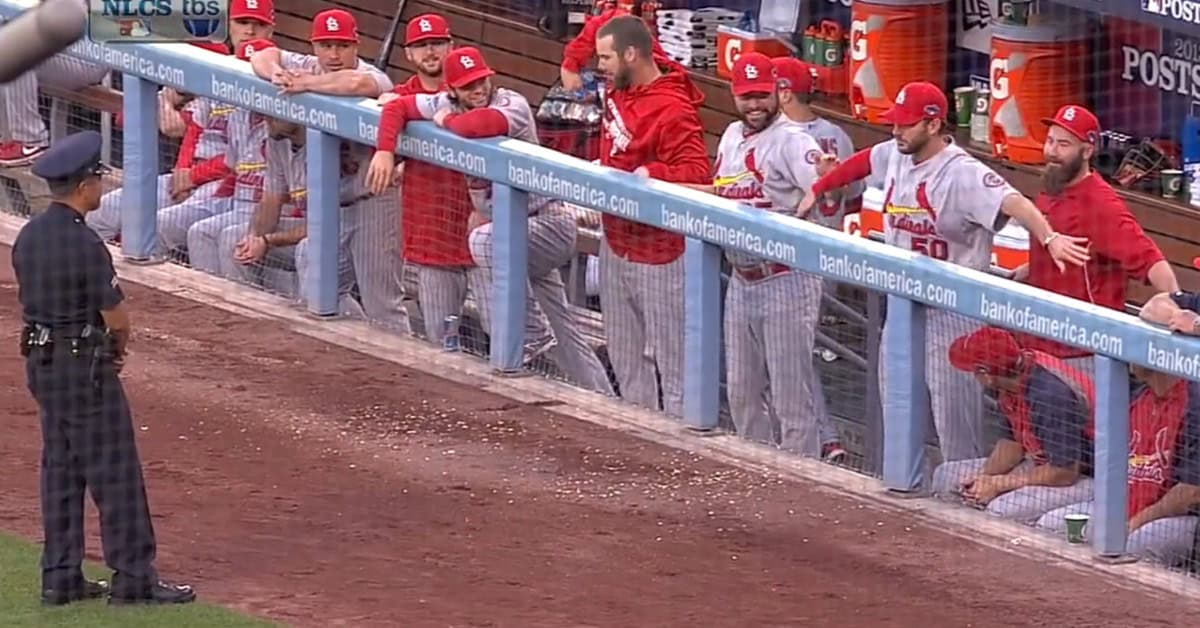
Baseball’s sunken dugouts created the surreal sight of professional athletes literally disappearing below ground level when they weren’t actively playing, as if the earth was swallowing them between innings only to spit them back out when needed. This subterranean team housing concept meant that players, coaches, and managers conducted their strategic discussions in concrete bunkers that provided protection from foul balls while creating an atmosphere that resembled military trenches more than sporting facilities. International visitors accustomed to elevated team benches that kept players visible and accessible found baseball’s underground hideouts bizarre, as they eliminated the constant visual connection between athletes and spectators that characterized every other major sport.
Seventh-Inning Stretch Where Everyone Stood Up Mid-Game to Sing
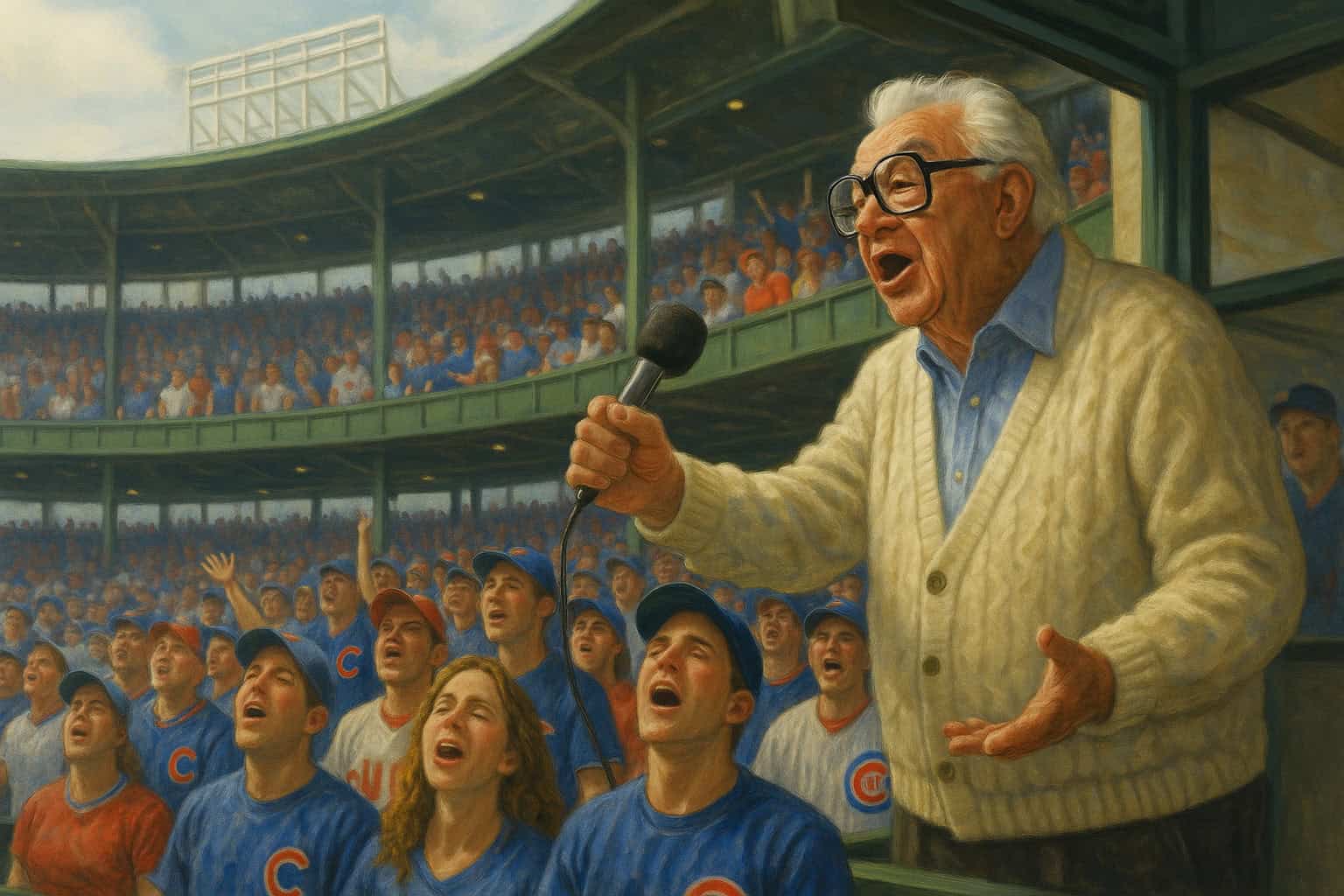
Baseball’s seventh-inning stretch transformed every game into a mandatory musical theater performance where tens of thousands of strangers would simultaneously stand up and sing “Take Me Out to the Ball Game” regardless of the score, weather, or competitive tension on the field. This ritualistic interruption of sporting action for communal singing had no equivalent in international sports, where fans might chant or sing spontaneously but never participated in organized, stadium-wide musical numbers that temporarily transformed athletic venues into concert halls. The tradition created a uniquely American moment where competitive sports took a backseat to community bonding, as players, umpires, and spectators all acknowledged that sometimes baseball was less important than preserving a century-old tradition of collective warbling that somehow made perfect sense to everyone involved.