

Last Updated: June 17th, 2026 by Michael Schatz
The 1980s belonged to catchers who wore their gear like armor and swung their bats like knights wielding swords. These backstops didn’t just catch pitches—they caught lightning in a bottle, defining a decade when the position meant equal parts grit, power, and theatrical flair. From Montreal’s Olympic Stadium to Detroit’s Tiger Stadium, these masked men turned every at-bat into appointment television.
Don't lose this article. Enter your email below, and I'll send it to you right now. Plus, we'll send you other unbelievable stories from baseball's past.
Gary Carter – The Kid Behind the Plate Who Made Montreal Magic
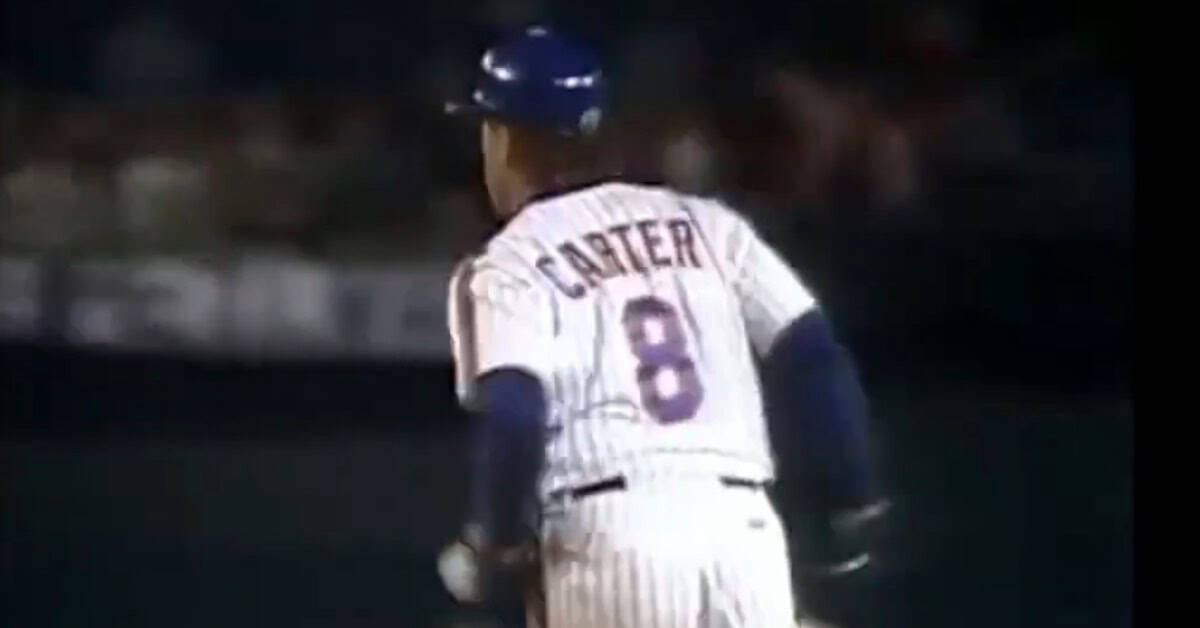
Gary Carter embodied everything magical about 1980s baseball, from his infectious smile to his clutch hitting that made Olympic Stadium electric. The Kid hit .255 with 220 home runs during the decade, leading the National League with 106 RBIs in 1984 while earning three Gold Gloves. His trade to the Mets in 1985 brought him the World Series ring that had eluded him in Montreal, but it was his decade-long dominance in Expos blue and red that cemented his Hall of Fame legacy.
Lance Parrish – Detroit’s Mustachioed Slugger Who Defined Power Catching
Lance Parrish’s mustache was as iconic as his moonshot home runs, making him the poster child for 1980s power hitting from behind the plate. The Detroit stalwart smashed 247 home runs during the decade, more than any other catcher, while helping the Tigers capture the 1984 World Series. His 33 homers in that championship season perfectly encapsulated the era’s emphasis on offensive catchers who could change games with one swing of the bat.
Carlton Fisk – The Ageless Wonder Who Waved Fair the Most Famous Home Run
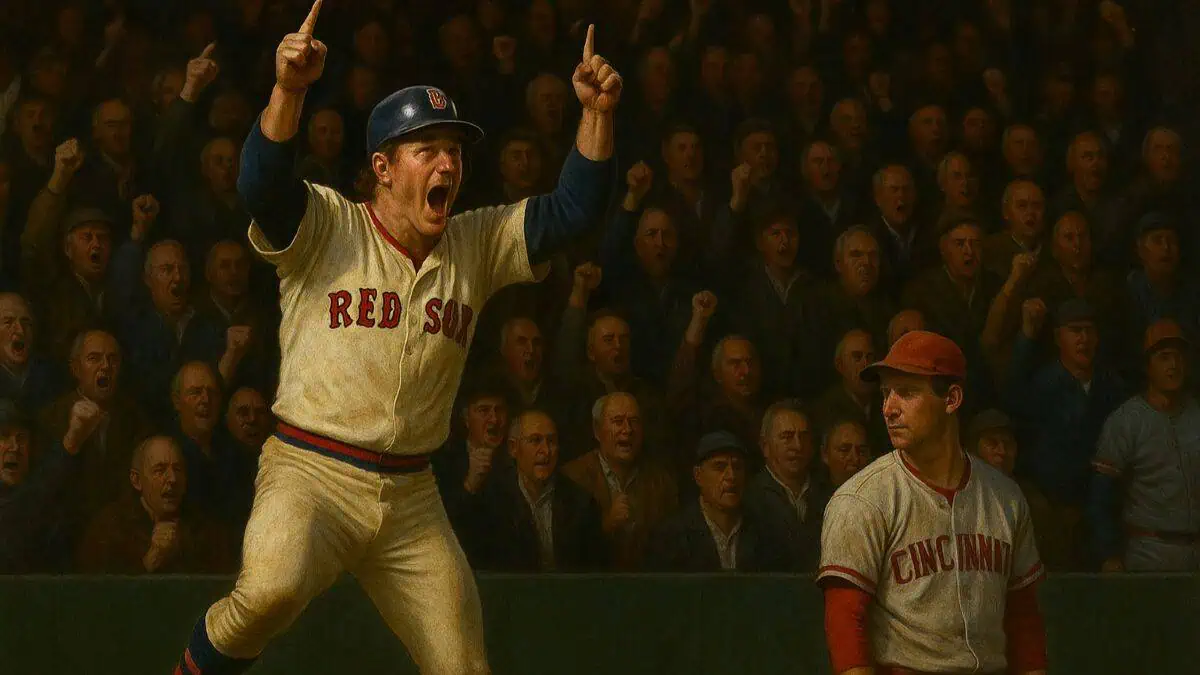
Carlton Fisk entered the 1980s as the man who waved fair the most famous home run in baseball history, then spent the decade proving that 1975 moment was just the beginning. After signing with Chicago as a free agent, Pudge hit 218 home runs in the 1980s, including a career-high 37 in 1985 that set an American League record for catchers. His longevity and power made him the bridge between baseball’s past and future, embodying the decade’s transition from small-ball to the long-ball era.
Ted Simmons – The Switch-Hitting Maestro Who Hit Like a First Baseman

Ted Simmons redefined what a catcher could be at the plate, switching sides with the grace of a ballet dancer and the power of a slugger. His .260 average with 95 home runs during the 1980s made him one of the most consistent offensive catchers of the decade, helping Milwaukee reach the 1982 World Series. The switch-hitting maestro’s ability to hit for both average and power from either side of the plate made him a matchup nightmare that perfectly captured the era’s evolving offensive philosophy.
Tony Peña – The Acrobatic Artist Who Turned Defense into Performance Art

Tony Peña’s one-knee stance wasn’t just a defensive innovation—it was pure theater that made every pitch an event at Three Rivers Stadium. The Dominican Republic native won three Gold Gloves during the 1980s while hitting .261 with 78 home runs, making him the most exciting defensive catcher of the decade. His acrobatic style and infectious personality turned routine pop-ups into must-see television, embodying the era’s flair for the dramatic.
Bob Boone – The Defensive Wizard Whose Career Spanned Four Decades
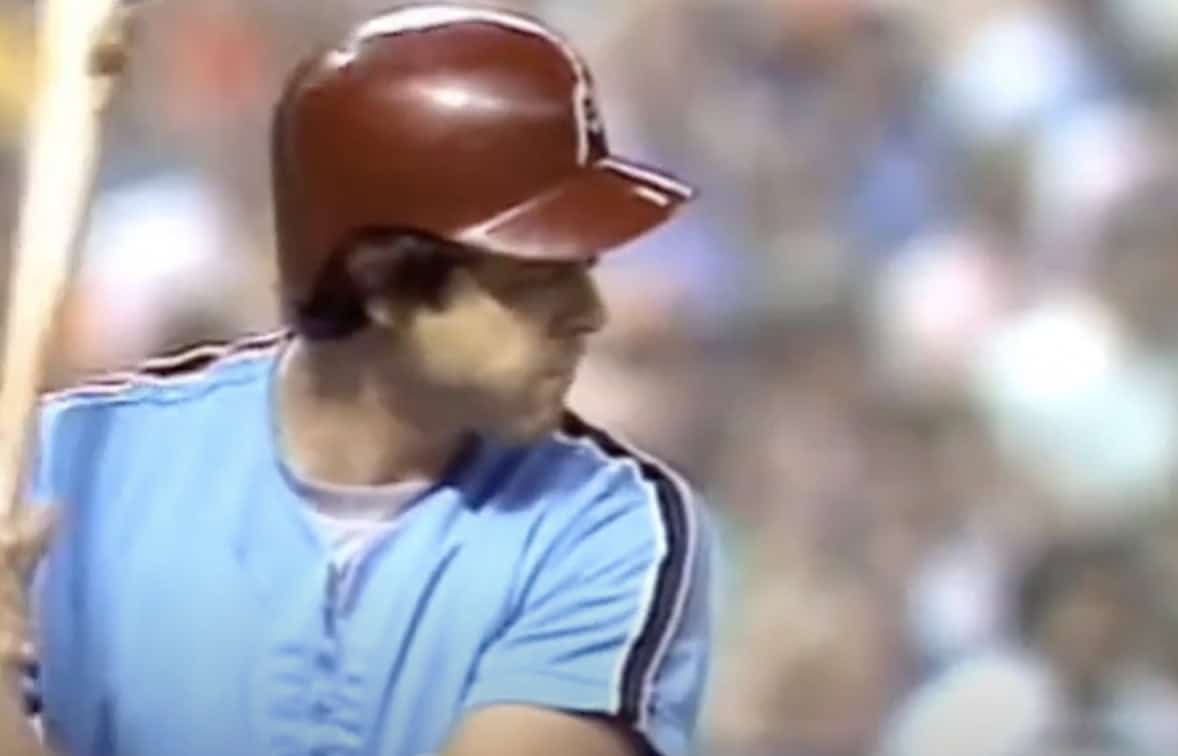
Bob Boone set the gold standard for defensive excellence, playing in four different decades. His five Gold Gloves during the 1980s with Philadelphia and California made him one of the most trusted receivers in baseball, the kind of steady presence that pitchers dreamed of throwing to. Boone’s .992 fielding percentage and leadership skills made him the decade’s most valuable defensive catcher, proving that some statistics matter more than others.
Terry Kennedy – San Diego’s Steady Hand During the Padre Glory Years
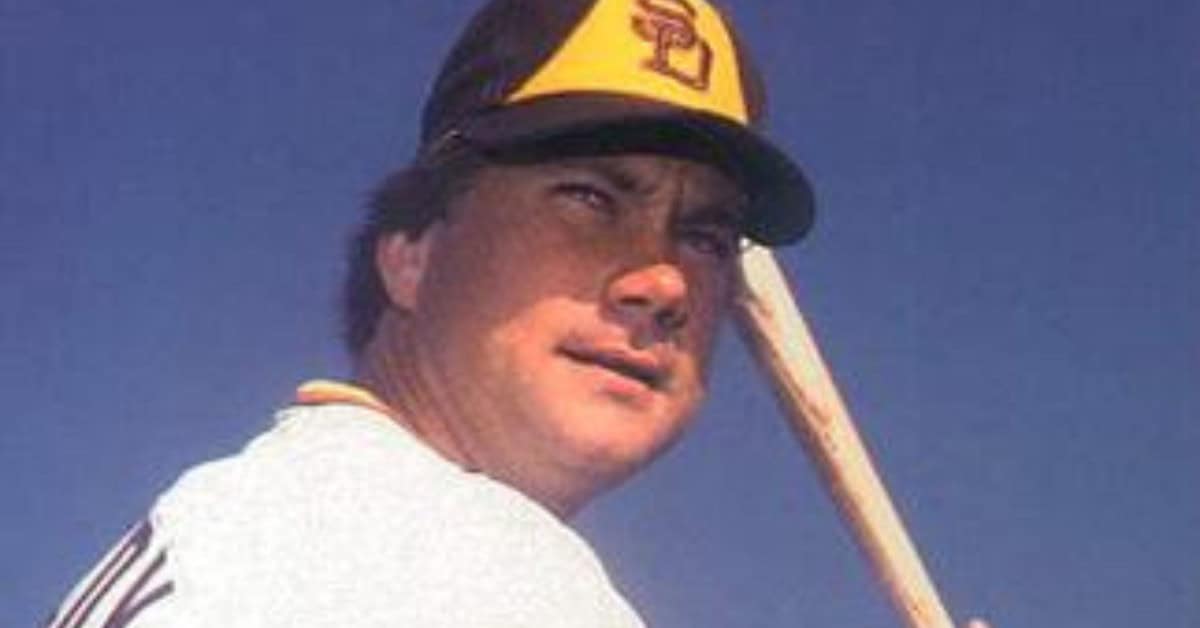
Terry Kennedy anchored San Diego’s surprising 1984 National League championship run with the kind of steady leadership that made Jack Murphy Stadium believe in miracles. His .264 average with 108 home runs during the decade provided the offensive consistency that helped transform the Padres from expansion afterthought to pennant winner. Kennedy’s four All-Star selections in the 1980s proved that sometimes the most important statistics are the ones that don’t show up in the box score.
Rich Gedman – Boston’s Clutch Performer Who Almost Caught a Championship

Rich Gedman’s 1986 season epitomized the heartbreak and glory of 1980s baseball, as his 16 home runs and 65 RBIs helped carry Boston to within one strike of a World Series title. The left-handed hitting catcher provided the Red Sox with consistent offense throughout the decade, hitting .259 with 83 home runs while becoming a fan favorite at Fenway Park. His clutch hitting in the 1986 playoffs made him a Boston legend, even though the championship ultimately slipped away.
Jody Davis – The Cubs’ Quiet Slugger Who Powered Wrigley’s Renaissance
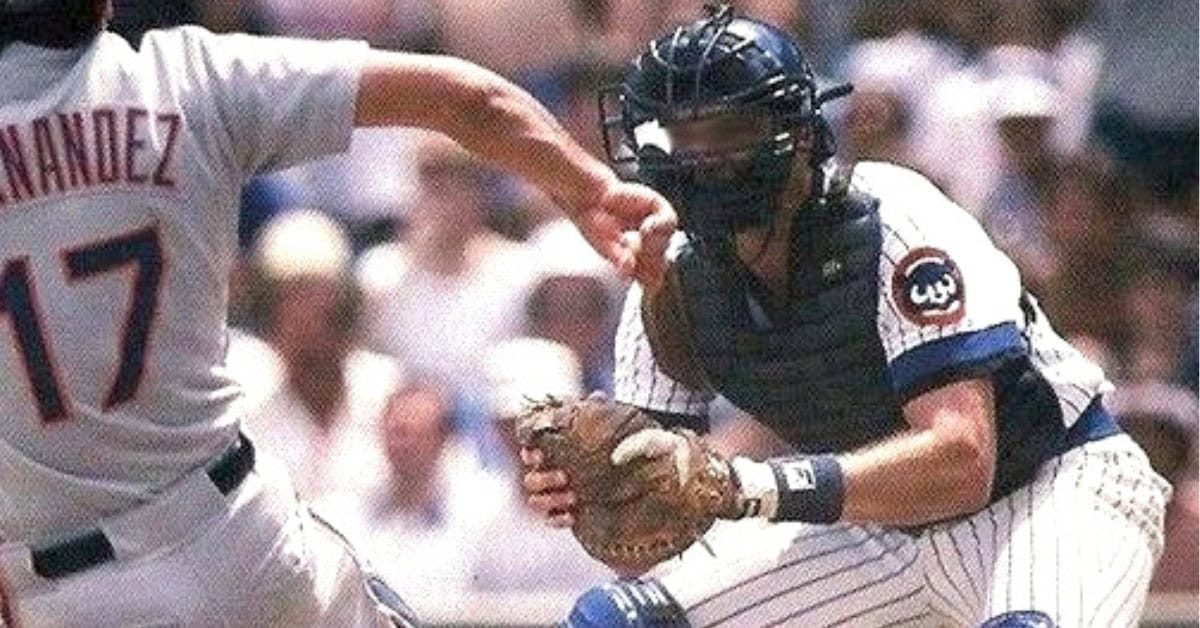
Jody Davis quietly became one of the decade’s most productive offensive catchers, hitting .252 with 122 home runs while helping the Cubs reach the 1984 NLCS. His 19 home runs and 94 RBIs in that magical season provided the power that made Wrigley Field electric during Chicago’s first playoff appearance in 39 years. Davis embodied the workmanlike approach that defined 1980s baseball, proving that consistent production often trumps flashy statistics.
Rick Dempsey – Baltimore’s Scrappy Warrior Who Danced in the Rain

Rick Dempsey’s rain-delay antics at Memorial Stadium were as legendary as his clutch hitting, making him the most entertaining catcher of the 1980s. His .233 average with 50 home runs during the decade might not impress statisticians, but his 1983 World Series MVP performance proved that some players rise to the biggest moments. Dempsey’s scrappy style and infectious personality made him a fan favorite who embodied Baltimore’s blue-collar baseball identity.
Darrell Porter – The Troubled Genius Who Found Redemption in St. Louis
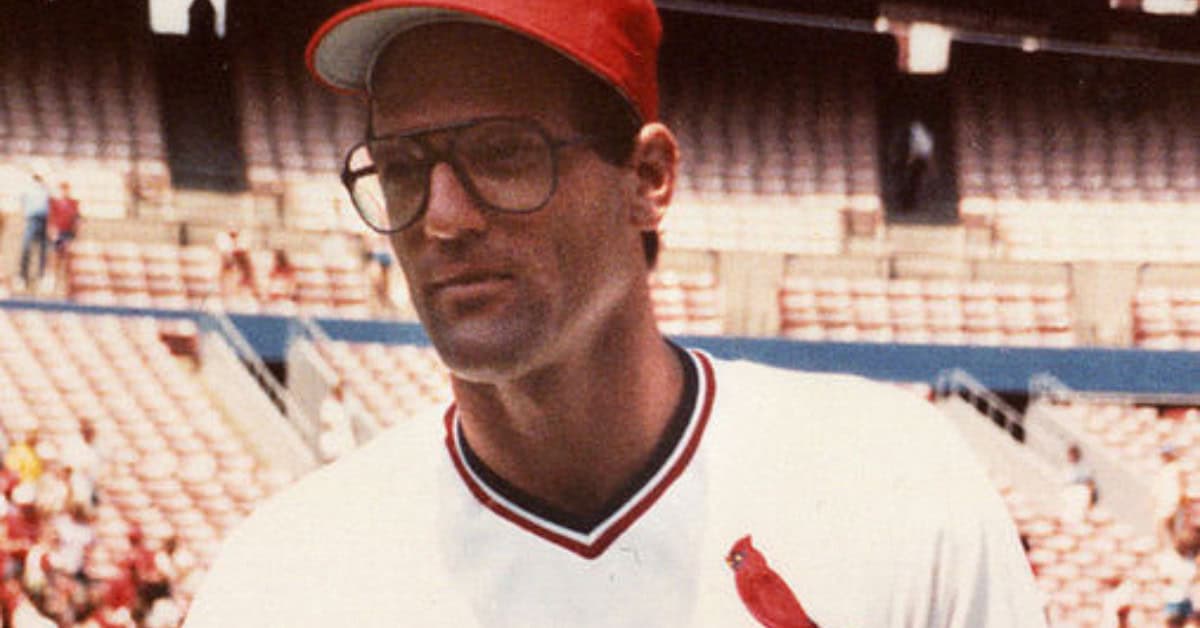
Darrell Porter’s journey from Kansas City disappointment to St. Louis hero captured the redemptive spirit of 1980s baseball. His switch-hitting prowess and defensive skills helped the Cardinals win the 1982 World Series, where he was named the sole MVP. Porter’s .240 average with 58 home runs during the decade told only part of his story—his leadership and clutch hitting in October made him invaluable when championships were on the line.
Jim Sundberg – The Gold Glove Master Who Made Texas Defense Respectable
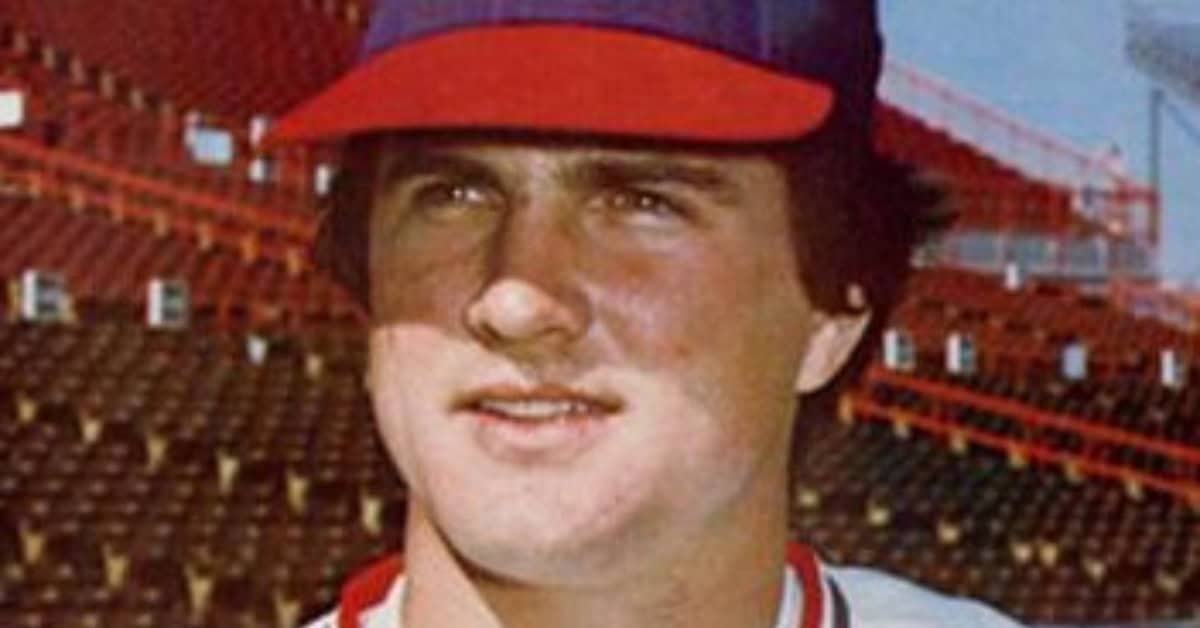
Jim Sundberg’s two Gold Gloves during the 1980s made him one of the most decorated defensive catchers of the decade, helping transform Texas into a respectable franchise. His .248 average with 41 home runs might not have impressed offensive-minded fans, but his .991 fielding percentage and pitch-framing skills made him invaluable to Rangers pitchers. Sundberg proved that in an era increasingly focused on offense, defensive excellence still had its place in winning baseball.
Johnny Bench – The Decade’s Opening Act by Baseball’s Greatest Catcher
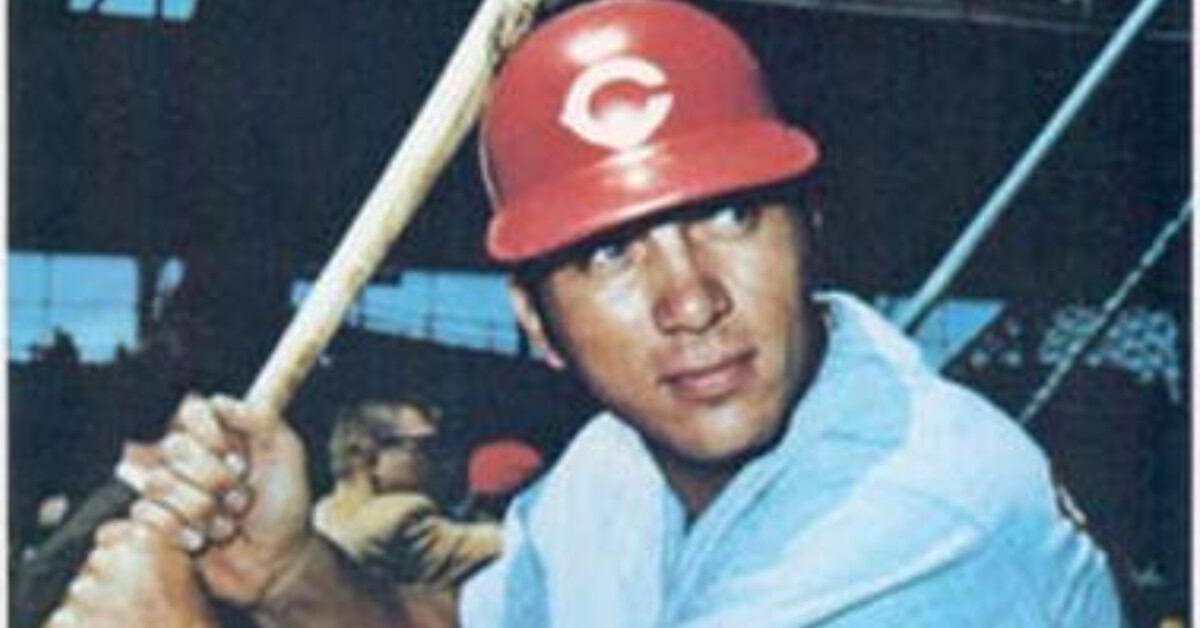
Johnny Bench’s final seasons in the early 1980s provided a master class in how legends age gracefully, as he transitioned from superstar to elder statesman. His .267 average with 52 home runs during his 1980-1983 twilight years showed glimpses of the power that had defined the Big Red Machine. Bench’s presence in Cincinnati during the decade’s opening years served as a bridge between the 1970s dynasty and the new generation of catchers who would define the 1980s.
Alan Ashby – Houston’s Unsung Hero Who Caught a Nolan Ryan No-Hitter
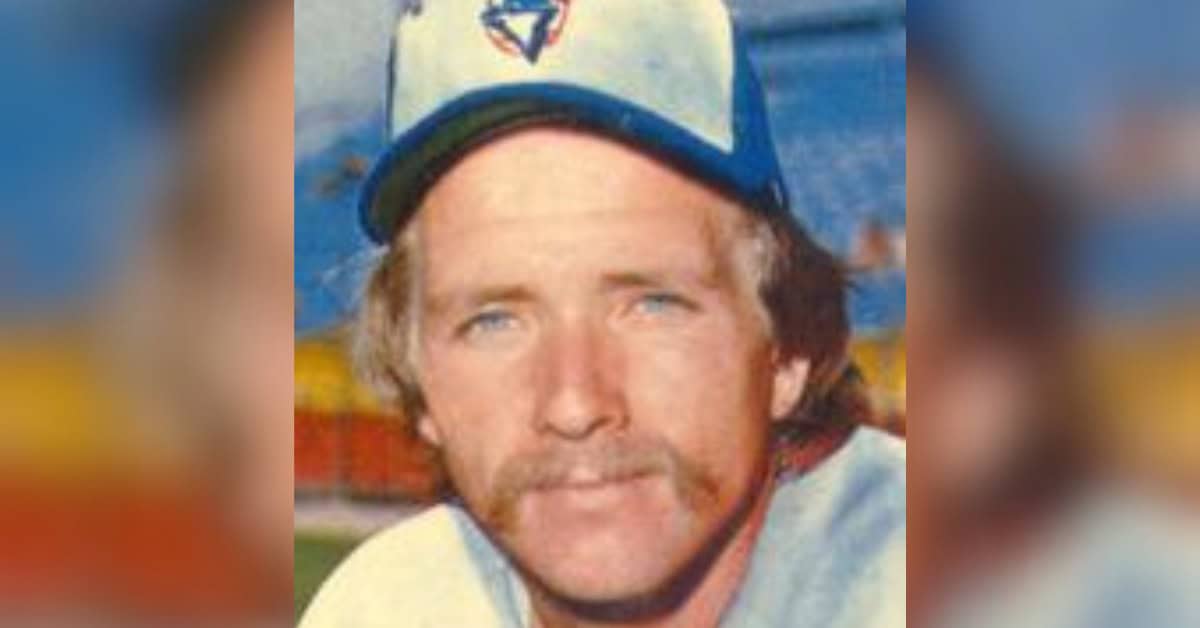
Alan Ashby’s greatest claim to fame was being behind the plate for Nolan Ryan’s record-breaking fifth no-hitter, but his .246 average with 66 home runs during the 1980s made him a solid contributor to Houston’s success. His switch-hitting ability and defensive skills helped the Astros reach the 1986 NLCS, where they came within two wins of the World Series. Ashby represented the reliable, workmanlike catchers who formed the backbone of 1980s baseball without seeking the spotlight.
Ron Hassey – The Journeyman Who Caught Two Perfect Games
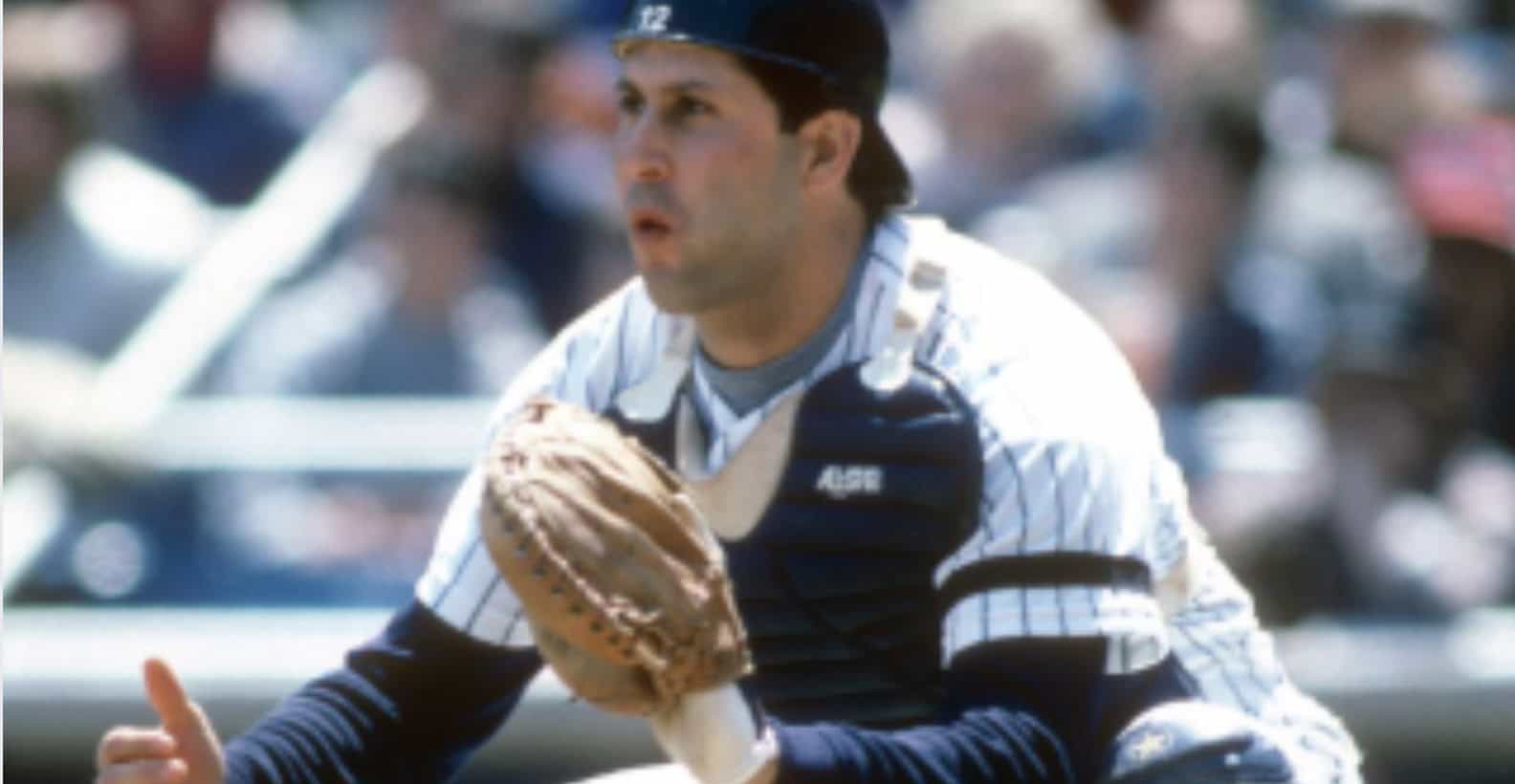
Ron Hassey achieved something no other catcher in baseball history had accomplished, catching perfect games by both Len Barker (1981) and Dennis Martinez (1991). His .266 average with 71 home runs during the 1980s made him a valuable role player for Cleveland, Chicago, and New York. Hassey’s unique place in baseball history proved that sometimes the most memorable moments come from the most unexpected sources, perfectly capturing the unpredictable nature of 1980s baseball.
Ernie Whitt – Toronto’s Patient Builder Who Helped Birth a Dynasty
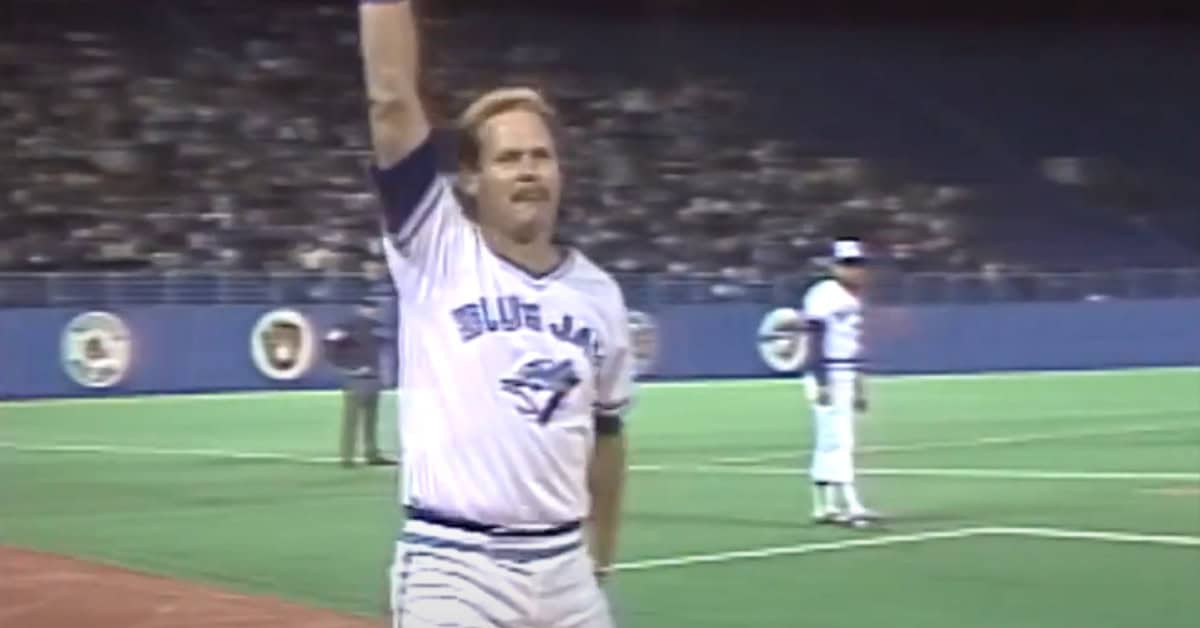
Ernie Whitt’s patient approach at the plate and steady defense helped transform Toronto from an expansion afterthought to a playoff contender during the 1980s. His .248 average with 131 home runs during the decade provided consistent production for a Blue Jays franchise learning how to win. Whitt’s three All-Star selections and leadership skills made him the foundation upon which Toronto built its championship teams of the early 1990s, proving that some contributions transcend individual statistics.
Gary Allenson – Boston’s Backup Who Became a Coaching Legend
Gary Allenson’s .221 average with 15 home runs during the 1980s might not have impressed fans, but his baseball intelligence and leadership skills made him invaluable to Boston’s success. His role as Carlton Fisk’s backup taught him the nuances of the position that would later make him one of baseball’s most respected catching coaches. Allenson represented the unsung heroes of 1980s baseball, players whose contributions were measured in wisdom rather than statistics.
Bruce Benedict – Atlanta’s Defensive Specialist Who Perfected the Art

Bruce Benedict’s .242 average with 18 home runs during the 1980s told only part of his story—his defensive excellence made him one of the most underrated catchers of the decade. His .990 fielding percentage and pitch-framing skills helped Atlanta’s pitching staff perform above their talent level throughout the 1980s. Benedict represented the old-school approach to catching that emphasized defense first, proving that some skills never go out of style, regardless of offensive trends.
Mike Scioscia – The Dodger Blue Warrior Who Blocked More Plates Than Restaurants
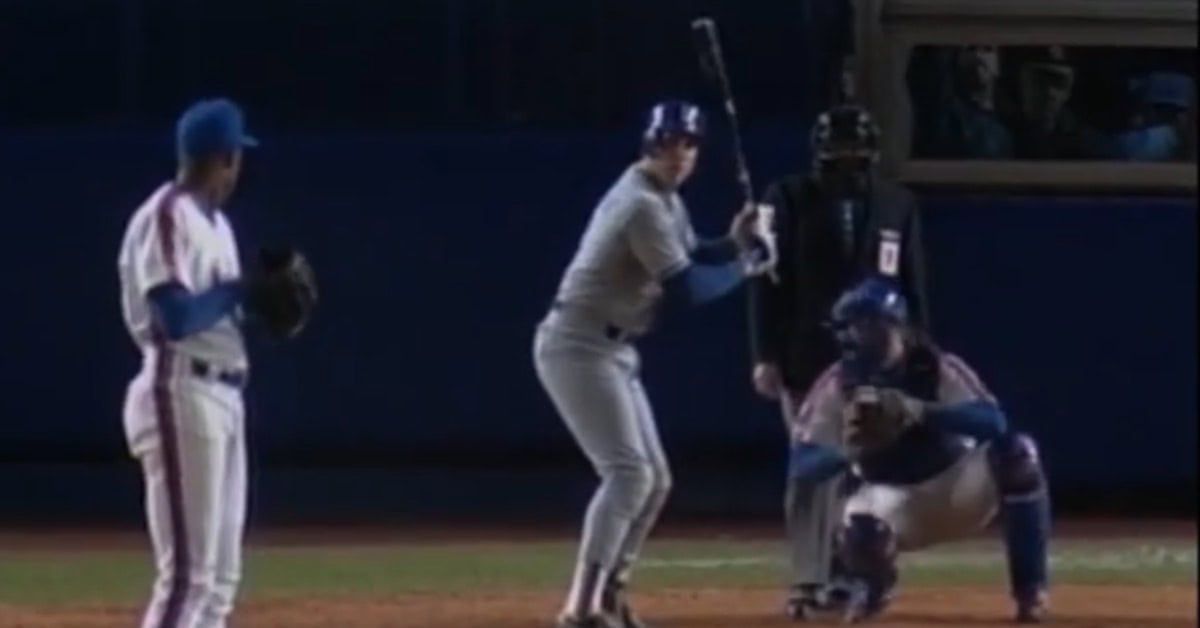
Mike Scioscia’s fearless approach to blocking home plate made him the most intimidating defensive catcher of the 1980s, turning Dodger Stadium into a fortress that runners feared to challenge. His .257 average with 68 home runs during the decade provided steady offensive production, but it was his leadership and game-calling that made him invaluable to Los Angeles’s championship teams. Scioscia’s intelligence and toughness embodied everything that made 1980s catchers special, combining old-school grit with modern offensive capabilities in a way that would later make him one of baseball’s most successful managers.