

Last Updated: June 17th, 2026 by Michael Schatz
The 1990s were baseball’s golden age for center field, when highlight reels were born and stolen bases still mattered. These were the guys who made you grab the remote to rewind that impossible catch, the speedsters who turned singles into doubles while you were still reaching for your nachos.
Don't lose this article. Enter your email below, and I'll send it to you right now. Plus, we'll send you other unbelievable stories from baseball's past.
Ken Griffey Jr. – The Sweet Swing That Made Baseball Beautiful Again
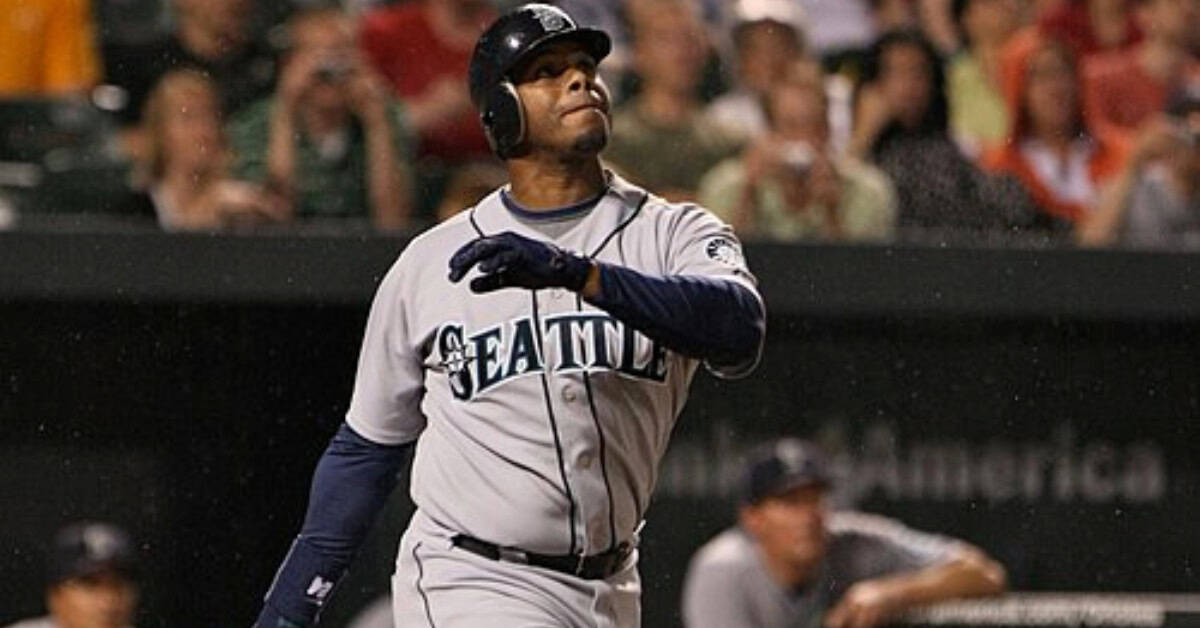
Junior’s backwards cap and effortless swing defined cool in the ’90s, hitting .302 with 382 home runs during the decade while making impossible catches look routine. His 10 Gold Gloves weren’t just defensive awards—they were artistic statements, turning center field into a canvas where physics didn’t apply. When Griffey ran up the wall to rob a home run, even opposing fans stood and applauded, because some things transcend team loyalty.
Bernie Williams – The Quiet Yankee Who Could Actually Play Guitar
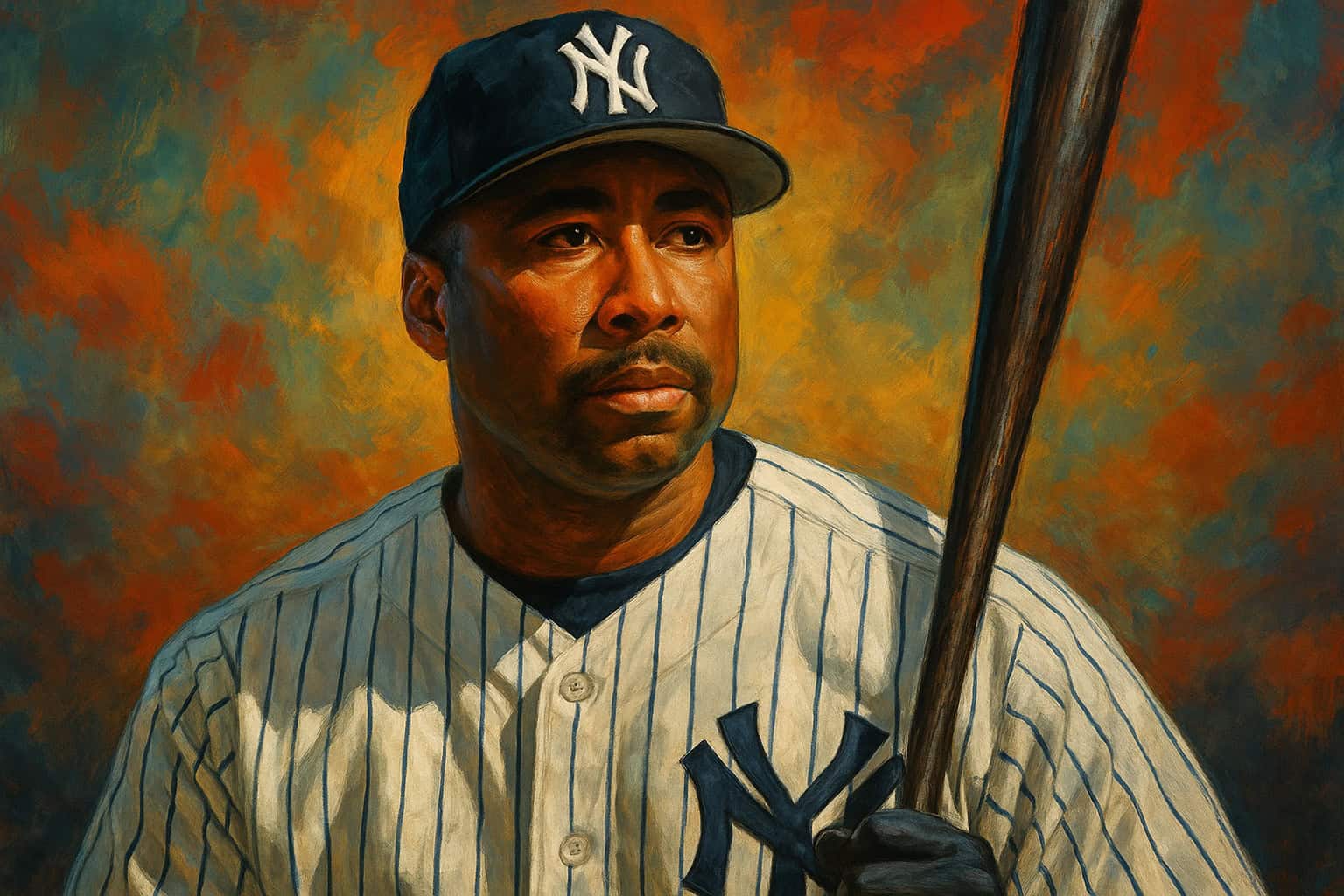
While his Yankee teammates grabbed headlines, Bernie quietly became the most clutch center fielder in postseason history, batting .275 in 121 playoff games with 22 career October home runs. His classical guitar skills weren’t a gimmick—Williams was genuinely talented enough to record jazz albums after retirement. In a clubhouse full of larger-than-life personalities, Bernie let his bat and glove do the talking, anchoring four World Series championship teams with the grace of a symphony conductor.
Kenny Lofton – Speed Demon Who Made Catchers Sweat Through Their Masks
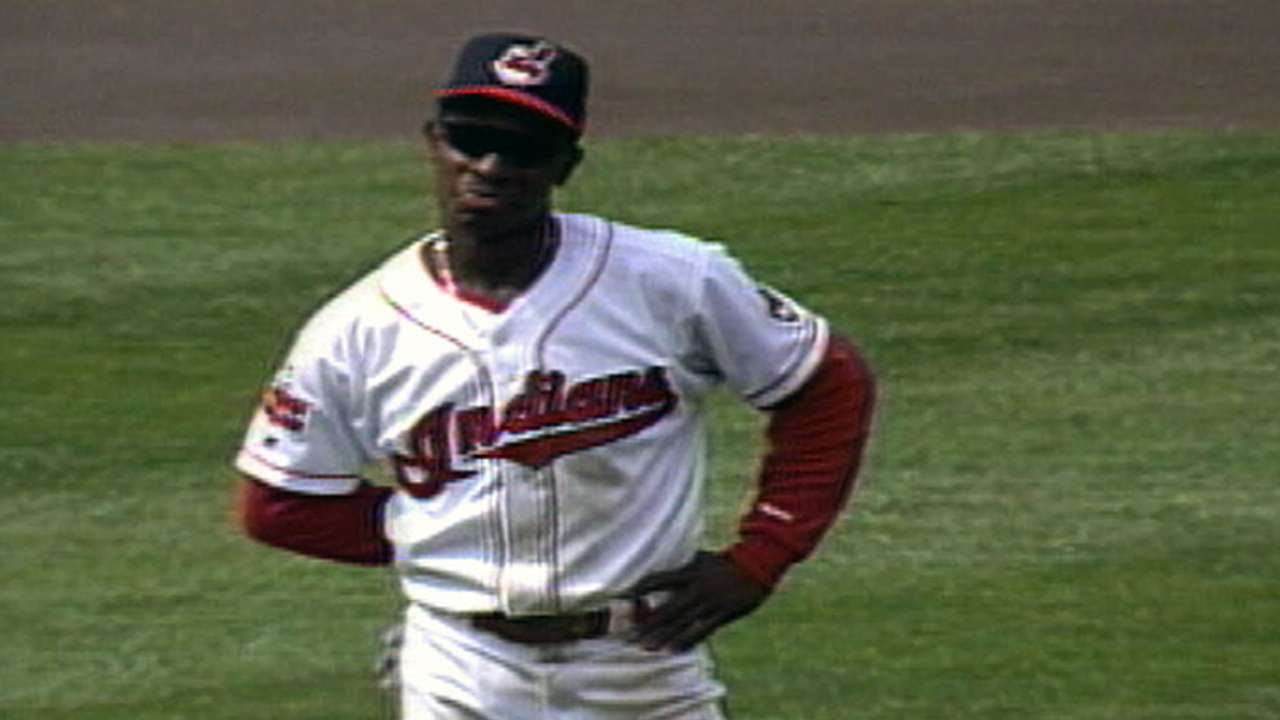
Lofton stole 452 bases in Cleveland alone, turning routine singles into scoring position nightmares for opposing pitchers who couldn’t focus on the batter. His leadoff presence was psychological warfare—he’d take his lead, shuffle his feet, and suddenly the pitcher forgot how to throw strikes to anyone else. At 5’9″ and 180 pounds, Lofton proved that in the ’90s, speed still killed, stealing 75 bases in 1996 while hitting .317 and making center field look like his personal racetrack.
Kirby Puckett – Minnesota’s Barrel-Chested Heart and Soul

Built like a fire hydrant but playing center field like a gazelle, Puckett’s infectious smile and clutch hitting made him Minnesota’s most beloved athlete until his career ended tragically in 1996. His Game 6 home run in the 1991 World Series—”We’ll see you tomorrow night!”—remains one of baseball’s most iconic calls. Puckett hit .314 lifetime and won six Gold Gloves, proving that heart and hustle could overcome any physical limitations, inspiring a generation of kids who didn’t look like typical athletes.
Devon White – The Blue Jays’ Acrobatic Wizard in Center
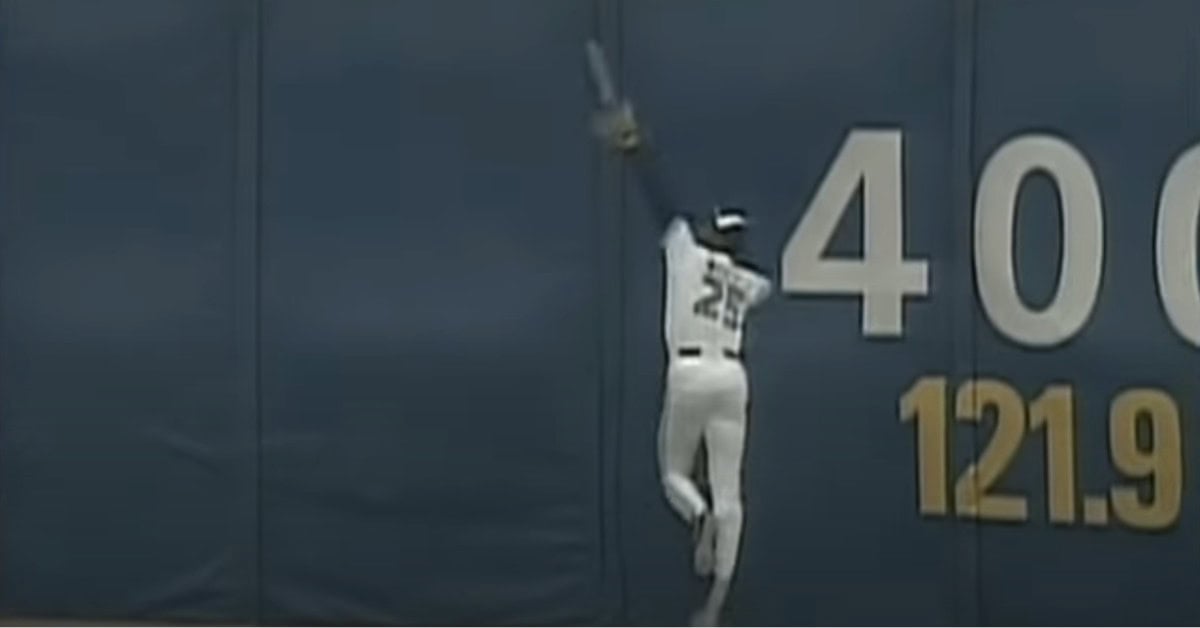
White’s diving catch in Game 3 of the 1992 World Series—a full-extension robbery that turned into a double play—still gives Braves fans nightmares and Blue Jays fans goosebumps. His seven Gold Gloves weren’t just hardware; they were proof that center field could be an art form when played by someone with White’s instincts and athleticism. While Toronto celebrated back-to-back championships, White was the defensive anchor who made impossible plays look routine, covering ground like he had a personal GPS system installed in his cleats.
Marquis Grissom – The Expos’ Leadoff Lightning Bolt
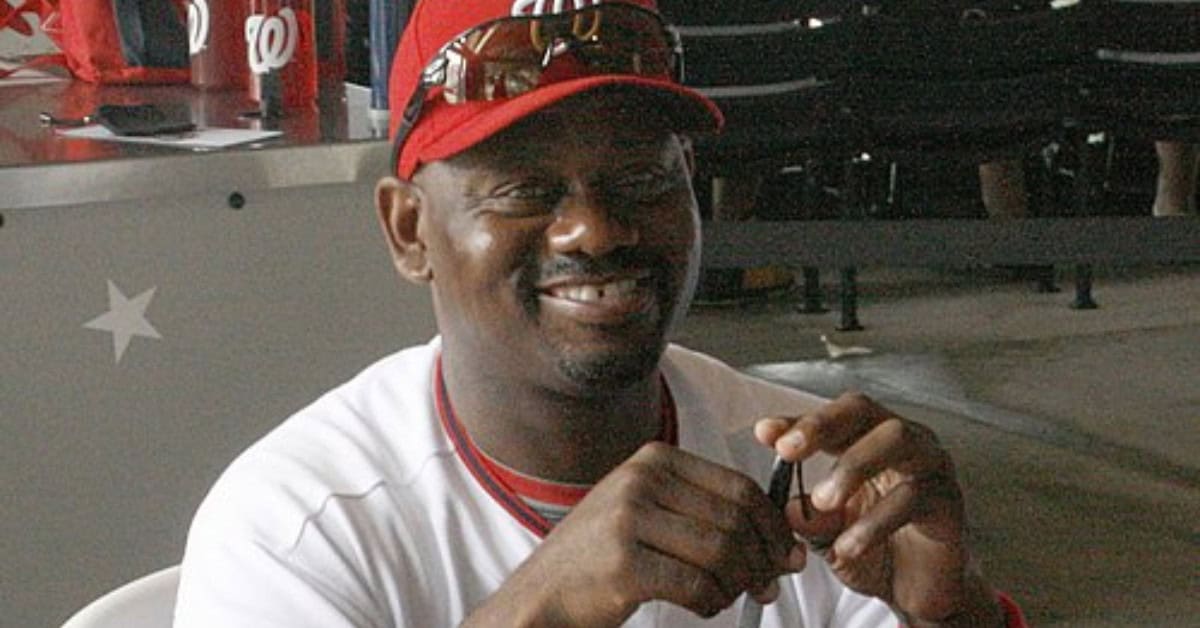
Before Montreal broke baseball fans’ hearts by trading away their stars, Grissom was the catalyst of those talented Expos teams, stealing 76 bases in 1991 and winning four Gold Gloves. His speed wasn’t just about stolen bases—it was about turning routine fly balls into outs and stretching singles into doubles that changed entire innings. When Grissom led off games with his patient approach and blazing speed, Olympic Stadium actually felt electric, a reminder of what Montreal baseball could have been if the economics had worked out differently.
Lenny Dykstra – Nails and the Phillies’ Gritty Championship Dream
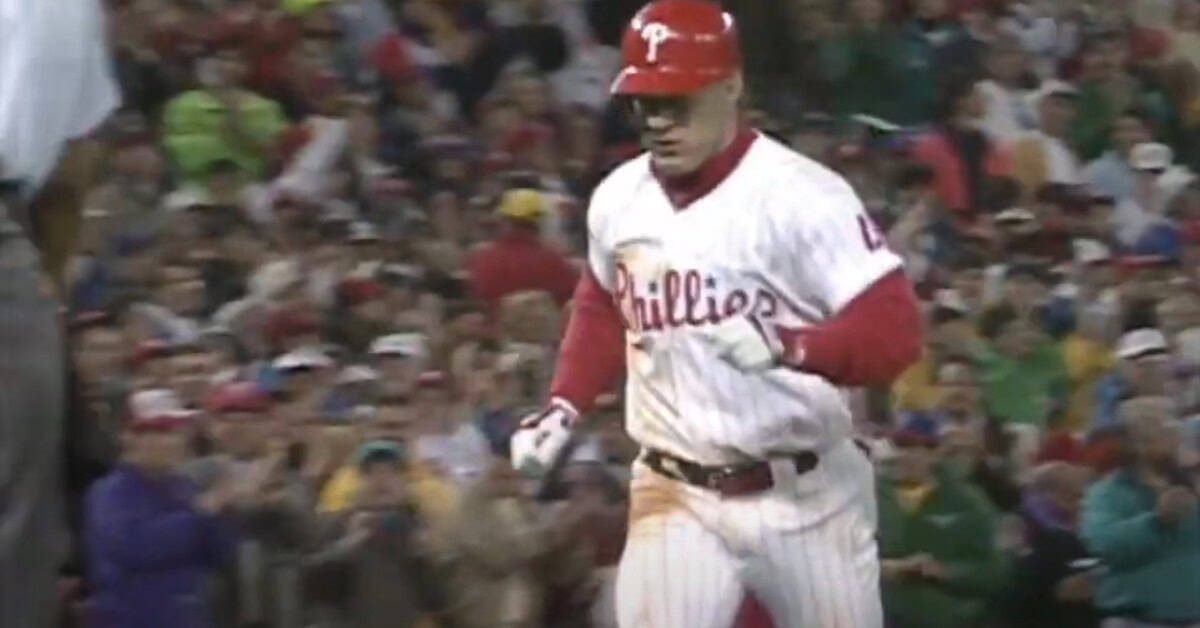
“Nails” embodied Philadelphia’s blue-collar spirit, diving headfirst into bases and walls with reckless abandon that made Veterans Stadium crowds roar with approval. His 1993 season—19 homers, 37 steals, and a .305 average—carried the Phillies to within one game of a World Series title. Dykstra played center field like he was collecting a paycheck at the shipyard, treating every fly ball like a personal insult and every at-bat like his mortgage payment depended on it, which in Philadelphia, made him practically a folk hero.
Ray Lankford – St. Louis’ Underrated Power-Speed Threat

Lankford was the rare center fielder who could steal 30 bases and hit 30 home runs, doing exactly that in 1998 while patrolling Busch Stadium’s vast center field like he owned the real estate. His 238 career homers and 258 stolen bases made him one of the most complete players of the decade, even if he never got the national recognition he deserved. Playing in the shadow of Mark McGwire’s home run chase, Lankford quietly became one of the best all-around center fielders in Cardinals history, combining power, speed, and defense in equal measure.
Jim Edmonds – The Angels’ Highlight Reel in Human Form
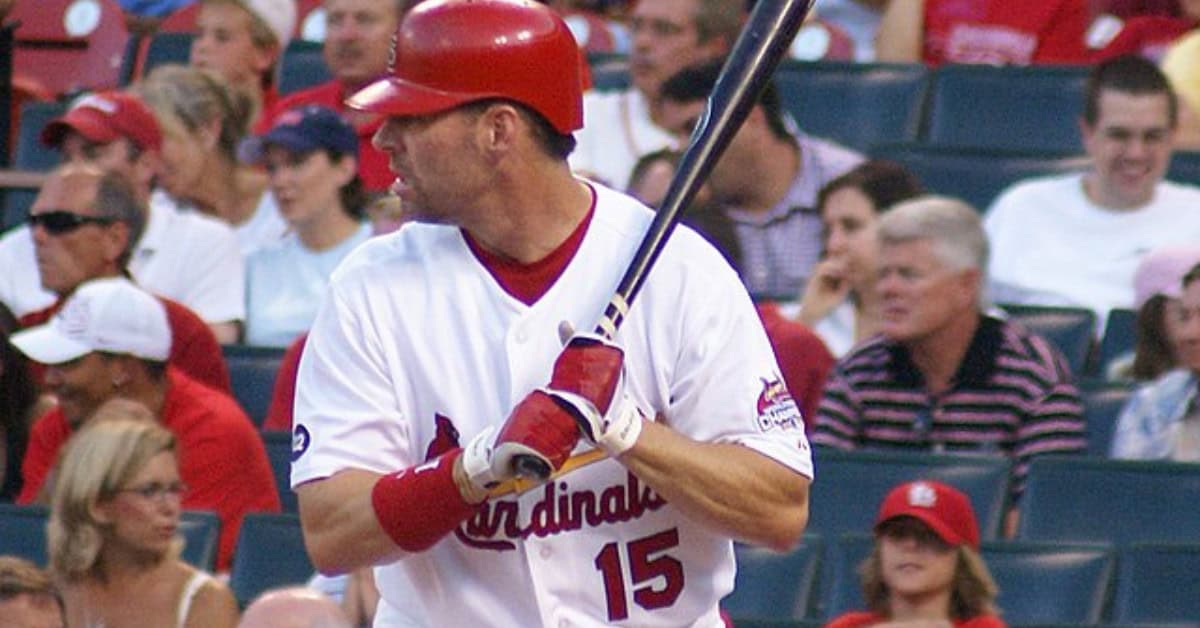
Edmonds turned routine fly balls into SportsCenter moments, diving and sliding across Anaheim Stadium’s outfield grass like he was auditioning for Cirque du Soleil. His fearless approach to defense earned him eight Gold Gloves and a reputation as the most spectacular center fielder of his generation. Before he became a Cardinals legend, Edmonds was California’s defensive wizard, making catches that defied both gravity and common sense, proving that sometimes the best way to play center field was to completely ignore your own physical safety.
Steve Finley – The Padres’ Steady Hand in the Outfield
While flashier names grabbed headlines, Finley quietly became one of the most consistent center fielders of the decade, winning five Gold Gloves and providing steady production for multiple franchises. His 1996 season in San Diego—30 homers, 36 steals, and stellar defense—showcased the complete skill set that made him valuable wherever he played. Finley was the kind of player general managers loved and fans appreciated over time, the reliable professional who showed up every day and made the difficult plays look routine.
Brady Anderson – Baltimore’s Surprise 50-Homer Wonder
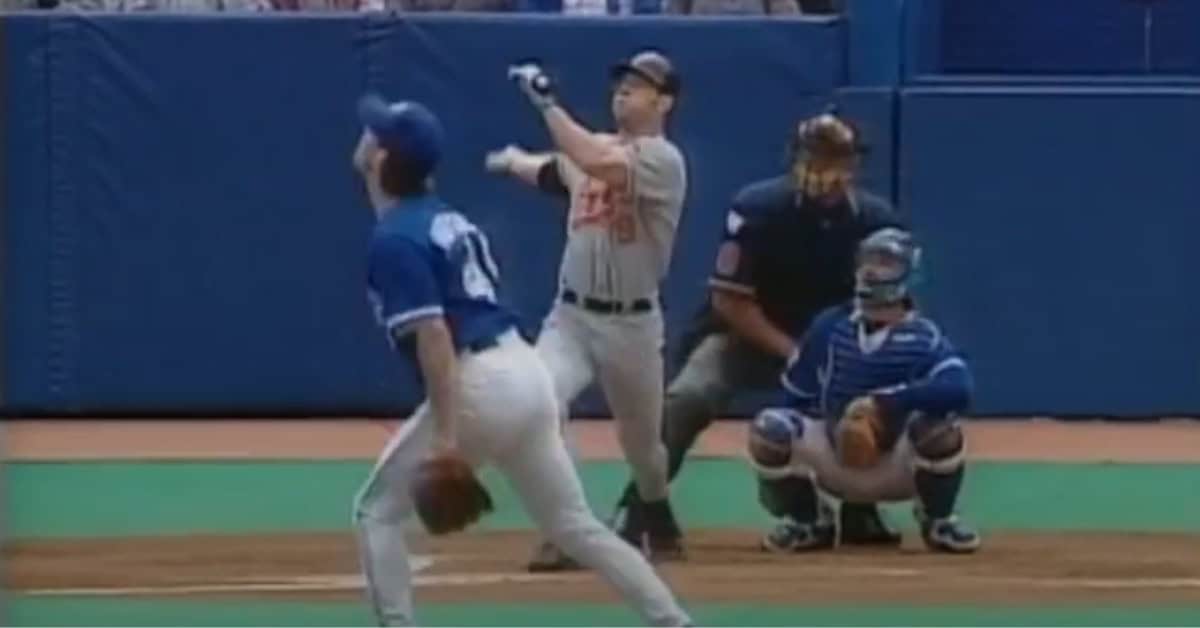
Anderson’s 1996 season—50 home runs from a leadoff hitter who’d never hit more than 21—remains one of baseball’s most shocking individual performances. His transformation from speedy slap hitter to power threat coincided with Camden Yards’ opening and Baltimore’s resurgence as a baseball town. Anderson’s long hair flowing from under his batting helmet became an iconic ’90s image, representing the era when baseball players started looking less like insurance salesmen and more like rock stars, even if that particular power surge raised eyebrows that still haven’t come down.
Ellis Burks – The Rockies’ Mile-High Masher
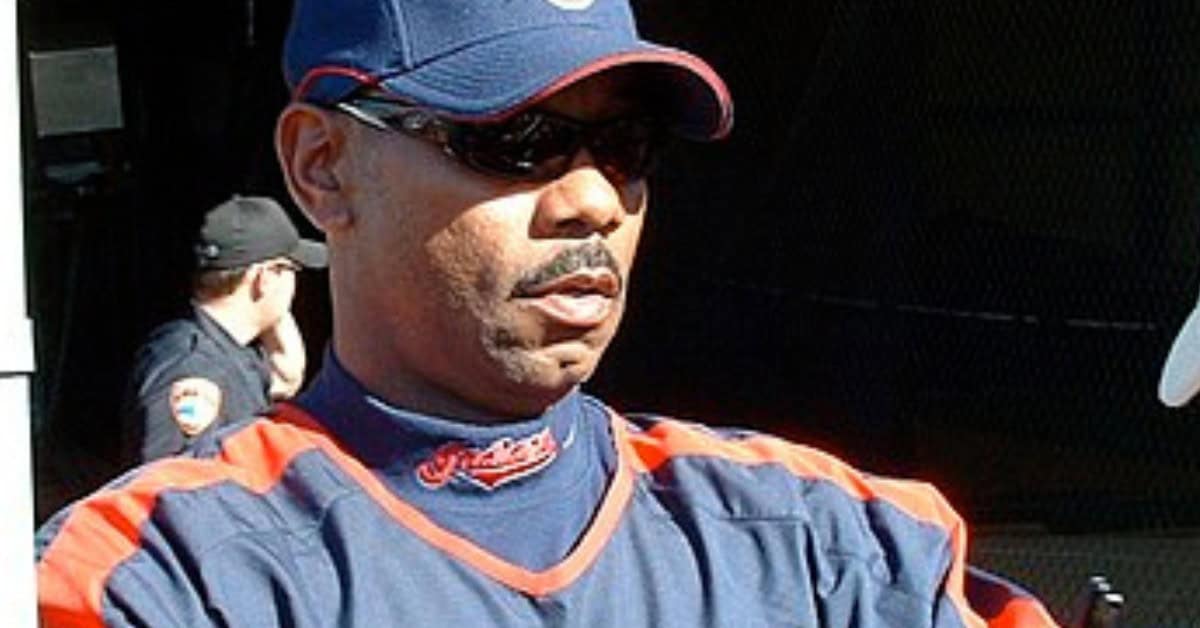
Burks found the fountain of youth in Colorado’s thin air, hitting 40 homers and driving in 128 runs in 1996 while patrolling Coors Field’s aircraft-hangar-sized outfield. His smooth swing was perfectly suited for the altitude, and his veteran presence helped establish credibility for the expansion Rockies. After years of battling injuries in Boston, Burks became the poster child for how the right environment could resurrect a career, proving that sometimes a change of scenery—and atmospheric pressure—was all a player needed to rediscover greatness.
Otis Nixon – The Speedster Who Made Stolen Bases an Art Form
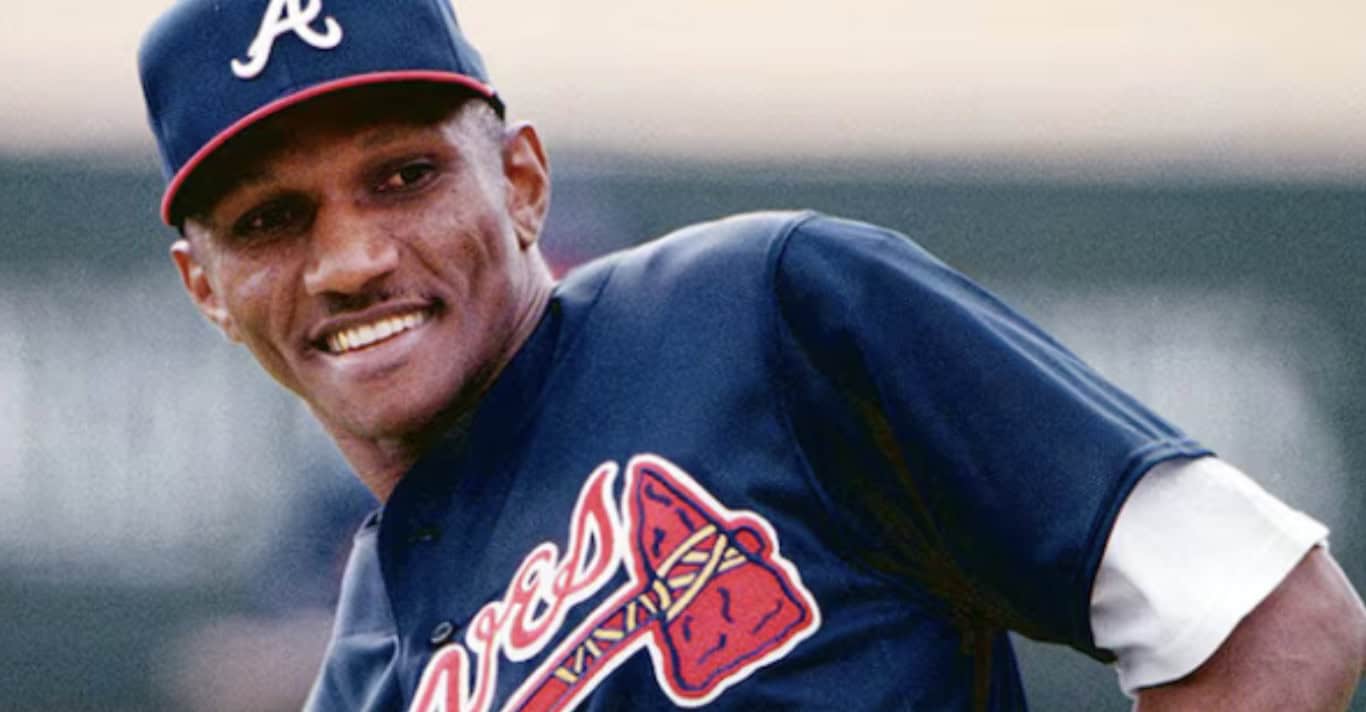
Nixon stole 72 bases at age 32 in 1991, proving that speed doesn’t always fade with age if you know how to use it efficiently. His cat-like reflexes and perfect jump timing made him nearly unstoppable on the basepaths, turning walks into scoring position and singles into doubles. Playing for Atlanta during their early ’90s dominance, Nixon was the catalyst who turned good pitching into great run prevention, covering enough ground in center field to make Fulton County Stadium feel like a Little League park.
Juan Gonzalez – Texas Power Before He Moved to Right Field
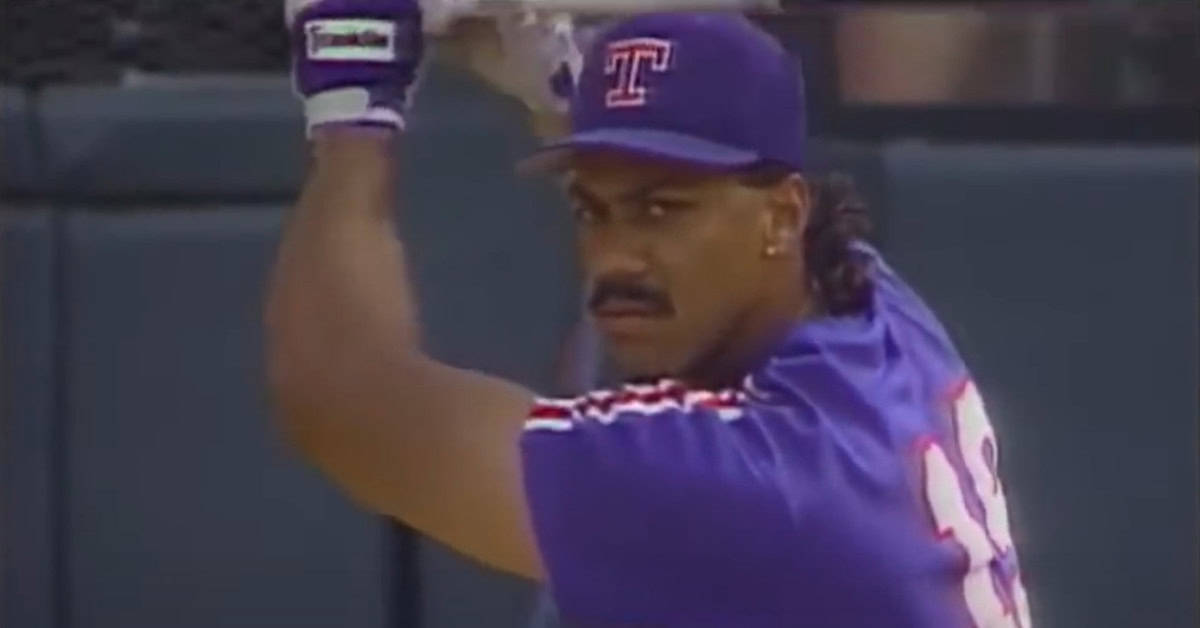
Before becoming a full-time right fielder, Gonzalez patrolled center field for Texas with surprising grace for a man who could launch baseballs into orbit. His 1992 and 1993 seasons—43 and 46 home runs respectively—established him as one of the game’s premier power hitters while still playing center field. Juan Gone’s massive frame and even more massive home runs made Arlington Stadium feel intimate, as he regularly deposited baseballs into the upper deck with swings that looked effortless but generated enough force to power small appliances.
Mike Cameron – Seattle’s Defensive Replacement for The Kid

Following Griffey Jr. in center field was like trying to replace Sinatra at the Copa, but when Mike Cameron arrived in 2000, his defensive wizardry and surprising power helped Mariners fans move on. His four-homer game in 2002 was still a couple of years away, but he immediately showed flashes of the complete player he’d become. With a range that rivaled Griffey’s and an arm that made baserunners think twice, Cameron proved that sometimes the best way to replace a legend is to simply be yourself, just really, really good at it.
Tony Phillips – Detroit’s Swiss Army Knife Utility Star

Phillips could play anywhere on the field, but his center field work for Detroit in the early ’90s showcased his underrated athleticism and baseball IQ. His 1993 season—132 walks, 114 runs scored, and 16 stolen bases—demonstrated the value of patience and versatility in an era obsessed with home runs. Phillips was the ultimate professional, the kind of player who made managers’ lives easier by simply being available and competent wherever needed, proving that sometimes the best skill in baseball is just knowing how to play the game right.
Curtis Goodwin – The Orioles’ Table-Setter Extraordinaire

Goodwin’s blazing speed made him a valuable leadoff option for Baltimore, stealing 50 bases in 1995 while providing solid defense in center field. His ability to turn routine grounders into infield hits and stretch singles into doubles gave the Orioles’ powerful lineup extra opportunities to drive him home. Goodwin represented the last generation of pure speed players, guys who could change games without hitting home runs, proving that in the right situation, legs could be just as valuable as arms when it came to winning baseball games.
Brian McRae – Kansas City’s Consistent Everyday Player
McRae provided steady production for Kansas City throughout the mid-’90s, combining decent power with good speed and reliable defense. His 1994 season—11 homers and 21 steals—showed the kind of balanced skill set that made him valuable to multiple franchises. The son of former big leaguer Hal McRae, Brian represented baseball’s family tradition, carrying on the professional approach and work ethic that made him a manager’s dream and a fan favorite in markets that appreciated players who showed up ready to work every single day.
Andruw Jones – Atlanta’s Teenage Phenom Who Arrived Late
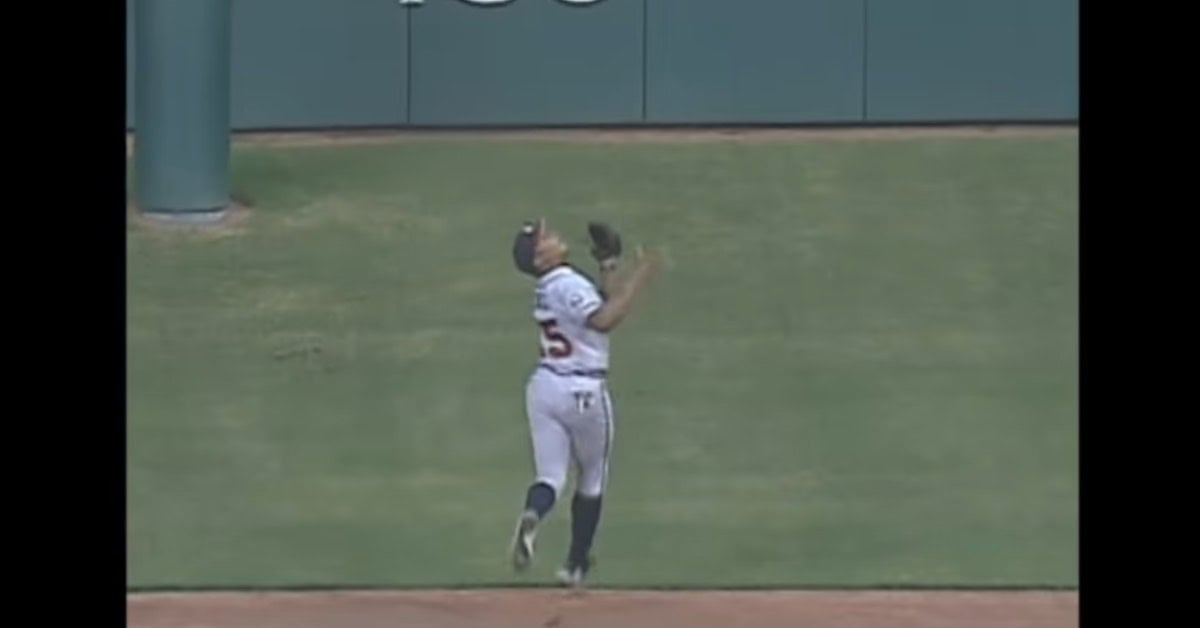
Jones burst onto the scene in 1996 as a 19-year-old rookie, becoming the youngest player ever to homer in a World Series and giving Braves fans a glimpse of the defensive wizard he’d become. His two home runs off Yankees ace Andy Pettitte in Game 1 announced his arrival on baseball’s biggest stage with the kind of flair that made you believe in destiny. Though his prime years came in the 2000s, Jones’ late-’90s emergence showed that sometimes the best center fielders arrive not with fanfare, but with pure, undeniable talent that speaks louder than any scouting report.
Chad Curtis – The Scrappy Overachiever Who Hustled His Way to Two Rings
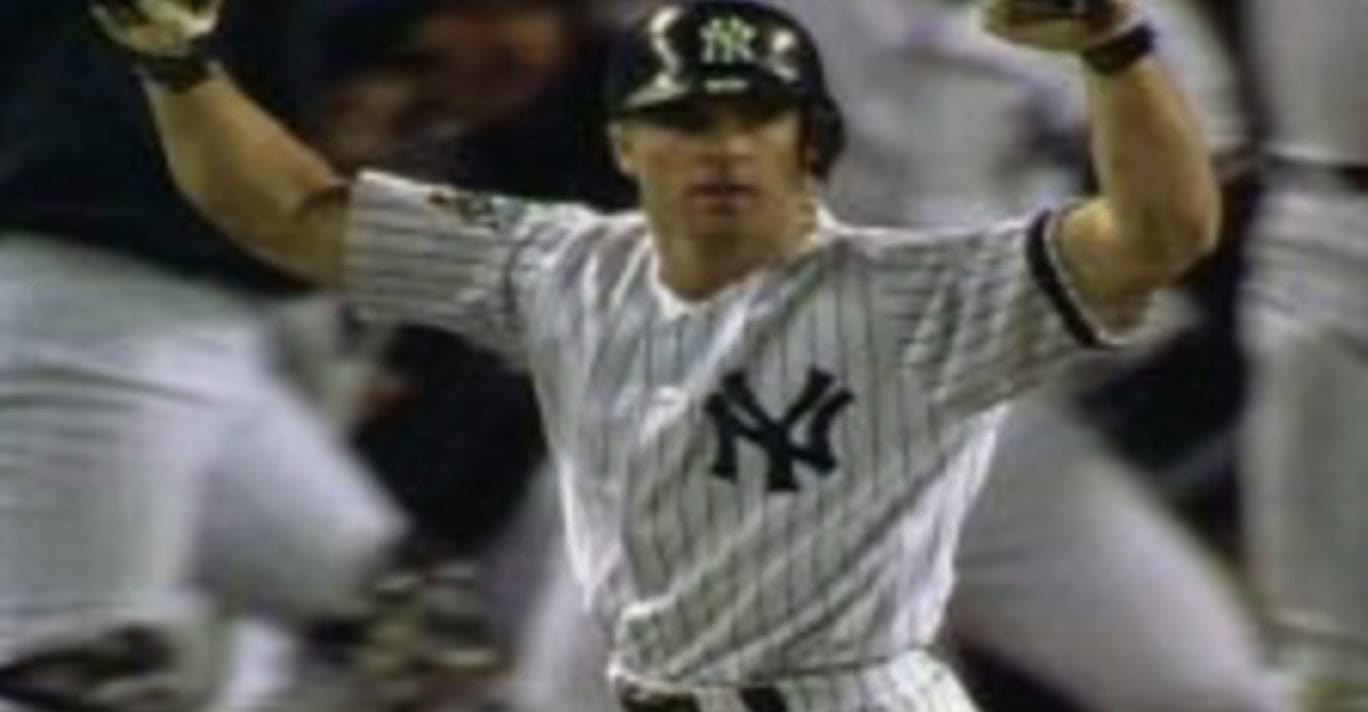
Curtis was the kind of player who made coaches’ hearts sing and scouts’ heads scratch—limited tools but maximum effort, turning routine plays into adventures through sheer determination. His 1999 World Series walk-off homer against Atlanta proved that sometimes baseball rewards hustle over talent, as the former Angels utility man became an unlikely Yankees hero. Curtis embodied the ’90s role player mentality, where knowing your limitations and playing within them could still get you championship rings, even if you looked like you belonged in a church league rather than the big leagues.